Nagoya Touken World brings together the weapons and art of samurai-era Japan under one roof. You can see around 150 swords, including national treasures and important cultural properties, alongside armor, ukiyo-e prints, and firearms. It is a focused museum visit, not a guided tour.
I like two things in particular: the chance to compare finely made swords with the armor worn by samurai, and the broader view offered by prints and guns from the same cultural world. The main caveat is that multilingual guidance and hands-on activities may be limited, so this is a better fit if you already have some interest in Japanese history or objects.
- Key points to know
- Swords are the main event
- Armor gives the weapons a human scale
- Prints and firearms broaden the picture
- Interactive media and samurai photo spots
- How to plan your visit
- Is US.59 good value?
- Who will enjoy Nagoya Touken World most?
- Should you book it?
- FAQ
- Where is Nagoya Touken World?
- What are the opening hours?
- What does the admission ticket include?
- Can I enter using the QR code?
- Is there an age limit?
- Are food and drinks allowed inside?
- The Best Of Nagoya!
- More Tours in Nagoya
- More Tour Reviews in Nagoya
- Not for you? Here's more nearby things to do in Nagoya we have reviewed
Key points to know
 1 / 9
 2 / 9
 3 / 9
 4 / 9
 5 / 9
 6 / 9
 7 / 9
 8 / 9
 9 / 9
- About 150 swords are on display, with the museum able to show up to 200.
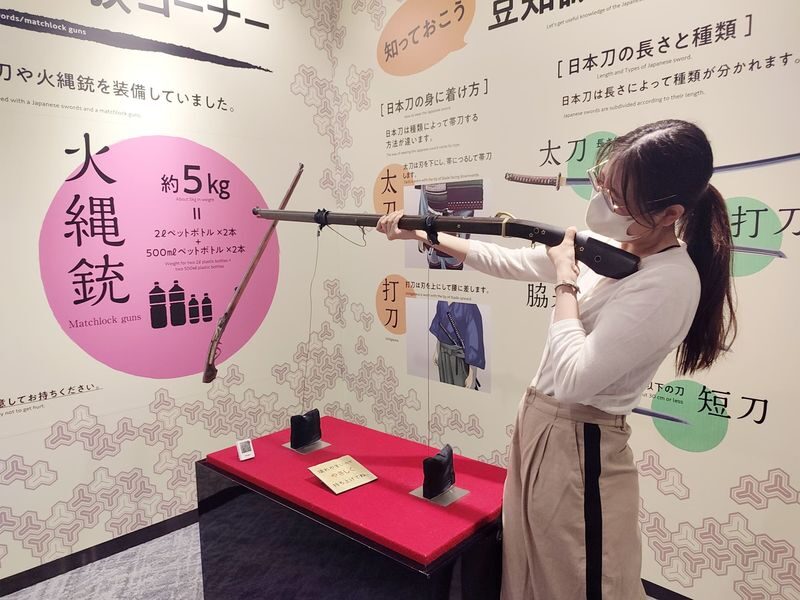
- Armor, prints, and firearms widen the story: the permanent displays include about 50 sets of armor and 150 ukiyo-e prints, plus a collection of 350 matchlock and old Western firearms.
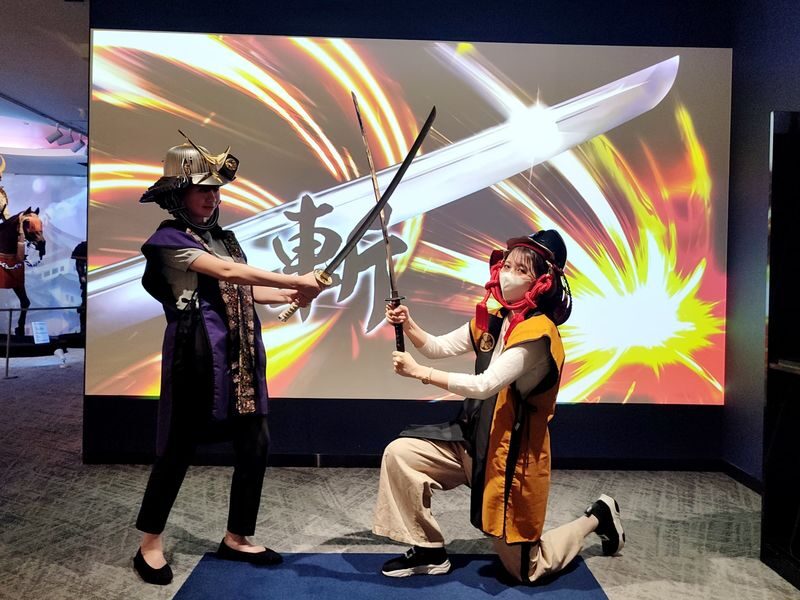
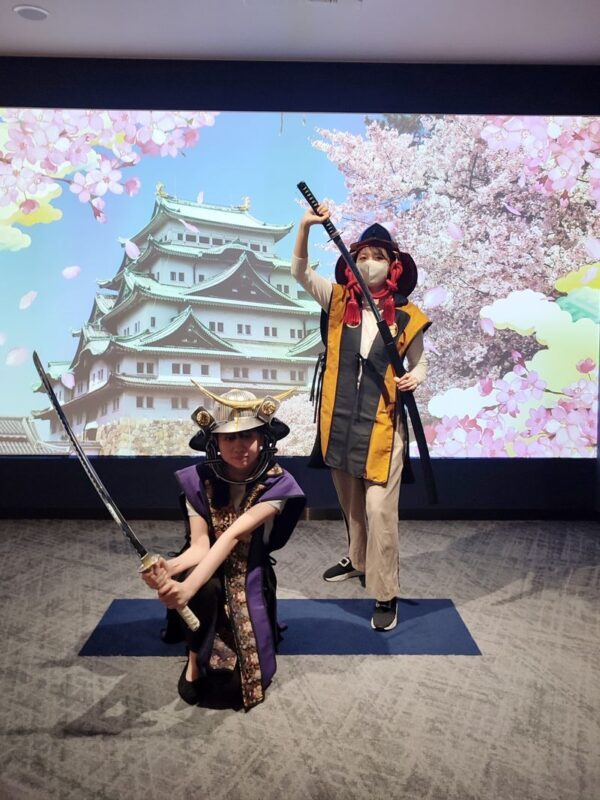
- Samurai photo spots add a family-friendly touch, with opportunities to dress up as a warrior.
- Interactive media is part of the museum, but the experience is still mainly about looking closely at objects.
- Admission starts at US$7.59, and the ticket is valid only on the date selected.
- Do not try to enter with the QR code alone: show it at the staffed counter in the first-floor museum shop to receive a paper ticket.

👉 See our pick of the 8 Best Workshops And Classes In Nagoya
Swords are the main event
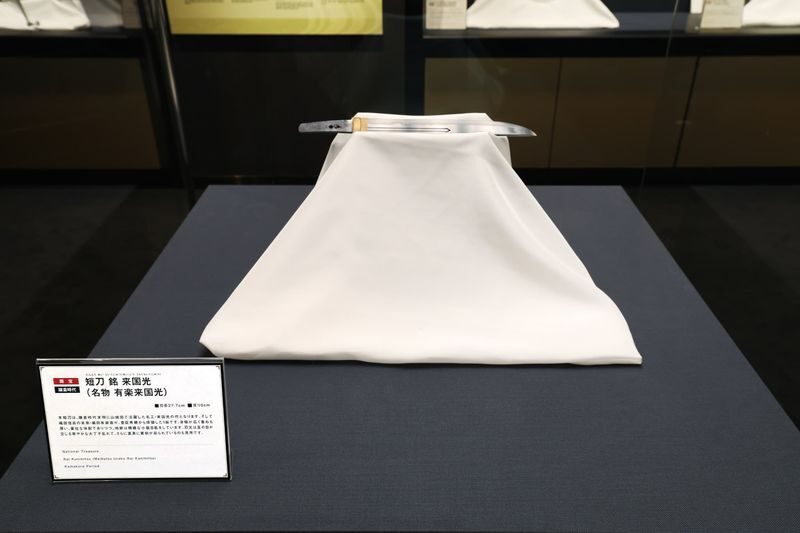
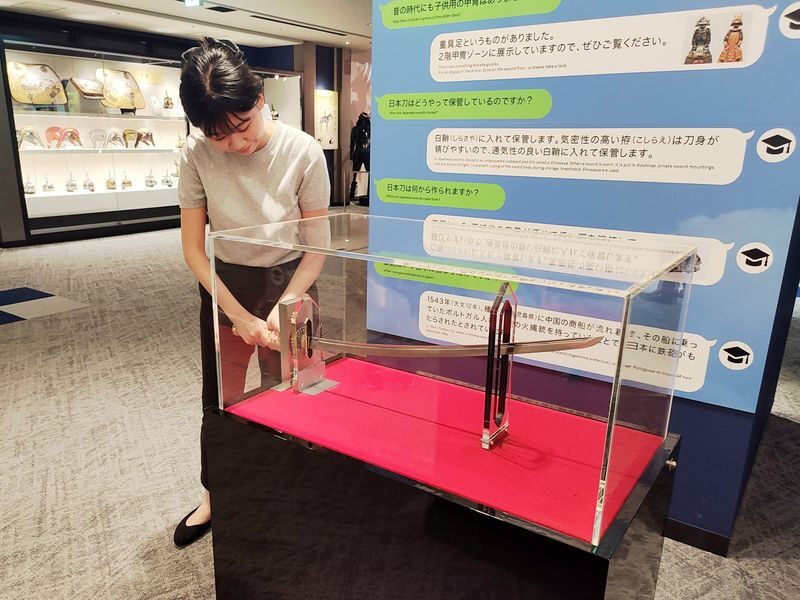
Nagoya Touken World, also called Nagoya Touken Museum or Meihaku, is devoted to Japanese swords and the culture around them. Its headline collection is approximately 150 swords, with the ability to display as many as 200. Some are designated national treasures, important cultural properties, or important art objects, distinctions that signal the museum is presenting more than decorative blades.
The appeal is in the workmanship. A sword is not simply a weapon behind glass. Its shape, finish, and fine detail invite a slower look, especially if you give yourself time to compare one piece with another. You do not need to be an expert to appreciate the care involved, but a little curiosity about how swords were made and used will make the visit more rewarding.
The museum is in Sakae, in Nagoya’s Naka Ward, at 3-35-43 Sakae. The setting makes it a useful stop if you are already exploring central Nagoya, though the admission is best treated as a dedicated museum visit rather than a quick photo stop. There is no tour guide included, so you set your own pace and decide how long to spend with each display.
You can also read our reviews of more tours and experiences in Nagoya.


Armor gives the weapons a human scale
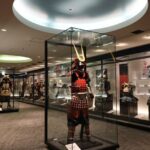
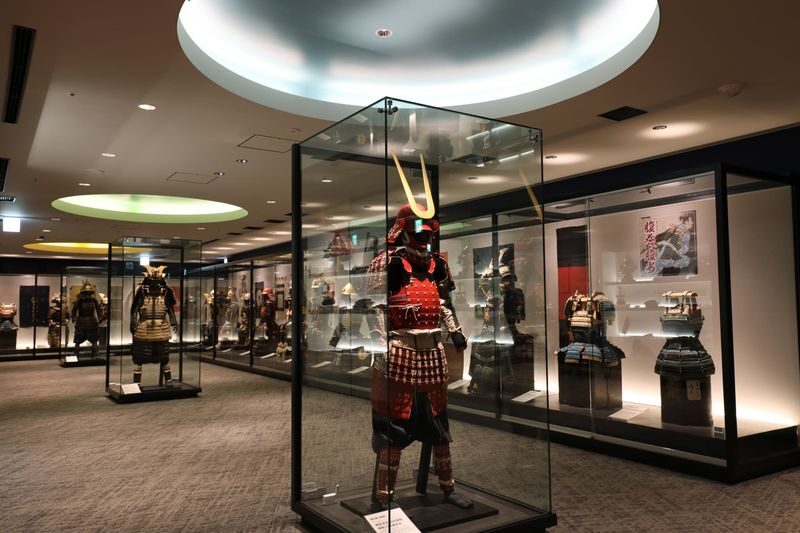
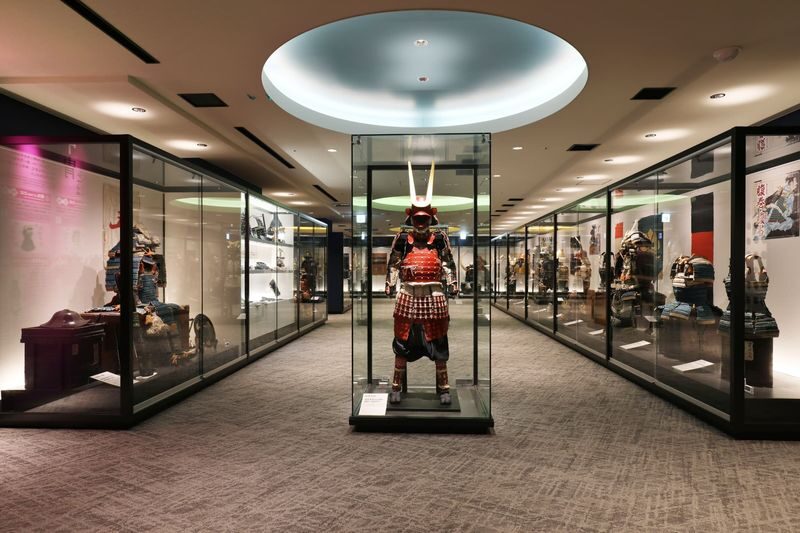
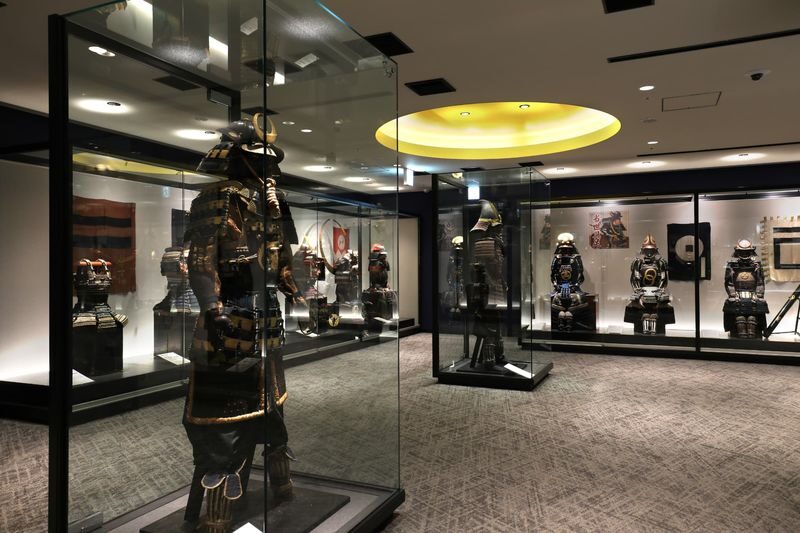
The armor collection is one of the strongest reasons to look beyond the swords. Around 50 sets are on permanent display, giving you a chance to see the protective equipment that turned battlefield technology into something worn by a person. The scale, construction, and visible decoration help make samurai history feel less abstract.
I would give the armor a proper share of your attention rather than rushing straight from sword case to sword case. A sword tells you about skill and craft; armor adds another part of the story, showing what a warrior carried and wore. If your interest is mainly in samurai culture, this pairing is likely to be the museum’s most satisfying combination.
The collection is substantial, but it is still a museum, not a live demonstration. You are there to look at preserved objects, not to watch a sword being made or see armor in use. That distinction matters if you are deciding between this and a more active attraction.
Prints and firearms broaden the picture
Nagoya Touken World also displays about 150 ukiyo-e prints. These works offer a change of pace from the metal and protective gear, bringing images of Japanese life and culture into the same visit. Their presence helps the museum avoid becoming a room of weapons alone.
The firearms collection adds another useful angle. The museum has approximately 350 matchlock and old Western firearms, including weapons associated with the changes of the Sengoku period. This is a chance to consider how firearms altered warfare alongside the swords and armor that often dominate popular images of samurai Japan.
For you, the mix of objects is a practical advantage. If one section holds your attention less, another may be more compelling. But the museum’s variety does not necessarily mean a highly interactive visit: the core experience remains viewing collections, with a media space and photo opportunities as additions.
Interactive media and samurai photo spots
The museum combines traditional displays with newer interactive media. That gives families and curious first-timers something beyond cases and labels, though you should keep expectations measured. The number of interactive facilities is not extensive, so do not book solely for a hands-on experience.
Photo spots let visitors dress as samurai warriors, which can make the visit more playful, particularly for children. It is a memorable contrast to the careful, quiet work of examining the swords and armor. If you are visiting with family, the combination can help balance serious exhibits with a more relaxed moment.
There is no age limit for the activity. Still, the museum’s main draw is historical material, so children who enjoy costumes, weapons, or visual displays may find more to hold their attention than children looking for a large play area. Adults who prefer a fast-moving attraction may also find the visit subdued.
How to plan your visit
The museum is open from 10:00 to 17:00 and closed on Mondays. The ticket is valid only for the date you choose, so check the calendar before booking and avoid planning your visit for a Monday. No visit duration is specified, so allow time according to how closely you want to examine the collections rather than expecting a timed tour.
Your ticket does not include a guide. If you rely on explanations in a language other than Japanese, plan for some uncertainty: multilingual guidance may not be widely available. You can still enjoy the visual detail, but visitors seeking in-depth interpretation should consider whether a self-guided museum will meet their needs.
There is an important ticket step at arrival. The QR code issued for the booking is not a direct-entry pass. Take it to the staffed counter in the first-floor museum shop, where museum staff will issue a paper ticket. One visitor encountered a QR-code problem and had to pay again on site, despite the museum itself being worthwhile. To reduce the risk of a costly mix-up, keep your booking confirmation available, follow the counter instructions, and contact customer support if the confirmation does not arrive within 24 hours. If a code fails, speak with staff and support before buying a second ticket.
Outside food and drinks are not allowed inside. Smoking and drinking are also prohibited, and staff may ask anyone who breaks the rules to leave. Flash photography is not allowed, so turn it off before taking pictures. Personal purchases at Waka Café & Restaurant Yuraku and the museum shop are not included in admission.


Is US$7.59 good value?
At a starting price of US$7.59, admission is a modest-cost way to spend time with a wide range of Japanese cultural objects. Value depends less on the number of rooms or activities than on your interest in what is displayed. If swords, armor, prints, and firearms appeal to you, the range gives you several ways into the subject for one ticket.
The value is less certain if you expect extensive guided interpretation or a large number of interactive exhibits. The museum does have modern media and samurai photo spots, but the collection is the main attraction. I would see the ticket as good value for a focused museum visit, not as an all-day entertainment package.
The low starting price also makes this an easier choice to add to a Nagoya itinerary if you are already interested in Japanese history. But the QR-code issue is worth taking seriously. Read the redemption directions before you leave for the museum, and do not assume a phone code will scan at the entry point.
Who will enjoy Nagoya Touken World most?
This museum suits visitors who want a closer look at Japanese swords and samurai material culture. It is especially appealing if you like comparing objects: blades beside armor, then prints and firearms that add context to the collection. The variety helps keep the visit from being only about weapons.
Families can make use of the photo spots, and there is no age restriction. Still, the museum’s comparatively limited interactive facilities mean it may not hold every child’s attention for long. For visitors who are not interested in history or weapons, another Nagoya attraction may be a better use of time.
I would also recommend it to travelers who prefer a quiet, self-paced visit. You can take the displays at your own speed, but you will need to be comfortable without a tour guide and with potentially limited multilingual support. If you want a guided lesson or hands-on demonstrations, this is not the ticket to buy.
Should you book it?
Book Nagoya Touken World if Japanese swords are already on your list, or if you would like to see samurai armor, ukiyo-e prints, and old firearms in one museum. The collection gives you a good spread of objects, and the entry price is reasonable for a focused cultural stop.
Skip it if you have little interest in weapons and expect a highly interactive attraction or extensive multilingual explanations. If you do go, choose a day other than Monday, check your selected date carefully, and take the QR code to the first-floor museum shop counter for a paper ticket. That small bit of preparation can prevent the most frustrating part of an otherwise worthwhile visit.
Nagoya Touken World
“The content is quite rich, and it would be even better if there were more multilingual guides. In addition to swords, the armor collection is also…”
FAQ
Where is Nagoya Touken World?
It is at 3-35-43 Sakae, Naka-ku, Nagoya City, Aichi Prefecture.
What are the opening hours?
The museum is open from 10:00 to 17:00 and is closed on Mondays.
What does the admission ticket include?
The ticket is for museum admission. A tour guide is not included.
Can I enter using the QR code?
No. Show the QR code at the staffed counter in the first-floor museum shop to receive a paper ticket.
Is there an age limit?
No. The activity has no age limit.
Are food and drinks allowed inside?
Outside food and drinks are not allowed. Smoking and drinking are also prohibited inside the venue.