Nagoya Castle’s golden roof ornaments catch your eye first, but the visit’s real treat is the Honmaru Palace, a painstakingly reconstructed building with painted rooms and finely worked wooden details. I like that you can see a celebrated castle complex without spending much, and that the grounds give you room to slow down and take in the setting.
I also like the practical side: a QR ticket can save time at the entrance, and the Palace offers a substantial indoor visit even while the main keep is closed. That closure is the key caveat. If climbing through a castle tower is your main reason to come, check its current status before you buy.
At a glance
- The main keep is closed: Enjoy its exterior, but do not plan on going inside.
- Honmaru Palace is the indoor highlight: Expect restored rooms, decorative paintings and detailed woodwork.
- The grounds are part of the experience: Allow time to walk, pause for photos and see the castle from different angles.
- QR entry can save a queue: Scan your ticket at the entrance rather than buying at the ticket window.
- The ticket is valid for 90 days: Use it by 4:00 pm on the last day of validity.
- Junior high school students and younger enter free: Annual passes and some discounts must be purchased at the ticket window.

👉 See our pick of the 8 Best Workshops And Classes In Nagoya
- At a glance
- What your Nagoya Castle ticket includes
- Start with the golden shachi and the keep exterior
- Give Honmaru Palace the time it deserves
- Use the grounds to connect the sights
- How to make the ticket worthwhile
- Get there by subway or city bus
- Check opening hours before you go
- Who will enjoy this visit most
- Should you book Nagoya Castle?
- FAQ
- Is Nagoya Castle’s main keep open to visitors?
- What are the regular opening hours?
- When is Nagoya Castle closed?
- How long is the ticket valid?
- How do I get to Nagoya Castle by subway?
- Do children need an admission ticket?
- Can I cancel or get a refund for this ticket?
- The Best Of Nagoya!
- More Tickets in Nagoya
- More Tours in Nagoya
- More Tour Reviews in Nagoya
- Not for you? Here's more nearby things to do in Nagoya we have reviewed
What your Nagoya Castle ticket includes
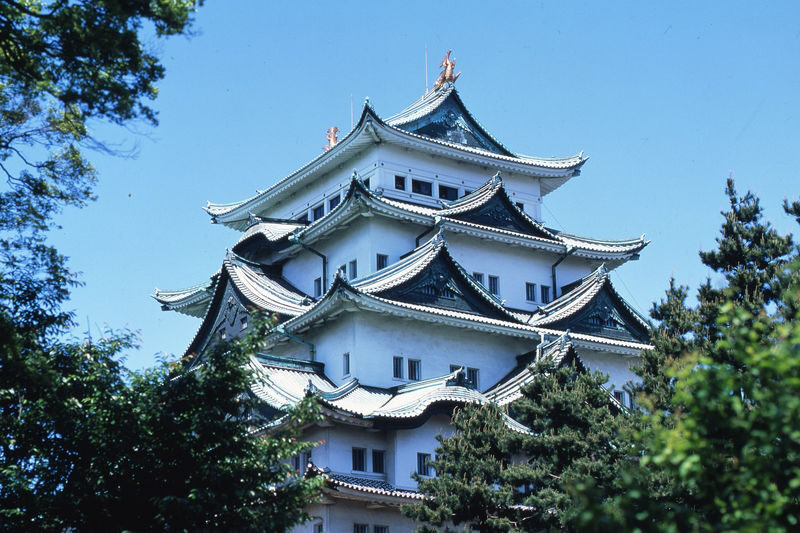
This is an admission ticket, not a guided tour. You make your own way to the entrance, scan your QR code and explore at your own pace. Transport and personal expenses are not included, so plan your route and any food or shopping separately.
The castle was built by Tokugawa Ieyasu in 1615. It was once designated Japan’s first National Treasure among castle structures, and its scale, defenses and ornate features made it an important landmark. Its original buildings were destroyed during the war, but the castle remains a National Special Historic Site. Today, the restored Honmaru Palace and surviving parts of the complex help you picture its former grandeur.
The biggest distinction to understand before booking is between the castle keep and the rest of the site. The keep, the familiar tower topped with golden shachi, is closed for renovation and cannot currently be toured. You can still see it from outside, visit the palace and explore the grounds, but this is not a tower-interior visit.
You can also read our reviews of more tours and experiences in Nagoya


Start with the golden shachi and the keep exterior
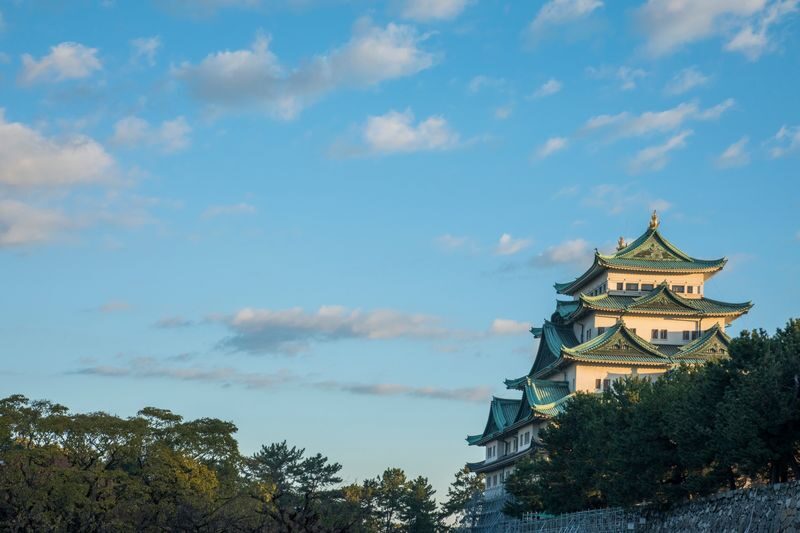
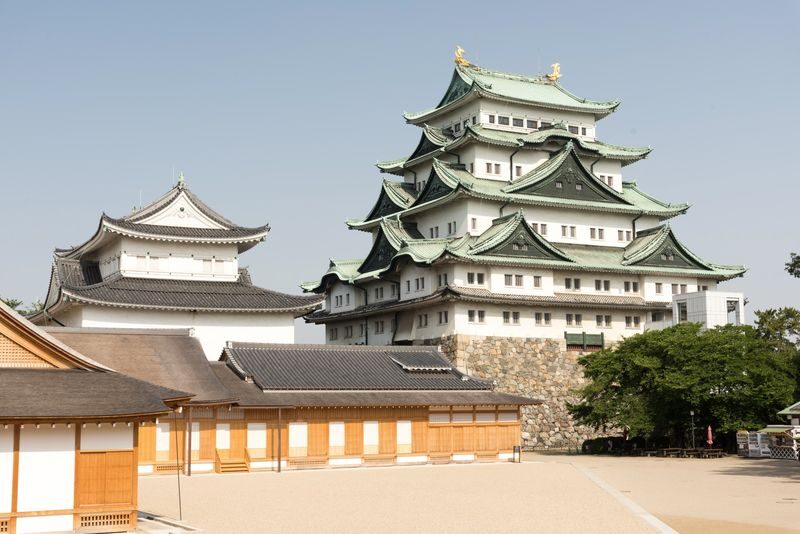
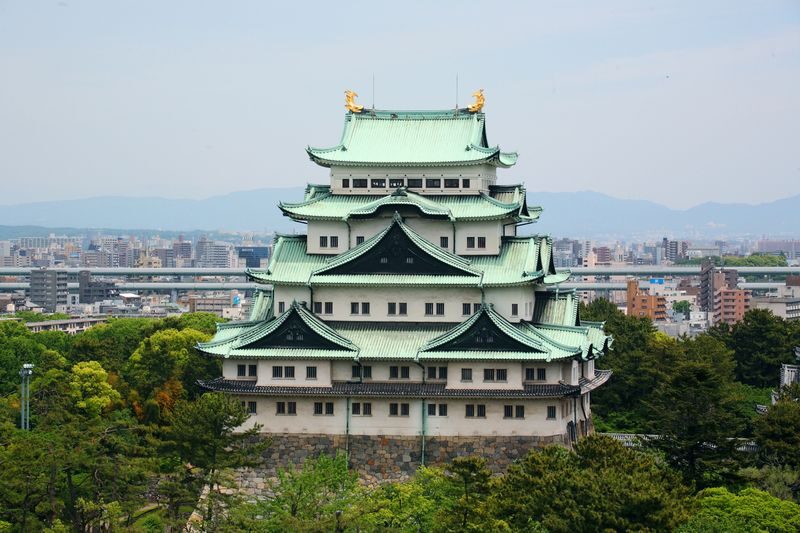
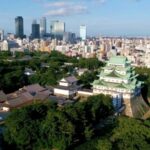
The golden shachi, mythical fish-like creatures set on the roof, are Nagoya Castle’s signature detail. They make the building easy to spot and provide a good reason to pause before heading around the grounds. Take a little time to look at the keep from outside and notice how its height and broad form shape the view.
The tower is often the image people have in mind when they buy a castle ticket. Keep your expectations clear: renovation means you cannot go inside, and there is no interior exhibition to explore in the main keep. Several people have found this a disappointment, especially on a return visit or when they expected a climb through the building.
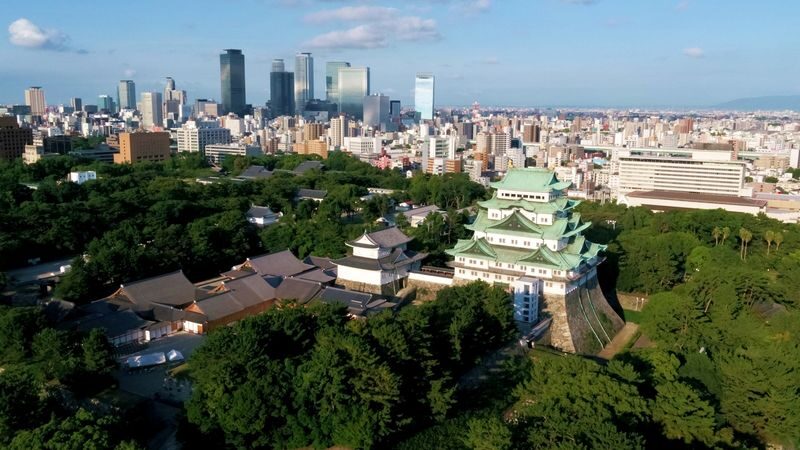
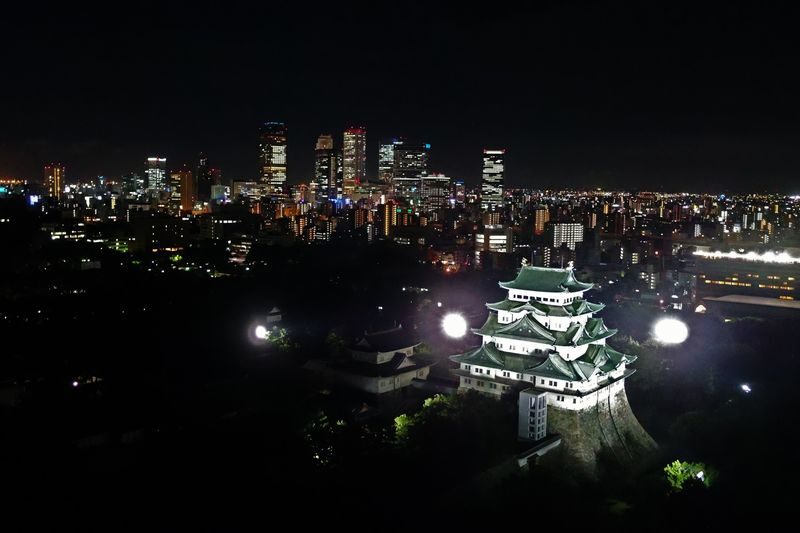
Even so, the exterior is an important part of the visit. The castle was designed as a fortified stronghold, and its imposing form helps explain why it mattered beyond its decorative appeal. If you enjoy architecture, photography or a walk through a historic site, the keep can still be rewarding from the outside. If indoor castle rooms are your priority, give the palace more weight in your decision.
Give Honmaru Palace the time it deserves
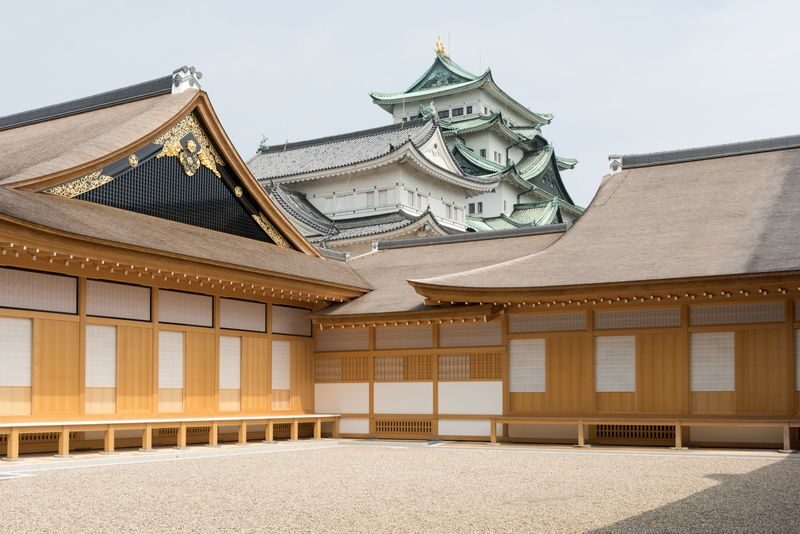
Honmaru Palace is the strongest reason to come while the keep remains closed. This reconstructed palace gives you an indoor look at the craftsmanship and formal rooms associated with the castle’s original era. The painted surfaces and elaborate woodwork are the details to watch for. Walk slowly, look up and take time with the room decorations rather than treating the palace as a quick stop on the way to the tower.
The palace also changes the shape of the visit. Instead of spending most of your time climbing through a keep, you can focus on a series of rooms and their decorative details, then head outside to see how the palace relates to the wider complex. The architecture offers a different view of castle life from the military role suggested by the keep and defenses.
Visitors have described the wood scent and intricate patterns inside as memorable. That is useful context for setting expectations: this is a place to notice materials and surfaces, not simply to tick off a famous building. Staff are described as helpful, and signs in English make it easier to follow what you are seeing, though you should not expect a personal guide with this admission ticket.
Use the grounds to connect the sights
The grounds are not just a walkway between the gate, palace and keep. They give you different angles on the castle and space to take a breather between indoor stops. With the tower closed, this outdoor part of the visit carries more weight than it would during a full interior tour.
Your pace will depend on the weather and how closely you want to examine the palace. A visit of two to three hours is a reasonable plan for seeing the main sights without rushing. Some people spend less time, particularly in summer heat or when the keep is closed. If the day is hot, bring water and expect the outdoor walk to feel more tiring than the ticket price suggests.
Rain need not spoil the visit, but it can change your rhythm. Staff may direct you on where to put wet umbrellas and help keep bags dry as you enter the buildings. Leave room in your schedule for a pause if the weather is poor, and check the current site conditions before setting out.
How to make the ticket worthwhile
The listed price starts at $6.35, but the actual comparison depends on the price shown when you book and any offers available. The most obvious value is time: the QR code can let you enter without joining the ticket-purchase queue. That matters most on a busy day or when you are visiting with a group, since several tickets can be ready on your phones before you arrive.
Online booking may also cost slightly less than buying at the gate, but do not assume it always will. Compare the price at checkout with the on-site fee, and remember that a physical ticket from the window may appeal if you want a souvenir. If you qualify for an annual pass or another discount, those must be purchased at the ticket window rather than through this admission product.
There is also a published notice that admission fees are scheduled to change from October 1, 2026, with the adult fee changing from 500 yen to 1,000 yen. Check the official Nagoya Castle fee page for current rates before buying, since prices and the boundaries of the paid area can change.
The ticket is valid for 90 days from booking confirmation and expires at 4:00 pm on its final day. That gives you some flexibility if you are building a Nagoya itinerary, but it is not an open-ended pass. It cannot be cancelled or refunded, so only buy once you are reasonably sure you can visit within the validity period.

Get there by subway or city bus
The entrance address is 1-1 Honmaru, Naka Ward, Nagoya, Aichi 460-0031. For the subway, take the Meijo Line to Shiyakusho, or City Hall, Station. Exit 7 is about a five-minute walk from the castle.
By city bus, take the Sakae 13 route from Sakae toward Yasui-cho Nishi and get off at Nagoya-jo Seimon-mae, the castle’s main gate stop. Transport is not included with the ticket, so allow for the fare and the time needed to reach the entrance. If you are navigating by map, use the full address above.
Check opening hours before you go
The stated regular hours are 9:00 am to 4:30 pm, with last entry at 4:00 pm. The castle is closed from December 29 through December 31 and on January 1. These hours are a planning guide, not a guarantee that every part of the site will be open on the day you visit.
Opening hours and the boundaries of the paid area can change. Special events may also alter the schedule. A summer festival, for example, can bring extended evening hours, so check the official website shortly before you go rather than rushing across town based only on the regular closing time.
Free admission days can also affect your plans. The supplied information identifies October 17 and 18, 2026, as free-admission days connected with the Nagoya Festival. Check the official festival details if your visit falls near those dates. Junior high school students and younger are free, but the ticket window is the place to ask about annual passes and other discounts.
Who will enjoy this visit most
I would recommend Nagoya Castle if you want a manageable introduction to Japanese castle architecture, enjoy carefully reconstructed interiors or need a flexible stop in the city. The palace and grounds make a satisfying visit for a few hours, and the modest admission cost can feel fair even without access to the tower.
It is also a good choice for a self-guided outing. You can move at your own pace, spend longer with the palace details or keep the visit short if the weather turns uncomfortable. English signs and helpful staff can make the visit easier, while a QR ticket reduces the small but avoidable chore of queuing to buy at the gate.
I would hesitate if your main goal is to tour the inside of the keep. That part is closed, and the ticket does not substitute for access to it. Also consider the season: hot weather can make the outdoor sections tiring, while rain may mean more attention to umbrellas and wet bags. If you go with the right expectations, there is still plenty to see beyond the tower.
Should you book Nagoya Castle?
Book if you want to see the Honmaru Palace, admire the castle from outside and walk its grounds, especially if skipping the ticket-booth line is useful. For the price, the combination of restored interiors and outdoor views can make a worthwhile half-day stop.
Wait or reconsider if the keep interior is the reason you are coming. Check the official site for renovation updates, opening hours, paid-area changes and current prices before you commit. The best visit is the one planned around what is open, not the castle image you expected to find.
Nagoya Castle Ticket
“Very beautiful, fully equipped, and easy to navigate.”
FAQ
Is Nagoya Castle’s main keep open to visitors?
No. The main keep is currently closed for renovation, so you can view it from outside but cannot tour its interior.
What are the regular opening hours?
The stated hours are 9:00 am to 4:30 pm, with last entry at 4:00 pm. Hours can change, so check the official website before your visit.
When is Nagoya Castle closed?
The stated closure dates are December 29 through December 31 and January 1.
How long is the ticket valid?
The voucher is valid for 90 days from the booking confirmation date. It expires at 4:00 pm on the final day.
How do I get to Nagoya Castle by subway?
Take the Meijo Line to Shiyakusho, or City Hall, Station. The walk from Exit 7 is about five minutes.
Do children need an admission ticket?
Junior high school students and younger are admitted free.
Can I cancel or get a refund for this ticket?
No. The ticket cannot be cancelled or refunded.