Shirakawa-go’s steep thatched roofs and Kamikochi’s clear river valleys make a striking pair: one shows how people adapted to mountain life, the other gives you room to walk among the peaks. This two-day trip links both with historic Takayama, without asking you to plan separate transport between them.
I like the contrast between the gassho-zukuri village and the open trails beside the Azusa River, and I like that the overnight stay saves you from making the long Nagoya-to-mountains journey twice in one day. The main trade-off is a fixed group schedule: your time at each stop can shift with traffic and weather, and lunch is on you.
At a glance
- Three distinct stops: See Shirakawa-go, Takayama’s Sanmachi Suji district and Kamikochi in two days.
- A night in Takayama: The package includes a hotel stay and breakfast, with the specific hotel subject to availability.
- Two Kamikochi walks: Choose a roughly 3.5-kilometer beginner route or a 5.6-kilometer return walk.
- Nagoya transport included: Chartered bus transfers, tolls, parking and fuel are covered.
- Budget for extras: Meals, drinks and the 500-yen entrance fee for Myojin Pond are not included.

👉 See our pick of the 11 Best Tours In Matsumoto
- At a glance
- A two-day route from Nagoya into the Japanese Alps
- Shirakawa-go’s steep roofs and mountain setting
- Takayama’s old streets and Hida beef
- One night at a Takayama-area hotel
- Kamikochi: choose a gentle river walk or a longer loop
- What the price covers, and what it does not
- Practical details that can save you trouble
- Who should book this tour
- FAQ
- Where does the tour leave from in Nagoya?
- What time does the tour return to Nagoya?
- How long do you spend at Shirakawa-go?
- How much time is set aside for Takayama?
- Which hotels may be used?
- Is breakfast included?
- How long are the Kamikochi walking routes?
- Is there an extra fee at Myojin Pond?
- What luggage can I bring?
- The Best Of Matsumoto!
- More 2-Day Experiences in Matsumoto
- More Tours in Matsumoto
- More Tour Reviews in Matsumoto
- Not for you? Here's more nearby things to do in Matsumoto we have reviewed
A two-day route from Nagoya into the Japanese Alps
 1 / 8
 2 / 8
 3 / 8
 4 / 8
 5 / 8
 6 / 8
 7 / 8
 8 / 8
This trip is built around a simple idea: pair a UNESCO-listed mountain village with a traditional merchant town, then finish among the rivers, ponds and peaks of Kamikochi. It is a practical choice if you want to see several parts of central Japan but do not want to coordinate regional buses, hotel changes and trail access yourself.
The tour leaves from the Ministop Tsubakicho near Nagoya Station’s Taikodori Exit at 8:30 a.m. You need to be there ten minutes early. From there, the chartered vehicle handles the transfers, though the exact vehicle depends on how many people have booked. This is a group tour, and people speaking different languages may share the ride.
The pace is busy, but the overnight stop makes the plan more reasonable than trying to fit everything into a day trip. It also gives you a chance to spend an evening in Takayama rather than returning to Nagoya as soon as the first day’s sightseeing ends.
You can also read our reviews of more tours and experiences in Matsumoto

Shirakawa-go’s steep roofs and mountain setting
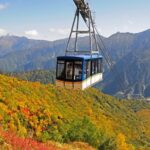
The first main stop is Shirakawa-go, reached at about 11:00 a.m. The village is known for its gassho-zukuri houses, with steep, thatched roofs shaped to shed heavy snow. The buildings sit in a mountain valley, and the view from the observation deck helps you see how the village and surrounding terrain fit together.
You have about 90 minutes here. That is enough time for a walk through the village and a climb to the viewpoint, but it is not a leisurely visit to every house or museum. If the observation deck matters to you, make it a priority rather than leaving it until the end.
The appeal is not only the roofs themselves. The architecture reflects a way of living shaped by the weather and local conditions, and the village’s setting makes that relationship easy to understand. The view changes with the seasons; autumn brings foliage, while the tour description also notes the distinct character of each season. No particular seasonal display is guaranteed, so choose dates for the overall conditions you prefer rather than a specific photo.
The short stop is a limitation. You will have to watch the clock, and the walking route may include stairs. Comfortable shoes are a sensible choice from the start.
Takayama’s old streets and Hida beef
The bus continues to Hida-Takayama, where you have about two and a half hours of self-guided time from roughly 1:40 p.m. The Sanmachi Suji district is the natural focus: a preserved stretch of merchant streets that gives Takayama its familiar nickname, Little Kyoto.
Here, the pleasure is in slowing down. Walk the old streets, look at the traditional shopfronts and take a break for a meal or snack. Hida beef is the local specialty singled out for this stop, but meals are not included, so allow for the cost and time of eating. You may also want cash for small purchases and expenses.
This is a good counterpoint to Shirakawa-go. The village stop centers on houses and their rural setting; Takayama offers a more urban view of the region’s past, with historic commercial streets and present-day shops sharing the same district. Two and a half hours gives you some freedom, though not enough to see everything at a relaxed pace.
The group meets again for the drive to the hotel, with accommodation scheduled around 4:30 p.m. Keep track of the meeting time. If the day’s traffic or conditions cause changes, the order or length of stops may be adjusted.
One night at a Takayama-area hotel
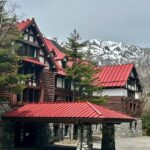
The package includes one night at a selected hotel in Takayama. The Hilton Takayama Resort and Spa is given priority when available, but the operator may arrange another hotel in the same price range. Possible alternatives include Takayama Green Hotel, Hida Takayama Hotel Ascend Hotel Collection and Tokyu Stay Hida-Takayama Musubi-no-Yu.
The stated room type is a 35-square-meter standard room. The hotel information describes an open-air hot spring and views toward the Northern Alps, along with a buffet breakfast. Those details are not a guarantee of a particular property, however, so treat the named hotel and its facilities as subject to the final assignment.
Breakfast is included on the second morning, beginning at 7:00 a.m. The group gathers at 9:00 a.m. to leave for Kamikochi. This gap allows time to eat and check out, but you will need to be ready promptly after breakfast.
For value, the overnight stay matters. Rather than paying separately for a hotel and arranging a second day of transport, you have the core pieces bundled together. The exact value depends on the hotel assigned and the tour price on your dates, but the package can simplify a route that is otherwise awkward to organize from Nagoya.
Kamikochi: choose a gentle river walk or a longer loop
After about two and a half hours by bus, the group reaches Kamikochi around 11:30 a.m. You have roughly four hours at the destination, with the return journey to Nagoya scheduled to start at 3:30 p.m. The time is self-guided, so you choose how to use it and must be back at the vehicle on time.
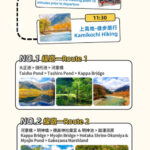
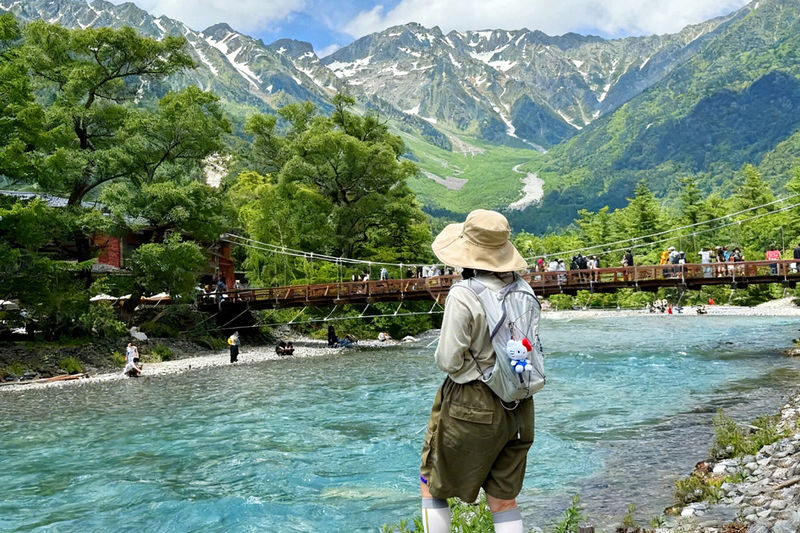
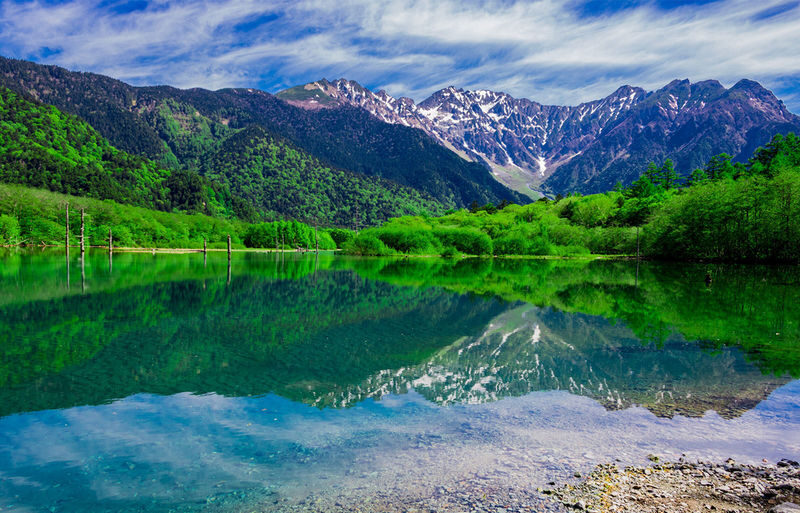
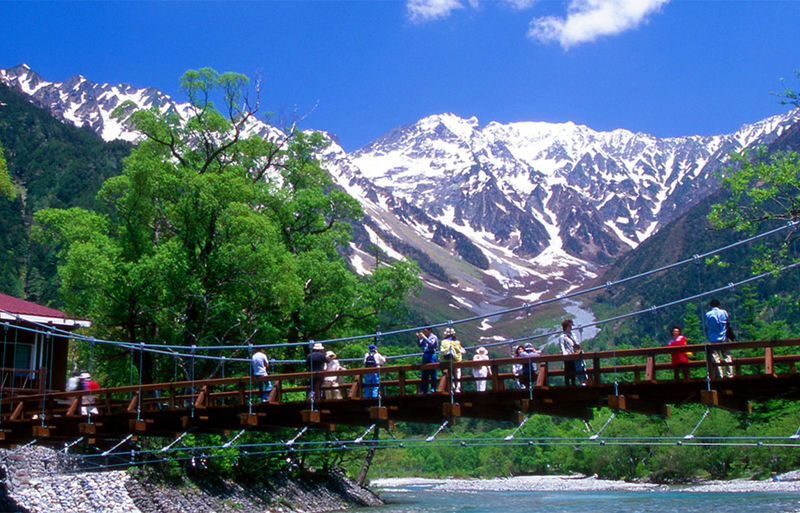
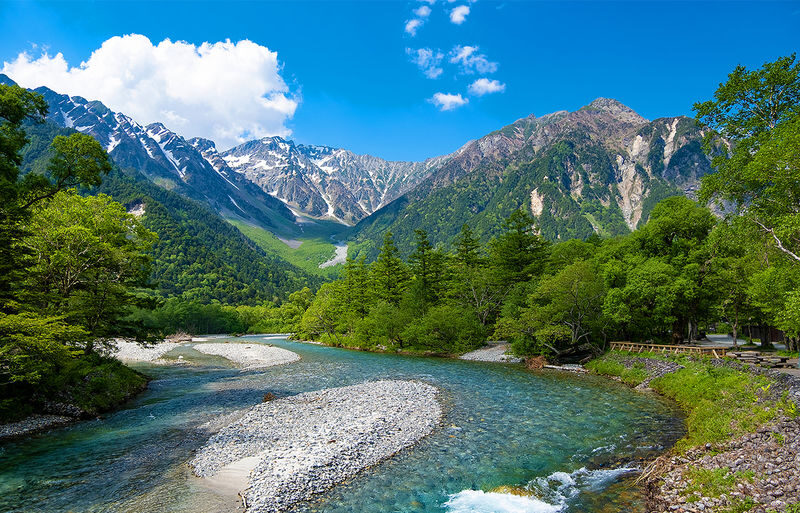
The easier recommended route begins at Taishoike Bus Stop and follows Taisho Pond and Tashiro Pond toward Kappa Bridge and the Kamikochi Bus Stop. It covers about 3.5 kilometers and takes around 1 to 1.5 hours on mostly flat trails. This is the more manageable option if you are new to Kamikochi or want to keep the walk simple.
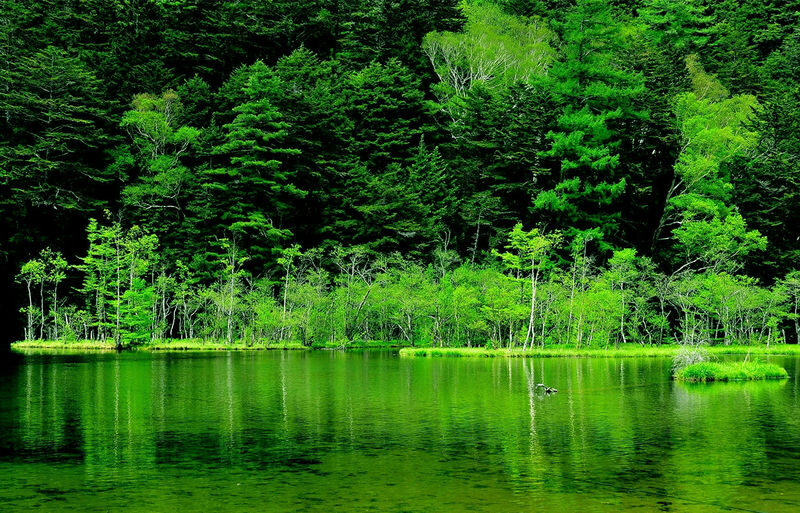
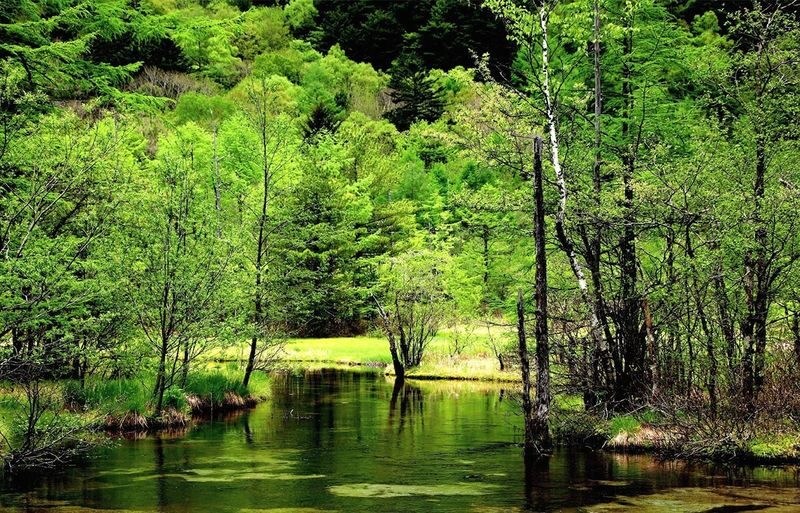
The longer route starts at the Kamikochi Bus Stop, crosses Kappa Bridge and Myojin Bridge, and continues to Hotaka Shrine’s Okumiya and Myojin Pond before returning by way of Dakazawa Marsh. The round trip is about 5.6 kilometers and takes roughly 2 to 2.5 hours. It suits people who are comfortable walking farther and want more time away from the main bridge area.
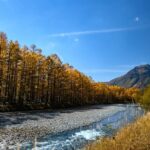
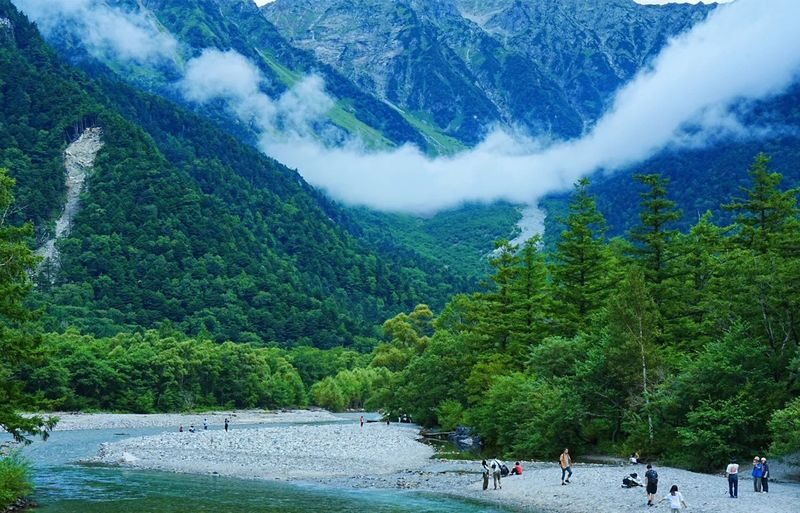
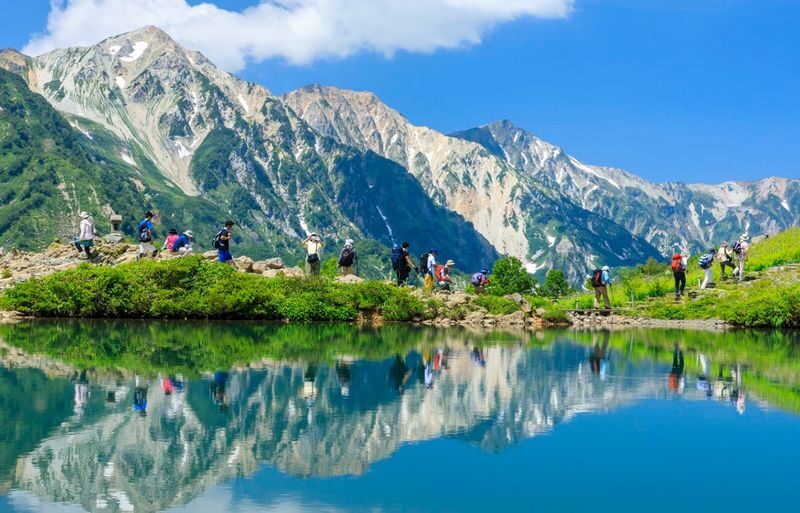
Both routes bring you close to the Azusa River and the mountain scenery Kamikochi is known for. Taisho and Tashiro ponds offer quieter water views; Kappa Bridge is a familiar central landmark, while Myojin provides a reason to keep walking farther. Entry to Myojin Pond costs 500 yen and is not included.
The advertised trail times are estimates, not a promise of how long your full visit will take. You will also need time to get oriented, pause for views and return to the correct bus stop. Do not set out on the longer route unless you are confident you can finish it with a comfortable margin before departure.


What the price covers, and what it does not
The early-bird price starts at US$251.09. It covers round-trip transport from Nagoya, the overnight stay, breakfast, tolls, parking and fuel. A professional driver or guide may speak English, Chinese or Japanese, and the group can include people from several language backgrounds.
The price does not include lunch, dinner, other drinks or personal purchases. Add the Myojin Pond entrance fee if you plan to visit, and bring cash for expenses along the way. Since there is no included lunch, it is wise to plan where and when you will eat during the first day and at Kamikochi.
I see the strongest value in the combination of transportation and lodging. The tour connects places that are spread across a mountainous region, and the bus takes the logistical burden off your hands. It is less compelling if you prefer long, unhurried visits or want to choose every stop and meal independently.
The tour has received a five-star rating, but the available rating is based on just one response, so it is a small sample rather than a broad measure. That response specifically praised guide Liu Mei for being attentive and thorough, and said the schedule allowed enough time. Liu Mei may not be assigned to every departure, but that is a useful sign of the kind of coordination that can make a tightly timed group trip work well.
Practical details that can save you trouble
Pack for both town walking and mountain trails. The advice for Kamikochi is to wear comfortable clothing and non-slip hiking shoes. Mountain temperatures can vary, especially in autumn mornings and evenings, so bring a warm layer you can add or remove. A hat, sunscreen, water, light snacks and a small backpack are also useful; trekking poles are suggested for the longer route.
One standard-size piece of luggage is allowed per person if you note it when booking. Space depends on the vehicle, so do not arrive with extra bags unannounced. Child seats are not available, and children must be included in the passenger count. Children aged three and older pay the adult rate; children aged zero to three can travel free only if they do not need a separate seat.
The operator says the itinerary may change to fit traffic, weather or on-site conditions. The return to Nagoya is scheduled for about 6:30 p.m., but that time is not guaranteed. Avoid booking a flight, performance or other tight appointment that evening.
The group needs at least eight participants to run. The evening before departure, check your email and spam folder for the guide, driver and meeting details. The information may arrive between 6:00 and 9:00 p.m. Japan time, or later during peak periods.
Who should book this tour
Book it if you want a convenient first look at Shirakawa-go, Takayama and Kamikochi, and you are comfortable following a group schedule. It works particularly well if arranging separate buses and a hotel sounds like more work than the trip is worth, or if you want a straightforward introduction to Kamikochi without committing to a strenuous hike.
Choose another plan if you want to spend a full day in any one place, need flexible meal times, or dislike long bus transfers. There is also a fair amount of walking and some stairs, so this is not recommended for people with impaired mobility. The tour is not recommended for pregnant women; people over 70 and pregnant participants are asked to complete a liability waiver if they book.
My advice: take the easier Kamikochi route unless you are a confident walker who has checked the return timing. That leaves room to enjoy the ponds and river without turning the final stop into a race back to the bus.
Shirakawa-go Gassho-zukuri Village & Kamikochi & Hida-Takayama 2-Day Tour – Includes Stay at Hotel Associa Takayama Resort (Departing from Nagoya)
“Our tour guide, Liu Mei, was very attentive and thorough, and the itinerary allowed for sufficient time. I highly recommend this tour for anyone wa…”
FAQ
Where does the tour leave from in Nagoya?
Meet at the Ministop Tsubakicho Store near the Taikodori Exit of Nagoya Station. Arrive ten minutes before the 8:30 a.m. departure.
What time does the tour return to Nagoya?
The scheduled return is about 6:30 p.m. on the second day. Traffic and weather can change the timing, so avoid making a tight appointment that evening.
How long do you spend at Shirakawa-go?
The scheduled visit is about 90 minutes. That gives you time for a village walk and the observation deck, but not an extended visit to every site.
How much time is set aside for Takayama?
You have about two and a half hours of self-guided time in Hida-Takayama, including the Sanmachi Suji historic district.
Which hotels may be used?
The Hilton Takayama Resort and Spa is given priority when available. Alternatives may include Takayama Green Hotel, Hida Takayama Hotel Ascend Hotel Collection, Tokyu Stay Hida-Takayama Musubi-no-Yu or another hotel of equivalent value.
Is breakfast included?
Yes. Breakfast at the hotel on the second morning is included. Other meals and drinks are not included.
How long are the Kamikochi walking routes?
The easier route is about 3.5 kilometers and takes roughly 1 to 1.5 hours. The longer route is about 5.6 kilometers round trip and takes roughly 2 to 2.5 hours.
Is there an extra fee at Myojin Pond?
Yes. Entry to Myojin Pond costs 500 yen per person and is not included in the tour price.
What luggage can I bring?
One standard-size piece of luggage per person is allowed, but you should declare it when booking. Vehicle space depends on the group and vehicle assigned.