Mount Fuji is the star, but the appeal of this 10-hour trip is how many different views you get of it in one day. From the pagoda at Arakurayama Sengen Park to the shores of Kawaguchiko and Lake Yamanaka, the route is built for scenery and photos, with a stop at the clear springs of Oshino Hakkai along the way.
I like two things in particular: round-trip transport takes the guesswork out of reaching several spread-out spots, and the route mixes postcard views with places that feel more rooted in local life, including a shrine and Fujiyoshida’s old shopping street. Guides have included Johnny, Yuan, Taiyo, and Penguin, though your assigned guide will vary.
The trade-off is a packed schedule, with short visits at several stops and a long return drive that can stretch into Tokyo rush-hour traffic. Mount Fuji can also disappear behind cloud, so this is a strong sightseeing day, not a guarantee of a clear mountain view.
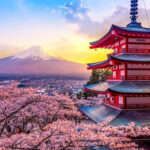
- Chureito Pagoda and Mount Fuji: Arakurayama Sengen Park offers the classic pagoda-and-mountain view, with about an hour to explore.
- A quick taste of Fujiyoshida: The retro shopping street near Hikawa Clock Shop gets just 15 minutes, enough for a look and a few photos.
- Two lakes, two moods: Kawaguchiko and Lake Yamanaka offer different angles on Fuji, with time at Oishi Park and the Kawaguchiko Natural Living Center.
- Springs at Oshino Hakkai: Spend an hour among clear spring pools said to be fed by Mount Fuji’s melted snow.
- A full day in a bus: Transport, tolls, parking, and fuel are included, but traffic can push the return to Tokyo as late as 8 p.m.
- One day, many Fuji viewpoints
- Arakurayama Sengen Park and the pagoda view
- Fujiyoshida’s retro shopping street
- Kawaguchiko, Oishi Park, and the Natural Living Center
- The Lawson photo stop
- Oshino Hakkai’s clear spring pools
- Lake Yamanaka and the final Fuji view
- Guides, pacing, and what the price covers
- Who should book this Mount Fuji day trip?
- FAQ
- How long is the tour?
- Where does the tour depart from?
- How early should I arrive?
- Is a guide included?
- Are meals included?
- Which places are included?
- Is Mount Fuji guaranteed to be visible?
- What is included in the tour price?
- Can I bring luggage?
- Can I change or cancel my booking?
- The Best Of Fujiyoshida!
- More Tours in Fujiyoshida
- More Tour Reviews in Fujiyoshida
- Not for you? Here's more nearby things to do in Fujiyoshida we have reviewed
One day, many Fuji viewpoints
 1 / 9
 2 / 9
 3 / 9
 4 / 9
 5 / 9
 6 / 9
 7 / 9
 8 / 9
 9 / 9
This is a panoramic sampler of the Mount Fuji area, not a quiet retreat by the water. The bus connects a long string of stops, so you can see the mountain from several directions without arranging local transport or working out a route yourself.
That convenience matters. The listed stops are spread across Fujiyoshida and the Fuji Five Lakes area, and a day trip by public transport would take more planning. Here, you can concentrate on the views while your guide handles meeting instructions, timing, and getting everyone back to the bus.
The advertised starting price is from $49.29, a low entry point for a full day that includes round-trip transport and the vehicle’s toll, parking, and fuel costs. Meals, drinks, and personal spending are extra, and the listed price is a starting rate rather than a promise that every date will cost the same.
The itinerary’s clock times are best treated as a guide. It lists an 8 a.m. departure and a 3:30 p.m. bus departure for the return journey, while the return information gives a Tokyo arrival window of 6 to 8 p.m. Traffic can add hours, so avoid booking a tight evening connection or a dinner reservation you cannot move.

👉 See our pick of the 3 Best Tours In Fujiyoshida
Arakurayama Sengen Park and the pagoda view
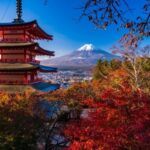
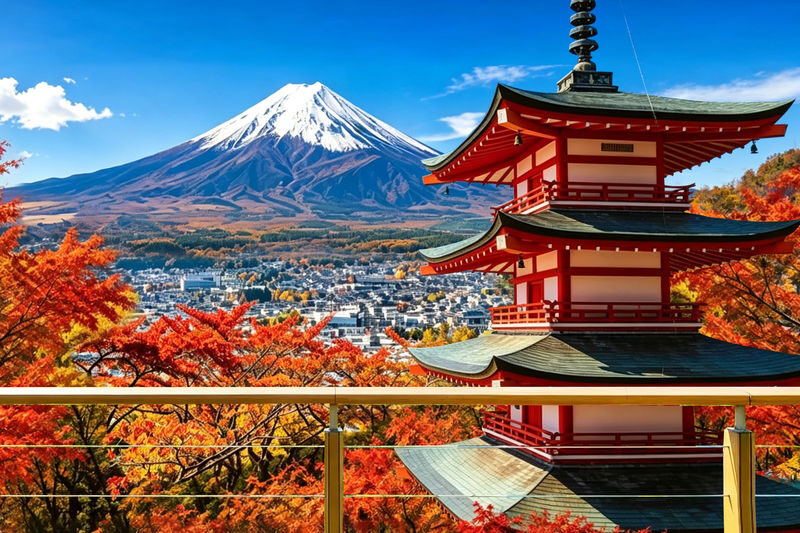
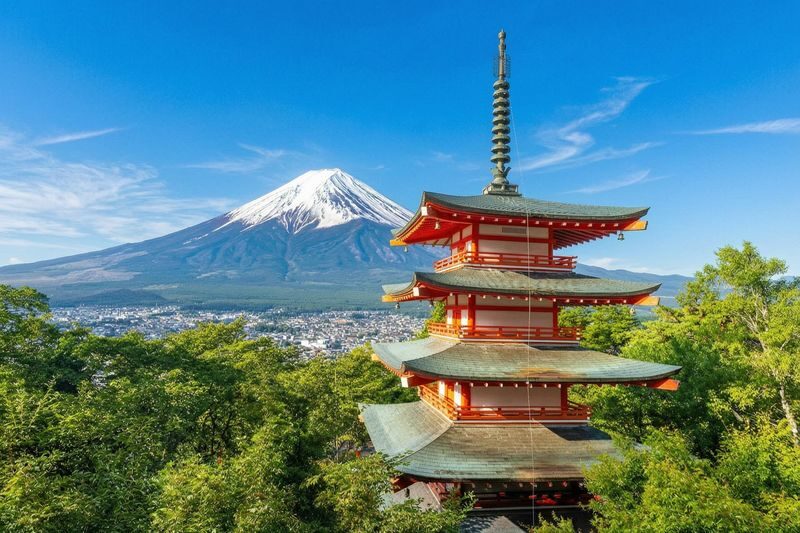
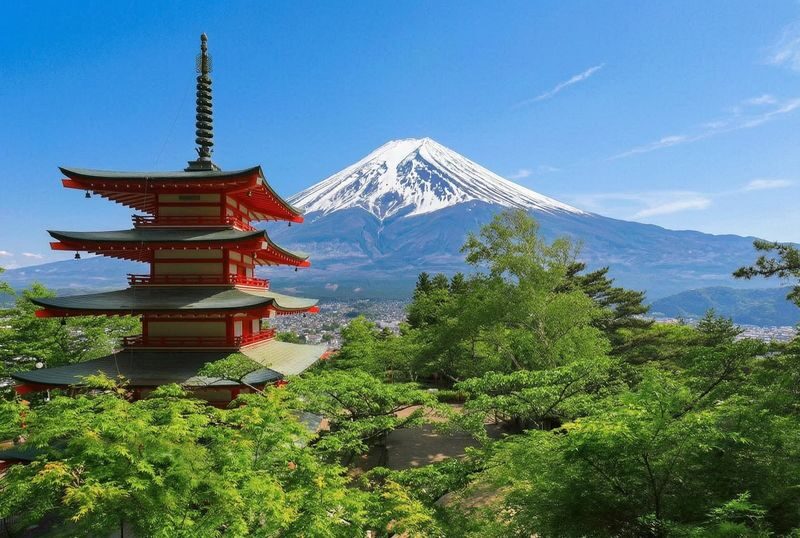
Arakurayama Sengen Park is the headline stop for many people. Its classic composition brings Mount Fuji and the five-story Chureito Pagoda into the same frame, a combination that has made the site a favorite for photographers. The tour allows about an hour here, more time than at most other stops.
The view is worth more than a quick phone snap. Take a moment to look around and notice how the pagoda, town, and mountain sit together. On a clear day, the contrast is striking; on a cloudy one, the mountain may be partly or wholly hidden. No tour can control the weather, so think of this as your best chance for the famous image, not a guarantee.
The park visit is self-guided. That gives you freedom to set your own pace, but the clock still matters: you need to return to the meeting point on time. The route also includes the Arakura Fuji Sengen Shrine, founded in 705, with a listed visit of 15 minutes. It offers a quieter, more reflective counterpoint to the photo stop, though the short allocation means this is a brief visit rather than a full shrine outing.
You can also read our reviews of more tours and experiences in Fujiyoshida.


Fujiyoshida’s retro shopping street
The stop at Fujiyoshida Retro Shopping Street, around Hikawa Clock Shop, is a quick change of pace from the open views. The street is known for its Showa-era feel and the chance to frame Mount Fuji between familiar shopfronts. It is a useful reminder that this is a lived-in town, not just a collection of scenic overlooks.
You get about 15 minutes here, so keep expectations modest. There is time to look around, take a few pictures, and appreciate the unusual pairing of retro storefronts and the mountain beyond. There is not much room for a long browse or a relaxed café stop.
This is one of the tour’s more distinctive short visits. If you prefer everyday town scenes to a long list of similar mountain photographs, you may find it a welcome pause. If you want to shop, plan to move quickly and watch the departure time.
Kawaguchiko, Oishi Park, and the Natural Living Center
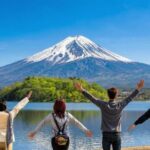
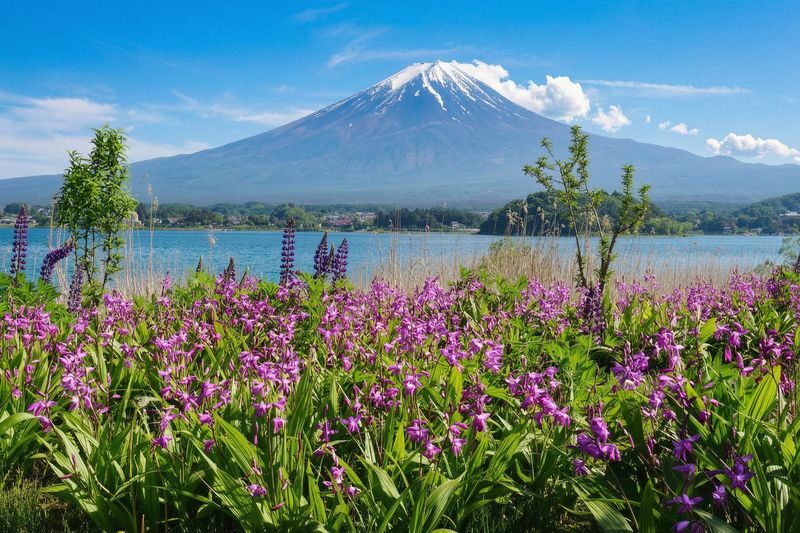
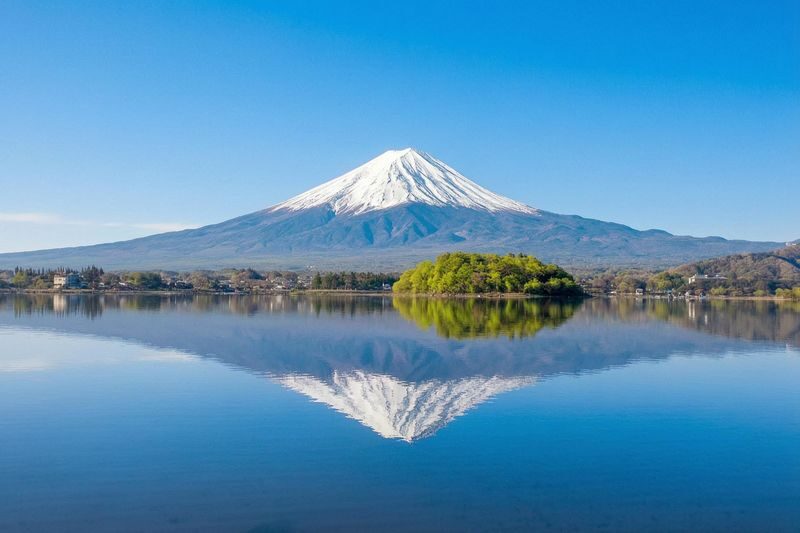
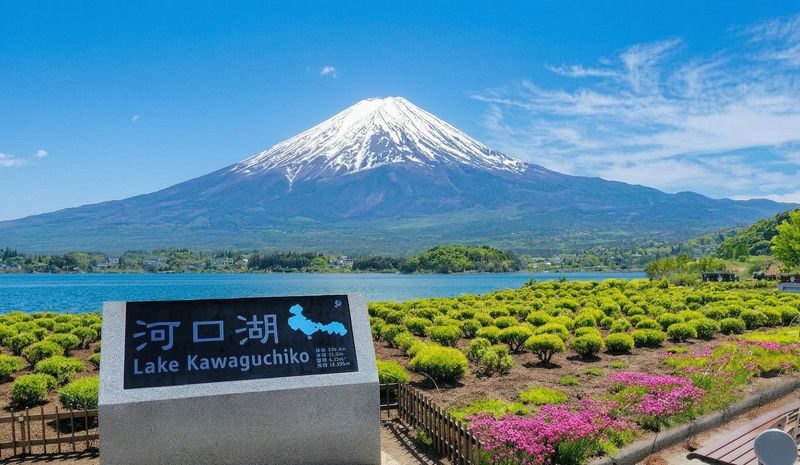
Kawaguchiko is one of the Fuji Five Lakes, and the tour gives you about 30 minutes by the lake. The broad water and mountain backdrop make for a different kind of view from the elevated pagoda scene. The lake’s origin is linked to volcanic activity at Mount Fuji, a reminder that the mountain has shaped the area as well as dominated its skyline.
The itinerary also names Oishi Park, a lakeside spot known for seasonal color, and the Kawaguchiko Natural Living Center. At the center, a suggested photo angle from the second floor brings a red torii gate and Mount Fuji into the same view. The listed time at the center is 15 minutes, so treat this as a quick viewpoint stop rather than a museum visit.
The seasonal character is part of the appeal. The plants and colors at Oishi Park change through the year, so the view will not look identical on every visit. But light and cloud matter just as much: a clear day can make the mountain the focus, while low cloud may leave you enjoying the lake and park without the famous peak.
The Lawson photo stop
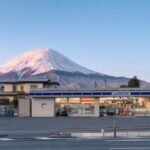
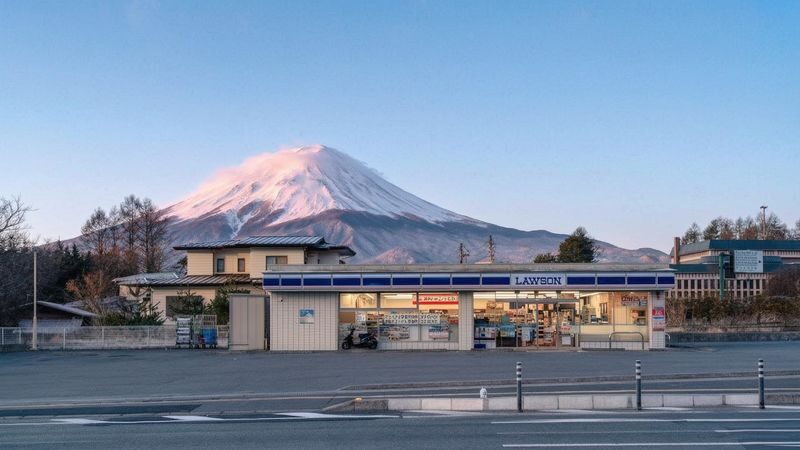
The Lawson Fujikawaguchiko Town Hall stop is a brief, modern counterpoint to the shrines, lakes, and old street. The convenience store has become a popular photo backdrop because its everyday storefront sits beneath Mount Fuji. The tour gives you about 15 minutes.
This is a quick photo opportunity, not a major attraction. It is worth having your camera ready and being considerate of people using the shop for ordinary errands. If the mountain is obscured, the stop may feel less special than the park or lakeside viewpoints, so keep your expectations in proportion.
The stop makes sense as part of a day focused on varied photo angles. It is less compelling if you would rather spend more time walking along the water or exploring one town in depth.
Oshino Hakkai’s clear spring pools
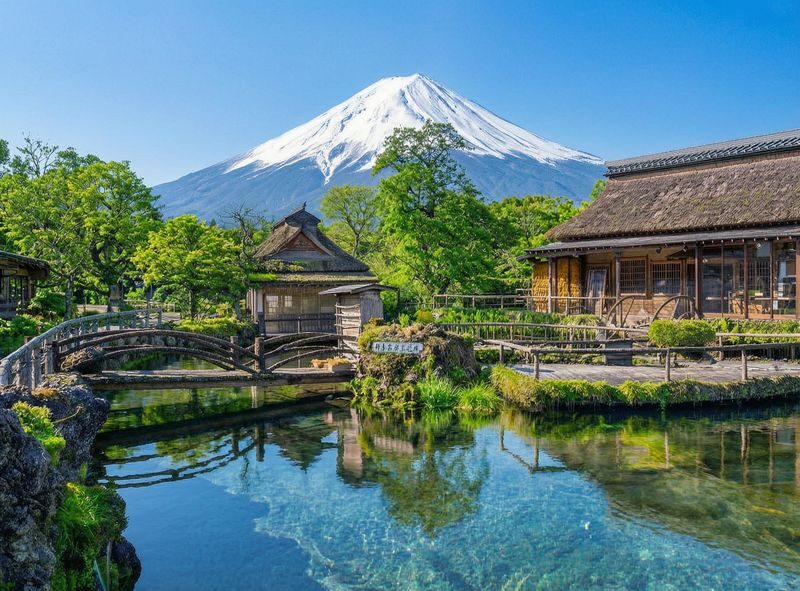
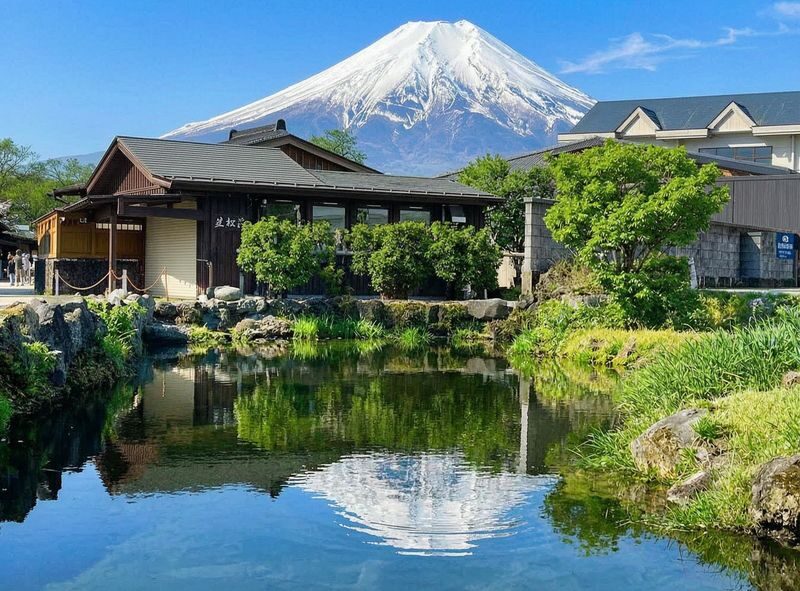
Oshino Hakkai is one of the longer stops, with about an hour to explore. Its spring pools are fed by water from Mount Fuji’s melted snow, filtered through volcanic ground. The result is clear water and a setting that feels markedly different from the open lake views earlier in the day.
The springs are known as one of Japan’s 100 Famous Waters. There is also a local legend that drinking the water can prolong life, though it is best enjoyed as a story rather than a health promise. Take time to look closely at the pools and their surroundings; this stop rewards a slower pace more than the Lawson photo spot does.
The hour is helpful, but it includes whatever time you need to find your way around and return to the bus. The village can be busy, and lunch is not included. The tour specifically warns that food service in the Mount Fuji area can involve long waits, so bringing your own lunch is a practical way to protect your sightseeing time.


Lake Yamanaka and the final Fuji view
Lake Yamanaka is the last listed lake stop, with about 25 minutes to take in the view and look for swans. The lake’s open setting gives you another chance to see Mount Fuji from a different angle, while the swans add a more immediate point of interest if the mountain is clouded over.
This is a short visit, so you will not have time for a long lakeside walk. Think of it as a final chance to take photos, stretch your legs, and enjoy the scenery before the bus ride back toward Tokyo. The route also lists Shinnasho River as an attraction, but no separate duration is specified, so do not count on a dedicated stop there.
The bus is scheduled to start back around 3:30 p.m., with the Tokyo return estimated between 6 and 8 p.m. That range is important: the expressway can be slow, especially after a full day out. Keep the evening flexible and bring something to read or listen to for the ride.
Guides, pacing, and what the price covers
The tour includes a Chinese- or English-speaking guide and round-trip transfers from the meeting location. The guide can help make a multi-stop day easier to follow, and past departures have had guides named Johnny, Yuan, Taiyo, and Penguin. Your guide is assigned by departure, with the information sent by email at about 6 p.m. the evening before.
A useful guide makes a practical difference on a tight itinerary. Clear directions about where to meet the bus, how long you have, and which way to walk can save time at stops where the visit is self-guided. Some guides have also helped with group photos and shared photo locations, but the exact style and language experience can vary.
The package covers transport, tolls, parking, and fuel. It does not include meals, beverages, or personal expenses, and child seats are not available. Up to two standard-sized pieces of luggage are allowed, and infants and children must be included in the passenger count.
Arrive 15 minutes before departure. The meeting point cannot be changed on the day, and late arrivals or no-shows are not refundable. Check your email, including the spam folder, for the guide’s details; if you use LINE, the operator says a group link is sent by email the day before.
Who should book this Mount Fuji day trip?
I would choose this tour if you are staying in Tokyo and want to see several well-known Fuji-area stops without arranging transport yourself. It suits first-time visitors, photo-focused day trippers, and anyone who values convenience over an unhurried visit to one place. The combination of park, shrine, street, lakes, springs, and swans gives the day more variety than a single-viewpoint excursion.
I would think twice if you dislike bus tours, want long stretches of free time, or have a fixed evening commitment in Tokyo. The schedule is active, the stops are mostly short, and the mountain may be hidden by cloud. If that trade-off works for you, the price can represent good value for a full day of transport and scenic stops. If you want the best chance of a clear view, keep your date flexible when possible and remember that visibility is never assured.
Mount Fuji Brilliant Scenery One-Day Tour (Departing from Tokyo)
“The tour guide was very attentive and provided thoughtful service. Thank you.”
FAQ
How long is the tour?
The tour is listed as 10 hours, with a day running roughly from morning departure to an early evening return. Traffic can delay arrival in Tokyo until around 8 p.m.
Where does the tour depart from?
The meeting location is in Tokyo. The information gives departure times of 8 a.m. and 8:30 a.m.; check your booking details for the exact time and meeting point.
How early should I arrive?
Arrive at the meeting location 15 minutes before departure.
Is a guide included?
Yes. A Chinese- or English-speaking guide is included. The assigned guide varies by departure.
Are meals included?
No. Meals and beverages are not included. Bringing lunch is suggested because restaurant waits in the Mount Fuji area can be long.
Which places are included?
Stops and named attractions include Arakurayama Sengen Park, the five-story pagoda, Arakura Fuji Sengen Shrine, Fujiyoshida Retro Shopping Street, Kawaguchiko, Oishi Park, the Kawaguchiko Natural Living Center, Lawson Fujikawaguchiko Town Hall, Oshino Hakkai, and Lake Yamanaka.
Is Mount Fuji guaranteed to be visible?
No. The view depends on weather and cloud conditions, and the sightseeing order may change due to weather or traffic.
What is included in the tour price?
Round-trip transfers from the meeting location, a Chinese- or English-speaking guide, tolls, parking, and fuel are included. Meals, drinks, and personal expenses are not.
Can I bring luggage?
The stated allowance is two pieces of standard-sized luggage. Child seats are not available.
Can I change or cancel my booking?
Changes are allowed until 24 hours before the activity, subject to the stated booking exceptions. A full refund is available if you cancel at least 24 hours before the activity date, based on local destination time.