A Kyoto knife workshop gives you a different kind of souvenir: a useful kitchen tool you help finish yourself. The blade is already forged, so the work is focused on sharpening, polishing and fitting the handle, with an instructor guiding you through each step.
I like that beginners get step-by-step help, and that the hour includes practical advice on sharpening and caring for your knife. I also like the chance to make choices about the blade and handle, which can turn a standard item into something personal.
One thing to plan for: the starting price covers a basic knife, while some blade and handle choices, as well as engraving, may cost extra. This is a craft workshop, but not a visit to a working forge where you shape hot steel from scratch.
- What to Know Before You Book
- A Hands-On Hour in Gion
- From Prepared Blade to Finished Knife
- What the Craft Lesson Adds
- Choosing a Knife Without Surprising Your Budget
- Finding the Workshop in Gion
- Who Will Get the Most From This Class
- Practical Details to Keep in Mind
- Should You Book the Kyoto Knife Workshop?
- FAQ
- How long does the Kyoto knife workshop last?
- What will I do during the workshop?
- Do I forge the knife from raw metal?
- Is the workshop suitable for beginners?
- What knife is included in the starting package?
- Are upgrades or engraving included in the price?
- Is English-speaking instruction available?
- Where is the meeting point?
- What is the cancellation policy?
- The Best Of Kyoto!
- More Workshops & Classes in Kyoto
- More Tours in Kyoto
- More Tour Reviews in Kyoto
- Not for you? Here's more nearby things to do in Kyoto we have reviewed
What to Know Before You Book
 1 / 8
 2 / 8
 3 / 8
 4 / 8
 5 / 8
 6 / 8
 7 / 8
 8 / 8
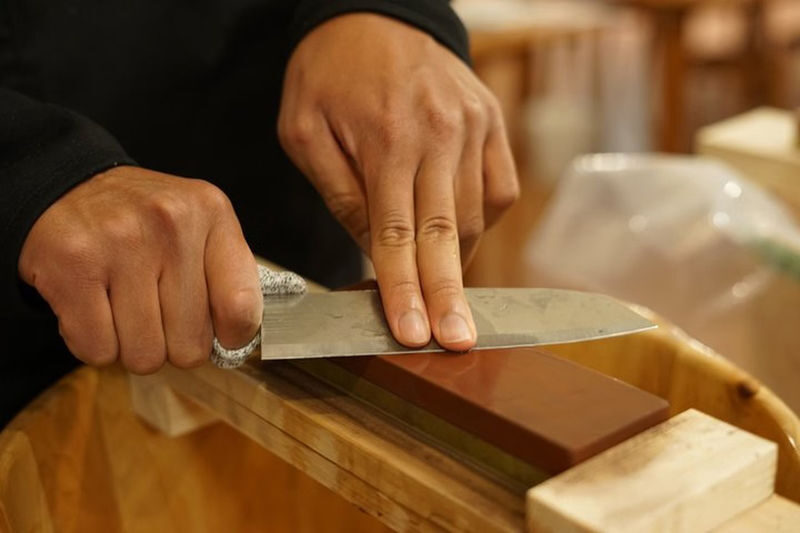
- You finish a prepared blade: Expect sharpening, polishing and handle installation, not a full forging process.
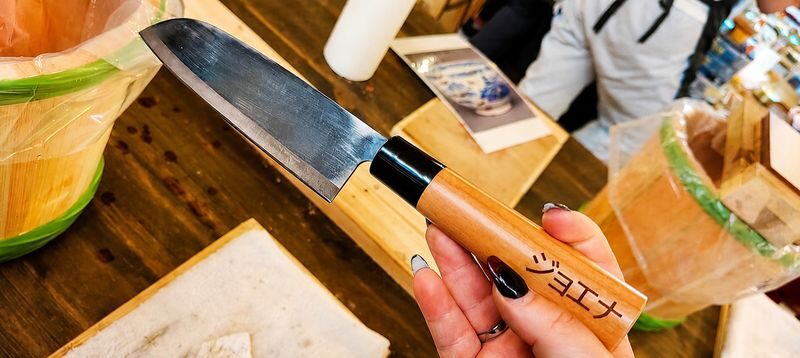
- The basic knife is modest: The included option may be a small fish-filleting knife. Other blade styles can cost extra.
- Your instructor guides each step: English-speaking staff explain the process and help check your blade as you work.
- Personalization can add to the cost: Blade upgrades, handles and engraving may be available for additional fees.
- The workshop is in Gion: The address is 71 Tamamizucho, in Higashiyama Ward. The entrance can be tucked into an alley, so allow a few minutes to find it.

👉 See our pick of the 25 Best Workshops And Classes In Kyoto
A Hands-On Hour in Gion
Kyoto is famous for temples, gardens and old streets. This workshop offers a welcome change of pace: you sit down, focus on a practical skill and leave with something you can use. It is also a good fit for a rainy afternoon or a break from a day of sightseeing.
The class lasts about one hour, and the listed price starts at $66.35. That buys more than a souvenir. You get guided time at the sharpening station, a chance to handle the tool under instruction, and a basic knife to take home. If you cook often, the care and sharpening guidance may be as useful as the finished blade.
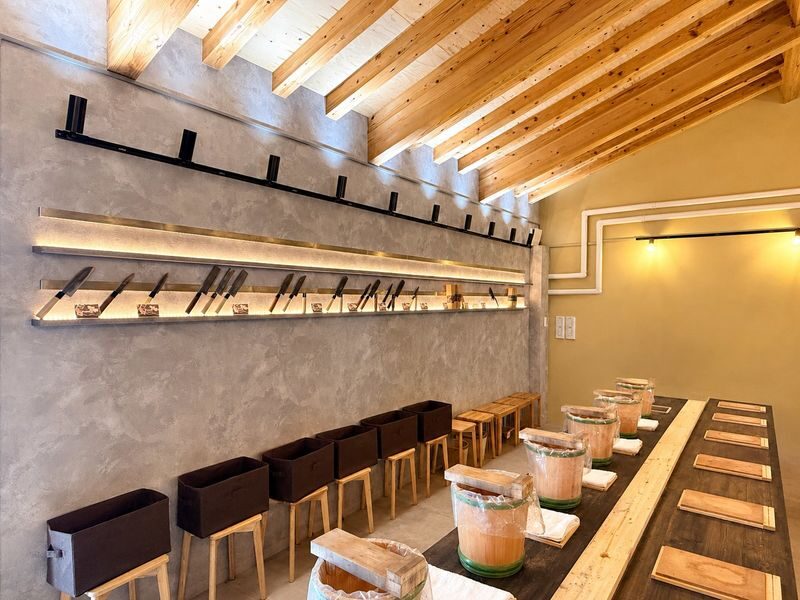
Keep your expectations in the right place. The steel blade is made in advance. You are not working at a forge or shaping metal from raw stock. Instead, you take a prepared blade through finishing steps, then attach a handle. That still gives you a satisfying part in the making, but it is a shorter and more accessible introduction to knife craft than a blacksmithing class.
You can also read our reviews of more tours and experiences in Kyoto



From Prepared Blade to Finished Knife
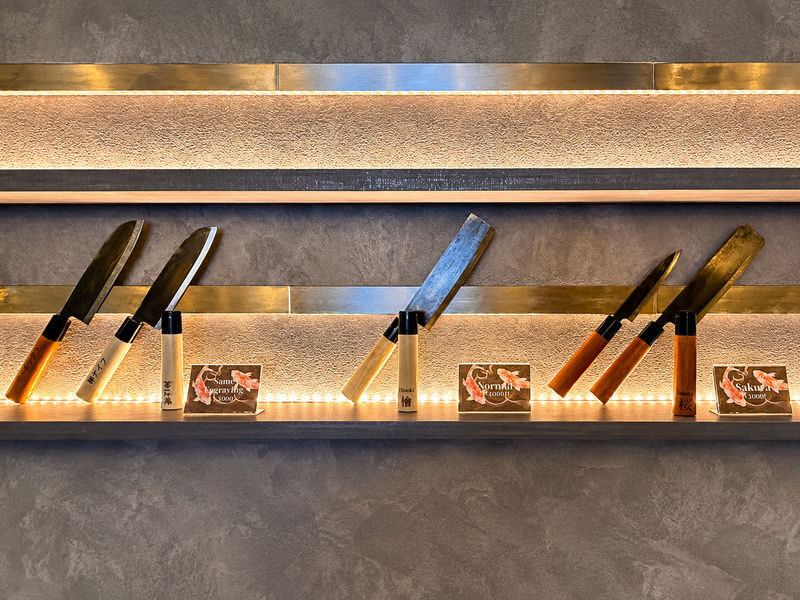
The process begins with choosing a knife option. The basic package may include a relatively small fish-filleting knife, while other blade styles and sizes can be offered at an extra charge. The knife shown in promotional images may not be the exact model included, so ask what the base price covers before deciding on upgrades.
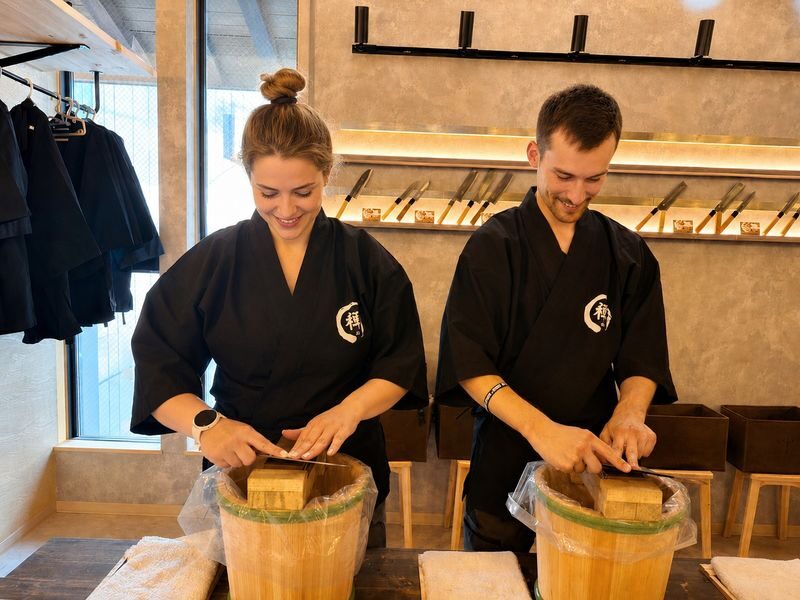
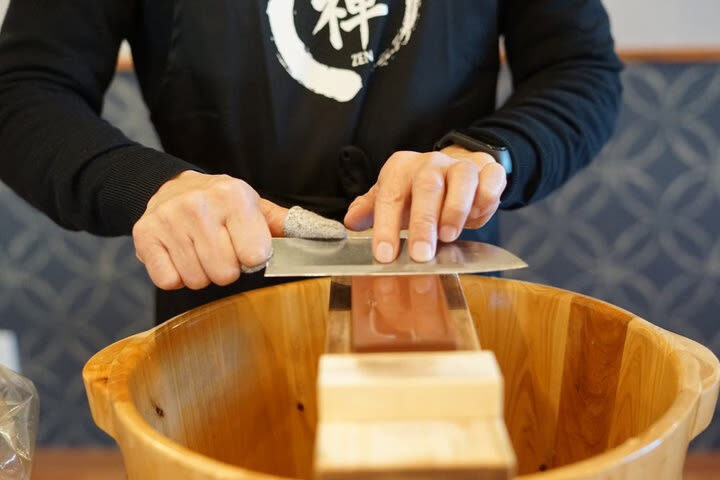
Once you have your blade, the instructor shows you how to sharpen and refine its edge. This is the most hands-on part of the session. You work carefully, with guidance on how to position and move the blade, while the instructor checks your progress and corrects the angle or technique when needed.
The aim is not to rush. Sharpening rewards steady attention, and several people describe the process as calm and almost meditative. That slower rhythm is part of the appeal. You are not just watching a craftsperson demonstrate a skill; you are learning the motions yourself.
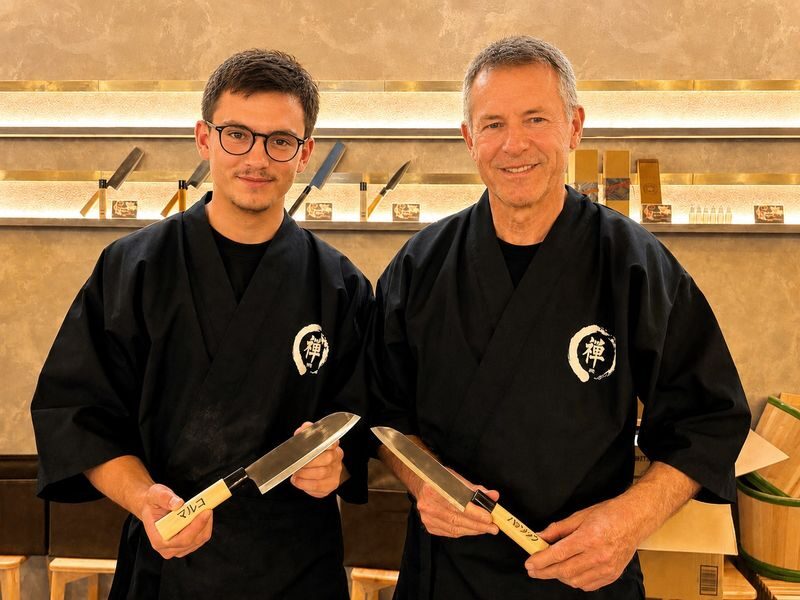
Polishing and fitting the handle complete the knife. Depending on the package and the choices available that day, you may be able to select a different handle or have the knife engraved for an added fee. These choices can raise the final cost, but they also make the knife feel more like your own.
Before you leave, expect practical pointers on knife care and maintenance. The instruction can include how to sharpen the blade again and how to store it safely. That advice matters if you plan to use the knife at home rather than keep it as a display piece.
What the Craft Lesson Adds
Japanese knives are admired for their sharpness and the precision involved in maintaining them. In a one-hour class, you will not learn the entire history of the trade or master sharpening. You will, however, get a direct introduction to the careful work behind a well-finished edge.
The instructors bring different personalities and teaching styles. Names mentioned by participants include Rick, Marble, Ash, Patrick, Layla, Audrey and Malu, among others. Instructors may vary by session, so you cannot count on a particular person. The most praised qualities are patience, clear explanations and a friendly manner, with several instructors sharing details about knife-making traditions and care.
There is one caution worth keeping in mind: a poor fit between teaching style and student needs can affect the class. One participant described an instructor as impatient, particularly when questions took longer to explain in English. That appears to be an exception among the many positive accounts, but if you need extra time or have questions about blade choices, ask them early and clearly.
The class is listed as suitable for all ages, with no age limit. A parent described an instructor taking special care while showing a young child how to sharpen and polish. Still, a knife is a sharp tool. Stay close to children and follow the instructor’s safety directions throughout.
Choosing a Knife Without Surprising Your Budget
The starting price is attractive for an activity that includes instruction and a take-home knife. The value depends on what you want from the session. If you are content with the basic blade and mainly want to try sharpening, the entry option can make for a memorable hour without requiring a large purchase.
If you have your heart set on a larger chef’s knife or a particular handle, budget for an upgrade. Participants have described paying extra for larger or different blades, handle options and engraving. The amount varies, and the available choices may depend on the package. Check the costs before choosing so the final bill does not catch you off guard.
Think about how you will use the knife after the trip. A working cook may value the sharpening lesson and care tips. Someone who wants a distinctly personal souvenir may feel the extra charge for a preferred blade or engraving is worthwhile. If you only want to watch a master craft a knife from start to finish, this workshop may not meet that expectation.
Finding the Workshop in Gion
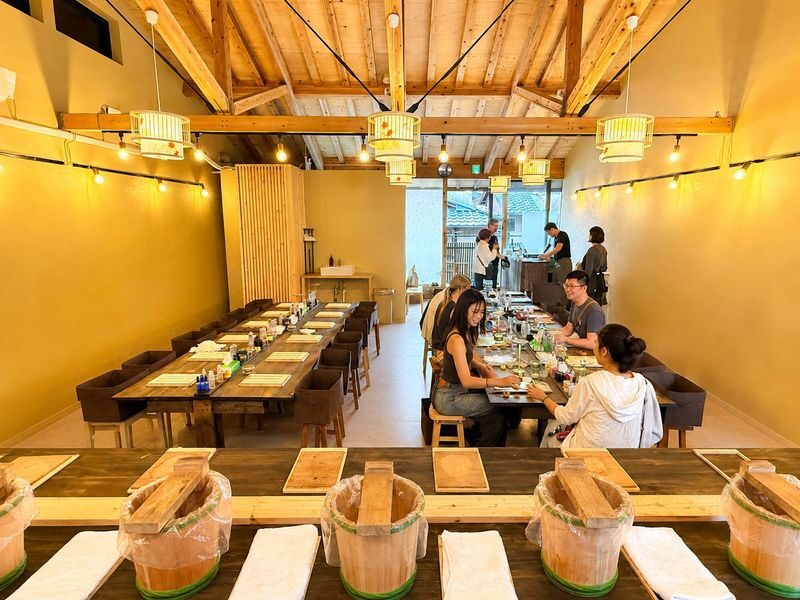
The meeting address is 71 Tamamizucho, Higashiyama Ward, Kyoto, also given as Yasaka Koji South, machi-71-13 Tamamizu. The venue is associated with ZEN, a workshop space for chopsticks, kintsugi and knives. The entrance can be difficult to spot at first: one useful tip is to look for the staircase and sign in an alley off the main street, rather than expecting a prominent street-front entrance.
Arrive five minutes before your selected start time. Departure times are offered hourly from 9:00 a.m. through 6:00 p.m., though available return times depend on the departure you select and the duration of the activity. Your booking confirmation gives the time to follow.
The Gion setting makes it easy to pair the class with nearby sightseeing, but do not cut it too close. Give yourself time to locate the entrance, especially if you are unfamiliar with the small lanes. The activity is a meet-up, not a tour with transportation to the venue.






Who Will Get the Most From This Class
This workshop suits you if you enjoy cooking, hands-on activities or souvenirs with a practical use. It is also a sensible choice if you want a cultural activity that does not require a full day, or if you have already spent enough time looking at temples and want to work with your hands for a change.
It works for beginners because the instructor breaks down the steps and checks your technique. You do not need prior sharpening experience. The short length also makes it easy to fit around other plans, and the class can offer a sheltered activity on a wet or very hot day.
It may be less appealing if you expect to forge a blade yourself, want an in-depth apprenticeship, or prefer a quiet one-on-one lesson. The format is centered on finishing a prepared knife, and the degree of personal attention may depend on the group and instructor. The one-hour schedule is enough for an introduction, not a complete education in Japanese blades.
Practical Details to Keep in Mind
The activity includes English-speaking staff. Personal expenses beyond the listed package are not included, so treat upgrades and engraving as possible extras rather than assuming they are part of the base price. Bring your mobile voucher and check the confirmed meeting time before setting out.
Bookings are confirmed quickly, and the voucher is valid only on the selected date and time. You can cancel for a full refund if you do so at least 24 hours before the activity, using destination local time. Late arrivals and no-shows are not eligible for refunds. If severe weather or another unforeseen event leads the operator to cancel, you can request a reschedule or full refund.
Should You Book the Kyoto Knife Workshop?
Book it if you want a compact, hands-on activity and like the idea of taking home a knife you helped finish. The strongest reasons to go are the patient, step-by-step instruction and the chance to learn basic sharpening and care, not a dramatic blacksmithing spectacle.
Before you commit, decide whether the included knife will satisfy you and ask about upgrade prices if you have a specific style in mind. With that expectation set, this is a useful, personal souvenir and a welcome change from Kyoto’s temples and sightseeing circuit.
Kyoto Traditional Knife Crafting Workshop
“★★★★★ Absolutely amazing experience and one of the highlights of our time in Kyoto! Marble was our instructor and he was fantastic – friendly, pati…”
FAQ
How long does the Kyoto knife workshop last?
The guided knife-making workshop lasts about one hour.
What will I do during the workshop?
You will sharpen, polish and refine a prepared blade, then fit a handle with guidance from an instructor.
Do I forge the knife from raw metal?
No. The blade is already forged. The workshop focuses on finishing the knife rather than shaping hot steel from scratch.
Is the workshop suitable for beginners?
Yes. Step-by-step instruction is provided, and no previous knife-making experience is required.
What knife is included in the starting package?
The basic option may be a small fish-filleting knife. Other blade choices may cost extra, so confirm what is included before selecting an upgrade.
Are upgrades or engraving included in the price?
Not necessarily. Different blades, handles and engraving may involve extra charges.
Is English-speaking instruction available?
Yes. English-speaking staff are included.
Where is the meeting point?
The workshop is at 71 Tamamizucho, Higashiyama Ward, Kyoto. The venue is also listed as Yasaka Koji South, machi-71-13 Tamamizu. The entrance may be up a staircase in an alley.
What is the cancellation policy?
You can receive a full refund if you cancel at least 24 hours before the activity date, using local destination time. Late arrivals and no-shows are not eligible for refunds.