Kyoto’s appeal is not only its famous central temples. This day trip heads from Nanzen-ji and Eikan-do into the moss gardens of Ohara, then north to Kifune Shrine, where stone steps and red lanterns lead into the hills. The small group, capped at nine, makes the long route easier to manage than piecing together buses and trains yourself.
I like two things in particular: the day pairs very different temple settings, from Nanzen-ji’s grand gate to Sanzen-in’s quiet moss garden, and it includes a ride on the Eizan Electric Railway, a welcome change from sitting in a vehicle all day. The driver-guide also gives you a practical way to reach outlying sights that take more effort to connect on your own.
The trade-off is time. You get about 90 minutes at each main temple stop, and Sanzen-in is also the planned lunch window. If you want a long meal, detailed temple visits or a leisurely riverside lunch at Kifune, this schedule may feel tight.
- At a glance
- A long loop from city temples to mountain shrines
- Nanzen-ji and Eikan-do: two temples, one early visit
- Sanzen-in: moss, quiet and a short lunch window
- The Eizan railway ride: a scenic interlude, not a full excursion
- Kifune Shrine: lanterns, stone steps and water fortunes
- What the driver-guide does, and what you do yourself
- Is the price good value?
- Small practical choices that improve the day
- Should you book this Kyoto day tour?
- FAQ
- How long is the tour?
- Which attractions are included?
- Are temple admission fees included?
- Is lunch provided?
- Where can I join the tour?
- How many people are in the group?
- The Best Of Kyoto!
- More Guided Tours in Kyoto
- More Tours in Kyoto
- More Tour Reviews in Kyoto
- Not for you? Here's more nearby things to do in Kyoto we have reviewed
At a glance
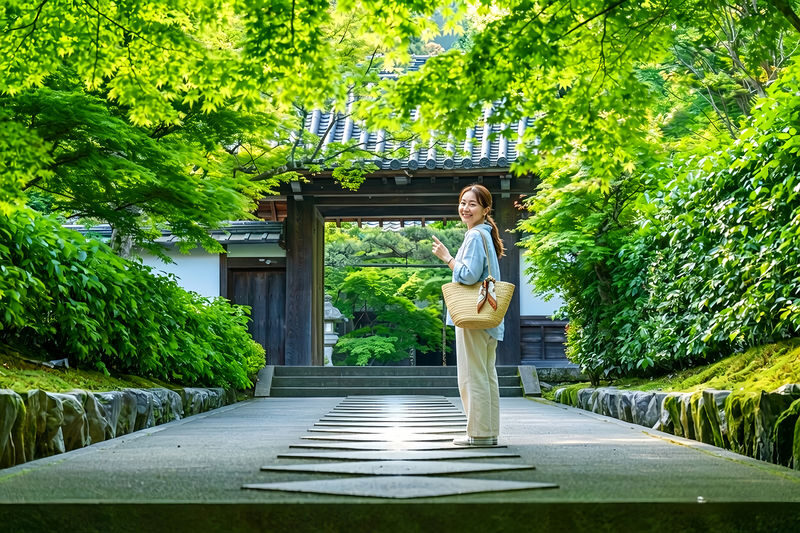
- Nanzen-ji and Eikan-do share an early stop: Two celebrated Higashiyama temples are grouped together, though weather or capacity can affect what you see.
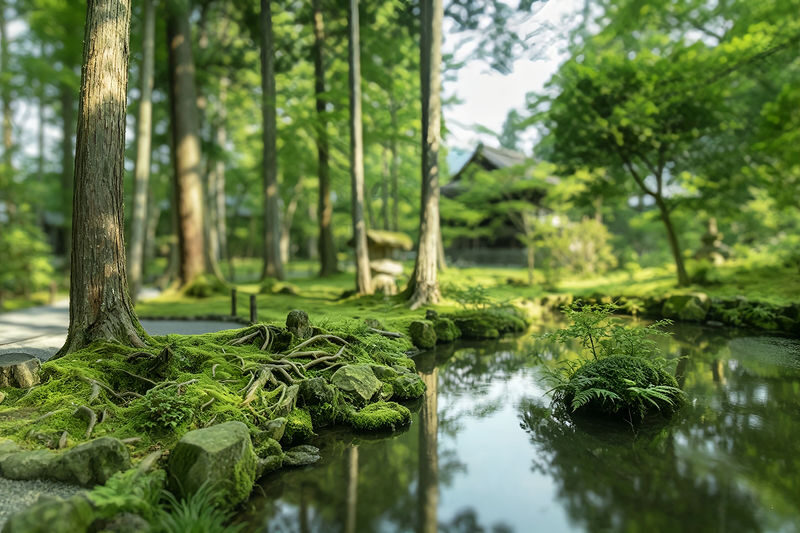
- Sanzen-in brings the quiet: Its moss garden and temple setting in Ohara offer a slower counterpoint to the day’s travel.
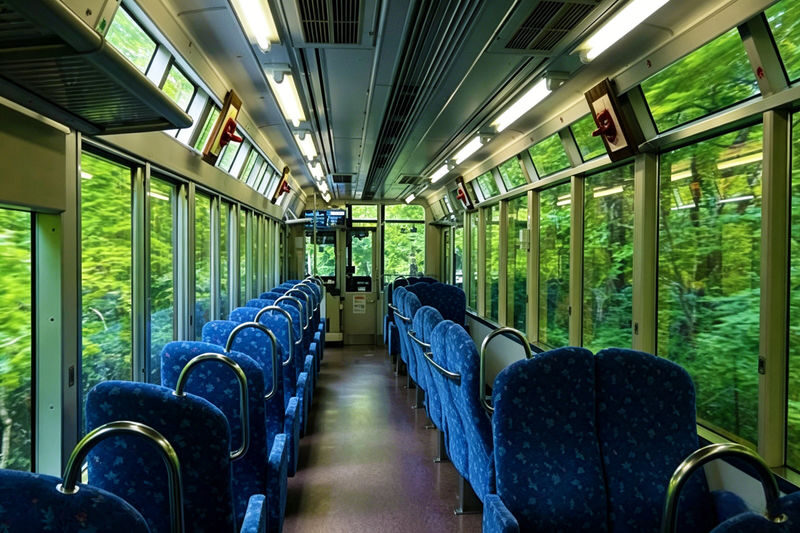
- The train adds a change of pace: The Eizan Electric Railway carries you toward the mountain area, with scenery that changes by season.
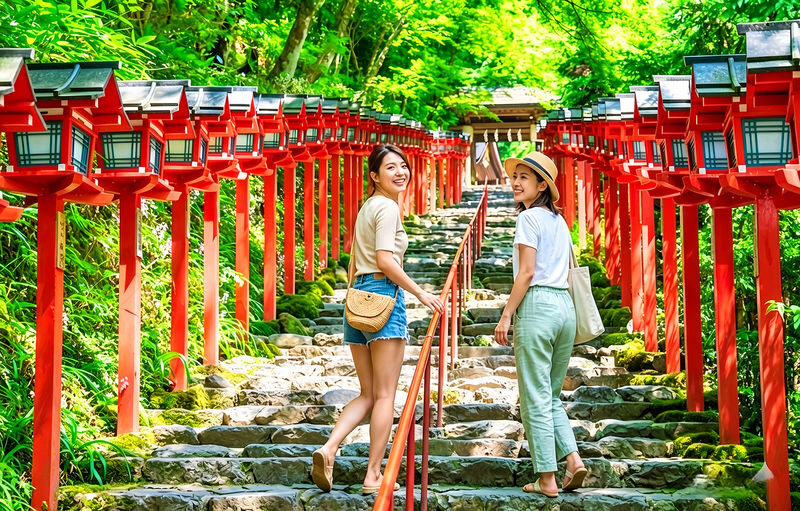
- Kifune is the final major stop: Allow time for the lantern-lined stone approach and the shrine’s water fortune slips.
- The small group keeps transport simple: Expect four to nine people, round-trip transfers and a driver-guide, but not a guide walking with you at every temple.

👉 See our pick of the 25 Best Workshops And Classes In Kyoto
A long loop from city temples to mountain shrines
This is a full-day outing, scheduled from about 8:00 a.m. until late afternoon or early evening, depending on where you join and traffic. You can depart from Kyoto or Osaka. The Kyoto return is estimated at 5:30 p.m.; the Osaka return is estimated at 6:30 p.m. Those are not firm arrival times, so leave a buffer before a train, dinner reservation or other fixed plan.
The appeal is the variety. Nanzen-ji and Eikan-do sit in Kyoto’s eastern temple area, while Sanzen-in lies in the northern mountain district of Ohara. Kifune Shrine is farther north, and the railway segment adds a public-transit taste of the region. Without a vehicle, linking all these stops in one day means juggling connections and watching the clock. Here, the driver handles the transfers while you focus on the sights.
The group size is limited to nine, but this is still a shared tour, not a private outing. The driver-guide may explain the next stop and offer practical tips, then leave you to explore on your own. That arrangement suits independent visitors who want help with transport but prefer to set their own pace within a fixed return time.
You can also read our reviews of more guided tours in Kyoto
Nanzen-ji and Eikan-do: two temples, one early visit
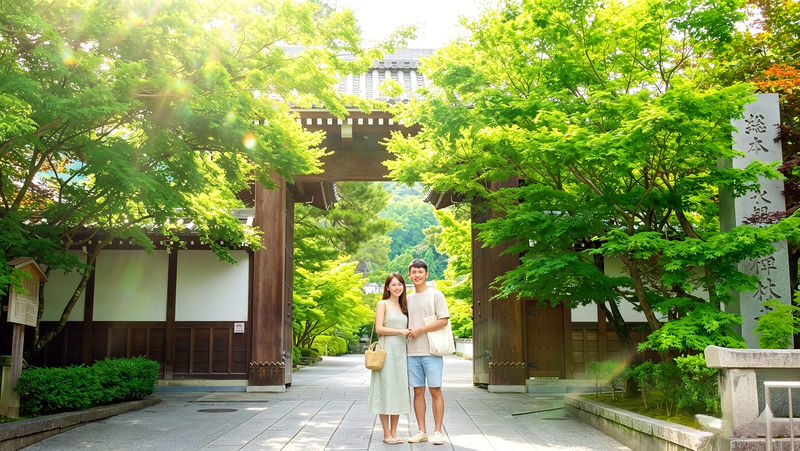
The first sightseeing stop is scheduled for about 9:30 a.m., with roughly 90 minutes for Nanzen-ji and Eikan-do together. Nanzen-ji is a major center of Kyoto Zen Buddhism. Its Sanmon gate is the headline feature: large, dignified and impressive even before you step inside the grounds. The temple is also known for murals, while cherry blossoms and autumn leaves change the mood of its setting through the year.
Eikan-do, also called Zenrin-ji, is famous for its autumn colors and winding corridor built along the hillside. It has a different feel from Nanzen-ji, with paths and garden views that invite a slower stroll. In fall, its maples draw particular attention, but the grounds are not only a seasonal stop. Green leaves and quieter garden views have their own appeal.
The two temples are close enough to visit in one outing, but 90 minutes is a shared allowance, not 90 minutes at each. Decide in advance what matters most: a closer look at Nanzen-ji’s gate and grounds, more time at Eikan-do, or a quick visit to both. Eikan-do admission is not included, so budget for that separately. The schedule also notes that stops may be skipped because of capacity or weather, making this the least predictable part of the day.
Sanzen-in: moss, quiet and a short lunch window
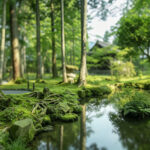
Around 11:30 a.m., the tour heads to Sanzen-in in Ohara, north of central Kyoto. Plan on about 90 minutes here. The temple is known for its moss garden, old buildings and serene setting. The greenery can be especially soothing after the road time, and the garden is a strong reason to choose this route over a day spent entirely in the city center.
Sanzen-in is also the day’s planned place to eat. That is useful, but it creates a choice: spend more time walking through the grounds or sit down for a proper meal. If lunch matters to you, ask the guide early where you can eat and how much time is available. One visitor’s experience of arriving early at Kifune but not being able to use that extra time for a meal is a good reminder not to assume the schedule will expand to suit you.
Admission to Sanzen-in costs 700 yen and is paid separately. Add that to the tour price, along with Eikan-do admission and any food or drinks. The temple’s pace is naturally unhurried, but the day as a whole is not. If you like taking photographs or lingering in gardens, keep an eye on the return meeting time.
The Eizan railway ride: a scenic interlude, not a full excursion
The itinerary includes a 22-minute ride on the Eizan Electric Railway toward the mountain area, with the route described as running between stations near Mount Hiei and Kurama. The exact station names in the schedule are not entirely clear, so confirm the boarding and exit points with your guide on the day.
This short rail leg breaks up the vehicle transfers and gives you a moving view of the region. The scenery varies with the season: spring blossoms, summer greenery, autumn leaves and winter snow are all possible. The line is part of the journey, not a dedicated sightseeing train with guaranteed window seats. It can be crowded, especially at busy times, and rain on the windows can limit the view. Treat it as a pleasant change of pace rather than the day’s main event.
One practical point deserves attention: the tour information does not clearly state whether the railway fare is included. A past trip had confusion over payment at the station. Before departure, ask the operator or guide who pays for the train and how the group will exit the gates. A simple answer before boarding can prevent an awkward delay.
Kifune Shrine: lanterns, stone steps and water fortunes
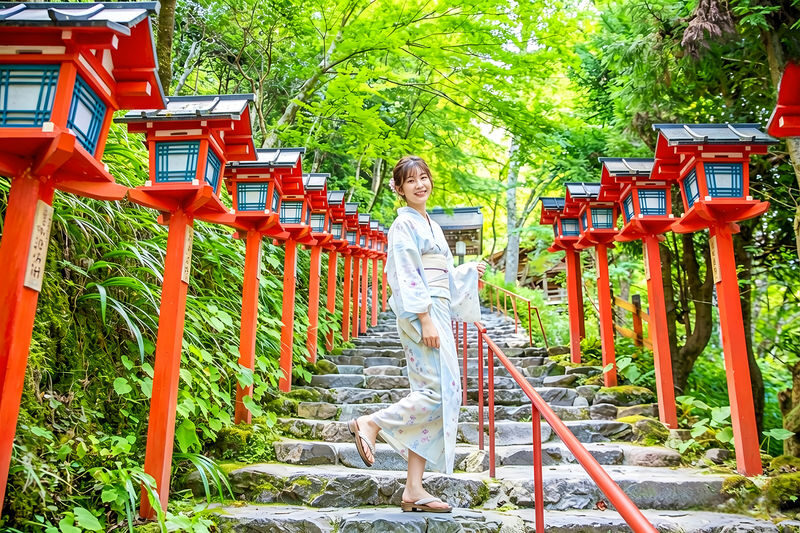
The last major stop is Kifune Shrine, scheduled for about 3:04 p.m. with 90 minutes to explore. Dedicated to Takaokami no Kami, a dragon deity associated with rainfall, the shrine is the head shrine of roughly 450 Kifune shrines in Japan. Its best-known approach runs beside stone steps lined with red lanterns, a striking sight against the surrounding greenery.
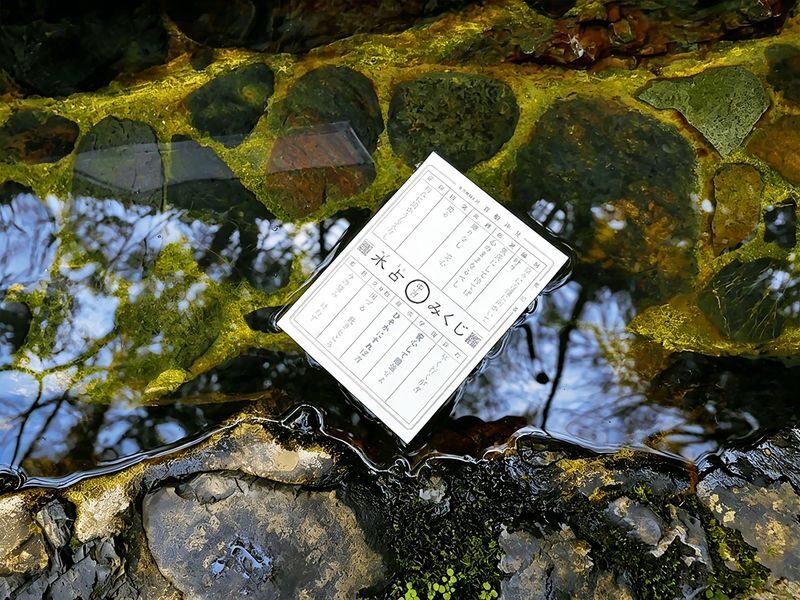
At the shrine, you can try a water fortune slip: place it in water and watch the written fortune appear. It is a simple, memorable ritual and a distinctive feature of the visit. The mountain setting gives Kifune a different atmosphere from the city temples, and the walk from the entrance is part of the experience.
The tour’s time here is enough for the approach, shrine visit and a little wandering, but likely not a long meal. Kifune is known for seasonal riverside dining, called kawadoko, but the tour does not include a meal or promise time for one. If that dining experience is a priority, plan a separate visit rather than trying to fit it into this schedule.
You can also read our reviews of more tours and experiences in Kyoto



What the driver-guide does, and what you do yourself
The package includes round-trip transfers and an English-, Chinese- or Japanese-speaking professional driver-guide. The temples and shrine are self-guided stops. In practice, you should expect the guide to manage the drive, explain the next stop and share useful directions or recommendations, rather than accompany the group through every path and hall.
Guide quality and language can shape the day. Past departures have had guides named Ai, Wang, Ultraman and Toshiya Oka. Visitors have particularly valued clear timing, smooth driving, practical explanations and advice on food or photo spots. But guide assignments vary, and the experience is not a substitute for a specialist temple tour. If detailed history is important to you, do some reading before the day or ask the guide what kind of explanations they provide.
The schedule can change with traffic and weather. Bad conditions may affect outdoor stops or railway operations, and the guide can adjust the order or reduce stops for safety or other practical reasons. Bring a flexible attitude, especially in a season when you have a specific view in mind.
Is the price good value?
The starting price is $55.29, a modest base cost for a 9.5-hour route across several far-flung stops. The real value is transport: you avoid organizing connections between central Kyoto, Ohara and Kifune, and you get the railway segment without building the day around separate tickets and timetables.
That price does not cover everything. Eikan-do and Sanzen-in admission, meals, drinks and personal spending are extra. The railway fare is not clearly identified among the included or excluded items, so check that detail before booking. Your final cost will be higher than the headline price, particularly if you pay for both temple entries and eat at Sanzen-in.
I see this as a good-value transport-led tour for someone who wants to sample several places in one day. It is less compelling if your ideal visit means spending hours at one temple, taking a long lunch or waiting for perfect seasonal conditions. The day is broad by design, not a deep study of any one site.
Small practical choices that improve the day
Arrive at the confirmed meeting point ten minutes early. The tour offers Osaka and Kyoto departure points, and changing your meeting point at the last minute can leave you behind without a refund. The vehicle type depends on the group size, so you cannot choose a particular model. Seating is generally first come, first served, although you can note a request when booking.
Wear shoes suited to walking and steps. This is not recommended for people with limited mobility, pregnant participants or anyone with certain medical conditions, including high blood pressure or epilepsy. The stated age rule requires participants to be under 70, and infants and children must be included in the passenger count.
The minimum group size is four. If that number is not reached, you may be offered a different date or a refund. Luggage needs to be declared in the special requirements when booking, as space is limited and the driver can refuse boarding if unannounced bags make the vehicle unsafe. Outside food and drinks are not allowed, so do not rely on bringing snacks from home. Make a meal plan with the guide instead.
Should you book this Kyoto day tour?
Book it if you want a convenient way to connect Kyoto’s eastern temples with Ohara and Kifune, and you are happy to explore the sites independently. The small group, driver-guide and mixed route are the strongest points. For a first visit to these areas, it gives you a useful sampler of architecture, gardens, forest scenery and shrine ritual in one day.
Skip it if you need generous time for lunch, want a guide at your side throughout, or have a must-see seasonal target that could be affected by weather or crowds. If Kifune’s riverside dining or Sanzen-in’s garden is your main reason for going, a separate, slower visit may be more satisfying. For everyone else, bring comfortable shoes, confirm the rail fare and meeting point, and treat the schedule as a well-organized introduction rather than an unhurried retreat.
Kyoto Small Group Day Tour: Kifune Shrine & Nanzen-ji Temple / Eikan-do Zenrin-ji & Sanzen-in & Eizan Electric Railway Experience (Departing from Osaka/Kyoto, Driver-Guide Service)
“A day trip to northern Kyoto in the rain offered two completely different experiences. Although the weather was poor, Sanzen-in and Kifune Shrine,…”
FAQ
How long is the tour?
The scheduled day lasts about 9.5 hours. Departure is around 8:00 a.m., with return times estimated at 5:30 p.m. in Kyoto or 6:30 p.m. in Osaka.
Which attractions are included?
The route includes Nanzen-ji Temple, Eikan-do Temple, Sanzen-in Temple, an Eizan Electric Railway ride and Kifune Shrine. The schedule may change because of weather, traffic, capacity or other conditions.
Are temple admission fees included?
No. Admission to Eikan-do and Sanzen-in is not included. Sanzen-in admission is listed at 700 yen. Meals, drinks and personal expenses are also excluded.
Is lunch provided?
No. Meals are not included. Sanzen-in is the planned place to eat, but its 90-minute stop is also your sightseeing time, so plan accordingly.
Where can I join the tour?
You can choose a meeting point in Kyoto or Osaka. The listed Kyoto point is 16-16 Higashikujo Nishiiwamotocho, Minami Ward. The Osaka point is Kintetsu Nippombashi Exit 2.
How many people are in the group?
The group size is listed as four to nine people. The tour requires at least four participants; if the minimum is not met, you may be offered another date or a refund.