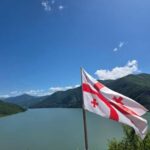
Avlabari is the key to this walk: a neighborhood where Armenian heritage, Georgian history, and shared courtyards sit side by side. From there, the route crosses Old Tbilisi, climbs toward Narikala, then winds down to the sulfur baths and a waterfall.
I like two things in particular: the route connects familiar landmarks with less obvious corners of Avlabari, and guides such as Nika, Dimitri, and Tamta have been praised for lively storytelling and patient answers. The small group limit of seven also gives you room to ask questions.
One consideration: the three-hour schedule covers a lot, including a boat cruise and cable car ride, and both rides cost extra. The route has uneven surfaces and narrow alleys, so wear shoes you can walk in. The itinerary is ambitious; check how the timing works on your chosen departure.
- What makes this Tbilisi walk worth considering
- Start in Avlabari, where cultures share the same streets
- Queen Darejan’s balconies and the Metekhi view
- Rike Park, the river, and the Bridge of Peace
- Up to Mother of Georgia and Narikala
- Down through Shardeni Street to the sulfur baths
- Three hours, seven people, and a price
- Should you book this Tbilisi walk?
- FAQ
- How long is the tour?
- Where does the tour start?
- How many people are in the group?
- What languages are available?
- Is the wine tasting included?
- Are the boat cruise and cable car included in the price?
- Does the tour include a visit inside the sulfur baths?
- What should I bring?
- Can I cancel the tour?
- Do I have to pay when I book?
- The Best Of Tbilisi!
- More Walking Tours in Tbilisi
- More Tours in Tbilisi
- More Tour Reviews in Tbilisi
- Not for you? Here's more nearby things to do in Tbilisi we have reviewed
What makes this Tbilisi walk worth considering
 1 / 8
 2 / 8
 3 / 8
 4 / 8
 5 / 8
 6 / 8
 7 / 8
 8 / 8
- Avlabari’s Armenian landmarks: Visit the Armenian Drama Theater and Ejmiatsin Church, then learn how different communities shaped the neighborhood.
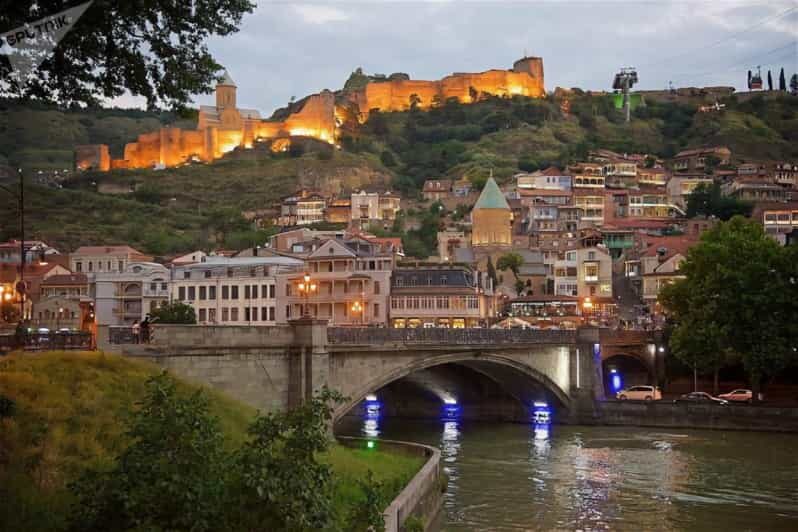
- Metekhi’s high perch: The church and plateau offer one of the route’s best views across Old Tbilisi.
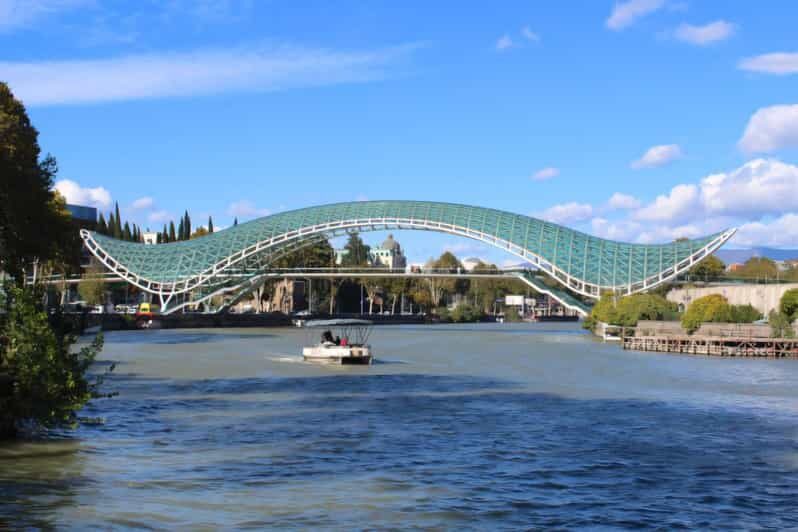
- Old and new Tbilisi together: See the old Narikala Fortress and the modern Bridge of Peace on the same outing.
- A climb with a view: The cable car leads toward Mother of Georgia and Narikala, with a separate ticket cost.
- Sulfur baths and waterfall: Finish among Abanotubani’s domed bathhouses, then walk to Leghvtakhevi Waterfall.
- A small-group tasting: The tour includes Georgian wine and chacha tasting at Meidan Bazar; personal purchases are extra.

👉 See our pick of the 25 Best Tours In Tbilisi
Start in Avlabari, where cultures share the same streets
The meeting point is listed as M/S Avlabari. From there, the tour begins in a district with a strong Armenian presence, an important part of Tbilisi’s cultural story. Rather than starting with the city’s most photographed sights, the walk first gives you a sense of how communities and traditions have shaped everyday neighborhood life.
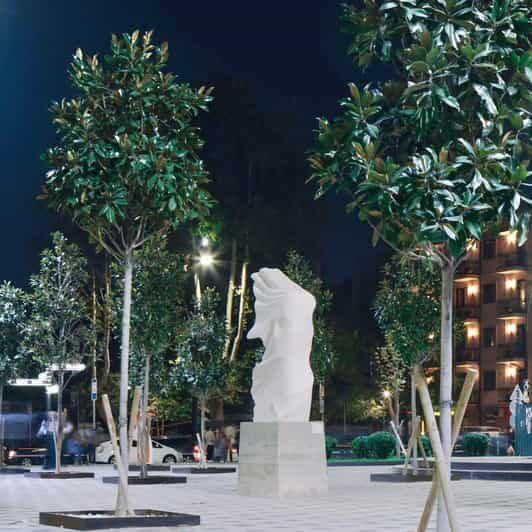
The opening stops include a sculpture of actors from the film Mimino, a brief photo stop, and the Petros Adamian Tbilisi State Armenian Drama Theater. The theater is a reminder that the city’s arts and public life have long drawn on more than one cultural tradition. Expect a little cinematic trivia along with the broader history: one visitor found the introduction slow before the route picked up, so if you are eager to reach the viewpoints, give the opening stories a few minutes to set the scene.
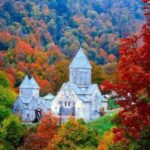
At Ejmiatsin Armenian Church, the tour pauses for a visit and views. This stop helps make the Armenian history of Avlabari concrete, rather than leaving it as an abstract point on a timeline. You will also walk through narrow lanes and uneven sections here, so keep your camera handy but watch your footing.
The guide’s storytelling is a major part of the experience. Guides named for this tour include Nika, Dimitri, Nicolas, Tamta, and Tamuna; the person leading your departure may vary. Their approach is often described as friendly and informal, with room for questions and local context. If a particular guide matters to you, check who is scheduled before booking rather than assuming a name.
You can also read our reviews of more walking tours in Tbilisi

Queen Darejan’s balconies and the Metekhi view
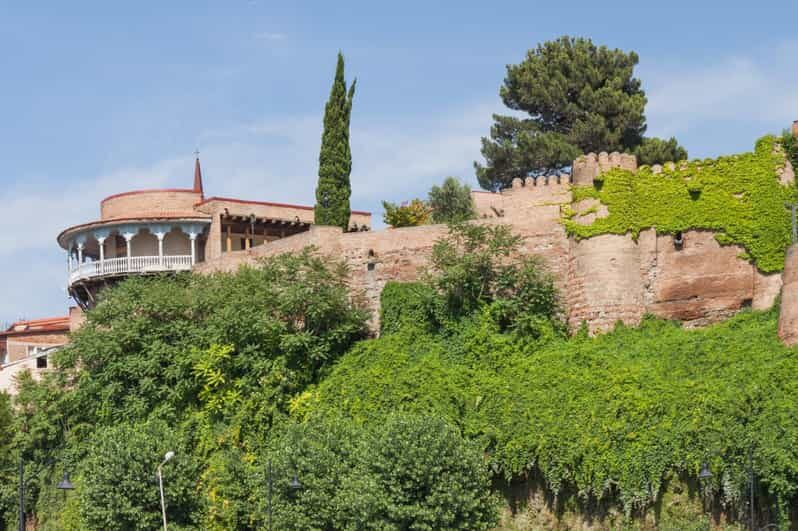
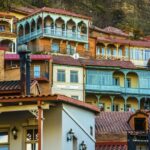
Queen Darejan Palace is a longer stop, with time for sightseeing and photos. Its distinctive turquoise balconies appear to hang above the cliffs, making this one of Avlabari’s most striking architectural scenes. The high position also gives the guide a natural place to explain the city’s geography and changing fortunes.
This is a good point to slow down. Take in the view, then notice how close the city’s layers feel: old buildings, steep ground, and modern streets all sit within the same compact setting. A camera is useful, though the best part is having time to look beyond the frame. Guides have been praised for allowing pauses for photographs and not rushing people through the principal sights, but a three-hour tour still depends on the group’s pace.
Next comes Metekhi Church, another landmark with a commanding position above the river and Old Tbilisi. Its long history has seen invasions, periods of prosperity, and rebuilding. The stop gives you both a historic site and a broad panorama, making it one of the route’s strongest combinations of story and scenery.
Nearby, the statue of King Vakhtang Gorgasali ties the walk to the founding legend of Tbilisi. According to the story, the king’s falcon fell into the warm springs that later gave the city its name and helped prompt the founding of a new capital. Treat it as a city legend rather than a documented account, but it is an engaging way to connect the sulfur springs at the end of the walk with the city’s beginnings.
The route also pauses at the Berlin Wall memorial. It adds a more recent historical note to a walk otherwise focused heavily on older Tbilisi. The stop is brief, so you should expect an introduction and time to look, not a long visit.
Rike Park, the river, and the Bridge of Peace
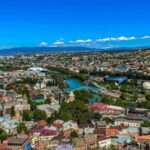
From the older streets, the walk reaches Rike Park, where you get a different view of the city and the river. The itinerary allows a short period for guided sightseeing and free time. The park is a useful transition between the old districts and the modern architecture nearby.
A 30-minute boat cruise is listed as part of the route. It offers a change of pace after walking and a chance to see the city from the water. The ticket is not included, so bring extra money if you want to take the ride. The listed schedule gives the cruise a substantial share of a three-hour outing; confirm at booking how it fits into your departure and whether it is planned for every tour.
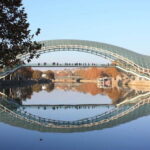
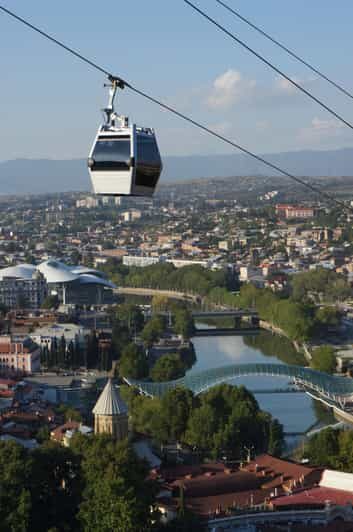
The Bridge of Peace makes the contrast between old and new Tbilisi especially clear. Its modern glass-and-steel design crosses the river below the ancient hills, and the walking stop is a good place to take in both the bridge and its setting. The tour presents the bridge as a symbol of the city’s contemporary side, not as a substitute for its older neighborhoods.
Up to Mother of Georgia and Narikala
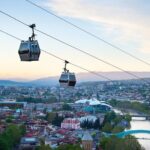
After the bridge, the route includes a cable car ride, listed at about five minutes. The ticket costs $1 and is not included in the tour price. From the upper viewpoint, the city opens out below you, with Mother of Georgia and the surrounding hills in view.
The Mother of Georgia viewpoint is allotted about 20 minutes, enough for the guide to explain the landmark and for you to take in the panorama. This is one of the tour’s most rewarding stops if you want a clear sense of Tbilisi’s layout. It also involves a change in elevation, so be ready for more walking after the ride.
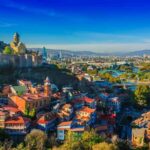
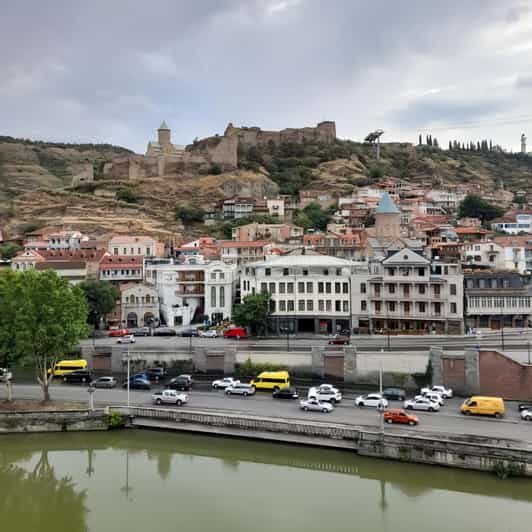
Narikala Fortress, described as dating to the fourth century, watches over the city from the ridge. The stop itself is brief in the schedule, around five minutes, so think of it as a compact introduction and a chance for photos rather than an extended exploration. The larger value is seeing the fortress in context, above the river, the old neighborhoods, and the modern bridge.
The route’s mix of a paid ride and short visits is practical for covering ground, but it means you should not expect a long, independent tour of every site. If you prefer to linger, ask your guide what can be shortened or skipped. The guide can often adapt to the group, but the advertised duration still sets a limit.
More Great Tours NearbyDown through Shardeni Street to the sulfur baths
The walk descends toward Jan Shardeni Street and Meidan Bazar. Shardeni is a short stop for sightseeing and browsing. Meidan Bazar adds time for shops and a tasting, but souvenir purchases are your own expense. There is no requirement to buy anything.
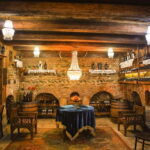
The tasting of Georgian wine and chacha is included. It offers a quick introduction to two drinks associated with Georgian food and hospitality, and it gives the walk a relaxed finish before the final sights. Keep in mind that a tasting is not a full meal or a substitute for dinner.
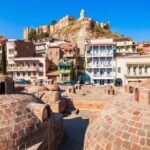
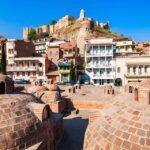
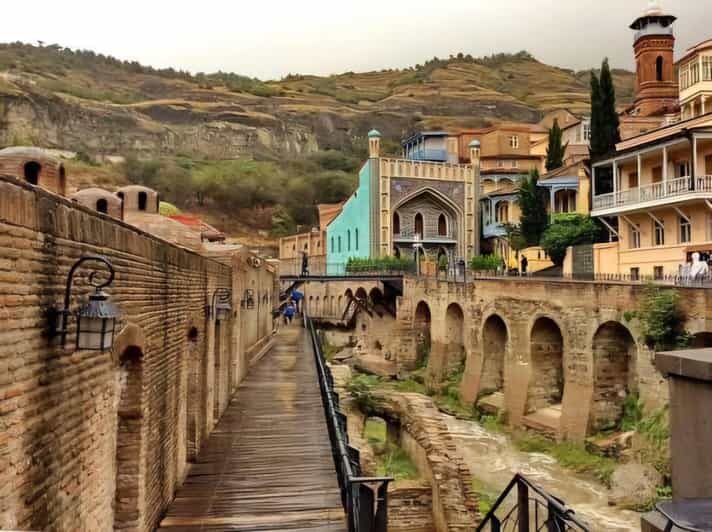
Abanotubani, the historic sulfur bath district, is one of the essential stops. Its brick domes are the most recognizable feature, and the sulfur-scented air makes the neighborhood feel distinct from the streets above. The baths are closely tied to the founding legend of Tbilisi, giving the area a central place in the city’s story as well as its daily life.
The tour does not list a bath visit, so expect to see the district from outside rather than use the bathhouses. That distinction matters if you are hoping for a soak: this is a sightseeing walk, not a bathing session. You can always make a separate plan to return, but entry to a bath is not included here.
The last listed stop is Leghvtakhevi Waterfall, reached through a narrow gorge in the old district. It offers a striking natural contrast with the surrounding stone lanes and bathhouse domes. The schedule gives you a short photo stop and some free time. After a full walk, the sound and shade around the waterfall can feel like a welcome pause.
You can also read our reviews of more historical tours in Tbilisi


Three hours, seven people, and a $10 price
At $10 per person, the tour offers good value if you want a guided overview rather than a private, in-depth visit at each landmark. The price includes a professional historian guide, online support, and the Georgian wine and chacha tasting. It does not include personal purchases, the cable car ticket, or the boat ticket. The cable car fare is listed as $1; no boat fare is specified, so budget for that separately.
The group is limited to seven participants, a useful size for hearing the guide and asking questions. Some departures may have fewer people, and guides have continued tours with very small groups, even when only one person was booked. That can make the walk more conversational, though it is not a private tour unless your departure happens to be private.
The tour lasts three hours, but the stop-by-stop schedule is ambitious. It includes a 30-minute boat cruise, a cable car ride, a tasting, and many walking stops. Some listed time blocks are short, and the guide may need to keep the group moving. The schedule may flex, but do not count on spending a long time at every landmark.
The experience suits a first afternoon or evening in Tbilisi, when you want a city overview and a guide’s help connecting the landmarks. It also works well if you enjoy history delivered through stories and questions rather than a formal lecture. Guides have been praised for humor, useful recommendations, and answering questions about Georgian life as well as the city’s past.
Wear comfortable walking shoes and bring water. The route crosses narrow alleys and uneven surfaces, and there are climbs and descents around the viewpoints. A camera is worth carrying for Metekhi, Queen Darejan Palace, and the upper city views.
The tour is conducted in English, and English and Georgian are listed as guide languages. Availability and start times depend on the date you choose. You can cancel up to 24 hours ahead for a full refund, and reserve now with payment later.
Should you book this Tbilisi walk?
Book it if you want a compact introduction to Tbilisi that joins Armenian Avlabari, Metekhi’s views, the riverfront, Narikala, and the sulfur baths in one route. The best reasons to go are the variety of neighborhoods, the small group, the guide-led context, and the included tasting.
Think twice if you want long visits at each landmark, a bathhouse session, or a tour with every transport cost included. The outing covers a lot in three hours, and the boat and cable car rides add expense. If that trade-off suits you, it is a practical, lively way to get oriented and decide which parts of the city deserve a return visit.
Tbilisi Walking Tour: 3 Hours of Cultural & Living History
FAQ
How long is the tour?
The walking tour lasts three hours.
Where does the tour start?
The listed starting location is M/S Avlabari. Check your booking details for the exact meeting point.
How many people are in the group?
The group is limited to seven participants.
What languages are available?
English and Georgian are listed as guide languages. The tour is conducted in English.
Is the wine tasting included?
Yes. The tour includes a free tasting of Georgian wine and chacha at Meidan Bazar.
Are the boat cruise and cable car included in the price?
No. Their tickets cost extra. The cable car fare is listed as $1, while the boat ticket price is not specified.
Does the tour include a visit inside the sulfur baths?
No bathhouse visit is listed. The route includes sightseeing in the Abanotubani district.
What should I bring?
Wear comfortable shoes, bring water, and take a camera for the panoramic views.
Can I cancel the tour?
Yes. You can cancel up to 24 hours in advance for a full refund.
Do I have to pay when I book?
No. The reserve-now, pay-later option lets you book without paying at the time of reservation.
You can check availability for your dates here: