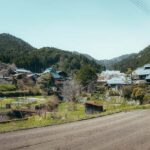
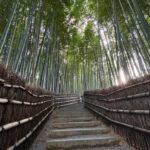
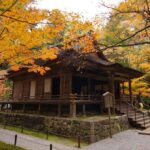
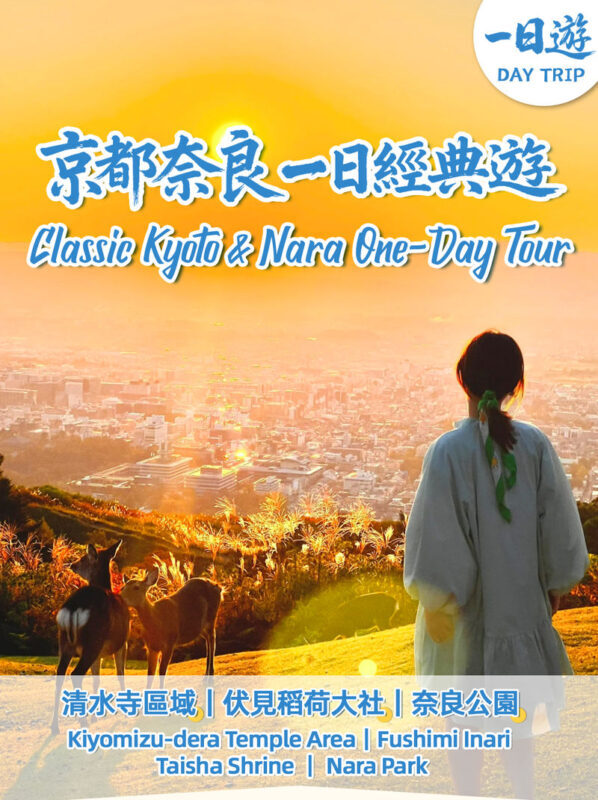
Kyoto’s hillside lanes, Fushimi Inari’s long rows of red gates and Nara’s deer are a lot to fit into one day. This tour connects all three by shared vehicle, saving you the work of stitching together several train and bus journeys. You get time to explore at each stop, but the schedule keeps the day moving.
I like two things in particular: the door-to-door transport between far-flung sights and the freedom to choose how you spend each stop. Guides such as Andrew, Anna and Shine Liu have been praised for clear directions, care with group safety and practical advice, though the guide you get will vary.
The trade-off is pace. Kiyomizu-dera’s area alone could fill a day, and this trip gives you about 2.5 hours there, including lunch. You’ll need to choose what matters most, and traffic or a large group can make the timetable feel tight.
- Three contrasting stops: Kyoto’s temple streets, Fushimi Inari’s torii gates and Nara’s deer park give the day variety.
- About 2.5 hours around Kiyomizu-dera: Enough for the temple and a walk through nearby historic lanes, but not every recommended sight at a leisurely pace.
- 70 minutes at Fushimi Inari: A chance to walk beneath the famous gates, though not enough time to hike far up the mountain.
- 90 minutes in Nara Park: See the deer and, if you plan carefully, visit one nearby landmark such as Todai-ji.
- Shared transport, self-guided stops: The guide handles the route and provides information, while you decide where to spend your free time.
- At least one extra cost: Kiyomizu-dera admission, meals and personal purchases are not included.
- Three famous places, one long day
- Kiyomizu-dera and the lanes below it
- Fushimi Inari’s gates, without the full mountain hike
- Nara Park’s deer and nearby temples
- How the guide and free time shape the day
- The value of the fare, and what it leaves out
- The practical details that matter
- Should you book this Kyoto and Nara day trip?
- FAQ
- How long is the tour?
- What places does the tour visit?
- Is admission included?
- Are meals included?
- What languages are available?
- Where does the tour return?
- What happens if I arrive late?
- The Best Of Kyoto!
- More Historical Tours in Kyoto
- More Tours in Kyoto
- More Tour Reviews in Kyoto
- Not for you? Here's more nearby things to do in Kyoto we have reviewed
Three famous places, one long day
 1 / 8
 2 / 8
 3 / 8
 4 / 8
 5 / 8
 6 / 8
 7 / 8
 8 / 8
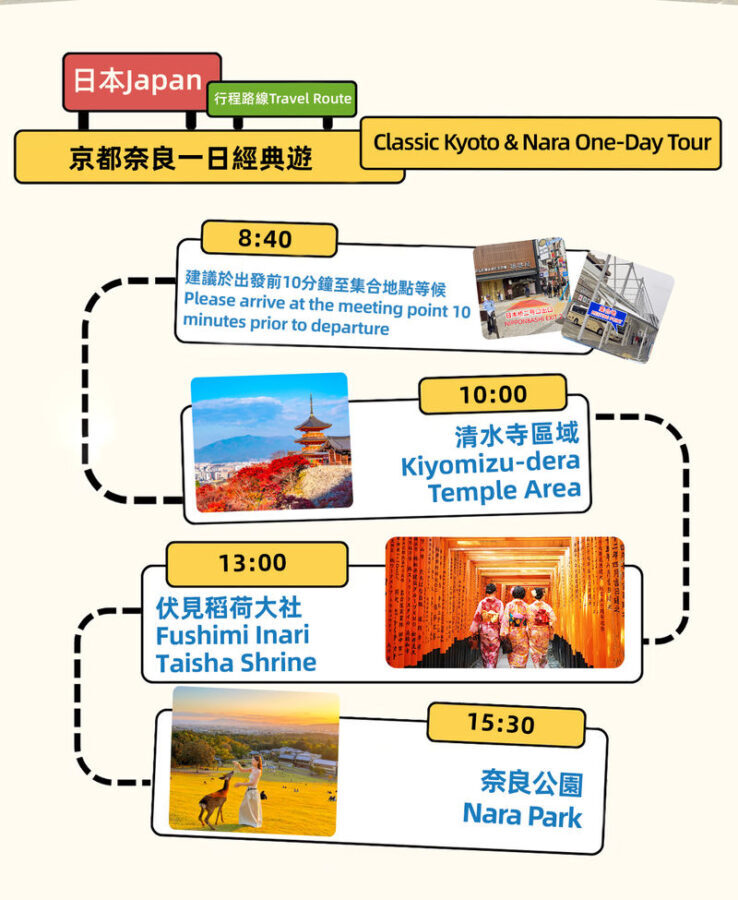
This is a practical sampler of Kyoto and Nara, not a slow cultural tour. You’ll start from Osaka or a designated meeting point, ride between stops, then explore independently before regrouping at the vehicle. The day is scheduled from around 08:40 to 18:00, though the exact departure details can vary, so check the message sent the evening before.
The appeal is simple: these sights are spread across two cities, and organizing them independently takes planning. A shared vehicle reduces the number of transfers and the chance of losing time figuring out local connections. That convenience matters most if you have limited days in Japan, are travelling with family, or would rather spend your energy walking at the sights than navigating between them.
The compromise is that you don’t set the pace. The group may include up to 49 people, and everyone needs to return on time. Treat this as a well-organized overview, not a chance to see every corner of Kyoto and Nara.

👉 See our pick of the 25 Best Workshops And Classes In Kyoto
Kiyomizu-dera and the lanes below it
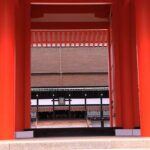
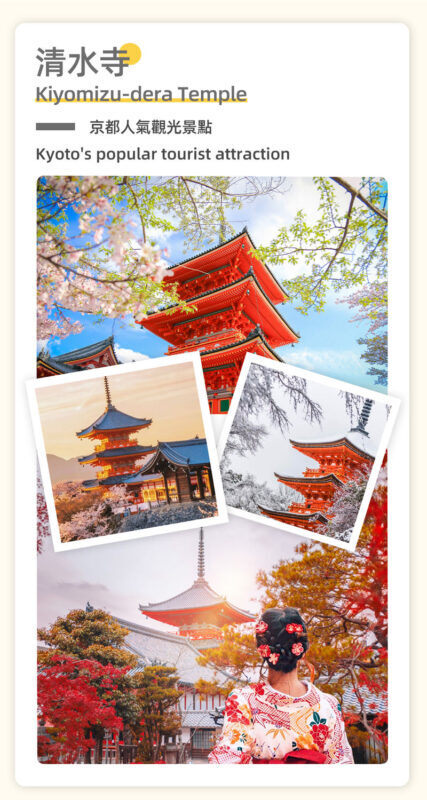
The first stop gives you about 2.5 hours in the Kiyomizu-dera area, with lunch on your own. The temple is famous for its wooden stage and its views across Kyoto. In autumn, the surrounding trees turn red and gold, making this a particularly scenic time to visit, though it is also a busy season.
Kiyomizu-dera charges a separate admission fee: ¥500 for adults and ¥200 for junior and senior high school students. That fee is modest, but remember to budget for it, plus whatever you spend on food and drinks. The temple and its surrounding streets can be crowded, so move at a steady pace and decide early whether you want to prioritize the main hall, the lanes or a sit-down meal.
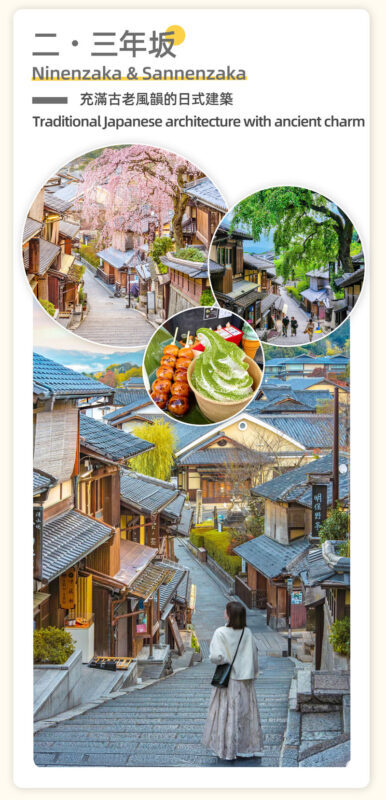
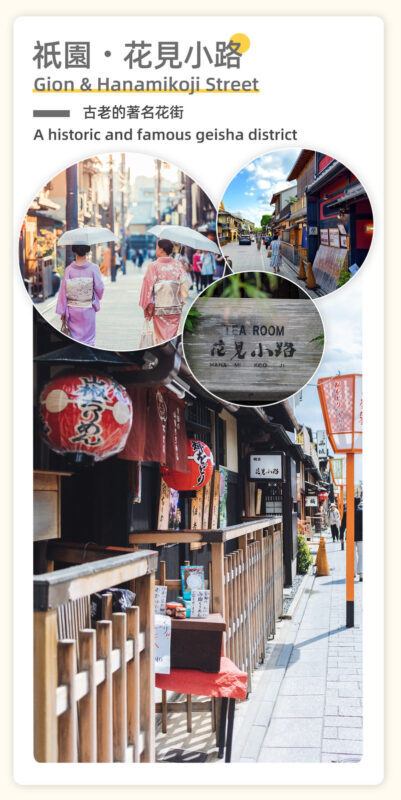
The suggested route includes Ninenzaka and Sannenzaka, Ishibei-koji Alley, Gion’s Hanamikoji Street and Yasaka Shrine. These old streets are part of the pleasure: you’ll pass traditional buildings, shops and places to pause for a snack. But the full list is ambitious when you also want to enter the temple and eat. Some people will prefer a focused visit to Kiyomizu-dera and the nearby lanes rather than trying to tick off every stop.
Be ready to walk. The vehicle cannot take you directly to every temple entrance, and the approach from the parking area may feel long, especially if you have limited mobility or are tired. Comfortable shoes are a better choice than footwear picked only for photos.
You can also read our reviews of more historical tours in Kyoto


Fushimi Inari’s gates, without the full mountain hike
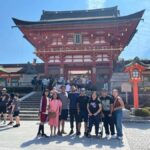
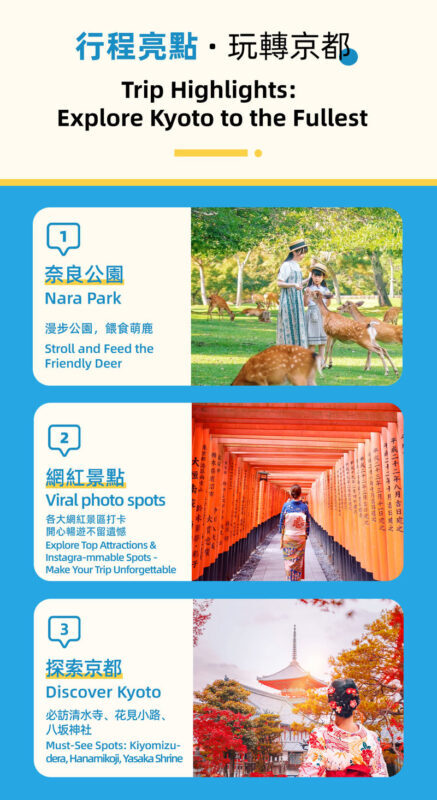
At about 13:00, you’ll have roughly 70 minutes at Fushimi Inari Taisha. The shrine is best known for its rows of vermilion torii gates, which create a striking path up the wooded hillside. It’s one of Kyoto’s most recognizable sights, and the setting feels different from the temple lanes at the first stop.
The time allowance is enough to walk through part of the gate-lined route, take photos and visit the shrine grounds. It is not enough for a relaxed climb far up Mount Inari and back. If you want the full hike, plan a separate visit on another day. Here, go beyond the first photo spot if you can, but keep an eye on the clock and your return route.
The gates are a popular draw, so expect other people in the main passage. A useful approach is to take a few photos, then keep walking until the crowd thins. Your guide may provide directions or context before you set off, but the stop itself is self-guided. Keep track of the meeting time and location rather than assuming the whole group will move together.
Nara Park’s deer and nearby temples
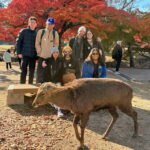
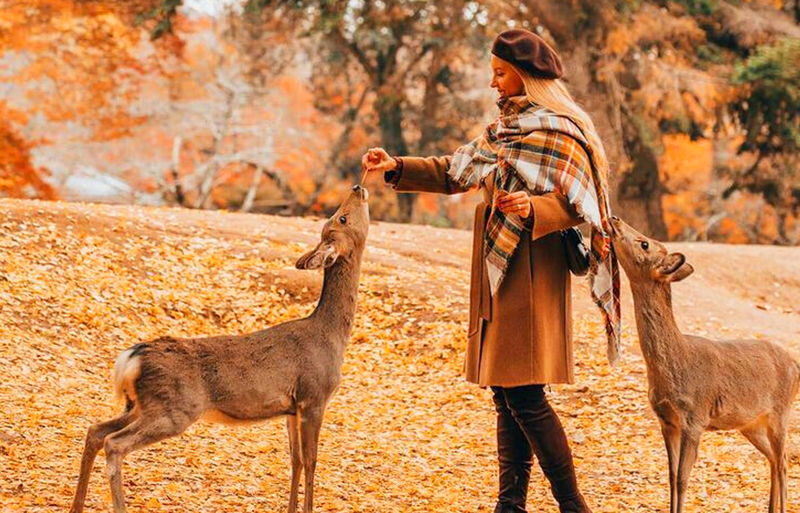
The final sightseeing stop is Nara Park, scheduled for about 90 minutes from 15:30. The park is known for its free-roaming deer, which are accustomed to people and can be fed with deer crackers sold in the area. Follow the guide’s safety advice, keep food tucked away until you are ready to feed them, and don’t tease or crowd the animals. They are charming, but they are still animals with their own ideas about personal space.
Nara Park also sits near major historic sights, including Todai-ji and Kasuga Taisha. Todai-ji’s Great Buddha Hall has a separate entrance fee of ¥800 for adults and ¥400 for children. With only an hour and a half, you may need to choose between spending time with the deer, entering a temple or doing a quick mix of both. If Todai-ji is a priority, head there first and leave time to return to the vehicle.
The park is a pleasant change of pace after Kyoto’s busy streets. In autumn, red leaves contrast with evergreen trees, but the deer are the main attraction in any season. Watch your step: the park has deer droppings, which can cling stubbornly to shoe soles.
How the guide and free time shape the day
This is a shared-vehicle tour with a guide, but it is not a guided walk at every attraction. You should expect information and practical directions, then time to explore on your own. That format suits people who like a little orientation but want to choose their own route once they arrive.
Guide language depends on the package selected. The activity advertises Chinese, English, Japanese and Korean support, while the listed meeting-point package is described as Chinese/English. Confirm the language option when booking rather than assuming every guide speaks all four languages. Past guides have included Andrew, Anna, Shine Liu, Rick and Oh Seok-bong, but names are examples, not a promise of who will lead your departure.
The most useful guide qualities are organization and clear instructions. Strong guides have helped people find their way, explained how to feed the deer safely and kept the group on schedule. Experiences can vary, though. Because you are responsible for finding your way around during free time, listen closely to the meeting point and return instructions before leaving the vehicle.
The value of the fare, and what it leaves out
At a starting price of $44.85, this can be good value if you want transport linking three major sights without arranging the route yourself. The fare includes round-trip transfers to and from the meeting point, transport, tolls, parking and fuel. You’re paying mainly for the convenience of a shared ride and the day’s logistics, not for temple admission or meals.
Add the Kiyomizu-dera fee, any admission at Todai-ji, lunch, drinks and personal purchases to your budget. Fushimi Inari and Nara Park are the main outdoor stops, but food and deer crackers are extra. The low starting fare is attractive, yet the final cost depends on what you choose to do along the way.
A self-planned trip may suit you better if you want long visits, flexibility or a slower day. On the other hand, public transport means managing several legs and watching the clock yourself. This tour trades that planning freedom for a direct route and a fixed schedule.
You can also read our reviews of more tours and experiences in Kyoto





The practical details that matter
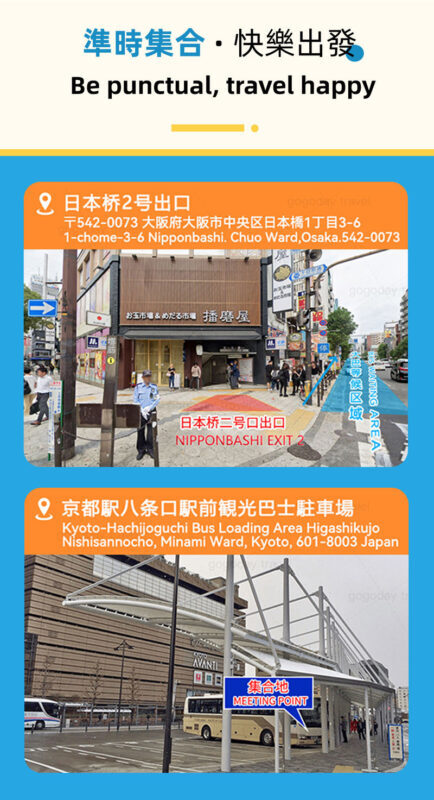
Arrive at the meeting point at least 10 minutes before departure. Late arrivals and no-shows are not refundable, and the vehicle cannot wait for one person without affecting the group. The evening before, the operator is due to email guide and vehicle details between about 20:00 and 21:00. Check your inbox and spam folder, especially if several tour groups gather at the same place.
The return is listed for around 18:00 at Shinsaibashi in Osaka. The tour notes that it does not pass through Kyoto on the return trip, so don’t book it assuming you can get dropped back in Kyoto. Traffic, weather and other conditions may change the order or timing of the stops. The vehicle’s use is limited by Japanese law to 10 hours, and the guide may adjust the day to fit actual conditions.
If you’re bringing luggage, state that when booking. One piece is permitted per person if declared in advance; unannounced luggage may be refused if it affects space or safety. The vehicle type depends on the group size and cannot be selected.
Children aged 0 to 2 can join without a separate seat at no charge. Children aged 3 and older pay the adult rate, and anyone aged 0 to 17 must be accompanied by a paying adult. The activity is not recommended for people with certain serious medical conditions, pregnant people or people with disabilities. Check the full conditions before booking if any of these apply.
Should you book this Kyoto and Nara day trip?
Book it if you want to see Kiyomizu-dera, Fushimi Inari and Nara Park in one day, and value transport and basic guidance more than having unlimited time. It is especially useful if Osaka is your base, you’re comfortable with a brisk schedule and you’re happy to explore each site on your own.
Skip it if you want a long temple visit, a full hike at Fushimi Inari or enough time to explore both Todai-ji and Nara Park at leisure. The day’s best moments come from choosing your priorities and keeping an eye on the clock. For a first overview, the route covers a lot; for a slower look at Kyoto, give the city a separate day.
Kyoto & Nara Twin Ancient Capital World Heritage Tour: Kiyomizu-dera Temple & Fushimi Inari Taisha Shrine & Nara Park Day Trip (Osaka/Kyoto Departure)
“Every time I go to Japan, I join day tours, but this experience left a deep impression on me, especially our tour guide, Shine Liu. Working in the…”
FAQ
How long is the tour?
The scheduled day is about 9.5 hours, from roughly 08:40 to 18:00. Traffic and weather may affect the timing.
What places does the tour visit?
The stops are the Kiyomizu-dera area, Fushimi Inari Taisha and Nara Park.
Is admission included?
No. Kiyomizu-dera admission is ¥500 for adults and ¥200 for junior and senior high school students. Todai-ji Great Buddha Hall admission is also extra, at ¥800 for adults and ¥400 for children.
Are meals included?
No. Meals and beverages are not included, and lunch is free time at your own expense.
What languages are available?
Language support is advertised in Chinese, English, Japanese and Korean. The meeting-point package listed is Chinese/English, so check the language option for your selected package.
Where does the tour return?
The listed return point is Shinsaibashi in Osaka, around 18:00. The tour does not pass through Kyoto on the return trip.
What happens if I arrive late?
The group cannot wait for latecomers. Late arrivals and no-shows are not refundable, so arrive at least 10 minutes before departure.