Nijo Castle was built to make a political point, not to withstand a siege. Its palace and gardens tell a story of shoguns asserting power in the Emperor’s city, and this guided walk helps you read those details rather than simply pass through them.
I like two things in particular: the guide brings the Tokugawa and imperial rivalry into focus, and the small-group format gives you room to ask questions. The gardens add a gentler counterpoint, with koi swimming in the castle moats.
One consideration: the tour is a short, structured introduction, not an exhaustive history lesson. The group is advertised as up to 10 people, though the activity details also state a range of 0 to 12, so check the current group limit when you book.
- Ninomaru Palace puts politics on display: Rooms, paintings, and carvings reflect rank and authority.
- Listen for the nightingale floors: Their distinctive sound is one of the palace’s best-known details.
- Visit the room linked to 1867: Tokugawa Yoshinobu returned power to the Emperor here, marking the end of the shogunate.
- The gardens soften the formal mood: Look for koi in the moats and the carefully arranged grounds.
- Admission and an English-speaking guide are included: You meet at Nijojo-mae Station and walk to the castle together.
- Why Nijo Castle tells a political story
- Meeting at Nijojo-mae Station
- Ninomaru Palace, where rank had a room
- The room tied to the end of the shogunate
- Gardens, moats, and a quieter change of pace
- What the small-group format adds
- Is the price worthwhile?
- Who should book this walk
- Should you book Nijo Castle with a guide?
- FAQ
- Where does the tour meet?
- What departure times are available?
- How long does the tour take?
- Is admission to Nijo Castle included?
- What language does the guide speak?
- How many people can join the group?
- Do I need to remove my shoes?
- Is the route difficult to walk?
- Can children join the tour?
- Can I cancel for a refund?
- The Best Of Kyoto!
- More Guided Tours in Kyoto
- More Tours in Kyoto
- More Tour Reviews in Kyoto
- Not for you? Here's more nearby things to do in Kyoto we have reviewed
Why Nijo Castle tells a political story
 1 / 9
 2 / 9
 3 / 9
 4 / 9
 5 / 9
 6 / 9
 7 / 9
 8 / 9
 9 / 9
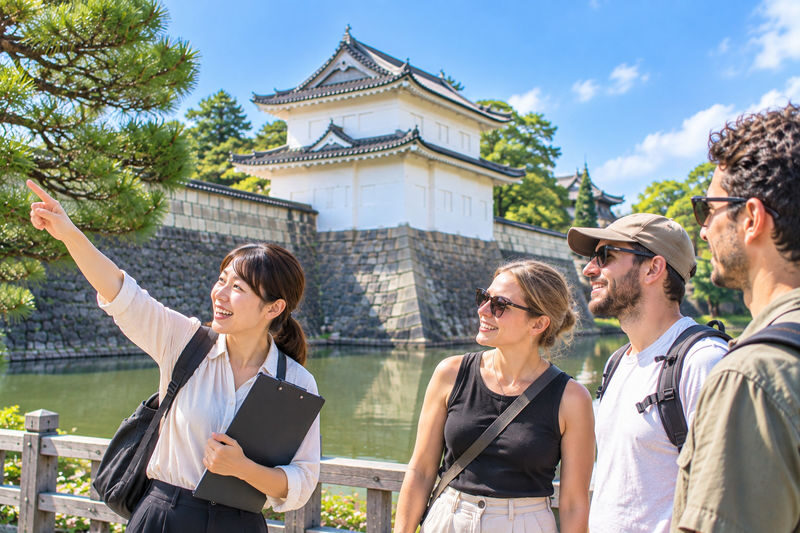
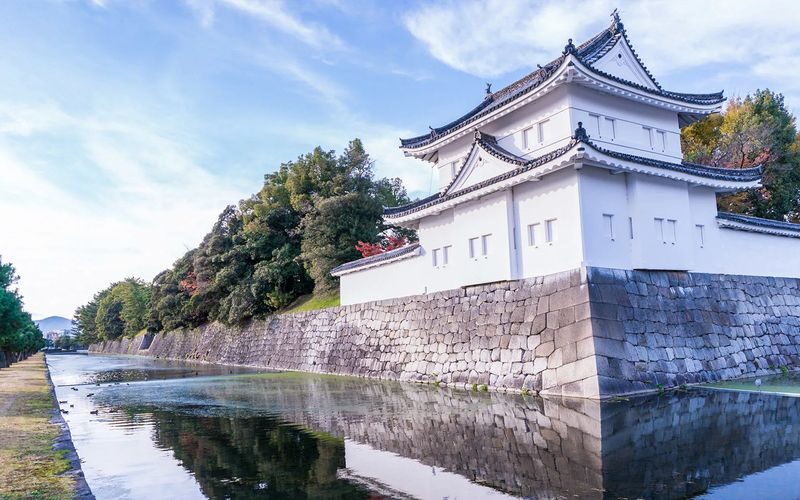
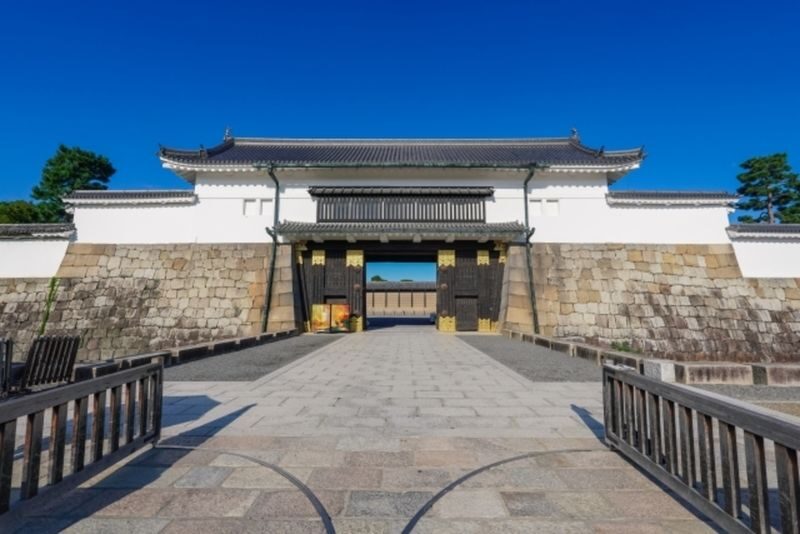
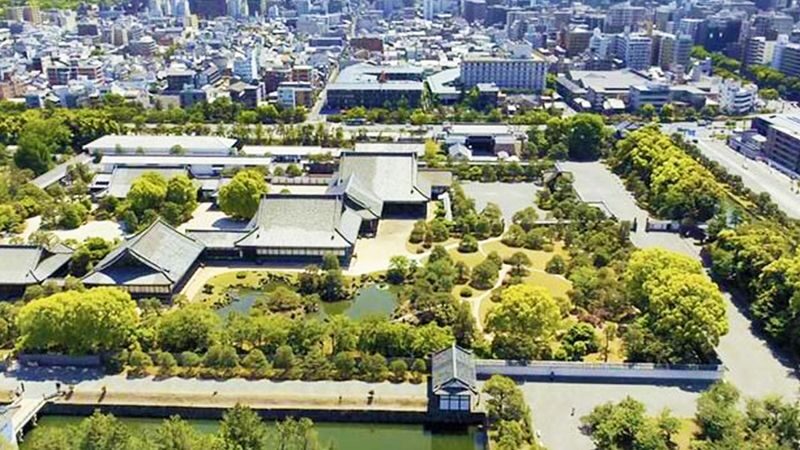
Nijo Castle is more than a handsome former residence. It was a statement of authority, built for the Tokugawa shoguns, who governed Japan from Edo, now Tokyo, while the Emperor remained in Kyoto. The castle’s setting made that relationship visible: shogunal power had a home beside the imperial city.
That context makes the visit more rewarding than a walk through attractive rooms and gardens alone. A guide can explain why the castle was designed for display and control rather than battle, and how the rooms and their decoration helped establish a strict social order.
The tour also links the site to a turning point in Japanese history. In 1867, Tokugawa Yoshinobu returned power to the Emperor in a room inside Ninomaru Palace. You are not just looking at an old building; you are standing in a place associated with the end of the shogunate.

👉 See our pick of the 25 Best Workshops And Classes In Kyoto
Meeting at Nijojo-mae Station
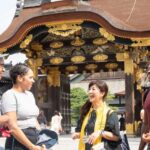
The tour starts outside Exit 1 of Nijojo-mae Station, where your guide holds a Japan Guide Star sign. This is a practical meeting point close to the castle, and it saves you the uncertainty of trying to find a guide inside a large site.
Choose one of the listed departure times: 10:00, 12:30, or 15:00. Arrive 15 minutes early, and be sure to use the time selected at booking. The listed return options pair with the departure you choose: 11:30, 14:00, or 16:30. That suggests a tour of about 90 minutes, though the available return time depends on the selected departure and the day’s schedule.
The tour is a meet-up activity, not a hotel pickup or a private transfer. Admission to Nijo Castle is included, so you do not need to buy a separate entry ticket for this package. Your guide leads the walk in English.
You can also read our reviews of more guided tours in Kyoto
Ninomaru Palace, where rank had a room
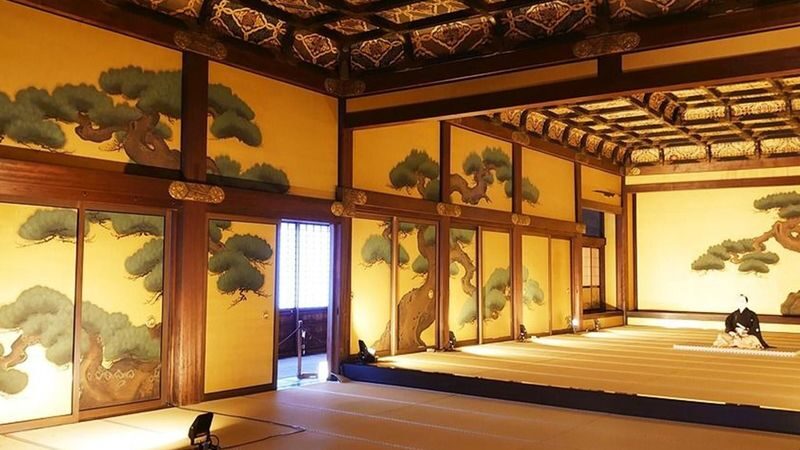
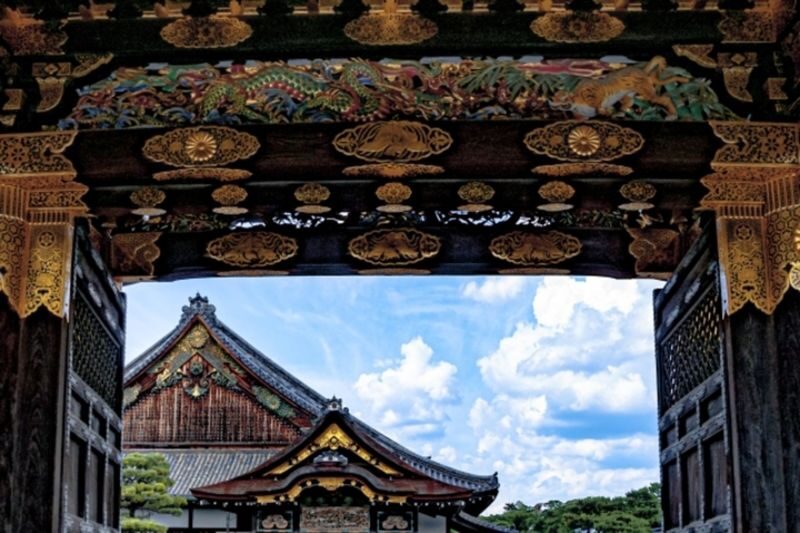
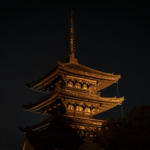
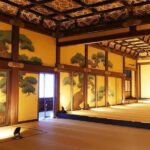
Inside Ninomaru Palace, the architecture is part of the lesson. The arrangement of rooms reflects social hierarchy, and the wall paintings and carved details help convey power and status. Without context, you may notice the decoration but miss the message it was meant to send.
The guides’ explanations are a central part of this experience. Sarah, Tomoya, Kris, and Masa are among the guides named by people who have taken the tour. They are praised for explaining history clearly, answering questions, and pointing out details in the art and architecture that are easy to overlook.
The palace is also where you encounter the famous nightingale floors. Their name refers to the sound they make underfoot. This is one of those details that can turn a room from a static exhibit into a place with a practical story to tell.
You will need to remove your shoes before entering the palace. That is worth knowing in advance, especially if you prefer easy-on, easy-off footwear. Walking shoes are recommended for the grounds, but choose a pair you can slip off without a fuss.
The room tied to the end of the shogunate
The most historically charged stop is the room where Tokugawa Yoshinobu returned power to the Emperor in 1867. The moment marked the end of the shogunate, and the guide’s account helps connect the room to the wider struggle between shogun and Emperor.
This is the point where the tour’s political thread comes together. Earlier, you learn how the Tokugawa shoguns ruled from Edo while maintaining a visible presence in Kyoto. Here, you see how that order reached its close.
The room itself may not make the event obvious to you on its own. That is why the guided format matters: the story is not only in the furnishings, but in what happened here and what that decision meant for Japan.
Gardens, moats, and a quieter change of pace
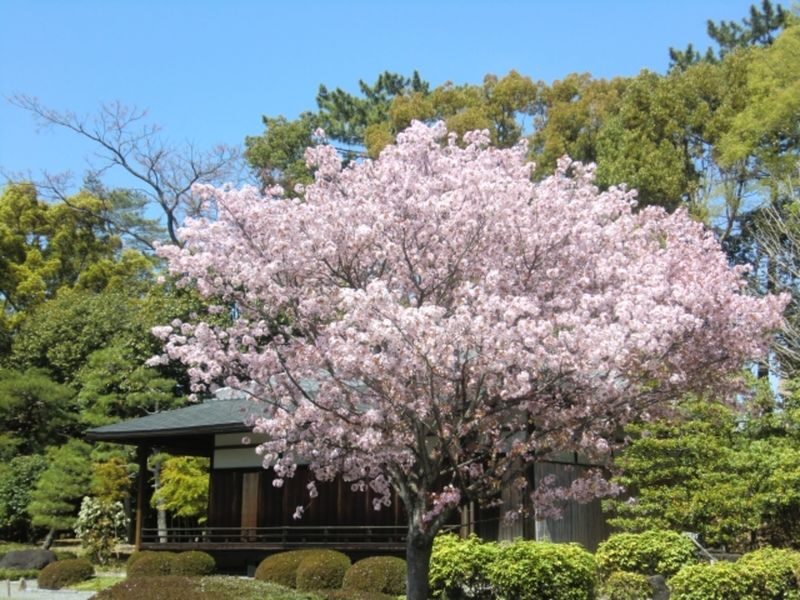
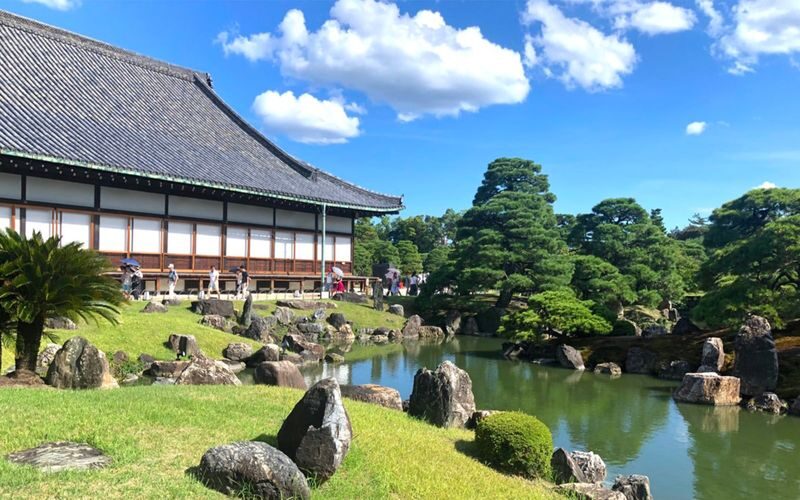
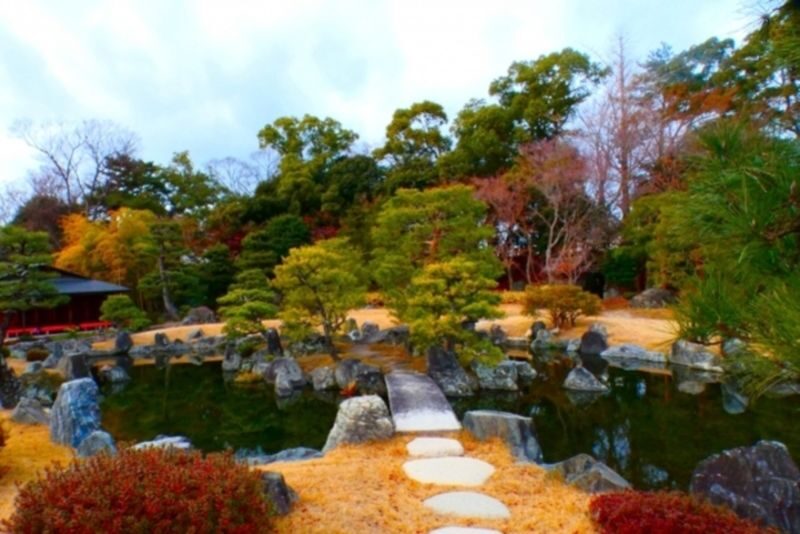
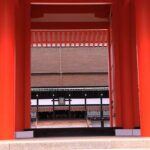
After the palace, the walk takes in Nijo Castle Garden. The grounds once displayed the shogun’s wealth and taste, and their more open, photogenic character gives you a change of pace after the formal interiors.
Look toward the moats for koi swimming through the water. The gardens are a good place to slow down, take photographs, and ask your guide about the way the grounds fit into the castle’s design. They are not just a pretty add-on: they help show how the site used beauty and scale to express authority.
The walk is mostly over flat terrain, which makes it manageable for many visitors. Still, you will be on your feet around the castle and garden, so comfortable shoes are sensible. The schedule can change with weather and traffic conditions, so allow a little flexibility rather than planning a tight connection immediately afterward.
What the small-group format adds
A small group can make a historical walk feel more like a conversation than a lecture. The advertised limit is up to 10 people, which gives you a better chance to hear the guide and ask questions than you might get in a large crowd.
The activity details also give a group-size range of 0 to 12 participants. Because those numbers do not match exactly, check the booking details for the date you want if group size is important to you. Some tours may have fewer people, but you should not count on a private experience.
The guides’ style is one of the strongest parts of the experience. Sarah is noted for connecting Japanese history and culture to the palace’s symbols and artwork. Tomoya is described as warm and thorough, while Kris is credited with explaining the castle’s context and workings clearly. Masa is also singled out for answering questions with historical context. Your guide will depend on the date and assignment, so you cannot assume you will get a particular person.
You can also read our reviews of more historical tours in Kyoto



Is the price worthwhile?
The tour starts at $29.19, with castle admission and an English-speaking guide included. To judge the value, consider what you want from the visit. If you mainly want to enter the grounds and take photographs, you may prefer to visit independently. If you want help understanding the shogun-Emperor rivalry, the palace’s social order, and the 1867 handover, the guide gives the visit a clearer shape.
The guided format is especially useful for visitors who do not already know much about the Tokugawa period. You can ask questions as you go, and the small-group setup is intended to keep the experience relaxed. A 90-minute visit is also a manageable commitment if you are fitting Nijo Castle into a full day in Kyoto.
There are limits. One visitor found the tour’s historical explanation too simple, and another felt the castle had been reconstructed enough to seem less authentic. If you want a highly academic account or expect every building to feel untouched by time, this may not meet your expectations. The tour is best understood as an accessible introduction to an important site, with the palace and gardens as the setting.
Who should book this walk
I would choose this tour if you want the castle’s story explained as you see it, especially if you are interested in Japanese political history, architecture, or the end of the shogunate. Families with teenagers may also find the guide-led format useful: the history is easier to follow when it is told in place, and the group can ask questions.
It is less essential if you are content to wander independently, or if you prefer to spend several hours studying each room and garden at your own pace. The tour follows a set route and takes about 90 minutes based on the listed time slots, so it will not suit someone seeking an unstructured visit.
The castle visit includes some practical rules. Everyone must remove their shoes to enter the palace, and children aged 13 and older are charged the adult rate. Free cancellation is available with at least 24 hours’ notice, and the mobile voucher is valid only on the date and time booked.
Should you book Nijo Castle with a guide?
Book if you want the castle to make sense as more than a collection of rooms and gardens. The strongest reasons are the guide’s explanations of the power struggle between shogun and Emperor, the palace’s social cues, and the event that ended the shogunate.
Skip the guided option if low cost and total freedom matter more than historical context. At a starting price of $29.19, this is a reasonable choice for a focused introduction, especially with admission included. Check the group-size details and departure time before paying, then arrive early at Exit 1 with shoes that are easy to remove.
Kyoto: Nijo Castle Admission / World Heritage Guided Tour
“great and knowledgeable tpur guide. would definiterly hire Kris again.”
FAQ
Where does the tour meet?
Meet outside Exit 1 of Nijojo-mae Station in Kyoto. Your guide will be holding a sign that says Japan Guide Star.
What departure times are available?
The listed departure choices are 10:00, 12:30, and 15:00. Choose the time you selected when booking and arrive 15 minutes early.
How long does the tour take?
The listed departure and return times indicate an approximate 90-minute tour. The available return time depends on the departure selected and the day’s schedule.
Is admission to Nijo Castle included?
Yes. The package includes an entry ticket to Nijo Castle.
What language does the guide speak?
The included guide speaks English.
How many people can join the group?
The tour is advertised as a small group of up to 10 people. The activity details also state a participant range of 0 to 12, so check the current group-size information when booking.
Do I need to remove my shoes?
Yes. All visitors must remove their shoes when entering the palace.
Is the route difficult to walk?
The terrain is described as mostly flat. Walking shoes are recommended.
Can children join the tour?
Yes. Children aged 13 and older are charged the same rate as adults.
Can I cancel for a refund?
You can receive a full refund if you cancel at least 24 hours before the activity date, based on local time at the destination.