Japan Express gives you nine days to move from Tokyo’s neon streets to Kyoto’s temple paths, Hiroshima’s Peace Park and Osaka’s late-night food district. I like the mix of practical help from a local leader and time to follow your own interests. I also like the hands-on momiji manju pastry workshop on Miyajima, a welcome change from the tour’s many shrine and temple visits. The main trade-off is the quick pace: you change cities several times and handle much of your own sightseeing.
- Ride the shinkansen between Tokyo, Hiroshima and Kyoto, then take a train to Osaka.
- See Hiroshima’s Peace Memorial Park and the preserved A-Bomb Dome.
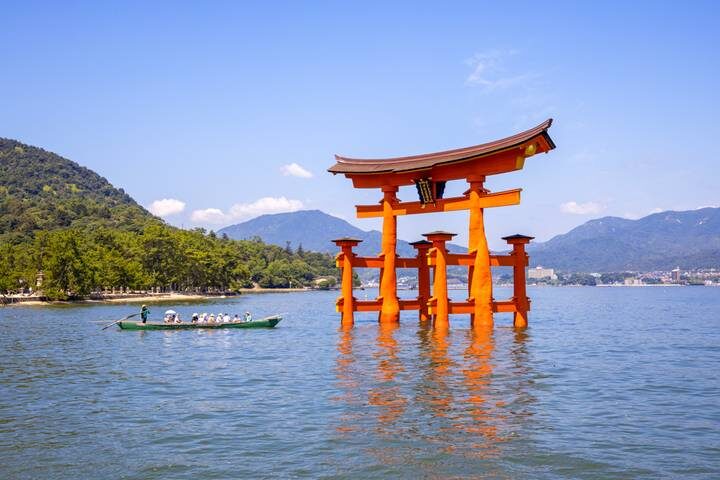
- Make momiji manju on Miyajima, the island known for its water-facing torii gate.
- Explore Tokyo and Osaka on foot and by transit, with local orientation from your leader.
- Spend three days in Kyoto, including a visit to Fushimi Inari and a Gion district walk.
- Plan for simple stays and independent meals, with two hostel nights and six basic hotel nights.
- A fast route through Japan’s big contrasts
- Tokyo: Shibuya, Meiji Shrine and Harajuku
- Hiroshima: a necessary pause at the Peace Memorial
- Miyajima: a torii gate and a pastry workshop
- Kyoto: torii tunnels and traditional districts
- Kyoto’s temples: choose your own priorities
- Osaka: street food and neon in Dotombori
- What the price covers, and what it does not
- Lodging, luggage and the walking load
- Who should book Japan Express?
- FAQ
- How long is the Japan Express tour?
- Which places does the tour visit?
- What is the starting price?
- Are meals included?
- What kind of accommodation is provided?
- Is the tour guided in English?
- What transport does the tour use?
- What activities are included?
- What ages can join?
- The Best Of Tokyo!
- More Tours in Tokyo
- More Tour Reviews in Tokyo
- Not for you? Here's more nearby things to do in Tokyo we have reviewed
A fast route through Japan’s big contrasts
 1 / 10
 2 / 10
 3 / 10
 4 / 10
 5 / 10
 6 / 10
 7 / 10
 8 / 10
 9 / 10
 10 / 10
The route is a strong first look at Japan because each city has a distinct feel. Tokyo brings modern city life and pop culture; Hiroshima adds a sobering historical visit; Kyoto gives you traditional streets and temple grounds; and Osaka closes the trip with food, signs and night-time energy.
The pace is brisk, but the schedule is not packed from morning to night. You get guided orientation and selected group activities, then plenty of open time to choose your own museums, gardens, meals and neighborhood walks. That arrangement works best if you enjoy making decisions and can use a map or transit directions without needing a guide beside you all day.
Intrepid’s leaders are central to the experience. Past departures have been led by people such as Zac, Mami, Yuki Nakano and Toshimi, but your 2026 leader is not specified and can differ. The leader’s role is part guide, part practical helper: explaining local context, suggesting places to eat and helping you navigate the group’s travel days.

👉 See our pick of the 25 Best Guided Tours In Tokyo
Tokyo: Shibuya, Meiji Shrine and Harajuku
The trip begins with a 6 pm welcome meeting in Tokyo. You have the evening free, with an optional group dinner or drinks at an izakaya, a casual Japanese bar. Arrive early if you can: the tour does not include a planned arrival-day sightseeing program, and Tokyo is easier to enjoy once you have settled in.
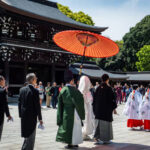
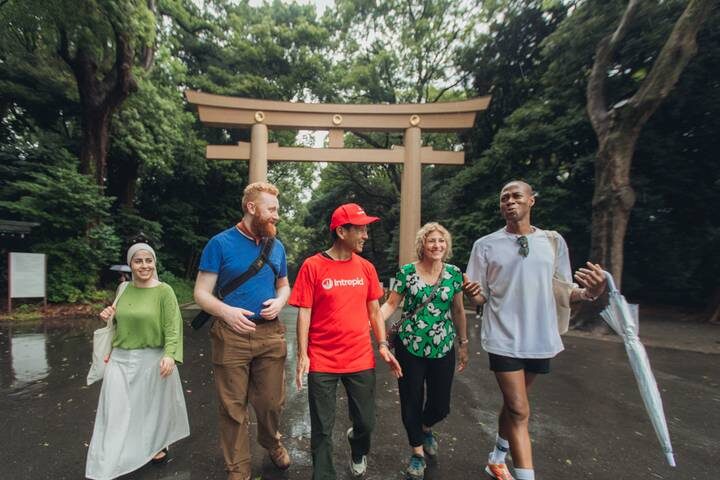
Day 2 moves through Shibuya, Meiji Shrine and Harajuku. The famous Shibuya crossing is a quick lesson in Tokyo’s scale and rhythm. A stop at a depachika, a department-store basement food hall, is a useful introduction to Japanese snacks and prepared foods. Then the contrast shifts sharply as you enter the wooded grounds of Meiji Shrine, before heading to Harajuku’s shops and youth culture.
You have time to add Asakusa and Senso-ji Temple on your own. This is a good day to decide what kind of Tokyo interests you most: old temple precincts, shopping, food, or simply wandering. A metro day pass is included for the group’s scheduled Tokyo outings; check what extra transit you may need for independent plans.
You can also read our reviews of more tours and experiences in Tokyo.



Hiroshima: a necessary pause at the Peace Memorial
On Day 3, the shinkansen carries you from Tokyo to Hiroshima. The speed and ease of Japan’s rail network are part of the tour’s appeal, though station navigation and managing luggage are part of the experience too. Pack light and wear shoes you can walk in for much of the day.
The afternoon is devoted to the Peace Park, the A-Bomb Dome and the Peace Memorial Museum. The dome was close to the bomb’s detonation point and remains preserved as a marker of the city’s destruction. The museum and surrounding memorials ask for time and attention. This is not just another stop to tick off; allow yourself room to take it in at your own pace.
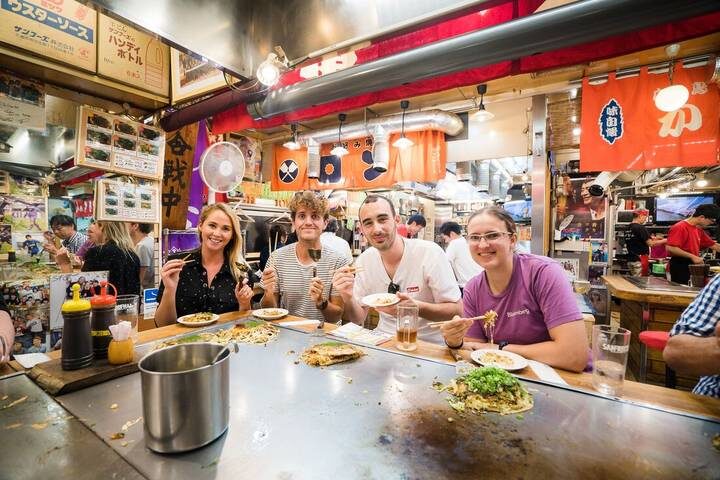
Hiroshima-style okonomiyaki is a worthwhile dinner idea after the visit. It is a savory pancake with ingredients such as cabbage, egg, noodles and meat or seafood. Dinner is not included, so you choose where and what to eat, with the leader able to point you toward local options.
Miyajima: a torii gate and a pastry workshop
Day 4 is a day trip to Miyajima Island. Its most familiar sight is the large torii gate at Itsukushima Shrine, set at the water’s edge and often described as floating. The view changes with the tide, so the scene may look different depending on when you visit.
The included momiji manju workshop adds a hands-on stop to the day. These maple-leaf-shaped pastries originated on Miyajima, and making one gives the island visit a tasty local detail beyond the usual photo stop. The tour information mentions bean and chocolate flavors as possibilities.
You can also climb Mt Misen or take the cable car for views across the Inland Sea. Both options are extra activities, so allow for added cost and time. Back in Hiroshima, the afternoon is open for Hiroshima Castle, Shukkeien Garden or, if a match is on, a local baseball or soccer game. The island day has a good balance of scenery, culture and free choice, but trying to fit the mountain, workshop and several Hiroshima sights into one day may feel ambitious.
Kyoto: torii tunnels and traditional districts
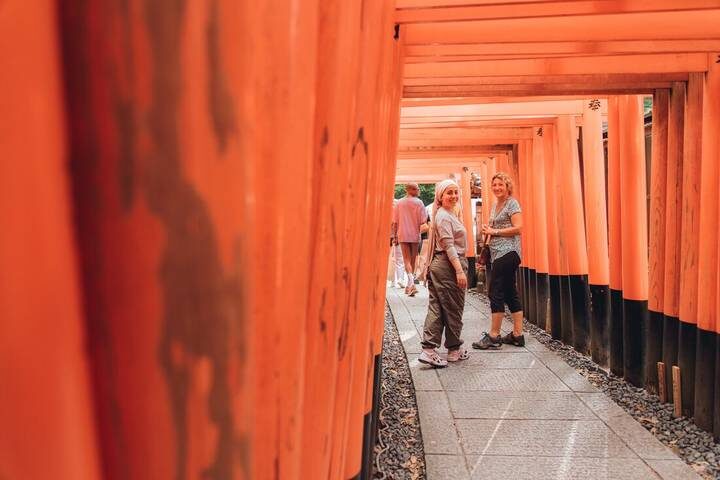
On Day 5, you take the shinkansen to Kyoto, once Japan’s capital for more than a thousand years. The first major visit is Fushimi Inari Taisha, known for its thousands of red-orange torii gates along paths climbing Mount Inari. You can walk beneath a short stretch of gates for the iconic view, or keep going uphill if you have the energy and time.
The rest of the day gives you a chance to get acquainted with Kyoto’s older neighborhoods. The city is spread out, so don’t assume every landmark is an easy stroll from the next. Your leader can suggest routes, while a Kyoto public bus day pass is listed among the included services.
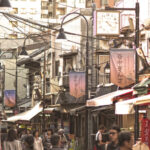
Day 6 is largely yours, with a Gion district walk included. The nearby Pontocho lanes and Gion’s traditional streets are best approached with respect: this is a living neighborhood, not a theme park. You might add Kinkakuji, the Golden Pavilion, or Gion Corner, where performances introduce traditional arts. The seasonal Miyako Odori dance is another possibility in spring, but it is not a year-round activity.
Kyoto’s temples: choose your own priorities
Day 7 leaves room for more Kyoto sights, including Toji Temple, Nijo Castle, Ninomaru Palace, Ryoan-ji and the Handicraft Centre. These are optional visits, not a single guided route, so choose according to your interests and energy rather than trying to see everything.
Nijo Castle’s ornate rooms and the squeaking nightingale floors at Ninomaru Palace make it a strong choice if you want a look at political history as well as religious sites. Ryoan-ji offers a quieter change of pace with its carefully arranged stones and raked gravel. Toji is known for its five-storey pagoda, while the Handicraft Centre gives you a place to browse prints, pottery, jewelry and clothing.
The itinerary does lean heavily toward shrines and temples. If that is your main reason for coming, Kyoto will be a highlight. If you want more nature or varied activities, use your free time to make that adjustment, and ask your leader for ideas. The tour does not include Mount Fuji, Nara or a dedicated bamboo forest visit.






Osaka: street food and neon in Dotombori
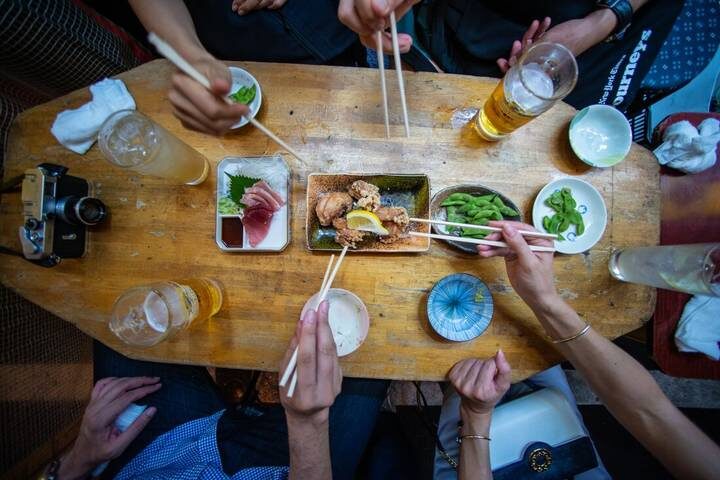
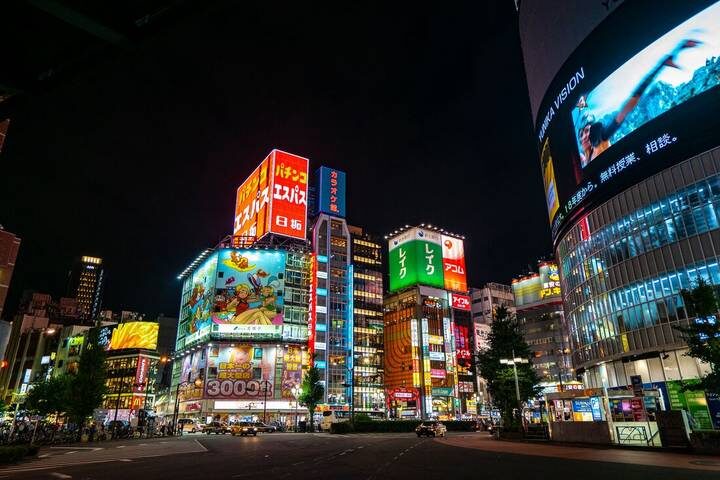
Day 8 takes you by train from Kyoto to Osaka, often called Japan’s food capital. Your leader gives you an orientation walk, then you have time to explore independently. In the evening, the group walks through Dotombori, where bright signs and food stalls make this one of Osaka’s most recognizable districts.
There is no included farewell meal, so you can choose a restaurant or try a few small dishes with the group. That flexibility suits anyone who wants to keep sampling local food, but remember to budget for meals throughout the tour. No meals are included.
Day 9 has no scheduled activities. You can leave Osaka that day or arrange extra accommodation through your booking agent if you want more time. The tour ends in Osaka, so plan onward travel from there.
What the price covers, and what it does not
The listed starting price is $2,407 for nine days. It covers accommodation, an English-speaking group leader, specified activities and transport by public transit and train, including the shinkansen journeys described in the route. A Tokyo metro day pass and Kyoto public bus day pass are also listed among the included services.
Meals, flights before and after the tour, travel insurance and optional activities are not included. That matters because independent time is a feature of this trip, but it also means you will spend extra on food, outings and any transport beyond the scheduled group arrangements. Check the details for your selected 2026 departure so you understand exactly which transit fares are covered.
The value is less about having every hour guided and more about getting the major city-to-city travel organized, a local leader’s advice and a group to share the route with. If you prefer a fully escorted schedule, more included meals or upgraded hotels, this may feel basic for the price. The category ratings supplied for the trip are strongest for guide (4.6/5), transport (4.4/5) and itinerary (4.2/5), while accommodation is rated 4.0/5 and food 3.8/5. That fits the practical trade-off: strong support and access, but simple lodging and meals you arrange yourself.
Lodging, luggage and the walking load
The accommodation is two nights in a multishare pod hostel and six nights in basic hotels. The Tokyo hostel has shared facilities and gender-specific floors, so people on the same booking may be assigned to different rooms. Japanese hotel double rooms can be small, around 20 square meters, and a twin room may be provided when a double cannot be arranged.
Expect to walk a lot and carry your own luggage through busy stations. The trip uses public transport, not private transfers for every move, so a large suitcase can turn a simple train connection into a wrestling match. Comfortable shoes and a compact bag will make the days easier.
The tour is open to ages 15 and up. It is best suited to people comfortable with shared hostel facilities, basic hotels, stairs and long stretches on foot. If you have difficulty getting around or handling your luggage, contact Intrepid before booking to discuss whether this travel style is right for you.
Who should book Japan Express?
I’d choose this tour if you want a structured introduction to Japan but do not want a guide planning every meal and afternoon. It is especially useful for a first visit: the route links the big four stops, rail travel is part of the package, and the leader can help you make sense of local customs and transport.
It is less ideal if you want a slow trip, luxury accommodation, a strong focus on nature, or a full slate of guided activities. The schedule gives you independence, but you need to use it well. Bring comfortable walking shoes, pack light, set aside money for meals and optional visits, and be ready to choose among Kyoto’s many temples rather than racing through all of them.
Book it if you want a brisk, social introduction to Tokyo, Hiroshima, Miyajima, Kyoto and Osaka, with a capable local leader nearby and space to explore on your own. If you want more comfort or fewer shrine visits, compare it with a slower itinerary before committing.
Japan Express by Intrepid Travel – 9-Day Tokyo to Osaka Tour (2026 Departures)
“Yuki Nakano was the best tour guide to show Japan's cultural sites and experiences. She took her time with our group and did an excellent job. Our…”
FAQ
How long is the Japan Express tour?
The tour lasts nine days, starting in Tokyo and ending in Osaka.
Which places does the tour visit?
The route includes Tokyo, Hiroshima, Miyajima Island, Kyoto and Osaka.
What is the starting price?
The listed starting price is $2,407. The price is based on the cheapest room option and may vary by departure.
Are meals included?
No meals are included. You arrange and pay for your own meals during the trip.
What kind of accommodation is provided?
The tour includes two nights in a multishare pod hostel and six nights in basic hotels.
Is the tour guided in English?
Yes. The tour is guided in English by a group leader or local representative.
What transport does the tour use?
The route uses public buses, metro, trains and bullet trains. The itinerary includes shinkansen journeys between Tokyo, Hiroshima and Kyoto.
What activities are included?
Included activities include a Shibuya walking tour, Meiji Shrine, Harajuku, Hiroshima Peace Park and Peace Memorial Museum, Miyajima Island and momiji manju making, Fushimi Inari Taisha, a Gion district walk and a Dotombori walking tour.
What ages can join?
The tour is listed for ages 15 and up.