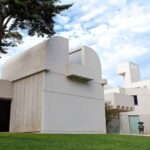
Miró’s art is full of suns, birds, women and symbols that seem to hover between a child’s drawing and a private language. At Fundació Joan Miró, you can follow how those forms changed across his career, then see how Josep Lluís Sert’s bright, open building gives the work room to breathe. I especially like the mix of paintings, sculpture and other media, and the chance to see temporary shows alongside the permanent collection.
This is a self-guided museum visit, so you set the pace. A mobile ticket makes entry straightforward, and the setting on Montjuïc adds an appealing change of scene from central Barcelona. One consideration: Miró’s art is intentionally abstract, and the museum may feel less rewarding if you want a guided explanation or prefer conventional pictures. Facilities have also drawn criticism for a shortage of washrooms, so plan accordingly.
- Key points to know before you go
- Why Miró’s museum is worth your time
- Starting with Sert’s light-filled building
- Following Miró from early ideas to bold symbols
- Making time for temporary exhibitions
- How much time to set aside
- Ticket, entry and practical details
- Who will enjoy this visit most
- Should you book the Fundació Joan Miró ticket?
- FAQ
- How much does the Fundació Joan Miró ticket cost?
- How long should I plan for the visit?
- What does the ticket include?
- Is the ticket valid on any date?
- When is the museum open?
- How do I get to the museum?
- Do children need a ticket?
- Is the museum wheelchair-accessible?
- The Best Of Barcelona!
- More Tickets in Barcelona
- More Tours in Barcelona
- More Tour Reviews in Barcelona
- Not for you? Here's more nearby things to do in Barcelona we have reviewed
Key points to know before you go
 1 / 7
 2 / 7
 3 / 7
 4 / 7
 5 / 7
 6 / 7
 7 / 7
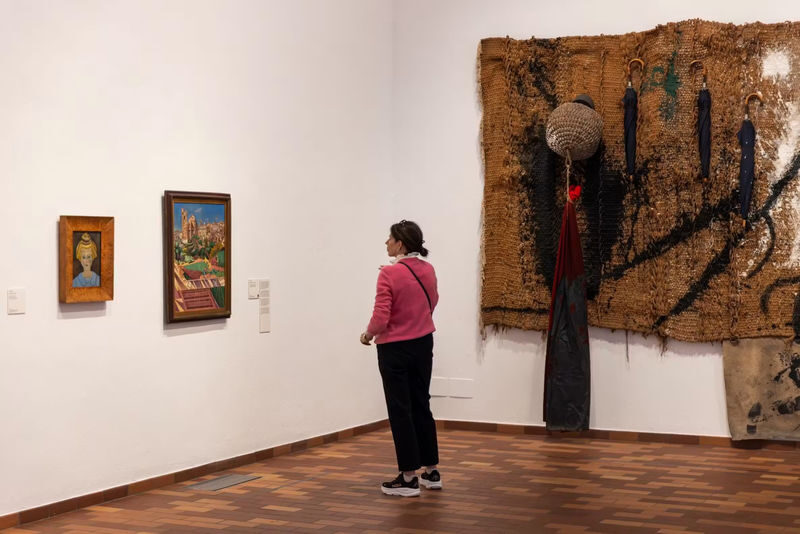
- Miró across a long career: See works in different media and get a sense of how his distinctive visual language developed.
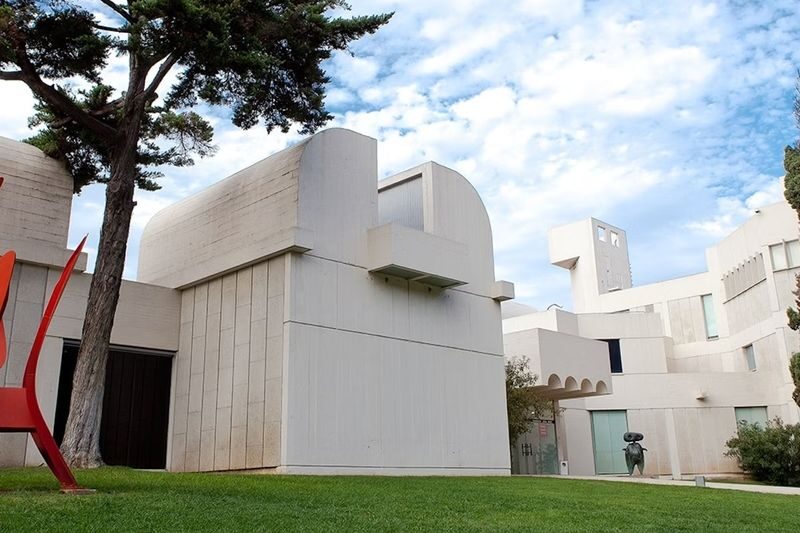
- A building designed for looking: Josep Lluís Sert’s architecture is a major part of the visit, with bright spaces and a calm, garden-like feel.
- Temporary exhibitions included: Your ticket covers permanent and temporary shows, including presentations of emerging artists at Espai 13.
- A flexible visit: The experience is self-guided and generally takes 1 to 3 hours, depending on how closely you study the art.
- Easy mobile entry: Present your voucher on your phone. The ticket is valid only for the date you select.
- Montjuïc takes planning: Bus lines 55 and 150 serve the area. There is no parking at the museum, so public transport is recommended.
👉 See our pick of the Best Guided Tours In Montserrat
Why Miró’s museum is worth your time
Barcelona has no shortage of art, but Fundació Joan Miró offers something distinct: a focused look at one artist, in a building shaped to suit his work. You are not simply ticking off a famous name. You can trace the visual ideas that made Miró one of the most influential artists of the 20th century, while also seeing how his curiosity pushed him beyond familiar painting.
The museum is dedicated to 20th- and 21st-century art and contemporary art research. Its permanent collection gives Miró the main stage, while temporary exhibitions broaden the visit with work by other artists. That combination matters if you are unsure how much time you want to spend with one artist. You can stay with Miró’s story or use the changing exhibitions to widen the view.
The ticket costs from $19.05. For that price, the value depends less on the number of rooms than on how much you enjoy looking closely. If you are curious about Miró, or want to see one of Barcelona’s leading art institutions in a notable building, admission covers enough to make a thoughtful visit. If modern art leaves you cold, it may be a shorter stop, though the architecture and Montjuïc location still add interest.
You can also read our reviews of more tours and experiences in Barcelona



Starting with Sert’s light-filled building
The museum stands at Parc de Montjuïc, s/n, above the city’s busier central streets. The approach is part of the outing: Montjuïc offers a calmer setting, and the museum’s architecture is worth noticing before you focus on the pictures. Josep Lluís Sert designed the building, whose bright, open character supports the museum’s garden-like atmosphere.
I would give the building more than a passing glance. The architecture is not just a handsome frame around Miró’s work. Light, space and the relationship between indoor and outdoor areas shape how you move through the collection. If you have time, look for the outdoor platform and sculpture displays as well as the interior galleries. One useful caution: check with staff if you plan to leave and re-enter, since guidance about using the same ticket for multiple entries has not always been consistent.
The museum can be visited at your own speed, with no guide included in this ticket. That freedom is useful if you want to linger over a favorite work or move on when a section does not speak to you. It also means the context is yours to seek out. You can read the museum’s displays and follow Miró’s connections with poetry and surrealism, but do not expect a guide to connect every dot for you.
Following Miró from early ideas to bold symbols
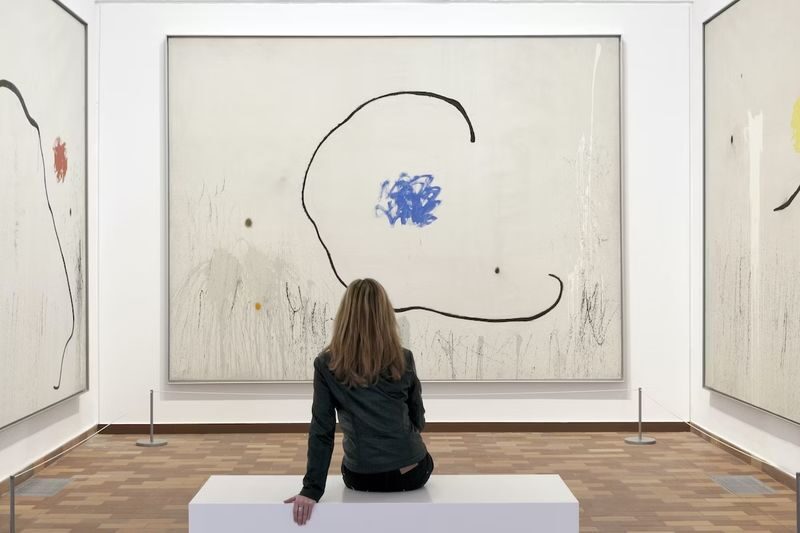
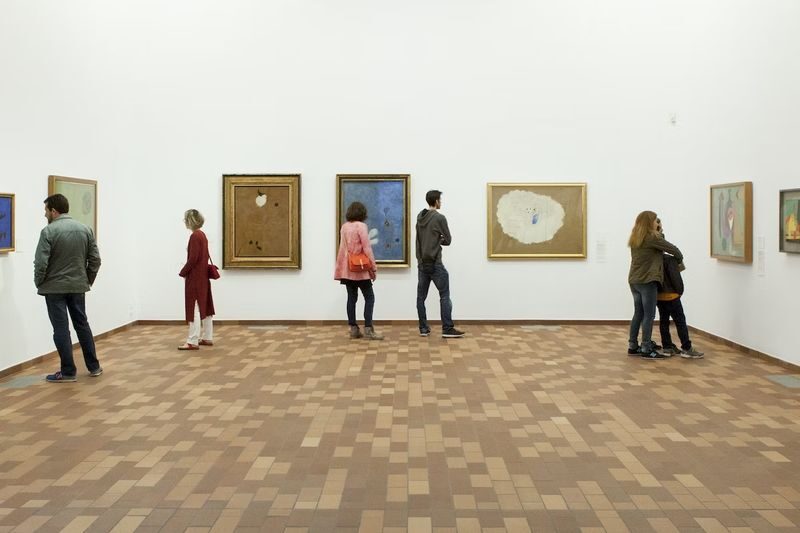
Inside, the permanent collection lets you consider different stages of Miró’s career and the range of media he used. The display is more rewarding when you look for recurring symbols and changing approaches, rather than trying to decode every image as if it were a puzzle with one correct answer. Stars, moons, suns, women and birds recur in his visual world, but their meaning can remain open.
That openness is part of the point. Miró’s relationship with surrealism and poetry helped shape a way of seeing that was not bound to realistic scenes. If you usually struggle with surrealism, start with the simple question of what catches your eye: a line, a color, a shape or an unexpected pairing. You do not have to understand every work to enjoy the room around it.
The museum also helps place Miró among other artists and ideas. His career was connected to the wider art of his era, and the collection includes works by artists such as Rothko, Pollock, Lee Krasner and Sam Francis. These connections give you a wider frame without turning the visit into a survey of all modern art. If you know those names, you may find the comparisons especially interesting. If you do not, the contrast in style is still easy to notice.
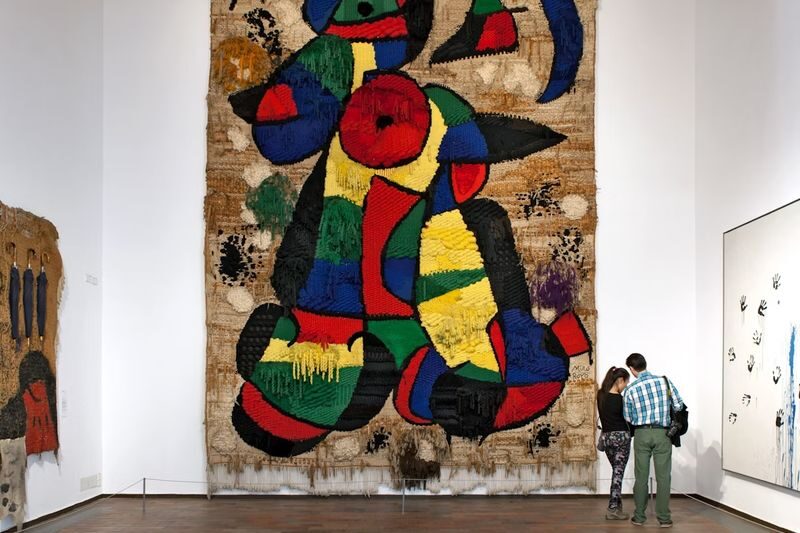
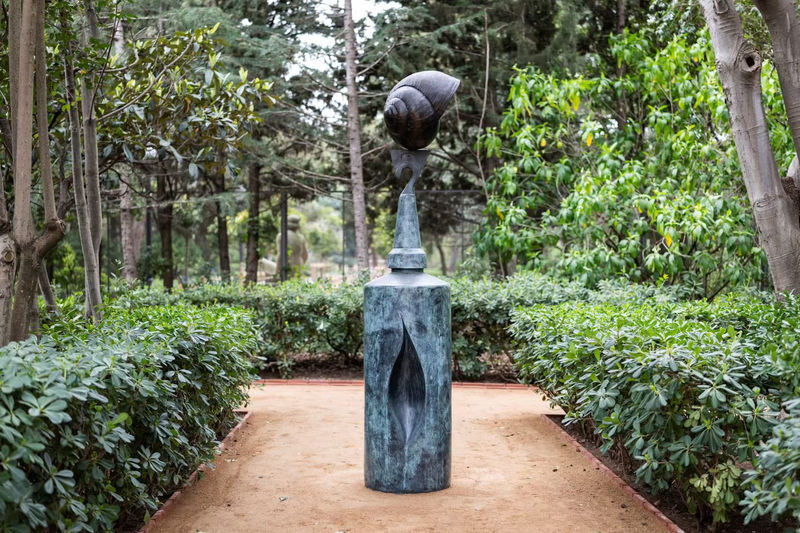
Miró worked beyond conventional painting, and the collection’s variety is one of its strengths. Sculpture and other forms let you see how his ideas could take shape in different materials. That range gives the visit a change of rhythm, particularly if a long run of paintings would otherwise blur together.
Making time for temporary exhibitions
Admission includes both the permanent collection and temporary exhibitions. These shows may feature contemporary artists and emerging work, including presentations at Espai 13. The exact exhibition changes, so check what is on during your visit if a particular artist or theme would help you decide when to go.
Temporary shows can make the museum feel different from one visit to the next. They also give you a way to look beyond Miró without leaving the building. If you are visiting with someone whose taste differs from yours, this mix can help: one person can focus on Miró’s career while the other finds a new artist or installation to explore.
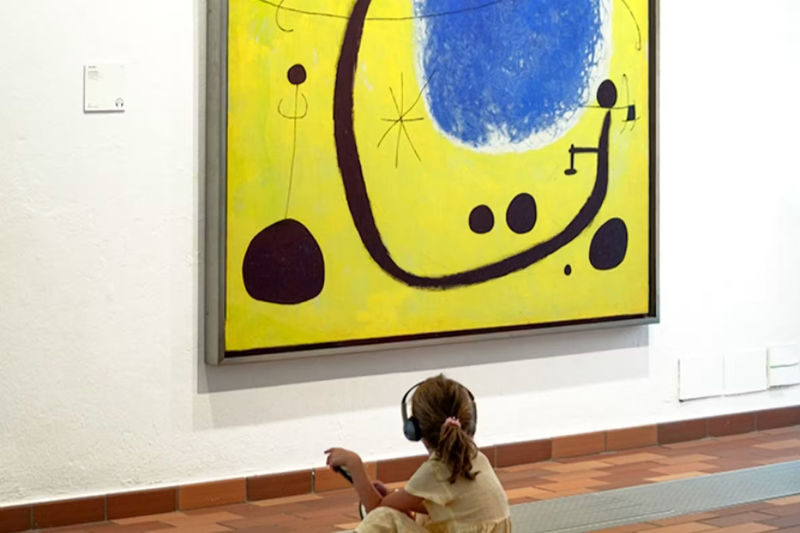
The museum is described as suitable for all ages, and children aged 0 to 14 enter free when accompanied by a paying adult. Children must still be included in the passenger headcount when booking. A past visitor also noted a creative area for children, but check current arrangements if that feature is important to your plans.
How much time to set aside
The suggested visit length is 1 to 3 hours. I would allow closer to three if you like to read labels, take breaks and see the temporary exhibitions as well as the permanent collection. One hour can work for a focused visit, but you will need to choose what matters most rather than taking everything in at leisure.
A practical approach is to begin with Miró’s collection, then decide how much time to give the temporary shows and outdoor displays. If you are visiting Montjuïc for other sights too, you can fit the museum into a broader day, but allow time for the journey up the hill. Buses 55 and 150 serve the area. Another option is to take the L2 or L3 metro to Paral·lel and continue by the Montjuïc funicular. There is no museum parking, so public transport is the sensible choice.
The location can reward a slower day. One visitor described stopping at the outdoor swimming pool on the walk from a bus stop and enjoying a view over Barcelona. That is a reminder to leave a little breathing room around the museum rather than treating it as a quick indoor errand. Nearby Montjuïc sights and the cable car can also fit into a day, though they are separate activities and are not included in this ticket.
You can also read our reviews of more tours and experiences in Barcelona


Ticket, entry and practical details
The ticket is for admission to the Joan Miró Museum and its permanent and temporary exhibitions. It does not include personal expenses or a guided tour. You receive instant confirmation, and the mobile voucher can be presented at the entrance. Same-day booking is available, which is useful if your plans come together late.
The ticket is valid only on the date you select, and on a selected time if one applies. If your schedule changes, cancellation is free with at least 24 hours’ notice before the activity date, using Barcelona local time. Because the ticket is date-specific, avoid booking a day before you are sure you can visit.
Opening hours are listed as Tuesday through Saturday, 10:00 to 20:00, and Sunday, 10:00 to 19:00. The museum is closed on Monday. Hours and closure dates can change, so check the latest information before setting out.
Visitors aged 15 to 30 with a valid student ID, seniors aged 65 and over, and holders of the Barcelona Libraries Card qualify for a concession ticket. Children aged 0 to 14 enter free with a paying adult, but must be included in the headcount. The activity is wheelchair-accessible; consult the museum’s official information for details about access needs.
Who will enjoy this visit most
I would choose this museum if you want to spend time with a major Catalan artist rather than rush through a general art collection. It is especially suited to visitors who enjoy modern art, unusual symbols and the way architecture can affect the experience of looking. You do not need an art background, but some patience helps. Miró’s pictures may not explain themselves at first glance, and the pleasure is often in noticing what changes from one work to the next.
Families may find the free admission for children useful, and the museum’s range of art gives different ages something to notice. Still, it is an art museum, not an amusement stop. If your children need a lot of activity, keep the visit flexible and consider how long they are likely to want to stay.
If you want a guided account of Miró’s life, this basic ticket is not that product. You receive entry, not a guide. A visitor who wants more context may need to plan some reading in advance or look into a separate guided option. The trade-off is control: you can move at your own pace, which is particularly welcome when one room grabs you and the next does not.
Should you book the Fundació Joan Miró ticket?
Book it if Miró’s art interests you, if you want to see Sert’s architecture, or if you are already planning a day on Montjuïc. The combination of permanent works, temporary exhibitions and a striking setting makes this a more rounded stop than a quick gallery visit. The mobile ticket is convenient, and the 1-to-3-hour range lets you fit the museum to your day.
Think twice if you expect a guided tour, need a fully conventional art experience, or are counting on plentiful washrooms. For most curious visitors, though, the price from $19.05 buys a worthwhile stretch of art and architecture, with the bonus of Montjuïc beyond the museum doors.
Fundacio Joan Miro Skip-the-Line Entry Ticket in Barcelona
“The museum was okay with Miro's amazing art in it. Facilites weren't the best because there was a lack of washrooms. Unfortunately no one wanted to…”
FAQ
How much does the Fundació Joan Miró ticket cost?
The ticket starts at $19.05. The price may vary, so check the booking details for your chosen date.
How long should I plan for the visit?
Allow 1 to 3 hours. Your timing depends on how closely you view the permanent collection and temporary exhibitions.
What does the ticket include?
It includes admission to the Joan Miró Museum and its permanent and temporary exhibitions. Personal expenses are not included.
Is the ticket valid on any date?
No. The voucher is valid only for the date you select, and for a selected time if one applies.
When is the museum open?
It is listed as open Tuesday through Saturday from 10:00 to 20:00, and Sunday from 10:00 to 19:00. It is closed on Monday. Hours may change, so check before visiting.
How do I get to the museum?
You can take bus lines 55 or 150. By metro, take L2 or L3 to Paral·lel and continue by the Montjuïc funicular. There is no parking at the museum, and public transport is recommended.
Do children need a ticket?
Children aged 0 to 14 enter free when accompanied by a paying adult. They must still be included in the passenger headcount.
Is the museum wheelchair-accessible?
The activity is listed as wheelchair-accessible. Check the museum’s official accessibility information for details about your specific needs.