Mount Fuji is the star of this long day out, but it is not the only reason to go. You’ll move from Hakone’s steaming volcanic valley to Lake Ashi, then on to Fujiyoshida’s street-level Fuji views and the famous pagoda lookout at Arakurayama Sengen Park. That is a lot of scenery in one trip, with the bus doing the hard work between regions.
I like the mix of views and experiences: the Owakudani ropeway gives you a look at Hakone’s geothermal terrain, while the later stops offer very different angles on Fuji. I also like the no-pressure meal plan and the practical backup options if the pirate ship or ropeway is not running. The trade-off is a packed schedule, with short stops and a return time that can slip by hours in traffic. Fuji itself may hide behind cloud.
- Owakudani’s ropeway ticket is included, though maintenance or operating conditions can change the transport plan.
- The Lake Ashi pirate ship is optional and costs ¥1,700. A bus to Togendai is the alternative.
- Choose Hakone Shrine or the Water Torii Gate for the first stop, based on the day’s plan and conditions.
- The Fuji stops are brief but varied, from a convenience store photo spot to the Arakurayama pagoda viewpoint.
- The trip begins early and runs long, with departures from Tokyo Station or Shinjuku and an estimated return around 6 p.m.
- Guide quality can make a difference. Serina, Luna and Tommy are among the guides named in past trip feedback, but the guide on your date is not guaranteed.
- One day, two Fuji regions
- Hakone Shrine or the Water Torii
- Lake Ashi by pirate ship or bus
- Owakudani’s steaming vents and ropeway
- Lunch without a forced stop
- Fujiyoshida’s convenience-store photo stop
- A street that frames Mount Fuji
- Arakurayama Sengen Park’s pagoda view
- What the price covers, and what it does not
- Guides, weather and the pace of the day
- Who should book this tour?
- FAQ
- Where does the tour depart from?
- Is the Hakone pirate ship included?
- Is the Owakudani ropeway included?
- Is lunch included?
- How long is the stop at Arakurayama Sengen Park?
- Can I see both Hakone Shrine and the Water Torii?
- What time does the tour return to Tokyo?
- What languages are available?
- Are children allowed on the tour?
- The Best Of Hakone!
- More 1-Day Tours in Hakone
- More Tours in Hakone
- More Tour Reviews in Hakone
- Not for you? Here's more nearby things to do in Hakone we have reviewed
One day, two Fuji regions
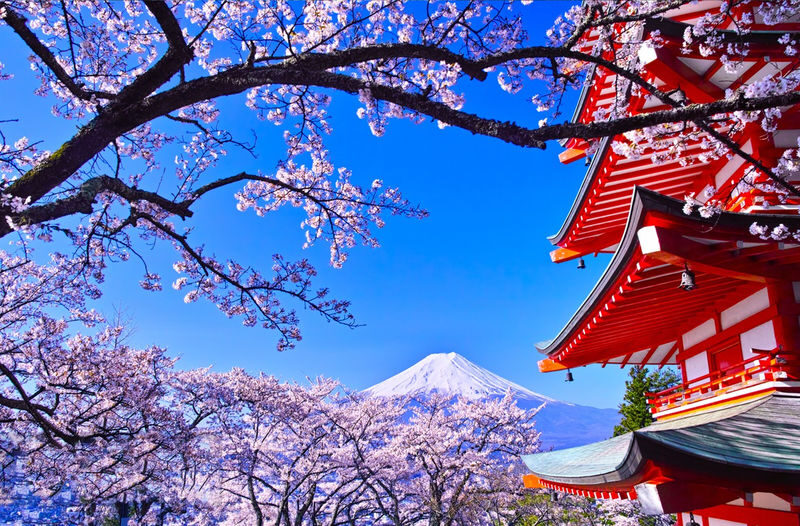
This tour links Hakone and Fujiyoshida in a single day, a useful choice if you have limited time in Tokyo and want several classic views without arranging regional transport yourself. You get volcanic scenery, a lakeside shrine or torii, and Fuji photo stops, all with round-trip transfers and tolls included.
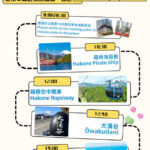
The itinerary is ambitious. The first pickup is at Tokyo Station at 7:20 a.m., with departure at 7:30. The Shinjuku option meets at 7:50 a.m. outside MODE Gakuen and leaves at 8:00. Arrive ten minutes early. Late arrivals and no-shows are not refundable, and the vehicle will not wait beyond five minutes at sightseeing stops.
The day is shared with other people, and the vehicle depends on group size. For groups under 12, the operator says it may use a smaller vehicle with a driver but no tour guide. Larger groups have a driver and guide. English and Chinese packages are available, but it is worth understanding that the level of guiding may vary with the size of your departure.

👉 See our pick of the 3 Best Spa And Hot Springs Experiences In Hakone
Hakone Shrine or the Water Torii
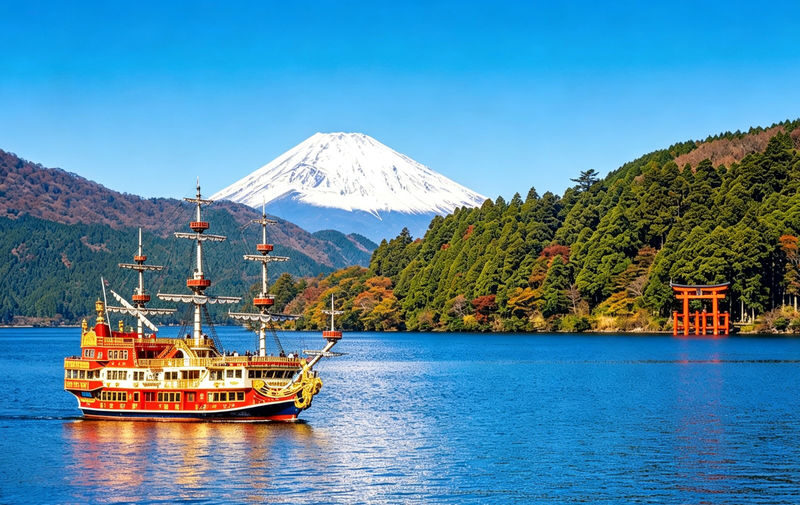
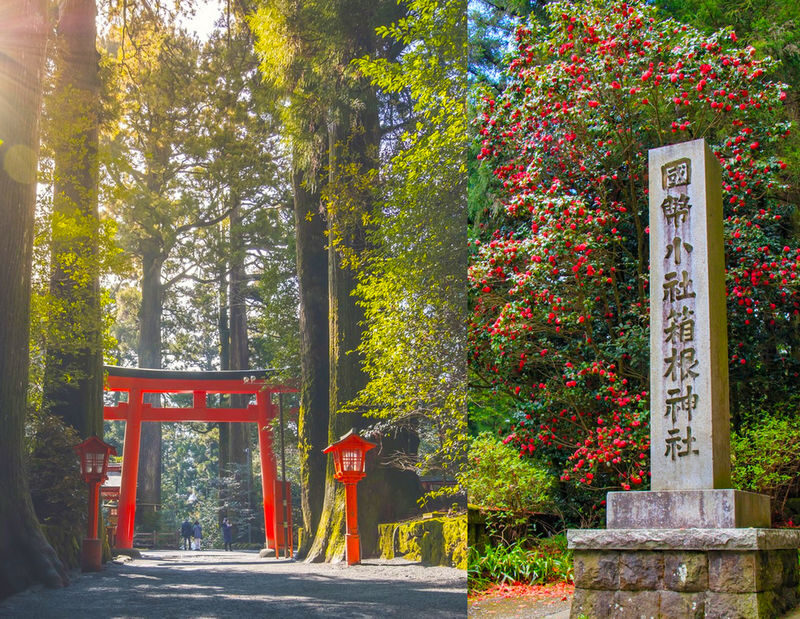
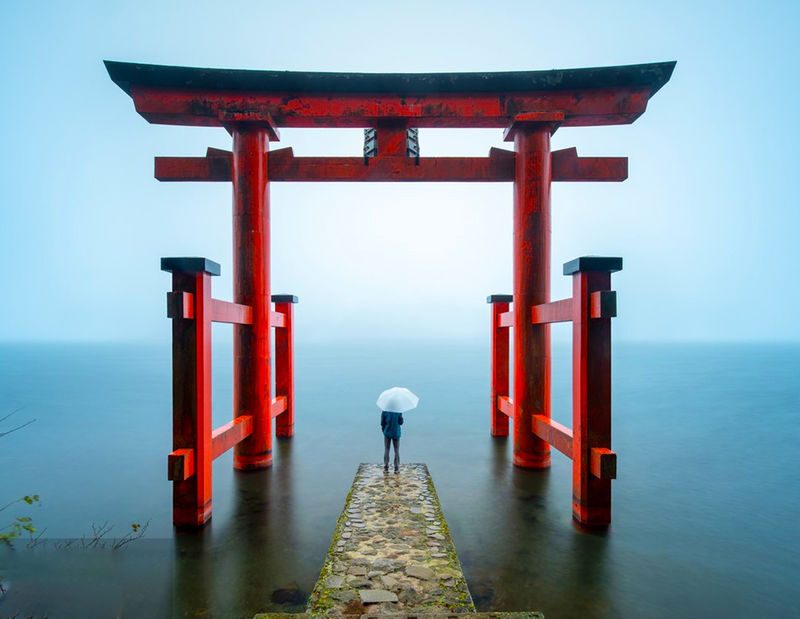
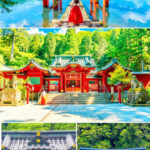
The first scheduled stop is around 10:30 a.m., at either Hakone Shrine or the Hakone Water Torii, for about 30 minutes. The shrine sits among old trees near Lake Ashi, with imposing trunks described as roughly 1,200 years old. If the day’s choice is the torii, you’ll see the large red gate standing in the lake, one of Hakone’s most recognizable views.
You do not get time for both. The tour asks you to choose one, and weather, capacity or traffic may influence which stops are possible. Thirty minutes is enough for a look and a few photos, not a slow visit. If you care most about the shrine’s wooded grounds, make that preference clear when you can. If the torii is your priority, note that its setting is especially striking when viewed from the water, but this tour’s cruise is optional and self-funded.
You can also read our reviews of more tours and experiences in Hakone


Lake Ashi by pirate ship or bus
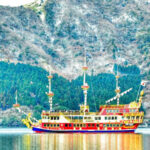
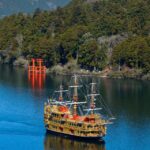
At about 11 a.m., the group reaches Motohakone Port for the 25-minute crossing to Togendai. The pirate ship costs ¥1,700, paid separately. It is not required: if the ship is full, suspended, or simply not for you, you can travel by bus to Togendai Station instead.
The cruise adds a change of pace and a view of the lake from the water. But it is not part of the included price, and a short crossing is only worthwhile if you want that experience and are comfortable paying extra. The bus keeps the schedule moving and is a practical fallback, especially when services are disrupted.
The tour’s approach is sensible: the ship is an option, not a mandatory purchase. Be ready to follow the guide’s arrangement, though. A full shared itinerary leaves little room to linger or make independent changes.
Owakudani’s steaming vents and ropeway
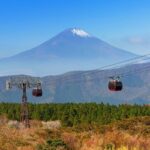
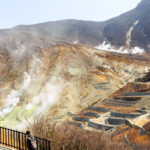
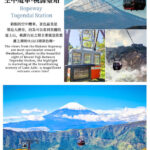
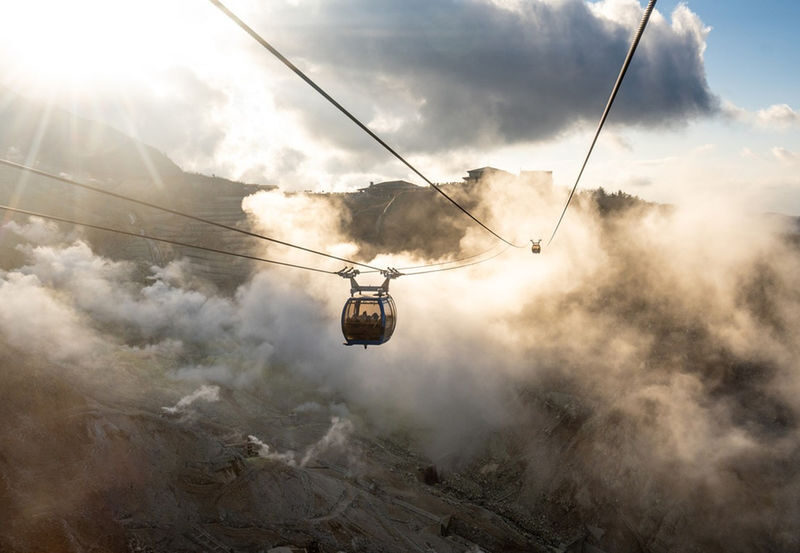
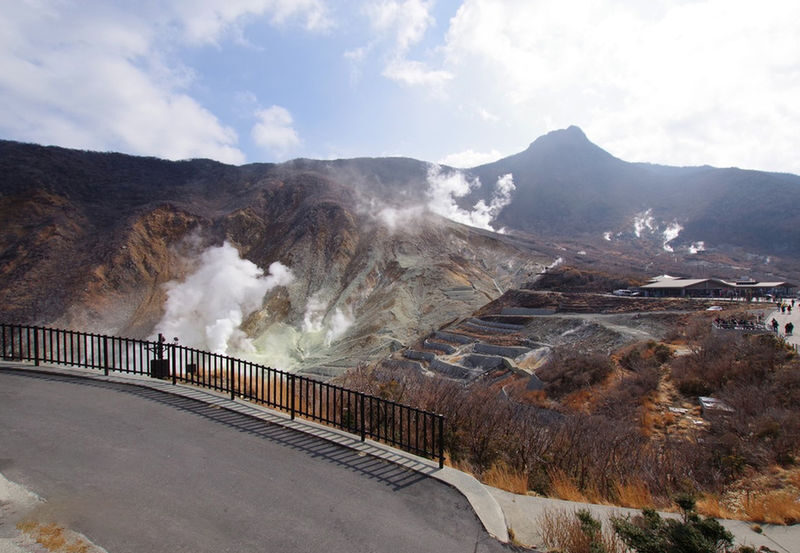
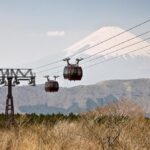
The ropeway is the main included activity. Around 12:10 p.m., you ride toward Owakudani, Hakone’s geothermal valley, where vents send up white steam and the ground shows signs of volcanic activity. The aerial ride gives you a broad view of the area, and the valley itself is a striking contrast to the lakeside scenery earlier in the day.
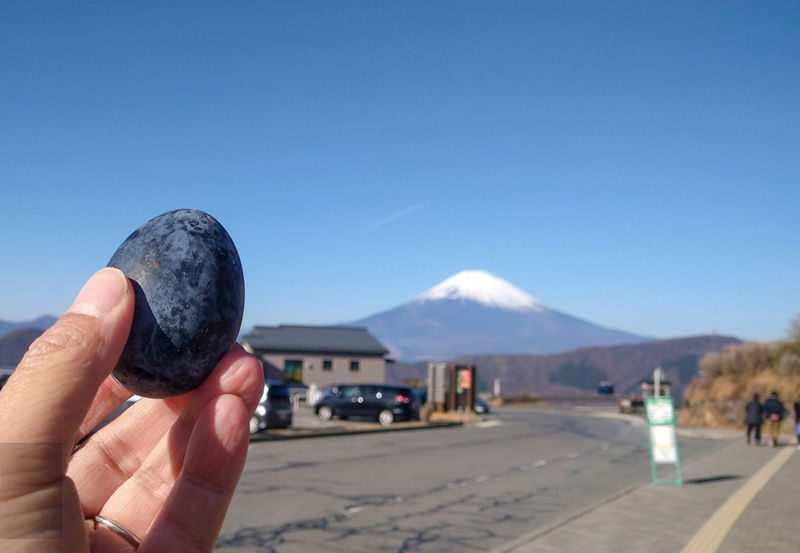
The ride is scheduled for about 25 minutes, followed by around 40 minutes at Owakudani. That is enough time to walk around the main area, see the steam and buy the famous black eggs if they are available. Local lore says one can add seven years to your life. Treat that as a good story, not medical advice.
A useful viewing tip is to look for a seat on the right side of the cable car, where the views are said to be better. The valley can be particularly lovely during autumn foliage, usually from late October to mid-November, though the timing varies with conditions. In the morning, softer light may help with Fuji views, but cloud cover is never under the tour’s control.
If the ropeway is closed, the group takes a bus to Owakudani, and each person receives one black egg. Maintenance is scheduled from January 31 to February 20, when the ropeway is canceled and the bus plan applies. Check the operating details for your date before booking if the cable car is a major reason for going.
Lunch without a forced stop
Lunch is not included. The guide may suggest a restaurant or local specialties, but you are also free to bring food or buy a convenience-store lunch. The schedule can change: if most people do not need a meal stop, or traffic has eaten into the day, lunch time may be canceled.
I would bring a snack and keep a little flexibility in your plan. The long drive and closely timed stops can make a proper sit-down meal harder to fit in. Sealed light snacks and unopened drinks may be carried on the bus, but eating is prohibited inside the vehicle. Food and drinks are also not included in the price.
Fujiyoshida’s convenience-store photo stop
In the afternoon, the tour pauses for about 20 minutes at either a Lawson or a 7-Eleven, chosen according to traffic. The store near Mount Fuji has become a popular photo spot because the familiar convenience-store sign and the mountain make an unusual pairing.
This is a quick photo stop, not a chance to explore a neighborhood. The view depends on the weather, and the shop may be busy with people taking pictures. Follow the guide’s instructions and keep an eye on the clock. A convenience-store stop is practical, too: you can pick up a drink or small snack for the remaining drive.



A street that frames Mount Fuji
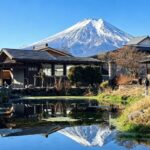
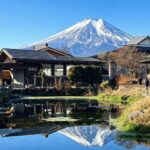
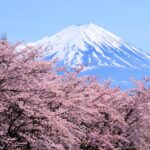
Around 2:40 p.m., there is a 20-minute stop at the Hikawa watch shop, also referred to as Nichikawa Clock Shop in the tour details. The appeal is the view along a quiet street toward Mount Fuji, with a Showa-era feel and older shopfronts adding a sense of place.
This is less about visiting the shop itself than about the street view. The mountain appears at the far end of the road, creating a simple, memorable composition. The stop is short, so take your photos promptly and be mindful of people who live and work there. If the clouds cover Fuji, the street still has its retro character, but the main visual payoff is reduced.
Arakurayama Sengen Park’s pagoda view
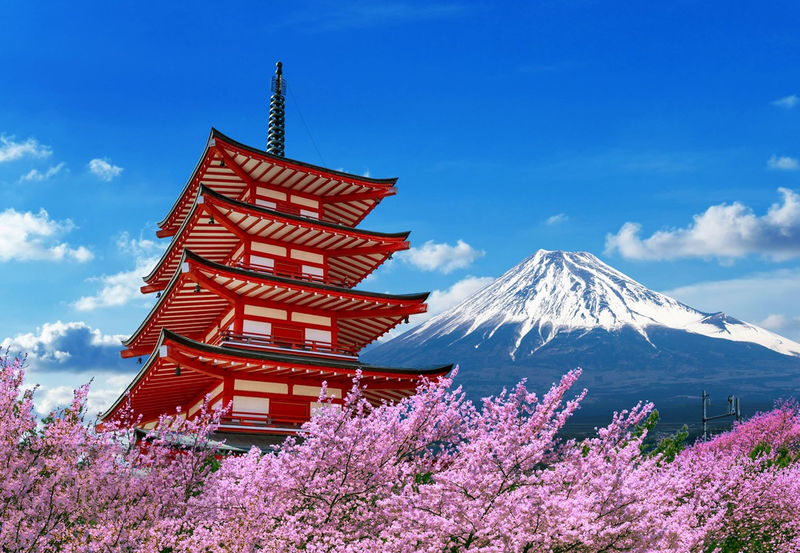
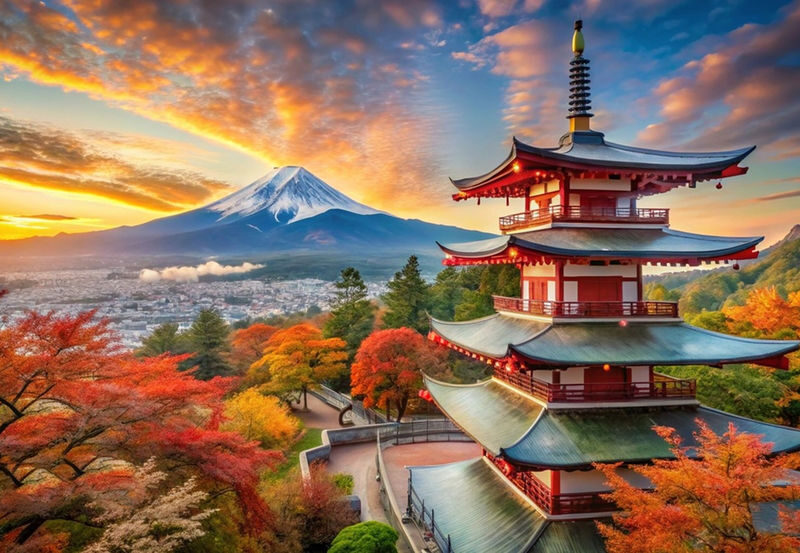
The final major sightseeing stop is Arakurayama Sengen Park, with roughly an hour to visit. Its famous view brings together Mount Fuji, the red five-story pagoda and the town below. It is a powerful closing scene, and the mix of architecture and mountain makes it different from the other Fuji photo points.
The viewpoint requires climbing steps, so allow your legs some energy after a long day of sitting and getting on and off the bus. The hour gives you time for the ascent and photos, but crowds or weather can affect how long you spend at the best-known spots. If Fuji is obscured, the pagoda and town still make a worthwhile view, though the classic composition depends on clear skies.
The schedule lists a return around 6 p.m. to Tokyo or Shinjuku, but that is an estimate. Weekend and public-holiday returns may stop only at Tokyo Station. Traffic can delay arrival by two to five hours, and the operator advises against booking evening plans. This is not a good day to schedule a timed dinner reservation or a show right after the tour.
What the price covers, and what it does not
The advertised starting price is from $49.20, while the English package that includes the cable car is shown from $70.29. Prices can vary by package and date, so check what you are selecting rather than assuming the lowest figure includes every feature. The English and Chinese options are both listed with the cable car.
The included value is the round-trip transport, ropeway ticket, tolls, parking and fuel. That matters because this route covers several stops in two areas, and organizing each transfer yourself would take time. The pirate ship, meals, drinks, tips and personal expenses are extra. At ¥1,700, the cruise is a clear add-on rather than a hidden cost.
The tour promises no forced shopping or meals. That gives you control over food spending, though the guide may recommend places and local products. The trip is best value if you want a broad sampler and are happy to move at the group’s pace. It is less suited to anyone hoping for long, unhurried visits or a deep look at one shrine, one town or one mountain viewpoint.
Guides, weather and the pace of the day
The guide can help make a tightly timed tour feel clear rather than confusing. Serina has been singled out for explaining the schedule, sharing extra photos through WhatsApp and helping people with pictures. Luna and Tommy have also been named positively. These are useful examples of the kind of help you may get, but guide assignments change, and no particular person is guaranteed.
Bad weather is the larger uncertainty. Fuji may disappear behind cloud, even when the rest of the day goes ahead. In that case, the volcanic valley, lake area, shrine and town stops still offer variety, but the trip’s defining mountain views may be missing. The tour may change its order or drop attractions because of weather, traffic, closures or crowding.
The day’s main strength is its range. You see Hakone’s volcanic activity and lake, then move to different Fuji viewpoints in Fujiyoshida. Its weakness is the same thing: covering so much ground means fixed stop times, long drives and little room to linger. Keep your phone accessible, check the operator’s email the evening before for meeting and vehicle details, and make sure you know which pickup you booked.
Who should book this tour?
Book it if you want a convenient, full-day sampler of Hakone and Fuji-area sights, and if a shared vehicle and short visits suit your travel style. It works especially well for a first visit to the region, for solo visitors who do not want to plan all the transfers, or for families who value having the route organized. Children over two pay the adult price, and infants under three may travel free without a seat only if you notify the operator in advance.
Think twice if you dislike early starts, long drives, fixed schedules or the possibility of a late return. The tour also prohibits participation for people with certain health conditions, including high blood pressure, heart disease, asthma, epilepsy and acrophobia, as well as pregnant participants. It does not include travel insurance, so arrange your own cover if needed.
My practical verdict: choose this for breadth, convenience and a chance at several classic Fuji views in one day. Skip it if your priority is a slow, independent visit or a guaranteed clear view of Mount Fuji. The mountain makes no promises, and this schedule does not leave much room to wait for it.
Departing from Tokyo: Mount Fuji Hakone Day Trip – Owakudani Ropeway, Hakone Shrine, Nichikawa Clock Shop, Arakurayama Sengen Park
“We had an incredible day. Our guide Luna is so knowledgeable abd friendly, and had a great day planned for us. e”
FAQ
Where does the tour depart from?
You can meet at Tokyo Station’s Marunouchi North Exit at 7:20 a.m. for a 7:30 departure, or at Shinjuku MODE Gakuen at 7:50 a.m. for an 8:00 departure. Arrive ten minutes early.
Is the Hakone pirate ship included?
No. The pirate ship costs ¥1,700 and is paid separately. If it is full or not operating, or you choose not to take it, you can go by bus to Togendai Station.
Is the Owakudani ropeway included?
Yes, the cable car ticket is included in the package described. If the ropeway is closed, the group goes to Owakudani by bus, and each person receives one black egg.
Is lunch included?
No. You can bring food, buy a convenience-store meal or follow the guide’s restaurant suggestions. The meal stop may be changed or canceled depending on the day’s schedule and traffic.
How long is the stop at Arakurayama Sengen Park?
The scheduled stop is about one hour. The park’s viewpoint pairs the red five-story pagoda with Mount Fuji and the town below.
Can I see both Hakone Shrine and the Water Torii?
The itinerary offers a choice of Hakone Shrine or the Water Torii Gate for the 30-minute stop. It does not promise time to visit both.
What time does the tour return to Tokyo?
The estimated return is around 6 p.m. to Tokyo or Shinjuku. Traffic and weather can cause delays, and the operator advises against booking activities afterward.
What languages are available?
English and Chinese packages are listed. For groups under 12, the operator may use a smaller vehicle with a driver and no tour guide, so a separate guide is not guaranteed for every departure.
Are children allowed on the tour?
Children over two pay the adult price. Children aged zero to two who do not occupy a seat may travel free, but you must notify the operator in advance. An infant who needs a seat must have a paid ticket.