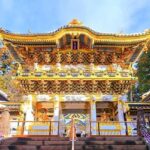
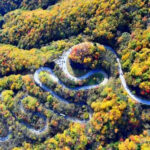
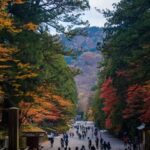
Mount Fuji from a pagoda, Kyoto’s vermilion gates, Hiroshima’s Peace Memorial Park and a ferry crossing to Shikoku all fit into 12 days. This tour gives you a broad view of Japan’s cities, sacred sites and island scenery without asking you to plan every transfer yourself. I especially like the Arakurayama Sengen Park viewpoint and the chance to pair major sights with places many short first visits miss, such as Matsuyama and Kotohira.
I also like that the trip mixes coach travel with ferries, a lake boat ride and a mountain cable car, so the journey itself keeps changing. The main trade-off is pace: you cover a lot of ground, often with several stops in one day, and temples and shrines make up a large share of the sightseeing. Check whether your departure runs in English only or bilingually, too, as past groups have sometimes had explanations in both English and Spanish.
- Five details to weigh before booking
- A wide-angle first trip, not a slow one
- Tokyo starts with temples, a tower and Shinjuku
- Fuji country, with a ryokan night
- Kyoto’s greatest hits in one busy day
- Nara, Himeji and Okayama add different kinds of history
- Hiroshima, Itsukushima and the crossing to Shikoku
- Kotohira, Takamatsu and Naruto before Osaka
- Kobe closes the route, then Osaka ends it
- What the price covers, and what to check
- Who should book this Japan circuit?
- FAQ
- How long is the tour, and where does it start and end?
- Is airport transport included?
- Is the tour guided in English?
- What meals are included?
- Are Mount Fuji’s Fifth Station and the onsen guaranteed?
- How much walking should I expect?
- What type of hotels are used?
- What is the starting price, and when is the balance due?
- The Best Of Tokyo!
- More Tours in Tokyo
- More Tour Reviews in Tokyo
- Not for you? Here's more nearby things to do in Tokyo we have reviewed
Five details to weigh before booking
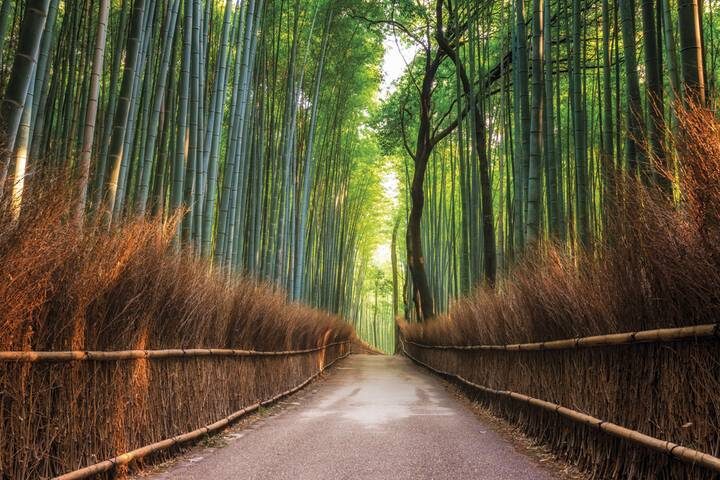
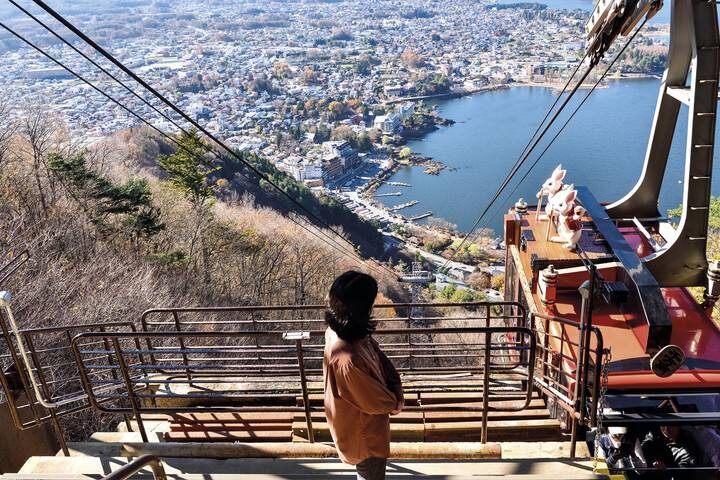
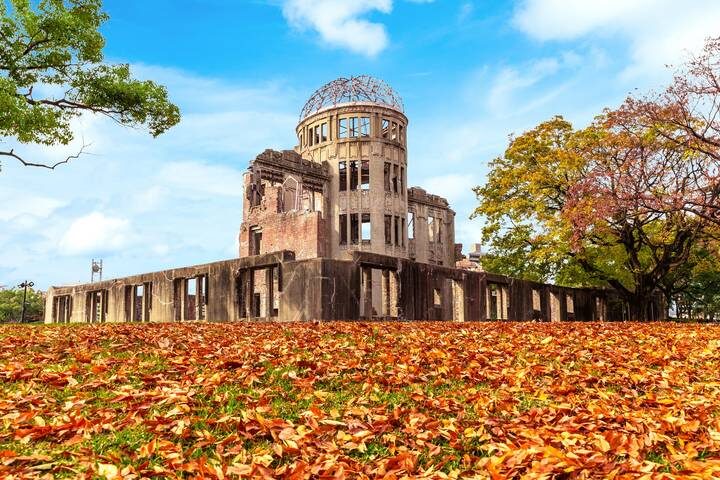
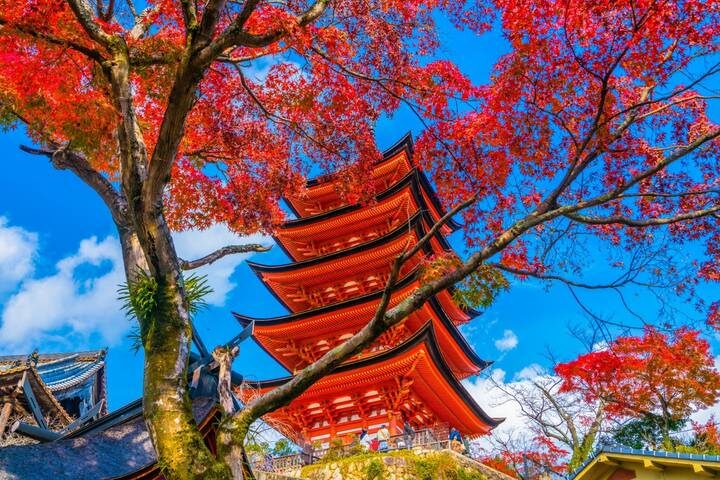
- Mount Fuji from several angles: Visit Arakurayama Sengen Park, ride on Lake Kawaguchiko and travel to the Fifth Station when weather and road conditions allow.
- Kyoto gets one full sightseeing day: The route takes in Arashiyama, Fushimi Inari, the Imperial Palace and Kinkakuji, but leaves little time for other major sights.
- You reach Shikoku by ferry: Matsuyama, Kotohira, Takamatsu and Naruto add island travel, a castle, a famous garden and sea whirlpools to the route.
- The schedule is active: Some days run from morning through evening. Kotohira’s shrine requires a climb of 785 steps, and sightseeing elsewhere involves plenty of walking.
- Hotels and guides are a strength, with caveats: Accommodation and guide ratings are solid overall, but hotel assignments vary, and some past English-speaking participants found bilingual guiding harder to follow.
- The advertised starting price is $4,353: It includes hotels, breakfast, guided transport and a selection of meals and admissions. Compare the exact departure and room price before deciding if the convenience suits your budget.

👉 See our pick of the 25 Best Guided Tours In Tokyo
A wide-angle first trip, not a slow one
This 12-day route starts in Tokyo and ends in Osaka, passing through the Fuji Five Lakes area, Kyoto, Nara, Okayama, Hiroshima and parts of Shikoku. It’s designed to give you a first-time overview rather than a long stay in any one place. You can leave the map-reading, intercity driving and many entry arrangements to the tour team, then use your free pockets of time to explore on your own.
That convenience has a cost beyond the price: your day follows a group schedule. The tour may include between 2 and 72 people, and the exact group size can change. Past groups have also included travelers joining or leaving at different points, and some were split across buses or hotels. That doesn’t mean every departure will work that way, but it’s worth asking how your specific trip is organized.
The tour is described as English-guided, with a dedicated English-speaking tour leader. Still, some past departures have been bilingual in English and Spanish. If you need clear English explanations, confirm the language setup for your date before paying. Guides named in past accounts include David Solanes, David Muñoz, Pablo, Nadia, Rei and Louis, but guide assignments can change.
You can also read our reviews of more tours and experiences in Tokyo.

Tokyo starts with temples, a tower and Shinjuku
On arrival, a shared shuttle takes you from the airport to your hotel. The first day is otherwise free, a useful pause after a long flight, though it is not a sightseeing day. Tour details arrive in the afternoon, so keep your first evening flexible.
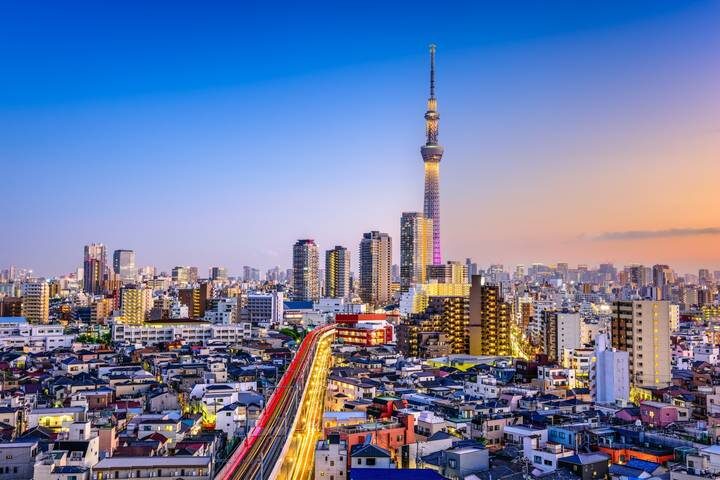
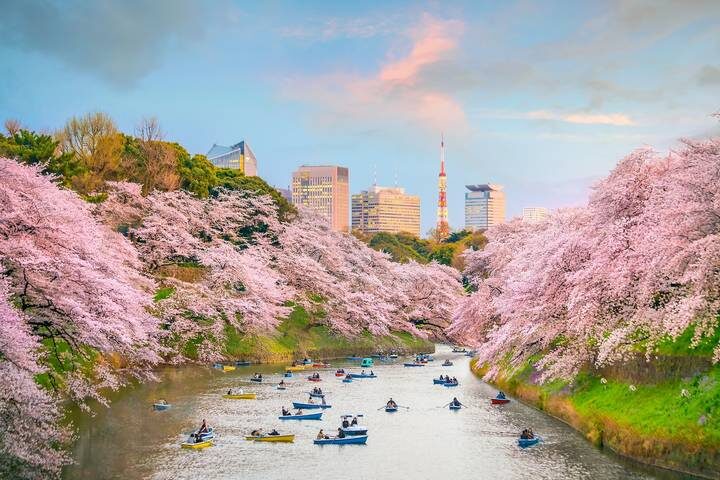
The next day covers a lot of Tokyo in about seven hours. Zojoji Temple gives you a view toward Tokyo Tower, while Meiji Shrine offers a calmer, tree-lined contrast to the city’s busy districts. You see Shibuya Crossing from the bus rather than walking through it with the group, then go up Tokyo Skytree to the Tembo Deck at 350 meters. If weather or other conditions limit access, an alternative city viewpoint is offered.
Asakusa brings you to Sensoji Temple and Nakamise Street, where you’ll have time to look around the temple approach and its shops. The return route passes Akihabara and Ginza. In the evening, a guide takes the group by subway to Shinjuku for a walk and an included dinner at a local restaurant. That guided subway ride helps you get a feel for Tokyo’s public transport, though the day is structured and leaves limited time for a neighborhood of your own choosing.
Fuji country, with a ryokan night
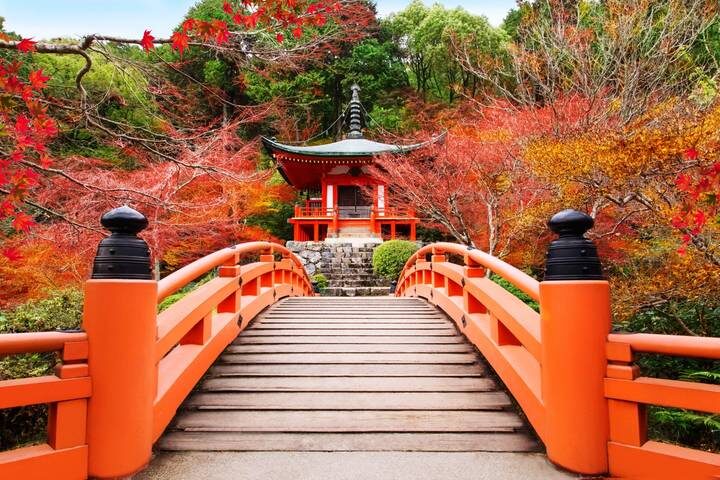
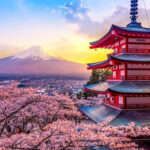
The drive toward Mount Fuji brings a welcome change from the capital. At Arakurayama Sengen Park, the pagoda and mountain views make for one of the classic Fuji photos. The view depends on the weather, so don’t treat a clear sight of the peak as guaranteed.
In Kawaguchiko, you visit Fuji Sengen Shrine, take a boat ride on the lake and continue by road to Mount Fuji’s Fifth Station, at 2,305 meters. The road may close in winter or during poor conditions, in which case the coach goes as far as permitted. That flexibility matters: reaching the Fifth Station is part of the plan, but weather has the final say.
You spend the night at a traditional-style ryokan and have access to an onsen, or public hot spring bath. Dinner is included. Room style can vary, with some Japanese-style rooms and some Western-style rooms; on occasion, accommodation may instead be in a Western-style hotel. Pack a swimsuit only if you use one for bathing elsewhere, as the supplied details do not specify bathing rules.
The next day takes in Iyashi no Sato Nenba, a restored village whose traditional houses now hold shops and cultural displays, then Shiraito Falls. In Nagoya, the Toyota Museum adds a change of subject after several days of temples and natural sights. It is a worthwhile stop if you’re curious about Japanese industry, but less compelling if cars hold little interest. You continue to Kyoto that evening.
Kyoto’s greatest hits in one busy day
Kyoto gets a single full sightseeing day, and it’s a packed one. In Arashiyama, you cross or view Togetsukyo Bridge, visit Tenryuji Temple and walk through the bamboo grove. Fushimi Inari’s red gates are another major stop, followed by the Imperial Palace and Kinkakuji, the Golden Pavilion. The order may change, and each site has its own grounds and crowds to navigate.
After the guided visits, you can spend free time in Gion, the traditional district known for its old streets and geisha culture. Treat that time as a chance to wander, not as an additional guided tour. If Kyoto is the main reason you’re coming to Japan, one day may feel too short. Kiyomizu-dera and the traditional streets around it are not on this route, and you’ll need another visit or extra nights to see them properly.
The itinerary’s focus on shrines and temples is both a strength and a limitation. It gives you a strong introduction to religious architecture and Japanese garden design, but it may feel repetitive if you’re less interested in sacred sites. Past participants have wished for more time in Kyoto and more variety in the stops.
Nara, Himeji and Okayama add different kinds of history
From Kyoto, the group heads to Nara’s Todaiji Temple, home to a giant Buddha, and the surrounding park, where deer roam freely. The animals are accustomed to people, but they’re still animals, so give them space and follow local signs. Lunch is included in Nara.
Horyu-ji adds a quieter, older site. Its central pagoda is among the world’s oldest wooden structures, making it a notable stop for anyone interested in Japanese Buddhist architecture. You then reach Osaka for an evening visit to Dotonbori, known for its bright signs and food. This is a good first look at Osaka’s lively street life, though you’ll have more time in the city at the end of the tour.
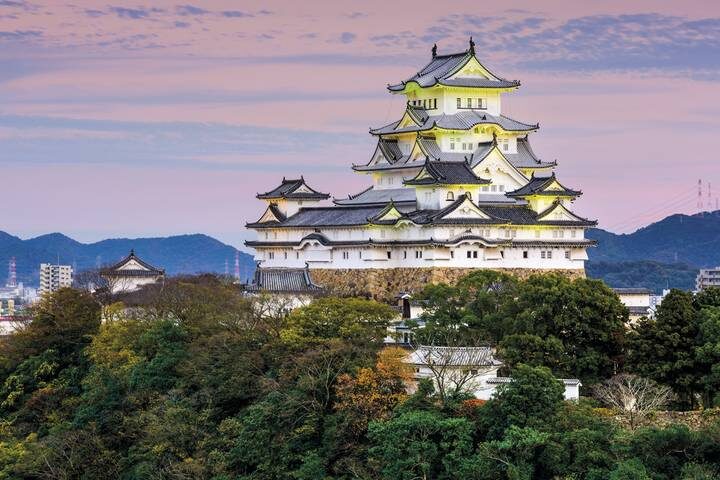
The next day begins at Himeji Castle, one of Japan’s most impressive castle complexes. Lunch is included at a local restaurant before you continue to Okayama’s Korakuen Garden, with ponds, waterfalls and teahouses. Across a pedestrian bridge, you can see Okayama Castle from the outside; entry is optional and not included. Some departures may stay in Fukuyama or Kurashiki instead of Okayama, so check the hotel location for your date.





Hiroshima, Itsukushima and the crossing to Shikoku
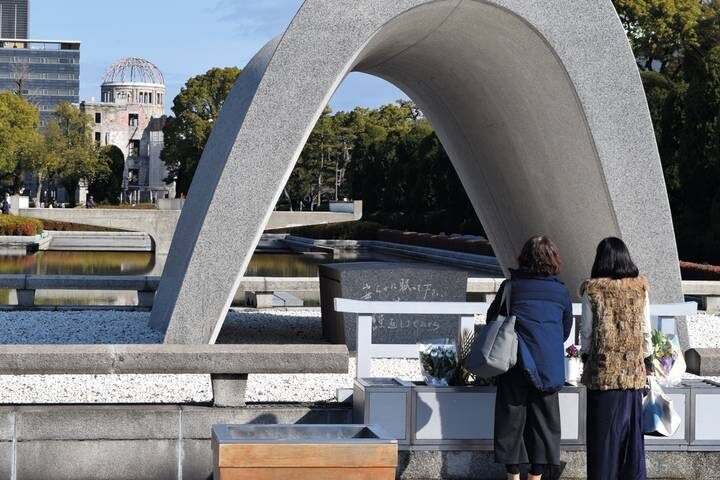
Kurashiki’s preserved historic center offers a slower street-level stop before Hiroshima. In Hiroshima, you visit Peace Memorial Park, the Atomic Bomb Dome and the Peace Memorial Museum. These places ask for more than a quick look. The schedule includes all three, but the available time may not be enough if you want to read every exhibit or spend a long while reflecting. If Hiroshima’s wartime history is a priority, consider adding a separate stay.
A ferry then takes you to Itsukushima Island, where Itsukushima Shrine is partly built over the water. You have time for the shrine, the town center and lunch before returning to Hiroshima for dinner at the hotel. The route combines a solemn day with a striking island setting, but the ferry and several major stops make it another full one.
The following day, a roughly two-and-a-half-hour ferry ride takes you to Shikoku. In Matsuyama, you ride a cable car to the castle, visit Ishiteji Temple and have an included lunch. Admission to Dogo Onsen, a 19th-century bathhouse, is also included. This part of the trip stands out for its island character and mix of castle, pilgrimage temple and bathing culture.
Kotohira, Takamatsu and Naruto before Osaka
From Matsuyama, the coach travels to Kotohira, where the shrine dedicated to the god of sailors sits up Mount Zosu. Reaching it involves 785 steps, so the tour’s low-intensity rating should not be mistaken for no effort. If stairs are difficult for you, ask the operator in advance what options are available.
In Takamatsu, you visit Ritsurin Garden, a carefully arranged landscape of ponds and teahouses, then have lunch at a local restaurant. The next stop is Naruto, where you walk across a bridge with a glass floor and look down toward sea whirlpools, about 45 meters below. The whirlpools depend on conditions, but the bridge and its sea views are part of the visit.
From there, the coach crosses bridges connecting islands over the water before reaching Kobe. The range of transport is one of the tour’s practical pleasures: coach, ferry, cable car, lake boat and subway all feature, so it never feels like 12 days of identical bus transfers. Still, some drives and sightseeing days are long, and you may arrive at your hotel ready for a quiet evening.
Kobe closes the route, then Osaka ends it
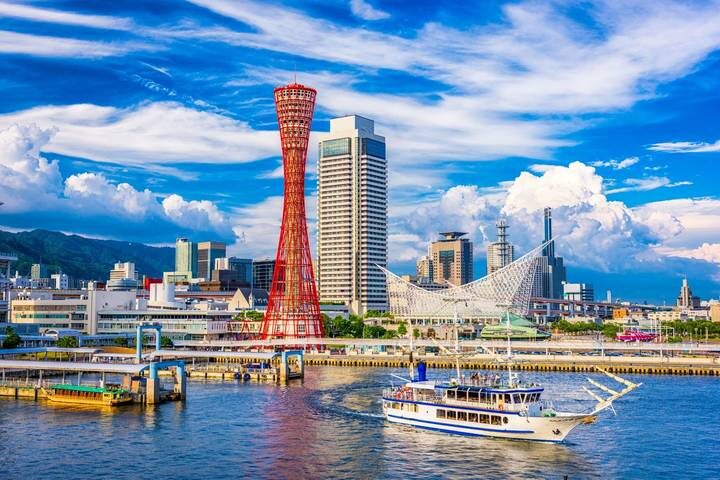
In Kobe, the Earthquake Memorial Museum looks at the 1995 earthquake and the city’s reconstruction. On certain dates, the visit may be replaced by a sake museum or a trip up Kobe Tower. You then continue to Osaka for the final night. Day 12 ends after breakfast, with no sightseeing included.
The opening and closing days are also mostly transfer days. Build that into your plans if you want extra time in Tokyo or Osaka. The arrival shuttle is included, but the end of the tour is in Osaka, so arrange your departure from there or add time and transport for another city.
What the price covers, and what to check
The tour starts at $4,353 for the cheapest room basis. The value lies in bundling 11 nights of accommodation, hotel breakfasts, an arrival transfer, guided coach travel, several ferry journeys, many admissions and some meals. Four lunches and three dinners are listed as included, in addition to breakfast. That can simplify budgeting and removes the need to book every intercity leg yourself.
It is not a luxury hotel tour. The listed properties range from three to four stars, and the operator notes that room sizes, beds and standards vary by location. Hotels are in the cities visited and are described as having access to public transport, but many are not in the center. The specific hotel can vary by departure, so confirm the assigned properties and room arrangement if location or bed type matters to you.
The price does not include every meal, and you’ll need spending money for food outside the included meals, personal purchases and any optional visits. Dietary requirements deserve special attention: past participants have reported meals that did not match vegetarian requests or allergy needs. Contact the operator before departure, explain restrictions clearly, and reconfirm them with the guide and restaurant staff.
Booking terms list a $125 deposit, with the balance due 50 days before departure; interest-free payments every two weeks are also offered. The tour is listed with March departures, so check that your preferred date is available and compare the final price for your room choice.
Who should book this Japan circuit?
I’d choose this tour if you want a guided first look at several regions, prefer having long-distance transport and major admissions arranged, and are comfortable with early starts and a full schedule. Families and solo travelers may appreciate the group format, while anyone interested in temples, gardens, castles and Japanese history gets a lot to see in less than two weeks.
I’d look elsewhere, or add independent days, if you want slow mornings, substantial free time, or a trip centered on food, modern culture or outdoor activities rather than temples and shrines. Before booking, confirm the departure’s guiding language, hotel assignments, dietary arrangements and group setup. If those details suit you and you’re ready to keep moving, this is a practical route through a broad and memorable slice of Japan.
Wonders of Japan End Osaka GO by Europamundo – 12-Day Tour
“Good hotels, well organized tour, group not too large, good guides, very courteous bus drivers, included meals were at good places and representati…”
FAQ
How long is the tour, and where does it start and end?
It lasts 12 days, starting in Tokyo and ending in Osaka. The first day is mainly for arrival, and the final day ends after breakfast.
Is airport transport included?
Yes. A shared shuttle transfer from the Tokyo airport to the hotel is included on the first day.
Is the tour guided in English?
The tour is listed as English-guided, with an English-speaking tour leader. Some past departures have also operated bilingually in English and Spanish, so confirm the language arrangement for your date.
What meals are included?
Hotel breakfast buffets are included. The tour also lists four lunches and three dinners, including meals in Tokyo, Kawaguchiko and Hiroshima.
Are Mount Fuji’s Fifth Station and the onsen guaranteed?
The route includes a planned visit to Mount Fuji’s Fifth Station, but winter snow or weather can close the road, and the coach will go as far as permitted. Onsen access is included at the ryokan, though the accommodation may occasionally be a Western-style hotel instead.
How much walking should I expect?
The tour is rated low intensity, but days include walking at temples, gardens and city districts. Kotohira Shrine requires climbing 785 steps, and past participants have described the overall trip as active.
What type of hotels are used?
The tour uses three- and four-star hotels, with the specific property varying by date. Rooms have a private bathroom and TV, and hotels are in the cities visited, generally with public transport nearby.
What is the starting price, and when is the balance due?
The listed starting price is $4,353, based on the cheapest room option. A $125 deposit is listed, and the remaining balance is due 50 days before departure; interest-free installments every two weeks are also offered.