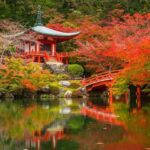
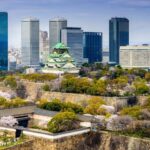
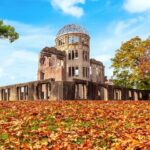
Tokyo’s giant crossing, Kyoto’s shrine paths, Himeji Castle, and Hiroshima’s Peace Memorial Park all fit into one week. The tour’s biggest draw is how quickly it links Japan’s great city sights with smaller historic districts, using bullet trains and a guide to handle much of the planning.
I like two things in particular: the route gives you a broad first look at Japan, and admission to many headline sights is included. The Tokyo Skytree, Kinkakuji, Himeji Castle complex, and Peace Memorial Museum are not left as costly extras.
The trade-off is pace. You change cities often and some days are tightly packed, so this is a sampler, not a slow trip. English is the tour language, but the group may include other language speakers, so ask how the English-speaking arrangements work before booking.
- What makes this seven-day route worth considering
- Tokyo in one day, from temple calm to Shinjuku at night
- Kyoto’s shrines and gardens after the fast train
- Nara’s great Buddha and Osaka after dark
- Himeji Castle, Korakuen, and a night in Okayama
- Hiroshima’s memorials and Miyajima’s waterfront shrine
- The return to Tokyo and what the final day means
- Hotels, meals, and the real value of the price
- Who should book this Japan tour?
- FAQ
- Are international flights included?
- Where does the tour start and finish?
- Is the tour conducted in English?
- How large can the group be?
- What meals are included?
- Which train journeys are included?
- Is admission to Tokyo Skytree included?
- Is the final airport transfer included?
- My booking advice
- The Best Of Tokyo!
- More 7-Day Experiences in Tokyo
- More Tours in Tokyo
- More Tour Reviews in Tokyo
- Not for you? Here's more nearby things to do in Tokyo we have reviewed
What makes this seven-day route worth considering
 1 / 9
 2 / 9
 3 / 9
 4 / 9
 5 / 9
 6 / 9
 7 / 9
 8 / 9
 9 / 9
- Tokyo to Kyoto by bullet train: Cover nearly 500 kilometers in just over two hours, with a full day of sightseeing waiting in Kyoto.
- A wide range of places: The route includes nine destinations, from Tokyo and Osaka to Kurashiki and Miyajima Island.
- Major admissions included: You get access to Tokyo Skytree’s Tembo Deck, Himeji Castle complex, Korakuen Garden, and several major temples and museums.
- Guides make the history easier to follow: Past guide names include Ken, David, Midori, Patricia, Jose, and Nadia. The strongest praise is for guides who explain clearly, stay attentive, and bring humor.
- Travel days are organized for you: Airport pickup, intercity transport, and station transfers are part of the package. Your Tokyo departure transfer is not.
- A brisk schedule needs stamina: The tour is rated low intensity, but expect frequent changes of scene, walks around sites, and early starts.

👉 See our pick of the 25 Best Guided Tours In Tokyo
Tokyo in one day, from temple calm to Shinjuku at night
The first day is mainly for arrival. After customs, a shared shuttle takes you to your hotel, and the rest of the day is free. That breathing room matters after a long flight, though your hotel may be in a busy area rather than beside every major sight. Hotel choices include Shinagawa Prince, Tokyo Dome Hotel, and Ibis Styles Tokyo Ginza East. The exact assignment varies.
Day two makes a broad circuit through Tokyo. At Zojoji Temple, you get a pleasing view of Tokyo Tower and a look at rows of small Jizo figures, guardians of children, dressed in knitted hats and bibs. Shibuya Crossing is viewed from the bus, rather than explored on foot, so treat it as a quick look at the famous intersection, not a stop for people-watching.
Meiji Shrine offers a quieter contrast, set among trees within the city. Tokyo Skytree then takes you up to the Tembo Deck at 350 meters. Admission is included, but weather or other exceptional conditions can limit access. If that happens, an alternative city viewpoint is offered.
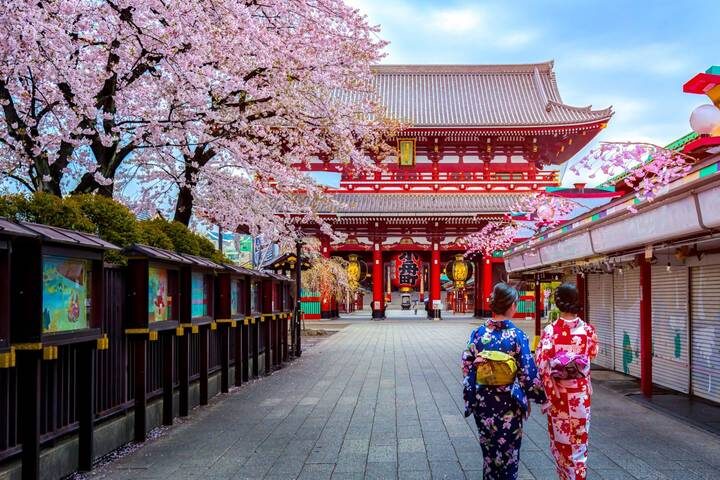
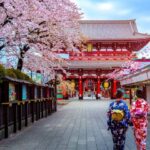
In Asakusa, you walk around Sensoji Temple and Nakamise Street, where the traditional shopping lane adds a more street-level feel to the day. The bus passes Akihabara and Ginza on the return to the hotel, but passing by is not the same as having time to shop or explore either district.
The evening brings a guided subway trip to Shinjuku, with subway tickets and dinner included. You walk through the district before eating at a local restaurant, then return with the guide. It is a useful first taste of Tokyo after dark, though you will not have much time to set your own pace.
You can also read our reviews of more tours and experiences in Tokyo
Kyoto’s shrines and gardens after the fast train
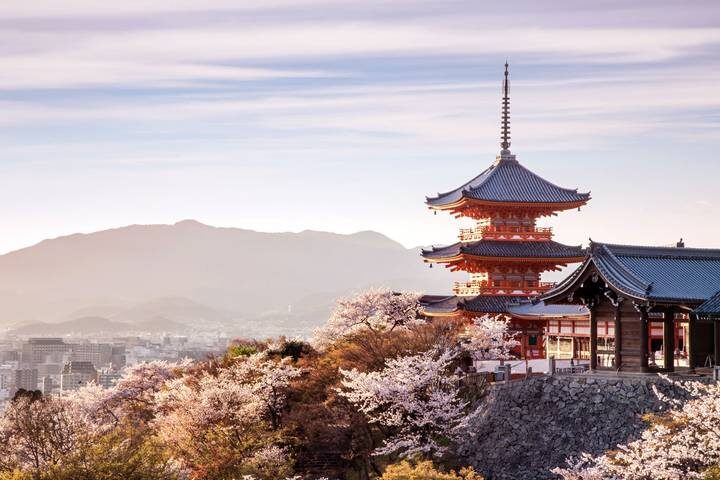
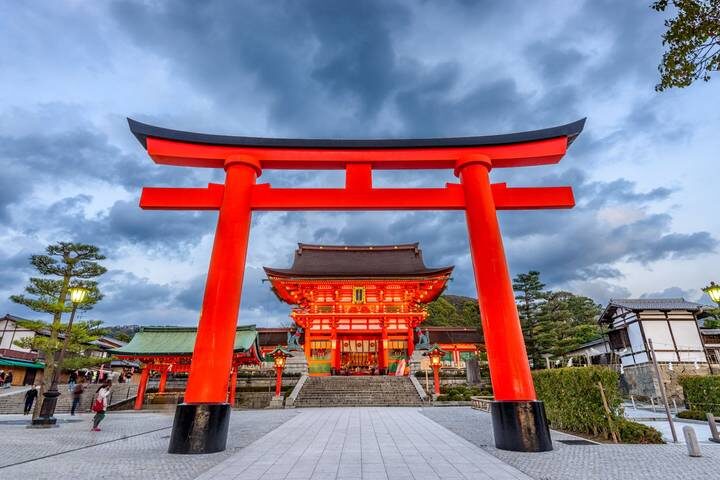
On day three, the bullet train carries you from Tokyo to Kyoto in just over two hours. The speed is part of the appeal: you get the long-distance transfer without losing most of the day to travel. The tour then takes you to Fushimi Inari Shrine, the Kyoto Imperial Palace, and Kinkakuji, the Golden Pavilion.
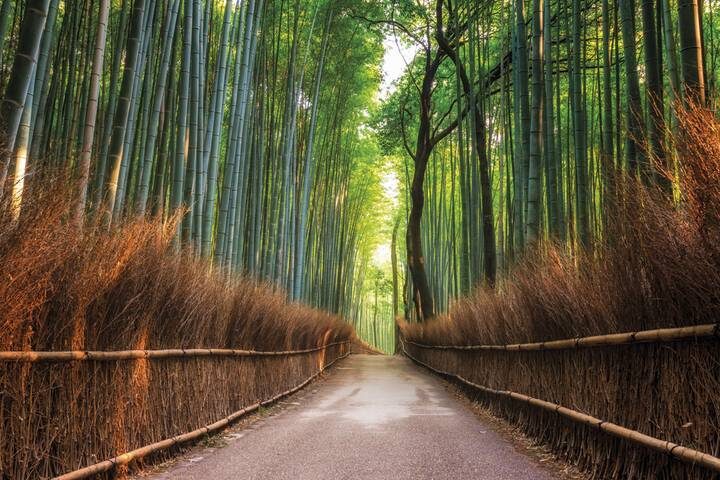
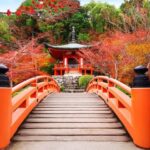
Fushimi Inari is known for its rows of shrine gates and striking hillside setting. The schedule does not specify how long you have there, so do not expect time for an extended walk up the mountain. The Imperial Palace provides a change of mood, while Kinkakuji’s gold-covered exterior and garden pond make it one of the most instantly recognizable stops on the route.
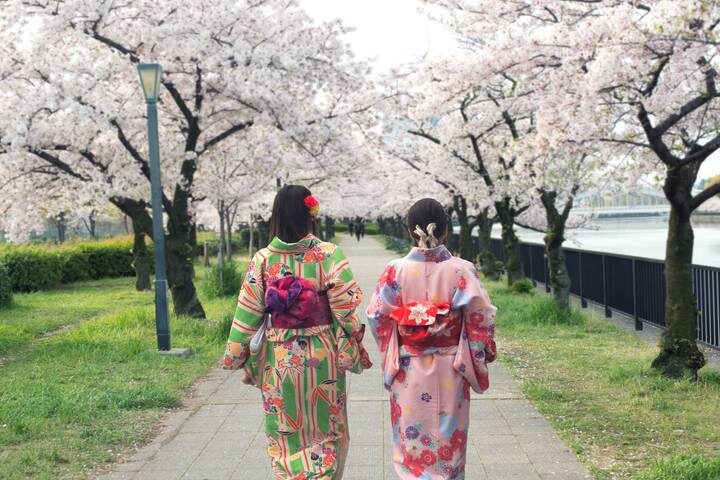
You also get time in Gion, Kyoto’s traditional district, followed by free time. That open stretch is valuable in a schedule with many guided visits. Use it to slow down, find a meal, or wander through the streets at your own pace. Your Kyoto hotel is selected from properties including New Miyako Hotel and Miyako Kyoto Hachijo.
Nara’s great Buddha and Osaka after dark
Day four starts with a trip to Nara and Todaiji Temple, built in 752 and home to a huge bronze Buddha. Deer roam the surrounding park, and you can see them at close range. They are accustomed to people, but remember they are animals, not props, and keep your belongings secure.
Lunch is included at a local restaurant. Then you visit Horyu-ji, a UNESCO World Heritage site with old wooden buildings and a pagoda among the oldest surviving wooden structures in the world. The temple visit adds an older, quieter note to a day otherwise centered on Nara’s best-known sights.
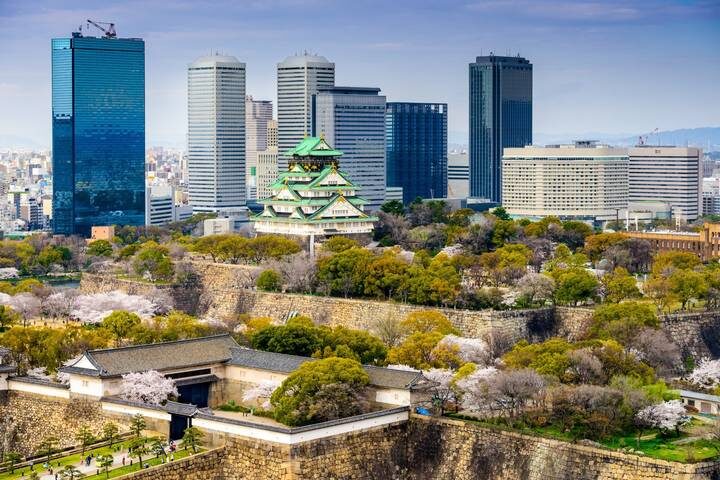
In the evening, you reach Osaka and visit Dotonbori, a lively entertainment and dining district. It is a strong place to get a feel for the city’s night scene, though the visit is a guided outing rather than a full evening at leisure. The tour includes hotels such as Moxy Osaka Honmachi, Onyado Nono Osaka Yodoyabashi, or Tokyu Stay Osaka Honmachi.
Himeji Castle, Korakuen, and a night in Okayama
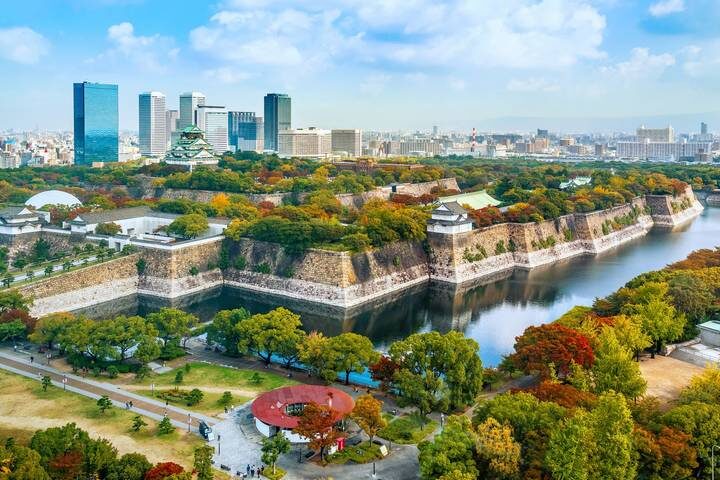
On day five, the route heads to Himeji Castle. Admission to the castle complex is included, making this one of the tour’s substantial cultural stops. The white castle is a remarkable example of Japanese castle design, and the complex gives you a sense of how much more a castle is than its central keep. Lunch at a local restaurant is included.
In Okayama, you visit Korakuen, one of Japan’s best-known gardens. Its ponds, waterfalls, and teahouses make a welcome change from city streets and indoor museum visits. You can cross a footbridge toward Okayama Castle, a sixteenth-century structure rebuilt after wartime destruction. The itinerary includes the exterior, but not admission inside.
There may be a change to the overnight plan. Some departures stay in Fukuyama or Kurashiki, and the Kurashiki visit may shift to the afternoon of this day. Check the final schedule when you book, especially if you are counting on a particular town or hotel.
Hiroshima’s memorials and Miyajima’s waterfront shrine
Day six begins with time in Kurashiki’s preserved old district. Its historic streets are a gentler start before the tour reaches Hiroshima, where the day turns to the city’s 1945 atomic bombing and its aftermath.
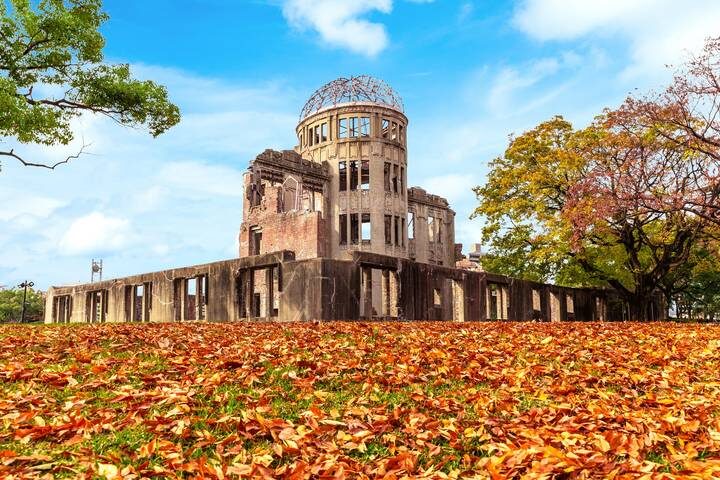
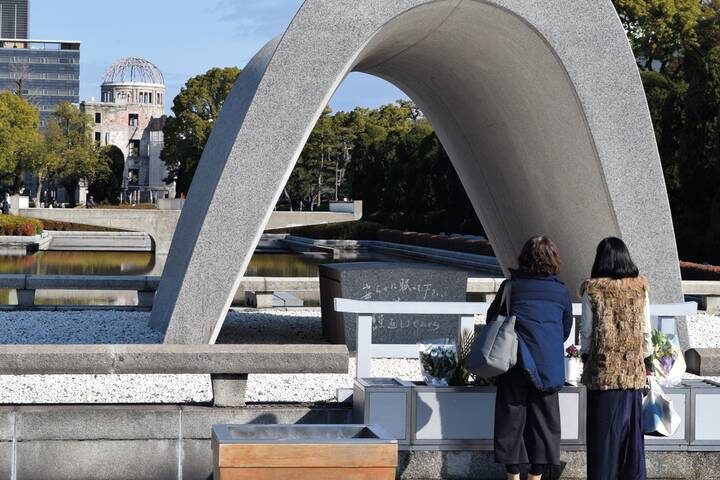
At Peace Memorial Park, the Atomic Bomb Dome, and the Peace Memorial Museum, the focus is remembrance rather than sightseeing for its own sake. The museum gives context to the destruction and to Hiroshima’s recovery. This is an emotionally demanding visit for some people, and the schedule may adjust the order of Hiroshima stops.
The tour then takes a ferry to Miyajima, also known as Itsukushima Island, to visit Itsukushima Shrine, partly built over the water. You get time to see the shrine and explore the town center. The day’s plan also lists lunch on the island and dinner at the Hiroshima hotel. With both the memorial sites and island visit on one day, this is a full schedule, and you may wish you had more time at each.
Hiroshima accommodation includes Hilton Hiroshima or ANA Crowne Plaza Hiroshima. The final overnight gives you a little time to settle after the day’s movement, but there is no extra sightseeing planned for the evening.






The return to Tokyo and what the final day means
After breakfast on day seven, a transfer takes you to Hiroshima Station for the bullet train back to Tokyo. The journey covers about 800 kilometers and takes around four hours, with arrival expected at approximately 2 p.m.
There is no airport transfer included at the end. The guide can suggest public transport options, but you should leave enough time between the train arrival and any flight. If your flight is earlier or you prefer not to rush, plan an extra night in Tokyo.
Hotels, meals, and the real value of the price
The tour starts from $3,162, with flights excluded. For a seven-day trip, the price covers hotels, breakfast buffet, a range of admissions, guided sightseeing, transport between cities, and the arrival shuttle. That can be good value if you want the logistics handled and intend to visit many of these sights anyway.
Accommodation is described as three- and four-star, with private bathrooms and televisions. The operator notes that hotels are chosen for quality, price, and access to public transport, not luxury. Room size, bed size, and standards can vary. Hotel names are alternatives, so do not assume you will stay at a particular property until your assignment is confirmed.
Breakfast is included daily. The meal details list lunches in Nara and Himeji, and dinners in Tokyo and Hiroshima; the day-six schedule also describes lunch on Miyajima. Confirm the exact meal inclusions for your departure, since the summary and daily details do not match perfectly. Other meals are yours to arrange, giving you some freedom to try local places.
The overall rating is 4.5 out of 5 from 29 ratings. Itinerary, transport, guides, hotels, and food are rated between 4.4 and 4.7, while the operator score is 4.1. That is a strong overall picture, but individual experiences vary. Several people praise the guides’ care, humor, and explanations. Names that come up positively include Ken, David, Midori, Patricia, Jose, and Nadia.
There are also practical cautions. Some departures have had long hotel breakfast queues in Tokyo or Kyoto, and some days have felt rushed. Reports about English-language group arrangements differ: some English-only participants felt well included, while others felt isolated in groups dominated by Spanish speakers. The tour is described as English-language, but I would confirm directly whether explanations are given in both English and another language, and how the group is divided.
Who should book this Japan tour?
This works best if you have one week, want to see Japan’s essential city and heritage stops, and value having transport, hotels, and many admissions arranged in advance. It is also a good fit for a first visit, when a guide can provide context and help connect the places you are seeing.
It is less suited to you if you prefer late mornings, long meals, or several days in one city. You will get an overview, not a deep stay. At group sizes of 2 to 72, the feel can vary considerably, and the schedule may move quickly. The tour is open to all ages and rated low intensity, but you should still be comfortable with regular walking and frequent transfers.
Tokyo, Kyoto and Hiroshima end Tokyo GO 7-Day Tour by Europamundo
“Everything is very good. Ken and David are fantastic. Ken is enthusiastic and knowledgeable. David is very nice and multi talented. We enjoy the tr…”
FAQ
Are international flights included?
No. Flights are not included in the tour price.
Where does the tour start and finish?
The tour starts in Tokyo, with an arrival transfer from the airport to your hotel. It ends in Tokyo after the bullet train from Hiroshima, with arrival expected around 2 p.m.
Is the tour conducted in English?
The tour is listed as English-language, with an English-speaking tour leader. The information also specifies English-speaking guided tours in Tokyo and Kyoto. Ask the operator how other languages and group arrangements work on your departure.
How large can the group be?
The group size is listed as 2 to 72 people.
What meals are included?
Breakfast buffet is included. The meal summary lists two lunches, in Nara and Himeji, and two dinners, in Tokyo and Hiroshima. The day-six schedule also lists lunch on Itsukushima Island, so confirm the exact meal plan for your departure.
Which train journeys are included?
The tour includes the bullet train from Tokyo to Kyoto and the bullet train from Hiroshima back to Tokyo. Transfers to and from the stations are also listed.
Is admission to Tokyo Skytree included?
Yes. Admission is included up to the Tembo Deck at 350 meters. Access may be limited in poor weather or exceptional circumstances, in which case another city viewpoint is offered.
Is the final airport transfer included?
No. The tour ends at the Tokyo train station area after arrival from Hiroshima. The guide can recommend public transport to the airport, but the airport transfer is not included.
My booking advice
Book this if your priority is seeing a lot of Japan in a week without arranging each train, hotel, and major sight yourself. Before paying, confirm your hotel assignments, the exact meal inclusions, and how English-speaking groups are organized. If those details suit you, the route offers a useful first survey of Japan, with memorable contrasts from Tokyo’s skyline to Hiroshima’s memorials.