Tokyo’s famous crossing, Hiroshima’s Peace Park, Miyajima’s island shrine and Kyoto’s temple paths give this nine-day trip a compelling route through Japan. I like that the bullet-train journeys and local transport are part of the experience, not just transfers, and that you get time to explore without a guide setting every hour of your day.
I also like the balance of city life and quieter places: you can move from Harajuku’s youth culture to the stillness of Meiji Shrine, then take in Miyajima’s sea views and Kyoto’s old districts. The main consideration is the pace. You’ll change cities, walk a lot and manage your own luggage through busy stations, while many meals and much of each day are left to you.
- The quick take
- A fast route through Japan’s big contrasts
- Tokyo: a guided start, then room to roam
- Hiroshima: a difficult history worth making time for
- Kyoto: temples, old streets and choose-your-own days
- Osaka: food, lights and a short farewell
- What the price covers, and what it doesn’t
- Who will get the most from this trip?
- Should you book Japan Express?
- FAQ
- How long is the Japan Express tour?
- Which destinations are included?
- Does the tour visit Mount Fuji?
- Is Nikko part of the tour?
- What accommodation is provided?
- Are meals included?
- Is transport included?
- Can I join as a solo traveler?
- What is the minimum age, and how large is the group?
- The Best Of Tokyo!
- More Tours in Tokyo
- More Tour Reviews in Tokyo
- Not for you? Here's more nearby things to do in Tokyo we have reviewed
The quick take
 1 / 9
 2 / 9
 3 / 9
 4 / 9
 5 / 9
 6 / 9
 7 / 9
 8 / 9
 9 / 9
- Tokyo to Osaka in nine days: The route visits Tokyo, Hiroshima, Miyajima Island, Kyoto and Osaka, with long-distance journeys by shinkansen.
- Small group, local leader: Groups are listed at 12 to 16 people, with an English-speaking leader to manage logistics, lead selected walks and offer local advice.
- A mix of structure and independence: Some walks and landmark visits are included, but several afternoons and full days are free for your own plans.
- Basic, shared accommodation: Expect two nights in a multishare pod hostel and six nights in basic hotels. A private room is not available on this trip.
- Meals are on your tab: The tour does not include meals, so budget for food, optional activities and local transport to places you visit independently.
- Check the route before booking: The day-by-day plan here includes Hiroshima and Miyajima, not Nikko. Nikko appears in some trip highlights and older accounts, so confirm the exact departure schedule.

👉 See our pick of the 25 Best Guided Tours In Tokyo
A fast route through Japan’s big contrasts
Japan Express is a useful first trip if you want help with train travel and city orientation, but don’t want a guide to lead every outing. You travel from Tokyo to Hiroshima, then Kyoto and Osaka, with Miyajima as a day trip. That is a lot of ground in nine days, but the route connects modern city scenes with a sobering historic site, an island visit and Japan’s former capital.
Intrepid describes the tour as low intensity, but that doesn’t mean you’ll be sitting still. You should be comfortable walking for much of the day, using public transport and carrying your own bags through stations. Pack light and bring comfortable shoes. The convenience is having a leader to help with the practical side of travel; the trade-off is that you’ll often need to choose and organize your own activities.
Group size is listed as 12 to 16, and the tour is guided in English. The leader is there to provide context, suggest places to eat and help you navigate, rather than to deliver a full guided tour at every site. Past departures have had leaders named Zac, Mami, Yuki Nakano and Toshimi. Your leader will depend on the departure, but the group’s experience can be shaped considerably by how well that person handles advice, timing and requests.
You can also read our reviews of more tours and experiences in Tokyo.


Tokyo: a guided start, then room to roam
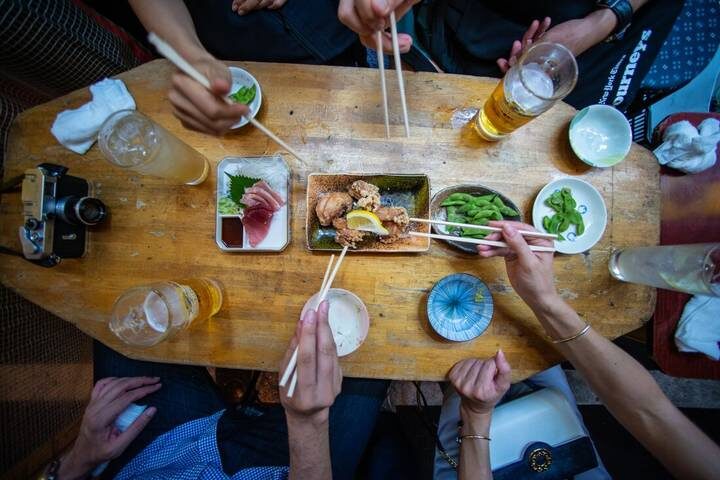
The tour begins with a welcome meeting at 6 pm on Day 1. There is no scheduled sightseeing that day, so arrange your arrival with enough time to reach the accommodation and settle in. Dinner is on your own. An izakaya, a casual Japanese pub serving food and drinks, is a good first way to get a feel for local dining, and your leader can suggest a place.
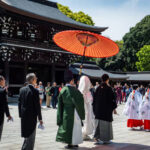
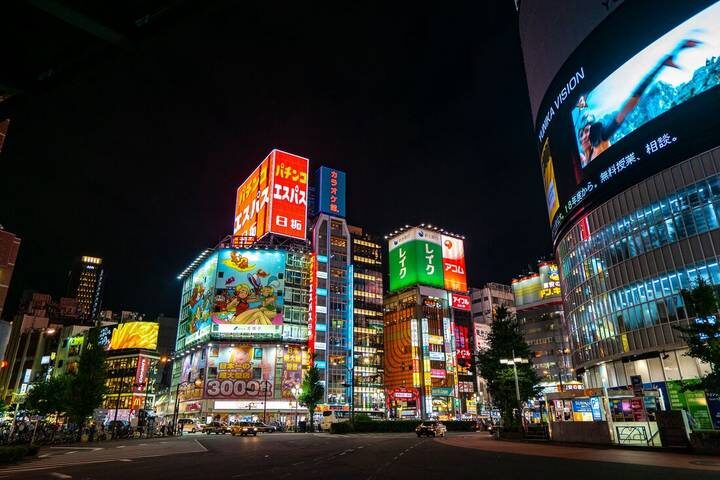
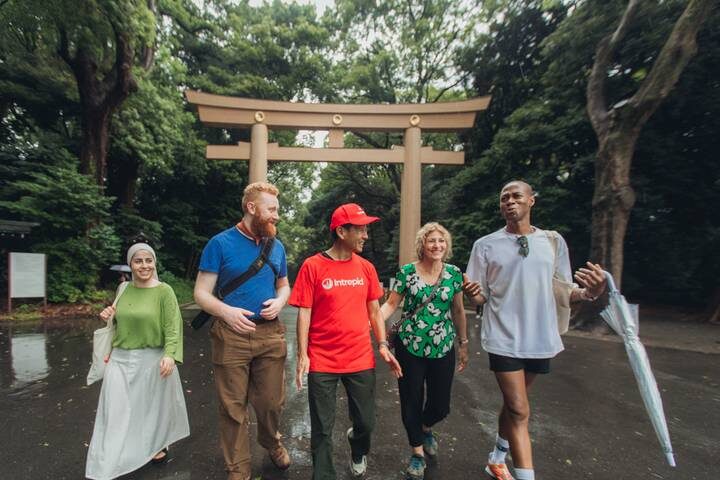
On Day 2, the group visits Shibuya, Meiji Shrine and Harajuku. Shibuya Crossing is a quick, memorable introduction to Tokyo’s scale and pace. At Meiji Shrine, a large torii gate marks the entrance to a wooded setting that feels far removed from nearby streets. Harajuku gives you a different side of the city, with its youth culture and distinctive shops.
The afternoon is free. You might head to Asakusa and Senso-ji, Tokyo’s oldest temple, founded nearly 1,400 years ago. It’s a good contrast with Shibuya and Harajuku, though it adds another busy sightseeing district to a day that has already involved a fair amount of walking. If temples aren’t your priority, use the free time for a neighborhood, museum or meal that better suits you.
Tokyo accommodation is listed as a multishare pod hostel for two nights, with shared facilities. Hostels have single-gender floors, so people booked together may be assigned to different rooms. This is a budget-minded arrangement, not a private-room city break. If you value your own bathroom or need a quiet room, ask about the setup before booking.
Hiroshima: a difficult history worth making time for
On Day 3, you take the shinkansen to Hiroshima and visit the Genbaku Dome, the remains of a building close to the atomic bomb’s detonation point in 1945. It is a sobering place, and the visit is more than a photo stop. Give yourself time to reflect on what you are seeing.
The Peace Memorial Museum is optional, but I would strongly consider making room for it. Its displays include belongings left by victims and information about the bombing and nuclear warfare. The subject is heavy, and the museum may be an emotionally demanding visit, but it provides context that the dome alone cannot. Check how much time you want to spend there before making evening plans.
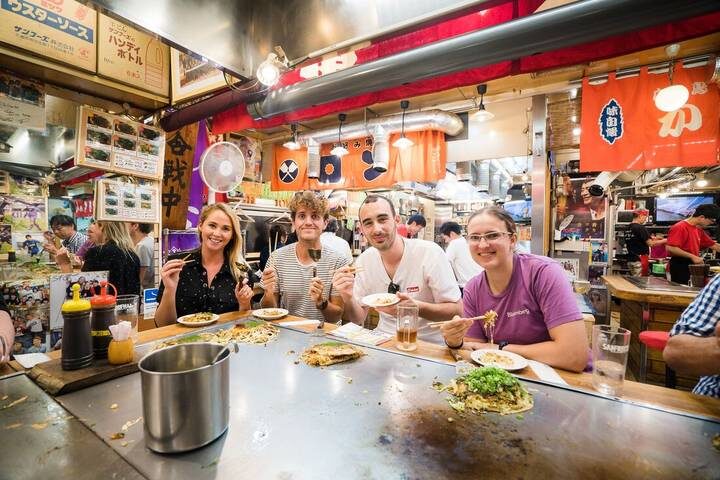
Dinner is not included. Hiroshima-style okonomiyaki, a savory pancake layered with ingredients such as cabbage, egg, noodles and meat or seafood, is a local specialty worth seeking out. It also gives you a chance to try a regional dish rather than relying on familiar options.
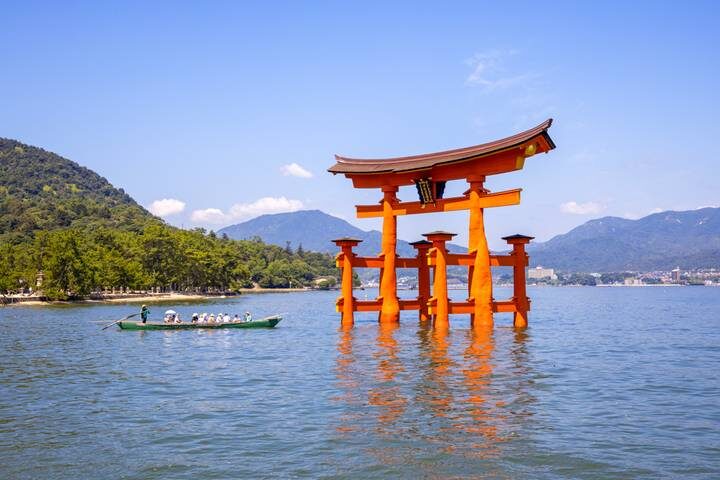
Day 4 brings a trip to Miyajima Island, known for its torii gate that appears to float at high tide. The island setting makes a welcome change from city streets. You can climb Mt Misen for views across the Inland Sea or take the cable car. The summit option adds more exertion and time, so choose according to your energy and the day’s conditions.
Back in Hiroshima, the afternoon is open. Hiroshima Castle and Shukkeien Garden are possible choices, or you could look into a local baseball or soccer match if one is taking place. The key is not to treat the free time as a gap to fill automatically. After a long day out, a slower afternoon may be more rewarding than squeezing in every nearby sight.
Kyoto: temples, old streets and choose-your-own days
Day 5 starts with another shinkansen ride, this time to Kyoto. The included visit to Kinkaku-ji, the Golden Pavilion, gives you one of the city’s best-known temple scenes. Its upper floors are covered in gold leaf, and the setting makes an immediate impression. It is also a popular stop, so expect to share the grounds with other visitors.
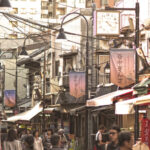
In the evening, the leader takes the group on a walk through Pontocho and Gion, districts associated with geiko culture. The narrow streets and traditional teahouses offer a glimpse of Kyoto’s working cultural traditions, but remember that these are real neighborhoods, not a stage set. Be respectful when taking photos, particularly around residents and performers. Gion Corner is an optional choice if you want a short introduction to Japanese performing arts such as flower arranging and the Lion Dance.
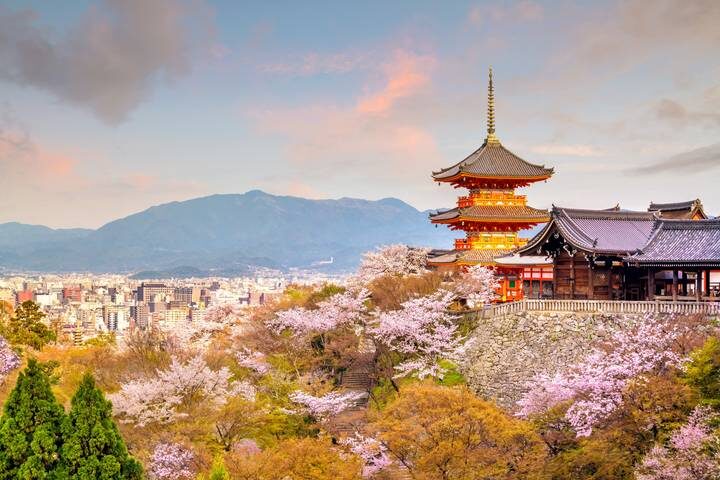
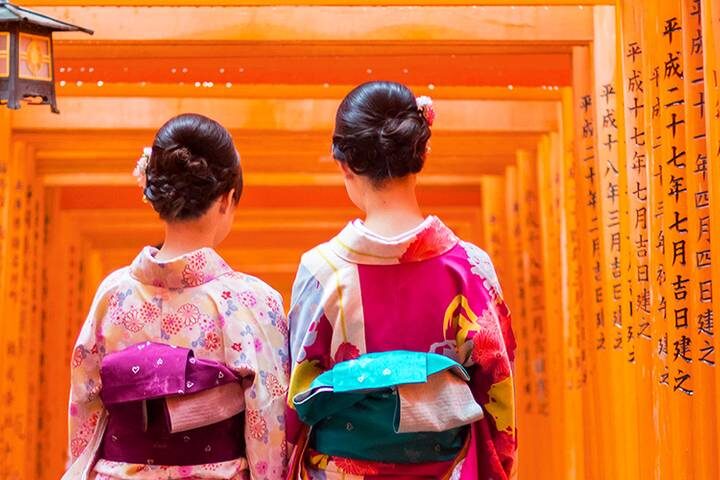
Day 6 is entirely free, and Kyoto gives you plenty of choices. Fushimi Inari is known for its long route of red torii gates, and walking farther up the mountain offers a more active outing than simply visiting the entrance. Nishiki Market is a practical stop if you want to sample local foods, while the Philosopher’s Path and Ginkaku-ji pair well for a more measured day. Kiyomizu-dera is another major temple, with the season affecting the feel of a visit.
You cannot cover all of Kyoto in one free day, and that is the point. Pick a small area or a couple of connected sites rather than attempting a checklist across town. Ask your leader for help with routes and transport, but budget for any local fares and activities not included in the tour.
Day 7 is another open day in Kyoto. Nijo Castle offers a change from temple visits, with its former shogun residence and the famous nightingale floors of Ninomaru Palace, which squeak underfoot. Toji Temple has Japan’s largest pagoda, while Ryoan-ji is known for its Zen garden. The Handicraft Centre is an option for souvenirs such as pottery, prints and yukata.
The two open days are a strength for independent-minded visitors, but they can feel under-programmed if you expect organized group sightseeing from morning to night. Some past tour participants have wanted more scheduled activities and group meals. If you enjoy setting your own pace, the freedom is useful; if you want a leader beside you at every stop, this format may not suit you.
Osaka: food, lights and a short farewell
On Day 8, you take the train to Osaka. A leader-led orientation walk helps you get your bearings, and the evening brings a walk through Dotombori, the city’s lively food and entertainment district. It’s an easy place to browse restaurants and choose a final group meal, though dinner itself is optional and not included in the tour price.
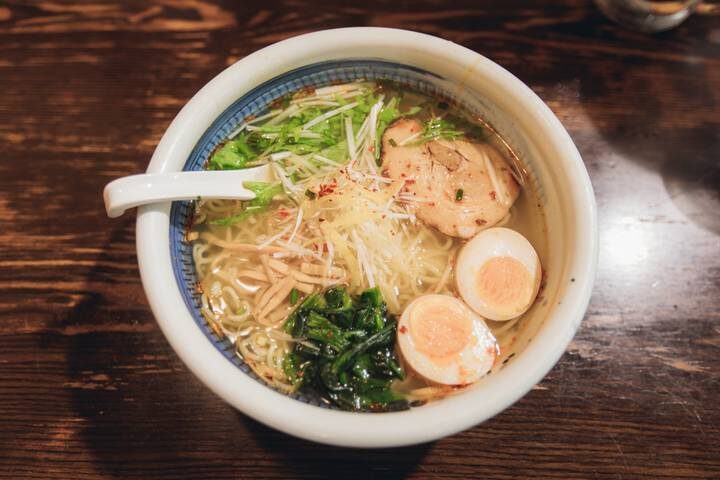
Osaka is presented as Japan’s food capital, so use the evening to try something local rather than seeing the walk as just another landmark visit. The group meal can be a nice closing point after a week of trains and shared plans. Still, leave room in your budget: all meals are your responsibility throughout the tour.
Day 9 has no scheduled activities. The tour ends in Osaka, and you can leave when you are ready or arrange extra accommodation separately. There are no airport transfers or additional nights included, so plan your onward journey and lodging independently.





What the price covers, and what it doesn’t
The starting price is from $2,350, with the final fare dependent on departure and room availability. For that price, the practical value is the route planning, the group leader, selected walks and visits, accommodation, and transport by public bus, metro, train and bullet train. Having the major intercity journeys organized can save time and uncertainty, especially on a first visit to Japan.
But don’t mistake the tour price for an all-in holiday budget. International flights, insurance, meals, optional activities and personal spending are not included. You’ll also need money for transport to independent outings. The tour is most worthwhile if you value the help of a leader and the structure of traveling with a group, while being happy to choose your own meals and fill much of your free time.
Accommodation is simple: two nights in a multishare pod hostel and six nights in basic hotels. Japanese hotel rooms can be small, and double-room requests are not guaranteed during busy periods; a twin room may be provided instead. The trip information also describes traditional Japanese-style stays with futons, tatami floors and shared bathing facilities in general terms. Since the named accommodation breakdown specifies hostels and basic hotels, ask the operator what applies to your particular departure.
Solo travelers can join without an additional solo-traveler charge, but a single supplement is not offered. That means you should be prepared to share accommodation. The tour is for ages 15 and up. A possible exception for someone up to 12 months below the minimum may be considered, but it is not guaranteed.
Who will get the most from this trip?
This tour makes sense for a first visit to Japan if you want the major cities and Hiroshima, appreciate having transport and some sightseeing organized, and are comfortable spending free time on your own or with new companions. The group can make train days and orientation easier, while the open schedule leaves room for personal interests.
It is less suited to anyone seeking a fully escorted schedule, private accommodation, included meals or an unhurried stay in each city. It also does not include Mount Fuji. The current day-by-day route includes Hiroshima and Miyajima, despite Nikko appearing in some highlights and older accounts. Check your specific departure itinerary before paying if Nikko, Fuji or another particular stop is essential.
Should you book Japan Express?
Book it if you want a compact introduction to Tokyo, Hiroshima, Miyajima, Kyoto and Osaka, and you like having a local leader without giving up your independence. The strongest ingredients are the route, the bullet trains, the Hiroshima visit and the freedom to shape your Kyoto days.
Think twice if you want more structured activities, more included meals or comfort beyond basic shared accommodation. Before you commit, confirm the exact route for your departure, what room arrangement you’ll have, and how much free time you want to manage yourself. If those details fit your travel style, this is a practical way to get your first bearings in Japan.
Japan Express by Intrepid Travel – 9-Day Tokyo to Osaka Tour
“Yuki Nakano was the best tour guide to show Japan's cultural sites and experiences. She took her time with our group and did an excellent job. Our…”
FAQ
How long is the Japan Express tour?
The tour lasts nine days. It starts in Tokyo and ends in Osaka.
Which destinations are included?
The day-by-day route covers Tokyo, Hiroshima, Miyajima Island, Kyoto and Osaka.
Does the tour visit Mount Fuji?
No. Mount Fuji is not included in the itinerary provided.
Is Nikko part of the tour?
Nikko appears in some trip highlights and older trip accounts, but it is not included in the current day-by-day route described here. Confirm the itinerary for your chosen departure before booking.
What accommodation is provided?
The accommodation breakdown lists two nights in a multishare pod hostel and six nights in basic hotels. Shared facilities apply at the hostel.
Are meals included?
No. Meals are not included, so you should budget separately for food throughout the trip.
Is transport included?
The listed transport includes public buses, metro, trains and bullet trains. Transport for optional activities and independent outings may need to be paid separately.
Can I join as a solo traveler?
Yes. Solo travelers are welcome, and there is no additional charge specifically for booking alone. A single supplement is not available, so you should expect to share accommodation.
What is the minimum age, and how large is the group?
The minimum age is 15. The listed group size is 12 to 16 people.