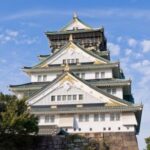
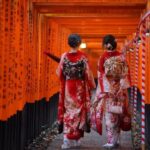
Japan’s big contrasts are packed into this nine-day route: deer wandering through Nara Park, Kyoto’s vermilion shrine gates, a historic post town, and a chance to see Mount Fuji from above the clouds. The trip starts in Osaka and ends in Tokyo, with a guide and coach handling much of the travel between stops.
I like the mix of landmark sights and smaller-scale experiences, especially feeding Nara’s deer and taking a boat ride on Lake Yamanaka. I also like having two free days, one in Osaka and one in Tokyo, so you can choose your own pace instead of following a guide every hour.
The trade-off is that the route covers a lot of ground. Kyoto gets a short visit, the hotel standard can vary despite the four-star label, and the advertised price excludes flights, most meals, and the optional Hiroshima trip. The tour also needs at least 10 people to operate, so confirm your departure before booking flights.
- The useful details at a glance
- A broad route, not a slow one
- Osaka arrival, then Nara’s deer and temples
- Your Osaka day, with Hiroshima as a costly extra
- Kyoto’s famous sights in a half day
- Toyota’s industrial story and Narai-juku’s old streets
- Lake Yamanaka and Mount Fuji, weather permitting
- Tokyo’s shrine, shopping streets, tower, and free day
- What the price includes, and what it doesn’t
- Who should book this Japan tour?
- FAQ
- Does the tour include international flights?
- Are airport transfers included?
- How many people are in the group?
- How many nights are included?
- Is the Hiroshima trip included?
- Which meals are included?
- Is Mount Fuji’s 5th Station guaranteed?
- Are the hotels always the same?
- What is the difference between the Deluxe tour and the standard version?
- The Best Of Osaka!
- More Private Tours in Osaka
- More Tours in Osaka
- More Tour Reviews in Osaka
- Not for you? Here's more nearby things to do in Osaka we have reviewed
The useful details at a glance
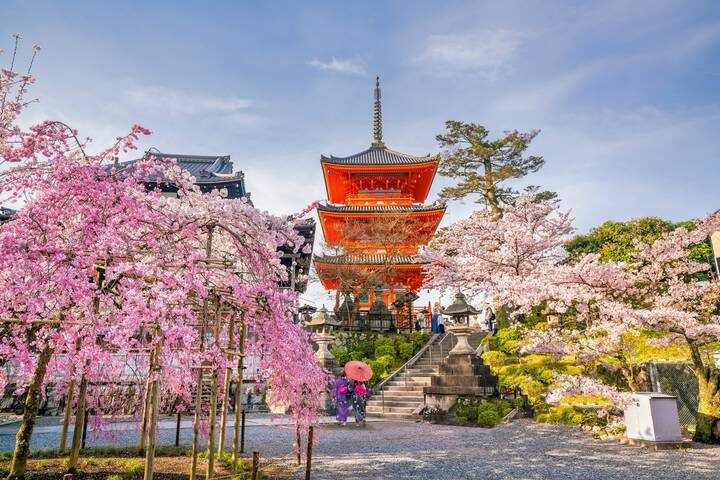
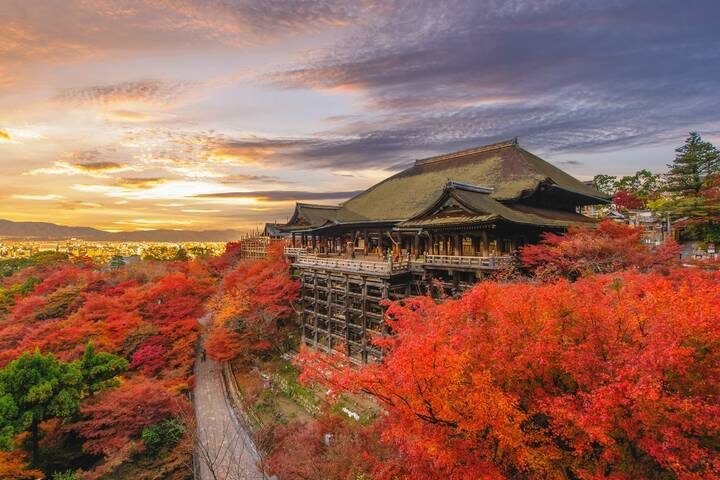
- Nara’s deer and Great Buddha: See Todaiji Temple, whose main hall houses a Buddha statue about 15 meters tall, then visit Kasuga Taisha.
- A sampler of Kyoto: Walk through Fushimi Inari’s torii gates, visit Kinkaku-ji, and see Arashiyama’s bamboo grove and Togetsu-kyo Bridge in a half-day visit.
- A historic post town: Narai-juku offers a change of pace from city sights, with old streets that evoke Japan’s Edo period.
- Fuji views depend on the weather: The route includes a Lake Yamanaka boat ride and a drive to Mount Fuji’s 5th Station, if conditions allow.
- Tokyo with room to roam: One guided city day is followed by a full free day for your own neighborhoods, shops, museums, or meals.
- Check the fine print: Group size is 10 to 25, airport transfers are not included, and Hiroshima costs an extra 54,000 yen per person.

👉 See our pick of the 24 Best Workshops And Classes In Osaka
A broad route, not a slow one
This tour is best understood as a guided introduction to Japan, not a deep visit to each city. You’ll spend eight nights on the road: three in Osaka, one in Nagoya, one in the Nagano or Yamanashi area, and three in Tokyo. The route includes coach journeys between cities and attractions, with breakfasts provided each morning.
That structure saves you the work of arranging several hotel changes and long-distance connections. It also means some days involve substantial time on the bus, and the schedule moves quickly through the major sights. Past visitors have praised the comfortable coaches and drivers, and transport has a strong 4.6 rating out of 5. The guide score is also good at 4.4, though a guide’s style can make a real difference to a tightly timed trip.
The tour is sold as a group experience, not a private tour for your party alone. Expect 10 to 25 people, with a stated minimum of 10 for the departure to run. The operator has said that some departures may not go ahead if too few people book, so get confirmation before paying for international flights.
You can also read our reviews of more private tours in Osaka

Osaka arrival, then Nara’s deer and temples
You arrive at Kansai International Airport, KIX, and make your own way to the first hotel using directions provided. The first night is usually at Star Gate Hotel Kansai or a similar property, described as about one train station from the airport. Check-in in Japan is generally after 3 pm, so plan for some waiting if you arrive early.
This airport-area start is practical for a late arrival, but it is not the same as staying in central Osaka. On Day 2, the group travels to Nara for a half-day visit, then returns to Osaka and changes hotels. The listed hotels can vary, so confirm the actual property and location for your dates rather than assuming every stay will match a sample itinerary.
Nara Park is the kind of place where the main attraction moves around on four legs. Deer roam freely, and you can buy deer crackers, or senbei, for about 150 yen a pack. Bowing with a cracker in hand may prompt a deer to bow back, though it is wise to keep your food secured. Todaiji is the day’s major cultural stop: its Great Buddha and huge wooden hall give the visit real scale. Kasuga Taisha, a shrine with long ties to Nara’s early history and the powerful Fujiwara family, completes the half-day.
After lunch, which you pay for yourself, the group returns to Osaka. The schedule gives you the afternoon and evening to explore independently. That freedom is welcome, but the short Nara visit may leave you wishing for more time among the park paths and temple buildings.
Your Osaka day, with Hiroshima as a costly extra
Day 3 is free in Osaka, which is useful if you want a slower morning or prefer to choose your own sights and meals. If Hiroshima is a priority, an optional guided day trip uses the Shinkansen and includes Miyajima Island, Itsukushima Shrine, the Atomic Bomb Dome, and Peace Memorial Park.
The extra trip costs 54,000 yen per person and must be paid on site. It is a full day with a planned early pickup and a return by bullet train, so budget both money and energy. Hiroshima and Miyajima are substantial destinations in their own right; this add-on offers a quick introduction, rather than a relaxed visit. If you would rather explore Osaka or keep the day open, skip it without feeling you have missed a required part of the tour.
Kyoto’s famous sights in a half day
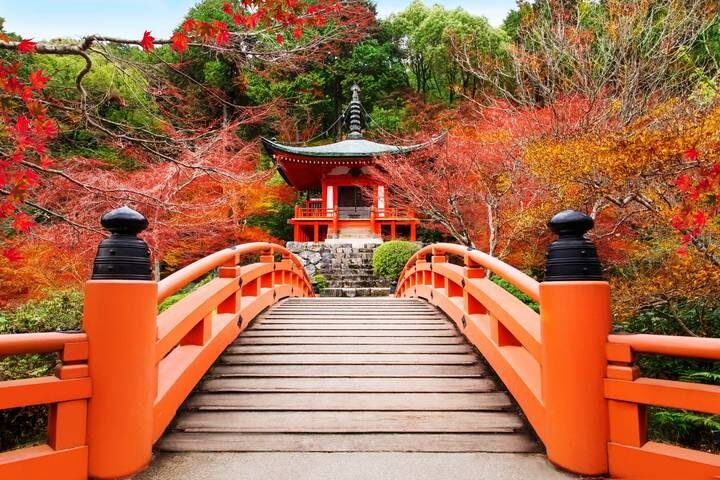
On Day 4, you leave Osaka for Kyoto. Fushimi Inari Shrine is known for its rows of red-orange torii gates climbing into the wooded hills. You’ll have a chance to walk among them, but the amount of trail you can cover depends on the group schedule.
The half-day visit then takes in Kinkaku-ji, the Golden Pavilion, followed by Arashiyama’s bamboo grove and Togetsu-kyo Bridge. These are popular sights and the short timing means you should expect an overview, not an unhurried Kyoto day. Past trip feedback has specifically wished for more time in the city and a visit to old Kyoto. If traditional lanes, smaller temples, and a slower pace are high on your list, consider adding time in Kyoto before or after the tour.
After the sightseeing, you travel to Nagoya for one night. This is a useful stop on the route west to east, though it leaves little time to get to know the city itself.
Toyota’s industrial story and Narai-juku’s old streets
Day 5 begins at the Toyota Commemorative Museum of Industry and Technology. The visit traces the company’s beginnings in a rural Japanese family business and its growth into a major global manufacturer. It gives the itinerary a modern counterpoint to its temples and historic streets, although it may appeal more to some people than others.
Later, the coach continues to Narai-juku, a former post town on an old travel route. Its preserved streets offer a sense of how a Japanese town might have looked centuries ago, and the change from city museums to a smaller historic setting is one of the route’s more appealing shifts. Tsumagoi Village is also listed on the day’s schedule.
You then head to a hotel in Nagano or Yamanashi, with the exact location and property subject to change. This is a long transit day, so treat the hotel as a place to rest rather than a base for exploring a town. The itinerary names a four-star property, but accommodation ratings across the trip are lower than the transport and guide scores. Rooms in Japan can be compact, and past experiences have varied from good stays to properties that felt more basic than expected.




Lake Yamanaka and Mount Fuji, weather permitting
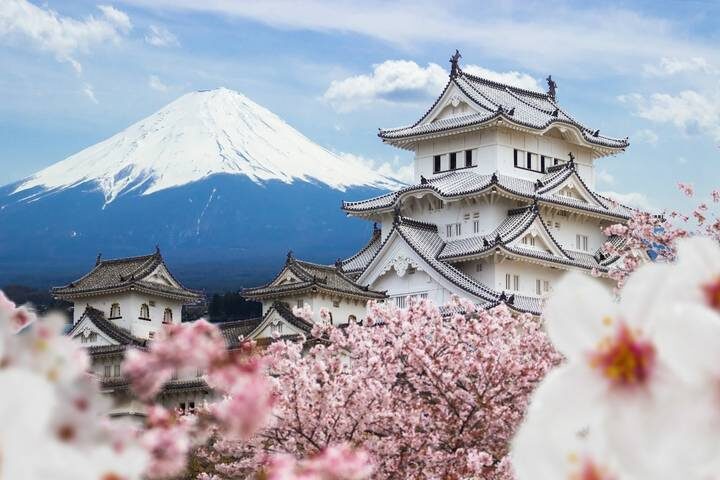
Day 6 brings the tour to Lake Yamanaka, the largest of the Fuji Five Lakes. Swans are common around the lake, which has earned it the nickname Swan Lake, and a scenic boat ride is included. On a clear day, the water and Mount Fuji make a memorable pairing.
The next stop is Mount Fuji’s 5th Station, around 2,300 meters above sea level. It offers high-altitude views of the surrounding area, but the visit depends on weather and road conditions. Cloud can hide the mountain, and the itinerary makes no promise of a clear summit view. Keep expectations flexible, and bring an extra layer if you’re visiting in cool weather.
From there, the coach continues to Tokyo. You’ll have three nights in the capital, usually at a property such as Hotel Villa Fontaine Grand Tokyo Ariake or a similar hotel. The hotel’s exact location matters: some properties used for this route may be away from central neighborhoods, so check transit access and travel time when planning your free day.
Tokyo’s shrine, shopping streets, tower, and free day
The guided Tokyo day starts at Meiji Shrine, a forested Shinto site in the city. The schedule then moves through Omotesando and Takeshita Street, which offer sharply different shopping scenes: polished storefronts in one area and a more youthful, crowded street in the other.
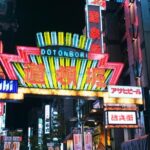
You’ll also visit a traditional Japanese rock garden, though its name is not specified in the tour details. Tokyo Tower admission is included, and the day ends with free time in Shinjuku’s Kabukicho area. That final stop gives you a look at Tokyo’s neon-lit night scene, but the planned hour is brief. The schedule may change with weather or traffic.
Day 8 is entirely free. This is a real advantage: Tokyo is too large to cover in one guided day, and a free day lets you choose whether to revisit a favorite area, see a museum, or spend longer over a meal. The guide’s role is most valuable on the scheduled sightseeing days; don’t assume the tour will organize activities for you during free time.
Past visitors have singled out guides such as Yujin, Yujin’s namesake Yusuke, Silvia, Kenta, and Haruto for their warmth, humor, and help with Japanese history and customs. Those are examples from previous departures, not a promise of who will lead yours. Strong guides have been one of this trip’s most praised features, but individual experiences have varied, including complaints about rushed pacing or limited explanations at some stops.
What the price includes, and what it doesn’t
The starting price is $2,649 per person, based on the cheapest room option. For eight nights, daily breakfasts, a guided sightseeing program, and coach transport between cities, that can be reasonable for someone who values having the route and logistics arranged. The tour’s overall score is 4.3 out of 5 across 29 ratings, with the guide, transport, and operator receiving stronger marks than accommodation.
The price does not include international flights, travel insurance, airport transfers, lunch, dinner, or optional excursions. The Hiroshima day trip alone adds 54,000 yen per person. Tips are not required, but the operator suggests about $150 per person in total for the guide and driver. Add these costs before deciding that the advertised fare fits your budget.
Four-star hotels are the stated difference between this Deluxe version and the standard tour with the same itinerary. Still, a star rating does not guarantee a large room, a central address, or the same quality at every stop. Accommodation has received mixed feedback, and rooms may be small. Ask for the confirmed hotel names and addresses for your departure, especially if location or room comfort matters more to you than the convenience of a coach tour.
Who should book this Japan tour?
Book it if you want a guided first look at several parts of Japan, prefer coach transport and included breakfasts, and are comfortable with a brisk schedule. It can suit families and a broad range of ages, but the low-intensity rating should not be mistaken for a no-walking holiday. Shrine approaches, shopping streets, and sightseeing stops mean you’ll be on your feet, sometimes in heat or humidity.
Think twice if you want long, independent visits in Kyoto, a central Tokyo hotel, or the freedom to linger at each stop. The trip is most useful as a sampler, with a guide to connect the sights and a free day in each of its two largest cities. Confirm that your departure is guaranteed, clarify the hotel list and airport arrangements, then decide whether the convenience is worth the extra costs.
9D Splendid Japan Deluxe-Private 4 Star Hotels by Stunning Tours
“Steve was a great tour guide!!! Very knowledgeable and helpful. It was a great experience.”
FAQ
Does the tour include international flights?
No. Flights are not included. The recommended flight plan is to arrive at Kansai International Airport in Osaka and depart from Haneda or Narita Airport in Tokyo.
Are airport transfers included?
No. Airport transfers are excluded. You receive directions for reaching the first hotel, and the guide provides information about getting to your departure airport.
How many people are in the group?
The group size is listed as 10 to 25 people. The tour needs a minimum of 10 participants to operate.
How many nights are included?
The tour includes eight hotel nights: three in Osaka, one in Nagoya, one in the Nagano or Yamanashi area, and three in Tokyo.
Is the Hiroshima trip included?
No. Hiroshima and Miyajima are an optional day trip from Osaka. It costs 54,000 yen per person and includes Shinkansen travel.
Which meals are included?
Daily breakfasts are included. Lunches and dinners are not included, so budget for meals throughout the trip.
Is Mount Fuji’s 5th Station guaranteed?
No. The visit depends on weather and conditions. Mount Fuji views from Lake Yamanaka also depend on visibility.
Are the hotels always the same?
No. The tour lists named hotels or similar properties, and hotels may vary by departure. Ask for the confirmed hotel names and locations for your dates.
What is the difference between the Deluxe tour and the standard version?
The stated difference is the hotel category. The Deluxe version uses four-star hotels; the standard version follows the same itinerary with three-star hotels.