Tokyo’s food halls and neon streets are a lively start, but this tour’s real strength is how quickly it takes you beyond the capital. In ten days, you’ll ride bullet trains to Kanazawa, Kyoto, Hiroshima and Osaka, with local transport and a group leader helping make the connections easier. I like the mix of planned walks and independent time, and the chance to sleep in a traditional inn in Kanazawa.
I also like the small group size, capped at 16, which can make train travel and shared meals less of a production. The trade-off is that ten days move fast: arrival night and departure day have no scheduled activities, while Japan’s stations, city walks and luggage all demand more energy than the low-intensity label might suggest.
- The highlights at a glance
- A fast route through Japan, with room to roam
- Tokyo starts with street life, not a checklist
- Kanazawa brings a traditional stay and slower streets
- Kyoto rewards choosing, not trying to see everything
- Hiroshima asks for attention, then offers a change of pace
- Osaka closes with neon and a good appetite
- What the price covers, and what you’ll still pay for
- Is this the right Japan tour for you?
- FAQ
- What is included in the tour price?
- How much free time will I have?
- What type of accommodation should I expect?
- Is the Kanazawa onsen stay suitable if I have tattoos?
- How physically demanding is the tour?
- Who can join, and when do the 2026 departures run?
- The Best Of Tokyo!
- More Tours in Tokyo
- More Tour Reviews in Tokyo
- Not for you? Here's more nearby things to do in Tokyo we have reviewed
The highlights at a glance
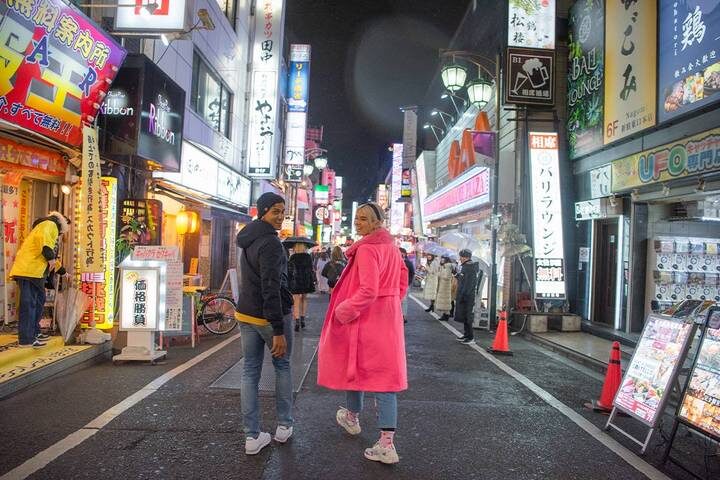
- Shibuya, Harajuku and Meiji Jingu introduce Tokyo through street life, a famous crossing, a food hall and a peaceful shrine.
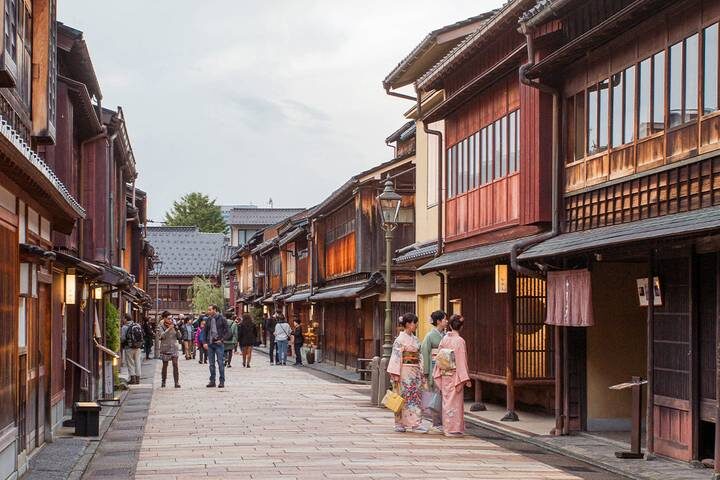
- Kanazawa’s Higashi Chaya district offers a quieter look at traditional teahouse streets, plus the option of a tea ceremony.
- A Kanazawa ryokan stay brings futons, tatami mats and shared onsen bathing, a memorable change from a standard hotel.
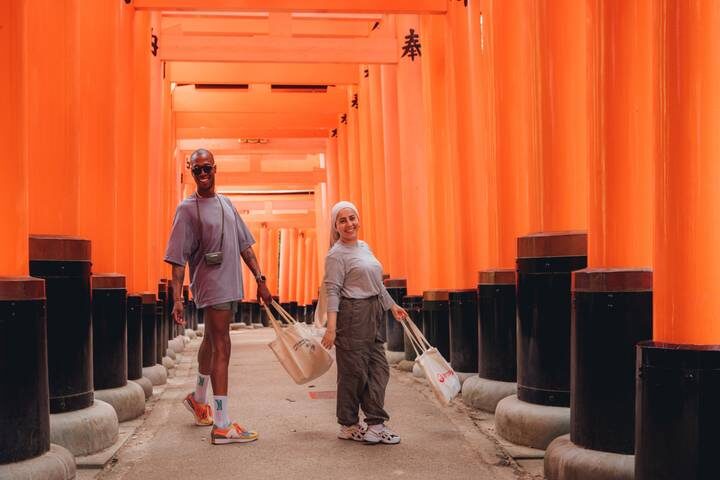
- Kyoto combines craft and sacred sites, from a Kyo-Yuzen dyeing workshop to the red gates of Fushimi Inari.
- Hiroshima and Miyajima balance reflection and fresh air, with the Peace Museum followed by a visit to the island and a Mt Misen hike.
- Osaka ends on a delicious note, with a Dotonbori walk and time to try takoyaki, kushikatsu or conveyor-belt sushi.

👉 See our pick of the 25 Best Guided Tours In Tokyo
A fast route through Japan, with room to roam
This is a city-and-culture trip built around Japan’s rail network. You travel from Tokyo to Kanazawa, Kyoto, Hiroshima and Osaka by train, including bullet trains on several longer legs. In each place, the group leader organizes selected walks and visits, then offers ideas for the hours left open.
That balance is a key part of the appeal. You get help with logistics and local context without being shepherded through every meal or attraction. Past participants have especially valued the guides and the freedom to head off independently. Some praised leaders such as Tomomi, Takumi, Yutaka and Xavier, while one traveler found their guide less organized. Those names are from earlier departures, not a promise about who will lead your 2026 trip. The leader assigned to your departure may be Japanese or a long-term foreign resident in Japan.
The route also makes sensible choices about variety. Tokyo brings scale and pop culture, Kanazawa adds traditional districts, Kyoto has temples and craft, Hiroshima puts history in sharp focus, Miyajima offers a change of pace, and Osaka supplies a lively finish. The cost of covering so much ground is limited time in each stop. Kyoto in particular could fill several more days.
You can also read our reviews of more tours and experiences in Tokyo.


Tokyo starts with street life, not a checklist
Day one begins with a 6 pm welcome meeting, so your first evening is mostly for introductions and an optional group dinner. If you arrive earlier, Sensoji Temple and the Imperial Palace are free options, though the sprawling capital is better approached with one or two priorities than a frantic attempt to see everything. The Avatar Robot Café is another suggested stop, with a social purpose: its servers are operated remotely by people who have difficulty leaving home.
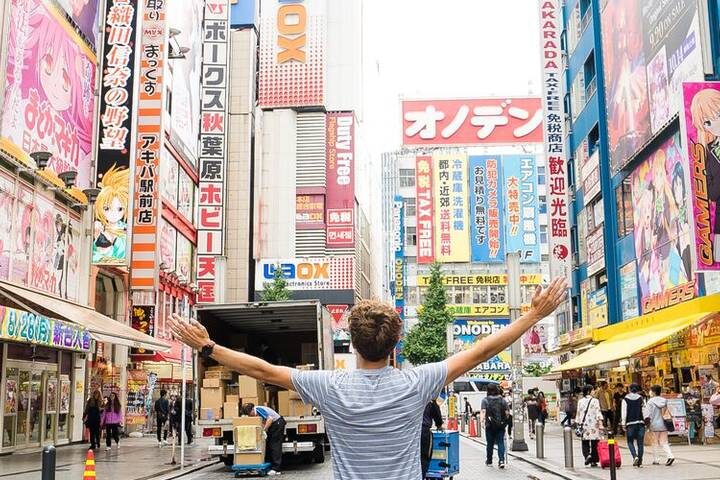
On day two, the group explores Shibuya Crossing and the Hachiko statue, then visits a depachika, the food hall found in a department store basement. These are excellent places to browse beautifully presented food and pick up snacks for later. Yoyogi Park and Meiji Jingu Shrine offer a calmer interlude before the group heads to Harajuku, where you can wander the shops on your own.
The evening is free, which is useful in a city with so many neighborhoods and late-night options. You might try yakitori in Omoide Yokocho, sing karaoke, or plan a separate visit to Tsukiji Outer Market, the free observation deck at the Metropolitan Government Building, or the Ghibli Museum. The museum requires advance booking, and theme parks or paid city tours add considerably to your spending. One full group day gives you a good first look, not a complete Tokyo visit. Consider adding nights before the tour if the capital is high on your list.
Kanazawa brings a traditional stay and slower streets
A bullet train carries the group to Kanazawa on day three. After checking in, you have the afternoon and evening to find your bearings. Kenroku-en, a 17th-century garden, and Kanazawa Castle Park are natural choices; Omicho Market and the Nagamachi Samurai District offer other ways to spend the time. Budget separately for admission where required.
The next morning, a group walk through Higashi Chaya follows narrow streets lined with traditional teahouses. A tea ceremony may be available as an optional extra. It is a good place to slow down and notice the details of old wooden buildings, rather than simply ticking off another famous temple.
Kanazawa also brings one of the trip’s less familiar accommodation styles. The traditional ryokan stay uses futons on tatami floors, and bathing is in a shared, gender-separated onsen rather than Western-style facilities. Public onsen bathing is traditionally done without clothing, and some facilities may refuse entry to people with tattoos. Your leader can explain etiquette and suggest times that may offer more privacy. This can be a special cultural encounter, but it is not the right fit for everyone; if you prefer a private bathroom, hotel-style comfort or a bed, ask about the exact accommodation for your departure before booking.
Kyoto rewards choosing, not trying to see everything
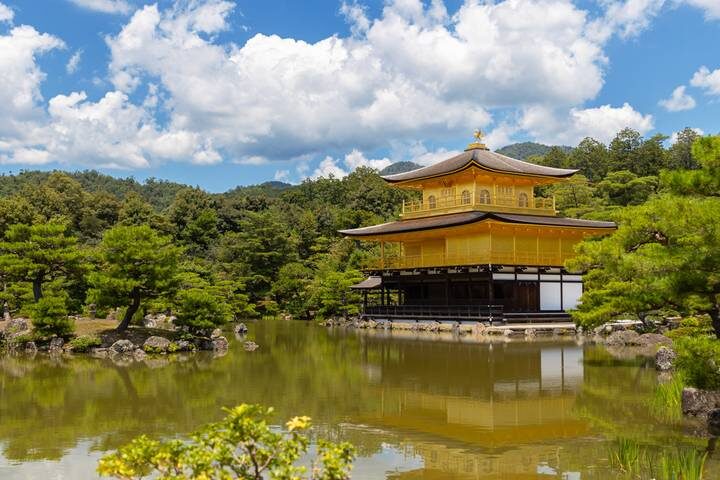
On day five, the train takes you to Kyoto, where the sheer number of temples and shrines makes a plan essential. You might visit Kinkaku-ji, the Golden Pavilion, or Nijo Castle, known for its squeaking floors designed to alert residents to movement. The included early-evening walk through Gion gives you an introduction to the district’s traditional streets and geisha culture. Keep expectations grounded: this is a chance to see the neighborhood, not a guarantee of spotting a geisha.
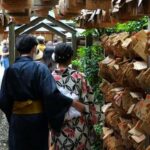
Day six combines a hands-on craft activity with a walk near Fushimi Inari-Taisha. In the Kyo-Yuzen workshop, you use stencils and hand-paint a design on an item such as a handkerchief, phone case or tote bag, depending on what is available. At Fushimi Inari, the wooded paths and rows of red torii gates are the main draw. The group visits the area, but the afternoon is free, leaving you time to cycle, eat around Nishiki Market or choose another temple.
The main limitation is time. One participant on an earlier departure wished for an extra Kyoto night and found the time at several sights tight. That is sound advice: pick a few priorities rather than trying to squeeze in every temple, market and hillside walk. You can ask your leader for help with buses and routes, but Kyoto’s attractions are spread out, so keep travel time in mind.
Hiroshima asks for attention, then offers a change of pace
The bullet train brings you to Hiroshima on day seven. The group visits Peace Park, the A-Bomb Dome and the Peace Museum, which examines the atomic bombing of August 6, 1945, and the pursuit of peace. It is a sobering part of the trip, and the museum deserves time and thought rather than a rushed pass through. The afternoon is free, giving you space to rest or continue exploring.
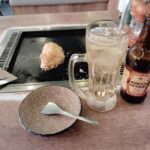
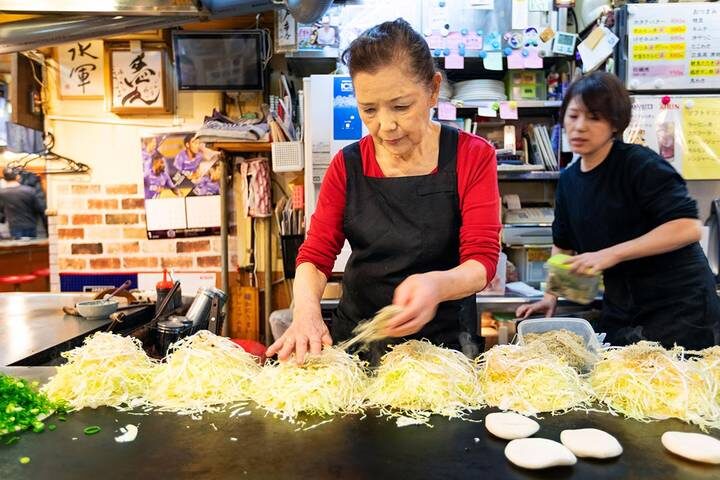
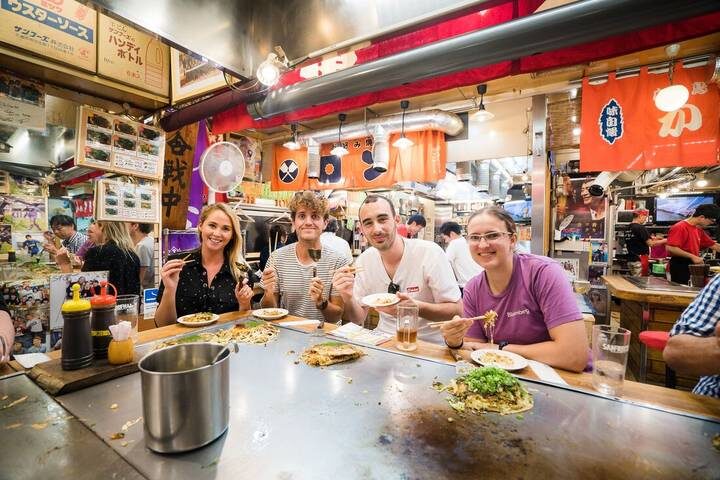
For dinner, Hiroshima’s okonomiyaki is a practical local choice: a savory pancake with cabbage and meat or seafood, cooked on a hotplate. Meals beyond the one included group dinner are generally your own expense, so this is an easy way to make dinner part of the local experience.
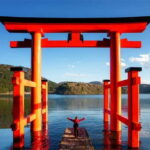
Day eight adds a ferry and local train ride to Miyajima Island. You’ll see the famous torii gate and Itsukushima-jinja Shrine, then hike through the woods toward Mt Misen for views across the Inland Sea. The hike is a meaningful change from city streets, but it makes comfortable shoes important. Deer roam the island and may follow people carrying food, so keep snacks packed away. The shrine has a separate admission fee, and the evening back in Hiroshima is free.

Osaka closes with neon and a good appetite
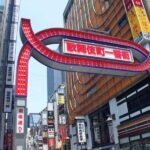
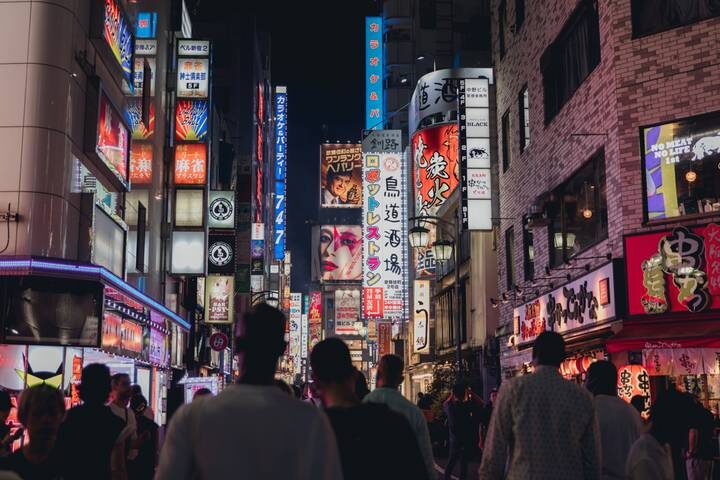
On day nine, another bullet train takes you to Osaka. A leader-led walk through Dotonbori introduces a district of shops, restaurants and bright signs, especially striking after dark. If time permits, you may also visit Shinsekai and see Tsutenkaku Tower, though that extra stop is not guaranteed.
Osaka’s food is a fitting finale. Try takoyaki, grilled octopus balls, or kushikatsu, deep-fried skewers. Conveyor-belt sushi is another option, and Osaka is credited with the first kaiten-zushi restaurants. Food costs are mostly on your own, so sampling a few small dishes can be more rewarding than committing to one large meal.
Day ten has no organized activities, and you can leave after checkout. That makes the trip eight full days of sightseeing, plus an arrival evening and departure morning. If you want more time for Osaka Castle, Universal Studios, Spa World or the city’s neighborhoods, arrange an extra night ahead of time. The same goes for Tokyo: the tour gives you an introduction, not a full city stay.
What the price covers, and what you’ll still pay for
The listed starting price is $1,750, with a $400 deposit and the balance due 60 days before departure. Flights and travel insurance are not included. The tour includes nine nights of accommodation, transport by public bus, metro, train and bullet train, a group leader, the scheduled visits and one dinner. Most meals, optional activities and transport to and from activities you choose independently need their own budget.
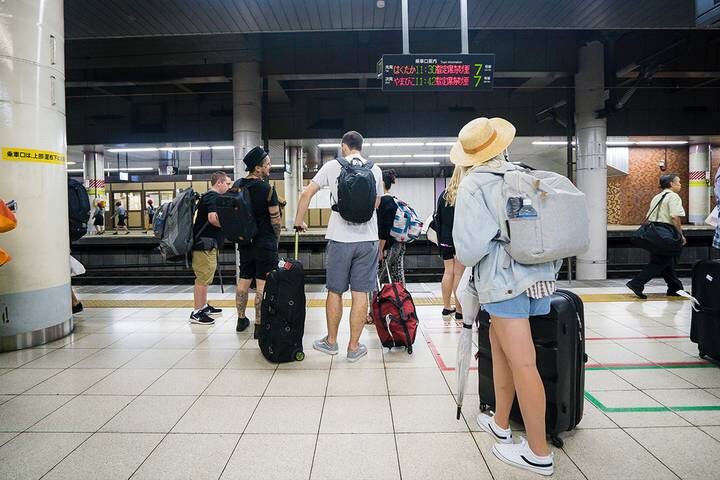
Accommodation is functional rather than luxurious. The stated mix includes multishare hostel, pod hostel and family-owned guesthouse stays, while Kanazawa includes a traditional ryokan or minshuku-style stay. Room arrangements can vary, and same-booking companions may be split between single-gender dorm rooms. Japanese-style inns may have futons on tatami, small bathrooms, shared bathing facilities and curfews. Pack light: you will handle your own luggage through busy stations, and there may be stairs or crowded platforms.
For the price, the value is in the long-distance transport, local leader, small group and the effort of linking several major destinations without planning every train and meeting point yourself. It is less of a bargain if you expect private rooms, most meals included or guided commentary at every attraction. Admission costs are often modest, but optional activities and extra nights can add up. Departure months are October, November and December 2026, and the tour is for ages 18 to 35.
Is this the right Japan tour for you?
Book this trip if you are 18 to 35, comfortable sharing accommodation, and want a social introduction to Japan with a mix of organized sightseeing and time on your own. It suits independent-minded people who would appreciate help navigating trains, city transport and cultural etiquette, but do not want every hour scheduled.
Think twice if you need a private bathroom, dislike communal bathing, have difficulty sleeping on a floor-level futon, or want a slow, in-depth stay in Kyoto or Tokyo. You will walk a lot, manage your own luggage, and have to choose among many tempting sights. If that sounds like a fair trade for a compact route, the trip offers a well-rounded first taste of Japan. Add nights at either end if you can, and pack comfortable shoes.
18 to 35s Essential Japan by Intrepid Travel – 10-Day Tokyo to Osaka Tour (2026 Departures)
“Loved our guide Benjamin, itinery was great as per price, had heaps of fun and created hundreds of memories, would love to go again to Japan”
FAQ
What is included in the tour price?
The tour includes nine nights of accommodation, an English-speaking group leader, listed group activities, transport by public bus, metro, train and bullet train, and one dinner. Flights, travel insurance, most meals, optional activities and extra nights are not included.
How much free time will I have?
There is free time in Tokyo, Kanazawa, Kyoto and Hiroshima, including open afternoons and evenings. Day one begins with a 6 pm meeting, and day ten has no organized activities. The leader can suggest things to do, but you plan and pay for optional outings.
What type of accommodation should I expect?
The trip uses multishare hostels, pod-hostel accommodation and family-owned guesthouses, with a traditional ryokan or minshuku-style stay in Kanazawa. Some rooms use futons on tatami, and bathrooms or bathing facilities may be shared. Same-booking companions may be assigned to separate single-gender dorm rooms.
Is the Kanazawa onsen stay suitable if I have tattoos?
Some public onsens may not permit entry to people with tattoos. Private onsens may be available, and your leader can offer guidance about local facilities and etiquette. Ask about the specific accommodation and bathing options before you book if this is a concern.
How physically demanding is the tour?
It is rated low intensity, but you should be prepared to spend much of the day on your feet, carry your own luggage through stations and walk in cities. The Miyajima visit includes a hike toward Mt Misen. Comfortable shoes and light packing are recommended.
Who can join, and when do the 2026 departures run?
The group is for people aged 18 to 35, with a stated group size of 1 to 16. Departures are offered in October, November and December 2026, and the tour is guided in English.