Sashiko turns a simple running stitch into a pattern, and this small Osaka workshop gives you time to try it yourself. You’ll learn the basic technique, hear about its place in Japanese craft, and work on a fabric sample you can take home.
I like two things in particular: the patient, English-speaking instruction makes the craft approachable for beginners, and the chance to see the studio’s hand-dyed threads and indigo setup adds context beyond the stitching. The pace is relaxed, so you can ask questions and work carefully rather than race to finish.
The main consideration is that this is a focused craft class, not a broad tour of Osaka or a full-day lesson in dyeing. At $66.39, it makes most sense if you want a hands-on cultural activity and will value the time, instruction, and materials as much as the finished piece.
- Make a geometric sashiko sample: Learn a traditional stitching technique through a practical, hands-on project.
- Get patient English-language help: Instructors including Jun, Haru, Miya, and Keke are named in connection with classes.
- See craft materials up close: The studio sells hand-dyed threads, kits, clothing, and original goods. Some sessions also include a look at the indigo-dye setup.
- Allow two hours: It’s a calm, compact activity that can fit into a morning or afternoon.
- Walk from Kyobashi Station: The meeting point is about five minutes on foot from the station’s south exit.
- Plan for age 11 and up: Participants must be at least 11 years old.
- A small stitch with a lot of character
- The studio near Kyobashi Station
- Two hours of stitching, at a human pace
- Instructors who make beginners feel at ease
- Indigo, threads, and the value of the visit
- Who should book this sashiko class?
- What to know before you book
- Should you book it?
- FAQ
- How long does the sashiko workshop last?
- Where does the workshop meet?
- How do I get to the meeting point?
- Is the workshop suitable for beginners?
- What is included in the price?
- What age can take part?
- Can I cancel for a refund?
- The Best Of Osaka!
- More Workshops & Classes in Osaka
- More Tours in Osaka
- More Tour Reviews in Osaka
- Not for you? Here's more nearby things to do in Osaka we have reviewed
A small stitch with a lot of character
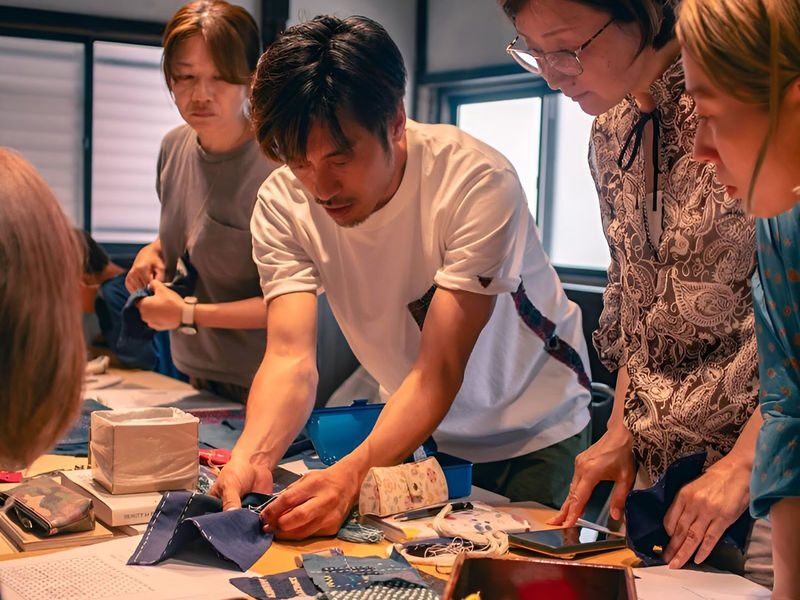
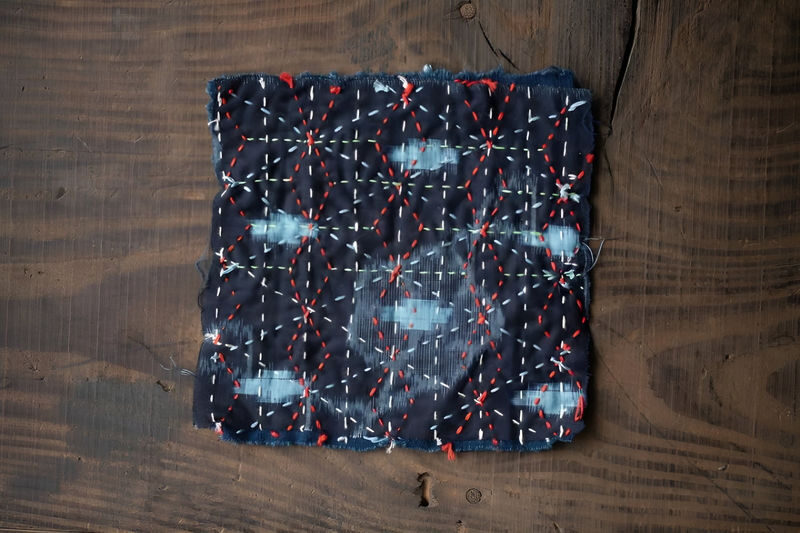
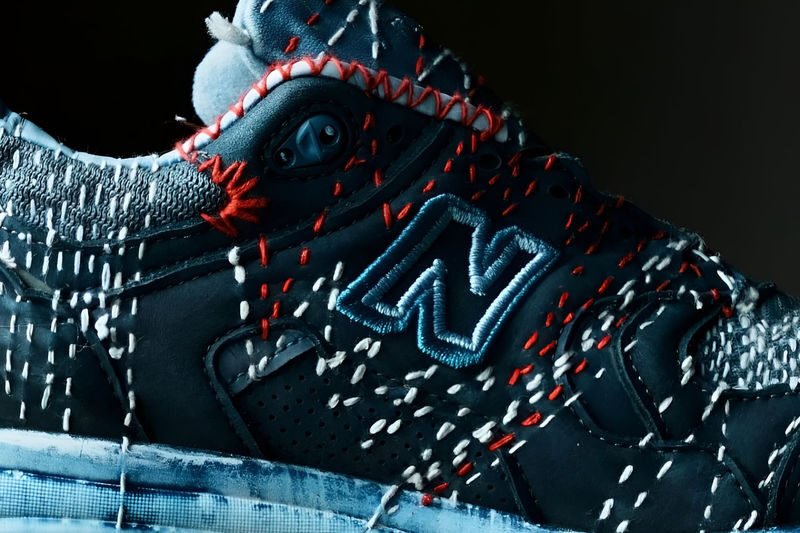
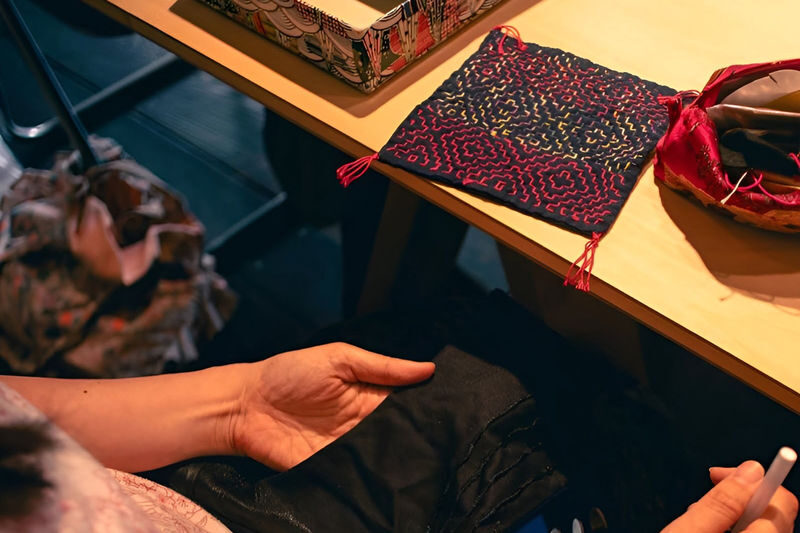
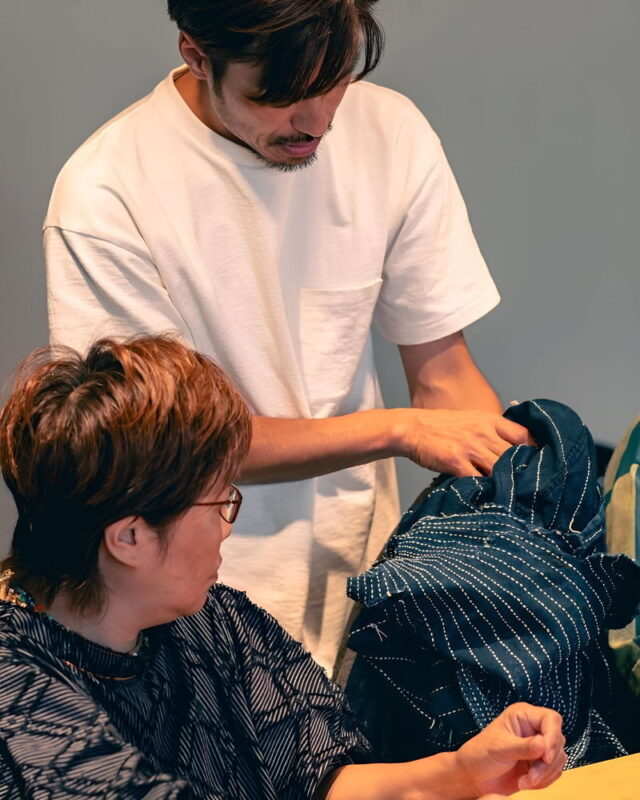
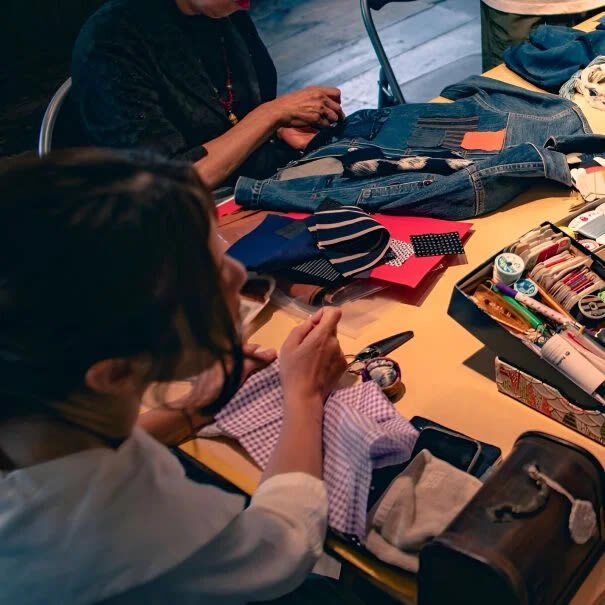

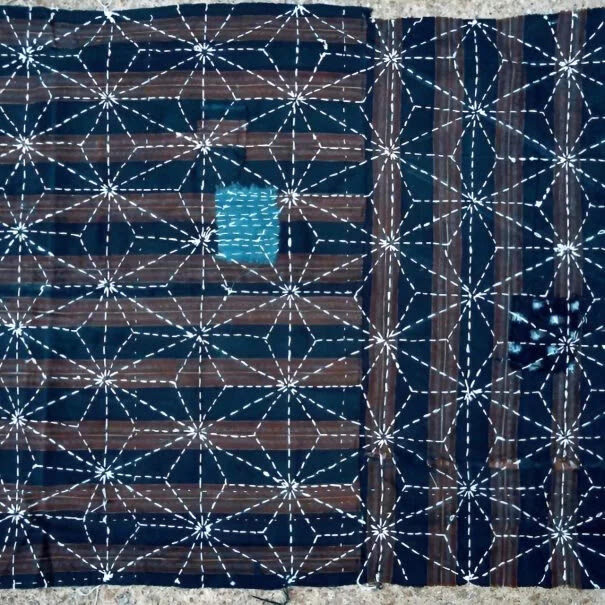
Sashiko is a traditional Japanese handcraft built around stitching patterns into fabric. In this class, you’ll learn to make geometric designs by hand, using the stitch itself as both a practical skill and a way to create a pleasing pattern. The result is a sample that reflects your own work, not a factory-made souvenir.
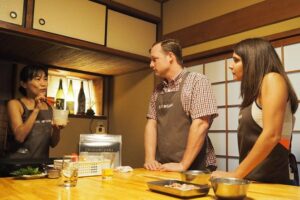
The class is especially appealing if you want to understand how a craft is made, rather than simply watch a demonstration. You’ll have needle, thread, and fabric in front of you, and the instructor can show you the process step by step. A few customers have made a coaster-style sample, though the exact project may depend on the session.
The lesson also gives you a starting point for thinking about sashiko beyond decoration. Instructors have discussed the craft’s history and its connections with boro and wabi-sabi, ideas that give the patterns a wider cultural frame. You don’t need prior knowledge to follow along. The explanations help you understand what you’re making without requiring a lecture before you can pick up a needle.
👉 See our pick of the 24 Best Workshops And Classes In Osaka
The studio near Kyobashi Station
The workshop takes place at 1-chome-4-18 Shigita in Joto Ward, Osaka. It is about a five-minute walk from the south exit of Kyobashi Station, a useful detail when planning your route. The precise meeting time is confirmed after booking, and you should arrive five minutes early.
The address is in a quieter part of the city rather than a major sightseeing square. One person described the occasional passing train as part of the studio’s calm atmosphere. That detail captures the feel of the activity: this is a local craft stop where you can pause for a couple of hours, not a high-energy attraction with a packed schedule.
There is also a small shopping corner beside the workshop space. It carries JunAle original goods, sewing kits, hand-dyed threads, and clothing. If you are tempted to continue sashiko at home, browsing the supplies can be useful. Cash discounts are available, though purchases are personal expenses and are not included in the workshop price.
A cafe called comecoLABO is next to the storefront, so you might pair the class with a coffee or a meal before or after. That can make the trip feel like a pleasant neighborhood stop, but food and drink are not part of the workshop.
You can also read our reviews of more tours and experiences in Osaka



Two hours of stitching, at a human pace
The activity lasts two hours. The schedule may vary depending on whether you book a morning or afternoon session, and the listed return window ranges from noon to 5:30 p.m. The key point is to use the time confirmed for your booking rather than assume every class starts or finishes at the same hour.
You begin at the workshop and move into the sashiko lesson. Expect a hands-on introduction to the materials and technique, followed by time to work on your own patterned sample. The pace is intentionally measured. That gives you room to get used to the stitches, ask for help, and make corrections as you go.
If you’re a beginner, that time matters. Sashiko may look simple from across the table, but steady stitching takes concentration. You don’t need to arrive with sewing experience, and the lesson is designed for all skill levels. Instructors have helped people who felt clumsy or slow finish their pieces. You can work at your own speed rather than compare your sample with the person beside you.
People who already sew or craft may find the project straightforward, but the class still offers a chance to learn a traditional technique and ask about materials. The session is not presented as an advanced course, so experienced stitchers should book for the cultural context, instruction, and quiet making time rather than expect specialist training.
Instructors who make beginners feel at ease
The instructor is a central part of this experience. Jun is named often, alongside instructors such as Haru, Miya, Keke, Nene, and Hisayuki. The available English-speaking guide and English-speaking staff help make the activity workable for international visitors, while the specific instructor may vary by session.
The teaching style described across the classes is patient and encouraging. That is more than a nice extra in a craft lesson. If your thread tangles or your stitches wander, you need someone who can show you the next step without taking the work out of your hands. The instruction is meant to help you complete the piece yourself, with support when you get stuck.
Some sessions may be small, and one participant had a one-person class. Group size is not specified, so don’t book expecting a private lesson. Still, the relaxed format leaves room for conversation and questions. The activity can also be a gentle way to meet other people while doing something with your hands.
Indigo, threads, and the value of the visit
One of the more distinctive extras is a look at the studio’s dye work. Some participants have seen the indigo vats or the setup used for dyeing, and the thread itself may be dyed on site. This is not listed as a separate dyeing lesson, so treat it as a possible glimpse into the making process rather than a guaranteed part of every booking.
That small window into the workshop’s materials can change how you see the finished sample. Thread and fabric are not just supplies; their color and feel are part of the craft. If you’re interested in textiles, you may find the studio’s dyed goods as compelling as the stitching itself. You can also buy thread or a kit if you want to practice after the class.
At a starting price of $66.39, this is not a bargain-basement activity. But the fee includes the English-language instruction and the necessary equipment, and you spend two hours learning by doing. The value is strongest if you want an instructor-led introduction, a handmade keepsake, and a chance to see a working craft setting. It is less compelling if you mainly want a quick demonstration or a long, advanced course.
The nearby shop gives you a chance to browse, but keep purchases separate in your budget. Personal expenses are not included. Cash discounts are available on shop items, which may be useful if you plan to buy supplies.
Who should book this sashiko class?
This workshop suits curious beginners, craft fans, and anyone looking for a quieter activity between Osaka’s bigger attractions. It can be a good choice for a first afternoon in the city: the class offers a clear activity, a finished sample, and a chance to learn about a Japanese handcraft without committing a whole day.
It also works for someone who wants to take a practical skill home. The lesson can give you enough of a foundation to continue practicing, though one two-hour session is an introduction, not mastery. If you hope to mend clothing later, the technique may spark ideas, but the class is centered on making a sample rather than completing a garment repair.
Families should note the minimum age of 11. The quiet, careful nature of stitching may appeal to older children who enjoy hands-on projects, but it is not set up for younger participants. The session is also a better fit for people who can sit and concentrate for a while than for anyone looking for a lively group activity.





What to know before you book
The meeting point is 1-chome-4-18 Shigita, Joto Ward, Osaka, postal code 536-0015. The address is also written in Japanese as 大阪府大阪市城東区新喜多1丁目4-18. Allow about five minutes to walk from the south exit of Kyobashi Station, and arrive five minutes before the scheduled start.
You receive confirmation within minutes after booking. If it does not arrive, contact customer support. The mobile voucher is valid only for the date and time specified, so check those details before setting your day’s plans. A full refund is available if you cancel at least 24 hours before the activity date, using local time at the destination.
The overall rating is 5.0 out of 5 from 26 ratings. That is a strong signal of satisfaction, though it is still a small pool of feedback. The most consistent strengths are the instructors’ patience, the calm pace, clear explanations, and the chance to leave with a piece you made yourself.
Should you book it?
Book this workshop if you want more than a souvenir shop visit and enjoy learning through your hands. The combination of a patient English-speaking instructor, a simple sashiko project, and a look at the studio’s materials makes it a thoughtful way to spend two hours in Osaka.
Skip it if you want a full-day cultural program, a guaranteed indigo-dyeing lesson, or an advanced course in textile work. For everyone else, especially beginners and curious makers, it offers a useful, personal introduction to sashiko at a pace that leaves room to enjoy the process.
Japanese Stitching Sashiko Workshop Experience in Osaka
“This was such a wonderful experience with our guide Keke who took us through the history and process behind Sashiko. A nice slow paced morning to s…”
FAQ
How long does the sashiko workshop last?
The workshop lasts two hours. The exact start and end time depends on whether you join a morning or afternoon session.
Where does the workshop meet?
It meets at 1-chome-4-18 Shigita, Joto Ward, Osaka, 536-0015, Japan.
How do I get to the meeting point?
The workshop is about a five-minute walk from the south exit of Kyobashi Station. Arrive five minutes before your scheduled activity time.
Is the workshop suitable for beginners?
Yes. It is designed for beginners as well as people with craft experience, and all necessary equipment is provided.
What is included in the price?
The package includes the workshop, an English-speaking guide, English-speaking staff, and the necessary equipment. Personal expenses are not included.
What age can take part?
Participants must be at least 11 years old.
Can I cancel for a refund?
You can receive a full refund if you cancel at least 24 hours before the activity date, using local time at the destination.