Osaka Science Museum makes science its main event, with a focus on space and energy. You can choose a planetarium session or admission to the exhibition area, so the best ticket depends on whether you want a guided show about stars or a self-paced visit among displays.
I like the low starting price and the chance to spend time with ideas that appeal to both adults and children. I also like that the two ticket options let you choose a specific kind of visit instead of paying for an attraction you may not use.
One consideration: language matters here. The planetarium show is in Japanese, and the exhibition displays have limited English text, though QR codes can provide English descriptions. If you need English narration, plan accordingly.
- Key points to know before you go
- A science museum in central Nakanoshima
- The planetarium: a 45-minute show about the sky
- The exhibition area: take your time with the displays
- Choosing between the two ticket options
- Timing your visit and getting through the door
- Is the starting price good value?
- Who will enjoy this museum most?
- Should you book the Osaka Science Museum?
- FAQ
- How much does an Osaka Science Museum ticket cost?
- What are the museum’s opening hours?
- How long is a planetarium session?
- Is the planetarium show in English?
- Can I get English information in the exhibition area?
- Can I enter the planetarium after the show starts?
- The Best Of Osaka!
- More Tickets in Osaka
- More Tours in Osaka
- More Tour Reviews in Osaka
- Not for you? Here's more nearby things to do in Osaka we have reviewed
Key points to know before you go
 1 / 6
 2 / 6
 3 / 6
 4 / 6
 5 / 6
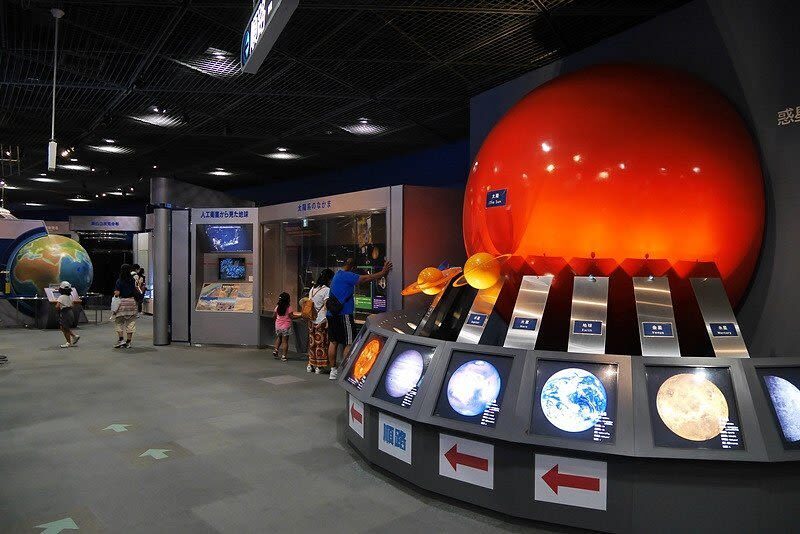 6 / 6
- Two ticket choices: Book the planetarium or the exhibition area. The package details differ, so check which admission you are selecting.
- A 45-minute planetarium session: Shows run for about 45 minutes, with up to 250 people per session. Seating is first-come, first-served.
- English help for exhibits: Display text is limited, but scanning QR codes can bring up English descriptions.
- Strict show etiquette: Once a planetarium projection starts, late entry is not allowed. If you cannot remain quiet, staff may ask you to leave.
- A short museum visit can work: The planetarium session alone takes about 45 minutes. Exhibition time is not specified, so allow extra time if you want to read and scan displays.
- Check the day’s schedule: Standard hours are 9:30 a.m. to 5 p.m., with last entry at 4:30 p.m. The planetarium’s final regular show is listed at 4 p.m.

👉 See our pick of the 24 Best Workshops And Classes In Osaka
A science museum in central Nakanoshima
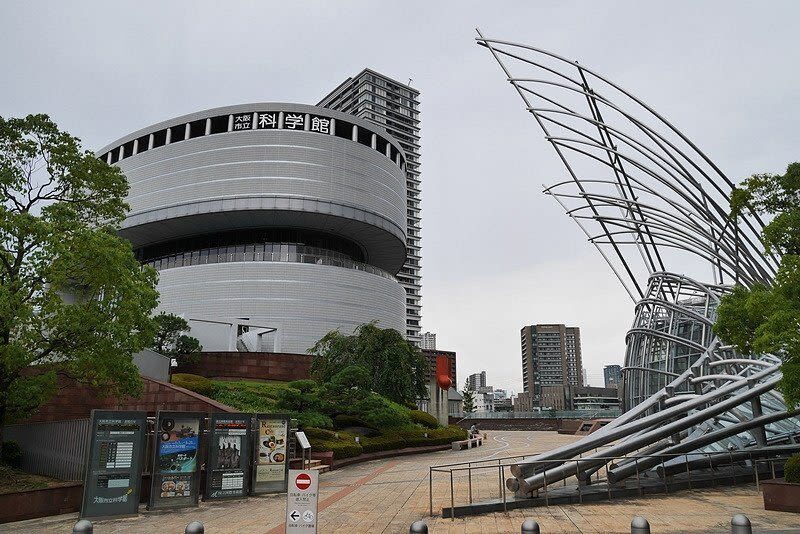
The museum sits at 4-2-1 Nakanoshima in Osaka’s Kita Ward, surrounded by tall office buildings. Its setting is urban and practical rather than scenic: this is a place to spend time with science, not a viewpoint or a stroll through historic streets.
The museum’s theme, space and energy, gives the visit a clear focus. That can make it a useful stop if you want an indoor activity that works for a range of ages, or if you are curious about the stars and the workings of the universe.
There are two ways to shape your visit. The planetarium ticket centers on a scheduled presentation, while the exhibition-area ticket gives you access to the displays. The options should not be treated as interchangeable: choose according to your interests, your comfort with Japanese, and how much time you have.
You can also read our reviews of more tours and experiences in Osaka


The planetarium: a 45-minute show about the sky
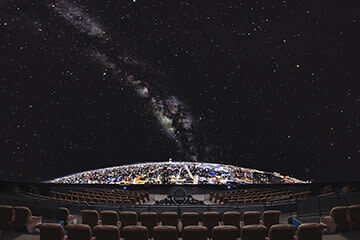
The planetarium is the more structured choice. A session lasts about 45 minutes, and the seating capacity is 250 people. Admission follows a first-come, first-served system, so a ticket does not mean you can arrive at the last moment and expect to enter any session you like.
The presentation can cover how stars work and how galaxies form. That subject matter is a good fit if you enjoy explanations that connect the night sky to the science behind it. One visitor found the material on stars and galaxy formation informative, which points to the show’s appeal for people who want more than a sequence of pretty images.
The main limit is language. The show is in Japanese, and there is no English explanation during the projection, so you may find it hard to follow the scientific details if you do not understand Japanese. You might still enjoy watching the sky presentation, but book with realistic expectations: the content is not described as an English-language show.
Planetarium rules are firm. You cannot enter after the projection has started, and anyone unable to sit quietly may be asked to leave. Children under two must sit on a guardian’s lap, and children in third grade or younger need to be accompanied by someone in fourth grade or older, preferably an adult.
This is not the right pick if you want a lively, hands-on children’s show with room to talk or move around. It is better for a child who can sit quietly through a presentation, or for an adult who wants to hear a structured explanation of the cosmos.
The exhibition area: take your time with the displays
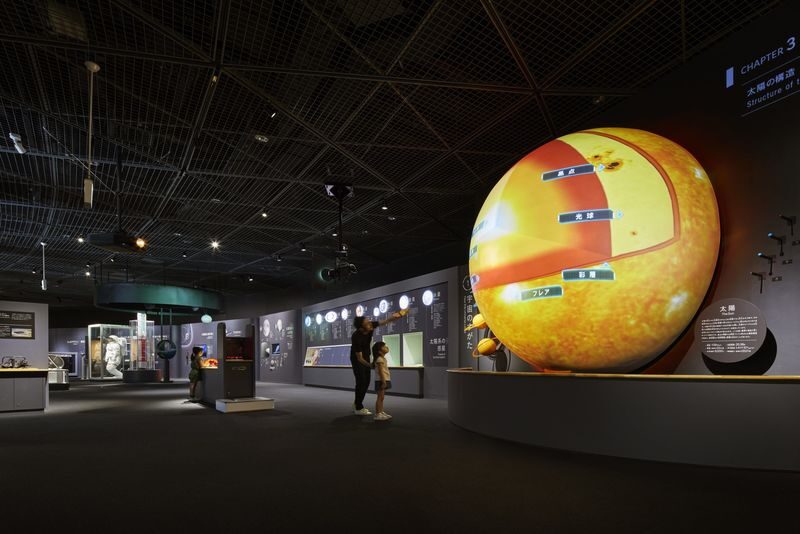
The exhibition ticket is a better choice if you want to move at your own pace. You can pause at the displays that catch your attention and spend less time on those that do not. That freedom is useful with children, or when you want a shorter, more flexible museum visit.
English access takes a little effort. The displays have limited written explanation, but QR codes can be scanned for English descriptions. Bring a phone that can scan QR codes, and expect to use it as part of the visit. That extra step can make exhibits easier to understand, though it is less convenient than having English text beside each display.
The exhibition-area ticket does not include a stated visit length in the details provided. Your actual time will depend on how many displays you stop for and how much you read. If you are comparing it with the planetarium, remember that the show has a defined 45-minute duration; the exhibit visit is more open-ended.
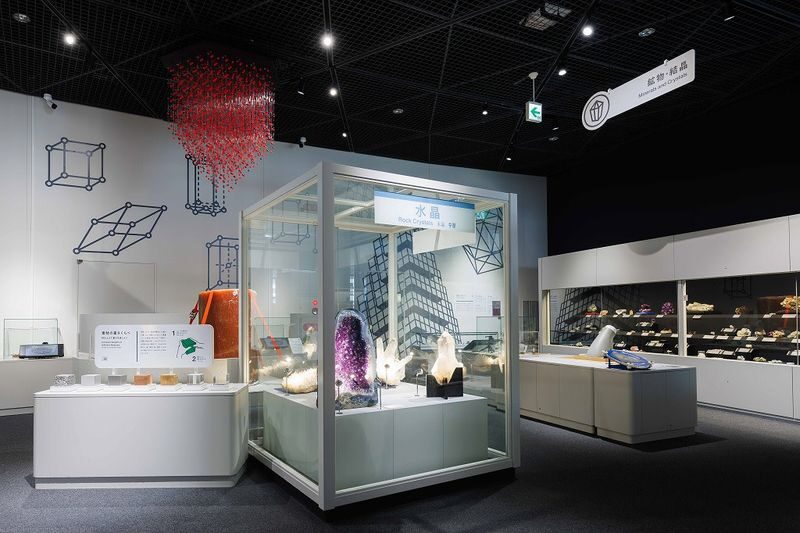
The museum’s science theme gives the exhibition area a broad appeal, but the available details do not name specific displays or demonstrations. I would not book expecting a particular experiment or hands-on activity without confirming it directly. Think of this as a science museum visit with exhibits to explore, rather than a promised set of named attractions.
Choosing between the two ticket options
Pick the planetarium if the stars and galaxies are your main draw, you can follow Japanese, or you are happy to watch the projection without understanding every spoken detail. Its fixed session length makes it easier to fit into a day, but the start time and no-late-entry rule mean you need to plan carefully.
Choose the exhibition area if you want a looser schedule, prefer to explore at your own pace, or would rather use QR codes for English descriptions than sit through a Japanese-language presentation. It may also suit families better if children are not ready to stay quiet for a full show, though the exhibits’ limited English text still calls for some preparation.
If both sound worthwhile, check whether the booking choices allow you to purchase both separately and confirm the terms before paying. The listed package options are planetarium admission and exhibition-area admission; the details do not say that one ticket includes the other.
Timing your visit and getting through the door
The stated opening hours are 9:30 a.m. to 5 p.m., with last entry at 4:30 p.m. The schedule also lists Tuesday through Sunday, so check the museum’s calendar for your chosen date before setting out. The final regular planetarium show is listed at 4 p.m., which means arriving close to last entry will not work if the planetarium is your goal.
On Saturdays, Sundays, and public holidays, a Curator’s Special show is listed from 5 p.m. The same schedule says the exhibition hall closes at 5 p.m. and the museum closes as soon as that planetarium show ends at 5 p.m. Since this special timing differs from the regular schedule, verify the show details for your date rather than assuming it runs every weekend.
For a planetarium session, arrive early enough to check in and get a seat before the projection begins. The session capacity is 250, and places are first-come, first-served. A late arrival is not merely inconvenient: once the projection starts, entry is not permitted.
Admission is redeemed with a mobile voucher. The voucher is valid only for the date selected, and the ticket is non-refundable and non-exchangeable. Treat the date and ticket type as decisions to confirm before booking, not details you can casually change later.
You can also read our reviews of more museum experiences in Osaka



Is the starting price good value?
With prices from $2.80, this is an inexpensive way to add a science-focused stop to an Osaka itinerary. The value is strongest if you choose the ticket that matches your interests: a timed planetarium presentation or a self-paced visit to the exhibition area.
The low starting price should not be mistaken for a promise that every option costs the same. The listed ticket choices are separate packages, and the price may depend on which one you select. Check the final amount and what it includes before checkout.
Language affects value as much as price. If you understand Japanese, the planetarium may offer a more complete experience. If you do not, you may still appreciate the projection, but the spoken science may be difficult to follow. In the exhibition area, QR codes offer an English workaround, though scanning them takes more effort than reading translated labels in place.
For a short visit, the planetarium’s 45-minute runtime makes it easy to assess how much time you are buying. For the exhibition area, the visit length is not specified, so its value depends on your pace and curiosity. Either option can be worthwhile at a modest price, but neither is ideal if you expect extensive English interpretation without extra effort.
Who will enjoy this museum most?
This is a good match for adults and children who are curious about science, especially space. The planetarium suits people who enjoy a quiet, seated presentation and can follow Japanese or are content to watch without full language access.
The exhibition area suits visitors who like exploring at their own pace and do not mind using QR codes to read English descriptions. Families may find it easier to adapt the time spent in the exhibits than to manage a child through a quiet 45-minute projection.
It is less suitable if you need an English-language planetarium presentation, want a guaranteed hands-on activity, or expect to arrive just before a show and walk straight in. The museum can still fit into a broader day in Osaka, but it rewards a little planning.
Should you book the Osaka Science Museum?
Book it if the space-and-energy theme interests you, the modest starting price fits your plans, and you are comfortable with the language limits. Decide first whether you want the structured planetarium show or the more flexible exhibition area, then check the schedule and arrive early if you choose the show.
Skip the planetarium if Japanese narration would leave you frustrated, or if your children cannot sit quietly through a projection. The exhibition ticket is the safer choice for a flexible visit, especially if you are willing to scan QR codes for English explanations. For a budget-friendly indoor stop with a clear science focus, this is a sensible pick, as long as you know what the ticket does and does not provide.
Osaka Science Museum Ticket
“There were detailed explanations about how stars work and how they form galaxies, which was very informative. I had a great time.”
FAQ
How much does an Osaka Science Museum ticket cost?
Prices start at $2.80. The final price may depend on whether you select the planetarium or exhibition-area ticket.
What are the museum’s opening hours?
The stated hours are 9:30 a.m. to 5 p.m., with last entry at 4:30 p.m. The schedule lists Tuesday through Sunday. Check the hours for your chosen date before visiting.
How long is a planetarium session?
A planetarium session lasts about 45 minutes. Each session has capacity for 250 people, with seating on a first-come, first-served basis.
Is the planetarium show in English?
The show is presented in Japanese. English narration is not provided during the planetarium presentation.
Can I get English information in the exhibition area?
The displays have limited written explanation, but QR codes can be scanned for English descriptions.
Can I enter the planetarium after the show starts?
No. Entry is not permitted once the projection has started. The ticket is also valid only for the selected date and is non-refundable and non-exchangeable.