Pikachu made from lunch is the cheerful idea at the heart of this Osaka class. In 2.5 hours, you’ll learn some Japanese cooking basics, prepare food for a bento and use it to make a character of your choice. The class is taught in English, and the finished box is yours to eat.
I like two things here: you get both a hands-on introduction to Japanese comfort food and a playful lesson in kyaraben, the art of character-themed bento. I also like that the host provides ingredients, utensils, recipes and souvenirs, so you can focus on cooking rather than shopping for supplies.
One consideration: this is a shared-building kitchen, where running, shouting and other loud behavior are not allowed. That matters if you’re bringing young children who find it hard to keep their voices down. The class is family-friendly, but it calls for a calm, cooperative mood.
- What to know before you book
- A character lunch, made by hand
- From cooking basics to kyaraben
- The bento is lunch, not just a souvenir
- Finding the class near Matsuyamachi Station
- What the price covers
- Who will get the most from it
- Should you book the Osaka Character Bento Class?
- FAQ
- How long is the Osaka Character Bento Class?
- Where do I meet the host?
- What is included in the class?
- Can children join the class?
- Can the class accommodate dietary requirements?
- Is the class accessible by wheelchair or stroller?
- What happens if I’m late?
- The Best Of Osaka!
- More Workshops & Classes in Osaka
- More Tours in Osaka
- More Tour Reviews in Osaka
- Not for you? Here's more nearby things to do in Osaka we have reviewed
What to know before you book
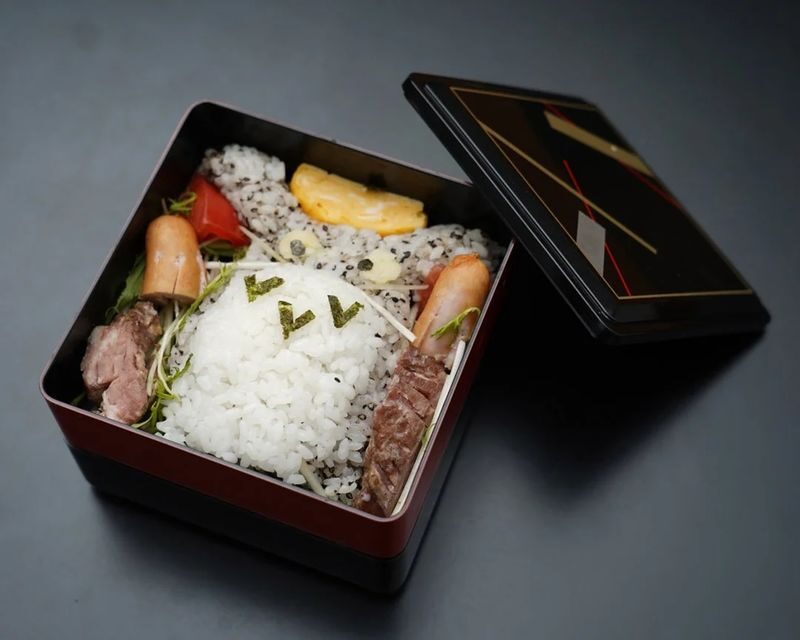
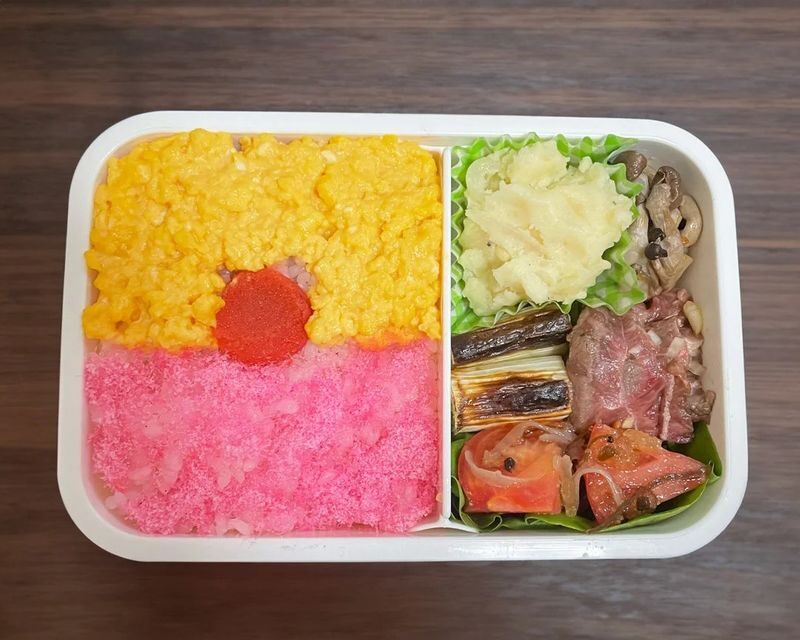
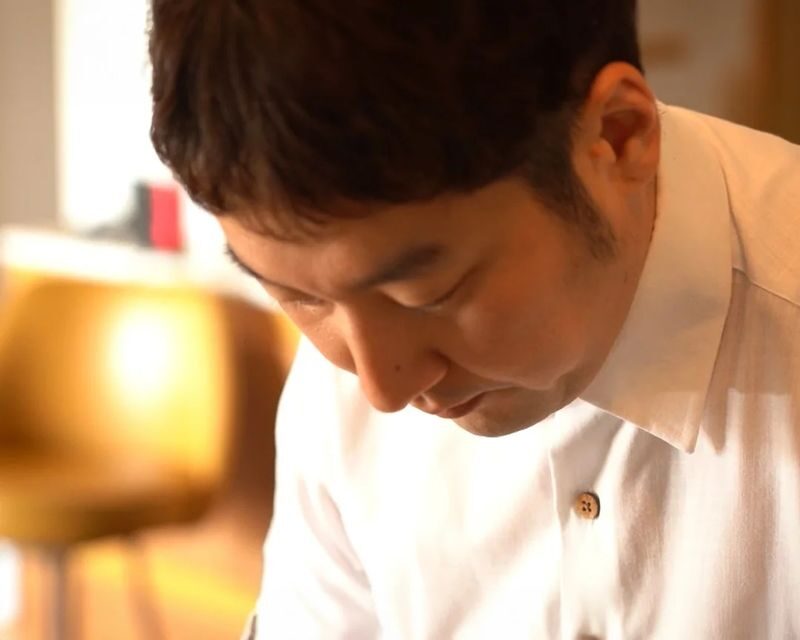
- Make a character bento: Choose a familiar character and build its likeness from the food you prepare.
- Learn by doing: The class covers basic Japanese cooking as well as the shaping and arrangement behind kyaraben.
- Plan for 2.5 hours: This is a hands-on activity, not a quick demonstration or a meal stop.
- Meet near Matsuyamachi Station: Your host waits at Exit 3, with the venue a five-to-seven-minute walk away.
- Bring your appetite: You can eat the bento you make at the end of the class.
- Ask about dietary needs ahead of time: Vegetarian, vegan, pescetarian and gluten-intolerance requirements are listed as accommodated.
👉 See our pick of the 24 Best Workshops And Classes In Osaka
A character lunch, made by hand
Bento is more than food packed into a box. A Japanese lunch box is often planned to balance its contents and make them look appealing, too. This class takes that everyday idea in a playful direction: instead of arranging lunch in a conventional way, you shape it into a recognizable character.
That makes the activity a good fit if you want to do more than watch a cooking demonstration. You’ll prepare food yourself, then put it together as a small edible design. The class draws on both culinary culture and pop culture, without asking you to choose between the two.
The available information doesn’t name the specific dishes or ingredients used, so don’t book expecting one particular menu. What you can expect is to work with Japanese comfort-food elements and use them to create the character you choose. The challenge is part of the fun. A tidy, polished character may take practice, and the goal is to make your own version, not to copy the instructor perfectly.
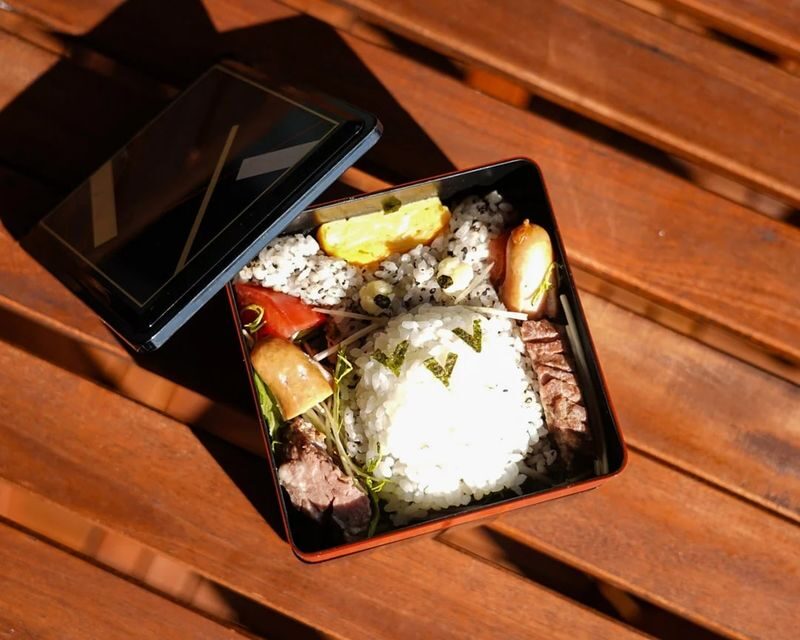
One participant made a Pikachu bento with the host, Shohei, and found that the final result didn’t look quite as neat as the teacher’s. That’s a useful expectation to carry in: the activity is about trying the technique and enjoying what you make, not producing a flawless piece of food art. You still get to eat your creation at the end.
You can also read our reviews of more tours and experiences in Osaka



From cooking basics to kyaraben
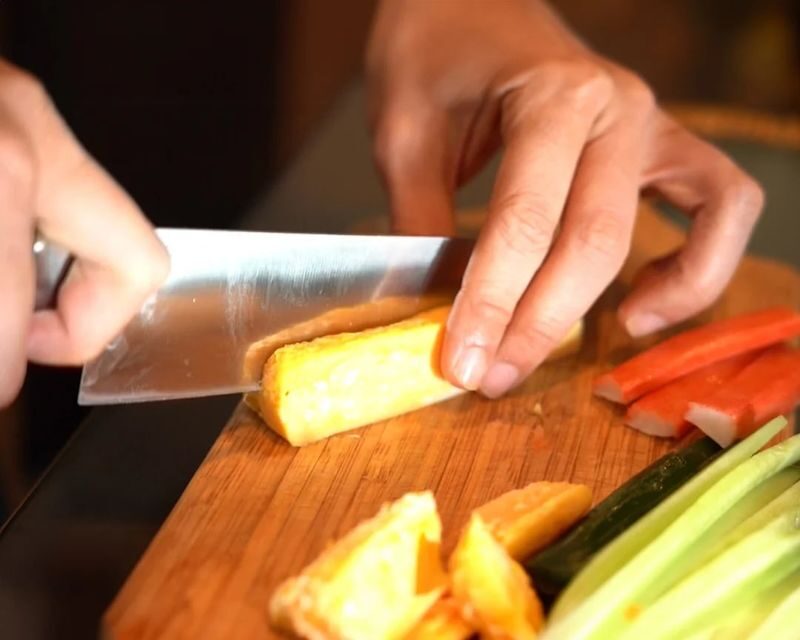
The class begins with an English-speaking instructor and an introduction to the cooking involved. You’ll learn some fundamentals of Japanese cooking, then prepare the food that will go into your bento. Ingredients and utensils are included, so you don’t need to bring a kitchen kit or source your own supplies.
The specific lesson plan and recipes aren’t detailed in advance. Rather than counting on particular dishes, think of this as a guided introduction to the basic methods and ingredients needed for the activity. The host is there to give simple instructions and help you turn those elements into a bento.
After the cooking comes the creative part: choose a character and arrange the food to suggest its shape and features. That can make the class rewarding for different reasons. You might be most interested in the cooking, or you might arrive with a character in mind and want to see how well you can recreate it. Either way, the two parts give the session a clear purpose.
A helpful instructor matters here. It can be tricky to make a character recognizable with food, especially if you’re used to following a recipe rather than improvising with shapes and placement. The class is described as suitable for all ages and skill levels, and the instructions are intended to be straightforward. If your first attempt looks a little lopsided, that’s not a reason to worry. The Pikachu made with Shohei wasn’t a perfect copy of the host’s, but it was still a fun meal.
The bento is lunch, not just a souvenir
One of the most appealing details is that you eat your finished bento at the end. That gives the class a natural finish: you’ve learned, cooked and made something you can enjoy right away. It also means the result isn’t only a photo or a recipe to carry home.
The take-home value continues with the recipes and souvenirs included. Recipes give you a way to revisit the cooking after your trip, though you’ll need to source ingredients yourself later. The souvenir is a small reminder of the activity, while the meal is the immediate reward.
I’d treat the finished character as a personal achievement rather than a test of artistic skill. The instructor may make the process look easy, but your own version is part of the point. If you’re going with children, this can be a satisfying way for them to take part in a meal from start to finish. Just remember that the setting requires quiet behavior.
Finding the class near Matsuyamachi Station
The meeting point is Matsuyamachi Station Exit 3, where the host waits for up to 15 minutes before the start time. The venue is a five-to-seven-minute walk from the station. You’ll receive the detailed location and map link after booking confirmation, so use those rather than relying only on the street address.
The class address is 2-chome-6 Andojimachi, Chuo Ward, Osaka. The activity information puts it about 25 minutes from Osaka Castle and about 20 minutes from Osaka Station by train. It describes the class as roughly 30 minutes from Osaka Castle, so allow some flexibility for your route and connection. Transport is not included.
Arrive on time. If you’re late, notify the host and go directly to the venue. The meeting instructions say the host waits at the station before the activity, but late arrivals need to make their own way to the kitchen. That short walk is manageable, but it’s better not to start the class by trying to catch up.
The kitchen is in a shared building, and the house rules are specific: no stomping, shouting, running or other loud behavior. This is worth considering when deciding whether the class fits your family. It is open to children, but it isn’t a place for a free-running play session.
What the price covers
The class starts at US$97.35 per person for the 2.5-hour session. For that price, the listed inclusions are an English-speaking guide, cooking ingredients and utensils, recipes and souvenirs. You also make a meal that you can eat at the end, which gives the activity more substance than a short craft workshop.
Value depends on what you want from your time in Osaka. If you’re keen to cook, learn something about Japanese food and leave with a hands-on memory, the price covers several parts of one outing. If you mainly want a low-cost meal, it won’t be the economical choice: transport and other personal expenses are extra, and the class is designed as an activity rather than a restaurant visit.
There’s also an optional market tour with the host. It’s listed as optional, but no further details are provided about its duration, route or cost. Check the booking details if that part interests you before planning your day around it.
Children’s pricing needs a careful read. The terms state that children aged 1 to 6 can participate for free, that children aged 6 to 12 need a paying adult, and that ages 13 and up pay the adult rate. They also say children aged 6 and under are free, children aged 6 and older can participate for half the adult price, and nonparticipants pay a quarter of the adult price. Since the age of six appears in overlapping categories, confirm the exact charge for a six-year-old before booking.





Who will get the most from it
This class makes sense for families with children who enjoy cooking and can follow the quiet rules. It also suits couples, friends and solo visitors who like Japanese food or want a creative break from sightseeing. The class is described as suitable for all ages and skill levels, so you don’t need previous cooking experience.
You’ll get the most out of it if you’re happy to take part rather than simply watch. The character-making is central, and the finished bento may not look exactly like the instructor’s. If you enjoy trying something new and can laugh at a slightly uneven Pikachu, you’re likely to appreciate the spirit of the class.
Dietary needs are another practical point to settle before you go. The information says the activity can accommodate pescetarian, vegetarian, vegan and gluten-intolerance requirements, and asks you to notify the provider in advance. If you have a dietary restriction, send the details ahead of time rather than assuming the class can make changes on arrival.
The class is wheelchair- and stroller-accessible, which can help with planning, especially for families. Transport is not included, and the meeting point is at Matsuyamachi Station Exit 3. Confirmation is due within 48 hours; if you don’t receive an email, contact customer support. The voucher is valid only for the date and time booked, and you can present it on your phone.
Should you book the Osaka Character Bento Class?
Book this class if you want a friendly, hands-on way to connect Japanese cooking with pop culture. You’ll spend 2.5 hours preparing food, making a character bento and eating what you create, with recipes and souvenirs to take home. The English-speaking instruction and included ingredients make it a simple option for visitors without cooking experience.
Think twice if your schedule is tight, if you’re seeking a quiet meal rather than an activity, or if young children in your party may struggle with the shared-building rules. The starting price is a meaningful outlay for lunch, but it buys a guided cooking session as well. For someone who wants to make, not just sample, a bit of Japanese food culture, that can be good value.
Osaka Character Bento Class
“Had an excellent time making the Pikachu character bento with Shohei. even if mine didn't look as good as his 😂 really enjoyed eating it at the end…”
FAQ
How long is the Osaka Character Bento Class?
The class lasts 2.5 hours.
Where do I meet the host?
Meet at Matsuyamachi Station Exit 3. The venue is a five-to-seven-minute walk from the station, and the host waits for up to 15 minutes before the start time.
What is included in the class?
An English-speaking guide, ingredients, cooking utensils, recipes and souvenirs are included. Transport and personal expenses are not included.
Can children join the class?
Yes. The activity is described as suitable for all ages. Children aged 6 to 12 must be accompanied by a paying adult, and children aged 13 and over are charged the adult rate. The information gives overlapping pricing details for age six, so confirm that age’s rate before booking.
Can the class accommodate dietary requirements?
The activity says it can accommodate pescetarian, vegetarian, vegan and gluten-intolerance requirements. Tell the provider about your needs in advance.
Is the class accessible by wheelchair or stroller?
Yes. The activity is listed as wheelchair- and stroller-accessible.
What happens if I’m late?
Notify the host and go directly to the venue, which is a five-to-seven-minute walk from Matsuyamachi Station. The host waits at the meeting point for up to 15 minutes before the start time.