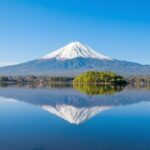
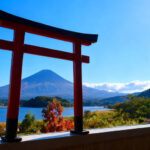
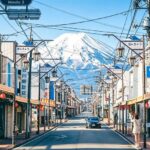
Mount Fuji is the star, but this trip gives you more than a quick photo stop: you’ll ride a local sightseeing train, walk Lake Kawaguchi’s flower-lined shore and pick whatever fruit is in season. I like the mix of big mountain views and small, hands-on moments, especially the orchard visit. I also like that transport and the train ticket are bundled, so you can see several places without piecing together rural bus connections.
The trade-off is a long day on the road, with traffic and cloud cover capable of changing the plan. Fruit varieties depend on the season, and the advertised small-group format does not guarantee a particular group size: some departures have run with just one family in a vehicle. Treat Mount Fuji as a possibility, not a promise, and keep your evening in Tokyo free in case the return runs late.
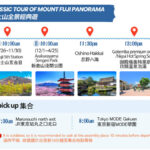
- Two seasonal Fuji viewpoints: Mount Fuji 5th Station from April 26 to November 30, or Arakurayama Sengen Park from December 1 to April 25.
- A short ride on the Fujikyuko Line: The included train trip lasts about 14 minutes; a bus may replace it if operations change.
- Fruit picking is part of the price: The orchard session lasts about an hour, with strawberries, cherries, peaches or grapes depending on the season.
- Oishi Park puts flowers and Fuji in one frame: Its lakeside flower displays change through the year.
- Lunch costs extra: A Japanese set meal is planned at Kin Fuji, but meals and drinks are not included.
- Traffic and weather can reshape the day: The schedule may change, and the return time is an estimate.
- A full day of Fuji-region stops from Tokyo
- Choose the right seasonal Fuji viewpoint
- The Fujikyuko Line adds a local pause
- Lunch near the mountain, with the bill on you
- Oishi Park’s flowers change with the calendar
- Fruit picking gives the day a hands-on finish
- Guides and drivers can make the schedule work
- What the price covers, and what it does not
- Practical details before you book
- Should you book this Mount Fuji day trip?
- FAQ
- When does the tour visit Mount Fuji 5th Station?
- Is lunch included in the price?
- What fruit can I pick?
- Is the sightseeing train ticket included?
- What languages are available on the tour?
- What time does the tour return to Tokyo?
- The Best Of Fujikawaguchiko!
- More 1-Day Tours in Fujikawaguchiko
- More Tours in Fujikawaguchiko
- More Tour Reviews in Fujikawaguchiko
- Not for you? Here's more nearby things to do in Fujikawaguchiko we have reviewed
A full day of Fuji-region stops from Tokyo
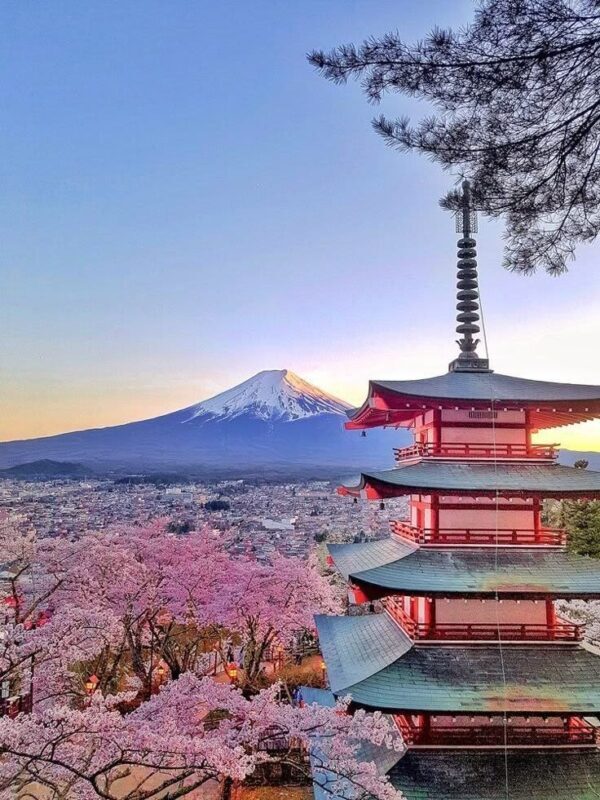
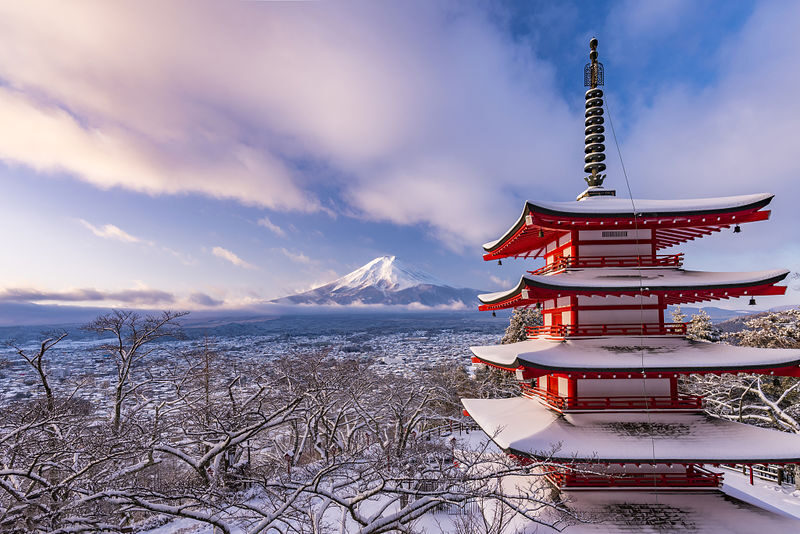
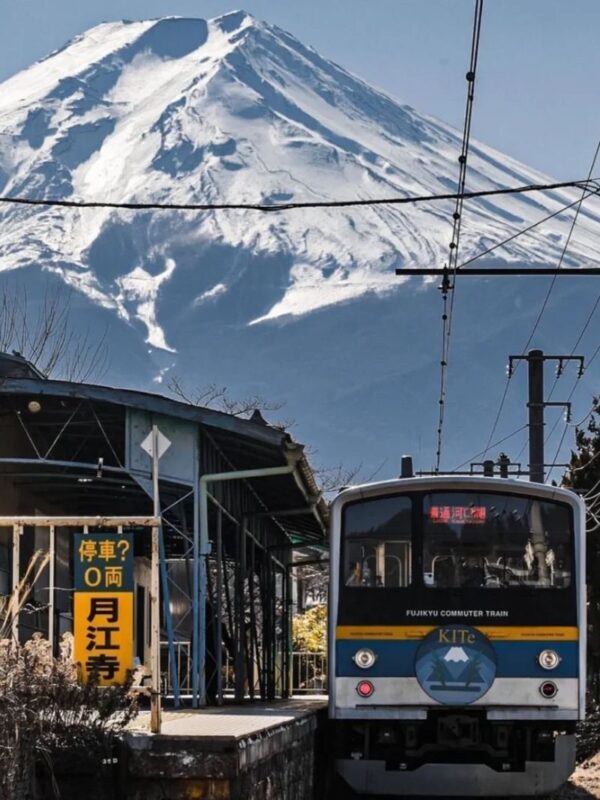
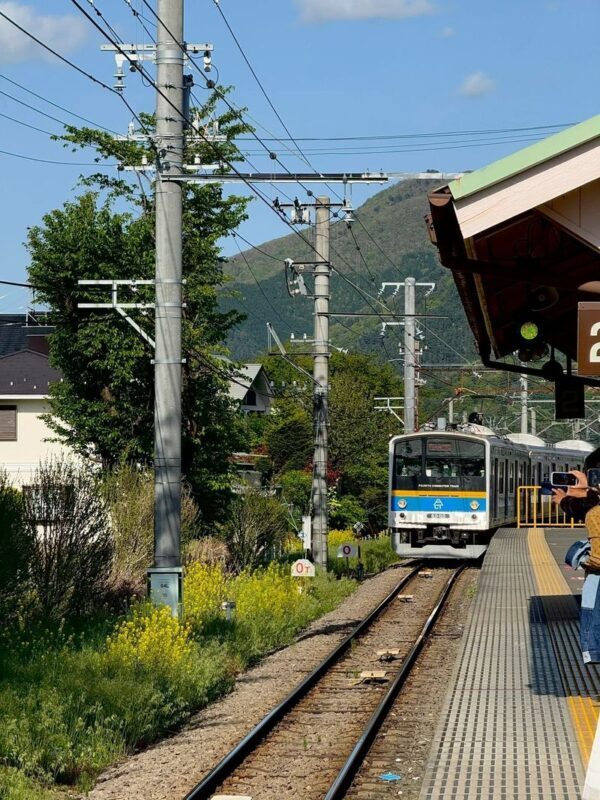
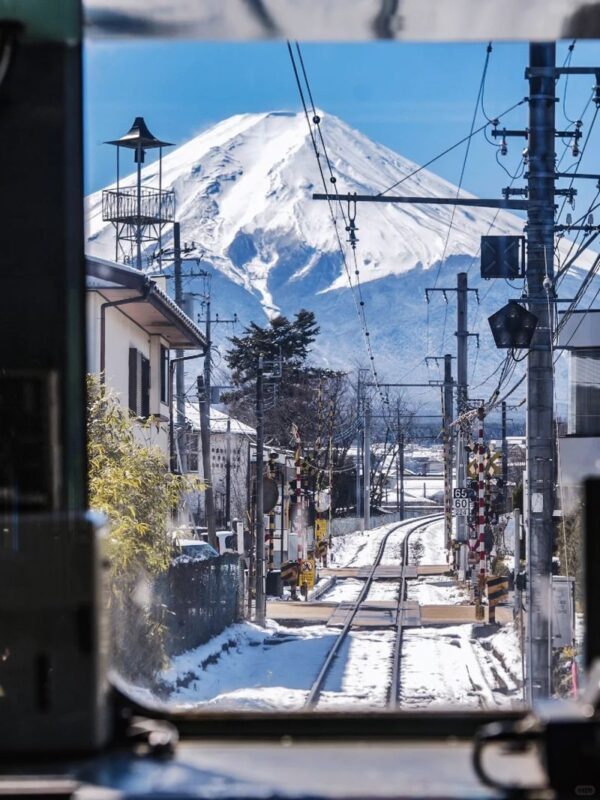
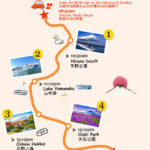
This is a guided road trip built to cover several very different experiences in one day. You travel from Tokyo into Yamanashi Prefecture, stop at a seasonal viewpoint, take a short train ride, eat near Lake Kawaguchi, visit a flower park and finish at a fruit orchard. The tour is scheduled to return to Shinjuku around 18:00, with a drive of roughly two hours back from the area. Heavy traffic can stretch the day considerably; one departure took about nine hours of driving round trip.
That range matters when you decide if the tour suits you. A guided vehicle saves you from managing connections between scattered stops, and the guide can adjust the order when weather, queues or traffic intervene. But you are still spending substantial time on the road, and each stop has a set window rather than the freedom of an independent visit.
The tour is sold as a small-group experience, but group size can vary. Some departures have operated as a private car for one family, while others have included a larger group. If a particular vehicle size or level of personal attention matters to you, check the package details before booking rather than assuming every date will feel the same.

👉 See our pick of the 4 Best Private Car With Driver Services in Fujikawaguchiko
Choose the right seasonal Fuji viewpoint
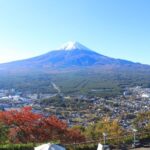
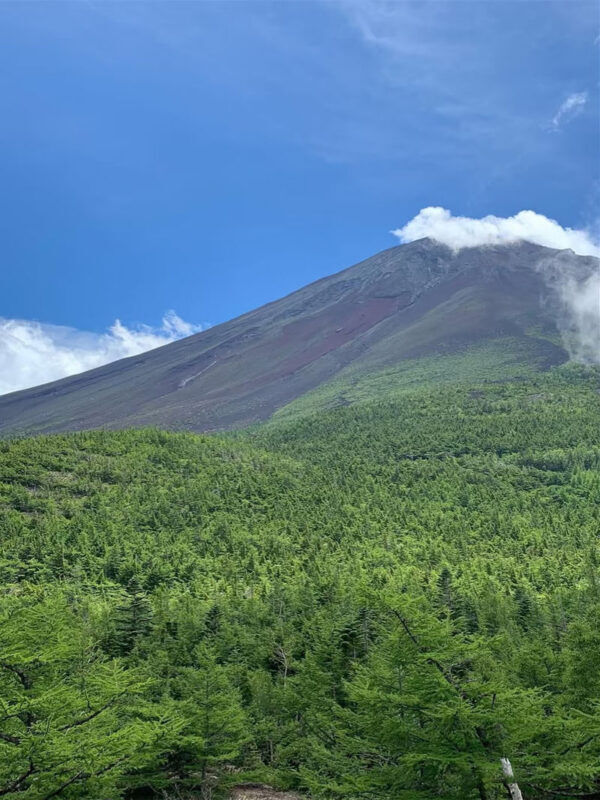
From April 26 through November 30, the tour heads to Mount Fuji 5th Station, at about 2,305 meters above sea level. It is a close-up mountain stop, not a summit climb. In clear weather, you can look down toward Lake Kawaguchi and up toward Fuji’s peak; when clouds gather, the view may be limited or replaced by a dramatic sea of mist.
The schedule allows about an hour, but that includes finding your views, taking photos and browsing. One departure had only about 20 minutes at the station after traffic and schedule changes, so do not count on a leisurely visit. The altitude and exposed setting also make comfortable shoes and an extra layer sensible, alongside the recommended sunscreen.
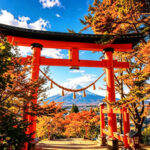
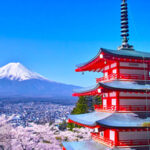
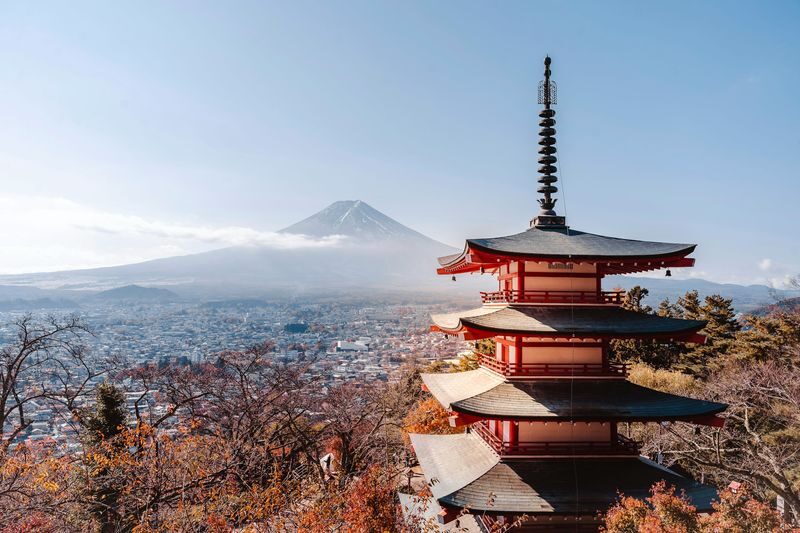
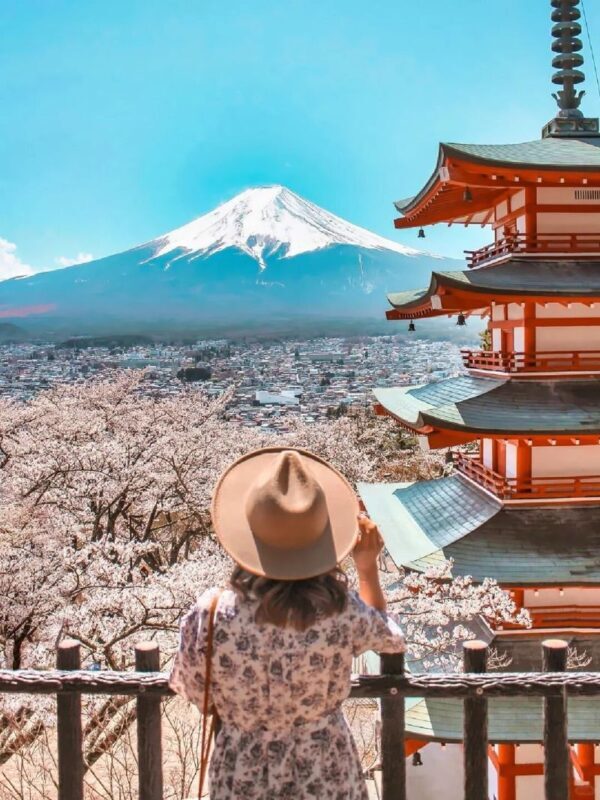
From December 1 through April 25, the viewpoint changes to Arakurayama Sengen Park. The classic composition pairs Mount Fuji with a five-storied pagoda and the city below. Reaching the viewpoint means climbing 397 steps, so this stop asks more of your legs than a roadside photo stop. If stairs are a concern, factor that into your decision.
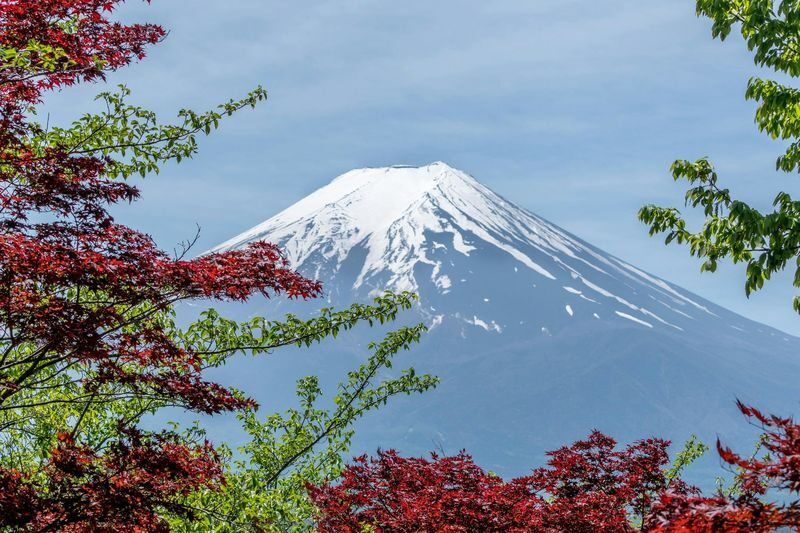
Neither seasonal viewpoint can guarantee a clear view. A winter departure in particular may find clouds hiding Fuji, and the tour cannot control the weather. Guides have adjusted plans when the 5th Station was inaccessible or conditions made a stop impractical. I would book this for the range of experiences, not solely for one perfect mountain photograph.
You can also read our reviews of more tours and experiences in Fujikawaguchiko


The Fujikyuko Line adds a local pause
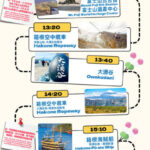
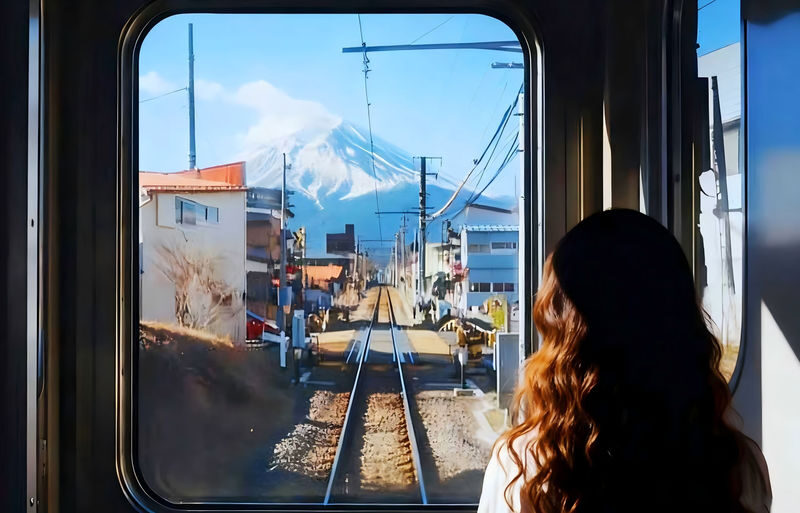
Around 11:15, the route includes a roughly 14-minute ride on the Fujikyuko Line, departing from the Shimoyoshida area. You get a brief view of rural scenery and the Fuji foothills from a local train, a welcome change from the vehicle. The ticket is included, and this short ride offers a taste of the slower pace around the mountain without requiring you to plan a rail excursion yourself.
Keep your expectations in proportion: this is a short transfer and scenic interlude, not a long railway journey. The train can also be crowded, and there may not be a seat or a clear window view for everyone. If service arrangements change, the ride may be replaced by a bus without changing the rest of the itinerary.
There is a detail worth confirming when you book: the included-items information also names admission to the Mount Kachi Kachi Ropeway, but the timed itinerary does not show a ropeway stop. Ask the operator whether that admission applies to your chosen departure and whether it is used during the day.
Lunch near the mountain, with the bill on you
The planned lunch stop lasts about 50 minutes at Kin Fuji, a Yamanashi restaurant where some seats have a direct view of Mount Fuji. A Japanese set meal is the intended option, but lunch and drinks are not included in the tour price. Bring money for your meal and any extras.
The view depends on the weather and where you are seated, so think of it as a bonus rather than a guarantee. If the restaurant is full, the group may be taken to a restaurant of the same standard. Tell the operator in advance if you need a vegetarian meal; the supplied information specifically asks for advance notice.
A set lunch keeps the group moving, but it also means you have limited time to choose a different place or explore. One guide was able to accommodate a request for another local meal, but you should not assume every departure can make that switch. If you have dietary needs or strong preferences, raise them before the tour day.
Oishi Park’s flowers change with the calendar
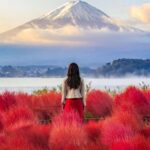
At Oishi Park, you get about an hour to stroll along the Flower Street beside Lake Kawaguchi. Seasonal displays can include tulips, lavender and broom grass, with Mount Fuji across the water when the sky is clear. The changing blooms make this stop feel different across the year, and it gives you a slower, more open-air break between transport and the orchard.
The park is self-guided, so you can set your own pace within the allotted time. You can walk, take photos and enjoy the lake, but the flowers are seasonal rather than a year-round guarantee of any one color or variety. On a tight day, this stop may feel short, especially if you want to spend time at several photo spots.
The best approach is to enjoy the park as a pleasant lakeside walk, not just a checklist picture. Fuji may be hidden, but the lake and flower beds still give you something to see. If the mountain is visible, the combination is a strong payoff for a relatively easy stop.
Fruit picking gives the day a hands-on finish
The orchard visit is scheduled for about 14:40 and lasts roughly an hour. The fee is included, and you pick seasonal fruit yourself. Depending on the time of year, the choices may include strawberries, cherries, peaches or grapes. Recent departures have included strawberry picking in spring and Kyoho grapes in August, but the exact fruit and orchard depend on the date and availability.
This is one of the tour’s more personal experiences. Instead of only looking at scenery from a viewpoint, you get to handle and taste fruit at the source. It can be especially fun with children, and it adds a distinctly local, agricultural stop to a day otherwise centered on views and transport.
Still, fruit picking is not a fixed menu. The farm may have limited ripe fruit, or the booked orchard may be full. The tour says it can arrange another orchard of the same standard, but that does not guarantee a particular variety or sweetness. One departure encountered a shortage of the advertised peaches and cherries; another found that strawberries were not especially sweet or plentiful. Treat the activity as a seasonal farm visit, not an unlimited tasting of your favorite fruit.


Guides and drivers can make the schedule work
A guide’s value here is practical. You are moving between several sites, and timing matters: a station may close, an orchard may fill, or traffic may eat into a stop. Guides named on departures have included Ko, Ace, Shirley, Liu Bin and Zhao Yu. The assignment varies, but guides have been described as giving brief site introductions, helping with photos and adjusting the order when conditions require it.
That flexibility can rescue a disrupted day, but it cannot erase the limits of the schedule. Some departures have cut or changed a stop to handle traffic, weather or a full orchard. If you need to be back in Tokyo at a precise hour, this is not the safest plan for that evening. The stated return time is approximate, and the actual arrival depends on road conditions.
The tour’s value is strongest when you want someone else to handle transport and coordination. It is less compelling if you prefer long visits, spontaneous detours or full control over where and when you eat.
What the price covers, and what it does not
The advertised starting price is from $49.35, while the package information also gives a Shinjuku LOVE sculpture departure option from $70.45. The exact amount depends on the selected package, so check the date and meeting-point option before comparing prices. The listed inclusions cover transportation, guide service, the sightseeing train ticket and the fruit-picking experience. The included-items section also names Mount Kachi Kachi Ropeway admission, though the route does not identify when that admission is used.
Lunch, beverages and personal expenses are extra. That makes the headline price useful as a starting point, not a full day’s total. Even so, bundling a vehicle, guide, train ride and orchard visit can be good value if you want several Fuji-area stops without arranging each transfer yourself.
For comparison, an independent trip could offer more time at each place, but you would need to organize the route and account for the connections. This tour trades some freedom for convenience. I see the best value for families, first-time visitors and anyone who wants a broad sampler of the region in one day.
Practical details before you book
The activity has no age limit. Children aged 0 to 3 travel free if they do not need a separate seat. Wear comfortable walking shoes, and bring sunscreen and a camera. The winter park stop involves 397 steps, while the 5th Station sits at high altitude.
The exact meeting point depends on the package you choose. The departure instructions stress arriving on time because this is a shared trip: late arrivals and no-shows cannot be refunded, and the vehicle cannot wait. The listed return point is Shinjuku MODE Gakuen at about 18:00, but the arrival time can shift with traffic. Do not plan a fixed evening activity.
You receive booking confirmation within 24 hours. The voucher is valid only for the specified date and time. The tour offers Chinese-, English- and Japanese-speaking staff, though the language available for your particular departure is worth confirming.
Should you book this Mount Fuji day trip?
Book it if you want a straightforward way to combine a Fuji viewpoint, a short local train ride, Oishi Park and seasonal fruit picking without planning the transport yourself. The orchard and the variety of stops make it more engaging than a simple drive to a photo point, and a flexible guide can help when weather or traffic forces changes.
Skip it if your priority is a guaranteed clear view, a long visit at one attraction or a firm return time. The itinerary covers a lot of ground, and a delay can shorten stops or alter the order. For a relaxed sampler from Tokyo, it is a sound choice. For a slow, weather-proof Fuji experience, build your own plan and leave more time.
Tokyo Mount Fuji Day Trip: Fruit Picking and Sightseeing Train
“Director Pan Yan is very professional, and the itinerary was well-arranged.”
FAQ
When does the tour visit Mount Fuji 5th Station?
From April 26 through November 30, the seasonal viewpoint is Mount Fuji 5th Station, at about 2,305 meters. From December 1 through April 25, the tour visits Arakurayama Sengen Park instead.
Is lunch included in the price?
No. Lunch and beverages are excluded. The itinerary plans a meal at Kin Fuji, and you should tell the operator in advance if you need a vegetarian option.
What fruit can I pick?
The fruit depends on the season and orchard availability. Options can include strawberries, cherries, peaches and grapes. The exact variety is not guaranteed.
Is the sightseeing train ticket included?
Yes. The approximately 14-minute Fujikyuko Line ride includes a ticket. If operations change, the train may be replaced by a bus.
What languages are available on the tour?
The listed staff languages are Chinese, English and Japanese. Confirm which language is available for your selected departure.
What time does the tour return to Tokyo?
The listed return time is around 18:00 at Shinjuku MODE Gakuen, but it is approximate. Traffic and other conditions can change the arrival time.