A day beneath Kyoto’s red torii gates, a quiet pause at Hiroshima’s Peace Memorial Park, and a clear-weather view of Mount Fuji from Arakurayama Park: this tour links very different sides of Japan in just nine days. I like that the route pairs famous sights with places that give them context, from the Great Buddha at Nara’s Todai-ji to the history of the atomic bombing in Hiroshima.
I also like the practical backbone: hotels, breakfast, bullet trains, transport on sightseeing days, admission to listed attractions, and an English-speaking guide are included. That can make a first visit much less complicated. The trade-off is a packed route, with long outings and plenty of walking, plus airport transfers and most lunches and dinners at your own expense.
- Key points to know before booking
- Kyoto begins with temples, not an airport pickup
- Fushimi Inari and old Kyoto on foot
- Nara’s Great Buddha, then Osaka after dark
- Hiroshima and Miyajima make a long, meaningful day
- Bullet train to Tokyo, then Mount Fuji country
- Tokyo’s shrines, crossings, and food stalls
- What the ,470 starting price buys
- Who should book this Japan route?
- FAQ
- Where does the tour actually start?
- Does the tour end in Tokyo?
- How many people are in the group?
- What meals are included?
- Are flights and travel insurance included?
- Is airport transport included?
- How much walking should I expect?
- Is Mount Fuji guaranteed to be visible?
- Are optional geisha or sumo experiences included?
- The Best Of Osaka!
- More Tours in Osaka
- More Tour Reviews in Osaka
- Not for you? Here's more nearby things to do in Osaka we have reviewed
Key points to know before booking
 1 / 8
 2 / 8
 3 / 8
 4 / 8
 5 / 8
 6 / 8
 7 / 8
 8 / 8
- Kyoto is the real first stop: You make your own way from Osaka to the Kyoto hotel on Day 1. The advertised route starts in Osaka, but the meeting point is in Kyoto.
- The group is small, not private: The stated maximum is 16 people, with typical groups reported at around eight.
- Eight breakfasts are included: Plan separately for lunches, dinners, snacks, and any special dietary needs.
- The Mount Fuji view depends on the weather: The Kawaguchi day offers two viewpoints and a boat cruise, but clouds can hide the mountain.
- Some days call for sturdy shoes: Fushimi Inari involves uphill walking, and Arakurayama’s pagoda viewpoint requires a stair climb.
- The listed starting price is $3,470: Compare it with the value of the hotels, transport, admissions, and guide service, and check the final price for your dates and room arrangements.
👉 See our pick of the 24 Best Workshops And Classes In Osaka
Kyoto begins with temples, not an airport pickup
The first day is deliberately light, but it is not a guided arrival. You fly into Osaka, then arrange your own way to Kyoto and check in at the designated hotel. A private airport transfer can be arranged for an extra charge. The exact hotel is confirmed close to departure, so do not assume the flight arrival and tour meeting point are the same place.
You have the rest of Day 1 to recover. That breathing room matters after a long flight, especially since the next two days bring several of Kyoto’s best-known sites. Breakfast is included at the hotel, but the package does not cover your other meals.
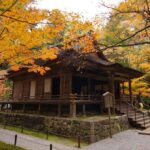
On Day 2, the guide and driver collect the group after a free morning. Kinkaku-ji, the Golden Pavilion, is a striking introduction to Kyoto: a gold-leaf-covered temple pavilion reflected in a pond, with gardens and seasonal scenery around it. It is a popular stop, so expect other people and a fairly focused visit rather than a solitary encounter.
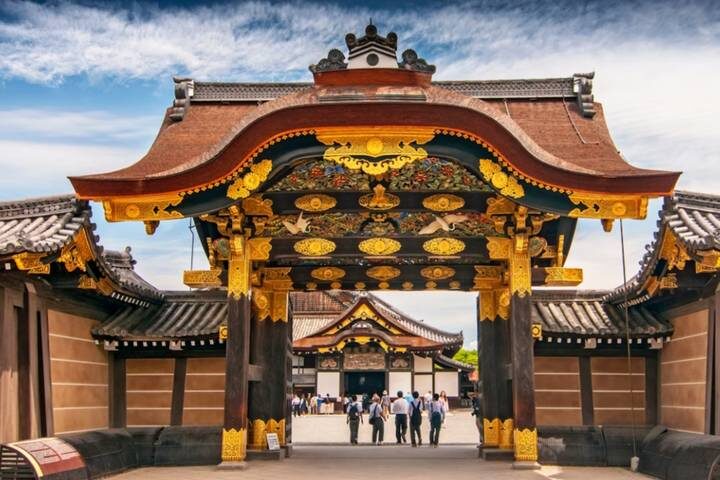
Nijo Castle adds a different kind of history. Built as a Kyoto residence for shogun Tokugawa Ieyasu, it offers painted interiors, moats, defensive walls, and the famous nightingale floors, which squeak underfoot. The Ninomaru Garden is worth looking at closely, not just walking through on the way to the next photo. The guided context helps connect architecture and gardens to the political power of the Edo period.
You can also read our reviews of more tours and experiences in Osaka.



Fushimi Inari and old Kyoto on foot
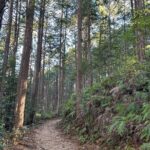
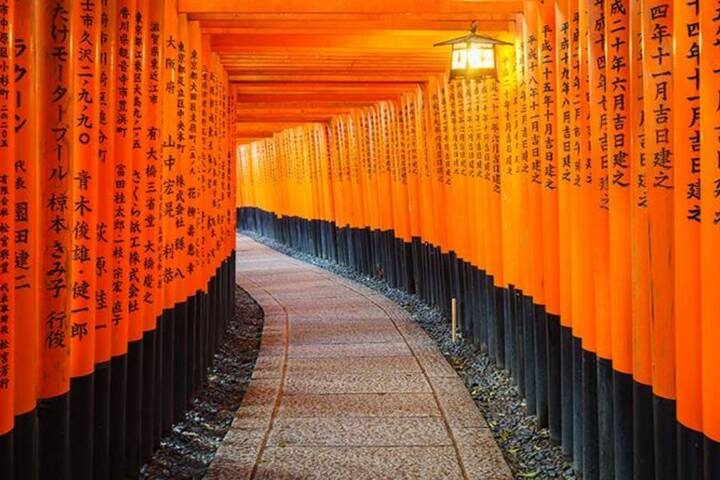
Day 3 is the most concentrated Kyoto day. At Fushimi Inari Taisha, thousands of red torii gates form a path up the wooded mountainside. The shrine is dedicated to Inari, associated with rice, agriculture, business, and safe travel. You can make a short visit or walk farther uphill. The suggested halfway point, Shichishito-no-Saka, takes roughly 30 to 40 minutes on foot and offers a view over Kyoto. A full summit round trip can take two to three hours, so follow the guide’s timing and be ready for steps and slopes.
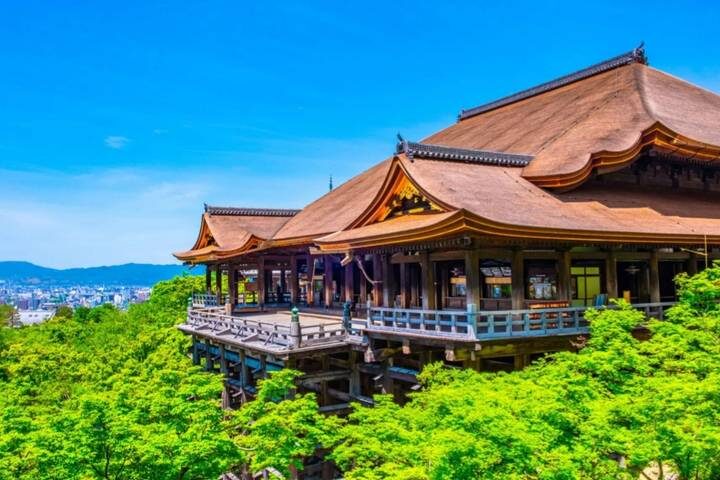
Kiyomizu-dera shifts the mood from forest path to hillside temple. Its wooden stage projects over the slope, and the Otowa Waterfall has three streams traditionally associated with longevity, wisdom, and health. The main temple hall is built without nails. These details make the place more than a scenic overlook, though its popularity means you should expect busy paths.
From the temple, the group walks through Ninenzaka and Sannenzaka, sloping lanes lined with shops, teahouses, and old-style buildings. This is a useful stretch for browsing, sampling a snack, or simply noticing how the historic setting functions as a modern shopping area. Yasaka Shrine and Gion follow. Gion is associated with geiko and maiko, but an encounter is never guaranteed. Treat it as a living neighborhood, not a performance arranged for the group.
This day rewards comfortable shoes. It combines stairs, temple grounds, sloping streets, and several stops, so the low-intensity label should not be mistaken for no-effort sightseeing.
Nara’s Great Buddha, then Osaka after dark
On Day 4, the coach takes you from Kyoto to Nara. Todai-ji’s Great Buddha Hall is an impressive place to encounter the scale of early Japanese Buddhist architecture. Inside, the bronze Vairocana Buddha is about 16 meters tall. The temple grounds also provide a calmer setting for learning how Buddhism shaped the country’s early capital.
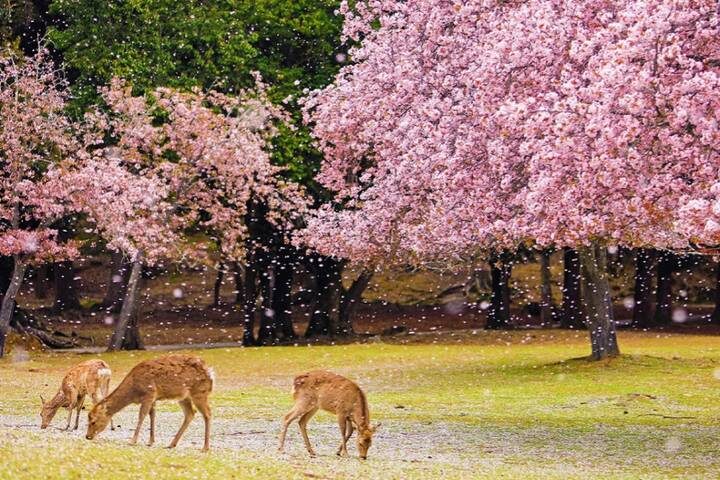
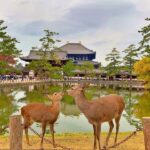
Nara Park is famous for its free-roaming deer, regarded as sacred messengers in local tradition. You can buy special crackers to feed them, but keep food secure and follow local guidance; the animals are used to people and can be persistent. Kasuga Taisha adds a wooded shrine setting, vermilion details, and rows of bronze lanterns.
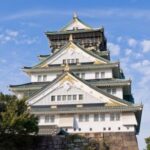
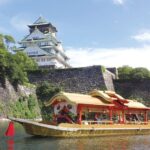
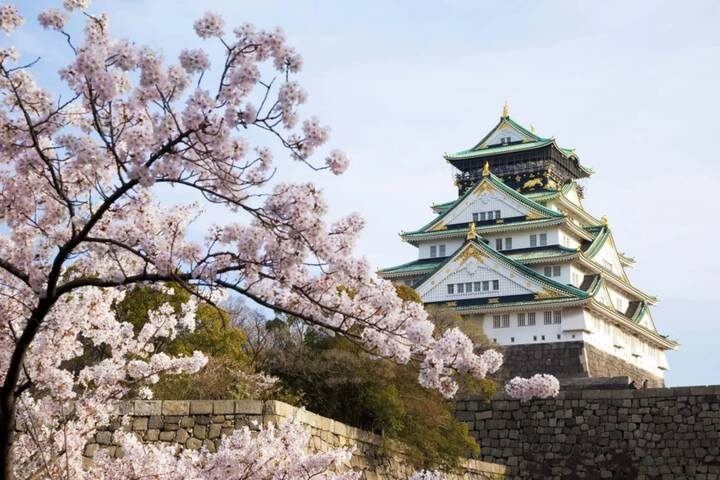
The day continues by road to Osaka, where the group visits Osaka Castle Park and the Shinsaibashi-suji shopping district. The castle’s moats, gates, stonework, and central keep give a sense of the city’s military past. The park is especially attractive during cherry blossom season, usually late March to early April in Kansai, though blossom dates shift with the year.
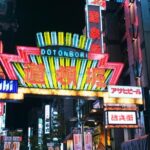
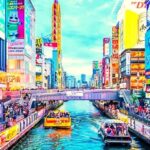
Shinsaibashi and nearby Dotonbori are a livelier contrast, with shops and local food stalls and restaurants. Takoyaki and okonomiyaki are Osaka specialties worth trying, but meals here are on your own. Shinsekai and Tsutenkaku Tower are mentioned as an optional idea if time allows, not a guaranteed part of the schedule.
Hiroshima and Miyajima make a long, meaningful day
Day 5 is a full excursion from Osaka by Shinkansen. The bullet train makes the roughly 300-kilometer journey manageable, but it is still a long day with train travel, city transport, a ferry, and several major visits. The guide accompanies the group, and local public transport is used in Hiroshima.
At Peace Memorial Park, the A-Bomb Dome remains a stark reminder of the destruction of August 6, 1945. The Peace Memorial Museum adds artifacts, photographs, documents, and personal accounts. This is an emotionally demanding stop, and it deserves more than a quick photograph. If you prefer to take the museum at your own pace, ask the guide how the group schedule allows for it.
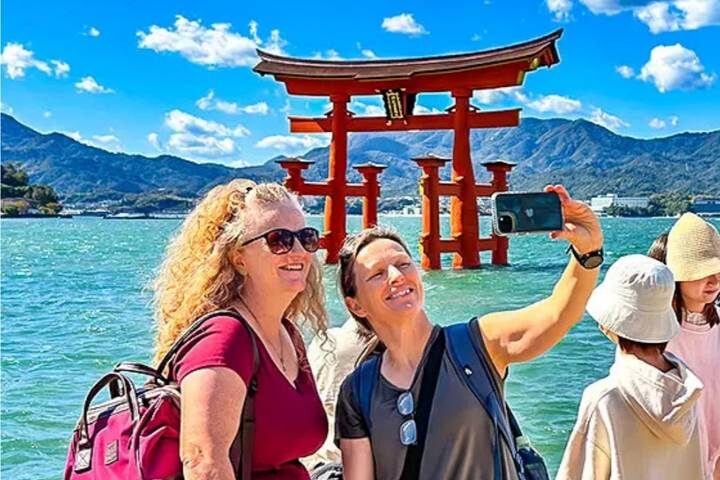
The ferry to Miyajima brings a striking change of scene. Itsukushima Shrine is known for its vermilion torii gate, which appears to float on the Seto Inland Sea under certain conditions. The shrine’s setting and architecture make it one of the tour’s most memorable contrasts with the city’s memorial sites. The group then returns by train to Osaka.
The schedule is efficient, but there is little room for independent exploration on this day. Take water and snacks, and be prepared for a mix of walking and public transport.
Bullet train to Tokyo, then Mount Fuji country
On Day 6, you travel from Osaka to Tokyo by Shinkansen. The train is included, but the rest of the day is free for you to explore at your own pace. You are responsible for getting yourself to and from the stations and handling your luggage between hotels. That is one of the few points where the tour’s convenience gives way to independent travel.
Day 7 is a long coach outing to the Mount Fuji area. At Arakurayama Sengen Park, the classic view places a five-story pagoda in front of Fuji. Reaching the observation deck involves a walk and stairs, so allow for exertion even though the tour is rated low intensity. The guide may also take you to Arakurayama Sengen Shrine.
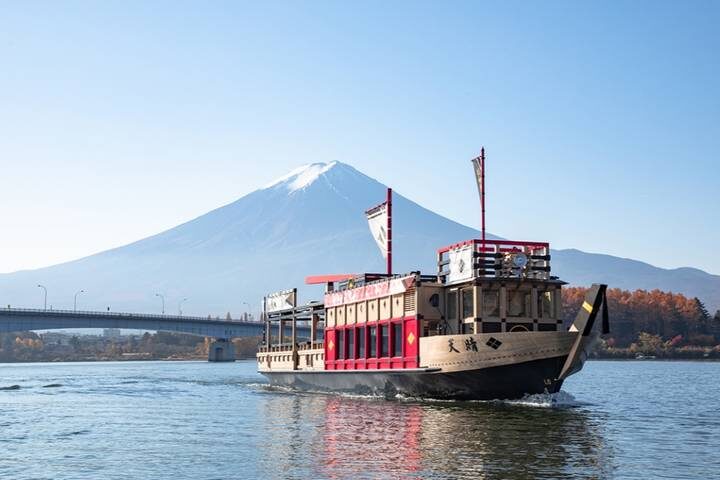
At Lake Kawaguchi, a scenic boat cruise offers another angle on the mountain. You may instead spend some time along the shore or near local galleries and museums, depending on the day’s arrangements. Fuji is weather-dependent: December through February often brings clearer skies, while spring blossoms and autumn leaves add seasonal appeal. But even the best season is no promise of a visible summit.
The coach returns to Tokyo after a day of more than eight hours. The tour information notes that extra charges may apply if service runs beyond the planned schedule, so confirm how extended service is handled for your departure.
Tokyo’s shrines, crossings, and food stalls
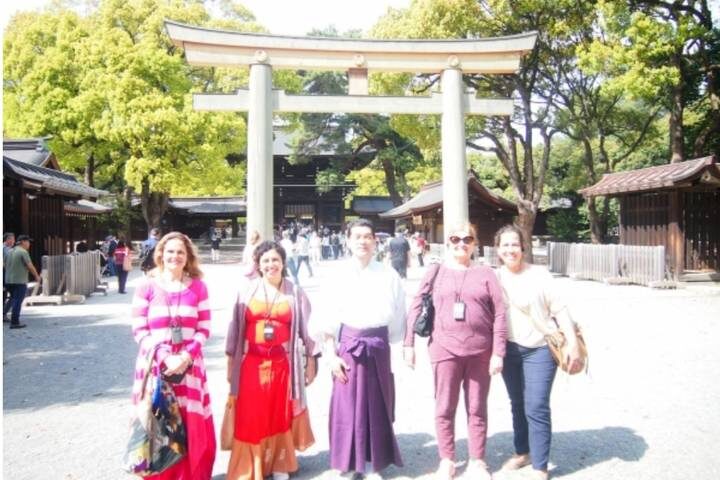
Day 8 starts at Meiji Jingu, a Shinto shrine set among tall trees in central Tokyo. The forested approach offers a quiet contrast with the city streets outside. Then comes Shibuya Crossing, where crowds move through the intersection from several directions at once. It is brief and lively, but the nearby Hachiko statue is an optional stop rather than a listed included activity.
Senso-ji in Asakusa takes you to one of Tokyo’s oldest Buddhist temples. The Kaminarimon Gate, its large red lantern, Nakamise shopping street, the main hall, and the five-storied pagoda make this a layered visit. Nakamise is a good place to browse snacks and souvenirs, though it is also a busy shopping lane. Tokyo Skytree can be viewed from nearby, but the tour does not include a visit to its observation decks.
The day ends at Tsukiji’s outer market, where you can buy seafood, sushi, and other local specialties at your own expense. The wholesale market and tuna auctions have moved elsewhere, so think of Tsukiji as a food and kitchenware district rather than the old auction site. It is a useful final chance to sample Japanese food, but check your appetite and budget before you arrive.
Day 9 is departure day, with breakfast included and airport transport left to you unless you book a private transfer.
What the $3,470 starting price buys
At the stated starting price, this is a structured way to cover a lot of ground without arranging every train, hotel, and attraction yourself. The package includes eight breakfasts, accommodation based on two people sharing, listed admissions, an English-speaking guide, intercity transport, local transport on the Hiroshima day, and Shinkansen journeys. For a first visit, those pieces can add up to meaningful value, especially when travelling between several regions.
The price does not include international flights, travel insurance, airport transfers, most meals, optional activities, or a single-room supplement. Strict dietary needs also require planning. The operator notes that vegan meals can be difficult to arrange in Japan, so contact them before booking and be ready to find some meals independently.
The hotels are described as centrally located and convenient for restaurants and transport. The named properties are Kyoto Tokyu Hotel, Osaka Excel Hotel Tokyu, and Shibuya Excel Hotel Tokyu. The tour information calls the accommodation standard four-star by default, while the Kyoto property is also labelled five-star in the day-by-day details. Confirm the exact hotel category and room details for your departure rather than relying on the labels alone.
The package earns high ratings for its itinerary, transport, guide, accommodation, and food, with the operator rated slightly lower. The strongest recurring praise is for organization, guide explanations, comfortable hotels, and a route that balances landmark visits with some free time. One less glowing assessment points out that outdoor walking can be difficult for people with mobility limitations, and that a newer guide may need to research some questions. Those are useful reminders: the guide can add context, but this is not a private tour tailored to each person’s pace.
Who should book this Japan route?
I would recommend this tour if you want a broad first look at Japan and prefer having the major transport and sightseeing organized. The small-group format, capped at 16, should feel more personal than a large coach tour, while the open periods in Kyoto and Tokyo leave some room to follow your own interests.
It is less suitable if you want slow travel, extensive free time, or a trip built around one theme. The route covers many places, and the Hiroshima day and Mount Fuji excursion are long. You also need to be comfortable with stairs, walking, luggage handling on transfer days, and arranging airport transport.
Before booking, confirm your exact hotel, room-sharing arrangements, dietary requests, transfer costs, and how the Mount Fuji day’s timing is managed. If the price fits your budget and you are happy with a brisk but carefully organized route, this is a practical way to connect Kyoto’s temples, Nara’s shrines, Hiroshima’s memorials, Fuji views, and Tokyo’s city life in nine days.
9 Days In Depth Cultural Japan Small Group Tour by UME Travel – Osaka to Tokyo
“When you visit Japan, most of the tours introduce you to the country. The 9 Days In-Depth Cultural Japan tour was a much more ambitious undertaking…”
FAQ
Where does the tour actually start?
The first night and meeting point are at a hotel in Kyoto. You arrive in Osaka, then make your own way to Kyoto. A private airport transfer from Osaka can be arranged for an extra fee.
Does the tour end in Tokyo?
Yes. The last hotel is Shibuya Excel Hotel Tokyu in Tokyo. You arrange your own airport transfer on departure day unless you book a private transfer.
How many people are in the group?
The maximum group size is 16. The operator has indicated that groups typically have around eight people, but the size can vary.
What meals are included?
Eight breakfasts are included. Lunches and dinners are generally not included, and dietary needs, especially vegan diets, may be difficult to accommodate.
Are flights and travel insurance included?
No. International flights and travel insurance are not included. You must arrange your own insurance.
Is airport transport included?
No. Airport pickup and drop-off are extra. Quoted one-way private transfer prices from central Tokyo are $150 to Haneda and $225 to Narita.
How much walking should I expect?
The tour is rated low intensity, but you should expect walking at temples, shrines, parks, shopping streets, and transport stations. Fushimi Inari has an uphill path, and Arakurayama’s viewpoint requires climbing stairs.
Is Mount Fuji guaranteed to be visible?
No. The day includes Arakurayama Park and Lake Kawaguchi, but Fuji may be hidden by clouds or rain. The tour information identifies December through February as a particularly good period for clear views.
Are optional geisha or sumo experiences included?
No. The itinerary does not include these activities. A geisha performance with tea ceremony has been quoted at $262 per person, and a sumo lunch experience at $188 per person, subject to availability.