Japan’s big contrasts come quickly on this eight-day route: Tokyo’s packed crossings, Mount Fuji’s lakeside views, Kyoto’s temple lanes, then the sobering calm of Hiroshima’s Peace Memorial Park. The tour takes you from Tokyo to Osaka, with hotels, intercity transport and major sights arranged along the way.
I like two things in particular: the Shinkansen rides are part of the plan, so you get the thrill of Japan’s fast trains without arranging every leg yourself, and the route balances famous sights with places that feel very different from one another, from deer-filled Nara Park to Miyajima’s sea-facing shrine.
The trade-off is a full schedule, with a lot of shrines and temples and long sightseeing days. Guide communication and continuity may also vary by departure, so this is best for you if you value an organized overview more than a single guide accompanying you at every turn.
- The highlights at a glance
- Eight days from Tokyo to Osaka
- Tokyo arrival and Mount Fuji views
- Tokyo’s shrine, crossing and market
- Kyoto by bullet train, then two days of temples
- Nara’s deer and Osaka after dark
- Hiroshima and Miyajima in one demanding day
- What the guide and group format mean in practice
- Meals, rooms and practical details
- Should you book this Japan tour?
- FAQ
- Are airport transfers included?
- Which hotels are used?
- How many meals are included?
- How large is the group?
- Is the tour guided in English?
- Is Mount Fuji guaranteed to be visible?
- Is the full Fushimi Inari hike included?
- Are private rooms available?
- The Best Of Tokyo!
- More Tours in Tokyo
- More Tour Reviews in Tokyo
- Not for you? Here's more nearby things to do in Tokyo we have reviewed
The highlights at a glance
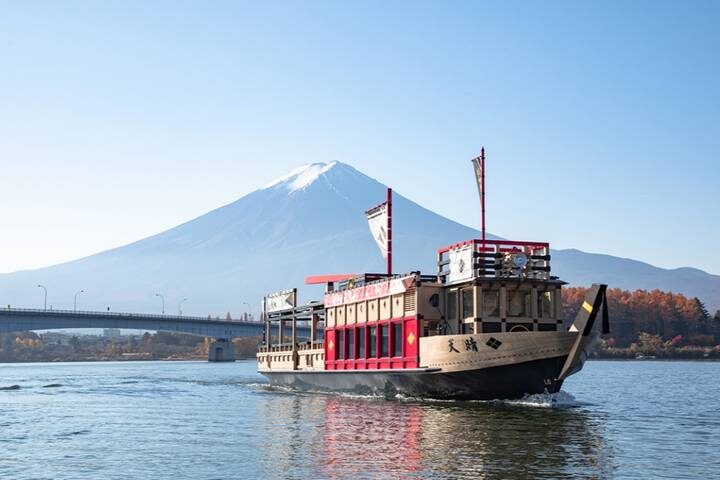
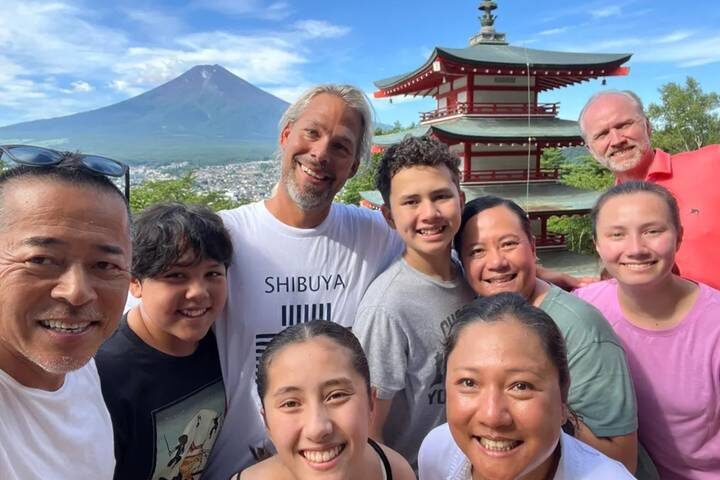
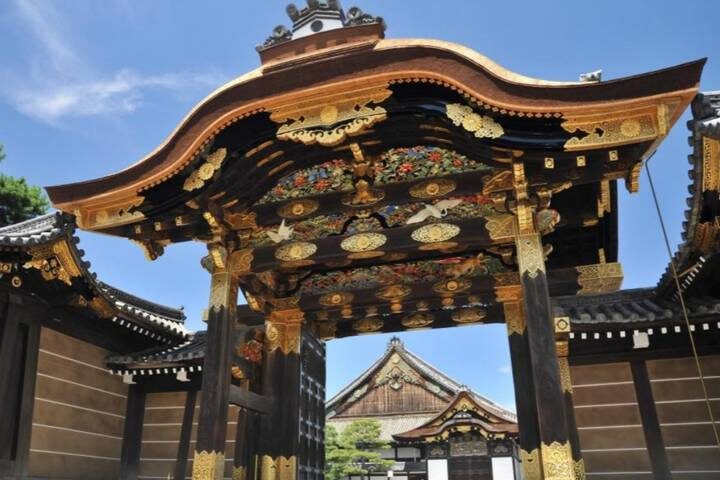
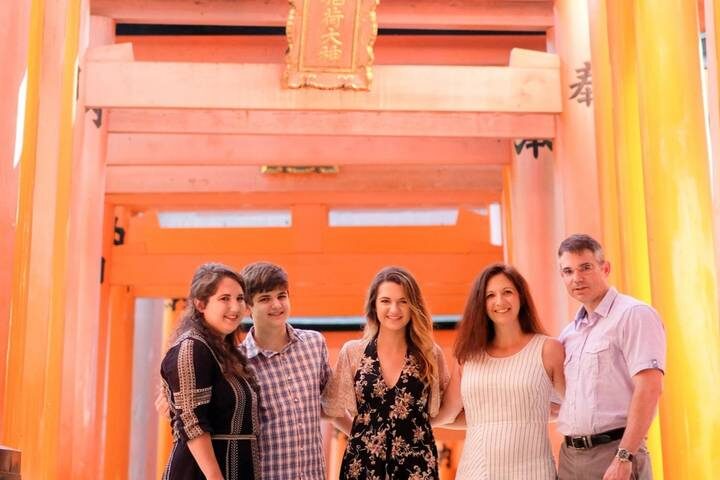
- Mount Fuji from Arakurayama Sengen Park: Climb to the pagoda viewpoint, then choose a Lake Kawaguchi cruise or a lakeside stroll. Fuji visibility depends on the weather.
- Three distinct hotel bases: Spend three nights in Tokyo, two in Kyoto and two in Osaka, with breakfast included each morning.
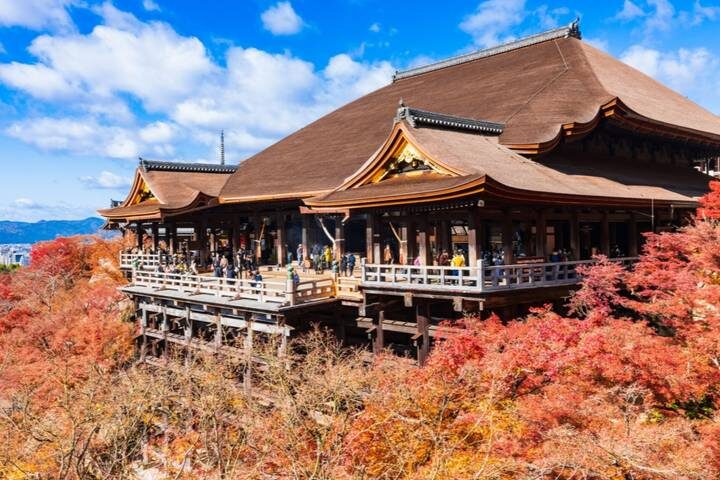
- Kyoto’s torii-lined approach: Walk among the gates at Fushimi Inari, then continue to Kiyomizu-dera, Gion and the preserved lanes of Ninenzaka and Sannenzaka.
- Nara’s giant Buddha and free-roaming deer: Visit Todai-ji and Kasuga Taisha before heading on to Osaka.
- A long but meaningful Hiroshima day: Ride the Shinkansen, visit the Peace Memorial Park and Museum, then take a ferry to Miyajima Island.
- A small group, not a private tour: The group is capped at 15, but daily plans are fixed and free time is limited.

👉 See our pick of the 25 Best Guided Tours In Tokyo
Eight days from Tokyo to Osaka
The tour is designed as a first look at Japan’s major sights, not a slow, stay-in-one-place holiday. You change cities twice, take a full-day trip to Mount Fuji and make the Osaka to Hiroshima round trip in one day. The reward is a broad introduction without having to plan each train, hotel and attraction yourself.
The advertised price starts at $3,204 per person, based on the cheapest room option and two people sharing. It includes seven nights of accommodation, seven breakfasts, an English-speaking guide, transport including the bullet trains, and admission fees for listed attractions. International flights, airport transfers, most lunches and dinners, insurance and optional activities are not included.
That price buys convenience as much as sightseeing. Japan’s rail system is efficient, but stations can be large and transfers can take attention, especially when you are managing luggage or traveling with children. Having transport and major stops arranged is useful. Still, compare the cost against what you would spend booking hotels and long-distance trains yourself, and remember to budget for meals and airport transfers.
You can also read our reviews of more tours and experiences in Tokyo.


Tokyo arrival and Mount Fuji views
Day 1 is an arrival day, not a guided sightseeing day. You make your own way to the designated Tokyo hotel, check in and have time to rest. There is no welcome dinner or formal reception. The guide is expected to contact you that evening with the next day’s meeting time, but do not assume someone will be waiting at the airport or hotel entrance when you arrive.
The default Tokyo hotel is Shibuya Excel Hotel Tokyu, a four-star property. Airport pickup can be arranged for an extra fee. If you prefer to arrange your own transfer, keep the hotel address and meeting details accessible before you land.
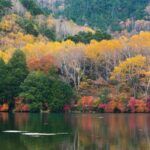
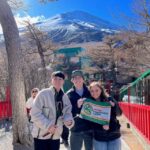
Day 2 is a long outing to Arakurayama Sengen Park and Lake Kawaguchi, with more than eight hours of touring possible. From the park, a walk of about 20 minutes takes you to Arakurayama Sengen Shrine, followed by stairs up to the viewpoint. The famous frame of Mount Fuji, the five-story pagoda and seasonal blossoms or autumn leaves is memorable, but the climb matters if anyone in your party has mobility concerns.
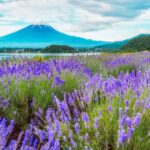
At Lake Kawaguchi, the plan includes a scenic boat cruise. You may instead stroll the shore or explore nearby galleries and museums, though those alternatives are described as options rather than guaranteed guided stops. Fuji can disappear behind cloud, so treat the mountain view as a possibility, not a promise. December to February is noted as the clearest viewing period; spring and autumn bring blossoms or foliage, with less certainty about visibility.
Tokyo’s shrine, crossing and market
Day 3 moves between very different sides of Tokyo. At Meiji Jingu, a broad wooden torii gate and wooded paths offer a quieter start than the streets outside. The shrine honors Emperor Meiji and Empress Shoken, and the visit gives you a useful introduction to Shinto practice.
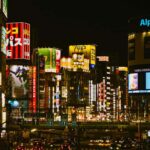
Then comes Shibuya Crossing, where waves of pedestrians cross from every direction. It is a quick, unmistakably Tokyo stop. If you want to see the Hachiko statue, it is an optional detour near Shibuya Station, so ask your guide how much time is available.
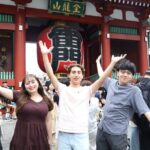
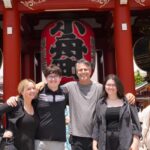
At Senso-ji in Asakusa, you pass through Kaminarimon Gate and Nakamise Shopping Street on the way to the temple grounds. The street is good for browsing snacks and souvenirs, but it can be crowded. The five-storied pagoda and views toward Tokyo Skytree add to the visit. The day ends at Tsukiji’s outer market, where you can buy food at your own expense. The wholesale fish auctions have moved elsewhere, so think of Tsukiji as a place to eat and browse, not a chance to watch the tuna auction.
Kyoto by bullet train, then two days of temples
On Day 4, you take the Shinkansen from Tokyo to Kyoto, a journey of about two and a half hours. The train is a highlight in its own right, and the transfer is arranged. In Kyoto, Kinkaku-ji, the Golden Pavilion, catches the eye with its gold-leaf exterior reflected in the pond. The route around the grounds is set, so you have time to take in the view but not to linger indefinitely.
Nijo Castle provides a different kind of history. It was built as the Kyoto residence of Tokugawa Ieyasu, and its defensive walls and moats frame richly decorated rooms. Listen for the famous nightingale floors, which creak underfoot and were designed to alert guards to intruders. The Ninomaru Garden adds a calmer pause after the castle rooms.
Kyoto accommodation is usually Kyoto Tokyu Hotel, listed as five-star for this tour, although the final hotel confirmation is provided close to departure and a hotel of the same standard may be substituted. The other listed bases are four-star. Hotel quality and exact properties can differ by departure, so confirm the final names before making plans around a particular address.
Day 5 combines Fushimi Inari, Kiyomizu-dera and Gion. Fushimi Inari’s thousands of red torii gates climb Mount Inari. The walk to the Four-Way Crossroads takes roughly 30 to 40 minutes and gives you a view across Kyoto; reaching the summit and returning takes about two to three hours, so do not count on completing the full hike within the group schedule.
At Kiyomizu-dera, the wooden stage projects over the hillside. The Otowa Waterfall divides into three streams, traditionally linked with longevity, wisdom and health. You can then walk the sloping lanes of Ninenzaka and Sannenzaka, where traditional buildings hold shops and cafés. Yasaka Shrine and Gion finish the day. Gion is known for its preserved wooden townhouses and tea houses, and you may see geiko or maiko, but sightings are not guaranteed. A geisha show is not included.
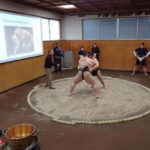
The Kyoto days are rich in major sights, but they are temple-heavy. If you want a geisha performance, a sumo demonstration, the Arashiyama bamboo grove or the monkey park, you will need to arrange those independently during free time or after the tour.
Nara’s deer and Osaka after dark
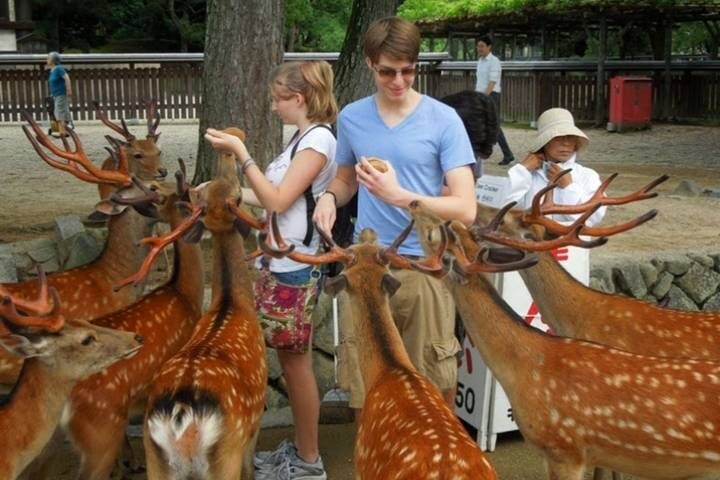
On Day 6, the group drives from Kyoto to Nara, about an hour and a half. Todai-ji’s Great Buddha Hall houses a bronze Buddha about 16 meters tall and is itself an immense wooden building. From there, you walk through Nara Park, where deer roam freely. Special crackers are sold for feeding them; keep hold of food and follow local guidance, since the deer can be persistent.
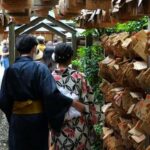
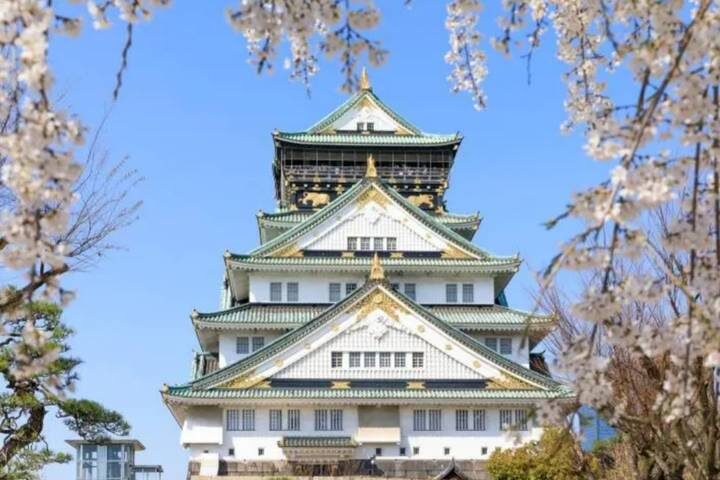
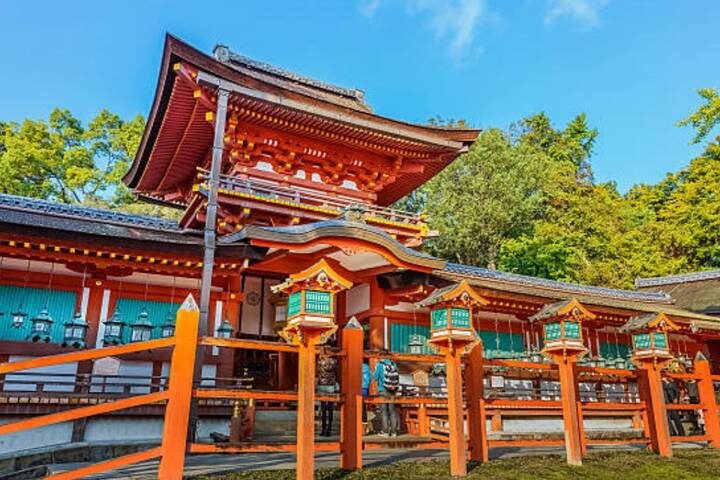
Kasuga Taisha brings you to vermilion buildings and rows of bronze lanterns at the foot of Mount Kasuga. Then it is about an hour by road to Osaka. At Osaka Castle Park, you can see moats, gates and the central keep. More than 600 cherry trees grow in the park, making late March to early April a particularly appealing season, though blossoms depend on the year.
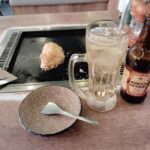
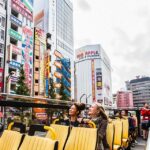
The day ends around Shinsaibashi-suji and Dotonbori. This is your chance to shop and try Osaka specialties such as takoyaki and okonomiyaki, with meals at your own expense. The schedule also suggests Shinsekai if time allows, but it is not a core guaranteed stop. Osaka accommodation is listed as Osaka Excel Hotel Tokyu, four-star.

Hiroshima and Miyajima in one demanding day
Day 7 is a substantial excursion. You take the Shinkansen from Osaka to Hiroshima, a ride of about one and a half to two hours, then use local transport to reach Hiroshima Peace Memorial Park. The A-Bomb Dome remains a stark reminder of the August 6, 1945 bombing. The Peace Memorial Museum presents survivor artifacts, photographs and historical documents. Give this visit the attention it deserves; it is not simply another stop to check off.
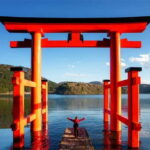
Afterward, a ferry takes you to Miyajima Island and Itsukushima Shrine, known for its vermilion torii gate in the Seto Inland Sea. The shrine’s buildings and setting offer a striking contrast with the memorial in Hiroshima. Ferry and train travel are included, but the day still involves several transfers and a return to Osaka that evening.
Transport between Osaka Station and the hotel depends on group size. For groups larger than eight, private transport is arranged; for smaller groups, the guide accompanies the group on local public transport. In Hiroshima, local transport is used between the station and attractions. This is where clear meeting instructions matter: confirm the meeting point and timing with your guide rather than relying on assumptions.
What the guide and group format mean in practice
The tour is described as fully guided, with English-speaking local guides, but the experience may not mean one person travels beside you for all eight days. Guide assignments can change between destinations. Names reported on different departures include Sia ShouShou, Kevin and Edward, but you cannot count on any particular guide being assigned to your trip.
Guiding and communication have been uneven in some cases. Some departures have had detailed plans sent several days ahead; others have involved late messages, city-by-city guide changes or more independent station navigation than expected. One account describes being left to manage a large station with luggage, while another found the Hiroshima guide especially helpful with train tickets and transfers. Before departure, ask who will meet you each day, when you will receive the schedule, and whether the guide will accompany your group through each station transfer.
The group size is one to 15, which is small enough to be more manageable than a large coach tour, but it is still a group trip with fixed stops. The stated physical rating is low intensity, yet you should expect walking at temple grounds, stairs at viewpoints and busy sightseeing days. Exact daily walking distances are not provided.
Meals, rooms and practical details
Seven hotel breakfasts are included. Lunches and dinners are generally on your own, which gives you room to try local food but means you will need to budget and make choices each day. The guide can recommend restaurants, according to the tour information. Dietary needs, especially vegan diets, may be difficult to accommodate consistently in Japan, so contact the operator before booking and be prepared to find some meals yourself.
Rooms are priced on a two-person sharing basis. If you want a private room, a single supplement applies; one quoted example gives a supplement of $1,509 per person, but the amount can vary. The standard tour price does not include airport pickup in Tokyo or airport drop-off in Osaka. Both can be arranged for an extra charge.
This trip suits first-time visitors who want the major sights and prefer having hotels, trains and admission arrangements handled. Families may appreciate the limited group size and range of activities, but children should be ready for early starts, long sightseeing days and several temple visits. If you want deep time in one city or a flexible, highly personalized schedule, eight days will feel too compressed.
Should you book this Japan tour?
Book it if you want a broad, organized introduction to Japan and value included rail travel, hotel breakfasts and a guided route through Tokyo, Kyoto, Nara, Osaka and Hiroshima. The route is particularly strong for first-timers who would rather not coordinate intercity logistics on their own.
Think twice if you expect one guide to escort you continuously, want every meal included or prefer plenty of unplanned time. Before paying, confirm the hotel names, guide contact schedule, station arrangements and any single-room supplement. If those details suit your needs, this is a practical way to see Japan’s headline sights in a week. If they do not, a slower trip with more time in Kyoto or Tokyo may be a better fit.
8 Days Best Of Japan Family Small Group by UME Travel – Tokyo to Osaka Tour
“It was a great and memorable tour in 8 Days Best Of Japan. The route was wonderful and it was truly an opportunity to see Japan, taste its culture…”
FAQ
Are airport transfers included?
No. You make your own way to the Tokyo hotel and from the Osaka hotel to the airport. Private transfers can be arranged for an extra cost.
Which hotels are used?
The listed default hotels are Shibuya Excel Hotel Tokyu in Tokyo, Kyoto Tokyu Hotel in Kyoto and Osaka Excel Hotel Tokyu in Osaka. Hotels of the same standard may be substituted, and final confirmation is provided close to departure.
How many meals are included?
Seven breakfasts are included. Lunches and dinners are not listed as included meals.
How large is the group?
The group size is listed as one to 15 people.
Is the tour guided in English?
Yes. The tour is guided in English. Guide assignments may vary between destinations, so confirm the daily meeting arrangements before departure.
Is Mount Fuji guaranteed to be visible?
No. Visibility depends on weather. The tour notes that December through February is generally the best period for clear views, while spring and autumn offer seasonal scenery.
Is the full Fushimi Inari hike included?
The tour visits Fushimi Inari, and the walk to the Four-Way Crossroads takes about 30 to 40 minutes. A round trip to the summit takes about two to three hours and is optional.
Are private rooms available?
Yes. You can request separate rooms by paying a single supplement. The amount depends on the booking; one quoted example was $1,509 per person.