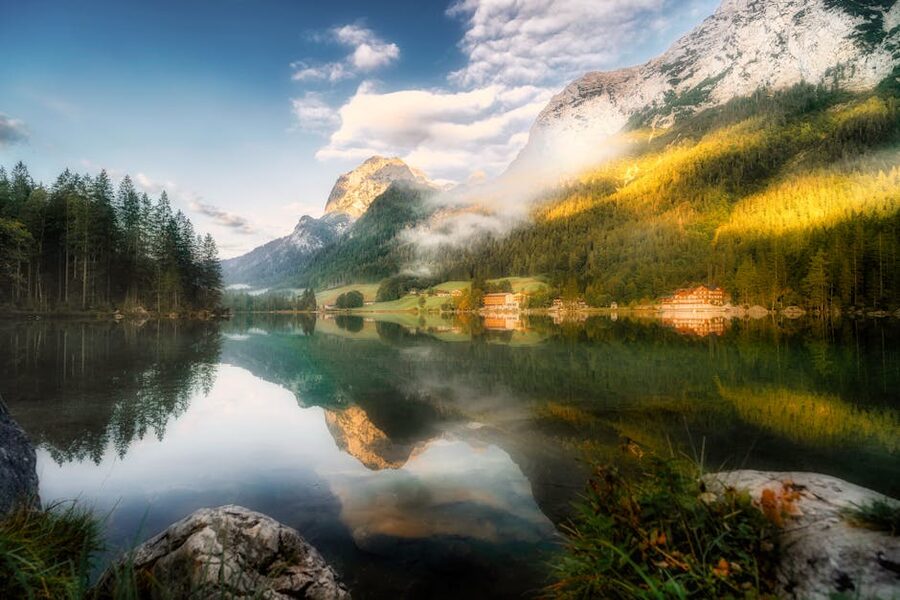
Should you do Salzburg, Berchtesgaden, or the Eagle’s Nest from Munich? That’s the real question, because the train pulls into Mozart’s hometown in under two hours, but the same morning you could be looking down on the Alps from Hitler’s old mountain retreat. Different mood, same ride out of Munich Hauptbahnhof.
- In a Hurry?
- So Which One Should You Pick?
- Getting from Munich to Salzburg by Train
- Going by Tour Instead
- Tours from Munich
- 1. From Munich: Salzburg Day Trip by Train:
- 2. Berchtesgaden and Eagle’s Nest Day Tour from Munich: .89
- 3. From Munich: Salzburg, St. Wolfgang, and the Salzkammergut:
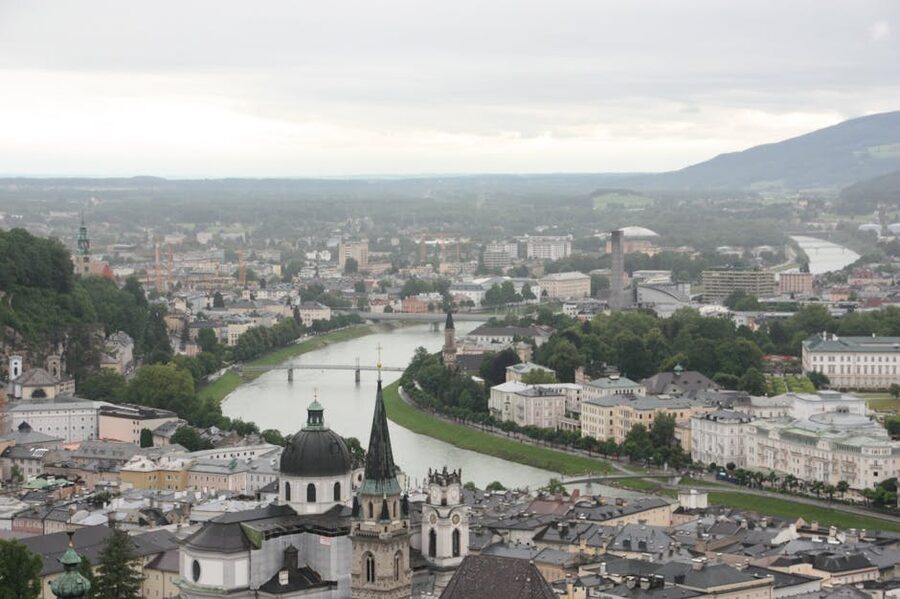
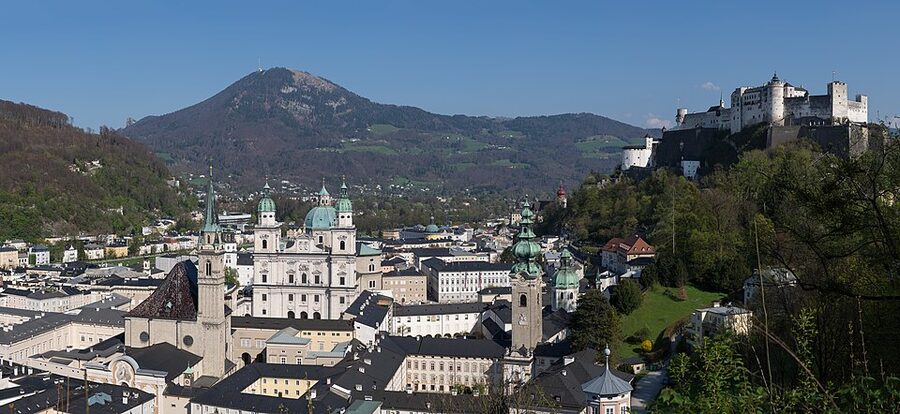
- What’s Actually in Salzburg for a Day
- The Berchtesgaden and Eagle’s Nest Side
- Crossing the Border (the Stuff That Catches People Out)
- The Sound of Music Question
- Practical Booking Notes
- What to Pair This With if You Have More Munich Days
- Pulling It Together
In a Hurry?
If you only have time to skim, these are the three I’d book first depending on what kind of day you want.
- Salzburg by train, around $93: the Mozart-and-old-town option, guided through the city centre with a Sound of Music detour built in. Book the Salzburg train tour.
- Berchtesgaden + Eagle’s Nest, around $77: the mountain option, coach up to the Kehlsteinhaus and a sweep through Berchtesgaden. Book the Berchtesgaden and Eagle’s Nest tour.
- Salzburg + Lake District combo, around $84: Salzburg in the morning, St. Wolfgang and the Salzkammergut in the afternoon. The Sound of Music landscape on one ticket. Book the Salzburg and Lake District tour.
So Which One Should You Pick?
Here’s the honest version. Salzburg is a small Baroque city you can walk in a day. Berchtesgaden and the Eagle’s Nest are an Alpine mountain day, on coaches and lifts and in fresh air. They sound similar on paper because they share the same corner of the Bavarian-Austrian border. They’re not the same trip.
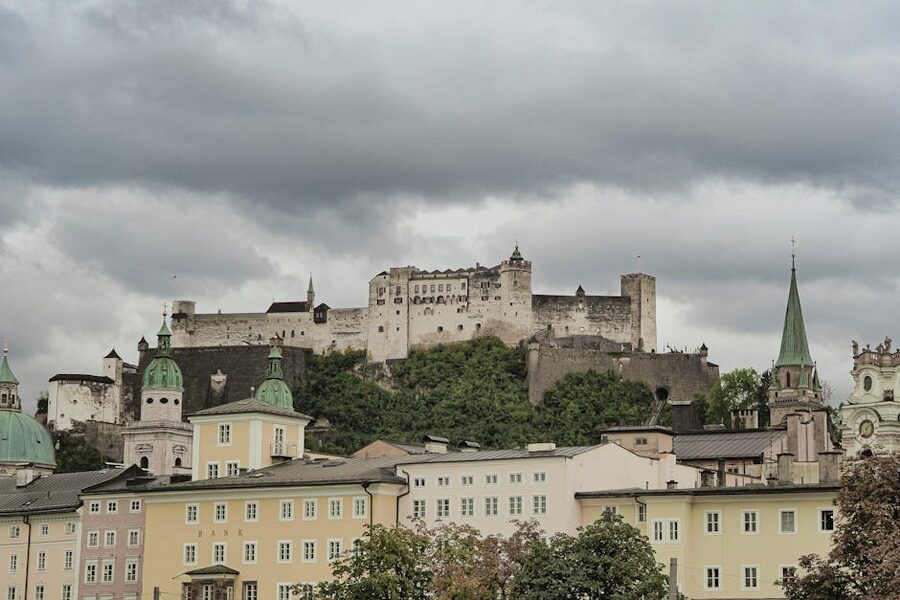
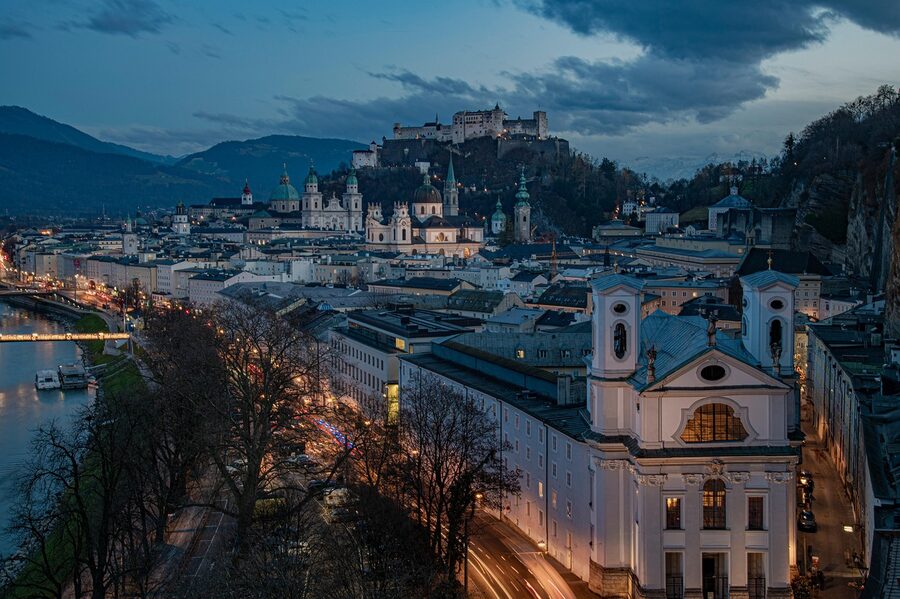
If you’ve never been to either, and you only have one day out of Munich, I’d pick Salzburg. The Old Town, the fortress, Mirabell Gardens, Mozart’s birthplace. That’s a city you can take in by walking. It does the thing that day trips are supposed to do, which is feel like a different country in less than two hours.
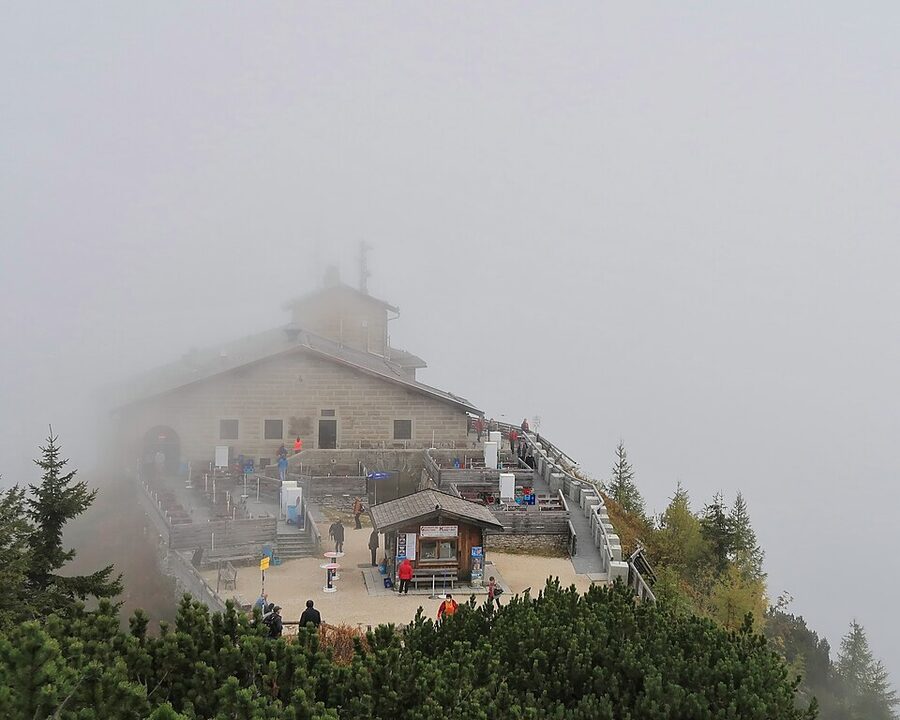
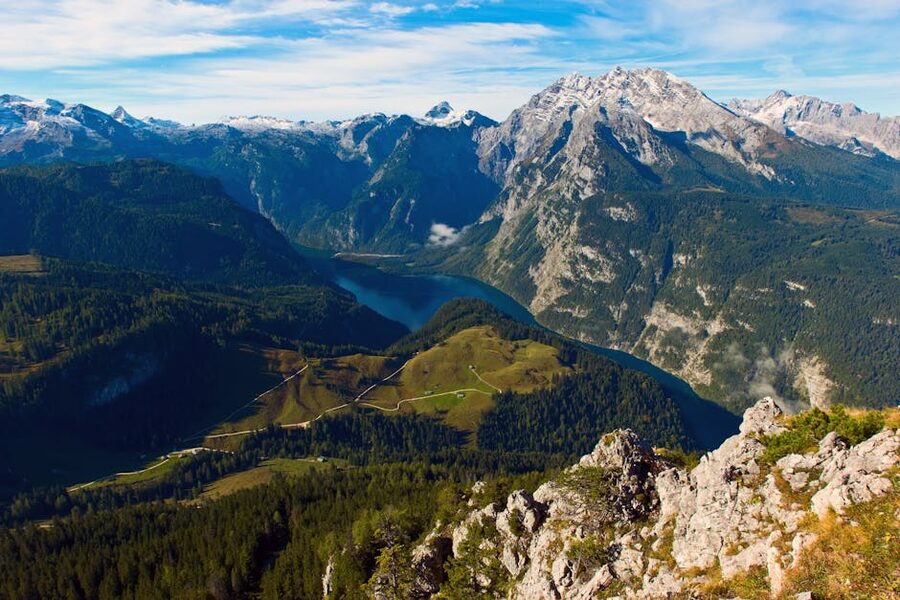
If you’re already planning to spend longer in Bavaria, or you’ve done the Sound of Music thing before, swap Salzburg for the Eagle’s Nest. The view from the Kehlsteinhaus down over the Alps is the kind of thing photographs underplay. Plus the historical context up there is genuinely moving in a way that’s hard to get from a city walking tour.
The third option, the Salzburg + Salzkammergut combo, is the right pick for one specific person: the Sound of Music enthusiast. You get Salzburg in the morning, then the bus heads into the Lake District where the film’s opening scenes were shot. It’s a long day on a coach, but you’re seeing two postcards in one shot.
Getting from Munich to Salzburg by Train
The single best move on this whole route is buying a Bayern Ticket. It’s a regional day pass for Bavaria, currently around 32 euros for one person and 10 euros for each extra adult up to five. It covers all your local Munich transport plus the train to Salzburg and back. It doesn’t work on the fast EC or Railjet trains. It does work on the Meridian regional trains, which are the M-prefixed services on the timetable.
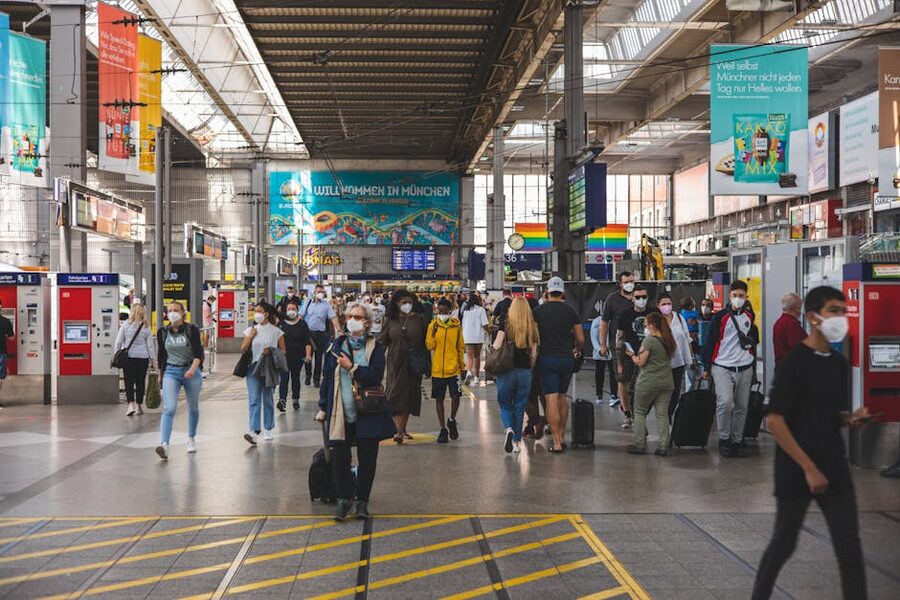
Two timing things matter. The Bayern Ticket is only valid from 9am on weekdays, and from midnight on weekends. So if you want to leave earlier on a weekday, you’ll either pay full fare or wait. The 9:55 Meridian from Munich Hauptbahnhof is the workhorse weekday departure that fits the rules. On weekends I’d grab the 7:56 to get a longer day in Salzburg.
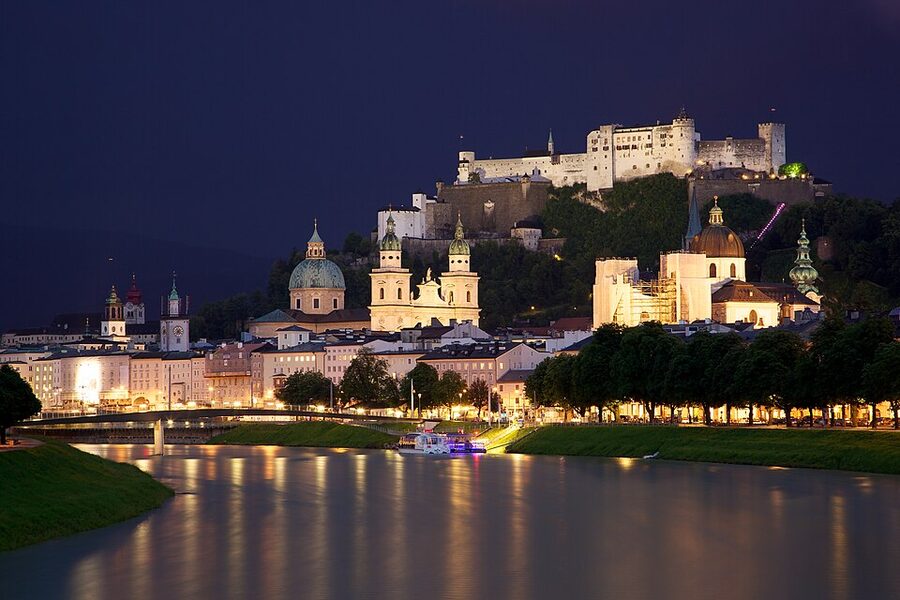
The journey is about 2 hours on the regional train, around 1h 50m on the EC. The last 20 minutes are scenic. You cross the Saalach river, fields open up, and the fortress appears on the hill. Sit on the right side coming out of Munich. Bring a snack. The on-board options are not great.
Going by Tour Instead
If you don’t want to mess with the Bayern Ticket and Meridian timetables, a tour is genuinely the easier move. You give up some flexibility, but you get a guide who knows the city and you don’t have to think about getting back. For Salzburg specifically, an Austrian-licensed guide also matters, because under Austrian law a German guide can’t lead a guided walking tour inside Salzburg. The good operators handle this by handing you off to a local guide once you arrive.
Three tours come up again and again from Munich, one for each shape of day. I’ve ranked them by how booked they are.
Tours from Munich
1. From Munich: Salzburg Day Trip by Train: $93
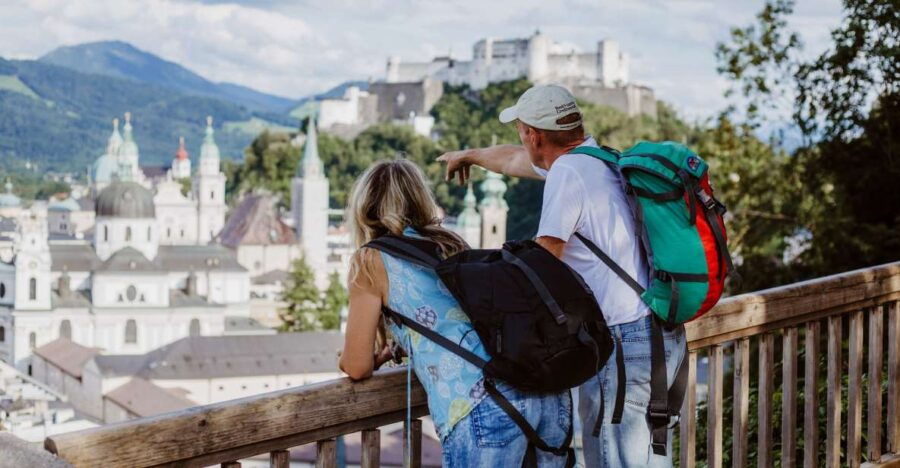
This is the default pick if Salzburg itself is the goal. You travel by Meridian train using the Bayern Ticket, get a guided walking tour of the Old Town from a local Austrian guide, and have a few hours of free time before the return. Our full review goes into the timing of the free hours and what to do if you want to add a Sound of Music walk.
2. Berchtesgaden and Eagle’s Nest Day Tour from Munich: $76.89

The bus ride is about two hours each way. Toilets on board. Use them before you reach the Kehlstein because there isn’t much time once you’re at the summit. Our review covers the practical stuff: what’s included, when the road actually opens (mid-May to late October), and which side of the bus to sit on for the best Alps view.
3. From Munich: Salzburg, St. Wolfgang, and the Salzkammergut: $84
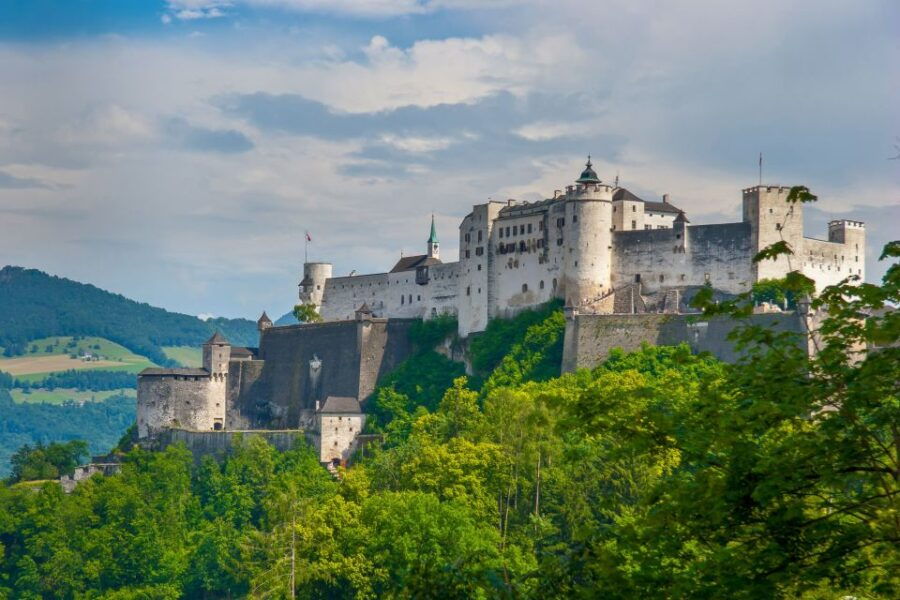
This is the eleven-hour option, which sounds long, and is. The trade-off is you get two distinct landscapes in one day. Read our review for the honest take on whether to add the optional Wolfgangsee boat cruise. Short version: yes if the weather is clear, skip it if not.
What’s Actually in Salzburg for a Day
If you’re going DIY by train, here’s the realistic version of one day. Salzburg is small. You can see the headline attractions on foot in about six hours. Don’t try to do the fortress, Mirabell, the Old Town, Mozart’s birthplace, and a Sound of Music tour all in one go. Pick three.
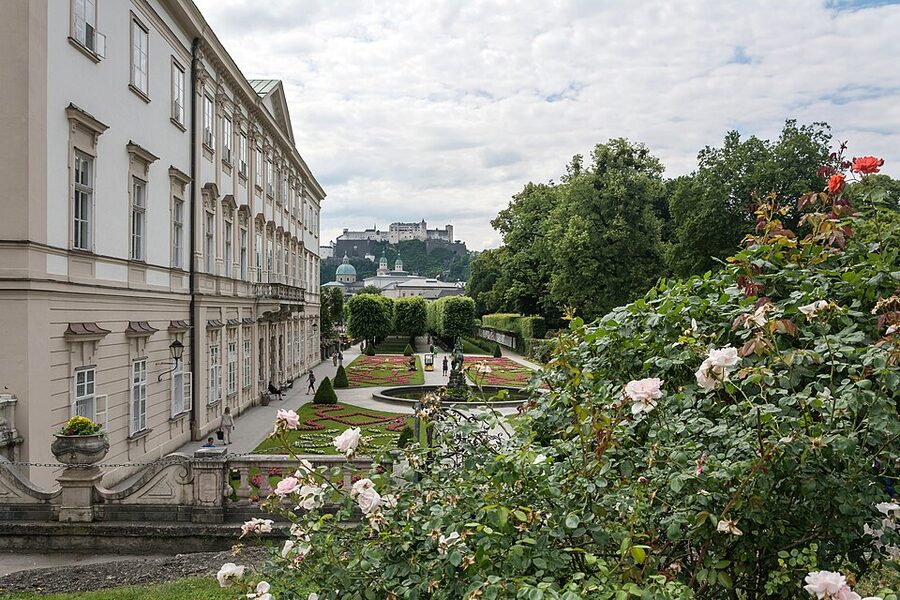
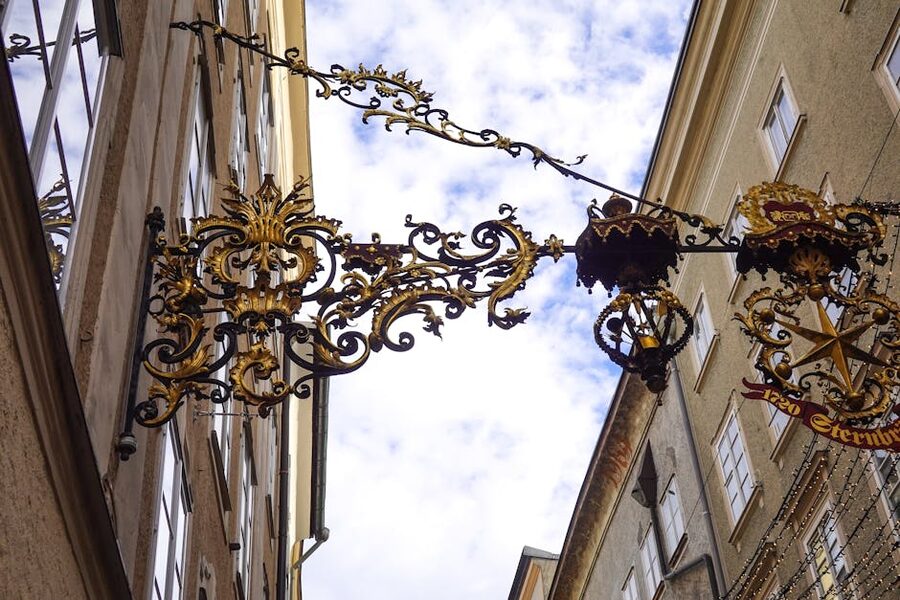
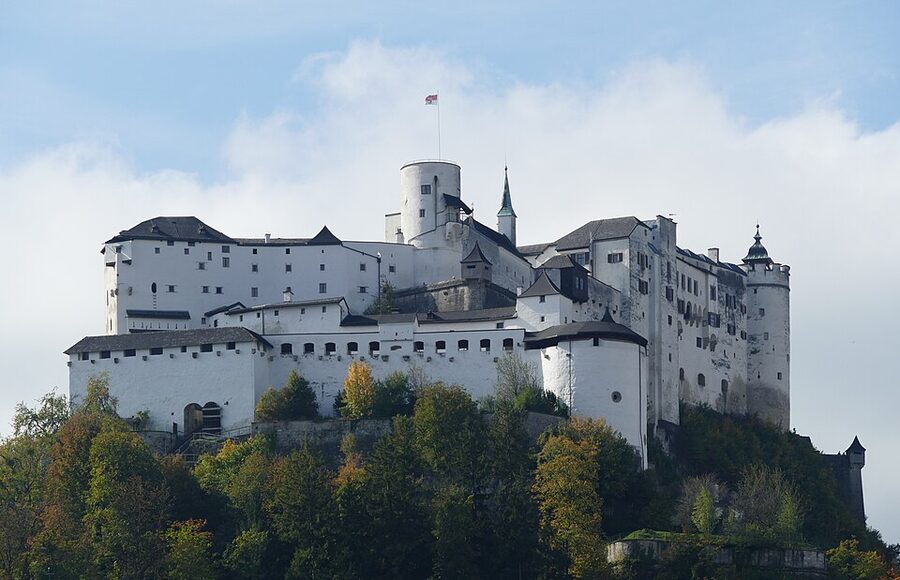
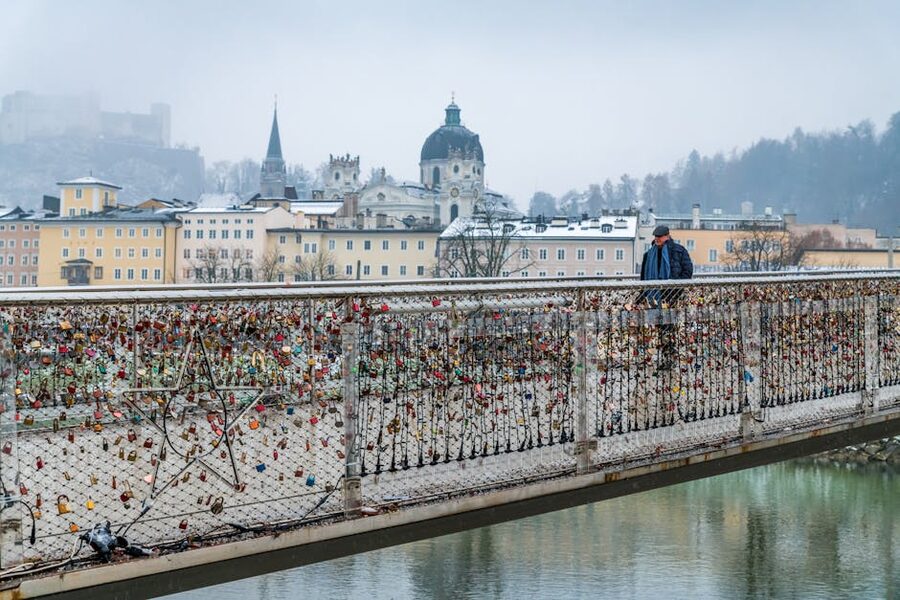
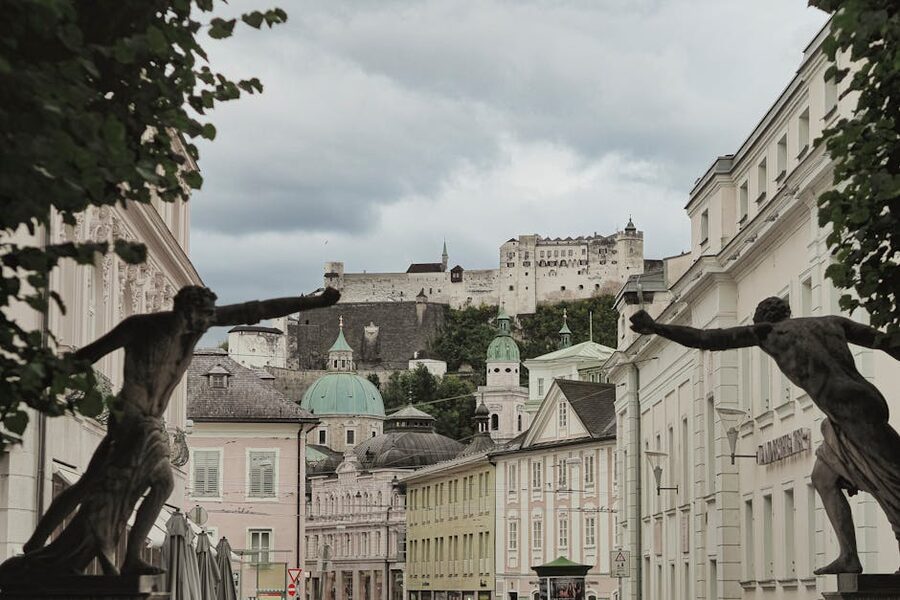
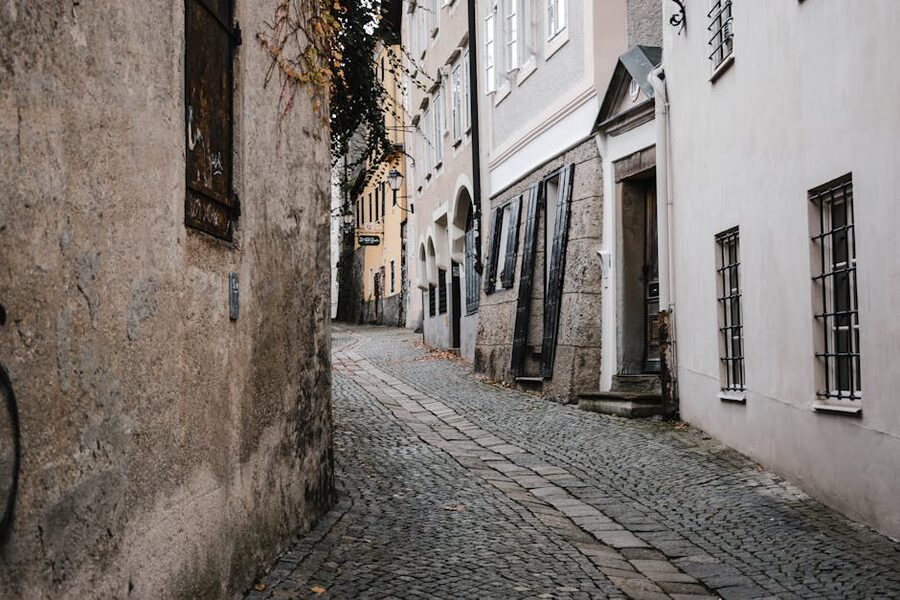
My usual order: Mirabell Gardens first, because it’s a five-minute walk from the train station and a soft landing. Then cross the Makartsteg bridge into the Old Town. Pick up the Getreidegasse for the wrought-iron signs, peek into Mozart’s bright-yellow birth house at number 9, and emerge at Residenzplatz. Lunch around there, then a long, slow climb up to Hohensalzburg in the afternoon when the morning tour groups have started leaving.
The Salzburg Card is worth doing the maths on if you’re hitting more than two paid attractions. It bundles the funicular, fortress entry, Mozart’s birthplace, the Mirabell museum, Hellbrunn Palace, and the public buses into a flat day price. If your plan is just walking around taking photos and eating apple strudel, skip it.
The Berchtesgaden and Eagle’s Nest Side
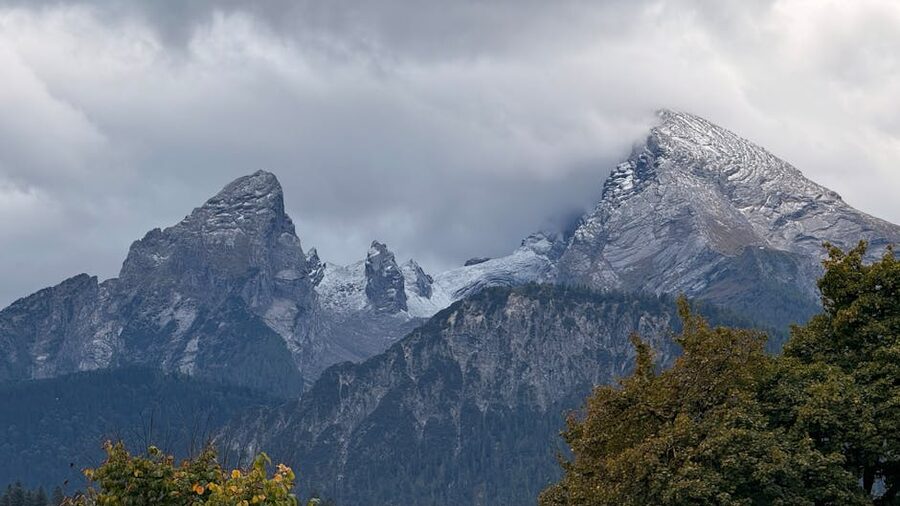
This is the trip people sometimes confuse with Salzburg, because Berchtesgaden sits 30 km southwest of Salzburg and the postcards look similar. They’re not the same. Berchtesgaden is a small Bavarian town inside a national park. The Eagle’s Nest is up the Kehlstein mountain, about 20 minutes uphill from town by special bus.
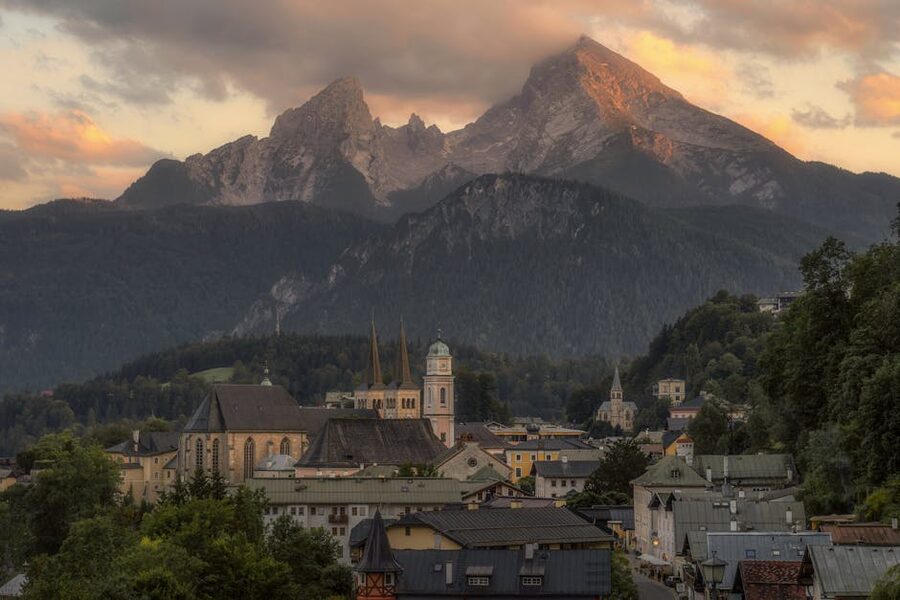
The Eagle’s Nest only opens roughly mid-May to late October. The road and lift close in winter because of the snow. If you’re traveling November through April, the Berchtesgaden tour from Munich switches to the Obersalzberg Documentation Center and Salt Mines instead, which is still worth doing but a different experience.
Practical note that surprises people: you can’t drive your own car up the Kehlstein. The road is permitted access only, on the dedicated yellow buses run by the national park. If you book a tour from Munich, the operator handles the bus seat and the timed lift ticket together, which is the main reason to book a tour for this one rather than DIY.
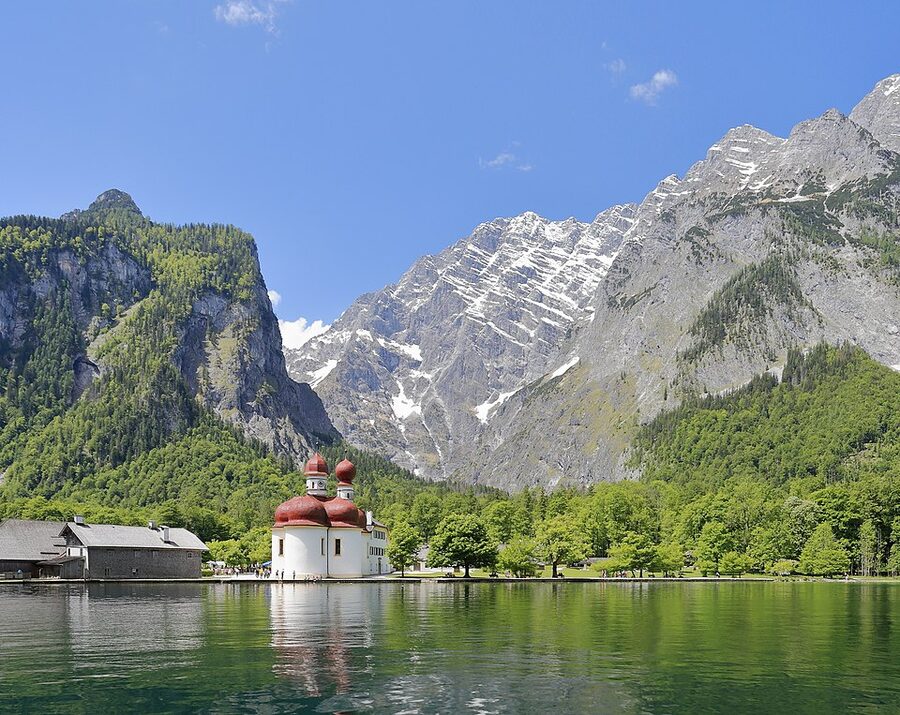
While you’re in the area, the other landmark worth knowing about is Lake Königssee. It’s a 7 km fjord-like lake locked in by sheer mountain walls, with electric boats running to the chapel of St. Bartholomew on the far shore. Most Eagle’s Nest day tours from Munich don’t include Königssee. There isn’t time. If you want both, this is one of the cases where staying overnight in Berchtesgaden makes more sense than trying to cram it into a Munich day trip.
Crossing the Border (the Stuff That Catches People Out)
Salzburg is in Austria, Berchtesgaden is in Germany, and the border between them is open in the Schengen sense. There are no formal checkpoints. But spot checks happen, especially on coaches and at the train, so carry your passport. Don’t leave it in the Munich hotel.
If you’re driving (which I don’t recommend over the train, but it comes up), you need an Austrian motorway vignette before you cross the border. The cheapest is the 1-day version at around €9.30. There’s no booth at the border. You buy it online or at the last petrol station inside Germany. Don’t skip this. The fines come in the post and they sting.
Currency is the same on both sides. Euros. ATMs work normally. Cards are accepted in most cafés and museums on both sides of the border, but smaller bakeries and family-run beer halls are more comfortable with cash, so carry €30 to €50 in small notes.
The Sound of Music Question
Some readers come at this article from the Sound of Music angle, which deserves its own answer. There’s no Sound of Music tour that runs from Munich. The good ones are all based in Salzburg itself, lasting about 4 hours, and they leave from Mirabellplatz once you’ve made your way over by train or coach.
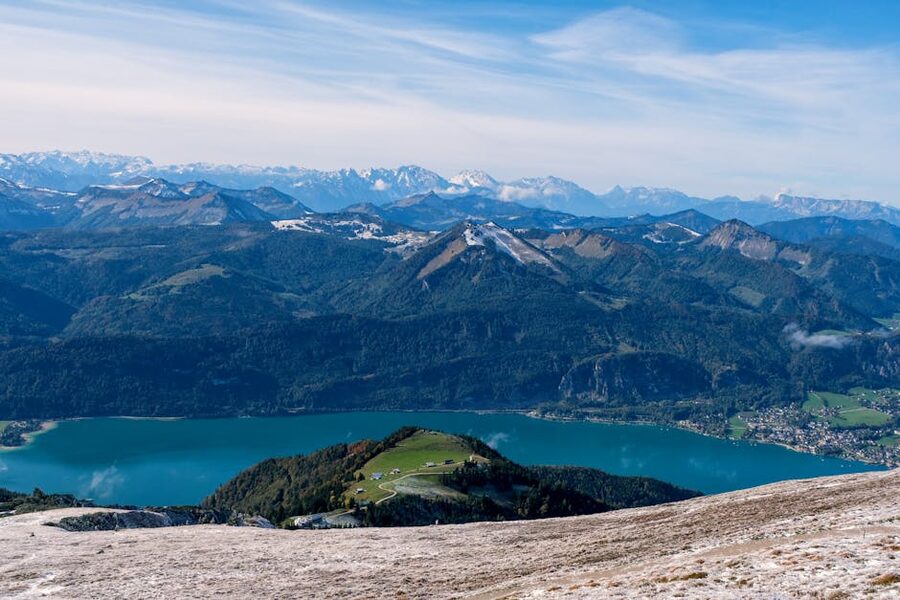
If the film is the whole reason you’re going, the Salzburg + St. Wolfgang combo is your best Munich-based option. You get the Mirabell Gardens (the “Do Re Mi” location), the Mondsee Cathedral (the wedding scene), and the Wolfgangsee panorama (the opening shot). It’s not a dedicated SOM tour but it covers the same locations with less faff.
The other thing worth knowing: most Austrians haven’t seen The Sound of Music. It’s more of an American thing. Don’t be surprised if a Salzburg local can’t confirm a film location for you. The dedicated SOM tour guides know it cold; everyone else genuinely doesn’t.
Practical Booking Notes
Three things to actually do once you’ve picked a tour. First, book at least 48 hours ahead in summer. The Salzburg train tours sell out on Saturdays from June through August, and the Eagle’s Nest dates fill up because the Kehlstein lift has a fixed capacity. Second, check the meeting point. Most Munich tours leave from outside the Hauptbahnhof on the Bayerstrasse side, but a few leave from Karlsplatz Stachus and a few use the central bus station. Third, book a refundable ticket if you’re booking more than a week out, because the weather in the Alps is the variable that ruins more Eagle’s Nest plans than anything else.
One more thing. If you’re already staying in Munich, you’ve probably also looked at the Neuschwanstein Castle day trip, which is the other big Munich-based castle ride. Don’t try to do Neuschwanstein and Salzburg back-to-back as separate day trips unless you have at least four nights. Both are full days and both leave you tired. If you only have three days in Munich, pick one castle day and one Salzburg day, and use the third for the city itself.
What to Pair This With if You Have More Munich Days
One day in Munich, one day in Salzburg, and you’ve still got holiday left over. The natural next pick depends on what you’ve already done in the city. If you haven’t done a Munich walking tour yet, the Munich Third Reich walking tour pairs well as historical context. You’ll have just been to the Eagle’s Nest or the Berchtesgaden Documentation Center, and the Munich walk fills in the city-side history of the same period. If your Salzburg day was the cultural one, balance it with a darker, slower visit to the Dachau Memorial, which is a half-day from central Munich.
For a lighter follow-up day, the Rothenburg ob der Tauber day trip is the polar opposite of Salzburg. A tiny medieval German walled town up on the Romantic Road, no big-city Baroque, no Mozart. People who loved Salzburg’s Old Town tend to love Rothenburg even more. The same logic applies the other way: if you found Salzburg too touristy, Rothenburg is busier still in summer.
If you’re staying in Munich longer and want to do the city itself in a structured way, the hop-on hop-off bus covers the Marienplatz, Nymphenburg, Olympia Park, and English Garden loop in a half-day. Pair that with a beer hall evening and your three Munich days are full without needing a fourth.
Pulling It Together
The honest answer to “Salzburg from Munich, yes or no?” is yes, if you have one full day to spare and the train option appeals. It’s one of the easier border-crossing day trips in Europe. Two hours each way, Bayern Ticket if you DIY, $93 if you take the train tour, and you’re back in Munich for dinner.
Berchtesgaden and the Eagle’s Nest are the right call if you’ve already done Salzburg or you specifically want the mountain experience. Don’t try to do both in one day from Munich. The combo tours that promise Salzburg AND Berchtesgaden in one day exist but they’re rushed in a way that ruins both. Pick a side.
And if you’ve got a wet morning forecast, switch to a different trip rather than slogging through the Alps in fog. The Munich-based walking tours run rain or shine, and a beer hall in Bavaria is exactly the right call at 5pm in a downpour.