
The guide is two minutes into the foyer talk when the doors swing open and a wave of cold marble air spills into the room. We file up the staircase, past the Wagner bust, into a corridor that smells faintly of varnish and rehearsal dust. Then someone at the front gasps, because the auditorium has just appeared, and it is somehow even more painted, more gilded, more layered than the photos let on.
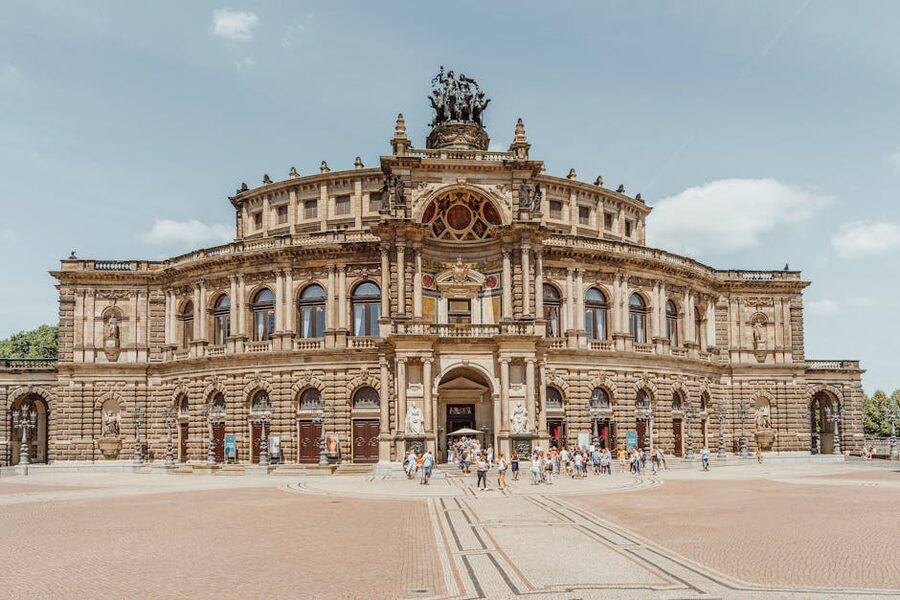
That is the Semperoper at 11am on a Tuesday. The 45-minute guided tour is the standard way in if you cannot stretch to a performance, and it is what most people in Dresden end up booking, planned or not.
In a Hurry?
Three Semperoper bookings I would actually pay for, in plain order of how often I would recommend them:
- Semperoper 45-Minute Guided Tour, about $18. The default. Skip-the-line entry, English or German guides, the auditorium reveal happens on every run.
- Semperoper and Old Town Combo, about $33 for 2.5 hours. Pair the opera house with a Frauenkirche-Zwinger walk. The two-in-one most first-time visitors should book.
- City and Semperoper Walking Tour, 2 hours 50 minutes. The deepest historical context if you want Augustus the Strong, Saxon royal politics, and Elbflorenz framing tied to the building itself.
- In a Hurry?
- What a Semperoper Tour Actually Covers
- How Much It Costs and How to Pick a Time Slot
- Tickets to a Performance vs the Guided Tour
- Three Tours Worth Booking
- 1. Semperoper 45-Minute Guided Tour: about
- 2. Semperoper and Old Town Combo: about
- 3. Dresden City and Semperoper Walking Tour: 2h 50min
- The History, Briefly
- Getting There and What’s Around
- What to Pair With a Semperoper Morning
- If You’re Doing Other German Cities
- Final Booking Notes
What a Semperoper Tour Actually Covers
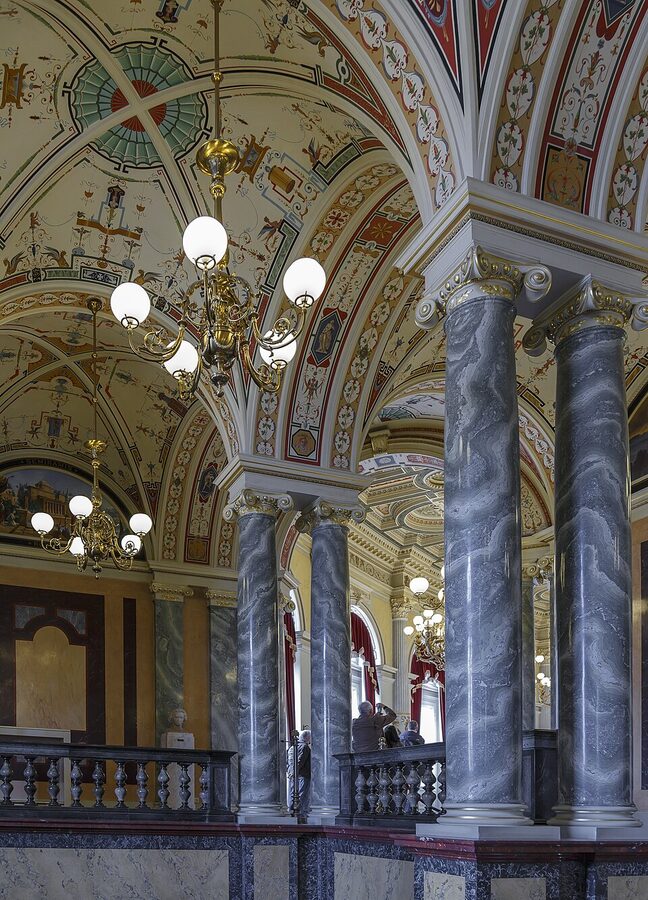
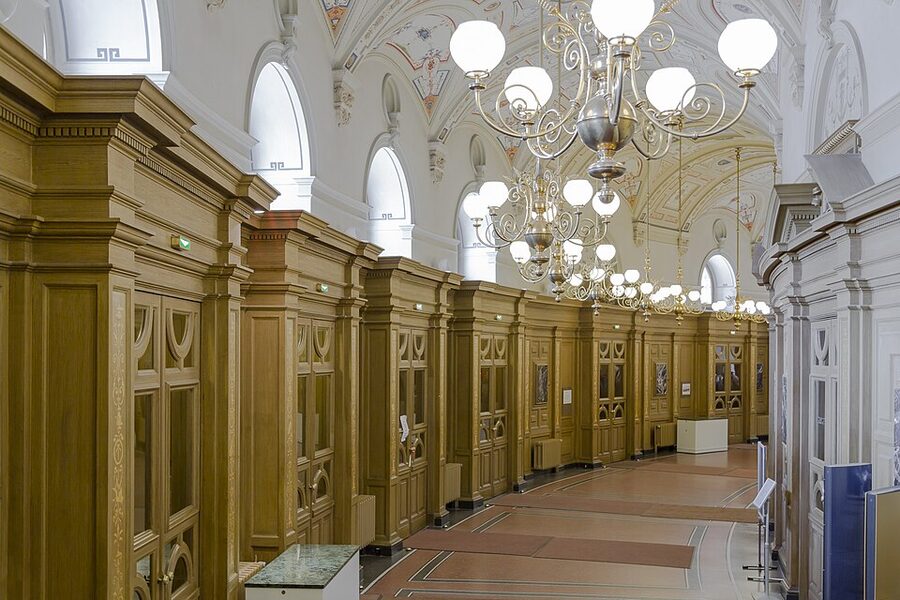
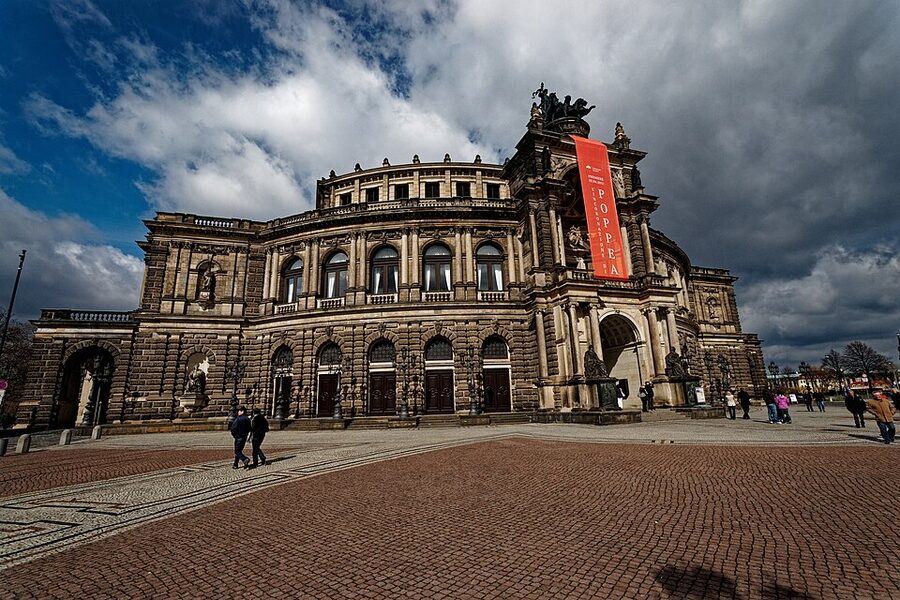
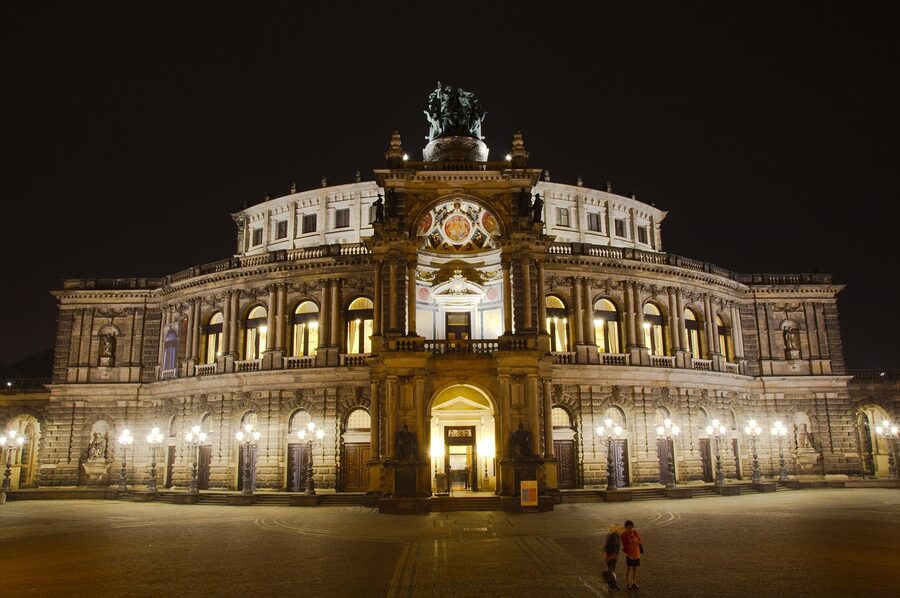
The standard guided tour runs 45 minutes and follows roughly the same route every time. You enter through a side door (not the grand Theaterplatz portal, which only opens for performances), gather in the main vestibule, and your guide walks you up through three foyers before the doors to the auditorium open.
The foyers are the surprise. Most people come for the auditorium and underrate the staircases, but the painted ceilings, the Pompeian-style murals, and the candelabra-style light fittings on each landing are the part you will photograph the most. Your guide will stop on the first floor for the longest stretch, partly for the views over Theaterplatz through the round-topped windows, partly because the acoustics in that hall are absurd and they like to demonstrate.
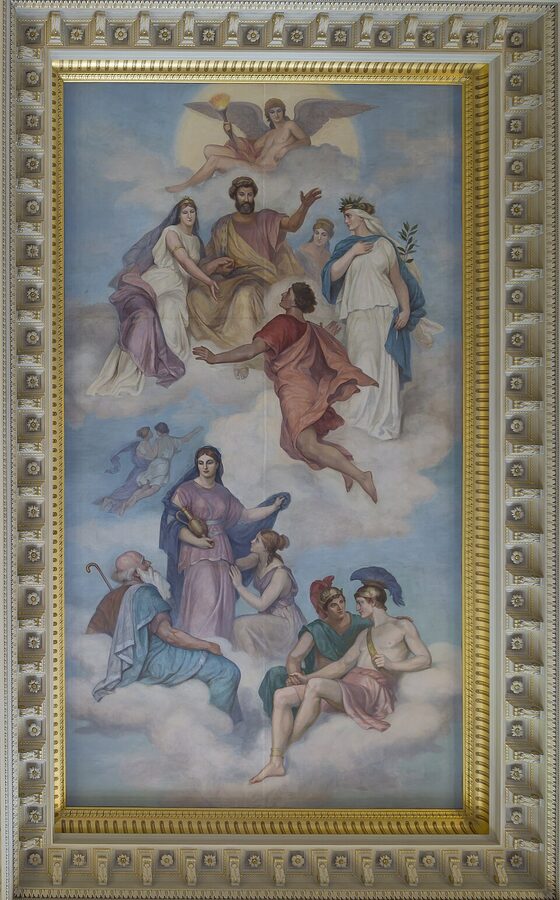
Inside the auditorium, you stand in the parterre. The royal box is pointed out, the painted ceiling is explained, and the proscenium curtain (the famous Ferdinand Keller one, restored from the original) is the centerpiece. You do not sit in the seats, you do not go on stage, and you do not see the dressing rooms. That is fine. What you do see is the room itself, and the room is the whole point.
What the tour does not cover, in case it matters: backstage, the orchestra pit, the mechanical rigging above the stage, and the modern Semper Two rehearsal building behind the main house. Those are off-limits for safety and rehearsal reasons. If you want backstage, you book a performance and stay in your seat at the interval.
How Much It Costs and How to Pick a Time Slot
The standard 45-minute guided tour books at around $18 per person on GetYourGuide, which is what most people end up paying. The opera house’s own box office sells the same tour from 10 to 16 EUR depending on slot, but you have to be physically there in the morning and you are buying for whatever is available, not the slot you want.
The smart move is to book online the night before, pick a slot between 10am and 12pm, and turn up ten minutes early. After lunch the tour groups stack and the auditorium starts to feel like an airport gate. The earlier you go, the smaller the group and the more the guide actually answers questions instead of moving you along.
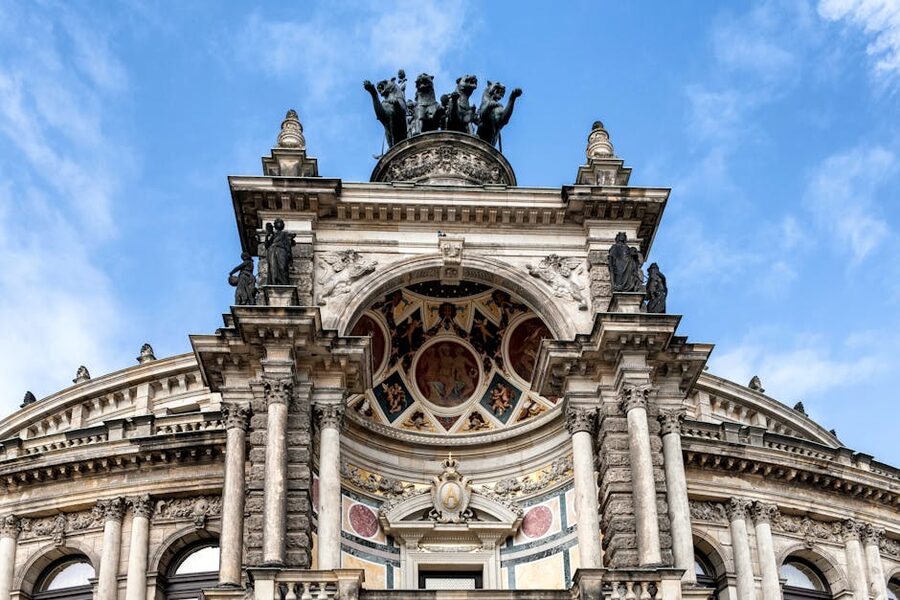
Tour languages: the daily schedule is mostly German, with English-language slots once or twice per day depending on season. Book the English slot if you want depth on the Wagner premieres and the WWII reconstruction story. The German tours are not subtitled or translated; if your German is not strong, do not waste 18 EUR trying to follow.
What to do if your slot is sold out: the box office releases a small block of unsold spots about 75 minutes before each tour starts. The price drops to 10 EUR for those, but you have to queue and you might not get in. Worth trying once if you are flexible, not worth planning around.
Tickets to a Performance vs the Guided Tour
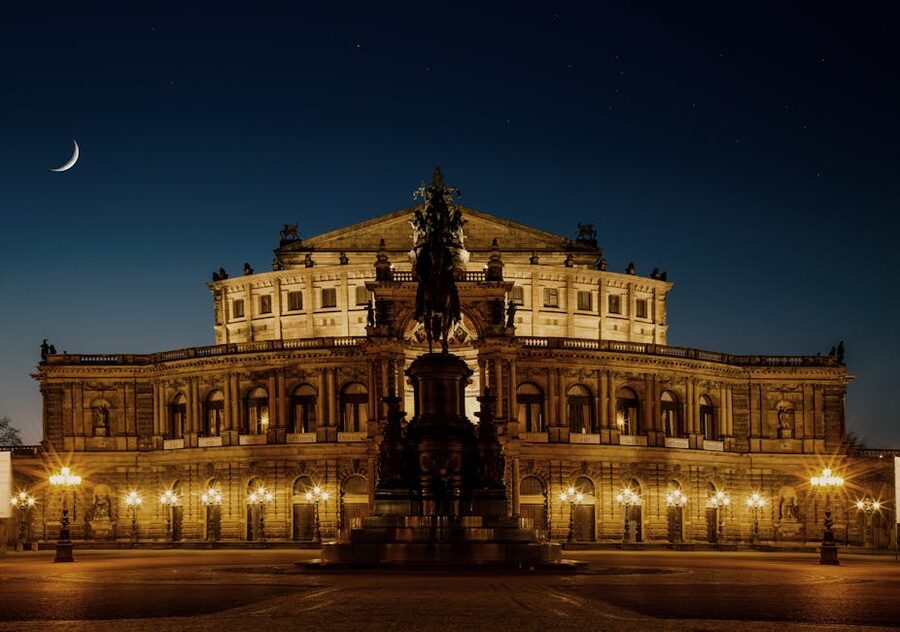
The honest answer: if you have a free evening in Dresden and any tolerance for opera, ballet, or orchestral music, book a performance instead of the tour. The seats are far cheaper than people assume.
Lunchtime concerts and Dresden Days offers run from around 12 EUR. Standard opera and ballet evening tickets start at around 25 EUR for a 4th-balcony seat with a partial view, and even the partial-view seats let you see the painted ceiling, hear the orchestra at full volume, and walk through three foyers in evening light. That is the whole experience the guided tour walks you through, plus four hours of music.
The catch is what is on. The Semperoper’s program is mostly Wagner, Strauss, Mozart, and Tchaikovsky, with ballet about a third of the nights. If the night you are free is a Strauss opera in three acts and you are not an opera person, that is a long sit. Check the calendar at semperoper.de before you commit, and if the program is intimidating, the Sächsische Staatskapelle’s symphonic concerts are the easier sell. About 90 minutes, no plot to follow, and the orchestra is one of the oldest in Europe.
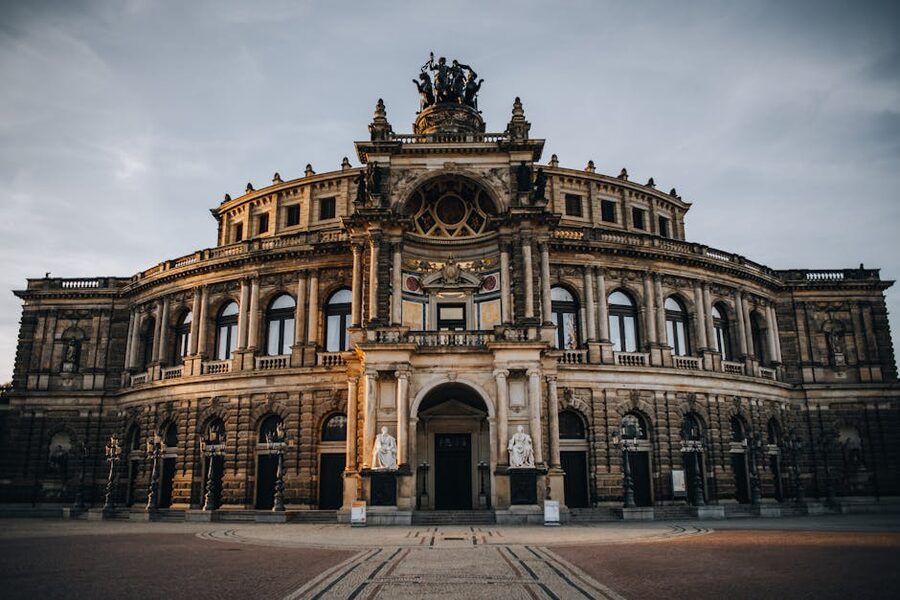
Performance dress code: there is no formal one. Smart casual covers it. People do not turn up in jeans, but you do not need a jacket and tie either. Whatever you would wear to a nice restaurant.
Three Tours Worth Booking
1. Semperoper 45-Minute Guided Tour: about $18

This is the one I send people to first. It is the most-booked Semperoper experience by a significant margin, and the format is the right length: long enough to walk through the foyers and pause in the auditorium, short enough that you are not exhausted before lunch. Our full review goes into the language slot logistics and what the guides typically cover. Pick a morning slot, book the night before, and you are done.
2. Semperoper and Old Town Combo: about $33
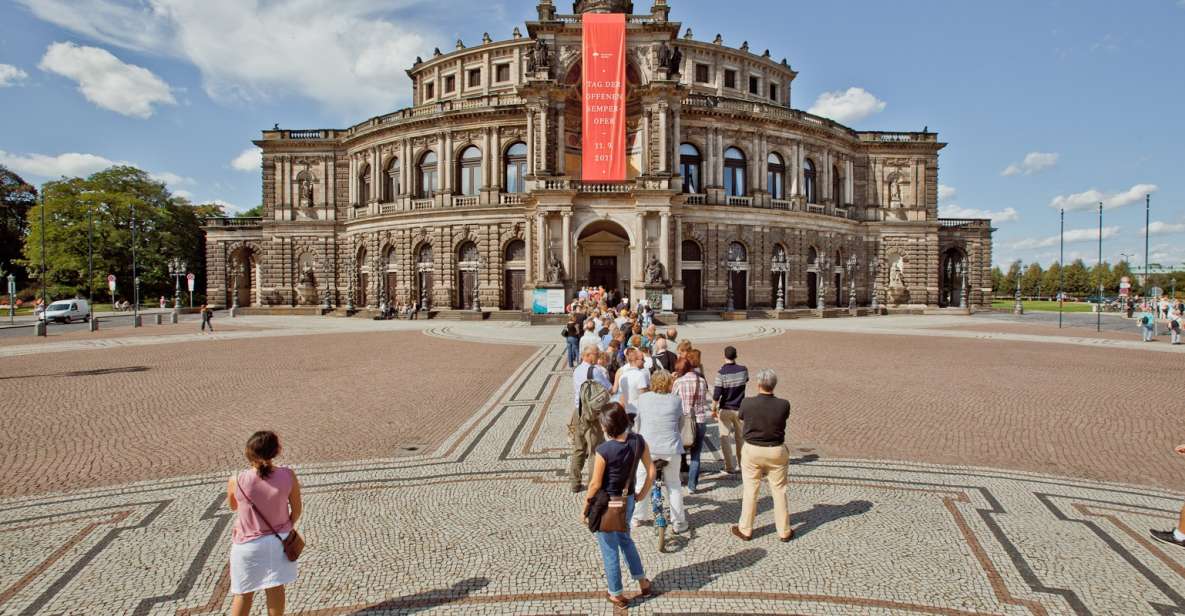
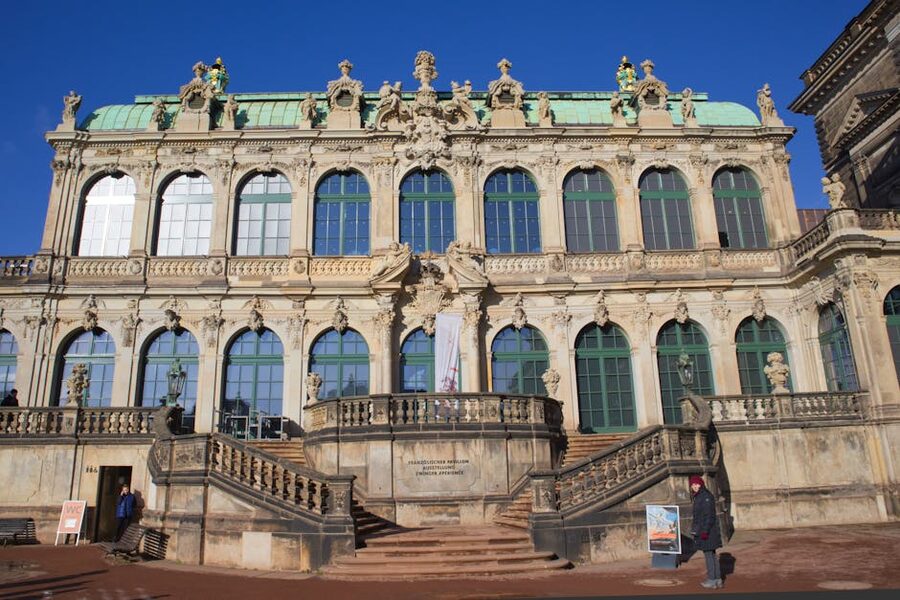
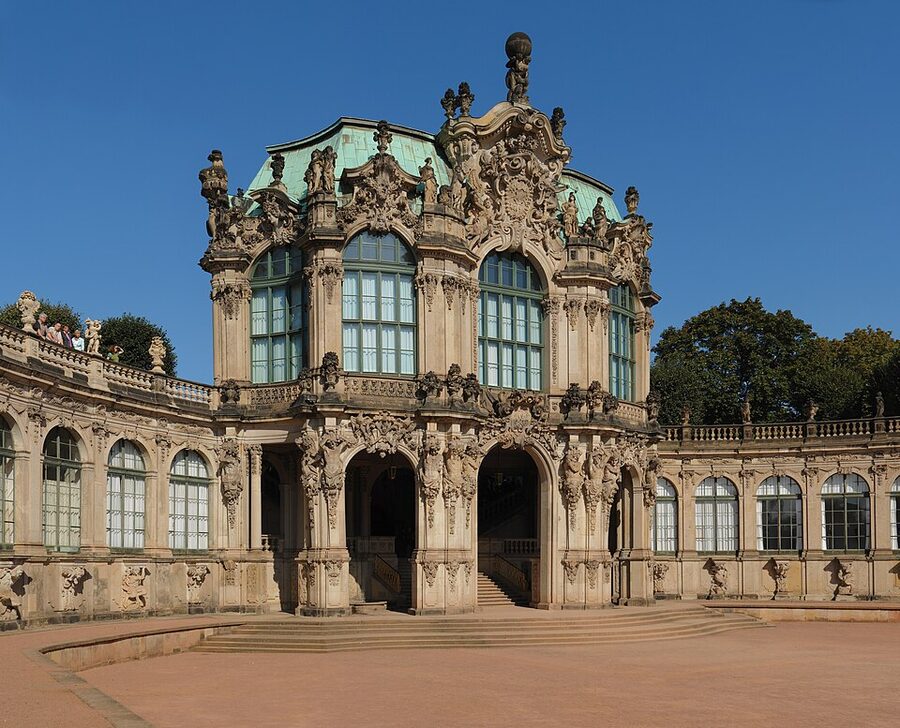
If you only have one morning in Dresden and want a single decision to handle the day, this is it. You get the same guided opera house entry, then a structured walk through the Old Town with proper context for the Frauenkirche, the Zwinger courtyard, and the royal palace. Our review covers what the guides actually stop for and what you will need to come back for separately. Go in expecting a full half-day, not a quick add-on.
3. Dresden City and Semperoper Walking Tour: 2h 50min
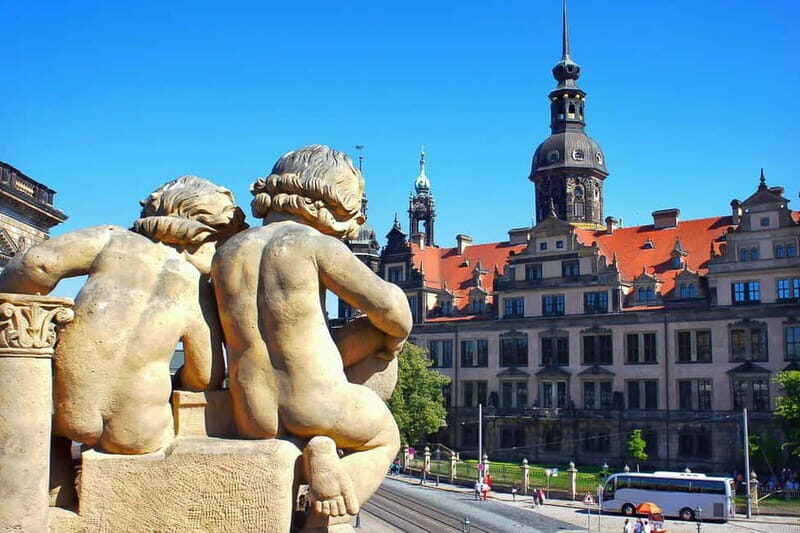
The deepest of the three. Three hours on your feet, multiple guided entries (Dresden Castle and Zwinger included alongside the Semperoper), and a guide who treats the city as one connected story rather than three separate stops. Our review covers the pacing and the small downside that the Semperoper portion is shorter than the standalone tour. Worth it if you want history first and the building second.
The History, Briefly

The Semperoper has been built three times. Gottfried Semper designed the first one in 1841, it burned down in 1869, his son Manfred rebuilt it from the original drawings in 1878, and that second building was destroyed by Allied firebombing on 13 February 1945. The third version, the one you walk through today, was rebuilt to the 1878 specifications and reopened on the same date in 1985, exactly forty years to the day after it was destroyed.
That detail matters when you are inside. The reconstruction is not a rough copy. It was done over thirty years using the original architectural plans, original photographs, and surviving fragments. The painted ceilings, the carved stone, the proscenium curtain, all of it is either original-restored or reconstructed to the original. The only thing the building openly admits to changing is the stage technology, which was rebuilt for modern performances rather than 1878 ones.
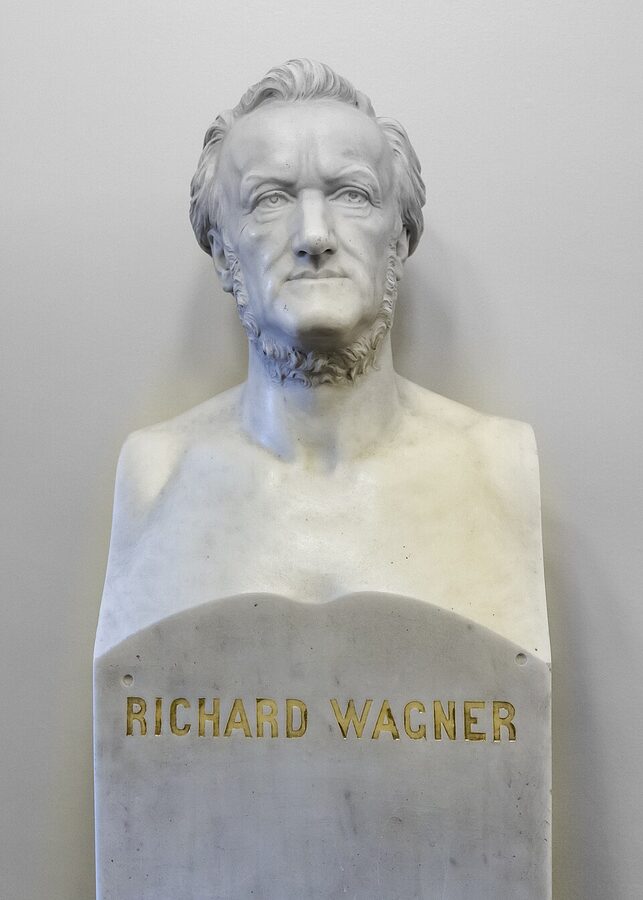
Two composers premiered most of their major works on this stage: Richard Wagner in the 1840s, Richard Strauss between 1901 and 1938. The Semperoper is one of the few opera houses in Europe where you can stand in the actual room (rebuilt to spec, but the same room) where Tannhäuser and Salome and Der Rosenkavalier all opened. That is the part the guides spend the most time on, and it is the part most visitors feel something about even if they have never been to an opera in their life.
Getting There and What’s Around

The Semperoper sits on Theaterplatz, smack in the middle of Dresden’s Altstadt. The closest tram stop is Theaterplatz, served by lines 4, 8, and 9. From the Hauptbahnhof (main station) it is about ten minutes by tram or twenty on foot through the Old Town. Walking is better if it is your first day in Dresden, because the route takes you past the Frauenkirche and across the Augustus Bridge views.

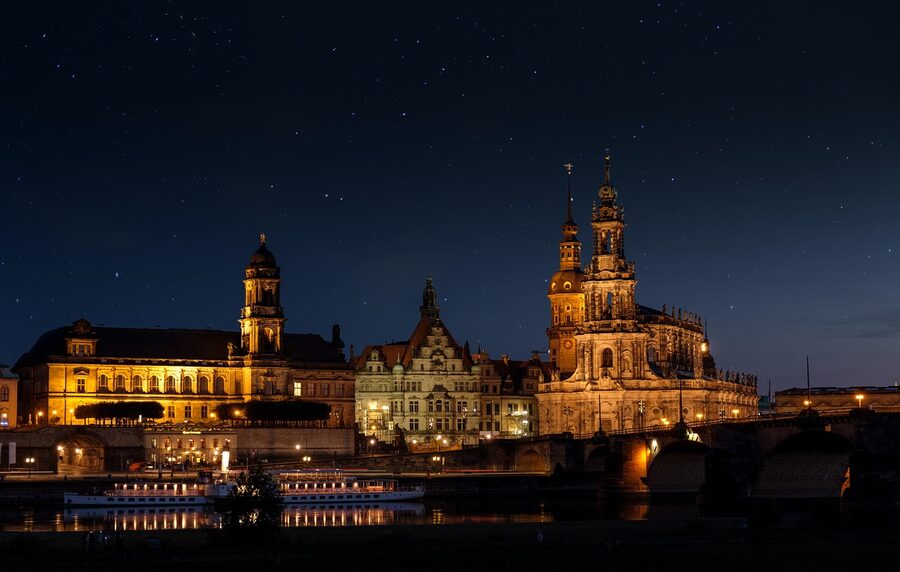
What is around it, in order of how easily you can pair them with a Semperoper morning: the Zwinger is literally next door (two minutes), the royal palace and the Frauenkirche are both five-minute walks across the square, and the Brühl’s Terrace overlooking the Elbe is the natural place to walk to afterwards for coffee. None of these need pre-booking unless you want to enter the Zwinger museums or do a Frauenkirche dome climb. For that, see our Frauenkirche booking guide.
What to Pair With a Semperoper Morning
Most people do the Semperoper on the morning of their first full day in Dresden, then ask what next. Three pairings I would actually book:

Same afternoon: a paddle steamer or sightseeing cruise on the Elbe. The river runs about three minutes downhill from Theaterplatz, the steamer fleet is the oldest in the world, and a 90-minute round trip resets your legs without making you walk more. Our Elbe cruise booking guide covers which steamers go where, and the Pillnitz Castle route is the one most worth the longer afternoon if you have time.
Same evening: the Original Night Watchman tour through the Old Town. The lantern walks start around 9pm in the warmer months, and they cover the streets between the Semperoper and the Frauenkirche under a completely different mood than daylight. Our Night Watchman guide compares the three operators running them.
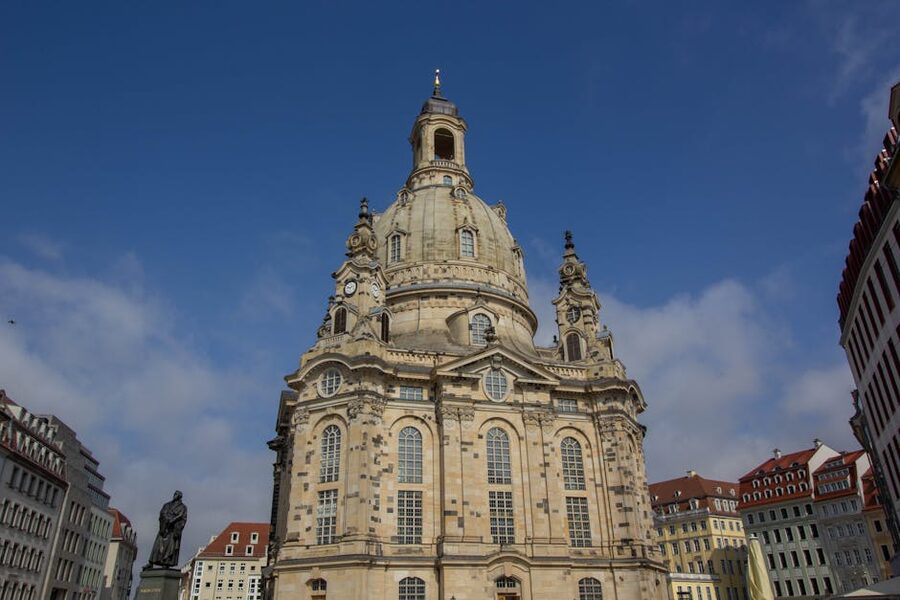
Next day: Dresden’s other indoor highlight, which is the Frauenkirche dome and gallery. The opera house is a baroque exterior, the Frauenkirche is a baroque interior, and the contrast lands better if you do them on consecutive days rather than the same afternoon.
If You’re Doing Other German Cities
Dresden is the cultural counterweight to whatever else you have planned. If you are coming from Berlin, the train is two hours and the city feels deliberately calmer. The Semperoper morning makes the most sense if you have already done the loud parts of Berlin like the Reichstag dome or the TV Tower observation deck. The pace shifts visibly the moment you cross into Saxony.
From Munich it is a longer haul, and most people doing both cities pair Dresden with Berlin rather than Munich. But if you are flying out of Munich and want to fit Dresden in, the contrast with the Neuschwanstein day trip is genuinely interesting. Castle in the morning, opera house the next day, and you have seen Bavaria’s romantic past and Saxony’s royal one in the same week.
From Hamburg, less obvious but worth it. The northern port-city pace is the opposite of Dresden’s, and people who do the Elbphilharmonie in Hamburg often want to compare the two. One is the most modern concert hall in Germany, the other is the most historic. Doing both in the same trip is the sort of detail you remember.
Final Booking Notes
Book the morning slot, book it the night before, and book the English-language tour if your German is anything below conversational. Twelve people instead of forty in the auditorium is the difference between a guided tour and a guided shuffle, and morning is when you get the smaller groups.
If you can spare an evening, swap the guided tour for a performance instead. The seats are cheaper than the tour ticket if you sit in the upper balcony, and you see all the same rooms with better lighting and an actual orchestra in them.
And if you’re planning a longer Dresden run, the three guides that pair with this one are the Night Watchman lantern walk for the evening, the Elbe river cruises for the afternoon, and the Frauenkirche for the next morning. That covers Dresden’s Old Town in a way that a single day cannot.