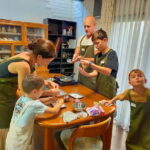
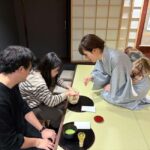
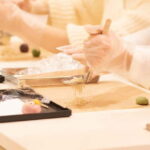
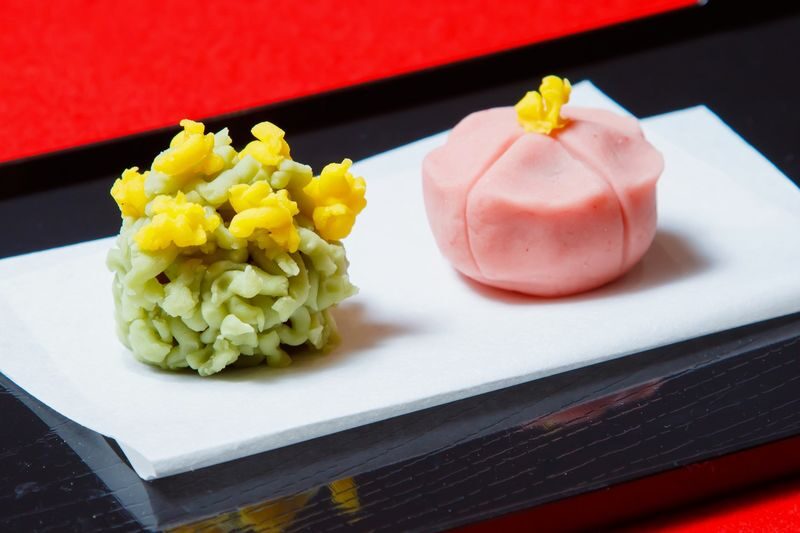
Kyoto’s wagashi, or traditional sweets, are small works of edible art. At this workshop, you get to make some yourself: press fine Wasanbon sugar into wooden molds for ohigashi, or shape soft nerikiri by hand. It’s a short, low-cost way to meet a side of Japanese food culture that can be easy to miss between temples and tea shops.
I like two details in particular: the ohigashi uses 100% Wasanbon sugar, and the wooden molds are made by skilled artisans. For nerikiri, the filling comes from a long-established Kyoto shop, so the activity connects your hands-on work to local confectionery traditions.
The main caveat is the pace and class size. Instructions are intended to be available in English, but how clearly and fully they’re delivered can vary, and a crowded room may make it hard to see the demonstration.
- What to know before you book
- A small sweet with a lot of meaning
- Ohigashi: Wasanbon sugar and wooden molds
- Nerikiri: shaping a softer Kyoto sweet
- A short itinerary at one Kyoto address
- English, demonstrations, and class size
- What the price does, and does not, buy
- Who will enjoy this workshop most?
- Should you book it?
- FAQ
- How much does the workshop cost?
- Which sweets can I make?
- What is the difference between ohigashi and nerikiri?
- Where does the activity take place?
- What departure times can I choose?
- Is the workshop suitable for beginners and children?
- Are ingredients included?
- Can I cancel or change my booking?
- The Best Of Kyoto!
- More Dessert Tours in Kyoto
- More Tours in Kyoto
- More Tour Reviews in Kyoto
- Not for you? Here's more nearby things to do in Kyoto we have reviewed
What to know before you book
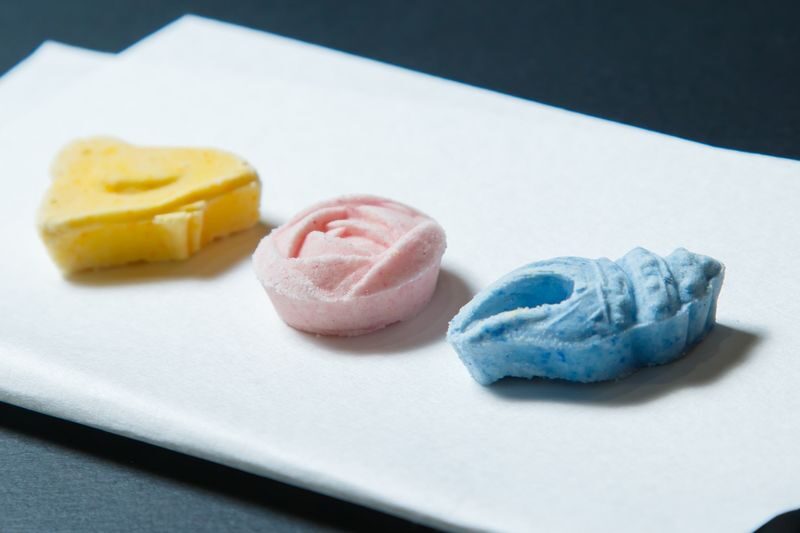
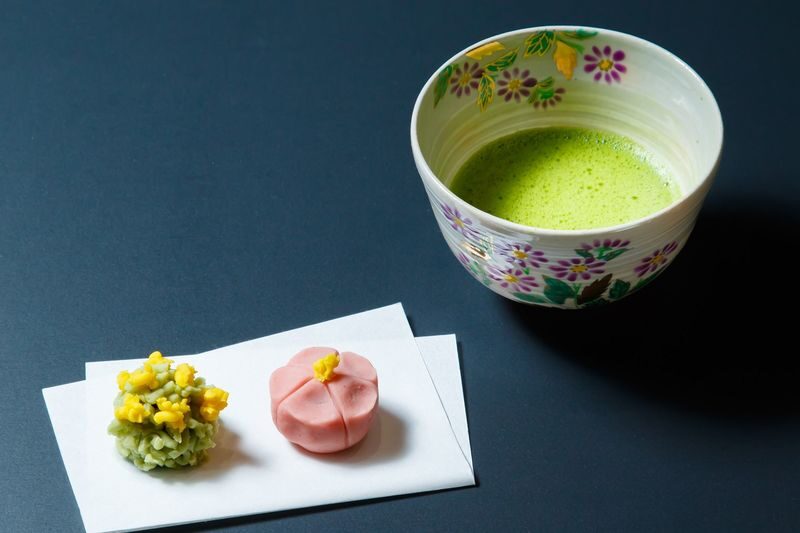
- Choose your sweet: Ohigashi is molded sugar; nerikiri is shaped by hand.
- Expect a short session: The listed schedule has 20-minute and 10-minute blocks at the same address. Some participants describe a longer class, so confirm the duration for your selected session.
- The materials have a local touch: Wasanbon sugar, artisan-made wooden molds, and Kyoto-sourced nerikiri filling are the notable ingredients and tools.
- English instruction can vary: The activity is promoted with an English-speaking instructor, but the amount and clarity of English may depend on the session.
- A low price buys a taste of the craft: From $11.15, it’s an accessible introduction, not an extended confectionery course.
- Plan for a group setting: The activity can take up to 60 people, and a large class can make demonstrations harder to follow.
👉 See our pick of the 25 Best Workshops And Classes In Kyoto
A small sweet with a lot of meaning
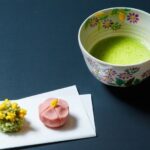
Wagashi are traditional Japanese confections, often served alongside tea. Their shapes and colors can reflect the season, and the finished pieces are meant to be pleasing to the eye as well as enjoyable to eat. This workshop offers a simple way to see how that care begins, with your own hands working the sugar or sweet paste.
It is an introductory activity, not a full apprenticeship. You’ll follow a demonstration, use the provided ingredients, and make sweets of your own. The point is to try the basic techniques and get a feel for the materials, rather than to master a difficult craft in one sitting.
That modest scope is part of the appeal. You don’t need prior experience, and the session can fit into a day already filled with Kyoto sights. For families, it offers a quiet, practical activity; for food-minded visitors, it adds context to the sweets you may see in shops and tea settings.
You can also read our reviews of more tours and experiences in Kyoto
Ohigashi: Wasanbon sugar and wooden molds
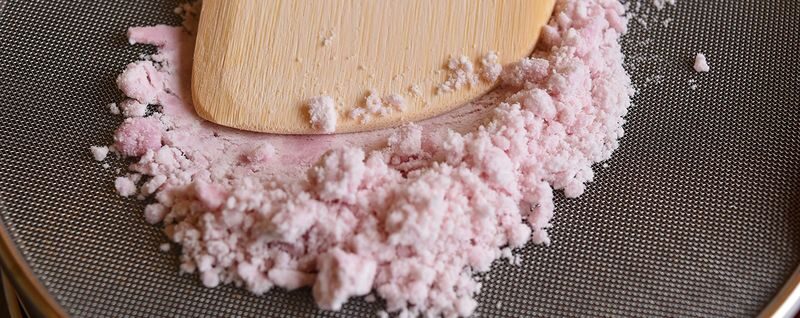
Choose the Japanese Sweets Ohigashi Making option if you want a straightforward introduction to molded confectionery. The workshop uses 100% Wasanbon sugar, a fine-grained Japanese sugar valued for its delicate texture and flavor. You press the sugar mixture into wooden molds, then release the shaped pieces.
The process is simple enough for beginners, but keep expectations realistic: this is not candy-making in the sense of boiling syrup or working with hot sugar. The activity centers on pressing and shaping the prepared mixture. If you enjoy careful, tactile work, that can be satisfying. If you expect a long lesson in confectionery technique, it may feel too brief.
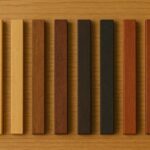
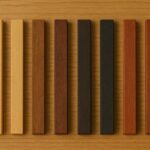
The wooden molds are a meaningful part of the experience. Rather than using generic plastic forms, the workshop uses genuine wooden molds made by skilled artisans. That small detail gives you a look at the tools behind traditional sweets, even if the session itself moves quickly.
Ohigashi is also a sensible pick if you’re booking with young children or want a low-pressure activity. Some participants found it easy and fun, while others wished for more time or more explanation about the sweets’ history. Ask yourself what you want from the visit: a quick craft and a taste is a fair expectation; a deep cultural lesson is not.
Nerikiri: shaping a softer Kyoto sweet
The Japanese Sweets Nerikiri Making option is more hands-on. Nerikiri is shaped by hand, and the filling is sourced from a long-established store in Kyoto. The process lets you work directly with the sweet’s form and surface, rather than simply pressing a prepared mixture into a mold.
This option may appeal more if you enjoy making things and don’t mind a little challenge. The steps are beginner-friendly, but the shaping can take practice. Your finished sweet may not look exactly like the demonstration, and that is part of the fun. It is a short class, not a test of artistic skill.
The pace matters here. Some sessions move briskly from one step to the next, and a few participants have found it hard to keep up, especially when the instructor is demonstrating for a large room. If you’re attending with a young child, be ready to help with the steps. One parent who brought a five-year-old found the class fast-paced, but still enjoyed making sweets together.
If you love wagashi, nerikiri is likely the more rewarding option. If you simply want to try a Japanese craft without fuss, ohigashi may suit you better. The booking options are separate, so check the package carefully rather than assuming you can make both in one visit.
A short itinerary at one Kyoto address
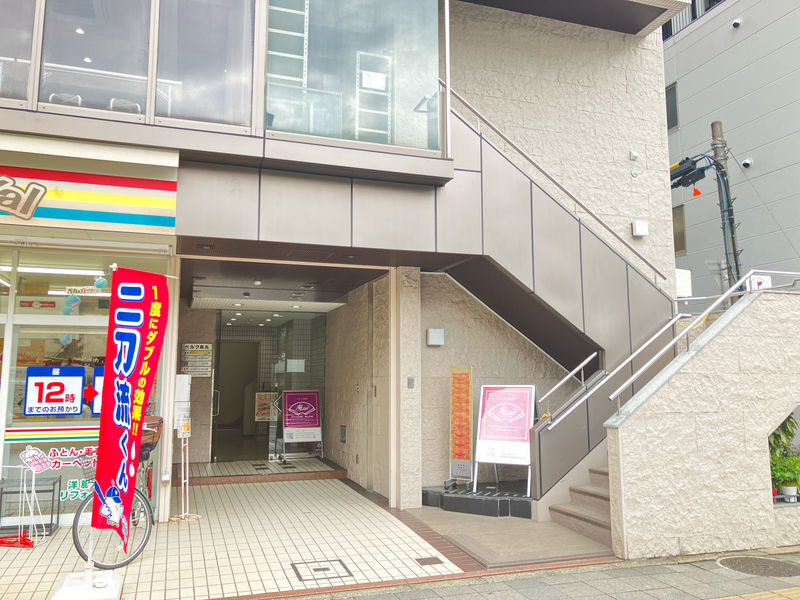
The meeting point is 日本文化体験 庵an京都 AN KYOTO, at 135-1 Manjujicho in Shimogyo Ward. The schedule lists a departure, two timed blocks at that same address, then a return. There is no separate sightseeing stop or transport leg described, so think of this as a workshop appointment rather than a tour around town.
The itinerary assigns about 20 minutes to the first block and 10 minutes to the second. Actual session length may depend on the option and schedule: some participants describe a very quick activity, while others recall spending around an hour on the nerikiri class. Check the details shown for your chosen time and package, and don’t plan a tight connection immediately afterward.
Available departure times are 10:00, 12:30, and 15:00. Return times are listed as 10:30, 13:00, and 15:30, though the available return depends on your chosen departure and itinerary length. Arrive five minutes early; late arrivals and no-shows are not refundable.
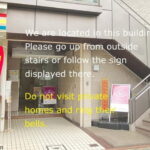
The address is in central Kyoto, but finding the entrance may take a little attention. One participant found it difficult to locate, so save the address in your map before setting out. The workshop is a meet-up activity, not a pickup service.
English, demonstrations, and class size
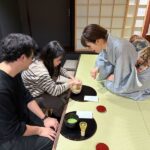
The experience is presented as suitable for English speakers, and many sessions include explanations in both Japanese and English. Some instructors are praised for clear, patient teaching, and the activity can work well even when an instructor’s English is limited if you can follow the demonstration.
But the language experience is not guaranteed to feel equally smooth every time. Some participants have found that explanations lean heavily on Japanese, or that the English version is brief. In a mixed-language group, the instructor may need to repeat information, and the session can feel disjointed if explanations are not delivered consistently.
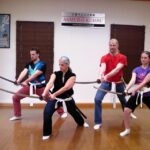
Class size is the other key variable. The stated capacity is 1 to 60 participants. That range allows the workshop to serve individuals, families, and larger groups, but a big class can make it difficult to see a demonstration from the back. If you have a choice, a smaller session is likely to give you a clearer view and more chance to ask for help. You can contact customer support to ask about other time slots; additional sessions may be available from 9:30 to 20:30 by prior request.
You can also read our reviews of more tours and experiences in Kyoto
What the price does, and does not, buy
With prices from $11.15, this is an inexpensive way to try a traditional craft in Kyoto. All necessary ingredients are included, and the use of Wasanbon sugar, artisan-made wooden molds, and Kyoto-sourced nerikiri filling adds substance to what could otherwise be a simple souvenir activity.
Value depends on your expectations. For a short, hands-on introduction, the price is appealing. You get to make the sweets yourself, and the experience can be a pleasant break from sightseeing. If you’re looking for a long class, detailed instruction, or an in-depth account of wagashi history, you may want a more specialized course.
The listed price applies to all ages, and the activity has no age limit. That does not mean every child will find the pace easy. The activity is not recommended for people with impaired mobility, and it is not wheelchair- or stroller-accessible. The operator also cannot accommodate allergies, gluten intolerance, vegetarian diets, or other dietary needs, so this is not a good choice if you need ingredient adjustments.
Some participants have mentioned extras such as matcha or a container for taking sweets away, but those details are not included in the stated package. The confirmed inclusion is the ingredients. Check on-site before counting on tea, a takeaway container, or any other extra.
Who will enjoy this workshop most?
I’d choose this activity if you want an affordable, low-commitment cultural experience and are curious about Japanese sweets. It fits neatly into a Kyoto day, suits beginners, and gives you something to do with your hands instead of only looking at objects behind glass.
It can also work well for families, especially if an adult is ready to help a younger child follow the steps. The sweets are very sweet, so don’t expect a large dessert or a substitute for a meal. Think of the finished pieces as a small treat and a souvenir of the process.
It is less suitable if you need quiet, individualized teaching or want a long discussion in English. Large classes and fast demonstrations can reduce the personal feel. If close instruction matters most, ask whether a smaller group or a different session is available before booking.
Should you book it?
Book this workshop if the idea of making wagashi sounds appealing and you’re comfortable with a short, group-based lesson. I’d lean toward nerikiri if you want more hand-shaping, and ohigashi if you prefer a simple mold-based activity with Wasanbon sugar.
Go in expecting an introduction, not a master class. The price is low, the ingredients are included, and the craft has genuine Kyoto details. Just leave room for variation in class size, English instruction, and pace. If those limits sound acceptable, this is a useful little addition to a Kyoto itinerary.
Traditional Japanese Sweets Making Workshop
“Not bad, there are fewer people here, so it's a good place to come and learn.”
FAQ
How much does the workshop cost?
Prices start at $11.15. The same price applies to all ages, though the final price may depend on the option and booking details.
Which sweets can I make?
You can choose between Japanese Sweets Ohigashi Making and Japanese Sweets Nerikiri Making. The options are listed as separate packages.
What is the difference between ohigashi and nerikiri?
Ohigashi is made by pressing sugar into molds, using 100% Wasanbon sugar. Nerikiri is shaped by hand and uses filling sourced from a long-established Kyoto store.
Where does the activity take place?
It takes place at 庵an京都, 135-1 Manjujicho, Shimogyo Ward, Kyoto. The activity is meet-up only.
What departure times can I choose?
The listed departure times are 10:00, 12:30, and 15:00. Other sessions may be available from 9:30 to 20:30 by prior request through customer support.
Is the workshop suitable for beginners and children?
Yes. It is beginner-friendly and has no age limit. The same price applies to all ages, though young children may need an adult’s help to keep up with the pace.
Are ingredients included?
Yes. All necessary ingredients are included. The activity cannot accommodate allergies, gluten intolerance, vegetarian diets, or other dietary needs.
Can I cancel or change my booking?
You can cancel for a full refund at least 24 hours before the activity date, using destination local time. Changes are allowed until 24 hours before the activity starts, subject to the stated booking restrictions. No-shows are not refundable.