Tapas are more than a plate of snacks: they bring together regional recipes, local ingredients, and the pleasure of eating in company. This four-hour Madrid class puts that idea to work as you cook five tapas, dessert, and sangría, then sit down to eat what you have made. I like the mix of practical cooking and stories about the food, and the chance to learn about cured ham and olive oil along the way.
I also like that you do not need cooking experience, and that the recipe booklet gives you a way to try the dishes again at home. One consideration: you cook in pairs, so if you book alone, you may be matched with another participant. Dietary swaps are possible, but both people in a pair need to agree on the alternative.
- Key things to know before you book
- An evening built around cooking, not just eating
- Starting at C. de Moratín, 11
- Cooking the Spanish classics
- Ham, olive oil, and the stories behind the food
- Sitting down to eat what you made
- Pair cooking and dietary needs
- Is the four-hour class good value?
- Who should book this Madrid tapas class?
- Should you book it?
- FAQ
- How long is the Tapas Cooking Class in Madrid?
- Where does the class meet?
- Do I need cooking experience?
- Can I book by myself?
- Can the class accommodate dietary requirements?
- What is included in the price?
- The Best Of Madrid!
- More Cooking Classes in Madrid
- More Tours in Madrid
- More Tour Reviews in Madrid
- Not for you? Here's more nearby things to do in Madrid we have reviewed
Key things to know before you book
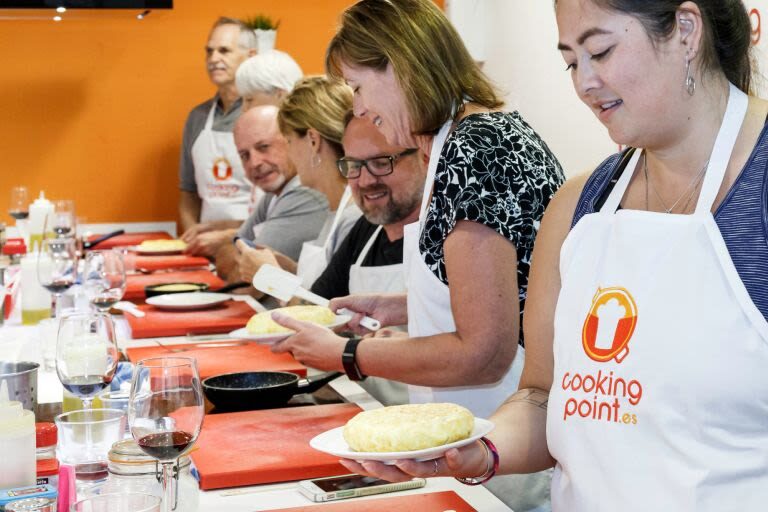
- Dinner is part of the class: You make tapas, dessert, and sangría, then eat together at the end.
- The menu includes Spanish classics: Expect dishes such as tortilla de patatas, chorizo, shrimp, and cured ham. The exact selection may vary.
- A market visit is included: The details and timing are not specified, so ask the provider if this part is especially important to you.
- Cooking is done in pairs: Solo participants may be paired with someone else, and dietary alternatives need agreement from both partners.
- The evening runs from 17:30 to about 21:30: Arrive 15 minutes early at C. de Moratín, 11.
- You leave with recipes: A booklet is included, so the class can keep paying off after you get home.

👉 See our pick of the 12 Best Shopping Tours In Madrid
An evening built around cooking, not just eating
Madrid offers plenty of chances to order tapas at a bar, but this class gives you a different kind of access: you learn how several familiar dishes are put together and then enjoy them as dinner. It is a hands-on format, not a demonstration where you watch a chef do all the work. The chef guides you through each step, so you can take part even if your kitchen skills begin and end with boiling water.
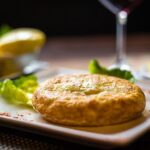
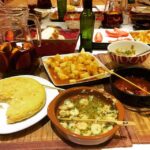
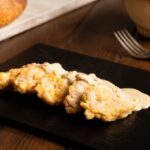
The advertised meal includes five classic tapas, a dessert, and sangría. The dishes named in the class description include Spanish potato omelet, chorizo, shrimp, and cured ham. The precise menu is not guaranteed, but a past session included tortilla de patatas, chorizo al la sidra, gambas al ajillo, crema catalana, patatas bravas, and tomato bread. That is six dishes plus dessert, a useful reminder that the final spread may be broader than the headline count.
I like this sort of class because it gives food context without turning dinner into a lecture. The chef shares stories about the origins and customs of tapas, as well as ingredients such as ham and olive oil. Those small bits of background can help you notice why a dish is made the way it is, and give you something more memorable to bring to the table than a list of recipes.
You can also read our reviews of more cooking classes in Madrid


Starting at C. de Moratín, 11
The class meets at Cooking Point, at C. de Moratín, 11, in Madrid’s 28014 postal area. The scheduled start is 17:30, with the activity ending around 21:30 at the same address. Plan to arrive 15 minutes early. The provider says late arrivals and no-shows are not refundable, so this is not a good evening to leave your arrival to the last minute.
A market visit is included, which can add useful perspective on the ingredients behind the meal. The available details do not identify the market, how long you spend there, or exactly where it fits into the evening. If seeing a market is one of your main reasons for booking, check those specifics before you pay rather than assuming it is a long guided tour of market stalls.
The timetable gives a departure and return time but does not describe travel between the meeting point, market, and cooking space. It also notes that the schedule may change with traffic and weather. In practical terms, keep the rest of your evening flexible. A four-hour class that ends around 21:30 is likely to be your main plan for the night.
Cooking the Spanish classics
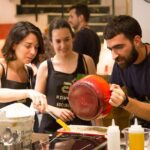
The heart of the class is the shared preparation. You and your partner work through the dishes with the chef’s help, and the beginner-friendly format means you do not need to arrive with a practiced hand. The useful thing to expect is participation: you will be making food, not simply tasting a set menu.
Tortilla de patatas is a natural classroom dish because its short ingredient list hides a bit of technique. Chorizo al la sidra brings sausage together with cider, while gambas al ajillo pairs shrimp with garlic. Patatas bravas and tomato bread offer simpler, familiar flavors beside those richer plates. The class description does not promise that every one of these dishes will be on your menu, but they give you a clear picture of the style of cooking involved.
A past class was led by a chef known as Uncle, who explained the regional and historical background of the dishes. That gives you a sense of the teaching style you may encounter, but the guide for your date is not guaranteed to be the same person. The practical point is that the chef is there to keep the cooking on track and explain what you are making, rather than leaving you to puzzle through instructions alone.
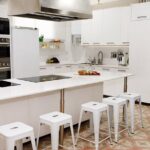
The room itself matters during a cooking class. The cooking space has been described as clean and neat, and an orderly setup helps when several people are preparing dinner at once. Still, the class is about cooking together, not private instruction. If you want close one-to-one coaching or a highly specialized lesson, this group format may not be the best fit.
Ham, olive oil, and the stories behind the food
Cured ham and olive oil get special attention, and that is a good use of class time. These are not merely garnish and cooking fat in Spanish food; they are ingredients with their own traditions and ways of being used. The session aims to explain the secrets of curing ham and the qualities of olive oil, tying the food on your plate to the customs around it.
The description does not spell out a formal tasting or a detailed lesson on production, so keep expectations measured. Think of this as a cooking class with food stories woven in, not a specialist ham seminar or olive-oil workshop. If you already know your way around Spanish ingredients, the context may still add flavor to the meal. If you are new to them, it can help you feel more confident ordering and cooking Spanish dishes later.
Sangría gets its own practical moment, too. You learn to make the drink as a complement to the tapas, rather than treating it as something that simply appears at dinner. The information provided does not specify the ingredients or the amount served, so do not book this as a drinks class. It is one part of a broader cooking-and-dining evening.
Sitting down to eat what you made
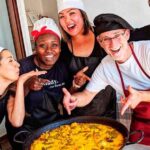
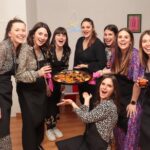
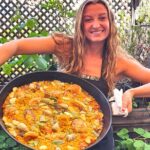
After cooking, the group sits down together to share the meal. That changes the feel of the class: the dishes are not just practice exercises, but dinner you have made with your own hands. There is time to compare what you cooked and talk with the other participants, which suits couples, friends, and solo diners who are comfortable sharing a table and kitchen.
The final meal is included, along with the ingredients used in class. That makes the price easier to assess than a cooking lesson that charges separately for dinner. It also means you should arrive ready to eat, not assuming you will need to find a full meal immediately afterward. The class starts at 17:30 and runs until about 21:30, so it occupies most of the evening.
The dessert adds a sweet finish. Crema catalana appeared in one class, but the dessert is not fixed in the supplied menu details. If you have a dietary restriction, tell the provider in advance. The class says it can accommodate vegetarian diets, gluten intolerance, and several allergies or exclusions, including no pork, dairy, and seafood. But because participants cook in pairs, your alternative needs to work for both people sharing the task.
You can also read our reviews of more tours and experiences in Madrid
Pair cooking and dietary needs
Cooking in pairs is central to how the class works. If you book with a partner, you can share the chopping and preparation and enjoy the meal together. If you book alone, you may be paired with another cook, so this is a friendly option for solo visitors who do not mind working alongside someone new.
The pairing rule also matters if you have a dietary requirement. The provider says it can handle many needs, including vegetarian food, no pork, gluten and dairy concerns, and seafood allergies. But an alternative dish can affect both cooks, so you and your partner need to agree on the change. Contact the provider before the class with your needs, rather than waiting until ingredients are on the counter.
Children are welcome when accompanied and attended to by an adult. The activity involves knives, ovens, and wine, so it is not a child-focused cooking session. If you are bringing children, consider whether they can stay closely supervised and take part safely throughout the evening.
Is the four-hour class good value?
The supplied prices show a headline starting figure of $104.69 and a join-in class option from $95.19. Prices can vary by date or booking option, so check the total for your chosen session. The price covers a four-hour guided class, ingredients, dinner, a market visit, and a recipe booklet. You are paying for a full evening with both instruction and food, not just a short demonstration.
That package can be good value if you want to cook several Spanish dishes and eat them as a meal. The recipe booklet adds lasting use, while the stories about tapas and ingredients make the class more than a set of kitchen instructions. If you mainly want a cheap dinner, ordering tapas at a bar will cost less. If your priority is a hands-on activity, a shared meal, and recipes you can repeat, the class makes a stronger case.
One past class prepared six dishes and a dessert, all described as possible to make at home. That is the right test for a cooking class: can you use what you learned later? The menu included familiar, approachable recipes rather than elaborate showpieces. You should come away with ideas you can attempt in your own kitchen, though success at home will depend on your ingredients and practice.
Who should book this Madrid tapas class?
I would put this class high on the list for couples or friends who want to spend an evening doing something together beyond eating out. The paired format suits two people naturally, and the dinner at the end gives the session a clear payoff. It is also a good fit for solo participants who are happy to share cooking duties with a new partner.
Food-minded visitors who want a little cultural context will get more from the class than someone looking only for a recipe sheet. The discussion of tapas customs, ham, and olive oil helps connect the meal to Spanish food traditions. At the same time, beginners are welcome, so you do not need a culinary background to take part.
I would pause if you dislike group cooking, need a highly tailored menu, or want exact details about the market visit before booking. Pairing makes the class social, but it also means you will share tasks and may need to compromise on dietary substitutions. Ask about your specific needs in advance, especially if an allergy is involved.
The class runs with Cooking Point, S.L., and the provider has a 100 percent good review rate across 13 reviews. That is a small pool, so treat it as a positive sign rather than a guarantee. The detailed account of a tidy facility, an organized session, and a chef who explained where dishes came from supports the class’s main appeal: useful instruction, good food, and a relaxed evening around the cooking.
Should you book it?
Book this class if you want to learn a handful of traditional Spanish recipes, hear the stories behind them, and turn the lesson into dinner. The included meal and recipe booklet add real value, and the beginner-friendly guidance lowers the stakes if you are not confident in the kitchen. Before booking, confirm the current price, share any dietary needs, and be comfortable with paired cooking. If those points work for you, this is a practical, tasty way to spend an evening in Madrid.
Tapas Cooking Class in Madrid
“This was an excellent selection. Chef 'Uncle' was very knowledgable and told us a lot about the history and regions that the tapas came from. We pr…”
FAQ
How long is the Tapas Cooking Class in Madrid?
The class lasts four hours. It is scheduled from 17:30 to 21:30, though the schedule may change depending on traffic and weather.
Where does the class meet?
The meeting point is Cooking Point at C. de Moratín, 11, 28014 Madrid. Arrive 15 minutes before the 17:30 start.
Do I need cooking experience?
No. The class is beginner-friendly, and the chef guides participants through the cooking.
Can I book by myself?
Yes. Cooking is done in pairs, and solo participants may be matched with another cook.
Can the class accommodate dietary requirements?
The provider says it can accommodate requirements including vegetarian diets, gluten intolerance, no pork, dairy concerns, and seafood allergies. Because cooking is done in pairs, both cooks need to agree on the alternative.
What is included in the price?
The class includes dinner, ingredients, a recipe booklet, and a market visit. Personal expenses are not included.