Korea’s long story makes more sense when you can connect its ancient kingdoms to the country that rose from the Korean War. This five-hour tour links the National Museum of Korea with the War Memorial of Korea, using objects, monuments, and a guide’s commentary to tell that story.
I like two things here: the route joins two major museums in Yongsan, so you spend your time with the history rather than planning transfers, and the guide helps explain what you are seeing instead of leaving you to decode labels alone. The Pensive Bodhisattva and the War Memorial’s account of the Korean War give the day a clear human focus.
One consideration: five hours is a brisk introduction, not enough time to see every gallery at either museum. One visitor found the morning commentary less detailed than hoped, while another praised the afternoon guide. Your experience will depend partly on your guide and the subjects you ask about.
Key points
- A 5,000-year arc: Start with prehistoric Korea and early kingdoms, then turn to war, reconstruction, and modern society.
- Two Yongsan museums: Visit the National Museum of Korea and the War Memorial of Korea on one guided outing.
- Room for questions: Guided commentary is followed by free time and Q&A at the National Museum, then free time at the War Memorial.
- A memorable art stop: The National Museum section highlights the Pensive Bodhisattva and Korea’s artistic traditions.
- Guides with distinct strengths: Ella and David are among the guides praised for warm, clear presentations, though your assigned guide may differ.
- Costs to plan for: Admission, an English-speaking guide, and one bottle of water are included. Lunch and subway fare are extra.
- Two museums, one connected story
- Starting at Ichon Station
- Ancient Korea at the National Museum
- Lunch and the short subway transfer
- The War Memorial and the Korean War
- How much does the tour cost, and what is included?
- Who will get the most from this Seoul history tour?
- Practical details before you book
- Should you book it?
- FAQ
- How long is the tour?
- Where is the meeting point?
- Are admission tickets included?
- Is lunch included?
- Is subway fare included?
- What languages and tour options are available?
- The Best Of Seoul!
- More Historical Tours in Seoul
- More Tours in Seoul
- More Tour Reviews in Seoul
- Not for you? Here's more nearby things to do in Seoul we have reviewed
Two museums, one connected story
 1 / 9
 2 / 9
 3 / 9
 4 / 9
 5 / 9
 6 / 9
 7 / 9
 8 / 9
 9 / 9
This tour sets out to connect Korea’s earliest archaeological record with the hard choices and rebuilding that shaped the modern nation. The first half is about beginnings: prehistoric artifacts, early civilization, and the kingdoms of Goguryeo and Silla. The second turns to the Korean War, including the sacrifices of the conflict and the role of the United Nations.
That structure is useful if you are new to Korean history. A museum can offer thousands of objects and a dozen possible routes; a guide narrows the field and supplies context. Here, the aim is to leave you with a basic timeline and a few memorable objects, rather than a checklist of every gallery.
The day runs from 9:30 to about 15:30. The schedule gives you two hours at each museum, with a one-hour lunch break and a 30-minute subway ride between sites. That is a substantial stretch on your feet, even though most of the day takes place indoors. Wear comfortable shoes, and bring a light layer for the museums’ cool indoor spaces.
👉 See our pick of the 25 Best Guided Tours In Seoul
Starting at Ichon Station
Meet at Exit 2 of Ichon Station, served by Subway Line 4 and the Gyeongui-Jungang Line. The gathering time is 9:30, and you are asked to arrive five minutes early. It is worth treating that instruction seriously: late arrivals and no-shows are not refundable.
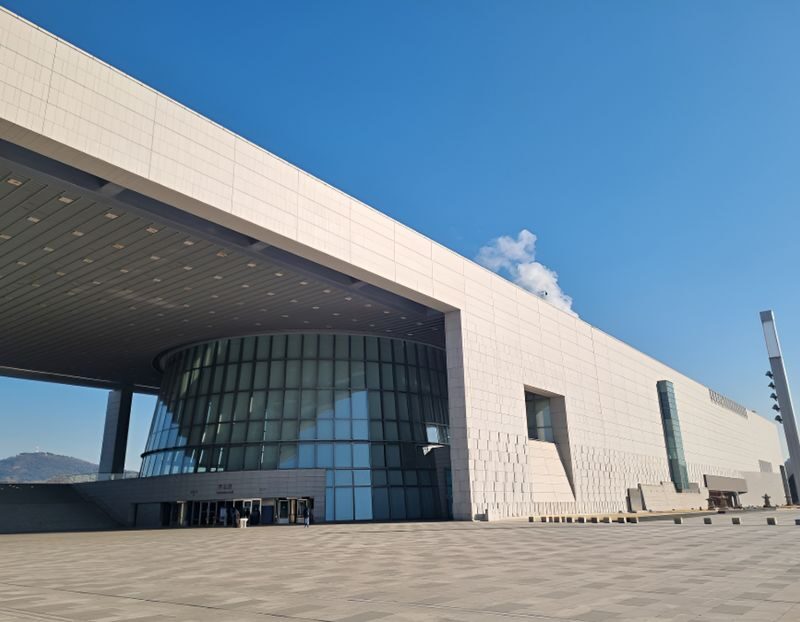
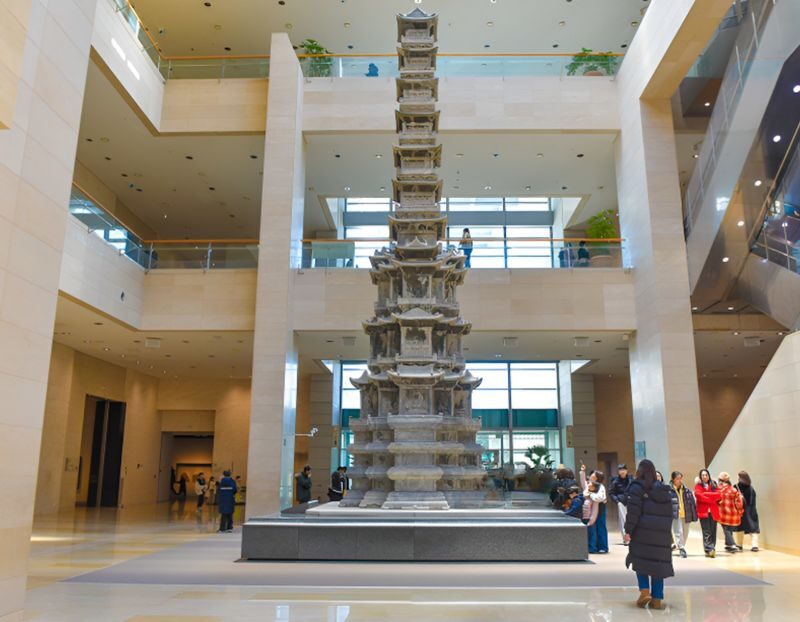
From there, the group heads to the National Museum of Korea for the first guided visit, scheduled to begin at 10:00. The tour uses a focused route through a very large museum. That makes sense for a half-day outing, but it also means you should not expect to explore every room at length.
The schedule sets aside about 90 minutes for guided commentary, followed by 30 minutes for personal viewing and questions. That final half-hour is valuable. If a particular object or period catches your attention, use the time to return to it or ask the guide to explain more. You can also tell your guide early if you are especially interested in ancient art, politics, or another topic, so the conversation can follow your curiosity where possible.
You can also read our reviews of more historical tours in Seoul


Ancient Korea at the National Museum
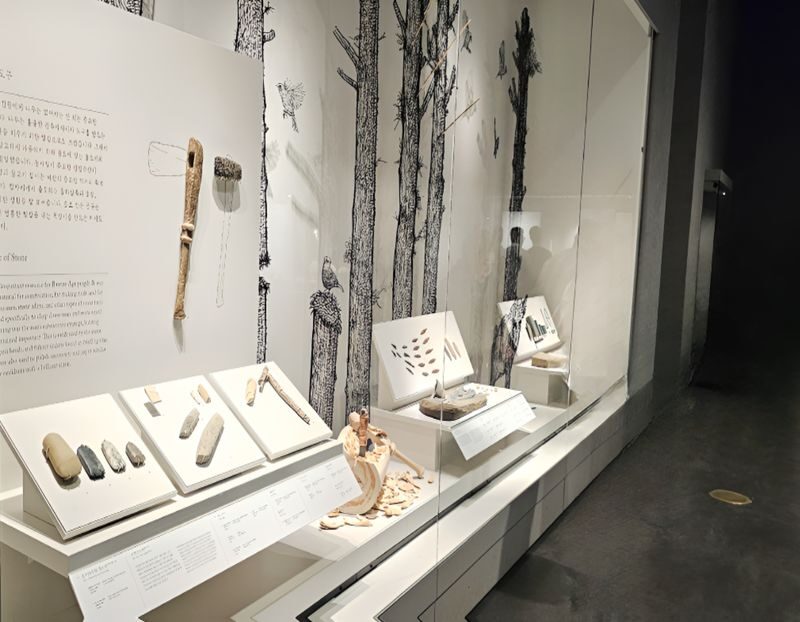
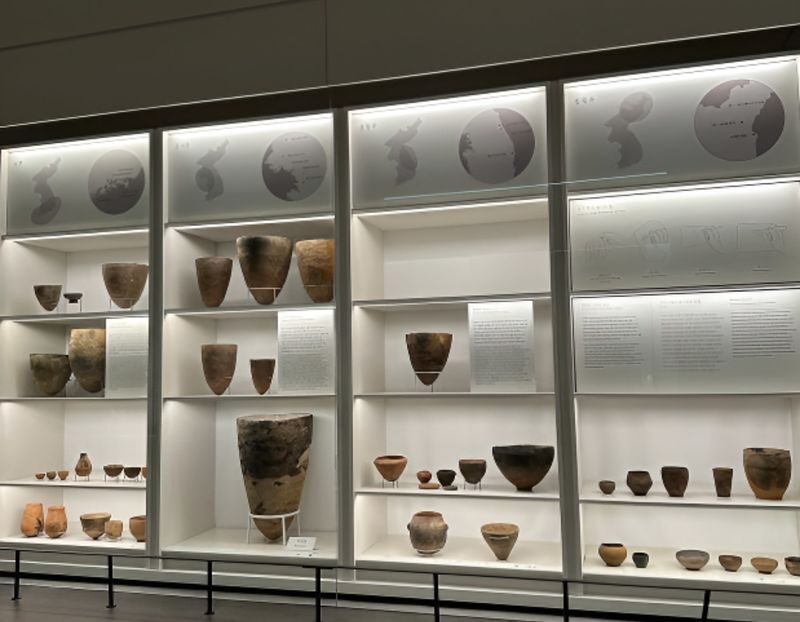
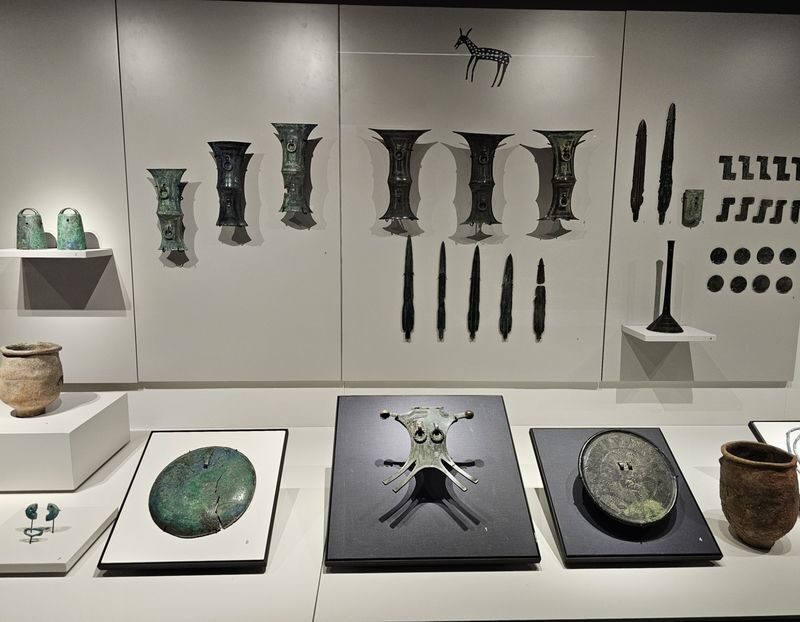
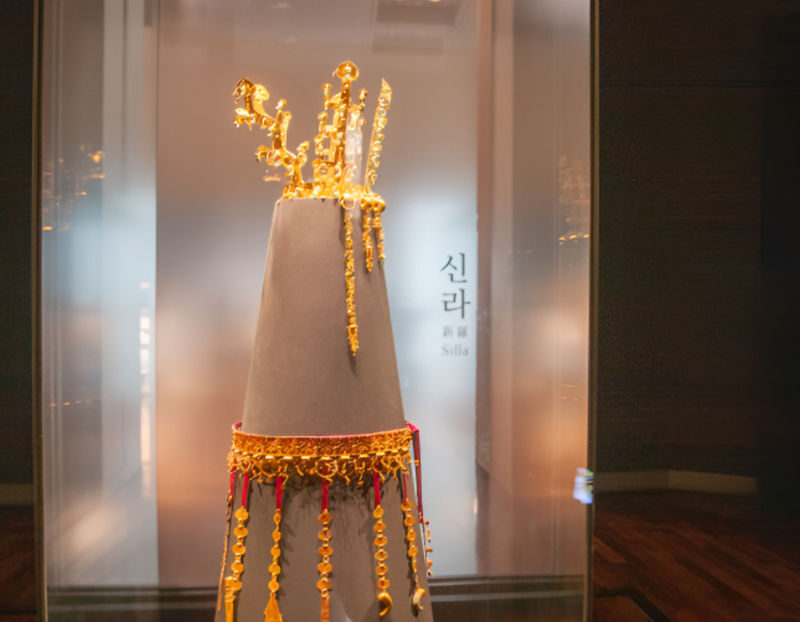
The museum portion begins with the long view, from the Paleolithic and Bronze Ages into the first forms of Korean civilization. These early periods can feel remote when you meet them only as dates and names. Seeing artifacts in person gives the guide something concrete to work with and helps turn a broad timeline into a story of changing ways of life.
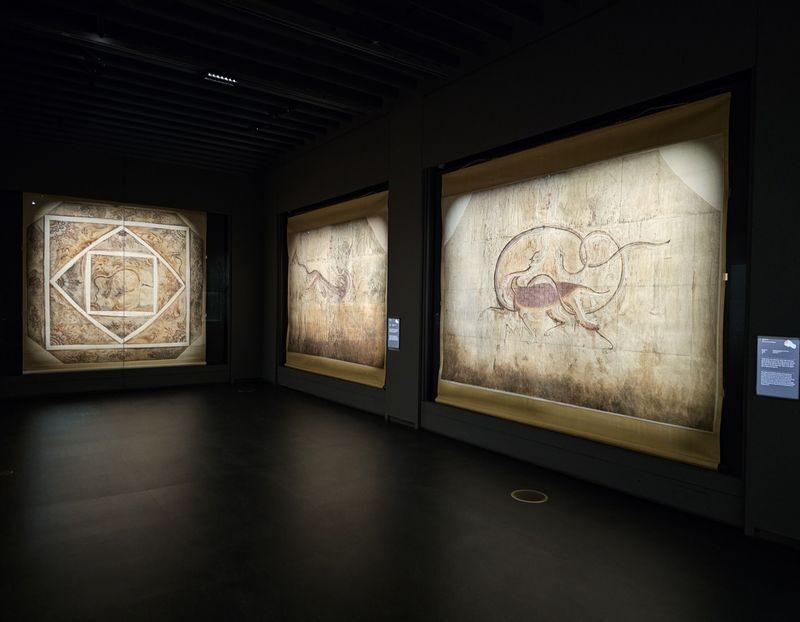
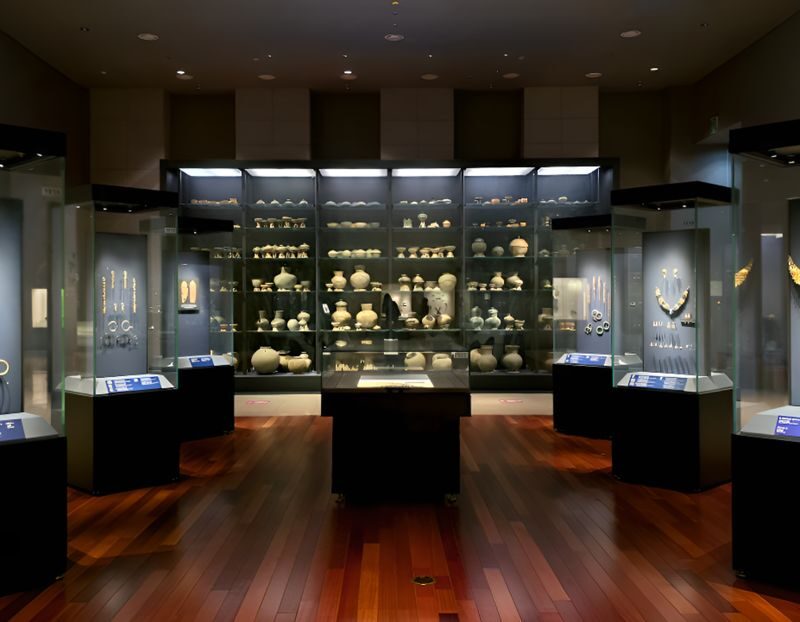
The route then moves toward the kingdoms of Goguryeo and Silla, whose objects help explain the roots of Korean culture. The tour’s theme is not simply that Korea has a long past, but that older traditions still matter to the country today. That connection between ancient practice and modern identity is one of the more useful things a guide can provide.
The Pensive Bodhisattva is a special stop. The tour calls attention to its artistic and spiritual significance, and the guide can point out details you might otherwise pass without noticing. Photography is welcome for most artifacts, and you are encouraged to ask where the best angles are. Museum rules can vary by object, so follow posted signs and your guide’s instructions.
A moment in the Room of Quiet Contemplation is another feature of this visit. The suggestion is simple: pause for a short silence rather than rushing through. It offers a change of pace from absorbing dates and names, and gives you a chance to take in the art on its own terms.
The main limitation is time. The National Museum has far more to see than this tour can cover, and the morning commentary may feel concise if you want a full, systematic account of every era. One attendee specifically wished for more depth at this stop. If you already have a strong interest in a particular dynasty or archaeological period, mention it to your guide and use the Q&A time well.
Lunch and the short subway transfer
At noon, the guided portion pauses for an hour of personal time for lunch. Lunch is not included, so budget for a meal separately. The information provided does not name a restaurant or set a group meal plan, which leaves you free to choose how to use the break.
At 13:00, the group travels by subway for roughly 30 minutes to the War Memorial of Korea. Subway fare is also not included. This is a modest extra cost, but it is useful to know in advance so you have a transit payment method ready.
The transfer is a practical link between two neighboring Yongsan-area landmarks, not an extra sightseeing stop. Keep an eye on the time during lunch, since the afternoon visit follows a set schedule. The tour’s overall efficiency comes from placing both museums in one day, but the trade-off is that neither one gets the unhurried attention you could give it on a solo visit.
The War Memorial and the Korean War
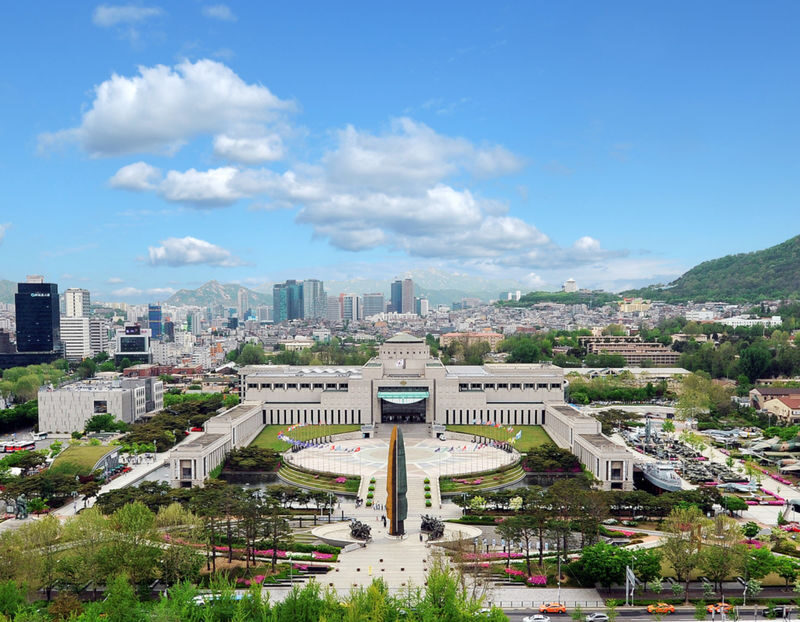
The War Memorial visit begins at about 13:30 and lasts two hours. Its focus is the historical background of the Korean War, known in Korea as the 6.25 War, and the participation of United Nations forces. This section gives the morning’s long history a sharp turn: instead of ancient kingdoms and works of art, the subject is conflict, sacrifice, and national survival.
The schedule allows about an hour of guided commentary, followed by an hour of free time. That balance gives the guide room to explain the war’s context while also leaving you time to look around at your own pace. A guide can help you place the events in sequence and understand why the war remains an important part of Korea’s modern story.
The afternoon appears to be a strong point for people who want clear historical explanation. One visitor singled out the War Memorial guide’s account as especially good. Another praised guide Ella for presenting Korean history with insight and warmth, while David was noted for clear explanations in Chinese. These names give you a sense of the personal style the tour can offer, but guide assignments can change, so do not assume you will meet a particular person.
The tour also covers Korea’s reconstruction after the war and its emergence as a global power. That broad transition is a helpful frame, though it is a large subject for one museum visit. You will get an introduction, not a complete account of the political, social, and economic changes that followed.
How much does the tour cost, and what is included?
The stated starting price is $60.15. Package options are also shown from $52.29 for English or Chinese guiding, and from $251.39 for a private group tour. Those different starting figures make it sensible to check the final price for your chosen date and package before booking.
For the price, you get admission to both attractions, an English-speaking guide for the English option, and one complimentary bottle of water. The value is chiefly in the guided structure: instead of paying admission and then finding your own route through two large museums, you get a planned visit and historical context at both.
Lunch, subway fare, and personal expenses are extra. A private group option costs substantially more than the shared guide packages, so it is best suited to people who place a high value on a private setting. The tour is free for children aged zero to three, according to the stated eligibility information.
You can also read our reviews of more museum experiences in Seoul




Who will get the most from this Seoul history tour?
I would choose this tour if you have limited time in Seoul and want a clear, guided introduction to Korean history. It is especially useful if you are visiting the National Museum and War Memorial for the first time, or if a self-guided museum visit tends to turn into a blur of display cases and dates.
It also suits people who enjoy asking questions. The day includes Q&A time and a personal lunch break, and the guidance is presented as adaptable to your interests. The strongest reported praise goes to the guides’ warmth, clear delivery, and ability to make the subject engaging. If those qualities matter more to you than a fixed, exhaustive lecture, this format is a good fit.
Think twice if you prefer to spend several hours in a single museum or want detailed coverage of every period. The five-hour plan divides its attention between two large sites, and the morning stop in particular may feel brief to someone seeking an in-depth study. You can make the day more rewarding by arriving with a few questions and using the free time to revisit the pieces that matter most to you.
Practical details before you book
Comfortable walking shoes are recommended because both venues are large. Most of the tour is indoors, but a light layer can help you stay comfortable in the museums. Photography is permitted for most artifacts, but not necessarily all, so check the rules in each gallery.
The tour is offered with English and Chinese guides, as well as a private group option. Confirmation is expected within minutes; if it does not arrive, contact customer support. The voucher is valid only on the date and time selected. Changes are generally allowed until 48 hours before the activity, with exceptions for certain passes, presales, freebies, and vouchers that have not yet been issued. Cancellations made at least 48 hours before the activity receive a full refund. Severe weather or other unforeseen events may lead the operator to cancel, with a reschedule or refund offered.
There is a small uncertainty about the finish: the schedule says the tour returns at 15:30, while the stated end location names the National Museum of Korea. Check the exact drop-off arrangements before the day, especially if you have onward plans after the War Memorial visit.
Should you book it?
Book this tour if you want a compact, guided framework for Korea’s history, from early artifacts to the Korean War and reconstruction. The paired museums make good sense together, and the guide’s explanations can help you see connections you might miss on your own.
Skip it if you want long, quiet hours in one museum or expect exhaustive coverage of every era. For most first-time visitors with a half-day to spare, the balance of ancient art, modern history, and personal viewing time makes this a worthwhile way to start understanding Seoul’s past.
Seoul History Tour: Stories of National Museum & War Memorial
“The guide at the National Museum of Korea was a bit brief; it would be better if the explanations were more in-depth, comprehensive, and systematic…”
FAQ
How long is the tour?
The schedule runs from 9:30 to about 15:30, for roughly six hours including lunch and the subway transfer. The two guided museum visits are scheduled for two hours each.
Where is the meeting point?
Meet in front of Exit 2 at Ichon Station, which serves Subway Line 4 and the Gyeongui-Jungang Line. Arrive five minutes before the 9:30 departure.
Are admission tickets included?
Yes. Admission to the National Museum of Korea and the War Memorial of Korea is included, along with a guide and one bottle of water.
Is lunch included?
No. The tour sets aside one hour for personal lunch time, but the meal is not included.
Is subway fare included?
No. The subway transfer between the museums takes about 30 minutes, and you pay the fare separately.
What languages and tour options are available?
The listed options include English and Chinese guides, as well as a private group tour. The English and Chinese packages are shown from $52.29, and the private group option from $251.39.