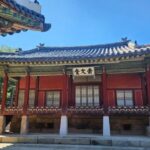
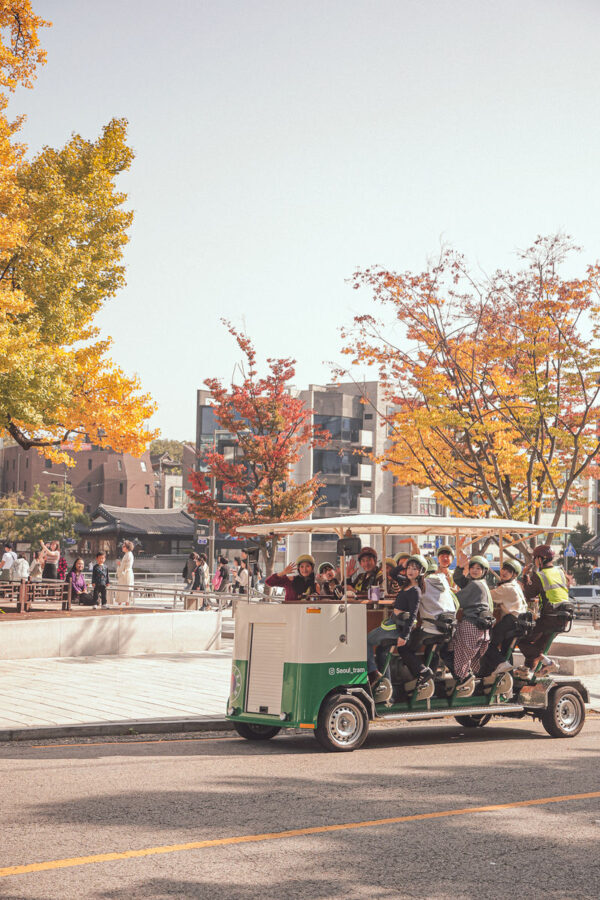
The appeal here is simple: you get a moving, open-air view of central Seoul without spending the hour underground or on your feet. The tram travels through historic streets and newer café districts, with a guide adding context and inviting you to wave at people along the way.
I like the mix of palace-area landmarks and smaller lanes, and the warm, lively guiding that can turn a short ride into a friendly group outing. I also like that routes change with the seasons, so the ride can feel different in spring, summer, autumn and winter.
One thing to weigh: the basic ride is only an hour, and traffic, weather or capacity can change the route. The Chinese-speaking guide is included, so make sure that language suits you before booking.
- A quick look at the ride
- A street-level look at old and new Seoul
- What the one-hour route gives you
- Why the longer options may be worth the extra cost
- A guide who sets the tone
- What the vehicle is, and how active you need to be
- Weather, comfort and what to bring
- Meeting point, timing and booking details
- Who will get the most from it
- Should you book the Seoul tram tour?
- FAQ
- How long is the Seoul tram tour?
- How much does the tour cost?
- What language does the guide speak?
- Where is the meeting point?
- How early should I arrive?
- Does the route include Gyeongbokgung and the Blue House?
- What happens if it rains?
- Are there age restrictions?
- Can I change or cancel my booking?
- The Best Of Seoul!
- More Half-Day in Seoul
- More Tours in Seoul
- More Tour Reviews in Seoul
- Not for you? Here's more nearby things to do in Seoul we have reviewed
A quick look at the ride
 1 / 10
 2 / 10
 3 / 10
 4 / 10
 5 / 10
 6 / 10
 7 / 10
 8 / 10
 9 / 10
 10 / 10
- Open-air views: See central Seoul from street level, including palace gates, traditional lanes and everyday city scenes.
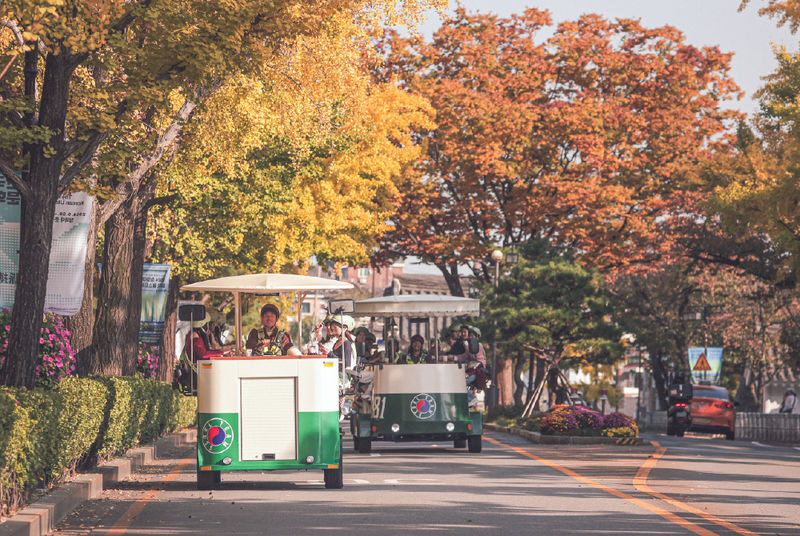
- Seasonal routes: Spring blossoms, summer evenings, autumn foliage and winter lights shape the experience.
- Chinese-language commentary: Guides explain local culture and landmarks; Summer and Sunny are among the guides named by participants.
- Short walking breaks: Some longer routes include stops for photos and brief walks, though the exact stops can vary.
- Options from one to two hours: The one-hour spring trip starts at $40; longer seasonal rides and food combinations cost more.

👉 See our pick of the 25 Best Guided Tours In Seoul
A street-level look at old and new Seoul
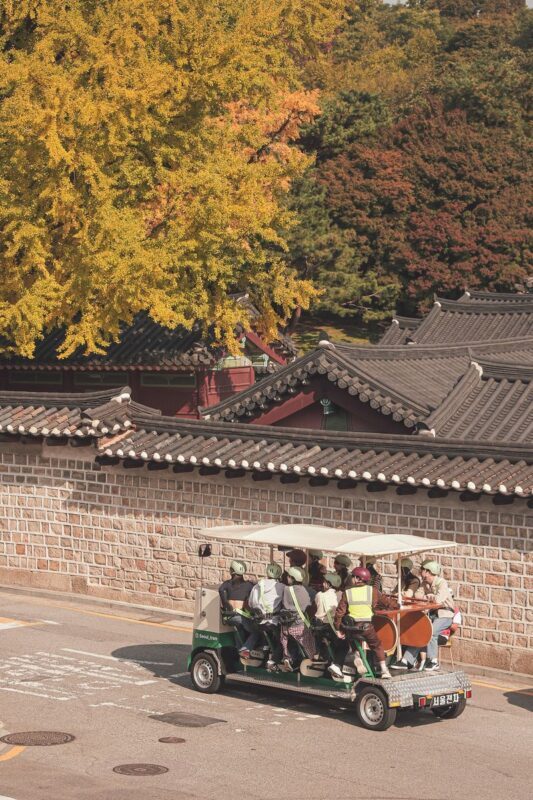
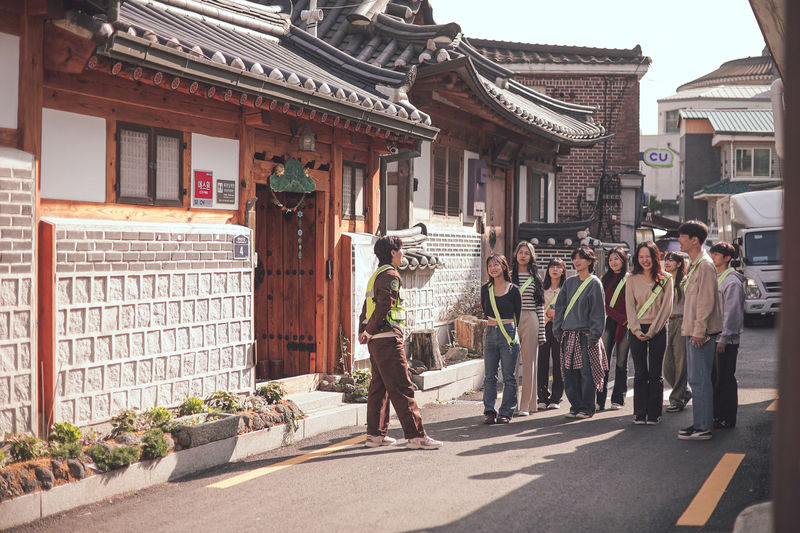
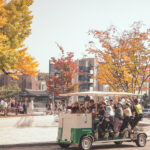
The tram’s main strength is its point of view. You are not simply moving between attractions; you are watching the city unfold at street level, where palace walls, busy intersections, small shops and café alleys sit close together. That can make Seoul’s different eras easier to read than a ride on the subway.
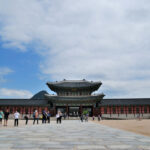
The route is centered on Jongno and the Gwanghwamun area. Depending on the season and chosen package, you may pass Gwanghwamun, Gyeongbokgung, Deoksugung, Insadong, Ikseon-dong, Seochon and the Blue House area. These are route possibilities, not guaranteed stops. Weather, traffic and capacity can affect what the tram can cover.
That distinction matters if you have a particular landmark in mind. Treat the ride as a guided overview of central Seoul, not a point-to-point transfer or a promise of entry to a palace or museum. You see the city from outside, with any walking stops determined by the day’s plan.
You can also read our reviews of more tours and experiences in Seoul

What the one-hour route gives you
The shortest option is a compact introduction to central Seoul. At $40, it is best understood as a guided city ride with a few moments to look around, rather than a deep tour of every neighborhood named in the route description. Traffic can stretch the timing, and weather or capacity may mean some attractions are skipped.
You may get views of historic gates and palace surroundings, then pass through lanes that show a more modern side of the city: cafés, shops and local businesses. The open-air format makes this more immediate than watching the same streets through a bus window, but it also means you are exposed to the weather.
A one-hour ride suits you if you want an easy overview, have limited time or would rather see a lot without walking far. If you want more time for stops and a fuller feel for the neighborhoods, compare the 90-minute and two-hour packages before choosing.
Why the longer options may be worth the extra cost
The 1.5-hour spring package starts at $50, while the two-hour option starts at $70. Autumn versions are listed at similar prices, with a weekend one-hour ride from $42.69. These are starting prices, and packages can vary by season and route.
The additional time can mean more chances to pause, take photos and explore on foot. Participants describe short walks at several stops on longer tours, and some routes have included recommendations for local cafés, shops and food. One two-hour route ended near Tongin Market, where the group could try popular snacks. That market visit is not necessarily part of every tram package.
There is also a separate Gwangjang Market street-food and tram combination from $75. Choose this if food is a key reason for booking, but check the exact package details: a market add-on is not the same as a guaranteed stop on the standard ride.
I would pay more for the longer version if this is your first visit and you want both a broad orientation and time to get off the vehicle. If you mainly want the novelty of the ride and a few good views, the one-hour option may be enough.
A guide who sets the tone
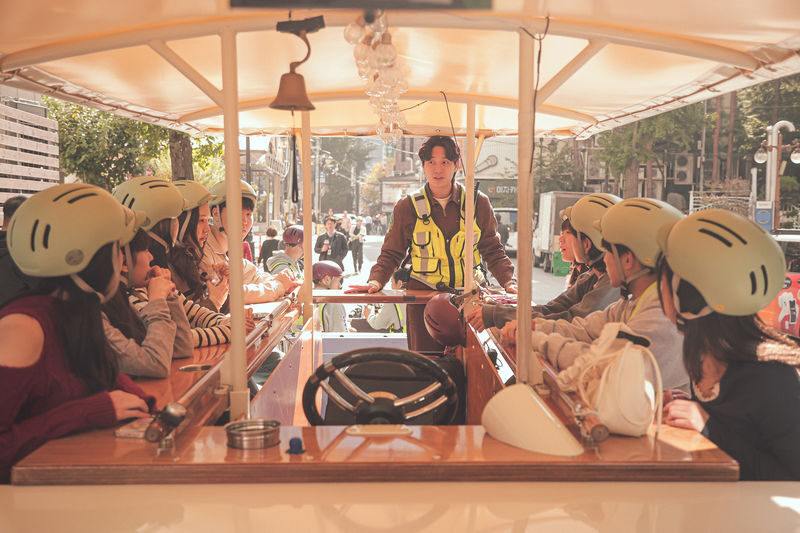
The guide is a major part of this experience. Commentary is in Chinese, and the tour description emphasizes live cultural explanations, safety guidance and interaction. Participants have singled out guides named Summer and Sunny for energetic, humorous presentations and for helping with photos.
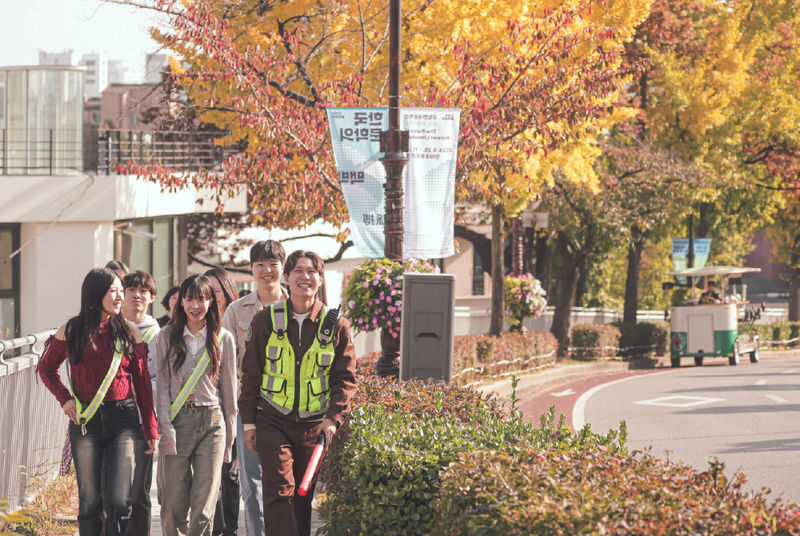
The tone sounds sociable rather than formal. You may be encouraged to wave at people on the street, and the vehicle can draw attention as it moves through downtown. That is part of the fun if you enjoy a cheerful group atmosphere. If you prefer a quiet, serious history lecture, this may feel more playful than you want.
The commentary also appears to be practical. Guides have pointed out popular shops, cafés, bakeries and places to eat, which can help you decide where to return after the tour. Do not expect a full history seminar: one participant wished for more discussion of Seoul’s society and past. Think of the guide as a lively introduction, not a substitute for a dedicated palace tour.
What the vehicle is, and how active you need to be
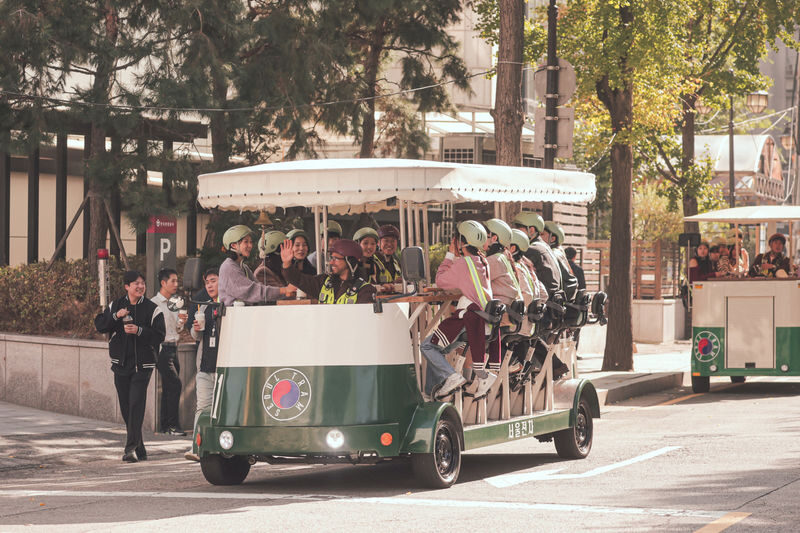
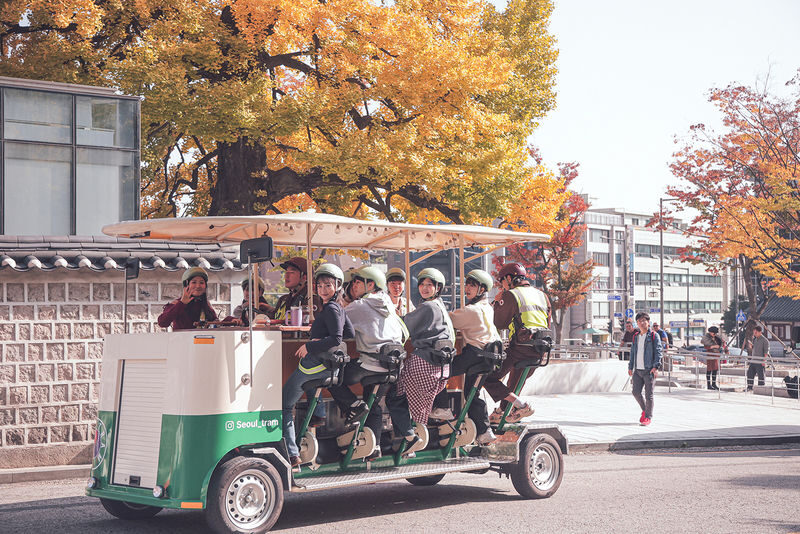
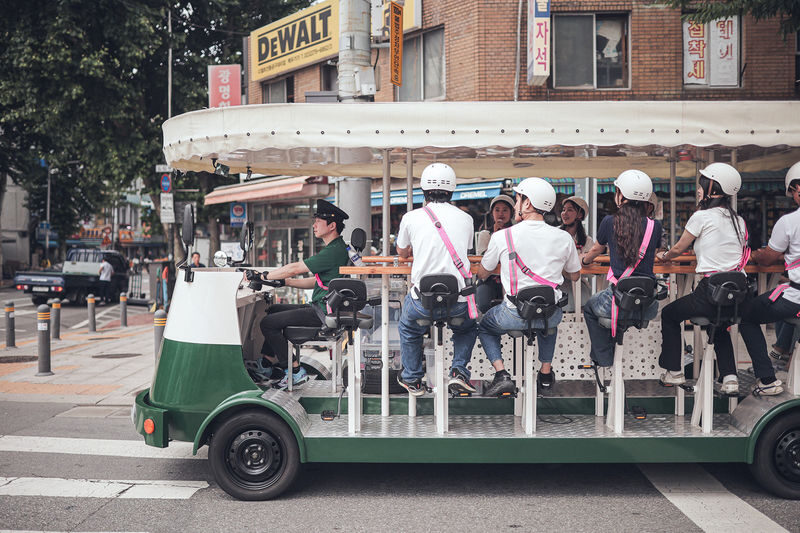
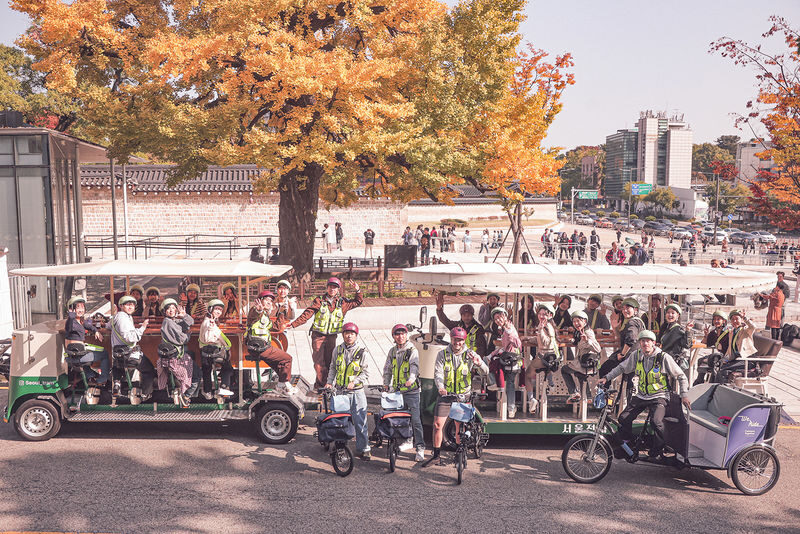
The experience is marketed as a pedal-powered tram, but accounts of the ride describe an electric vehicle, with some participants saying there was no need to pedal. The setup may vary or the wording may be unclear, so confirm the current vehicle details with the operator if pedal effort is important to you.
The ride is generally described as low effort, with limited walking on some longer routes. That makes it appealing for families, older adults and anyone who wants to see central Seoul without covering every block on foot. Still, it is not entirely stationary sightseeing: some packages include short walks, and you will need to manage boarding and safety preparations.
The operator says there is no age limit, but minors must be accompanied by a guardian. Height is measured on-site, although no height limit is provided in the details here. Ask the operator if you have a specific concern about fit or participation.




Weather, comfort and what to bring
The tram operates in a range of weather conditions, but rain can change the plan. The tour proceeds if rainfall at departure is below 3 millimeters, with ponchos provided. At 3 millimeters or more, the operator cancels and offers a full refund.
If rain starts during the ride, the group may shelter while staff decide whether to continue or return. A mid-tour return does not qualify for a refund. In extreme rain at emergency-alert level, the tour ends immediately and a full refund is provided. These rules make the ride less predictable on wet days, so leave flexibility in your schedule.
On a clear day, an open-air seat is a real advantage: you get fresh air and unobstructed views for photos. It also means you feel the wind and temperature more than you would in a closed vehicle. Dress for the forecast and keep your camera ready, but do not count on a particular seasonal view. Blossoms, autumn leaves and winter lights depend on timing and conditions.
Meeting point, timing and booking details
The departure point is near Jongno Station. To find the office, locate the Olive Young Jongno 1-ga store, enter the building to its left, take the escalator to the second floor, then turn right for the WeRide office. The listed one-hour spring departure is 13:40, but available times depend on the package you select.
Arrive 20 minutes early for safety preparations. Late arrivals may not be allowed to board, and no refund is offered for arriving late or missing the ride. The schedule can shift with traffic and weather, and the end time may vary. Allow another 10 minutes after the tour for returning safety equipment and taking photos.
The return details list 19 Jong-ro in Jongno District and identify Gwanghwamun as the area. Check your confirmation email for the precise meeting and return instructions, since the exact timing and details depend on your booking.
The activity is run by WeRide CO., LTD. The experience has a 4.9 rating from 501 reviews, and the provider’s overall good-review rate is listed at 98 percent. Those figures suggest a consistently popular activity, though the fit still depends on your language, weather tolerance and appetite for a lively group ride.
Who will get the most from it
I would recommend the tram to first-time visitors who want a quick sense of central Seoul before exploring neighborhoods on their own. It can also work well for families, friend groups and couples who like a bit of interaction and want photos without arranging every stop themselves.
It is a particularly useful option if you are traveling with someone who tires easily on long walks. The ride covers ground while keeping walking limited, though the longer routes may include short walks at stops. For a more active or independent day, you may prefer to visit the palaces and lanes on foot and set your own pace.
The main limitation is language. The included guide speaks Chinese, and occasional English remarks mentioned by one participant should not be treated as a standard service. If you need English commentary, confirm availability before you pay.
Should you book the Seoul tram tour?
Book it if you want a friendly, easygoing introduction to Jongno and the palace district, and you like the idea of seeing Seoul from an open-air vehicle. For a first visit, I would consider the 1.5-hour or two-hour route if the budget allows, since extra time can make room for stops and local food suggestions.
Choose the one-hour ride if you want a short, low-effort outing and are happy with a general overview. Skip it if you need guaranteed access to specific attractions, want detailed English-language history or would be disappointed by weather-related route changes. Check the season, language, duration and exact package before booking; those details make more difference here than the tram’s cute looks.
Seoul Half-Day Interactive Tram Tour
“The itinerary was very unique and offered a relaxing way to visit multiple attractions in downtown Seoul. The tour guide's explanations were extrem…”
FAQ
How long is the Seoul tram tour?
The listed spring option lasts one hour. Other packages run for 1.5 or two hours. Traffic and weather can affect the schedule.
How much does the tour cost?
The one-hour spring package starts at $40. Other listed options include a 1.5-hour ride from $50, a two-hour ride from $70, and a Gwangjang Market food-and-tram package from $75.
What language does the guide speak?
The included guide is Chinese-speaking. Do not assume English commentary is available; confirm with the operator if you need it.
Where is the meeting point?
The departure office is near Olive Young Jongno 1-ga. Enter the building on the store’s left, take the escalator to the second floor, then turn right for the WeRide office.
How early should I arrive?
Arrive at least 20 minutes before departure for safety preparations. Late arrivals may not be allowed to board and are not eligible for a refund.
Does the route include Gyeongbokgung and the Blue House?
The tour description names Gyeongbokgung and the Blue House area among the landmarks the tram may pass. The route can change because of traffic, weather or capacity, so neither is guaranteed as a stop.
What happens if it rains?
The tour proceeds if rainfall at departure is below 3 millimeters, and ponchos are provided. At 3 millimeters or more, the operator cancels and issues a full refund. If rain starts during the ride, the group may shelter or return; a mid-tour return does not qualify for a refund.
Are there age restrictions?
The activity has no age limit, but minors must be accompanied by a guardian. Height is measured on-site; no specific height requirement is provided in the tour details.
Can I change or cancel my booking?
Changes are allowed until 48 hours before the activity, subject to the listed exceptions. A full refund is available if you cancel at least 48 hours before the activity date; late arrivals and no-shows are not refundable.