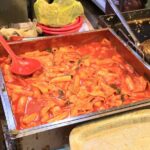
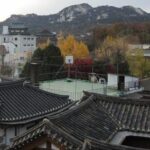
Kimchi is more than a side dish here: it is the subject of an entire museum, from its place at the Korean table to the science behind fermentation. At Museum Kimchikan, you can watch a KBS documentary, explore interactive displays, and sample kimchi in the tasting room.
I like two things in particular: the museum connects everyday food with Korean culture, and its compact size makes it easy to fit into an Insadong outing. The tasting room gives you a chance to compare varieties, while multilingual navigation helps you follow the exhibits without needing a guide.
One consideration: the museum is small, and the ticket covers admission, not a kimchi-making class. Book the workshop separately and ahead of time if making kimchi is the main reason you want to go. The museum is closed on Mondays and selected holidays, so check the schedule before setting out.
- Kimchi, from kitchen staple to cultural history: Learn how the food developed and why it remains part of daily life in Korea.
- Films and interactive exhibits: Watch a KBS documentary and a kimchi-themed film, then try digital activities.
- A tasting room and refrigerated display: Sample kimchi when tasting is available and see how styles vary.
- Science alongside tradition: The kimchi study room explains the food’s scientific side.
- A compact stop in Insadong: Plan about one to two hours, then continue exploring the neighborhood.
- Making kimchi costs extra: The entrance ticket does not include a workshop, and advance booking is important.
- Kimchi takes center stage in Insadong
- Start with the story behind the side dish
- Films and digital displays keep the visit moving
- The tasting room is a welcome stop
- A kimchi-making class is a separate plan
- Finding the museum in Insadong
- How much time and money to set aside
- Check the calendar before you go
- Who will enjoy Museum Kimchikan most?
- Should you book Museum Kimchikan?
- FAQ
- How long does a visit to Museum Kimchikan take?
- What does the entrance ticket include?
- Is a kimchi-making workshop included with admission?
- Can I taste kimchi at the museum?
- What languages are available for the exhibits?
- Where is Museum Kimchikan?
- When is the museum closed?
- How long is the admission voucher valid?
- The Best Of Seoul!
- More Museum Experiences in Seoul
- More Tours in Seoul
- More Tour Reviews in Seoul
- Not for you? Here's more nearby things to do in Seoul we have reviewed
Kimchi takes center stage in Insadong
 1 / 7
 2 / 7
 3 / 7
 4 / 7
 5 / 7
 6 / 7
 7 / 7
Museum Kimchikan is devoted to one of South Korea’s most familiar foods. That focus gives the visit a useful angle: instead of treating kimchi as just another dish to order, the museum traces its history, preparation, cultural role, and varieties.
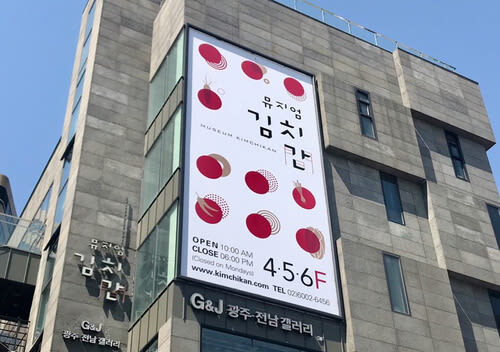
The museum is the second generation of the Pulmuone Kimchi Museum, which first opened in 1986. Its current home is on floors 4 through 6 at 35-4 Insadong-gil, in Jongno-gu. The address is in a lively part of Seoul, but the museum itself is a relatively small indoor stop rather than a large, full-day institution.
CNN selected it as one of the world’s top 11 food museums. That recognition may draw attention, but the practical appeal is simpler: you can learn about an important part of Korean food culture without needing to commit half a day. Allow one to two hours for the museum, depending on how long you spend with the films and interactive displays.

👉 See our pick of the 25 Best Guided Tours In Seoul
Start with the story behind the side dish
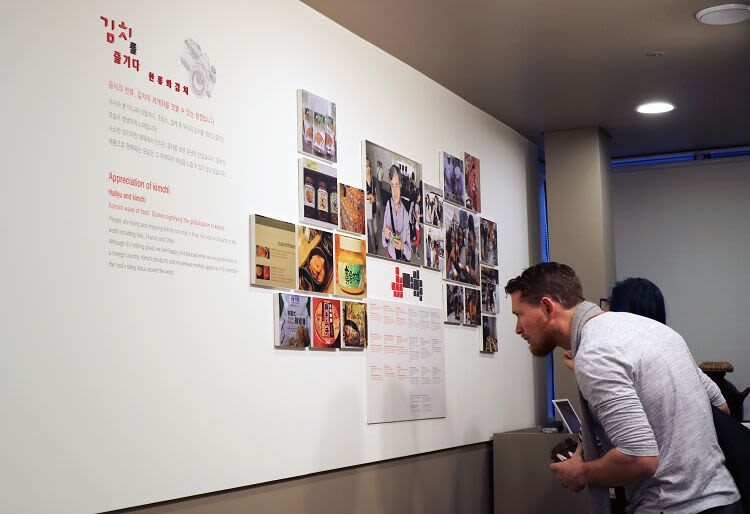
Kimchi is so closely associated with Korean meals that it can be easy to take it for granted. The museum puts that everyday familiarity into context, introducing kimchi’s history and its footprint in Korean culture. If you are new to Korea, this background can make meals elsewhere in Seoul more interesting: you will have a better sense of the food’s place beyond the plate.
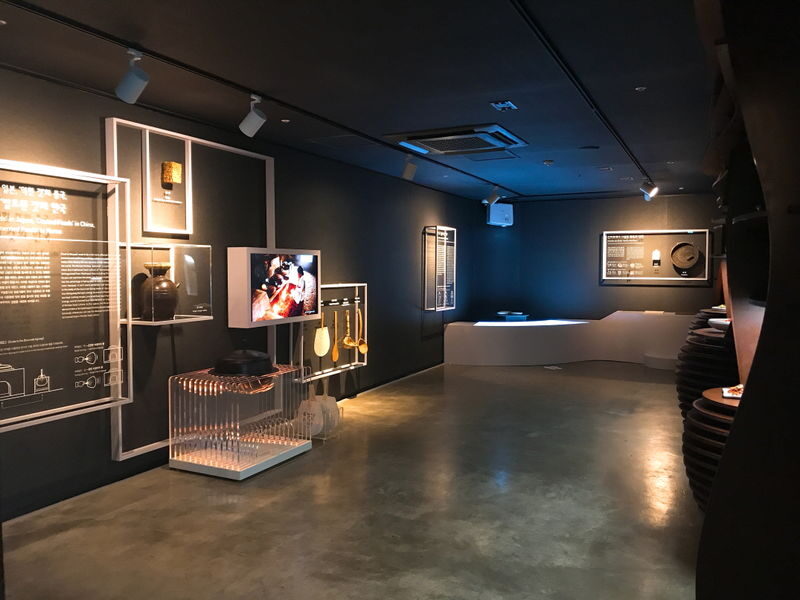
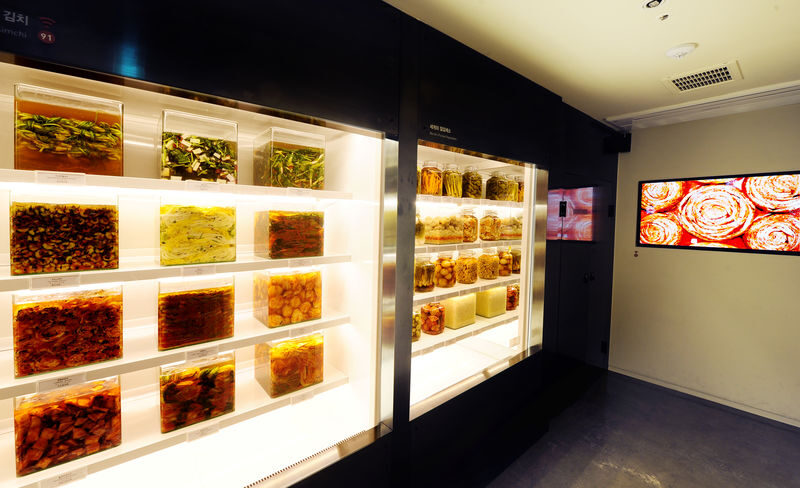
The exhibits also look at how kimchi is made. This matters because kimchi is not one fixed recipe. The museum’s refrigerated display presents varieties found around the world, while the study room explores the science behind the food. Together, these sections help explain why kimchi can differ by ingredients, season, and preparation.
The museum is not described as a guided tour, so expect to explore at your own pace. English, Chinese, Japanese, and other language navigation is available. Visitors have also used a free audio guide, which can help you make sense of the exhibits without rushing through the explanatory material.
You can also read our reviews of more museum experiences in Seoul


Films and digital displays keep the visit moving
Two films add a change of pace to the exhibit rooms: a KBS documentary about kimchi and a separate kimchi-themed film. They give you a chance to sit down and hear more about the food’s background, rather than relying only on written panels. If you enjoy food history, it is worth giving the films time; if you are travelling with children or have a short schedule, you can choose how much of them to watch.
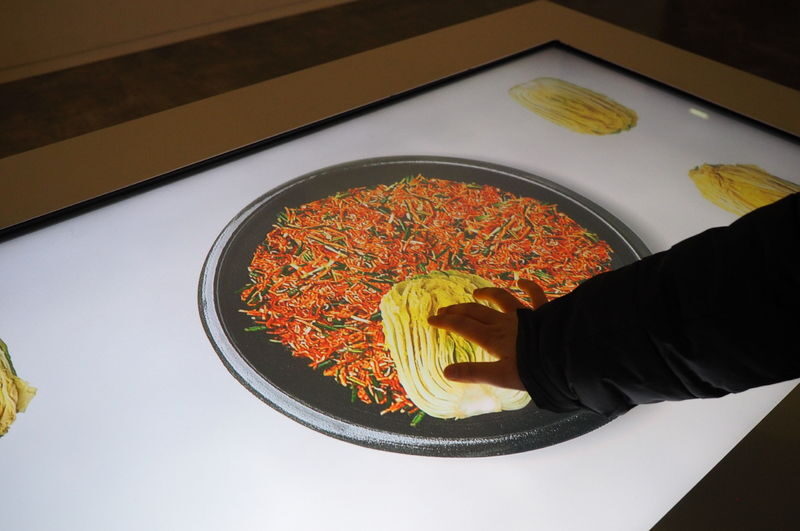
Digital kimchi games and other media facilities offer a more hands-on counterpoint. The museum uses interactive stations to help explain the process and related topics, and the displays are intended to be accessible to visitors using different languages. They add variety, but this is still a museum visit, not a cooking class. If you are expecting a fully participatory food experience, keep that distinction in mind.
Some displays and photo spots may appeal to families, and visitors have found the museum suitable for children. Still, interest depends on the child. A young visitor who enjoys screens, food, and short activities may have a good time; a child looking for a large play space will find a modest museum instead.
The tasting room is a welcome stop
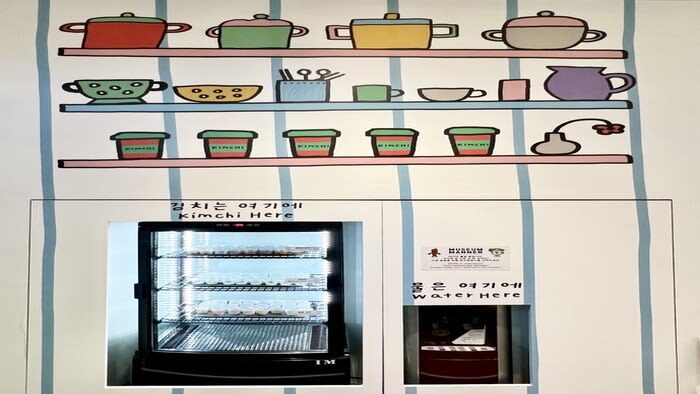
The chance to taste kimchi gives the exhibits a practical finish. You can compare what you have just learned with the actual flavors, and several kinds may be offered. Some visitors have especially enjoyed trying three varieties, but tasting options and availability can change, so treat sampling as a feature to look forward to rather than a guaranteed set menu.
The tasting area is also useful if your experience of kimchi so far has been limited to one familiar version. Seeing multiple styles helps make the museum’s point: kimchi is a family of foods, not a single recipe. The refrigerated room’s displays reinforce that variety visually.
There is a caveat. Tasting is associated with the museum experience, but reports about food availability have not always been consistent. If sampling is a key reason for your visit, contact the museum ahead of time to check what is currently offered. The entrance ticket does not list a meal or tasting as a separate included item.
A kimchi-making class is a separate plan
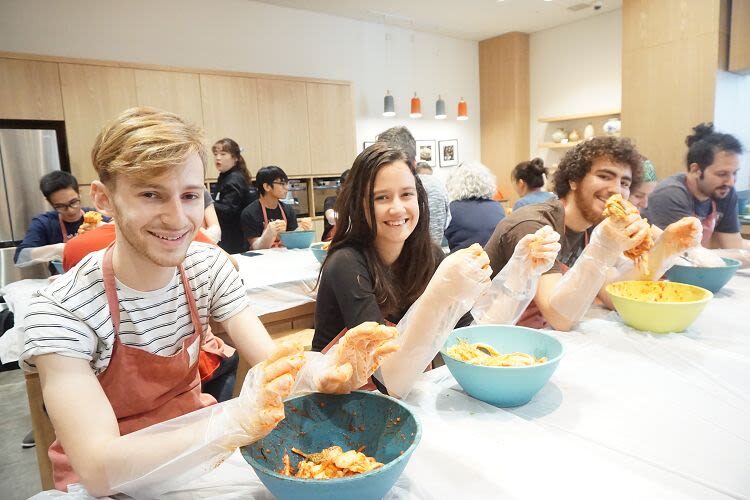
Museum Kimchikan also offers kimchi-making experiences, but the basic entrance ticket does not include one. The workshop has been described as an extra-cost activity, and advance reservations have been important. In the past, visitors have found that a class could be full or unavailable for walk-ins, especially when school groups were present.
If you want to make kimchi, check the museum’s current workshop arrangements directly before you go. Ask about dates, times, price, and reservation requirements. Older visitor information mentions booking by email or through the museum’s website, but workshop procedures and fees can change.
A class can turn a short museum visit into a more memorable food experience, especially if you want to take home a recipe or try the method in your own kitchen. But do not buy the museum ticket assuming the class is included. A recipe may be available even when a session is not, but that is not a substitute if hands-on preparation is your priority.
Finding the museum in Insadong
The museum’s address is 4-6F, 35-4 Insadong-gil, Jongno-gu, Seoul. It occupies several upper floors, which can make it less obvious than a street-level attraction. Give yourself a few extra minutes to locate the entrance, particularly if you are navigating the area for the first time. A map app can help; one visitor specifically recommended Naver Map.
From Jonggak Station, use Exit 3, turn around the Kumkang Shoe Building, walk about 200 meters along Insadong Street, and turn left. From Anguk Station, use Exit 6, continue about 300 meters along Insadong Street, and turn right. Both routes lead into the Insadong area, where you can combine the museum with shops and other neighborhood stops.
Insadong makes the museum easier to fit into a day out. You can visit the exhibits, then spend time in the surrounding area rather than making a separate cross-city trip just for a short museum. The location is convenient once found, but do not assume the museum will be immediately visible from the main street.




How much time and money to set aside
The ticket starts at $2.85, though the price may vary. At that entry-level cost, the museum can be good value if you are curious about Korean food, travelling with someone who loves kimchi, or looking for a short indoor activity in Insadong. It is less compelling if you want a major museum with hours of galleries or a hands-on class included.
Plan on about one to two hours. Some visits can be completed in roughly an hour, while watching both films and trying the activities can stretch the stop. If you are attending a workshop, allow extra time and confirm its schedule separately.
The listed package is an entrance ticket for one person. Personal expenses are not included, and neither is a kimchi-making class. Children aged zero to two enter free, but infants and children still need to be included in the passenger headcount when booking.
A mobile voucher must be presented and exchanged for a physical ticket. The voucher is valid for 90 days from booking confirmation and can be cancelled for a full refund before redemption. Once redeemed, it is no longer eligible for that cancellation; lost, stolen, or damaged tickets cannot be refunded.
Check the calendar before you go
The museum is closed on Mondays. It also closes on New Year’s Day, Lunar New Year holidays, Chuseok holidays, and Christmas. Last admission is one hour before closing, so do not plan to arrive just before the doors shut.
Exact daily opening hours are not included here, so check the current schedule before leaving. That is especially useful if you are fitting the museum between other plans or hoping to join a workshop. The museum’s quiet, compact format works best when you arrive with enough time to explore rather than trying to squeeze it into the final hour of the day.
Who will enjoy Museum Kimchikan most?
This is a good choice for people who want a closer look at Korean food culture, especially if kimchi is already a favorite. It also suits curious eaters who want to understand what lies behind a familiar dish. The films, multilingual interpretation, and interactive stations make the museum more approachable for families and international visitors.
It is a weaker match for someone who expects a large collection, a long guided experience, or a cooking lesson as part of admission. The space is compact, and the exhibits focus tightly on one subject. That focus is the point, but it will not hold everyone’s attention equally.
I would pair the museum with time in Insadong and treat it as a focused cultural stop, not the day’s main event. If you are deciding between a quick visit and a workshop, choose the workshop only after confirming that it is running and that you have a reservation.
Should you book Museum Kimchikan?
Book it if you are interested in Korean food, want an easy-to-fit museum visit in Insadong, or would enjoy tasting different kimchi styles alongside learning how they are made. The low starting price makes admission a modest commitment, and the combination of films, science, cultural history, and interactive features gives the visit more substance than its small size suggests.
Skip it if you are short on time and have little interest in kimchi, or if you expect a hands-on class from the standard ticket. For a class, make a separate inquiry and reservation. For an admission-only visit, check the opening calendar, allow about an hour or two, and leave room afterward to enjoy Insadong.
Museum Kimchikan
“Very kimchi museum. Many useful things, my mother really likes this museum because she can discover many interesting things in the museum, so come…”
FAQ
How long does a visit to Museum Kimchikan take?
Plan for about one to two hours. The time depends on how long you spend with the films, exhibits, and interactive facilities.
What does the entrance ticket include?
The listed package includes one Museum Kimchikan admission ticket. Other personal expenses are not included.
Is a kimchi-making workshop included with admission?
No. The entrance ticket is for admission only. A workshop costs extra and should be arranged separately in advance.
Can I taste kimchi at the museum?
There is a tasting room, and kimchi tasting is part of the museum experience. The available varieties may vary, so check with the museum if tasting is essential to your plans.
What languages are available for the exhibits?
English, Chinese, Japanese, and other language navigation is available. A free audio guide has also been available.
Where is Museum Kimchikan?
It is at 4-6F, 35-4 Insadong-gil, Jongno-gu, Seoul. The museum can be reached from Jonggak Station Exit 3 or Anguk Station Exit 6.
When is the museum closed?
It is closed on Mondays, New Year’s Day, Lunar New Year holidays, Chuseok holidays, and Christmas. Last admission is one hour before closing.
How long is the admission voucher valid?
The voucher is valid for 90 days from the booking confirmation date and expires at 00:00 on the final day.