Rakkojae’s 90-minute tea class brings you into a traditional hanok for a hands-on lesson in Korean tea etiquette. You dress in premium hanbok, learn a modern version of a Joseon-era reception ceremony, and taste three seasonal teas with handmade snacks.
I like two things in particular: you get to practice making tea, not just watch a demonstration, and the setting gives the lesson a sense of place. One consideration: the class is at 2 p.m. only, reservation is required, and children must be at least eight.
- What makes this class worth your time
- A tea lesson inside a Bukchon hanok
- Getting settled at The Living Room
- Hanbok first, then the tea ritual
- Three teas, three handmade pairings
- What the setting adds
- Is the price justified?
- Who will enjoy it most
- Practical details before you book
- Should you book the Rakkojae tea class?
- FAQ
- How long does the class last?
- What time does the class start?
- Is hanbok rental included?
- What is included with the tea tasting?
- Can children take part?
- Is the gayageum performance included?
- The Best Of Seoul!
- More Workshops & Classes in Seoul
- More Tours in Seoul
- More Tour Reviews in Seoul
- Not for you? Here's more nearby things to do in Seoul we have reviewed
What makes this class worth your time
 1 / 8
 2 / 8
 3 / 8
 4 / 8
 5 / 8
 6 / 8
 7 / 8
 8 / 8
- A traditional hanok setting: The class takes place at Rakkojae Lounge Hanok, a traditional home selected as one of Seoul’s excellent hanok.
- Hanbok is included: You wear premium traditional clothing during the experience, rather than arranging a rental separately.
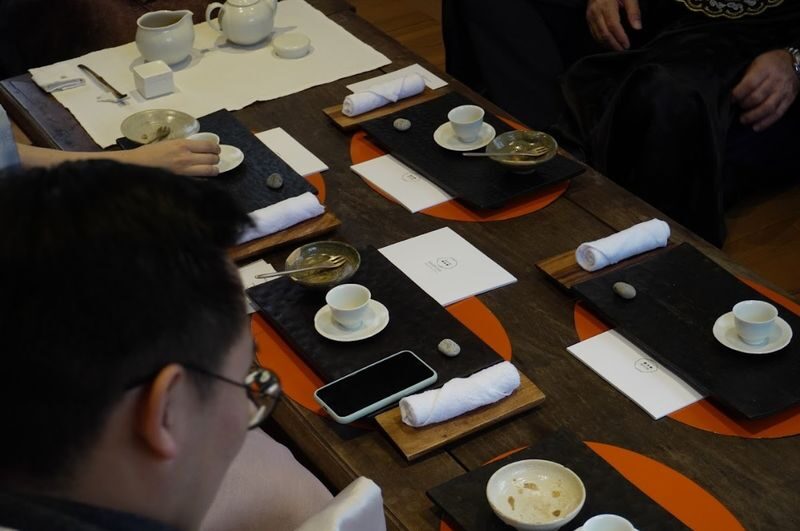
- Tea, snacks, and a welcome drink: Three seasonal teas are paired with three handmade traditional snacks. You can choose an alcoholic or non-alcoholic welcome cocktail.
- A practical lesson: You learn tea etiquette and make a bowl of tea yourself, with Korean- and English-speaking staff.
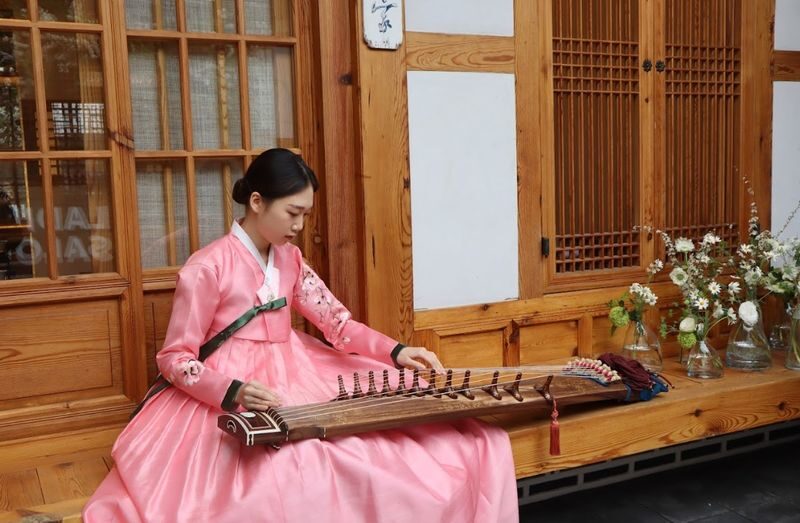
- A cultural add-on: You can select an optional gayageum performance to accompany the program.
- A focused 90 minutes: The class runs daily at 2 p.m. and is suitable for participants aged eight and up.
👉 See our pick of the 25 Best Guided Tours In Seoul
A tea lesson inside a Bukchon hanok
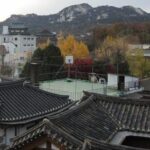
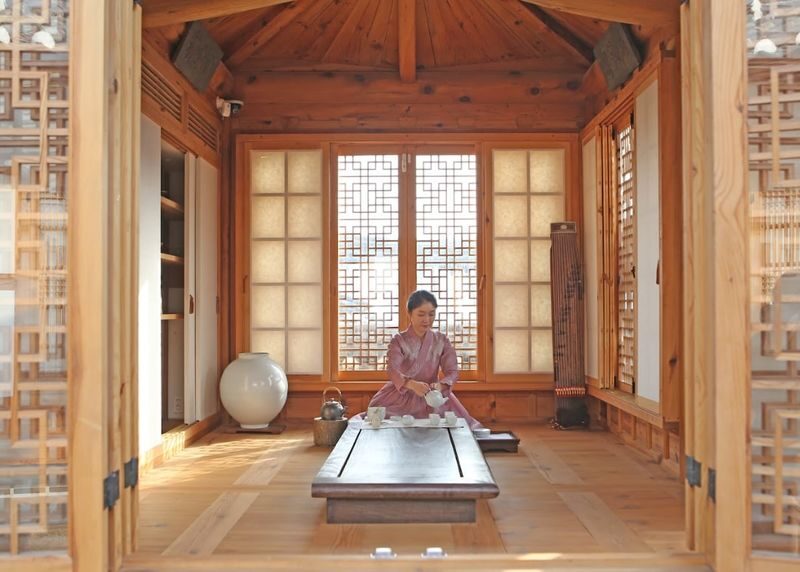
Bukchon’s traditional houses are often admired from the street, but this class lets you spend time inside one. Rakkojae Lounge Hanok is the setting for a small cultural program built around tea, clothing, and the manners of a formal welcome. The quiet interior matters: tea etiquette is easier to appreciate when you can slow down and pay attention to the gestures.
The ceremony is described as a modern reinterpretation of jeopbin darye, a tea ritual associated with receiving guests among Joseon-era aristocrats. That gives the session a clear cultural focus. You are not signing up for a broad survey of Korean history or a general hanok tour. You are learning how tea service can express care, respect, and hospitality.
A hanok docent is included, so you can expect some context about the building as well as the tea program. The setting has also been visited by BTS’s Jin, a detail that may interest fans, though the main draw is the chance to take part in a tea class in a traditional home.
You can also read our reviews of more tours and experiences in Seoul


Getting settled at The Living Room
The meeting point is The Living Room, on the first floor of Bukchon Binkwan by Rakkojae at 10 Bukchon-ro 11ga-gil, Jongno-gu. After staff check your reservation, they escort you to the Culture Lounge, where the class takes place. This is a reservation-only experience, so arrive on time and have your mobile voucher ready.
The move from reception into the lounge helps separate the class from the practical business of checking in. It also means you should not assume you can simply walk in and join a session. The program runs daily at 2 p.m.; plan your Bukchon visit around that fixed start rather than expecting a flexible drop-in activity.
The experience lasts about 90 minutes. That is enough time for a guided introduction, tea practice, and tastings without taking up a full day. If you are fitting it into a Seoul itinerary, it pairs naturally with other time in the Bukchon and Jongno area, but allow yourself to arrive calmly rather than rushing in at the last minute.
Hanbok first, then the tea ritual
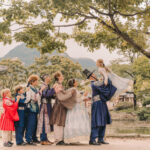
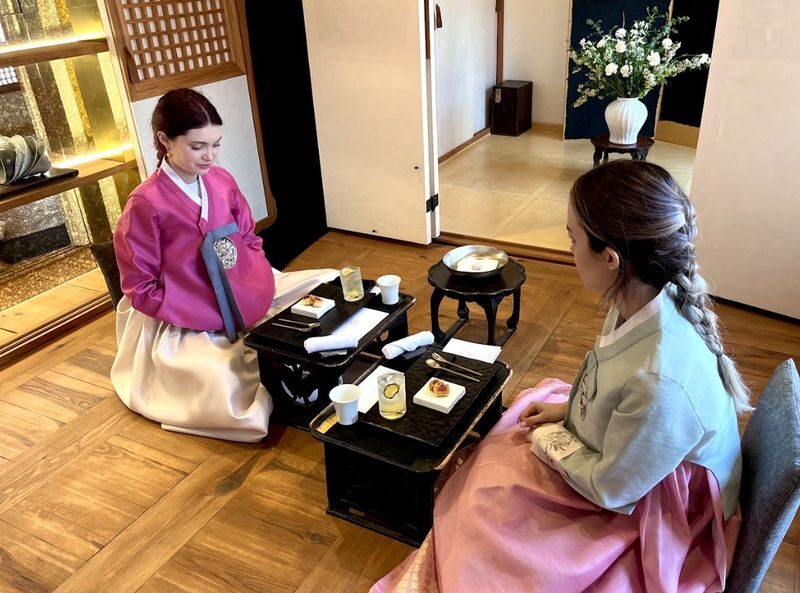
Hanbok rental is included, and wearing it is part of the experience rather than an optional extra. It changes the pace of the class: you are not only hearing about traditional etiquette, but taking part in it while dressed for the occasion. If trying on Korean clothing is high on your Seoul wish list, that inclusion adds real value.
The class then turns to tea etiquette. Expect instruction and a chance to practice preparing a bowl of tea yourself. One participant’s account of the experience highlighted exactly this combination: learning about Korean tea, making a bowl, and wearing hanbok. That is a useful picture of the session’s appeal. It is participatory, but it is still a guided cultural class, not an open-ended craft workshop.
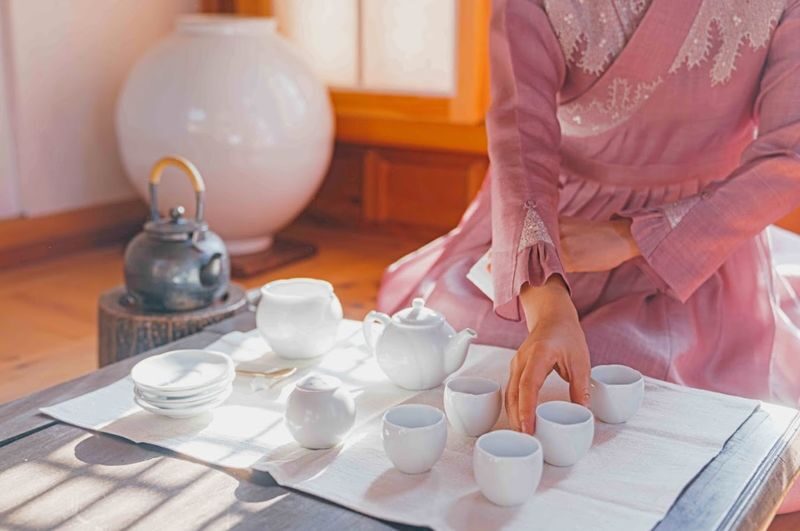
The ceremony draws on formal customs, so gestures and handling matter. Tea sets and utensils are valuable, and you are asked to treat them with care. A celadon bowl described as having 700 years of history was used in one session, a striking reminder that the objects are not merely props. That specific bowl may not be used every time, so don’t book on the assumption that you will handle that exact piece.
Three teas, three handmade pairings
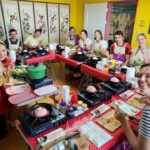
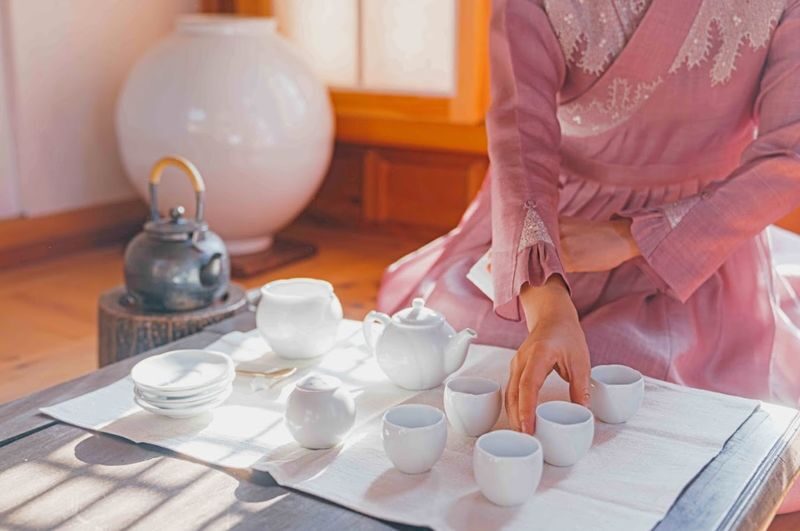
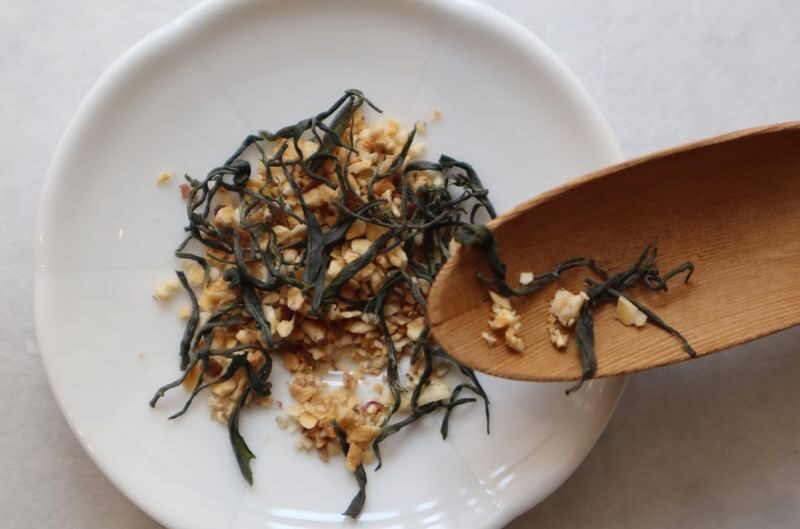
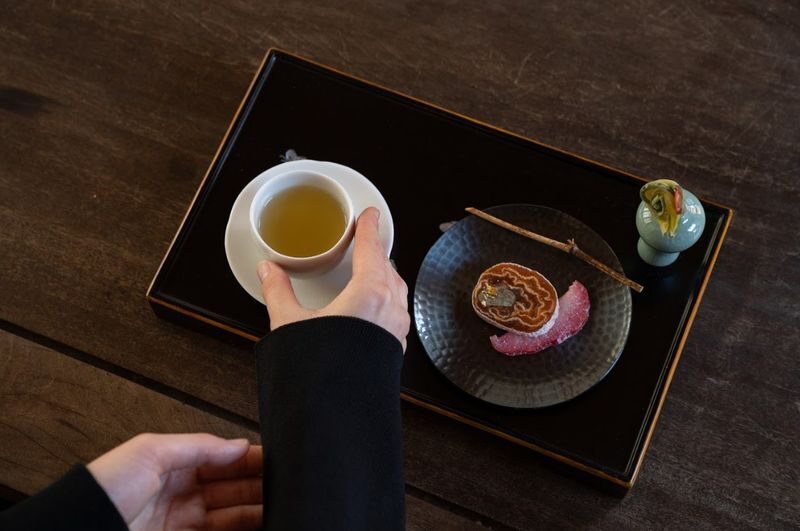
The tasting is built around three seasonal teas, each paired with a handmade traditional snack. This format gives you more to notice than a single cup: changes in aroma, flavor, and the way a small sweet complements the tea. The selections are seasonal, so the exact teas and snacks may vary.
A welcome cocktail is also included, with an alcoholic or non-alcoholic option. Together, the welcome drink, tea, and pairings make the session feel like a complete hospitality experience rather than a brief demonstration. The emphasis is on considered serving and traditional etiquette, not on a large meal. If you arrive hungry, plan to eat beforehand or afterward.
The ingredients and ceramics drew especially strong praise from someone who attended the class, who described the teas and sweets as excellent quality. That fits the program’s premium positioning, but it is worth keeping expectations in proportion: this is a tasting and lesson, not a full dining experience.
What the setting adds
A traditional house gives the tea lesson a context that a modern classroom would not. The hanok is part of the experience, and the docent element can help you connect the room and its customs with the activity. One participant found the instructor and Rakkojae manager professional and welcoming, and appreciated being able to ask questions about the hanok and the experiences offered there.
That kind of conversation can be a valuable part of a short class. You get more than a sequence of instructions: there is room to ask about the objects, the ceremony, and the building. Still, the exact depth of discussion depends on the session and the questions you bring. If a particular historical topic matters to you, ask about it during the class rather than expecting a long lecture.
The lounge has also hosted BTS’s Jin. That association may make the venue an appealing stop for fans, but the class is not presented as a K-pop-themed event. Its core is Korean tea culture and etiquette, with the hanok providing a fitting place to learn.
You can also read our reviews of more tours and experiences in Seoul





Is the price justified?
The stated starting prices differ: the experience summary gives US$170.85, while the named class package starts at US$155.35. Treat those as starting figures, not a guaranteed final price, and check the amount shown for your date and chosen options before booking. The class price includes admission, English- and Korean-speaking staff, the welcome drink, three teas, three handmade snacks, hanbok rental, and the tea and etiquette lesson.
That bundle is important when judging value. If you already planned to rent hanbok and seek out a tea experience, combining the clothing, instruction, tastings, and traditional setting in one 90-minute booking may be more convenient than arranging each separately. The included docent adds cultural context, too.
On the other hand, this is a premium, short activity. It may not suit you if your main aim is an inexpensive tea tasting, a full meal, or a long, intensive lesson. The gayageum performance is an optional add-on, so check the package details if live music is part of your reason for booking. The standard class should not be assumed to include it.
Who will enjoy it most
I’d consider this class for anyone who wants a calm, structured cultural activity and is curious about how tea service works in Korea. It is especially appealing if you want to wear hanbok in a setting where it connects to the activity, rather than simply posing for photos. The hands-on tea preparation gives you something to do and remember after the tasting is over.
It can also work for families with older children. Participants must be at least eight, and children aged eight and up pay the adult rate. Preschool children cannot enter, so this is not a good choice for a family traveling with younger children.
If you are a serious tea enthusiast, keep in mind that the program is 90 minutes and offers three seasonal teas, not a specialist course. If you are mainly interested in the building, the docent and setting add context, but the class remains focused on tea etiquette. Its best fit is someone who wants a polished introduction to several parts of Korean tradition in one compact visit.
Practical details before you book
Book in advance, arrive on time, and present your mobile voucher at The Living Room reception. The voucher is valid only for the specified date and time. Outside food and drinks are not allowed, and pets are prohibited.
Handle the tea ware with care, since compensation may be charged for damage based on actual costs. If you need to cancel, a full refund is available when you cancel at least seven days before the activity date, using Seoul local time.
Should you book the Rakkojae tea class?
Book it if you value the combination of hanbok, guided tea practice, seasonal tastings, and time inside a traditional hanok. The thoughtful pairings and hands-on lesson give the experience more substance than a quick costume rental or a cup of tea alone.
Skip it if you need a flexible schedule, are traveling with a child under eight, or want a full meal or an in-depth tea course. For the right visitor, though, 90 minutes is a neat way to learn a little etiquette, enjoy carefully served tea, and see Bukchon’s traditional architecture from indoors.
Seoul Rakkojae Seoul Hanbok Traditional Tea Ceremony One Day Class
“The experience was great; both our instructor and the manager of Rakkojae were wonderful and very professional. They answered all our questions, to…”
FAQ
How long does the class last?
The program lasts approximately 90 minutes.
What time does the class start?
It runs daily from 2 p.m.
Is hanbok rental included?
Yes. Premium hanbok rental is included in the class.
What is included with the tea tasting?
The experience includes three seasonal teas and three handmade traditional tea snacks, along with a welcome cocktail. You can choose an alcoholic or non-alcoholic welcome drink.
Can children take part?
Participants must be at least eight years old. Children aged eight and up pay the same rate as adults, and preschool children are not allowed to enter.
Is the gayageum performance included?
It is an optional add-on. Choose that option if you want a welcoming performance and background music during the program.