The DMZ is a place where Korean history feels close and unresolved. I like that this day pairs major sites, from the Third Tunnel to Dora Observatory, with a guide who can explain what you are seeing. Andrew, Danny, Yohan and Patrick are among the guides who have led departures, and guests have praised their clear explanations and personable approach.
I also like the choice of add-ons: the gondola crosses the Imjin River, while the suspension bridge adds a different kind of outing to a history-focused day. The main drawback is the physical effort. The Third Tunnel includes a long, steep climb, and the schedule can be tiring, so this is not a carefree coach trip.
- Key points before you book
- A borderland visit, not a trip into North Korea
- Freedom Bridge and the ground around Imjingak
- The Third Tunnel demands more than curiosity
- Dora Observatory: a view that depends on the weather
- Unification Village and the wider story
- Gondola and bridge upgrades: what the extra buys
- A long Seoul day, with practical trade-offs
- Who will get the most from this tour
- Should you book the DMZ tour?
- FAQ
- Do I need to bring my passport?
- Is the gondola included in the base tour?
- How difficult is the Third Tunnel?
- Are meals included?
- Where does the tour depart from?
- Can the schedule or stops change?
- The Best Of Gangwon!
- More Guided Tours in Gangwon
- More Tours in Gangwon
- More Tour Reviews in Gangwon
- Not for you? Here's more nearby things to do in Gangwon we have reviewed
Key points before you book
 1 / 2
 2 / 2
- Look toward North Korea: At Dora Observatory, binoculars may bring North Korea into view if the weather is clear.
- Expect a steep tunnel walk: The Third Tunnel requires intermediate fitness, with a long uphill return.
- Treat the gondola as an add-on: The base tour does not include the cable car or suspension bridge admission.
- Plan for a snack, not a full lunch: Meals are not included, and there may not be a proper lunch break.
- Bring your passport: Every participant needs a valid passport to join the tour.
- Allow most of the day: Departures from Seoul begin around 7:20 to 7:45, with return drop-offs scheduled from about 16:20.

👉 See our pick of the 3 Best Tours In Gangwon
A borderland visit, not a trip into North Korea
This tour visits the South Korean side of the Demilitarized Zone and nearby sites. It does not take you into North Korea, and the gondola’s JSA photo zone is not entry to the actual Joint Security Area. Think of the day as a guided look at the history, geography and continuing division of the peninsula, with a few scenic stops mixed in.
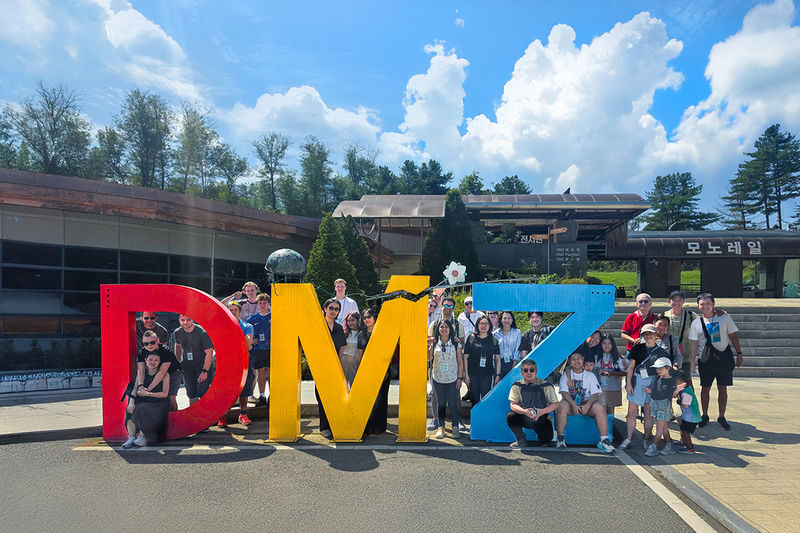
That context matters. Without it, a tunnel, a bridge or a distant view can feel like a set of isolated sights. A good guide helps connect the places to the Korean War and its aftermath, and gives you a clearer sense of why this border remains significant. Guides such as Andrew, Danny, Yohan and Patrick have been praised for sharing historical detail, answering questions and keeping the group engaged. Your guide will depend on the date.
The atmosphere is likely to be thoughtful rather than light. The history includes separation and loss, and the scenery can sharpen that sense of distance. I’d come ready to listen, ask questions and take the time to consider what the sites mean, not just to collect photos.
You can also read our reviews of more guided tours in Gangwon
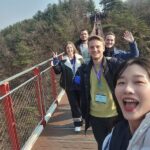
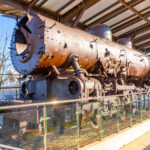

Freedom Bridge and the ground around Imjingak
The day begins with a coach or other vehicle from Seoul to the DMZ area. The vehicle type can change with group size, and round-trip transfers are included. Imjingak Park is the tour’s stated address, and Freedom Bridge is one of the main historical stops.
The bridge and surrounding area help set the scene for the day. They make the division of Korea tangible in a way that a map cannot. You are not just hearing about a line on a page, but visiting places tied to the war and the people affected by it.
Expect a full group outing rather than a private, unhurried visit at every stop. The schedule has to work around traffic, weather and access conditions, and time at individual sites can feel limited when visitor numbers are high. If you want to linger over every display or explore Imjingak Park at your own pace, a group tour may feel brisk.
The Third Tunnel demands more than curiosity
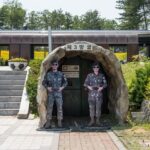
For many people, the Third Tunnel is the most physically demanding stop. You walk down into the tunnel and then face a long, steep climb back up. The operator describes the effort as intermediate-level hiking, and the tour information advises people with heart, leg, back or respiratory problems not to enter.
Take that warning seriously. One participant’s account describes the return climb as strenuous, and other practical advice notes that foot or knee pain and claustrophobia can make the tunnel a poor fit. If you sit this part out, there is a waiting area with fans. The tour can also replace the tunnel with another stop if it is unavailable.
The tunnel brings the DMZ’s military history into close physical focus. It is not a comfortable museum visit, and the effort is part of the experience. Wear shoes you can walk uphill in, and do not feel obliged to go down if your health or comfort says otherwise. The monorail is not available, so do not count on it as an easier way through the tunnel.
Dora Observatory: a view that depends on the weather
At Dora Observatory, you can look north across the border. If the skies are clear, binoculars may let you see North Korea; the view can be hazy or obscured when conditions are poor. A guide can point out where to look and explain what is visible, which makes the stop more useful than simply scanning the horizon on your own.
This is one of the tour’s most distinctive moments, but it is also the one most at the mercy of weather. Go for the historical perspective as much as the chance of a clear view. Seeing North Korea is possible, not guaranteed.
Bring your own sense of scale. From an observatory, the other side may appear close, but the political and human distance between the two Koreas is immense. The guide’s explanations help bridge that gap.
Unification Village and the wider story
Unification Village adds another piece to the day’s picture of life near the border. It is part of a tour that balances historical sites with places connected to the surrounding communities. The visit may be changed if a location is closed, so treat the listed stops as a plan rather than an absolute promise.
This is where a guide’s ability to put events in context can make a difference. Guides on these departures have shared Korean history and culture alongside the facts of the war and the DMZ. You can ask questions as you go, and the better explanations help prevent the day from becoming a string of names and dates.
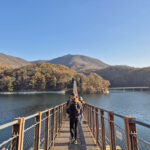
Gondola and bridge upgrades: what the extra buys
The base DMZ tour starts at US$46. It includes admission to the stated attractions, transfers between Seoul and the sites, an English-speaking guide and transportation between stops. The gondola, suspension bridge, monorail, meals, drinks and personal expenses are not included in the base price.
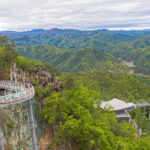
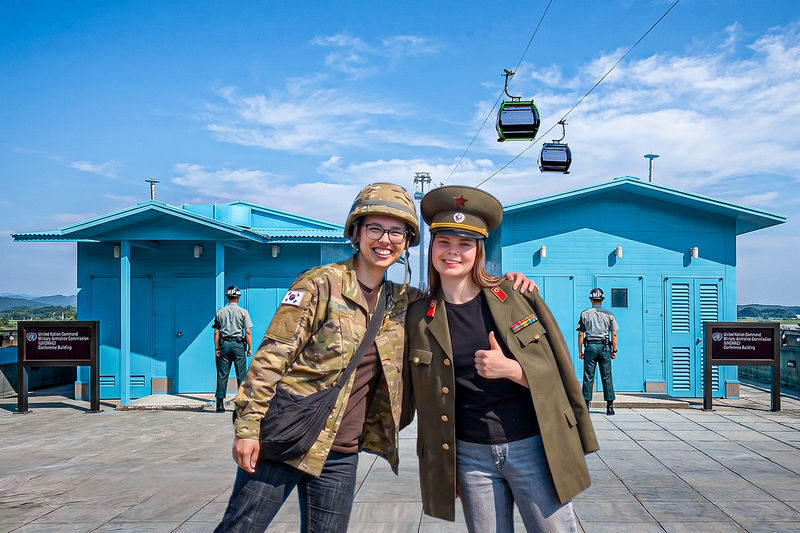
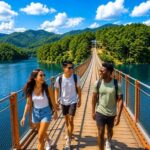
The gondola option starts at US$56.95, about US$11 more than the base price. It crosses the Imjin River and includes the JSA (Panmunjeom) photo zone. The attraction offers a scenic counterpoint to the history stops, but the photo zone should not be confused with access to the actual Joint Security Area. The add-on is a reasonable choice if you want the river crossing and photo stop, but it is not essential to understanding the DMZ.
The suspension bridge option starts at US$66.69. A combined gondola and suspension bridge package starts at US$74.39, which may suit you if you want the fuller day and are happy to pay more for additional sights. There is also a Monday-only Red Suspension Bridge package, and a private tour with gondola and suspension bridge starts at US$556.55. Prices can vary by package and departure.
For value, I’d choose based on what you care about. If the history is your main reason for going, the base tour covers the core DMZ stops. If you enjoy adding a scenic activity to a day trip, the gondola or bridge can make the outing feel more varied. Do check the package details carefully, since add-on admission is not included in the base ticket.
A long Seoul day, with practical trade-offs
The listed morning departure points are Myeongdong Station Exit 7 at 7:20, City Hall Station Exit 7 at 7:30 and Hongik University Station Exit 1 at 7:45. Be there five minutes early. Late arrivals and no-shows are not refundable. An 8:40 departure option is also available, though its pickup details should be checked for your selected package.
Return drop-offs are scheduled for Hongik University Station at 16:20, City Hall Station at 16:40 and Myeongdong Station at 16:50. Traffic, weather and local conditions can shift those times or locations. If you have evening plans, leave a buffer rather than booking something that depends on a precise arrival time. For groups of more than 10, hotel pickup may be available if you discuss the location in advance.
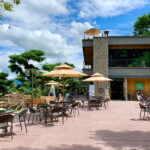
The day has breaks, but meals and drinks are on you. Do not assume there will be time for a sit-down lunch. Bring a snack or plan to buy one at a rest stop or cafe, and carry water. The bus ride gives you a chance to rest, but the stops and walking can add up.
A valid passport is required for every participant, including children, and infants and children must be included in the passenger count. Child seats are not available. Luggage delivery is not offered, so ask the operator in advance about luggage allowance. Pets cannot join.
Who will get the most from this tour
I’d recommend this trip if you want a structured introduction to the DMZ and Korean history, and you value having a guide explain the places as you go. Families can take part, but the tunnel and the long day may be tough for children or older adults. One family with an older relative who used a cane found that the guide helped with comfort and wheelchair arrangements, but that does not guarantee the same support on every departure. Contact the operator before booking if mobility is a concern.
The tour is less suited to you if you need a relaxed pace, a proper lunch stop or a fully accessible route. The Third Tunnel is the main physical test, and the day’s schedule can change. If you prefer to avoid the climb, ask whether you can wait while the rest of the group visits it.
Should you book the DMZ tour?
Book it if you want to understand the border through its actual sites, rather than through a museum visit alone. The core tour offers the strongest value for history-minded visitors, while the gondola and bridge packages add scenic variety at extra cost. Bring your passport, wear shoes suited to a steep walk and pack a snack. If the tunnel is not right for you, the tour may still be worthwhile, but confirm your options before setting out.
DMZ Guided Tour with optional Gondola / Suspension Bridge
“Nara and Andrew were amazing guides. Friendly, funny and informative!”
FAQ
Do I need to bring my passport?
Yes. Every participant must bring a valid passport. You also need to present your mobile voucher.
Is the gondola included in the base tour?
No. The base tour does not include gondola admission. Choose a package that includes the gondola if you want to ride it.
How difficult is the Third Tunnel?
The tunnel visit involves intermediate-level hiking and a long, steep uphill climb on the way out. The tour advises people with heart, leg, back or respiratory problems not to enter.
Are meals included?
No. Meals and beverages are not included. Plan to bring a snack or buy one during a stop, as a full lunch break is not assured.
Where does the tour depart from?
The listed pickup points are Myeongdong Station Exit 7, City Hall Station Exit 7 and Hongik University Station Exit 1. Arrive five minutes before your selected departure time.
Can the schedule or stops change?
Yes. Traffic and weather can affect timing, and closed sites may be replaced with other stops. If the Third Tunnel is unavailable, the tour may visit another destination.