The best part of this Kyoto workshop is the satisfying mix of craft and supper: you paint a bowl or spoon, then make and eat ramen with help from the team behind Musoshin Ramen. It is a relaxed way to get hands-on with a much-loved Japanese dish without needing to master a restaurant kitchen.
I like two things in particular: you leave with a personal keepsake, and the cooking includes a real technique, yugiri, for draining noodles. The meal is a highlight in its own right, with a choice of broth options depending on the class.
One thing to plan around: the workshop lasts about 90 minutes, and the cooking is an assembly class rather than a full, from-scratch ramen course. If you want a fired ceramic bowl, you’ll need to collect it the next day or arrange delivery within Japan.
- The useful details at a glance
- A creative start near Kiyomizu-Gojo
- From painted ceramic to ramen lesson
- The meal is more than a class finale
- The broth and chopsticks option is a different class
- What your keepsake involves
- Is .49 good value?
- Dietary needs, children, and booking details
- Who should book this Kyoto ramen workshop?
- FAQ
- How long does the workshop last?
- Where does the bowl or spoon painting class take place?
- Is the broth and chopsticks class at the same location?
- Can I take my painted ceramic home on the day?
- Can the finished ceramic be shipped to my home overseas?
- Can the class accommodate vegetarian, vegan, or pescetarian diets?
- Are children allowed, and what do they pay?
- What is included in the price?
- The Best Of Kyoto!
- More Cooking Classes in Kyoto
- More Tours in Kyoto
- More Tour Reviews in Kyoto
- Not for you? Here's more nearby things to do in Kyoto we have reviewed
The useful details at a glance
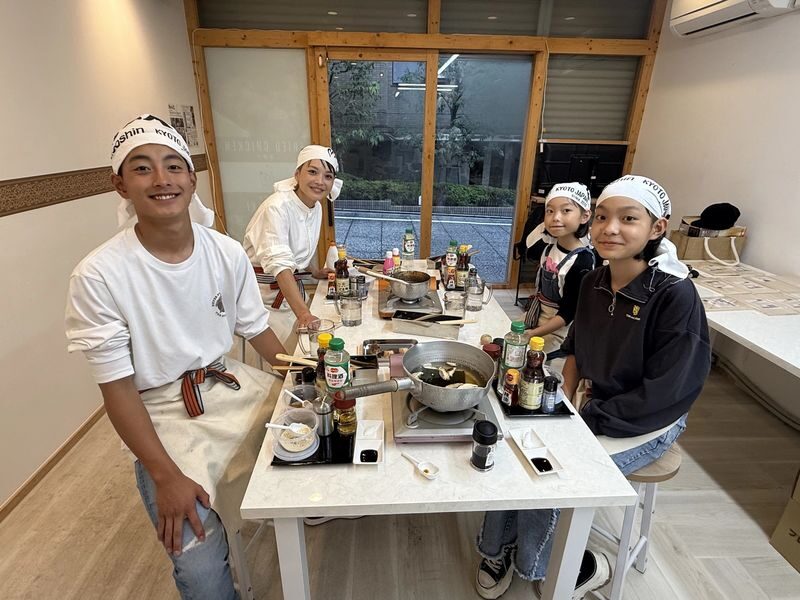
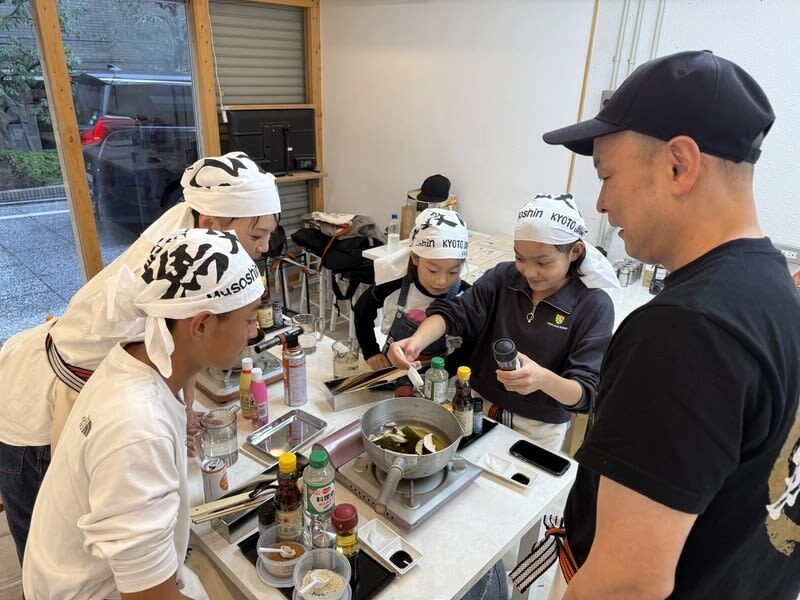
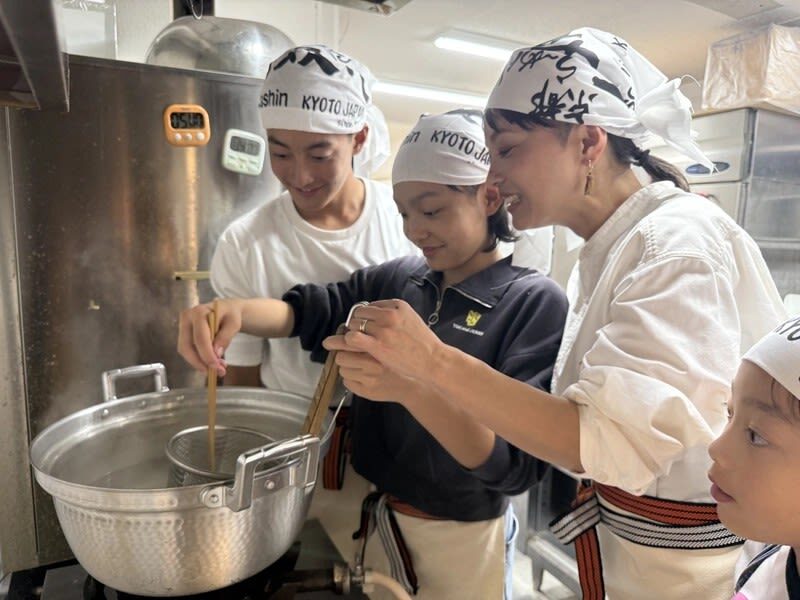
- Choose your craft: Paint a ramen bowl or renge spoon at Kiyomizu-Gojo, or choose the separate Gionmachi Minamigawa broth and chopsticks class.
- Learn yugiri: Practice the quick wrist motion used to drain ramen noodles before they go into the bowl.
- Expect expert guidance, not a full kitchen apprenticeship: Many ramen components are prepared ahead, so you can focus on cooking, assembling, and learning how the dish comes together.
- Eat what you make: The session ends with your own bowl of ramen, with broth options that vary by class.
- Plan for ceramic firing: You can take your painted ceramic home the same day for decoration, or have it kiln-fired free and collect it the next day.
- Allow for the location difference: The painting classes meet near Kiyomizu-Gojo. The broth and engraved-chopsticks class is at a different venue in Gionmachi Minamigawa.

👉 See our pick of the 25 Best Workshops And Classes In Kyoto
A creative start near Kiyomizu-Gojo
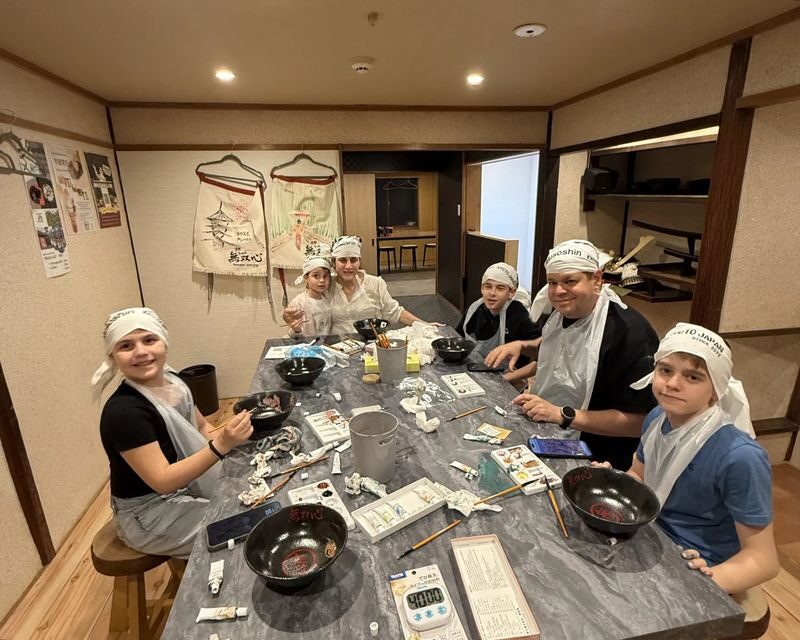
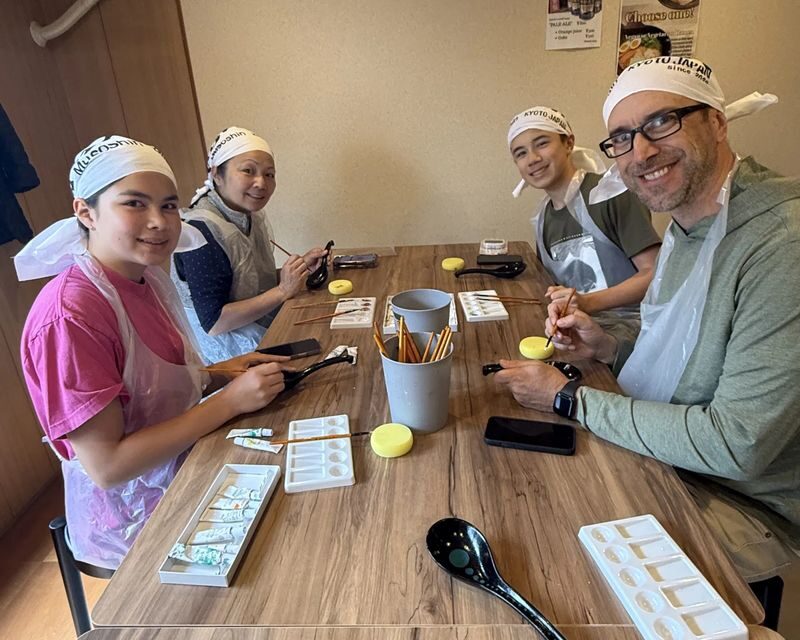
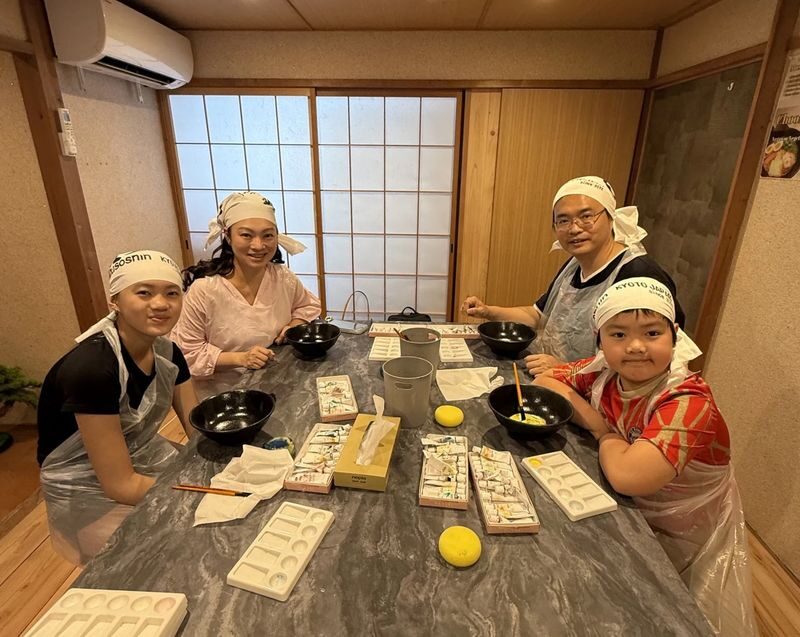
The bowl and spoon classes begin with painting. You get a blank ceramic item and time to add your own design or Japanese-inspired motifs. One participant described learning to write their name in Japanese, a nice way to make the finished piece feel personal rather than like a standard souvenir.
A review of the class describes about 45 minutes for painting, with water-based colors dried using a hair dryer before the ceramic is handed over for firing. Treat that time as a chance to enjoy the activity, not a test of artistic skill. You do not need to arrive with a polished design in mind. A simple pattern or a few personal details can make a better memento than an overworked masterpiece.
There is one fair caveat: a participant found that the supplied bowls already had the company logo and symbols, leaving less blank space than expected. If you have a particular design in mind, ask how much of the surface is available before you begin. The experience is creative, but it is not the same as shaping a bowl from clay or painting a completely blank piece of pottery.
The room and venue have been described as clean and attractive, with traditional-looking woodwork. That setting helps the craft portion feel like more than a quick activity before lunch. Still, this is a short workshop, so the painting is guided by the time available rather than an extended ceramics lesson.
You can also read our reviews of more cooking classes in Kyoto


From painted ceramic to ramen lesson
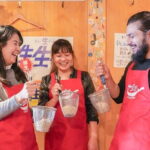
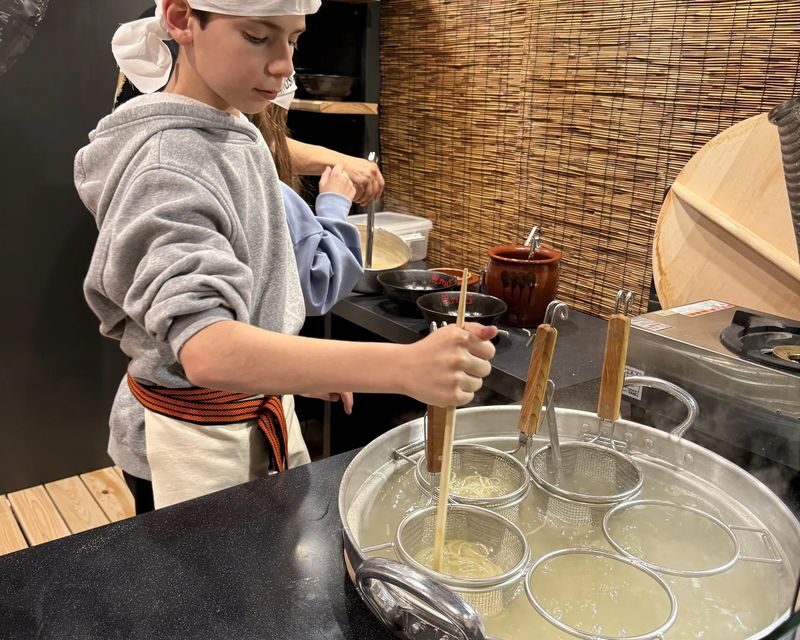
After the craft session, you move to the kitchen. The class introduces the building blocks of ramen and lets you take part in preparing your bowl. You’ll handle noodles, heat or torch pork, prepare toppings, and combine the ingredients with broth. The exact steps can vary, but the central point is clear: you do more than watch a chef make lunch.
The yugiri technique is one of the practical skills you’ll try. It is the motion used to drain noodles after boiling, and it takes a little more coordination than simply tipping a pot into a strainer. The class also gives you a look at how noodles, soup, meat, egg, and other toppings are brought together in a finished bowl.
Set your expectations correctly, though. This is not a course in making every ingredient from scratch. Ramen broth and noodles can take many hours, and some of the components are prepared in advance. One participant who hoped for a deeper hands-on session noted that the class focused on cooking and assembling prepared ingredients. That is a useful distinction if you’re booking primarily to learn a recipe you can reproduce at home.
The approach does have an advantage. You get to hear about the larger process while spending your limited class time on the parts you can handle safely and enjoyably. The experience is run by Musoshin Ramen, a Michelin-recommended brand, and several participants describe chef Shin explaining the craft with humor and patience. Other named hosts include Sherry and Mika. Who leads your session may vary.
The meal is more than a class finale
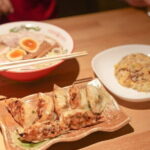
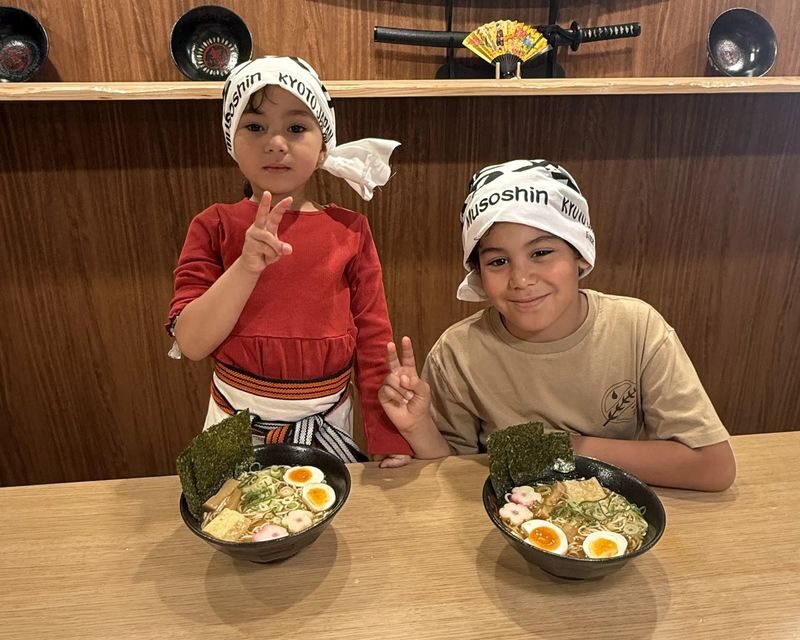
You finish by eating the ramen you’ve assembled. That sounds obvious, but it is a big part of the value. You are not just practicing a technique on a sample portion and heading off to find lunch. The workshop puts the lesson to work in a complete bowl.
The included broth options are Musoshin Ramen, described as a creamy chicken, vegetable, and pork broth, or Gion kurosoba, a rich broth with black sesame flavor. Which option is available depends on the package. The broth class is a separate offering, so check the exact details for the experience you select rather than assuming every package includes the same choices.
Many participants praise the taste of the ramen, and some call it a trip highlight. That enthusiasm makes sense: the meal is prepared with guidance from a restaurant team, and the cooking gives you a better feel for how each part contributes to the finished dish. Just don’t expect a long tasting menu or a restaurant meal with drinks included. Alcohol and soft drinks are not part of the price.
If you’re booking with children, the cooking is an appealing way to make lunch active rather than something they simply have to sit through. Families describe children enjoying the painting, cooking, and eating. The host team has also been praised for being patient and helping children with tasks such as cooking noodles or torching meat. As with any kitchen activity, follow the staff’s safety instructions and keep an eye on little hands around heat.
The broth and chopsticks option is a different class
If painting is not your priority, the 90-minute broth class offers another route into ramen culture. It takes place in Gionmachi Minamigawa, not at the Kiyomizu-Gojo painting venue. The focus is building rich broth and making custom-engraved wooden chopsticks, rather than painting a bowl or spoon.
This option may suit you if flavor and the mechanics of soup-making interest you more than ceramics. It also gives you a take-home item that does not need kiln firing. The available details do not spell out each broth-making step, so book it for the stated broth and chopsticks activities rather than assuming it follows the same sequence as the painting-and-cooking class.
Because the packages meet in different places, check the voucher carefully before setting off. The listed Kiyomizu-Gojo address is about a five-minute walk from Kiyomizu-Gojo Station. The broth class is at a separate Gionmachi Minamigawa location, and the exact venue details are supplied with the voucher.
What your keepsake involves
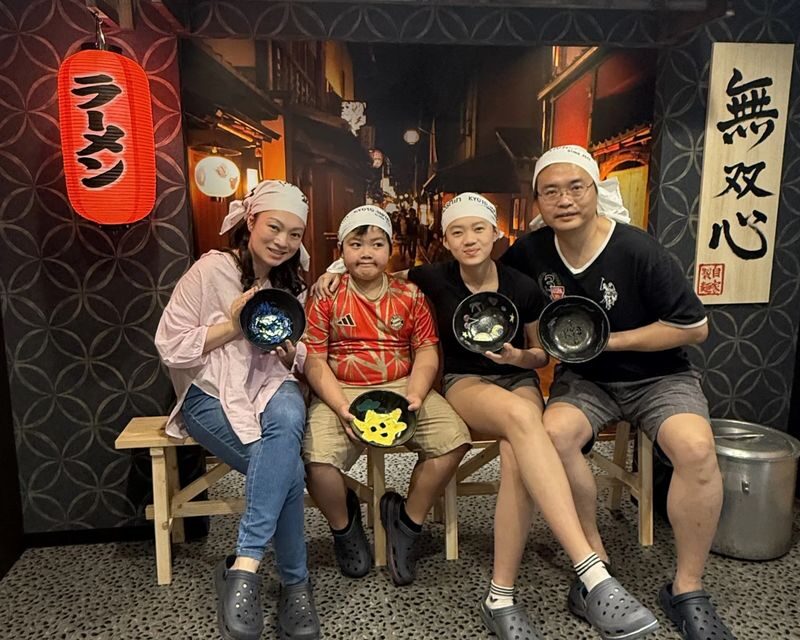
For a painted ceramic, you have two choices after the workshop. Take it home the same day as a decorative item, or leave it to be fired in the kiln. Firing is included at no extra charge, and the finished piece is ready for collection the next day.
If your Kyoto schedule is tight, the team can arrange delivery to your hotel in Japan. The supplied information says overseas shipping is not available, so don’t count on bringing a newly fired bowl home by post. A spoon may be easier to pack than a bowl, but it still needs protection if you carry it yourself.
The experience also includes a tenugui towel headband as a souvenir. In the broth class, the take-home item is custom-engraved wooden chopsticks. These small extras matter when you compare the price with a meal alone: you are paying for instruction, an activity, and something to remember it by.
You can also read our reviews of more tours and experiences in Kyoto
Is $82.49 good value?
Prices start at $82.49. For that, you get a 90-minute activity, an English-speaking guide, the ramen cooking session, and the relevant craft item or souvenir for your selected package. The painted-ceramic options also include kiln firing if you want to use the piece for meals, though you must return the next day or arrange delivery within Japan.
I see the value in the combination. A bowl of ramen is not the whole purchase; you also get a guided activity, a personal keepsake, and a meal you helped prepare. The price will feel less attractive if you mainly want a long, technical cooking course or a pottery lesson with extensive instruction. This is a compact, social workshop with a meal at the end.
Transport, alcohol, and soft drinks are not included. The Kiyomizu-Gojo venue is close to a station, but getting there is still your responsibility. Factor in the extra trip if you need to collect a fired ceramic the next day.
Dietary needs, children, and booking details
The activity can accommodate vegetarian, vegan, and pescetarian diets, but you should tell the team in advance. The listed standard broth descriptions include chicken and pork, and a participant noted that some restrictions, such as avoiding pork, may not be easy to accommodate. If you have an allergy or need strict separation of ingredients, contact the provider before booking and get a clear answer.
Children aged six and older pay the adult rate. Children aged three to five must be accompanied by a paying adult, and infants and children must be included in the passenger headcount. Families with older children seem especially well suited to the mix of painting and cooking, but the kitchen has hot equipment, so follow the host’s safety directions.
The voucher is valid only on the date and time specified. You’ll receive confirmation within minutes; if it does not arrive, contact customer support. Cancellations made at least 24 hours before the activity date, in local destination time, qualify for a full refund. Changes and rescheduling depend on availability.
Who should book this Kyoto ramen workshop?
Book it if you want a relaxed Kyoto activity that combines food, a little creativity, and a souvenir with a story behind it. It is particularly well suited to families, ramen fans, and anyone looking for a break from temples and museums. The hosts’ friendly style and the chance to make and eat your own bowl are central to the appeal.
Choose the bowl or spoon class if you want the craft element. Pick the broth and chopsticks class if soup-making is your main interest and you prefer an engraved utensil to ceramics. If your priority is learning to make ramen entirely from scratch, look for a longer or more technical course. This one offers a tasty, hands-on introduction, not a full professional training session.
Ramen Cooking, Bowl Painting & Broth Making Workshop in Kyoto
“Such a fun experience! The chef was super knowledgeable and friendly and I loved both paining my own ramen bowl and learning how to make ramen! Plu…”
FAQ
How long does the workshop last?
Each listed package is 1.5 hours.
Where does the bowl or spoon painting class take place?
The painting and cooking classes are at Kiyomizu-Gojo. The venue is about a five-minute walk from Kiyomizu-Gojo Station, and the exact address is provided in your voucher.
Is the broth and chopsticks class at the same location?
No. The broth and engraved-chopsticks package takes place in Gionmachi Minamigawa. Check your voucher for the correct venue.
Can I take my painted ceramic home on the day?
Yes. You can take it home the same day for decoration. If you want to use it for meals, it can be kiln-fired at no extra charge and collected the next day.
Can the finished ceramic be shipped to my home overseas?
No. Overseas shipping is not available. Delivery to a hotel in Japan can be arranged.
Can the class accommodate vegetarian, vegan, or pescetarian diets?
The activity can accommodate vegetarian, vegan, and pescetarian diets if you inform the provider in advance. Ask ahead about specific restrictions, especially avoiding pork or allergies.
Are children allowed, and what do they pay?
Yes. Children aged six and older pay the adult rate. Children aged three to five must be accompanied by a paying adult, and infants and children must be included in the headcount.
What is included in the price?
The experience includes an English-speaking guide, the ramen activity, and the relevant class souvenir. The painting class includes a renge spoon to paint, while the broth option includes engraved chopsticks. A tenugui towel headband is also listed as a souvenir. Transport, alcohol, and soft drinks are not included.