A day that links Fushimi Inari’s rows of red gates, Kiyomizu-dera’s hillside setting and Nara’s free-roaming deer gives you three very different tastes of the Kansai region without asking you to plan the connections yourself. This is a full day out, with an air-conditioned bus carrying you between the major stops.
I like that the route brings Kyoto and Nara together in one outing, and that you can choose a guide language from Chinese, English, Japanese or Korean. I also like the practical comfort of a bus: you save the effort of changing trains between sights and can rest during the ride.
The trade-off is a busy schedule. You’ll walk at each stop, share famous sights with plenty of other people, and may have limited time to find lunch or deer crackers. This is a sampler, not a slow, private visit.
- At a glance
- Why this route makes sense in one day
- Fushimi Inari and its famous torii gates
- Kiyomizu-dera and the old streets nearby
- Nara Park and the deer
- The bus saves transfers, not walking
- Guides and language choices
- What .89 gets you
- Who should book this day trip
- FAQ
- How much does the tour cost?
- Which sights are included?
- Where can I depart from?
- What languages are available?
- Is transport by bus?
- Is deer food included?
- Is lunch included?
- Can I cancel for a refund?
- The Best Of Kyoto!
- More 1-Day Tours in Kyoto
- More Tours in Kyoto
- More Tour Reviews in Kyoto
- Not for you? Here's more nearby things to do in Kyoto we have reviewed
At a glance
 1 / 9
 2 / 9
 3 / 9
 4 / 9
 5 / 9
 6 / 9
 7 / 9
 8 / 9
 9 / 9
- Three headline stops: Fushimi Inari, Kiyomizu-dera and Nara Park fit into one day.
- Bus travel between sights: The air-conditioned coach cuts out some public-transport transfers, though the ride from Osaka to Kyoto takes time.
- Several guide languages: Options include Chinese, English, Japanese and Korean, depending on the departure and package.
- A Nara snack to plan for: Deer crackers may be hard to find by the time the group reaches Nara in the afternoon.
- Expect plenty of walking: You’ll need to get around on foot at the temple areas and park, even though the bus handles the longer connections.
- From $44.89: That can be good value if you want several headline sights in one day and prefer not to arrange the transport yourself.
👉 See our pick of the 25 Best Workshops And Classes In Kyoto
Why this route makes sense in one day
Kyoto and Nara each deserve more time than a single stop on a day trip can provide. Still, if you’re based in Osaka and have one day to spend outside the city, this route gives you a useful first look at both.
The key convenience is the coach. You avoid working out every train connection and can sit down between stops, which matters after a morning of temple paths and a day of walking. One outing takes you to three places that feel quite different: a shrine known for its torii gates, a major Kyoto temple and a park where deer roam.
That convenience has limits. The coach doesn’t make the sights themselves less busy or the walks disappear. You still have to keep track of the meeting time, move at the group’s pace and accept that you won’t have hours to linger at each place.
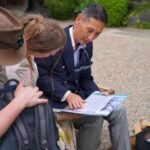
The tour has drawn high marks for its guides and for the chance to cover a lot in one day. Names that have come up include Shine, David, Rick, Mika, Anna and Yang. They are examples, not a promise of who will lead your departure. Good guidance can add context and make meet-ups easier, but the practical experience depends on the guide, the group and how well the day stays on schedule.
You can also read our reviews of more tours and experiences in Kyoto

Fushimi Inari and its famous torii gates
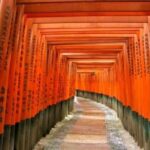
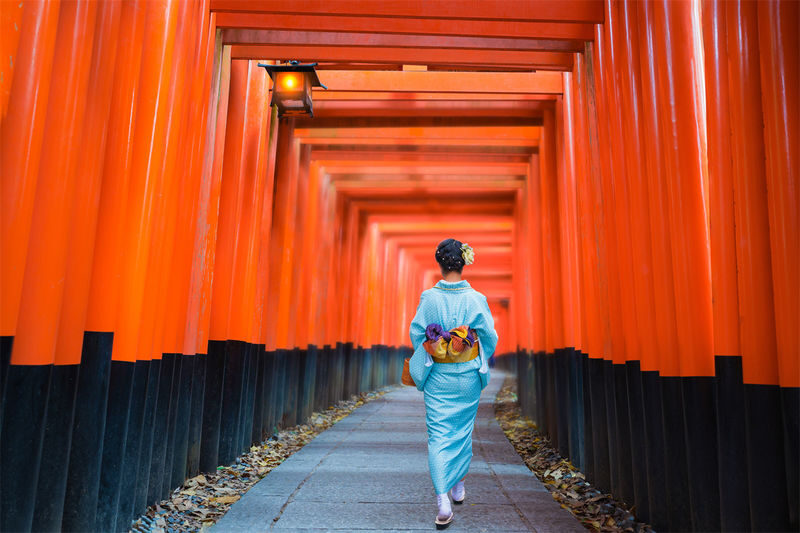
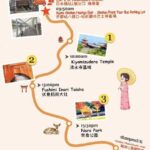
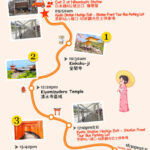
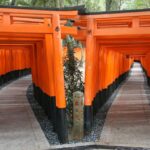
Fushimi Inari is the stop for the long rows of red-orange torii gates that make this shrine instantly recognisable. The gates create a striking path through the grounds, and even a short visit gives you a feel for why the site is one of Kyoto’s best-known sights.
A group visit is handy if you want the main visual experience without planning a separate trip from Osaka. The guide can explain the visit and help you understand where to meet back up. But this is a popular place, so expect other people in the paths and at the most photographed points. The tour format also means you’ll need to keep an eye on time rather than explore at your own pace.
The broader practical point: the torii gates are a place to walk through, not a single viewpoint you can take in from a bus window. Wear shoes you’re comfortable walking in, and save time for moving around the grounds. The activity details don’t specify how long the group stays here, so don’t assume you’ll have time to walk every path.
Kiyomizu-dera and the old streets nearby
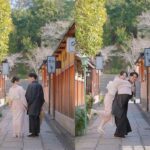
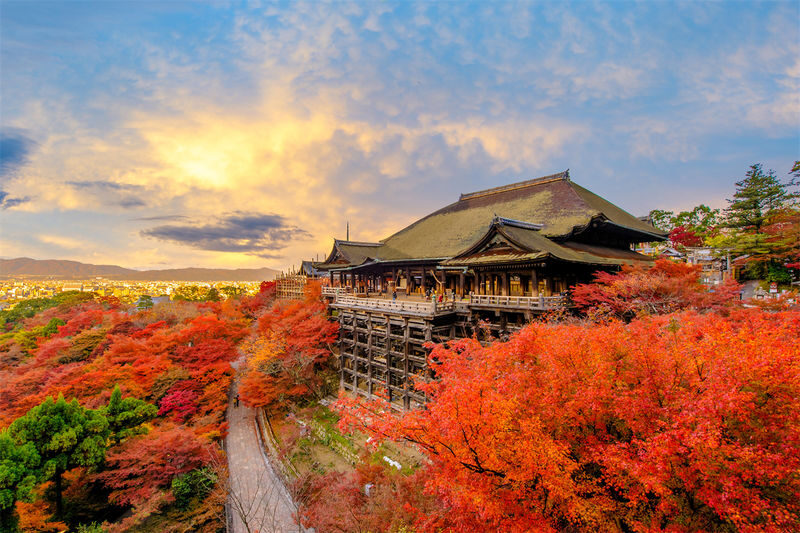
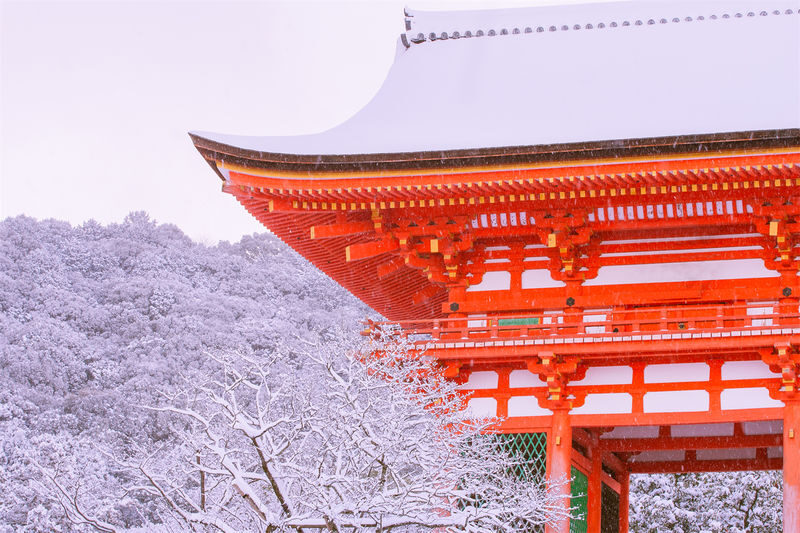
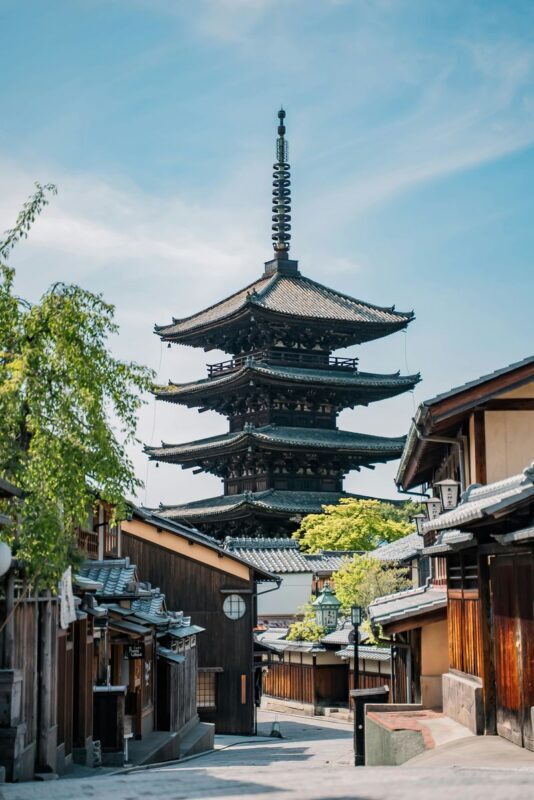
Kiyomizu-dera is paired with Ninnenzaka, giving you a temple visit and a chance to see a traditional Kyoto streetscape in the same area. That combination is a strong part of the itinerary: the temple gives the stop its main cultural focus, while the surrounding streets offer a different pace and plenty to look at as you walk.
One visitor described the first temple as beautiful, but the experience is about more than a quick photo. The temple area involves walking, and the approach and nearby lanes can be busy. If you want to browse shops or stop for a snack, keep one eye on the group’s meeting time. A guided day tour gives you structure, not unlimited time.
Lunch deserves a little thought here. One family found the guide’s restaurant suggestion pricey and disappointing, and recommended looking at street food or other nearby restaurants instead. That’s a useful reminder to judge the options for yourself. The tour information doesn’t say lunch is included, so check your booking details and budget for food separately.
Nara Park and the deer
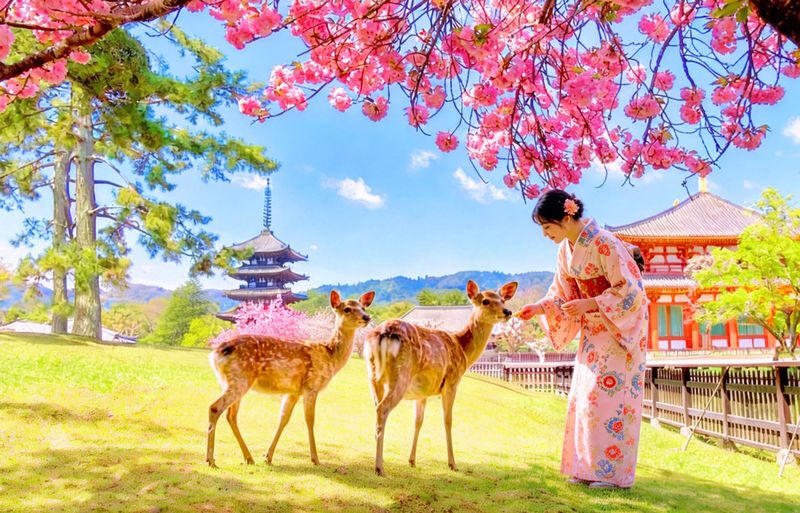
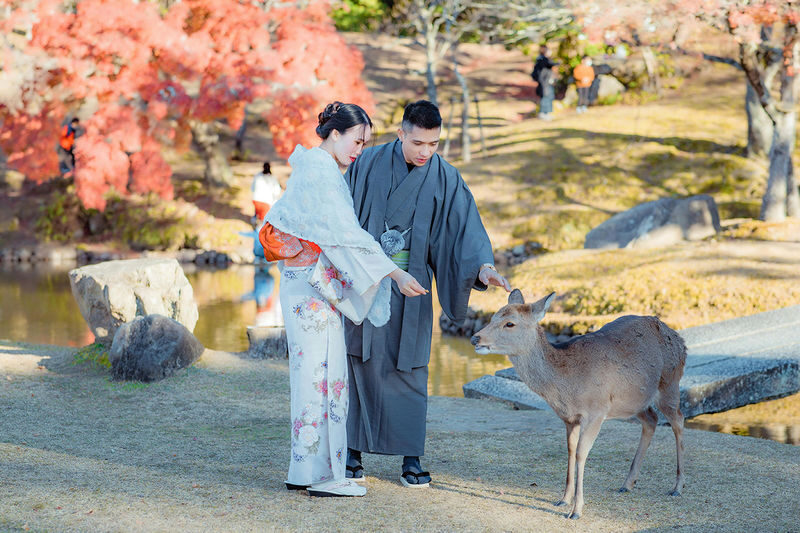
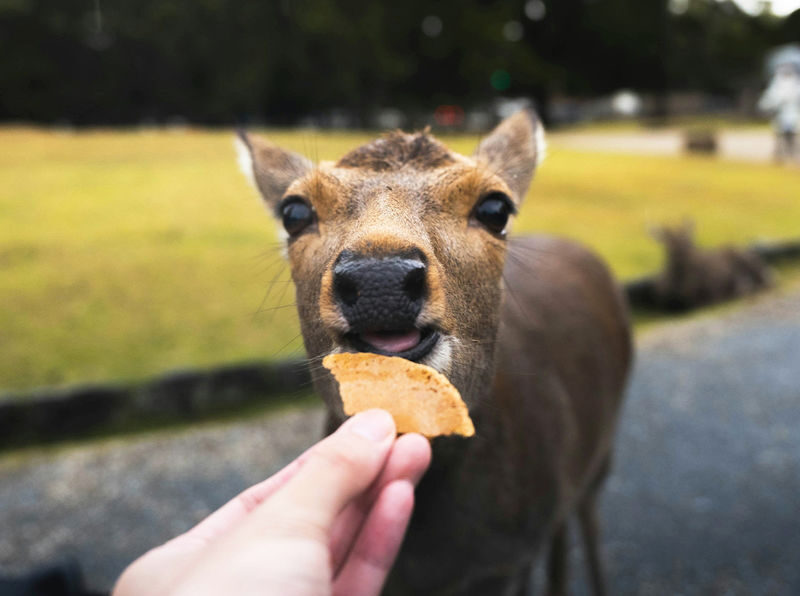
Nara Park changes the mood of the day. After Kyoto’s shrine and temple settings, the deer give you a chance to see animals moving freely around a public park. Feeding them can be a memorable part of the stop, especially for families, but it works best if you plan ahead.
The recurring snag is timing. Nara comes in the afternoon on this itinerary, and deer crackers may be difficult to find by then. The usual local price cited in a tour account was 200 yen for ten pieces. There was also a complaint about a guide selling crackers at a much higher price, so I’d look for the regular local stalls first and ask the guide clearly about the price before buying anything from them.
Don’t make deer feeding the only reason to book. The park is worth visiting as a stop in its own right, but the day’s time is shared across three major sights. If feeding the deer is a priority, bring some cash and be ready to buy crackers when you find them, rather than waiting until the end of the visit.
The bus saves transfers, not walking
The air-conditioned coach is one of the tour’s strongest practical features. You can sit between stops instead of piecing together public transport, and the ride gives tired legs a break. One visitor noted that the trip from Osaka takes about an hour, so account for coach time when you picture the day. The exact schedule and duration are not specified in the supplied details.
Once you arrive, expect to walk. Several people found the walks longer than they had expected, and temple approaches and park paths are part of the experience. The bus helps with the distances between areas; it does not turn the stops into doorstep visits.
There is also a simple group-tour trade-off: you save planning effort in exchange for fixed meeting times. One person had trouble finding the guide at the meeting point, while other accounts describe friendly, helpful guides and easy identification. Follow the meeting instructions closely, keep your phone available and make sure you know exactly where the group will regroup. The package information doesn’t give a group size or a detailed meeting procedure, so check those details for your chosen departure.

Guides and language choices
The listed guide languages are Chinese, English, Japanese and Korean. Language availability can depend on the package you select, so choose the specific option that fits you rather than assuming every departure offers all four.
Guides are a major part of the experience. Names associated with past departures include Shine, whose service was praised as professional and fun; David, who was described as friendly and engaging; and Mika and Anna, who were noted for their warm manner. Other named guides include Rick, Cui Haihua, Yang and Haehwa. Those names help show the range of guide experiences, but they aren’t a roster or guarantee.
The guide’s role is especially useful on a tightly packed day: explaining the sights, helping with logistics and keeping the group together. But a guide can’t remove crowds or create extra time at a stop. If the meeting instructions are unclear, ask early rather than wandering around the departure area and hoping to spot the right person.
What $44.89 gets you
At a starting price of $44.89, this tour can be solid value if you’re staying in Osaka and want to visit Kyoto and Nara without arranging each leg yourself. The price buys the convenience of a planned route and bus transport, plus a guide in the language selected for your package.
The value is strongest for first-time visitors with limited time. Three headline sights in one day would take more planning by train, and the coach reduces the number of connections you need to manage. If you value flexibility more than convenience, independent travel may suit you better. You can choose how long to stay at each place and make your own food stops, but you’ll need to arrange the transport and timing.
Remember to budget for things not clearly stated as included. The information provided does not confirm lunch, temple admission costs or deer crackers, so check the selected package details before booking. One family found a suggested lunch expensive, while another account pointed to the usual cracker price in Nara. Those are useful reference points, not guarantees of what you’ll pay on your date.
Who should book this day trip
I’d consider this tour if you’re based in Osaka, have one day available and want a guided introduction to Kyoto and Nara. It makes sense for families and first-time visitors who would rather ride between major stops than work out the full route on their own. The positive comments about friendly and helpful guides are encouraging, though your experience will depend on the departure and guide.
It’s less appealing if you want a leisurely visit, dislike group schedules or hope to spend a long stretch walking the shrine paths. The itinerary covers a lot, but a busy day can feel like a series of timed visits. Be ready for crowds, walking and a long outing, and don’t assume you’ll have time to explore every corner.
Osaka Fushimi Inari, Kiyomizu-dera Temple, Nara Park Day Trip
“A fantastic experience! Everyone coming to Japan should consider Shine as their guide! Very, very professional and fun 😁”
FAQ
How much does the tour cost?
The listed starting price is $44.89. The final price may depend on the package you select, so check the booking details for your date.
Which sights are included?
The full-day tour includes Fushimi Inari, Kiyomizu-dera and Nara Park. Ninnenzaka is also named as part of the Kyoto visit.
Where can I depart from?
Options include departure from Osaka, with Osaka Nipponbashi named for some packages. Some package options also offer departure from Kyoto Station.
What languages are available?
The activity information lists Chinese, English, Japanese and Korean guide options. Check your selected package to confirm the language offered for that departure.
Is transport by bus?
Yes. The tour uses an air-conditioned bus to travel between the stops.
Is deer food included?
The supplied details do not say that deer crackers are included. They may be hard to find by the afternoon, so look for local stalls when you reach Nara.
Is lunch included?
The supplied details do not confirm that lunch is included. Check the package information before booking, and allow for a meal during the day.
Can I cancel for a refund?
You can get a full refund if you cancel at least 24 hours before the activity date, using destination local time.