Kintsugi turns a crack into the most striking part of a pot. In this Kyoto workshop, you’ll join ceramic pieces and trace the joins in gold, learning why this Japanese craft treats repair as part of an object’s story rather than something to hide.
I like two things in particular: you get to make something with your own hands, and the instructor connects the practical steps to the ideas of imperfection and renewal. It’s also a welcome hour of calm creativity between Kyoto’s temples, shops, and busy streets.
One point to consider: the finished piece is decorative, not food-safe, and the included ceramic is a small, simple white bowl. You can choose a different dish for an additional fee, but that can change the price considerably.
- Gold becomes the feature: You join ceramic pieces and apply gold to make the repaired cracks visible.
- A small bowl is included: Other bowls and plates may be available for an extra 1,000 to 4,000 yen.
- The session lasts one hour: A compact introduction, not a full course in traditional restoration.
- English instruction is provided: Instructors including Katie, Yuhi, and Leyla have guided sessions.
- Your piece is for display: The workshop materials are not food-safe.
- Come on time: Arriving more than 15 minutes late may mean rescheduling.
- A Kyoto craft break with a golden finish
- Starting with the story behind kintsugi
- Joining the ceramic pieces
- Tracing the repair in gold
- Choosing the piece you’ll take home
- Finding a quiet hour in a busy itinerary
- Making the price work for you
- A few practical details before you book
- Should you book this kintsugi workshop?
- FAQ
- How long is the kintsugi workshop?
- What is included in the price?
- Can I choose a different bowl or plate?
- Is the repaired piece safe to use for food?
- Is the workshop taught in English?
- Can children take part?
- What happens if I arrive late?
- The Best Of Kyoto!
- More Workshops & Classes in Kyoto
- More Tours in Kyoto
- More Tour Reviews in Kyoto
- Not for you? Here's more nearby things to do in Kyoto we have reviewed
A Kyoto craft break with a golden finish
 1 / 3
 2 / 3
 3 / 3
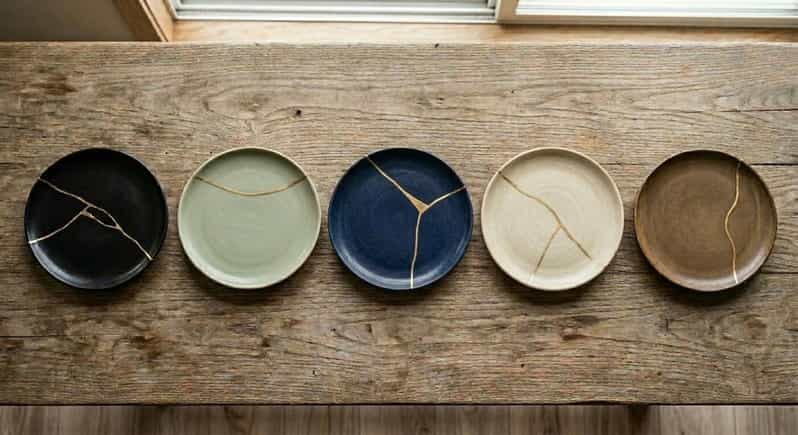
The appeal here is not simply taking home a souvenir. You get to practice a craft with a clear idea behind it: damage does not have to be concealed, and repair can become part of an object’s beauty. That gives the hour a little more substance than a quick make-and-take activity.
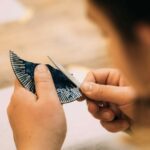
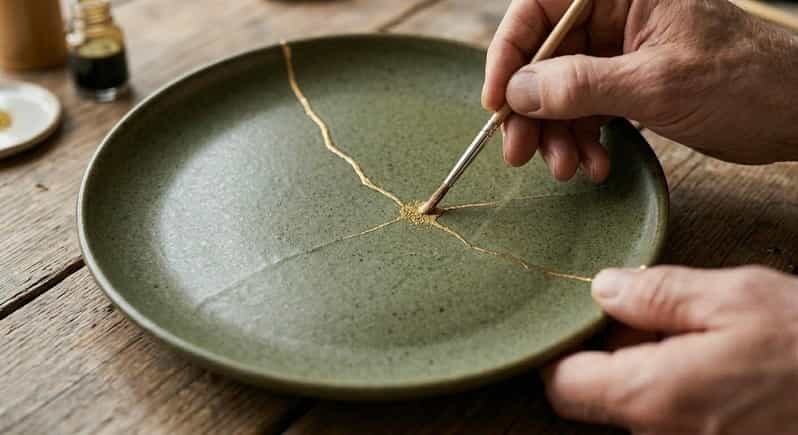
The pace is calm and hands-on. You’ll learn how the pieces are joined with lacquer, then apply gold powder to mark the repaired seams. The instructor explains each step and helps when you need it, while leaving room for you to work on your own piece.
At a listed price of $10 per person, the workshop offers a lot for a short activity, especially if you value instruction and a keepsake you make yourself. The price includes the workshop, necessary materials and tools, and a small white bowl. If you have your eye on a different shape or size, ask about the available upgrades before you settle in. Those options have been priced at an additional 1,000 to 4,000 yen.
👉 See our pick of the 25 Best Workshops And Classes In Kyoto
Starting with the story behind kintsugi
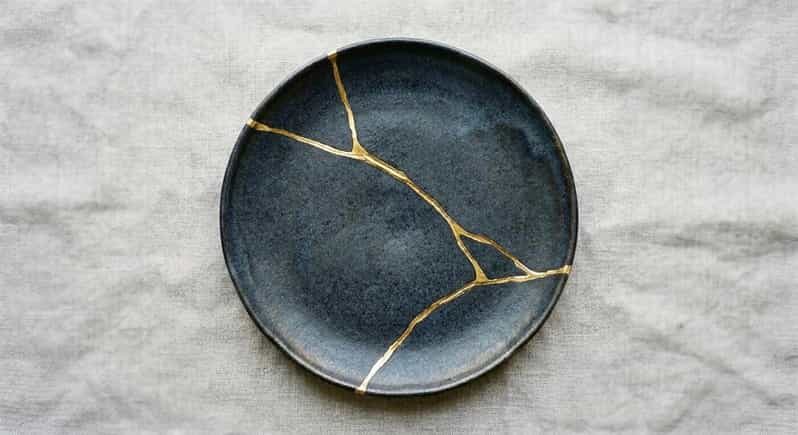
The session begins with an introduction to the basic method and the meaning attached to it. Kintsugi is the practice of repairing broken pottery with lacquer and highlighting the joins with gold. Instead of disguising the break, the repair draws attention to it.
That idea is the heart of the workshop. You are not trying to make a cracked bowl look untouched. You are making a new version of it, one whose golden lines record what happened and how it was mended. The lesson gives you a way to understand the finished object beyond its appearance.
English instruction is part of the experience, which matters in a workshop where careful steps and unfamiliar materials need clear explanation. Instructors who have led sessions include Katie, Yuhi, Leyla, Alice, Natalia, and others. Your instructor will depend on the session, but the format is beginner-friendly, with guidance through the process.
You can also read our reviews of more tours and experiences in Kyoto
Joining the ceramic pieces
After the introduction, you work on a ceramic piece, using lacquer to join its broken sections. This is the part that rewards patience: you need to focus on fitting the pieces together and following the instructor’s directions rather than rushing to the gold finish.
You do not need to arrive with artistic experience. The process is taught step by step, and instructors such as Yuhi and Katie have been praised for clear explanations and patient help. One participant who worried about not being artistic still came away with a piece they were happy with. That is a useful sign of what this activity is designed to be: an introduction, not a test of skill.
The process in this one-hour class uses materials designed for a short workshop. It is best to think of it as a practical way to learn the foundations and make a personal keepsake, rather than a complete course in traditional restoration. The repaired piece is not food-safe, so plan to use it for display, not for serving meals.
Tracing the repair in gold
Once the ceramic is joined, you apply gold powder to bring out the seams. This is the visual turning point: the breaks that might usually be hidden become the lines that give the piece its character.
You’ll follow your instructor’s guidance, but the final pattern belongs to you. The gold marks will not make your bowl look factory-new, and that is the point. Each repair has its own shape, so your finished piece will be recognizably yours rather than a standard souvenir from a shop.
The activity is designed to fit into an hour, and that short format suits a Kyoto day that is already full. Still, the hour can pass quickly when you are focused on the work. If you want a longer, slower session, you can ask about joining another workshop; one participant chose to stay for a second class to make matching sake bowls. Do not assume a second session is included in the original price.
Choosing the piece you’ll take home
The included ceramic is a simple small white bowl. That keeps the entry price low and gives you a straightforward surface to work on. If you want a different plate or bowl, there may be choices for an additional 1,000 to 4,000 yen.
This is worth deciding early if the shape matters to you. A more distinctive dish may make a more personal keepsake, but it also raises the cost beyond the advertised $10. If you are mainly interested in learning the technique, the included bowl should be enough. If you are choosing the workshop partly for the object you will bring home, ask what pieces are available and what they cost before starting.
Remember that the finished ceramic is decorative only. The workshop’s materials are selected for a one-hour experience, and the repaired piece is not safe for food use. It can still have a place on a shelf or desk, where the gold seams and the story behind them can be enjoyed without putting the repair to practical use.
Finding a quiet hour in a busy itinerary
A craft class makes a useful change of pace from sightseeing. You sit down, work with your hands, and give your attention to one small task. That can be welcome after a day of walking around Kyoto, especially if you want an activity that feels different from visiting another temple or shrine.
The studio is described as peaceful, and sessions have been noted for a relaxed atmosphere. Some have felt compact enough for an instructor to help each person individually. Group size is not specified, though, so you should not count on a private or very small class.
It can work for families with older children and teenagers. The activity is not suitable for children under 10, and the studio is not suitable for wheelchair users. One family with teenagers found the format accessible and enjoyable, but young children may find the careful, hands-on work less suited to them.





Making the $10 price work for you
At $10 per person, this is an inexpensive way to add a hands-on cultural activity to a Kyoto stay. The fee covers the workshop, materials, tools, and guidance, as well as the included small bowl. The value is strongest if you want both an introduction to kintsugi and a made-by-you souvenir.
Budget for more if you want an upgraded dish. Options have been offered for an extra 1,000 to 4,000 yen, so the final price can be quite different from the starting figure. The additional choice may be worthwhile if you care about the size or shape of your piece, but it is not necessary to take part.
The activity has a 4.9 rating from 572 reviews, and its most frequently praised qualities are clear, patient instruction and a calm, enjoyable atmosphere. The short format is another strength: you get a meaningful introduction without giving up half a day. The trade-off is that an hour can only cover the basics, and your finished bowl is a decorative memento rather than usable tableware.
A few practical details before you book
The workshop is in Kyoto on Honshu, lasts one hour, and is taught in English. Starting times depend on availability. Since an arrival more than 15 minutes late may affect later bookings, plan to reach the studio promptly.
Payment is cashless. Accepted cards include Visa, Mastercard, American Express, JCB, Diners Club, and Discover. You can reserve now and pay later, and cancellations made at least 24 hours in advance qualify for a full refund.
Should you book this kintsugi workshop?
I’d book this if you want a short, creative break and like the idea of taking home an object you have repaired yourself. It is especially suited to beginners, couples, solo visitors, and families with children aged 10 and over who want a quieter activity with a cultural idea behind it.
Go in expecting an enjoyable introduction, not mastery of a traditional craft in one hour. Check the cost of upgraded ceramics if you want something other than the included bowl, and remember that the finished piece is for display only. If those limits fit your plans, this is a thoughtful, good-value way to spend an hour in Kyoto.
Kyoto: Kintsugi Workshop – Restore Ceramics with Gold
FAQ
How long is the kintsugi workshop?
The workshop lasts one hour. Starting times vary, so check availability when planning your visit.
What is included in the price?
The workshop fee includes instruction, materials, tools, and a small white bowl for you to repair.
Can I choose a different bowl or plate?
Other bowls and plates may be available for an additional fee of about 1,000 to 4,000 yen.
Is the repaired piece safe to use for food?
No. The materials used for the one-hour workshop are not food-safe, so the repaired piece should be used for decoration only.
Is the workshop taught in English?
Yes. The instructor teaches in English. Instructors who have led sessions include Katie, Yuhi, and Leyla, though your instructor may vary.
Can children take part?
Children under 10 are not suitable for this activity. The workshop has been enjoyed by families with teenagers.
What happens if I arrive late?
If you arrive more than 15 minutes late, you may be asked to reschedule because late arrivals can affect later reservations.
You can check availability for your dates here: