Makgeolli is not a drink you simply order and forget. At this 150-minute Seoul workshop, you measure and prepare your own batch, learn what fermentation does, then cook an anju to eat with a glass of ready-made rice wine. I like that you take your own makgeolli home and see how the process continues after class.
I also like the food pairing: anju can mean snacks or dishes served with alcohol, and the class may make a vegetable or spring onion pancake, or a seafood version. Instructor Esther explains the steps in English, and the lesson includes time to talk about Korean food as you eat.
One thing to plan for: your batch will not be ready to drink at the workshop. Makgeolli needs more than 10 days to ferment, so you taste a prepared batch instead. If you’re packing it for a flight, the instructor can explain how to prepare it for the journey.
- What makes this makgeolli class worth considering
- Make a drink that needs time
- A seasonal recipe, with a meal to match
- How the 150 minutes unfold
- Esther’s teaching and the small details that help
- The cost, location, and practical details
- Who will enjoy making makgeolli here
- Should you book this Seoul class?
- FAQ
- How long is the makgeolli class?
- What is the address of Yum2lab?
- How do I get to the class by public transport?
- Can I drink the makgeolli I make during the class?
- Can I take my fermenting makgeolli on a plane?
- What food do you make?
- What is included in the price?
- Who can take part, and how do cancellations work?
- The Best Of Seoul!
- More Wine Tours in Seoul
- More Tours in Seoul
- More Tour Reviews in Seoul
- Not for you? Here's more nearby things to do in Seoul we have reviewed
What makes this makgeolli class worth considering
 1 / 8
 2 / 8
 3 / 8
 4 / 8
 5 / 8
 6 / 8
 7 / 8
 8 / 8
- You make a batch to ferment at home. The class covers both the hands-on process and how to continue fermenting your jar after you leave.
- The recipe can change with the season. The workshop may use different ingredients or make different kinds of makgeolli at different times of year.
- Anju is part of the lesson, not an afterthought. You make a Korean dish to go with alcohol, then eat it alongside prepared makgeolli.
- You get 50 minutes to eat and talk. That gives you time to ask about Korean food and drink culture, rather than rushing through the meal.
- It’s a short walk from Line 9. Yum2lab is about three minutes from Seonyudo Station, making it a straightforward stop in western Seoul.
- The class runs in English. English-speaking staff explain the recipe and help with the process.
👉 See our pick of the 25 Best Guided Tours In Seoul
Make a drink that needs time
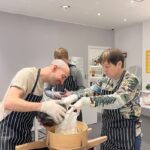
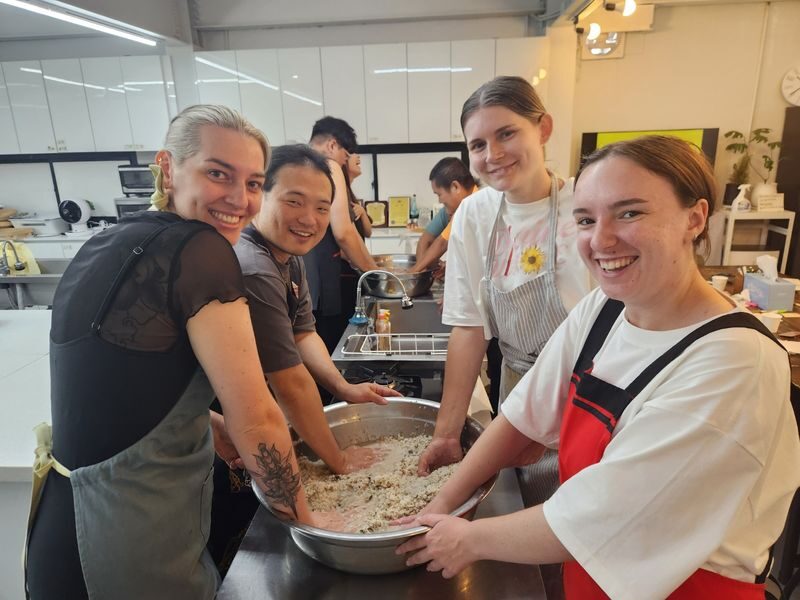
Makgeolli is a traditional Korean rice wine, and this class lets you handle the early stages yourself. The workshop introduces the recipe, then guides you through preparing a batch that you take away to ferment. You’ll also learn the basic principle behind fermentation and receive a recipe, so the experience gives you something to try again at home.
The lesson is practical, but it is not just a quick craft activity. The first 25 minutes are set aside for greetings and the recipe, followed by 40 minutes of makgeolli-making. That early explanation is useful if you want to understand what you’re doing, not merely follow a set of steps. If you prefer a class with very little talk and lots of free time, this one may feel explanation-heavy at the start.
The batch you make needs more than 10 days to ferment. That waiting period is part of the point: you leave with a project, not a ready-to-drink bottle. During the class, you sample pre-made makgeolli instead, so you can enjoy the drink with your food without pretending the fresh batch is ready.
The finished product will depend on the fermentation process, and the instructor explains how to manage it. You’ll also get advice on keeping your jar safe during a trip home. If you plan to fly with it, the class information says it can be carried on a plane during fermentation if prepared properly. Ask for specific packing guidance, and check your airline’s rules before travel.
You can also read our reviews of more wine tours in Seoul


A seasonal recipe, with a meal to match
The class can make different kinds of makgeolli depending on the season. That gives the activity a local, changeable feel: what you learn may vary with the ingredients available and the recipe chosen for your session. The exact version is not specified in advance, so contact the operator if you have a particular style in mind.
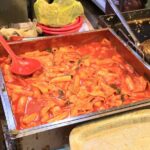
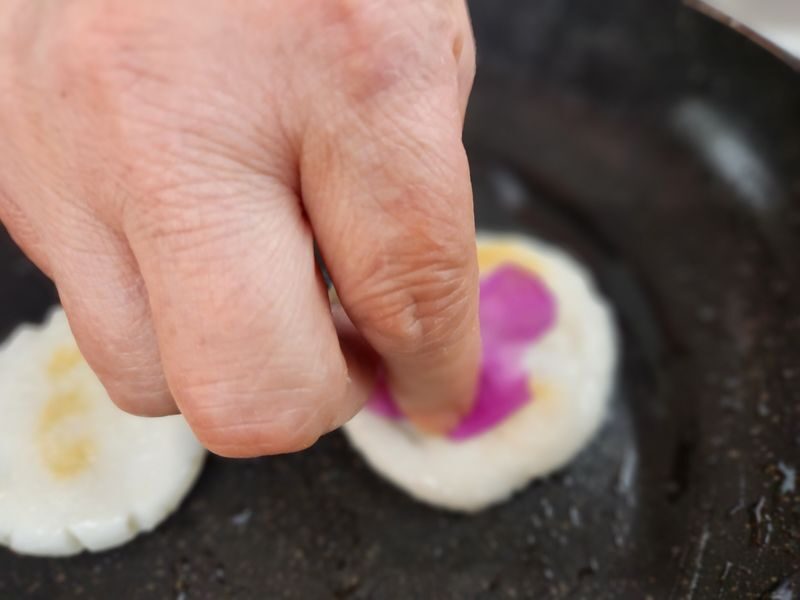
Then comes the anju. The word refers to food served with alcohol, from small snacks to more substantial dishes. The class makes one traditional dish, with examples including seafood and spring onion pancake. Past sessions have also included vegetable pancakes and squid with chives, but the menu can vary.
You spend 30 minutes making the food, followed by about 50 minutes eating and talking about Korean food. That longer table time is a real strength. You’re not only learning a recipe; you’re seeing how a dish fits into the wider habit of sharing food with drinks. The meal also gives you a chance to taste prepared makgeolli and compare its flavor with what you may know from home.
If you have dietary requirements, raise them with the operator before class. The food is part of the experience, and the planned anju may include seafood or other ingredients you avoid. The cooking activity is described as hands-on, with clear instruction and help as needed, so you can expect to take part rather than watch someone else do all the work.
How the 150 minutes unfold
The class has a clear rhythm, with preparation, cooking, and a leisurely meal:
- 25 minutes: greeting and recipe. You meet the instructor and learn the recipe and basic fermentation ideas. This is the best time to ask about ingredients or the process.
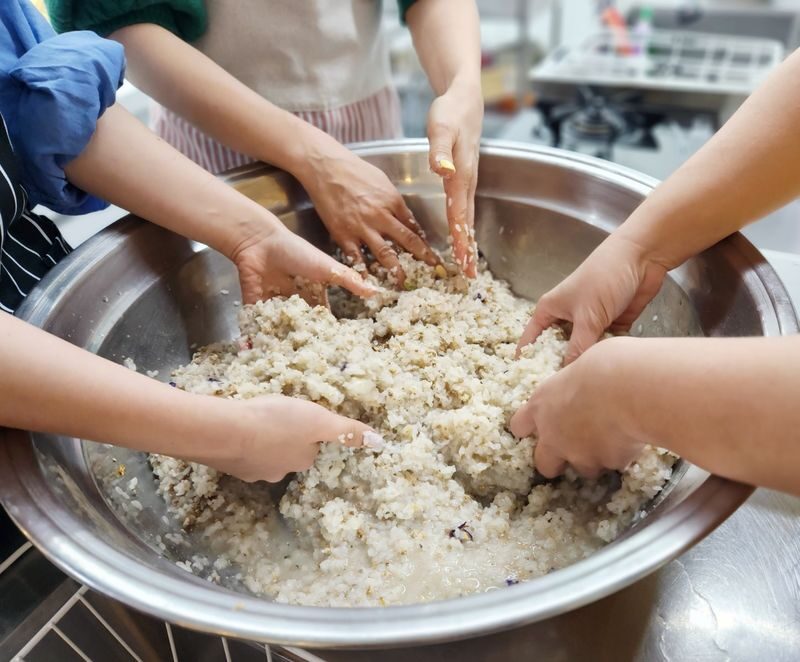
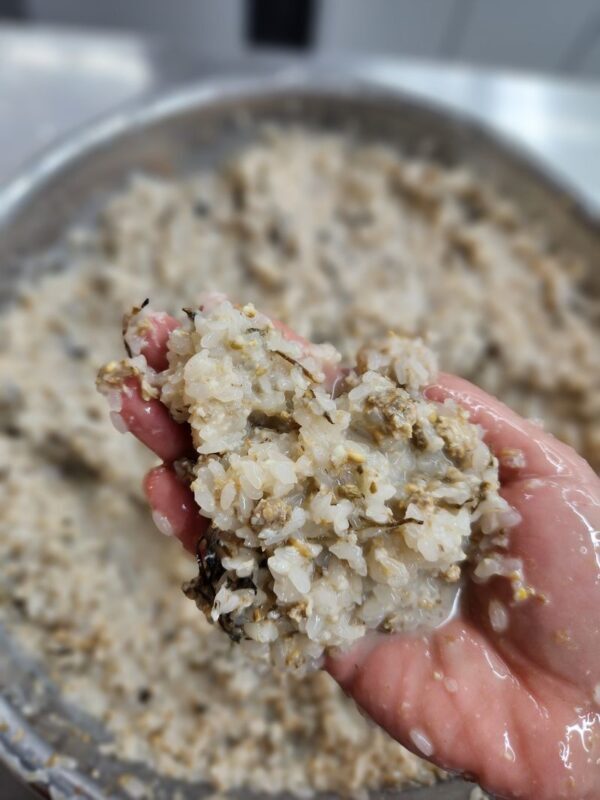
- 40 minutes: makgeolli-making. You prepare your own batch with guidance. The instructor also explains how to continue fermenting it after class.
- 30 minutes: anju-making. You help make one traditional food to serve alongside the wine.
- 50 minutes: eating and conversation. You eat the dish and taste pre-made makgeolli while discussing Korean food.
- 5 minutes: cleanup and farewell. You wash the cookware and dishes used in the session before wrapping up.
The schedule adds up to 150 minutes, or two and a half hours. It’s long enough to learn the basics and share a meal, but compact enough to fit into a day of Seoul sightseeing. The short cleanup at the end is part of the class, so don’t plan to sprint straight to another appointment.
The overall balance favors instruction and conversation as much as cooking. One participant found the opening explanations a little long, while their companion enjoyed them. If you’re curious about the how and why of fermentation, you’ll likely appreciate the detail. If you mainly want a meal, consider that the teaching is a central part of the experience.
Esther’s teaching and the small details that help
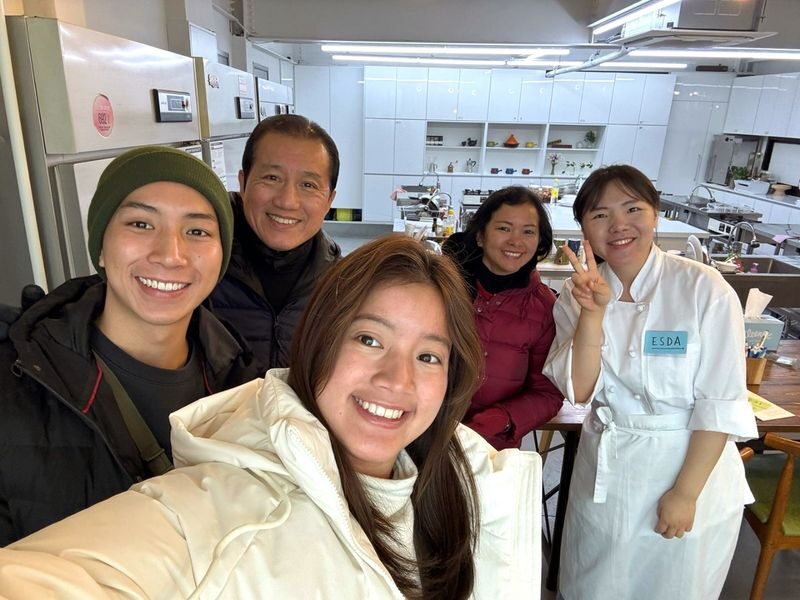
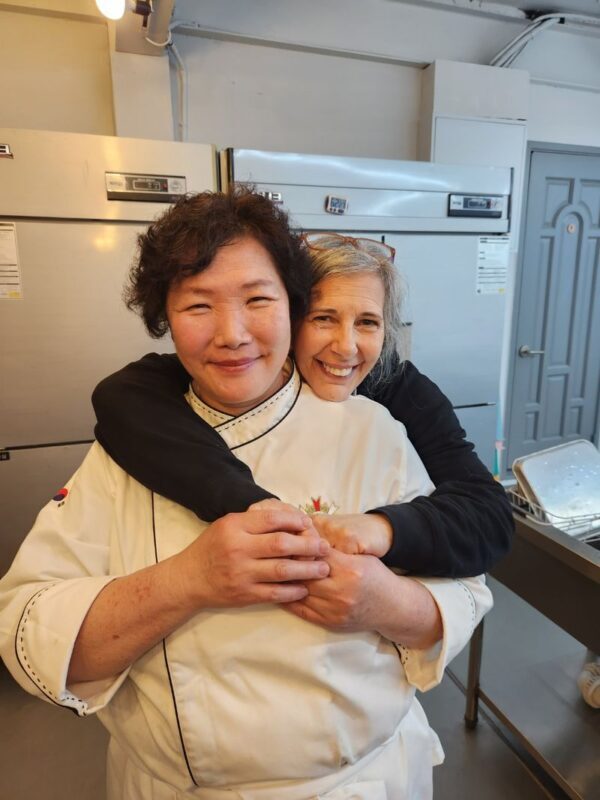
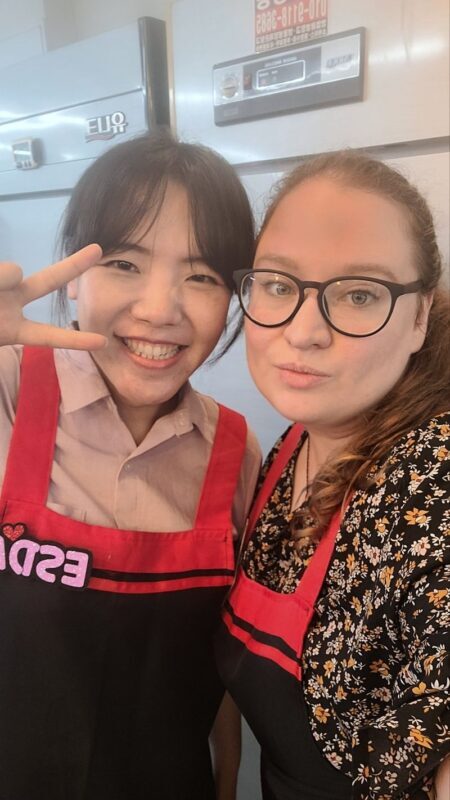
Instructor Esther is frequently named as the person leading the class. Her approach is described as patient and hands-on, with careful explanations and room for questions. English-speaking staff are included, which helps if you don’t speak Korean and want to follow the recipe rather than rely on gestures.
The teaching is one of the strongest reasons to book. You get practical information about choosing ingredients, preparing the wine, and looking after the jar as it ferments. The class is also an opportunity to ask about Korean food culture while you eat, not just focus on the recipe in isolation.
There are useful touches for people traveling onward. Esther has offered advice about carrying the jar home and used bubble wrap to help protect it. That does not remove the need to check your airline’s rules, but it does mean the question is familiar to the class team. Tell the operator if you’ll be flying soon after the workshop.
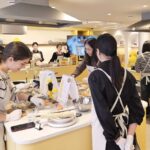
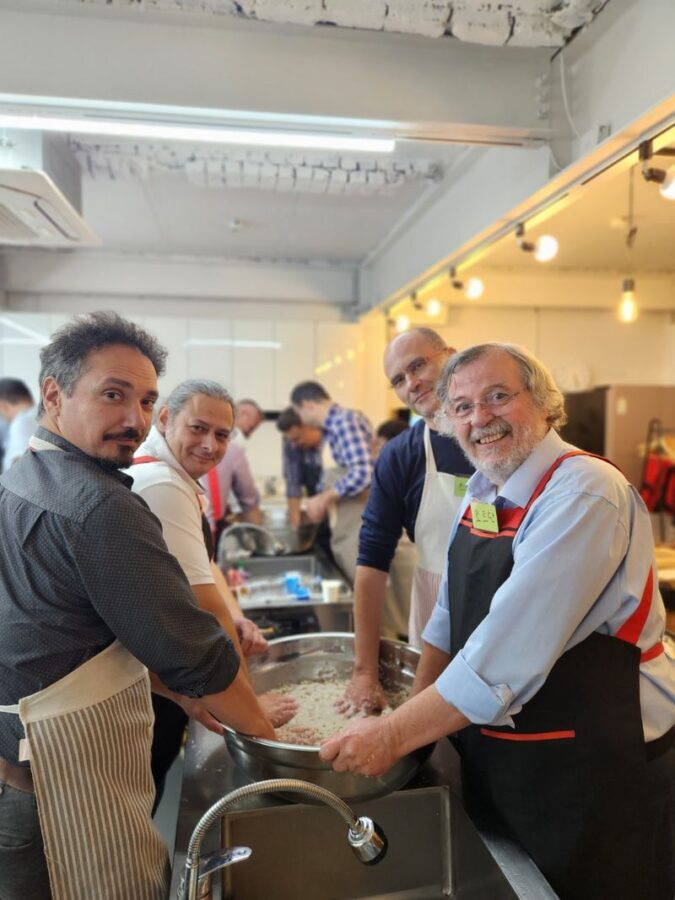
The setting is described as clean and cozy, and the class can work well for couples, friends, or family members. Participants must be at least 18. You can request a private class schedule or join a group session on a designated date; the listed group package is for four or more people. Confirm the format and schedule after booking, since the operator contacts you to arrange the timing.
The cost, location, and practical details
Prices are shown from $53.99, while the group package for four or more is listed from $49.09. Those are different starting figures, so check the price shown for your chosen date and package before paying. The fee includes English-speaking staff, food and makgeolli, materials, a recipe, and packaging. Personal expenses are not included.
For a two-and-a-half-hour class, the value is in the combined experience: instruction, making your own batch, cooking a dish, eating together, and taking home a fermentation project. It is a better fit for someone interested in Korean food and drink than for someone seeking only a tasting. You won’t leave with a ready-to-drink bottle of your own makgeolli, but you do leave with the materials and know-how to finish it.
The venue is Yum2lab, on the second floor at 27 Seonyu-ro 51-gil, Yeongdeungpo-gu, Seoul. The address is also written in Korean as 서울시 영등포구 선유로51길 27, 2층 얌이랩. It is a three-minute walk from Seonyudo Station on Line 9, so public transport is a simple way to reach it.
Opening hours are listed as 10:00 a.m. to 10:00 p.m. daily, with last admission at 7:00 p.m. The operator will contact you after booking to arrange the time. Confirmation is expected within 48 hours; if you don’t receive an email, contact customer support. The voucher is valid only on the date and time specified.
Cancellation terms depend on how far ahead you cancel. At least 72 hours before the activity, the stated refund is 100 percent. Cancellations 48 to 72 hours ahead incur a 30 percent fee, those 24 to 48 hours ahead incur a 50 percent fee, and cancellations within 24 hours are non-refundable.





Who will enjoy making makgeolli here
This class suits you if you like learning how food is made, want a closer look at Korean drinking culture, or enjoy taking a hands-on activity home with you. It is especially appealing for couples and small groups, since the cooking and shared meal give you plenty to do together. The option to arrange a private schedule may help if you’re planning around a group.
It is less ideal if your main goal is to sample several drinks, eat a full restaurant meal, or finish with a bottle ready to open. You taste prepared makgeolli, but the batch you make needs at least 10 days to ferment. The menu is also not fixed, so ask ahead if a specific dish or ingredient matters to you.
The class’s real strength is the way it joins drink-making with food. You learn a recipe, make anju, and get enough time at the table to connect the two. That makes it a useful cultural activity, not just a souvenir-making session.
Should you book this Seoul class?
Book it if you’re curious about makgeolli and want to understand the fermentation process by doing it yourself. The English instruction, hands-on recipe, seasonal approach, and anju meal make a well-rounded two-and-a-half-hour outing. Just plan for the wait: your own wine will need more than 10 days before it’s ready, and you’ll taste a prepared batch during class instead.
If you’re traveling with a jar, ask about safe packing and check the rules for your flight. If you’re flexible about the food and interested in learning as much as eating, this is a rewarding way to spend part of a Seoul day.
Korean Rice Wine Makgeolli and a traditional dish, Anju
“love the hands on experience. Esther teaches and explains well, allowing us to understand the process of makgeolli making. very enjoyable, will go…”
FAQ
How long is the makgeolli class?
The class lasts 150 minutes, or two and a half hours.
What is the address of Yum2lab?
It is at 2F, 27 Seonyu-ro 51-gil, Yeongdeungpo-gu, Seoul. The Korean address is 서울시 영등포구 선유로51길 27, 2층 얌이랩.
How do I get to the class by public transport?
Yum2lab is a three-minute walk from Seonyudo Station on Line 9.
Can I drink the makgeolli I make during the class?
No. Your batch needs a fermentation period of more than 10 days. You taste pre-made makgeolli during the workshop.
Can I take my fermenting makgeolli on a plane?
The activity information says it can be carried on a plane during fermentation if it is prepared properly. Ask the instructor for packing advice and check your airline’s rules.
What food do you make?
You make one traditional anju, a dish or snack that goes well with alcohol. Examples include vegetable or spring onion pancake and seafood dishes, but the menu may vary.
What is included in the price?
The price includes English-speaking staff, food and makgeolli, material costs, a recipe, and packaging. Personal expenses are not included.
Who can take part, and how do cancellations work?
Participants must be at least 18. Cancellations made 72 hours or more before the activity receive a full refund; those made 48 to 72 hours ahead incur a 30 percent fee, 24 to 48 hours ahead incur a 50 percent fee, and cancellations within 24 hours are non-refundable.