These rice cakes are edible little works of art: sweet bean paste and rice flour shaped into colorful desserts often served on special days. In this one-hour class at Sunnysdining, you shape and decorate your own, with help from an instructor who has 20 years of hotelier experience. I like the creative, hands-on work and the chance to make a Korean sweet you might not encounter in an ordinary cooking class.
I also like that the studio is close to Gongdeok Station, served by four train lines, and that several instructors have earned praise for clear English and patient guidance. One thing to know before booking: this is closer to a shaping and decorating workshop than a full cooking lesson. Much of the preparation is done for you, so you will not make every component from scratch.
- Key points to know before you book
- What you actually make in the class
- How the one-hour visit unfolds
- The instructor makes a difference
- What the rice cakes taste like
- Is the price worth it?
- Getting to Sunnysdining
- Who will enjoy this class most?
- Booking details to keep in mind
- Should you book the rice cake class?
- FAQ
- How long is the class?
- What do you make?
- Do I make the rice cakes completely from scratch?
- Where is Sunnysdining?
- Which subway station is closest?
- How much does traditional cloth wrapping cost?
- Can children join?
- Is the class wheelchair-accessible?
- Can pregnant women participate?
- What happens if I am late or need to cancel?
- The Best Of Seoul!
- More Cooking Classes in Seoul
- More Tours in Seoul
- More Tour Reviews in Seoul
- Not for you? Here's more nearby things to do in Seoul we have reviewed
Key points to know before you book
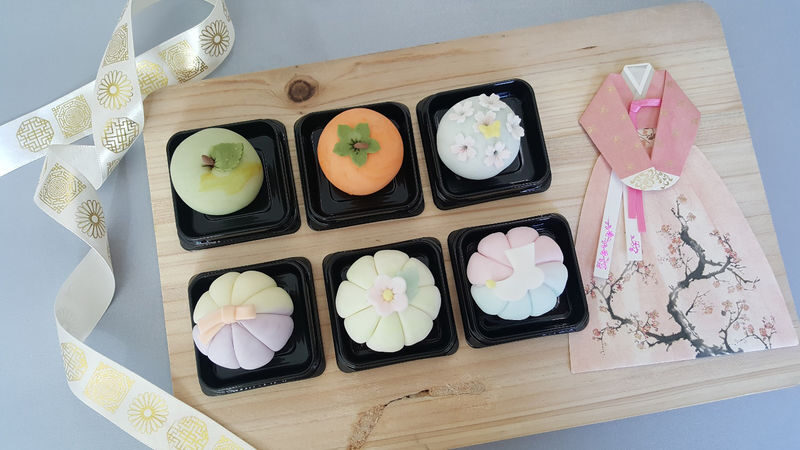

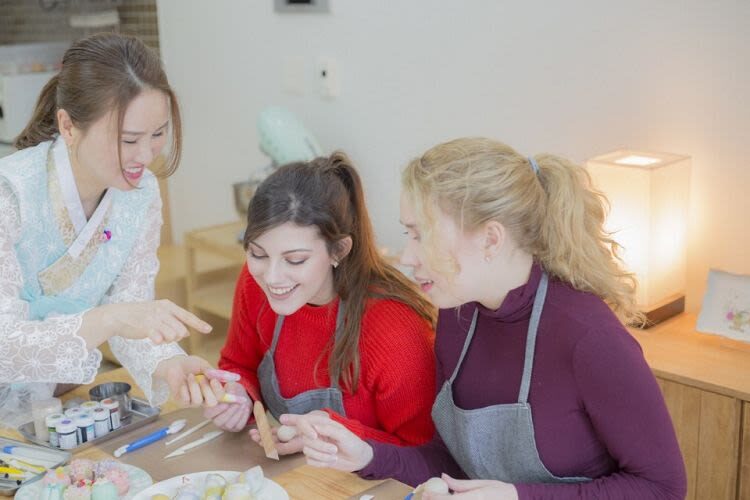
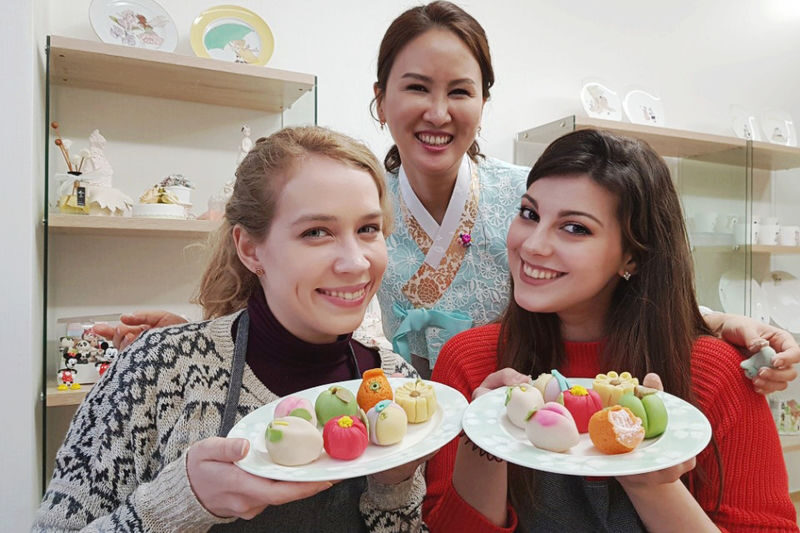
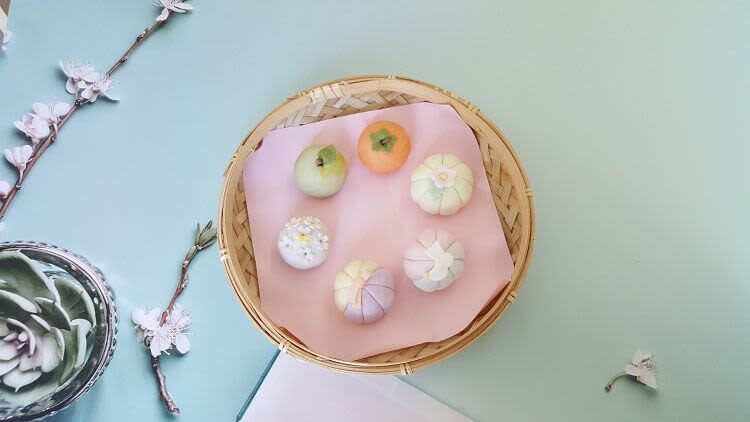
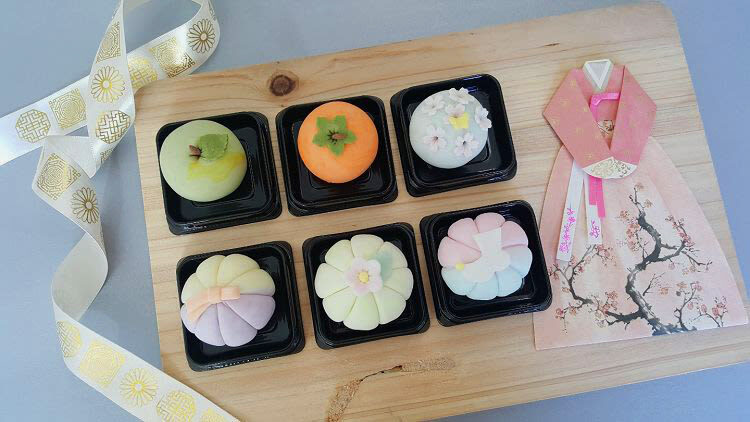
- Shape and decorate bean paste rice cakes: The focus is on working with prepared ingredients, then forming and finishing your own desserts.
- Plan for a compact one-hour class: Preparation, the activity, and packaging are all part of the hour.
- Expect friendly instruction, with some variation: Instructors including Jenny and Sunny are named in class feedback, and English instruction is often praised.
- Find the studio on the 18th floor: Sunnysdining is in the Metro the Ovile Building, a one-minute walk from Gongdeok Station exits 6 or 7.
- Budget extra for traditional cloth wrapping: It costs KRW 15,000 and is not included in the class price.
- Know the age limit and booking terms: Children under 10 cannot participate, and the package information says customer cancellations and refunds are not allowed.
👉 See our pick of the 25 Best Guided Tours In Seoul
What you actually make in the class
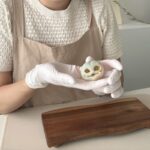
The advertised class centers on Korean bean paste rice cakes, a sweet made with rice flour and red bean paste and often eaten on special occasions. Their vivid colors and decorative shapes also make them popular as gifts. That combination of food and craft is the appeal: you are not simply watching a demonstration, you are making something with your hands and taking the finished sweets with you.
But set your expectations carefully. This is not a from-scratch pastry course in which you cook the bean paste, prepare every dough, and learn each stage of production. Ingredients and colored dough are prepared ahead of time. Your work is mainly to knead, shape, and decorate the pieces, with the teacher guiding you through the process.
That format has a practical upside. Rice cakes can take time to prepare, and having the components ready makes a short class possible. It also means beginners can focus on the tactile part: handling the dough and turning it into a neat, colorful dessert. If your goal is to learn the full recipe from raw ingredients, this class may leave you wanting more.
The finished cakes are meant to look as good as they taste. Some people find the shaping calm and almost meditative; others come for the photo-worthy results. You do not need baking experience, and the class is designed to be accessible to beginners. The instructor can help correct your technique, though the degree of hands-on support may vary.
You can also read our reviews of more cooking classes in Seoul


How the one-hour visit unfolds
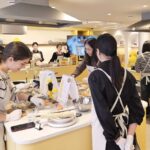
Arrive at the studio and meet your instructor before settling in at the work area. The class lasts about an hour, including preparation, the making experience, and packaging. You will work with prepared ingredients and follow the teacher’s steps to shape and decorate your rice cakes.
The central activity is hands-on, but it is not an open-ended design studio. One criticism is that the design choices can feel limited, with the teacher showing a set process rather than inviting you to invent your own patterns. If you enjoy following a craft technique and getting a tidy result, that structure can be reassuring. If you want more artistic freedom, ask how much room there is to personalize your designs before you book.
The cultural side is part of the class, too. Rice cakes have a place in Korean celebrations, and the sweets are associated with special days and gifting. Some classes include stories about how the dessert is viewed today; the amount of cultural explanation can vary. If this context matters to you, ask questions as you go. You may not get a long history lesson in a one-hour session.
At the end, you can package your creations. Traditional Korean cloth is available for an added KRW 15,000. It is a nice option if you want a more gift-ready souvenir, but it is not part of the included ingredients or base price. Bring a container or bag only if you have a specific reason to, and check with the class when booking if you need to know how the cakes are otherwise packed.
The instructor makes a difference
The strongest part of this class is often the teaching. The instructor is described as patient, kind, and clear, and several people specifically praise English explanations. Jenny is named in many positive accounts, while Sunny is also mentioned as a helpful teacher. The experience is intended to be beginner-friendly, so you should not need prior cooking or decorating skills.
There is a useful distinction between helpful guidance and doing the work for you. A few people have wished for more step-by-step coaching while they work, rather than receiving several instructions at once. One person also felt the instructor corrected the work too quickly instead of letting them try. If you prefer to learn by doing, say so at the start and ask for tips before the teacher adjusts your rice cakes.
The cultural conversation can also be uneven. Some people leave with a better sense of the dessert’s place in Korean life, while others wish there had been more detail about its history and ingredients. Treat the class first as a practical craft activity, with cultural insight as a possible bonus rather than a guaranteed lecture.
What the rice cakes taste like
The product is sweet, and individual tastes differ. Some people enjoy the bean paste and find the finished cakes delicious; at least one person found the result overly sweet and flowery. If you are sensitive to sweetness or particular flavors, keep that in mind. No specific dietary accommodations or ingredient substitutions are described, so contact the provider before booking if you have food restrictions.
Do not count on tea or snacks as part of the class. They are not listed among the inclusions, and this is not presented as a tasting session. The main takeaway is your own dessert creation, which you can enjoy later or give as a present.
Is the price worth it?
The price information gives two different starting figures: US$48.90 for the Bean Paste Rice Cakes Making Class and a summary price from US$53.79. The amount you see may depend on the booking details, so check the final price before paying. Traditional cloth wrapping costs another KRW 15,000 if you choose it.
For that price, you are paying for a guided, short activity, prepared ingredients, and a finished item to take away, not for a full lesson in Korean pastry making. The value is strongest if you enjoy crafts, desserts, or a memorable activity with a partner or family member. People often appreciate the kind teaching and cute results; those expecting a substantial cooking course, a long cultural discussion, or a wide choice of designs may consider it expensive for what it offers.
The listed class rating is 4.7 out of 5 from 123 ratings. That is a strong score, but the range of experiences is worth noting. Praise tends to center on friendly instruction, clear English, beginner-friendly steps, and the fun of creating attractive rice cakes. Less positive experiences point to limited hands-on cooking, uneven service, modest facilities, and a gap between expectations and the activity itself.
You can also read our reviews of more tours and experiences in Seoul


Getting to Sunnysdining
The studio is at Sunnysdining, #1801 on the 18th floor of the Metro the Ovile Building, at 52-1 Singongdeok-dong in Mapo-gu. Gongdeok Station is served by Subway Lines 5 and 6, AREX, and the Gyeongui-Jungang Line. From exit 6 or 7, the building is about a one-minute walk away; the directions specifically point you to exit 6 and then inside the building.
Finding the right studio can take a little patience. The building’s unit details may not be obvious, and an elevator ride can take five to ten minutes. Arrive at least 10 minutes early, as required, and allow extra time to locate the building and reach the 18th floor. Being close to the subway is handy, but it does not mean you can arrive at the last minute.
The class is listed as wheelchair-accessible, and pregnant participants can be accommodated. Children aged 10 and older pay the adult rate. Children under 10 are not permitted, even though a few past families describe younger children joining; follow the current age rule when planning your visit.
Who will enjoy this class most?
I would choose this activity if you want a relaxed, creative break from sightseeing, especially on a rainy or very hot day. It suits couples looking for a low-key date, families with children aged 10 or older, and anyone who likes working with food as much as eating it. The class is short enough to fit around other Seoul plans, and the finished rice cakes offer a personal souvenir rather than another shop-bought trinket.
It is a less natural fit for serious home cooks who want a complete recipe, exact ingredient ratios, or practice making bean paste and dough from the beginning. It may also disappoint if your main interest is a detailed cultural lecture or a wide range of design choices. The activity’s strongest promise is simple: learn basic shaping and decoration from a teacher, make your own Korean sweets, and leave with something you made yourself.
Booking details to keep in mind
The class runs Monday through Sunday, from 10:00 to 20:00, and same-day booking is allowed if you reserve at least four hours ahead. Confirmation is normally provided within minutes; if your requested date or time is unavailable, the customer service team may contact you by email. Bring your mobile voucher and arrive early.
The voucher is valid only for the date and time you booked. The package details state that customer cancellations and refunds are not available. If the provider cancels the class, you can request a refund or reschedule for another date. A late arrival of more than 10 minutes is treated as a no-show, with no refund, so give yourself time for the elevator and the search for the correct unit.
Should you book the rice cake class?
Book it if you want a friendly, hands-on introduction to shaping a Korean dessert and you are happy for the ingredients to be prepared in advance. The patient instruction, beginner-friendly pace, and chance to take home colorful rice cakes are the main draws. I would add the cloth wrapping only if you plan to give the cakes as a present and are comfortable paying extra.
Skip it if you expect to cook every component from scratch or want a deep lesson in dessert history. Before confirming, check the final price, ask about the amount of English instruction and cultural explanation, and make sure the one-hour decorating focus matches what you want. With those expectations set, it can be a sweet, manageable Seoul activity rather than a full cooking course.
Korean Traditional Dessert Rice Cake Cooking Class
“The course was really enjoyable. The instructor explained things well in English and had prepared a fun set to make. My only negative comment os th…”
FAQ
How long is the class?
The class lasts one hour, including preparation, the making experience, and packaging.
What do you make?
You make Korean bean paste rice cakes, a sweet rice flour and red bean paste dessert.
Do I make the rice cakes completely from scratch?
No. Ingredients are prepared ahead of time, and the activity focuses mainly on kneading, shaping, and decorating.
Where is Sunnysdining?
It is in room #1801 on the 18th floor of the Metro the Ovile Building, at 52-1 Singongdeok-dong, Mapo-gu, Seoul.
Which subway station is closest?
Gongdeok Station is the closest. It is served by Lines 5 and 6, AREX, and the Gyeongui-Jungang Line.
How much does traditional cloth wrapping cost?
Traditional Korean cloth wrapping costs an additional KRW 15,000.
Can children join?
Children aged 10 and older can participate and pay the adult rate. Children under 10 are not allowed.
Is the class wheelchair-accessible?
Yes. The activity is listed as wheelchair-accessible.
Can pregnant women participate?
Yes. Pregnant women can be accommodated in the class.
What happens if I am late or need to cancel?
Arrive at least 10 minutes early. Arriving more than 10 minutes late is treated as a no-show, with no refund. The package information says customer cancellations and refunds are not allowed; if the provider cancels, you may request a refund or reschedule.