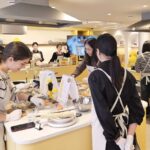
Bukchon’s old lanes make a fine setting for a practical lesson in Korean home cooking. In a renovated hanok studio, chef Jia teaches familiar dishes such as bibimbap, japchae, bulgogi, and spicy pork, with time to cook and eat what you prepare.
I like two things in particular: the cultural context alongside the recipes, and the chance for each participant to cook rather than simply watch. The main consideration is that this is a short, two-hour class, so the menu and amount of hands-on time can vary.
- At a glance
- Bukchon’s hanok setting gives the class a sense of place
- The chef explains the food behind the recipes
- Watch a demonstration, then take over your own dish
- Four dishes, four different sides of Korean home cooking
- The meal is part of the lesson
- A practical two-hour fit for a Seoul morning
- Price and what the cost buys
- Who should book this class?
- Should you book?
- FAQ
- How long is the cooking class?
- Where does the class take place?
- What dishes can I learn to make?
- Is the class taught in English?
- Do participants cook, or only watch a demonstration?
- Are ingredients and cooking utensils included?
- Can the class accommodate vegetarian or vegan diets?
- How many people can the studio host?
- What is the price of the class?
- What is the cancellation policy?
- The Best Of Seoul!
- More Cooking Classes in Seoul
- More Tours in Seoul
- More Tour Reviews in Seoul
- Not for you? Here's more nearby things to do in Seoul we have reviewed
At a glance
 1 / 10
 2 / 10
 3 / 10
 4 / 10
 5 / 10
 6 / 10
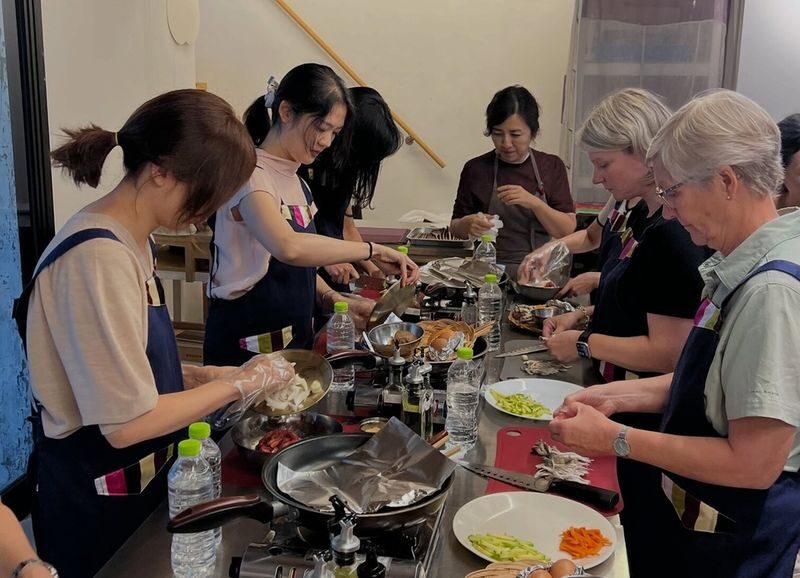 7 / 10
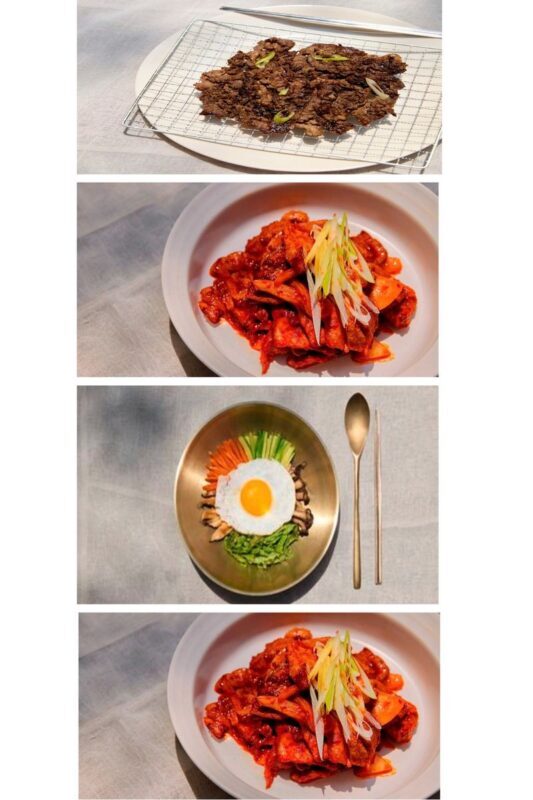 8 / 10
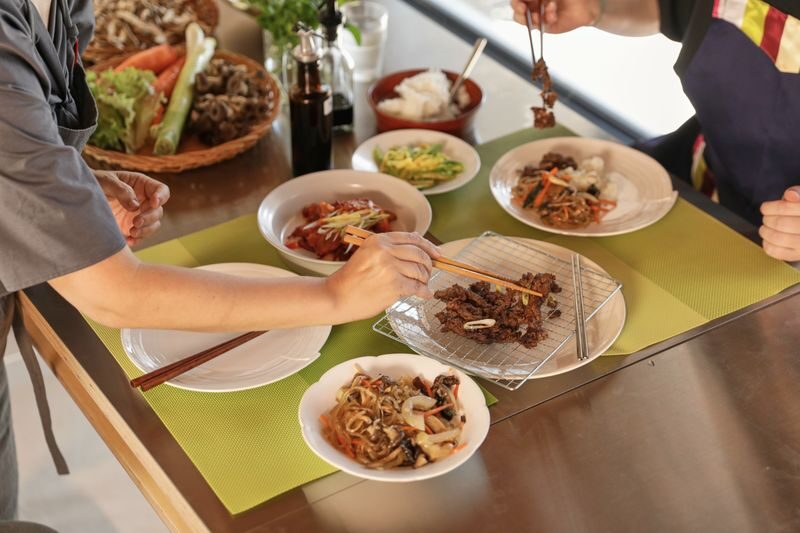 9 / 10
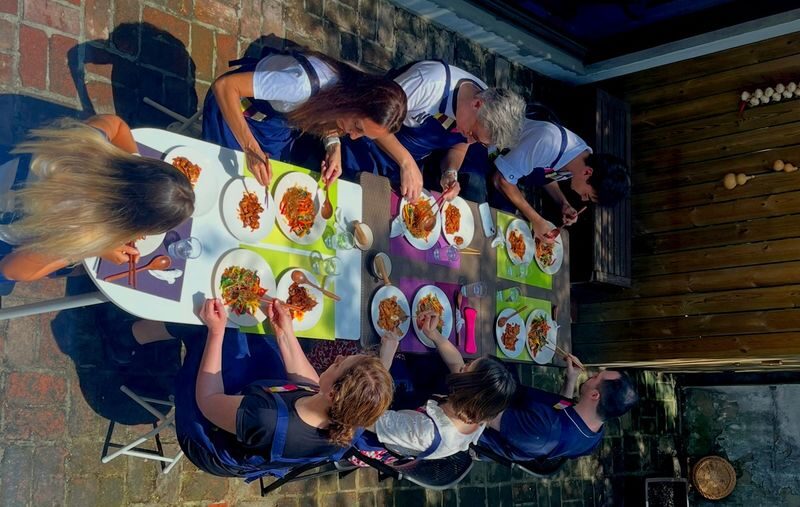 10 / 10
- A working lesson, not just a demonstration: The chef shows how dishes come together, then participants cook with provided ingredients and utensils.
- Four Korean staples are on the menu: Depending on the class, you may make bibimbap, japchae, bulgogi, or jeyuk-bokkeum, spicy marinated pork.
- A hanok setting in Bukchon: The modernized studio sits at 137-11 Bukchon-ro, near Anguk Station.
- English and Korean instruction: Chef Jia is named as an instructor, and the class is designed to explain ingredients and food culture as well as cooking steps.
- Dietary needs can be accommodated: Vegetarian, vegan, and gluten-intolerant options are available. Tell the provider your needs when booking so the menu can be prepared accordingly.
- A compact morning activity: The class runs from 10:30 a.m. to 12:30 p.m., a useful fit for a day exploring central Seoul.
👉 See our pick of the 25 Best Guided Tours In Seoul
Bukchon’s hanok setting gives the class a sense of place
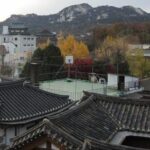
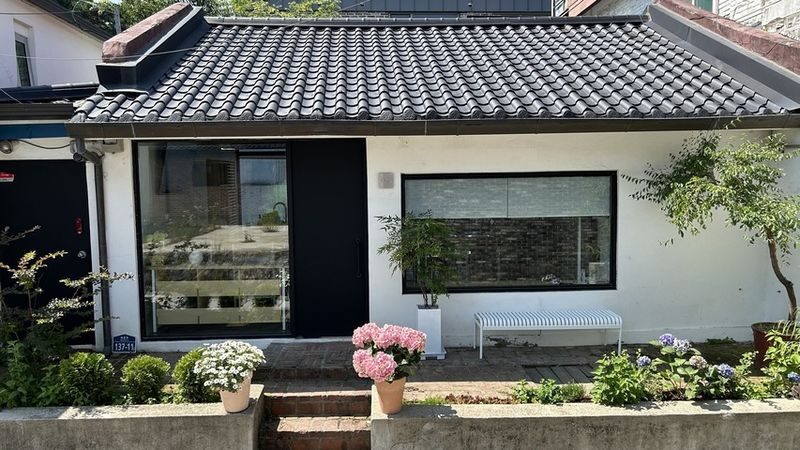
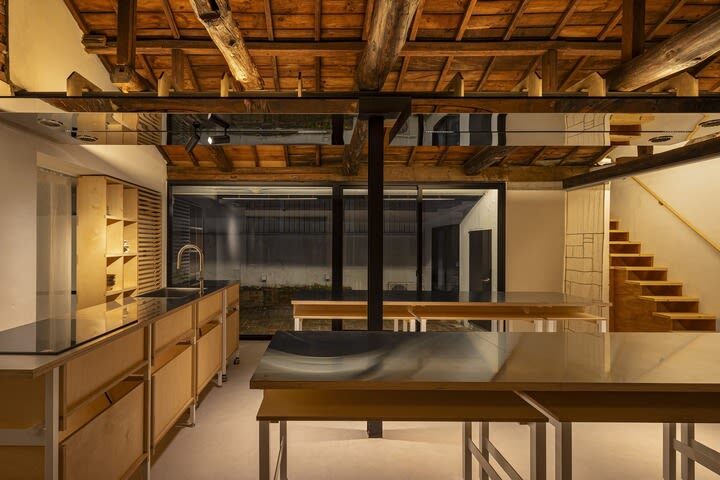
This is not a class tucked into a generic commercial kitchen. It takes place in Bukchon, a district known for its traditional Korean houses, and the cooking studio occupies a recently renovated hanok. The renovation, completed in May 2024, gives the space a fresh, clean working kitchen while keeping the appeal of a traditional setting.
That contrast is part of the experience’s value. Korean cooking is presented in a place that feels connected to the city’s older neighborhoods, but the class is set up for practical work, with utensils and ingredients ready to use. You can focus on the food rather than spending the first part of the session finding equipment or preparing a shopping list.
The address is 137-11 Bukchon-ro in Jongno District, with Anguk Station given as the meeting point. Bukchon’s lanes can be a pleasure to explore, but allow time to locate the studio and arrive promptly. The class begins at 10:30 a.m.; late arrivals and no-shows are not refundable, so don’t plan to cut it close.
You can also read our reviews of more cooking classes in Seoul


The chef explains the food behind the recipes
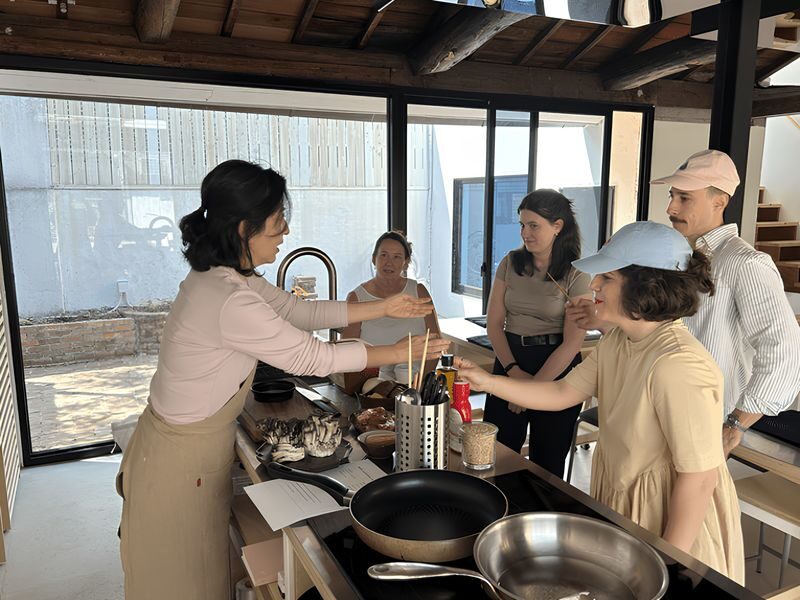
A good Korean cooking lesson should do more than hand you a recipe. Here, the instructor introduces Korean food culture and the way home meals are put together, including the role of ingredients and sauces. Chef Jia is described as an engaging instructor who answers questions and shares personal and cultural context as the class proceeds.
That background helps you understand why a dish tastes the way it does, and what you might change when cooking it again at home. Participants have learned how ingredients such as gochujang, the fermented red pepper paste used in many Korean dishes, fit into the broader cooking tradition. One class has also used a house blend of gochujang that was milder than the supermarket versions the participant knew.
The lesson is in English and Korean, so you don’t need to speak Korean to follow the cooking. The pace is described as clear and approachable for beginners. If you already cook often, you may find the techniques familiar, but the ingredient explanations and food-culture discussion can still add useful context.
Watch a demonstration, then take over your own dish
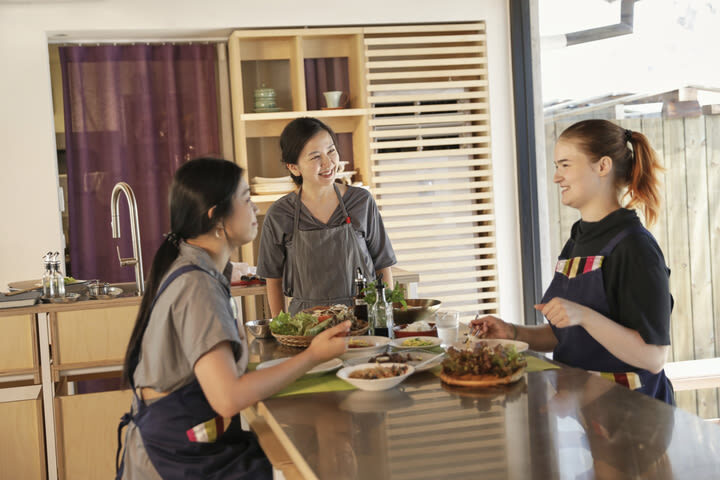
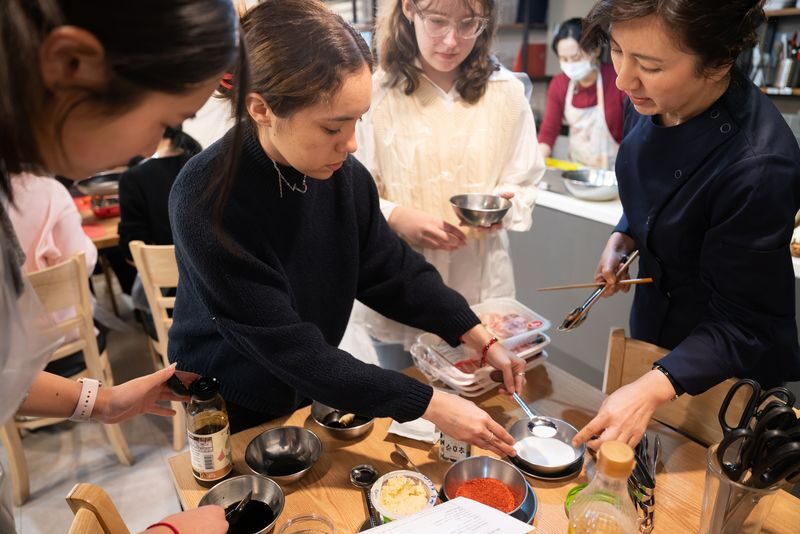
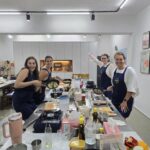
The format combines a chef’s demonstration with hands-on cooking. You see the method first, then prepare your own dish using provided ingredients. In some classes, the instructor demonstrates several dishes before participants cook two themselves. The exact menu and amount of individual cooking can vary, so check the chosen class option rather than assuming every session follows the same sequence.
That distinction matters. A demonstration lets you see the whole recipe before you start, while cooking for yourself gives you a chance to practice the steps and ask for help. The instructor and assistant can guide participants as they work, which makes this a comfortable choice if you have little kitchen experience.
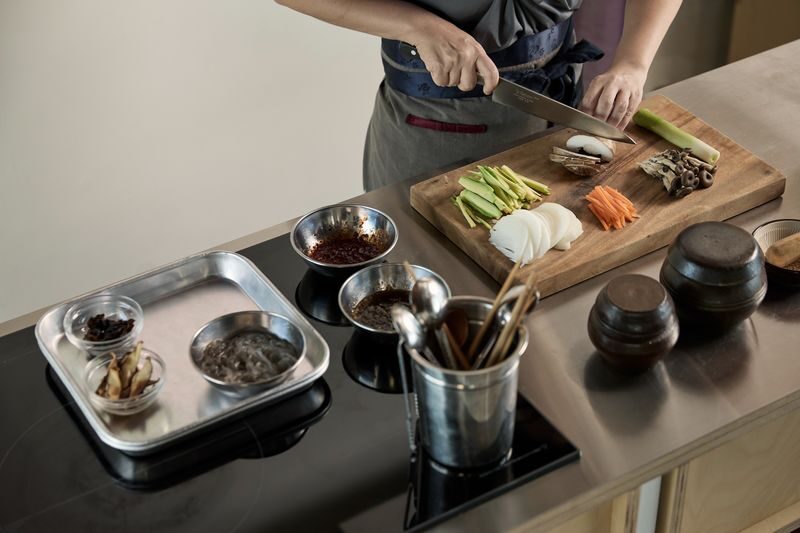
The class is designed to be efficient, not an all-day culinary course. Ingredients are prepared for the session, and the recipes are straightforward enough to recreate at home if you can find the key items. Some participants have received printed recipes, but that detail is not guaranteed for every class, so treat any recipe handout as a bonus rather than a promise.
Four dishes, four different sides of Korean home cooking
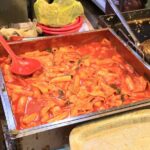
The advertised menu covers several useful staples. Bibimbap is a rice bowl topped with seasonal vegetables and a sunny-side-up egg. It offers a good lesson in assembling a balanced meal, and the finished bowl can be adjusted to suit different diets.
Japchae is a popular, non-spicy dish of glass noodles and vegetables. Its mild flavor makes it a useful counterpoint to the hotter options, and it is a good pick if you want something less dependent on chilli. The dish is often described as a Korean salad, though it is substantial enough to work as part of a meal.
Bulgogi uses thinly sliced beef marinated with soy sauce, sesame, and garlic. The marinade is central to the dish, and making it yourself gives you a chance to understand how a few familiar seasonings build a distinctly Korean flavor.
Jeyuk-bokkeum is spicy marinated pork cooked with gochujang sauce. It is the boldest option in the listed set, so ask about the spice level if you are sensitive to heat. The menu may change between sessions, and some classes include dishes beyond these four.
The highlight is not just tasting the finished food. You get to see how the components fit together, and to judge the seasoning for yourself. Since each participant cooks their own dish, you also have a better chance to remember the process than you would after watching a chef prepare everything.
The meal is part of the lesson
At the end, you taste the food you have made. This turns the class into both a cooking activity and a meal, and it lets you assess the result while the steps are still fresh in your mind. Portions are described as suitable for a class meal, rather than an oversized feast, which makes sense for a two-hour session.
The meal also gives you time to talk with the instructor and other participants. Classes may bring together families, couples, solo visitors, and small groups, and the relaxed format can make it easy to ask questions. If you are travelling alone, this is a sociable activity without requiring you to bring a companion.
Do not count on the class being private or on a particular group size. The renovated studio can host up to 20 people, but actual attendance may be smaller. A smaller group means more time to ask for help; a full session could feel busier at the cooking stations.
You can also read our reviews of more tours and experiences in Seoul



A practical two-hour fit for a Seoul morning
The scheduled class time is 10:30 a.m. to 12:30 p.m. That makes it easy to pair with a later walk around Bukchon, though you’ll want to check your plans and energy before stacking too many activities. Cooking and eating take the full two hours, so avoid booking a tight appointment immediately afterward.
Anguk Station is the listed meeting point, while the studio address is 137-11 Bukchon-ro. Use the address to plan your route, and check the confirmation details for the precise meeting instructions. The location is in Bukchon, a good reason to leave time before or after class to explore the surrounding area on foot.
Confirmation is expected within 24 hours of booking. The voucher is valid only for the date and time selected, and cancellation at least 24 hours before the activity date, in Seoul local time, qualifies for a full refund. Arrive on time; late arrivals and no-shows cannot be refunded.
Price and what the cost buys
The advertised starting price is US$61.59, while the listed Cooking Class package is shown from US$80. Prices can depend on the selected option and booking details, so check the final amount before paying rather than assuming either figure applies to every date.
For a two-hour class, the value rests on more than the meal. The fee covers an English- or Korean-speaking instructor and the utensils needed for cooking, while the ingredients are provided for the hands-on lesson. You also get the cultural explanations and the opportunity to make Korean dishes yourself, not just eat them at a restaurant.
I’d consider it good value if you want a compact, participatory activity and expect to use the recipes again. If your priority is simply a low-cost lunch, a restaurant will be cheaper and quicker. This class makes sense when learning the methods and asking questions are part of what you want to take home.
Who should book this class?
This is a strong fit for first-time Korean cooks, families with older children, and anyone who likes food as a way into local culture. The class has welcomed solo participants as well, and the instructor’s patient, conversational approach suits people who prefer to learn by doing.
It also works for visitors who want a morning activity in Bukchon rather than another museum or guided walk. Because the recipes use ingredients that may be available at Asian markets abroad, you have a reasonable chance of recreating the dishes once you get home.
If you have dietary needs, the activity can accommodate gluten intolerance, vegetarian diets, and vegan diets. Confirm your requirements in advance, since a dish’s base ingredients may need adjustment. If you dislike cooking, want a long market-to-table outing, or need a guaranteed private lesson, this may not be the right choice. The current class description is a two-hour studio session, not a market tour.
Should you book?
Book this class if you want to cook Korean food in a hands-on setting and learn why the ingredients matter, not just collect a recipe. The Bukchon hanok adds a memorable sense of place, and the two-hour format makes the activity easy to fit into a Seoul itinerary.
Before confirming, check the current price, selected menu, and dietary arrangements. Arrive on time at the meeting point, and keep the rest of your morning flexible. If those details suit your plans, this is a practical way to turn a Seoul meal into a skill you can bring home.
Authentic Korean Cooking Class in a Bukchon Hanok | Since 2008
“We had a really great time. The place, the class, the kindness, the meal… everything was perfect! Would do it again without hesitation!”
FAQ
How long is the cooking class?
The class lasts two hours, from 10:30 a.m. to 12:30 p.m.
Where does the class take place?
The studio is at 137-11 Bukchon-ro, Jongno District, Seoul. Anguk Station is listed as the meeting point.
What dishes can I learn to make?
The listed dishes are bibimbap, jeyuk-bokkeum, japchae, and bulgogi. The menu can vary by class.
Is the class taught in English?
The instructor speaks English and Korean.
Do participants cook, or only watch a demonstration?
The instructor demonstrates cooking, and each participant cooks their own dish using provided ingredients.
Are ingredients and cooking utensils included?
All utensils needed for the class are included, and ingredients are provided for the cooking session.
Can the class accommodate vegetarian or vegan diets?
Yes. Vegetarian and vegan diets can be accommodated. Gluten intolerance can also be accommodated.
How many people can the studio host?
After its May 2024 renovation, the studio can host up to 20 people. The actual number in a class may vary.
What is the price of the class?
The experience is advertised from US$61.59, while the Cooking Class package is listed from US$80. Check the current price for your selected option before booking.
What is the cancellation policy?
A full refund is available if you cancel at least 24 hours before the activity date, using Seoul local time.