Makgeolli starts with rice, water, and nuruk, a fermentation starter. In this two-hour Seoul class, you handle the ingredients, learn how the drink changes as it ferments, and taste it with Korean pancakes. I like the chance to make the wine yourself and the side-by-side tasting, which makes the fermentation lesson easier to grasp.
I also like that the group is capped at six, so there’s room to ask questions rather than just watch a demonstration. One catch: the food is a light snack-making activity, not a full cooking class, and your own batch needs about seven days to ferment before drinking.
- What to know before you book
- Makgeolli is more than a drink to sample
- From the rice lesson to mixing your batch
- A short food break, not a full cooking class
- Taste how fermentation changes the wine
- Pick a take-home option that fits your trip
- The small group makes room for questions
- Check the session time and the price
- Who will enjoy this class most
- Should you book it?
- FAQ
- How long is the makgeolli class?
- Where does the class meet?
- What days and times is the class offered?
- Can children take part?
- Can I take home the makgeolli I make?
- What if I leave Seoul before my batch is ready?
- What is included in the experience?
- The Best Of Seoul!
- More Food & Drink Experiences in Seoul
- More Tours in Seoul
- More Tour Reviews in Seoul
- Not for you? Here's more nearby things to do in Seoul we have reviewed
What to know before you book
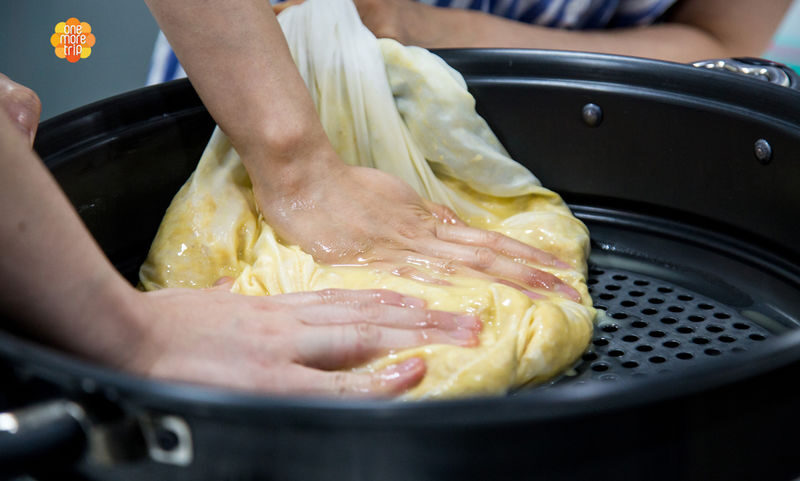

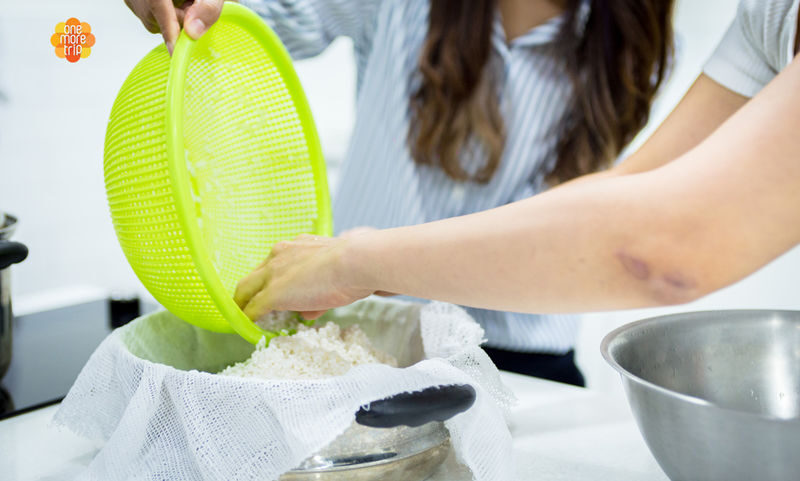
- You make a batch by hand: The class covers rice steaming, cooling, and mixing, with hands-on work combining rice and nuruk.
- Fermentation becomes part of the lesson: Taste makgeolli at different stages and notice how time changes its flavor.
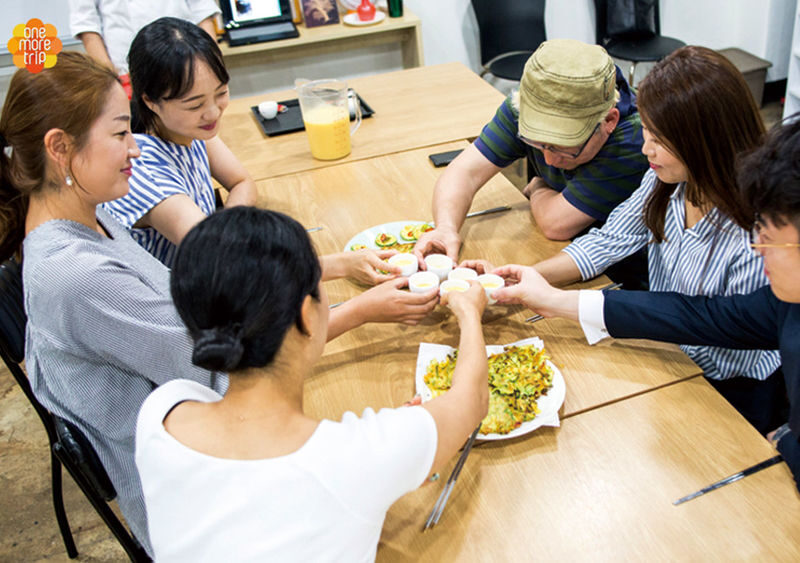
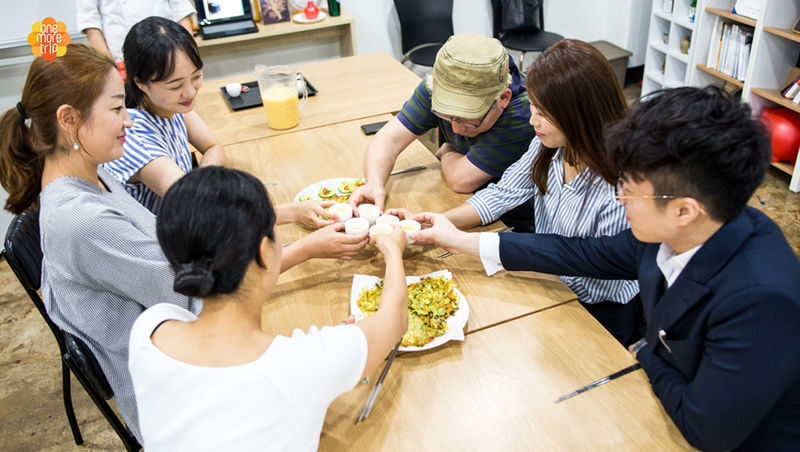
- Pancakes go with the wine: Prepare a simple Korean snack, often kimchi pancakes, then eat it with your tasting.
- Choose your take-home option: Take your batch to ferment for about seven days, or choose a ready-made bottle instead.
- It’s a small class: Reservations require at least two people, and the maximum group size is six.
- The schedule needs checking: The stated operating days conflict on Thursday, so confirm your date and time before setting plans around it.
👉 See our pick of the 25 Best Guided Tours In Seoul
Makgeolli is more than a drink to sample
Makgeolli is a cloudy Korean rice wine with roots in everyday life. It was once an accessible homemade drink for farmers, who drank it to quench their thirst after hard work. That background gives this class a useful focus: you’re not just learning a recipe, but seeing how a familiar drink fits into Korean food culture.
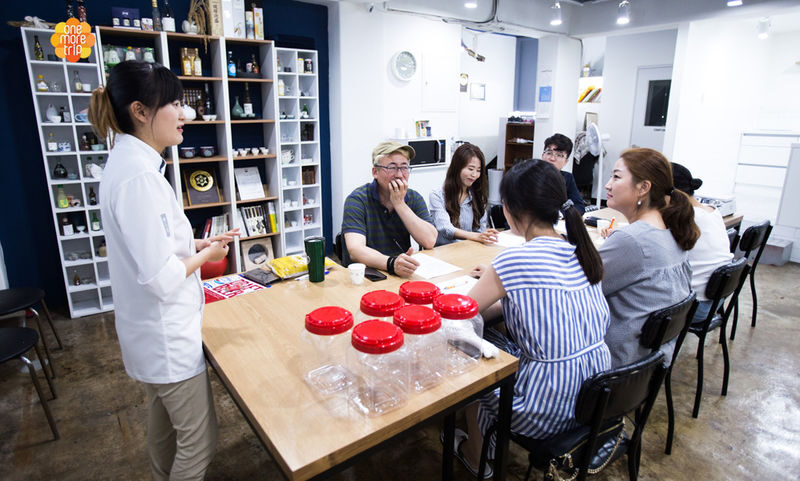
The format is practical. An English-speaking instructor introduces the drink and its story, then walks you through the brewing steps. You get to handle the ingredients yourself, which gives the process more meaning than a tasting alone. The class is designed for beginners, so you don’t need brewing experience.
An instructor named Serie is mentioned, but the person leading your session may vary. The most important thing is that the class is taught in English. If you have questions about the ingredients or the fermentation process, this is a good setting to ask them as you work.
You can also read our reviews of more food & drink experiences in Seoul


From the rice lesson to mixing your batch
The session begins with greetings and an introduction to makgeolli. You’ll hear about the drink’s background and learn about the stages involved in making it, including steaming and cooling the rice. That context helps explain why the preparation is more than simply mixing rice with water.
Next comes the hands-on part. You mix rice and nuruk, a starter used in fermentation. It’s tactile work, and you should expect to use your hands. The steps are simple enough to follow with an instructor’s guidance, but the point is to understand how the ingredients come together and begin the process.
There’s a useful distinction between making a batch and drinking it. The makgeolli you prepare needs time to ferment, so it won’t be ready for the tasting at the end of the class. If you stay in Korea for at least a week, you can take your batch with you and continue the process. If you’re leaving sooner, you can choose a finished product instead.
A short food break, not a full cooking class
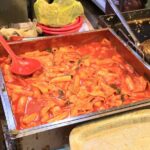
Makgeolli is often paired with savory food, and the class includes making light refreshments. Kimchi pancakes are a frequent part of the session; the snack may vary, and the activity is best understood as simple food preparation rather than a full Korean cooking lesson.
That distinction matters if you’re choosing between this and a dedicated cooking class. You’ll have something warm and savory to eat with the wine, but the main subject is makgeolli. I see that as a good balance: the snack makes the tasting feel more like a meal pairing, while leaving time for the drink and brewing lesson.
The food is included in the experience. Other personal expenses, tips, and drinks for sale are not. If you have dietary needs, enter the required information when booking. The provided instructions say that if you don’t share the necessary details, the class will treat it as permission for you to eat all the ingredients.
Taste how fermentation changes the wine
The tasting is one of the most useful parts of the class. You can sample makgeolli at different ages and compare how fermentation changes its flavor over time. A few weeks can make a noticeable difference, turning a process that sounds technical into something you can taste for yourself.
You’ll also have the chance to drink the makgeolli with the snack you made. Keep in mind that tasting is only available to people aged 19 or older. The class itself is open to all ages, but younger participants cannot take part in the alcohol tasting.
The tasting gives the session a broader angle than a recipe lesson. You leave with an idea of how age affects the drink, as well as the steps involved in making it. If you enjoy brewery or winery visits, this offers a hands-on counterpart: less about touring production equipment, more about making and comparing a traditional drink.
Pick a take-home option that fits your trip
You can choose between two options on site:
- Take your batch to ferment: Bring home the makgeolli you made, along with a filter. It takes about seven days before it’s ready to drink. After filtering, the stated yield is about 750 milliliters at roughly 10 percent alcohol. This is the better choice if you’ll remain in Korea long enough to finish the process.
- Take a finished bottle: Choose a ready-to-drink bottle of makgeolli, stated as 300 milliliters at 10 percent alcohol. This makes more sense if you’re on a short visit or don’t want to manage fermentation.
The first choice gives you a longer connection to the class, but it also asks you to plan ahead. You need enough time in Korea to let the batch ferment, and you’ll need to follow the instructions for handling it. If your departure is soon, the finished bottle avoids that complication.
You can also read our reviews of more tours and experiences in Seoul


The small group makes room for questions
The group size is limited to six, with a minimum of two people per reservation. That’s a good fit for an activity with a hands-on element: you should have room to follow the instructor’s steps and ask questions, rather than wait in a large crowd for a turn.
The class lasts about two hours. That’s enough time for the introduction, making, snack preparation, and tasting without taking up most of your day. Plan to arrive at least five minutes early. The address is Sooguk, 1F, 17 Achasan-ro 38-gil, Gwangjin-gu, Seoul.
The venue is near Konkuk University Station. From exit 5, walk straight for about 450 meters, pass KU Convention wedding hall, then enter the alley by Baskin Robbins. Continue about 70 meters and look for Donggun High Ville on your left. The building name can be easy to miss, so keep an eye out for it rather than relying only on the street number.
Check the session time and the price
The experience is listed at starting prices of $49.69 and $45.19, depending on the package information shown. Since the displayed starting prices differ, check the final price and the inclusions for your chosen option before paying. For a two-hour class, the value comes from the English instruction, ingredient work, light food, and tasting, rather than from a large meal or a long guided tour.
The stated schedule is Monday, Tuesday, and Thursday at 14:00, 16:30, and 19:00; Friday at 20:00; and Sunday at 15:00. However, another note says the experience is off on Wednesday, Thursday, and Saturday. Because Thursday appears both as an operating day and a day off, confirm your selected time before making other plans. If the requested session is unavailable, the booking team says it will notify you by email.
The activity is not available to Korean passport holders. Mobile vouchers are accepted, and the voucher is valid only for the date and time you booked. Cancellations made at least 72 hours before the activity receive a full refund.
Who will enjoy this class most
This is a good choice if you’re curious about Korean food and drink and would rather learn by doing than spend another afternoon watching a demonstration. It suits makgeolli fans, home cooks, and anyone who likes seeing how fermentation affects flavor. The small group and English instruction also make it a manageable introduction if you’re new to Korean rice wine.
It’s less suited to you if your main goal is a substantial cooking lesson, a large meal, or an extensive rice-wine tasting. The food is light, the class is focused on making makgeolli, and the tasting is only for people aged 19 or older. Short-term visitors can still take part, but should select the finished bottle rather than assume their own batch will be ready before they leave.
Should you book it?
Book this class if you want a practical, sociable way to learn about makgeolli, especially if you can stay in Korea long enough to ferment the batch you make. The clearest strengths are the hands-on process, the instructor’s explanation, and the chance to taste how aging changes the drink. If you’re short on time, the ready-made bottle keeps the take-home part simple. Check the conflicting Thursday schedule and confirm the package price before you commit.
Making Traditional Rice Wine Makgeolli and Bar Food Experience
“This was a great class in a very cute space. The instructor was so nice; we were late but she was still so kind to accommodate us! The class itself…”
FAQ
How long is the makgeolli class?
The experience lasts about two hours.
Where does the class meet?
It meets at Sooguk, 1F, 17 Achasan-ro 38-gil, Gwangjin-gu, Seoul. From Konkuk University Station exit 5, walk about 450 meters, enter the alley by Baskin Robbins, then continue about 70 meters. The building, Donggun High Ville, is on the left.
What days and times is the class offered?
The stated times are Monday, Tuesday, and Thursday at 14:00, 16:30, and 19:00; Friday at 20:00; and Sunday at 15:00. A separate note also lists Thursday as a day off, so confirm availability for that day before booking.
Can children take part?
All ages can participate in the experience, but makgeolli tasting is only available to people aged 19 or older.
Can I take home the makgeolli I make?
Yes. You can take your batch and a filter home to ferment for about seven days. The stated yield after filtering is about 750 milliliters at roughly 10 percent alcohol.
What if I leave Seoul before my batch is ready?
You can choose a finished bottle instead. The stated option is a 300-milliliter bottle of makgeolli at 10 percent alcohol.
What is included in the experience?
The package includes an English-speaking teacher, the selected activity, and making and eating light refreshments. Personal expenses and tips are not included.