Korean cooking is easier to follow when you’re standing at the counter, rolling gimbap and learning what goes into familiar home-style dishes. At O’Kitchen Studio, Ottogi staff lead a small, hands-on class, then you eat the food you’ve made in the studio’s dining area.
I like two things in particular: the maximum of eight participants keeps the instruction personal, and the meal at the end turns the class into more than a quick cooking demo. You also leave with an apron, a bamboo gimbap mat, and a small bottle of sesame oil.
One point to weigh: some sauces and ingredients are prepared in advance, so this is not necessarily a from-scratch lesson in every component. The class is also scheduled for 11 a.m., and the two-hour session includes dining time, so arrive hungry.
- At a glance
- A hands-on introduction to Korean home cooking
- Getting settled in the Gangnam studio
- What happens during the two hours
- Cooking, then sitting down to eat
- What you take home, beyond the recipes
- Language, menus, and food restrictions
- Is the price worth it?
- Small details that make the day easier
- Who should book this class?
- FAQ
- How long is the K-FOOD cooking class?
- What time does the class start?
- How many people can join?
- Is instruction available in English?
- What food will I cook?
- Are ingredients and cooking tools provided?
- What gifts are included?
- The Best Of Seoul!
- More Food & Drink Experiences in Seoul
- More Tours in Seoul
- More Tour Reviews in Seoul
- Not for you? Here's more nearby things to do in Seoul we have reviewed
At a glance
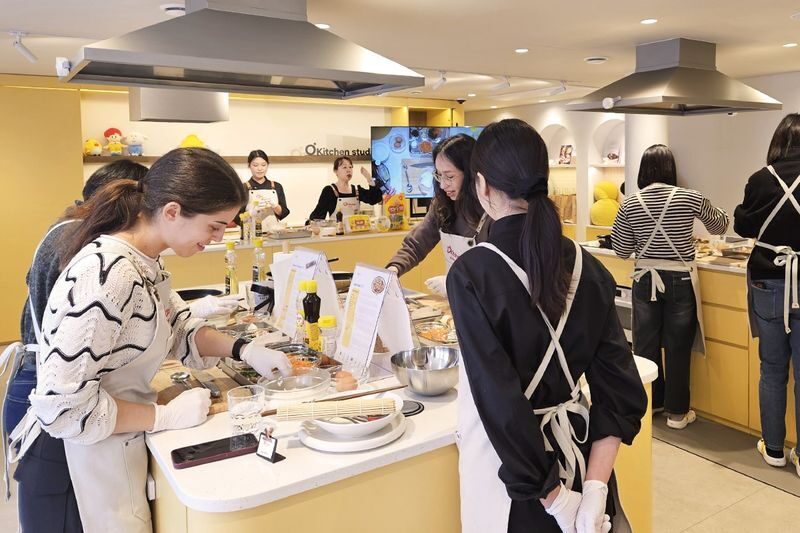
- Small class size: No more than eight participants, with an instructor and support staff to help at the cooking stations.
- Several dishes in one session: Menus vary by class, with examples including gimbap, japchae, bulgogi, and cucumber salad.
- A meal is part of the class: You eat what you prepare, with complimentary Ottogi ramyun alongside.
- English or Japanese instruction: Choose an available language and one of four class options.
- Practical take-home gifts: The included set features an apron, bamboo gimbap mat, and mini sesame oil.
- Gangnam location: The studio is on the fourth floor of HAM HAUS, a short walk from Seonjeongneung Station, Exit 1.
👉 See our pick of the 25 Best Guided Tours In Seoul
A hands-on introduction to Korean home cooking
O’Kitchen Studio offers a useful middle ground between a restaurant meal and a formal cooking course. You work with fresh ingredients and common Korean vegetables, follow an instructor’s steps, and finish by eating the dishes you made. For a short Seoul visit, that is a neat way to connect what you see on a menu with what happens at the chopping board.
The class is run by Ottogi, a Korean food company known for bringing Korean ingredients to wider markets. That connection matters most in the practical details: the class uses familiar ingredients and seasonings, and the staff can explain how to use them in approachable home recipes. You are not expected to arrive with cooking experience.
The lessons are offered in English or Japanese, with four package options. The exact dishes depend on the option you select, so check the menu for your chosen class rather than assuming every session teaches the same recipes. Past class menus have included gimbap, japchae, bulgogi, and cucumber salad. One gimbap session also covered a California roll-style version.
You can also read our reviews of more food & drink experiences in Seoul


Getting settled in the Gangnam studio
The meeting point is HAM HAUS, at 23 Bongeunsa-ro 51-gil in Gangnam. From Seonjeongneung Station, take Exit 1, walk straight for about 27 meters, then turn right at the first corner. Continue about 173 meters, around a three-minute walk in total, to the building.
The studio is on the fourth floor. Staff assist with entry at the main entrance on the first floor, which is helpful if the building is unfamiliar. The walk from the station is short, though one participant described it as uphill, so allow a little extra time if you are carrying bags or prefer a slower pace.
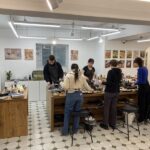
Inside, expect a clean, spacious cooking area with tools and ingredients ready for use. A screen at the front can show the steps while the instructor demonstrates, and a second staff member may help with cleaning or individual questions. Some sessions begin with tea, and one class included time to decorate an apron before cooking. Those details may vary, but the welcoming, organized setup is part of the appeal.
What happens during the two hours
The class starts at 11 a.m. and lasts about two hours, including the meal. The opening is generally devoted to getting comfortable, meeting the instructor, and understanding the dishes you’ll make. Then you move into the cooking steps, with staff explaining techniques and helping as needed.
The small group size is a real advantage here. With a maximum of eight people, you are less likely to be stuck watching from the back, and there is room to ask questions as you work. The instructors have been described as patient and clear, including when participants were unsure about tasks such as flipping eggs or rolling gimbap. If you are new to cooking, that steady guidance can make a big difference.
The class is hands-on, but not every ingredient starts as a raw ingredient. Some sauces, including bulgogi sauce in at least one class, may be ready-made. That makes the lesson more manageable within two hours and helps you focus on assembly, timing, and cooking methods. The trade-off is that you may not learn how to make every sauce from scratch, and reproducing the dish at home could depend on finding a similar product.
This is best thought of as a practical introduction to Korean home cooking, rather than an intensive culinary course. You’ll see how prepared seasonings can be used, learn the order of the steps, and get a chance to practice. Ask the instructor about substitutions or sauce ingredients if recreating a dish at home is a main reason for booking.
Cooking, then sitting down to eat
The meal at the end is one of the class’s strongest features. You do not just take a photo of your finished plate and head out. You sit down in the studio’s dining space and eat the dishes you prepared, with complimentary Ottogi ramyun served alongside.
That shared meal gives the lesson a relaxed finish. It also makes the two-hour schedule easier to understand: the cooking is only part of the experience, and you should leave time to enjoy the food rather than rushing off to another appointment. The organizers recommend not eating a separate meal beforehand.
The dishes will depend on your selected package, but the range of examples gives you a sense of the format. You might make gimbap and a salad, or learn several dishes such as bulgogi, japchae, and gimbap. The emphasis is on dishes you can recognize and try again, not on a single elaborate centerpiece.
What you take home, beyond the recipes
The included welcome gift is a thoughtful extra, especially if you plan to cook Korean food after your trip. The stated souvenir set includes an apron, a bamboo gimbap rolling mat, and a mini bottle of sesame oil. Some classes have also provided recipes and additional ingredients or sauces, though those extras may depend on the package or session.
The gifts are small, but they suit the class. The rolling mat is directly useful if you want to practice gimbap, and the sesame oil is a pantry staple in many Korean recipes. The apron is a practical memento rather than another decorative trinket. If you have limited luggage space, remember that even small bottles and packaged foods may need to go in checked baggage. One participant specifically found it useful to have checked luggage for the items received.
You can also read our reviews of more tours and experiences in Seoul


Language, menus, and food restrictions
Choose from English- or Japanese-language classes, with four package options listed. The specific instructor is not guaranteed by name, but instructors have included Julie, and classes are supported by assistants. English-speaking staff are included, and the Japanese option is designed for instruction in Japanese.
Menus and included items can differ by package. Before booking, confirm that the selected option matches the dishes and language you want. This is especially important if you are choosing the class for a particular recipe rather than for the general cooking experience.
Recipes may include beef, chicken, eggs, soy, sesame, seafood, and other ingredients, depending on the course. If you have an allergy, dietary restriction, or vegan preference, include it in your reservation request or tell the instructor before class. Do this in advance if you can, since ingredients may already be prepared when you arrive. The available information does not promise that every restriction can be accommodated, so ask rather than assume.
Infants and children must be included in the participant headcount. The class is limited to eight people, so account for every member of your party when booking.
Is the price worth it?
Package prices are listed from about US$75.29, while the experience summary gives a starting price of US$82.85. Treat either figure as a starting point, not a guaranteed final cost: the amount can vary by package and booking date.
For that price, you are paying for a two-hour guided activity, ingredients and kitchen equipment, a meal, complimentary ramyun, English-speaking staff, and a take-home gift set. The value is strongest if you want more than a recipe demonstration. You get to cook, ask questions, share the meal, and take home a few tools for trying the food again.
It is less compelling if your main goal is to learn every dish entirely from scratch or to spend a long session on one technique. The prepared ingredients keep the class moving, but they also limit how much time you spend building sauces and components from the beginning. If that distinction matters to you, ask what is pre-made in your chosen package.
Compared with simply ordering these dishes at a restaurant, the class costs more, but it gives you a skill-based activity and a social meal. For a family, a couple, or a small group of friends, that combination can make a good break from sightseeing. For a solo visitor, the capped group size and shared dining space also make it easy to take part without needing to bring a companion.
Small details that make the day easier
Book the date and number of participants you need, then wait for confirmation, which is normally provided within 48 hours. Show your mobile voucher at the studio. The voucher is valid only for the date and time specified, and the class may be canceled if the minimum number of participants is not met.
The listed cancellation terms allow a full refund if you cancel at least 24 hours before the activity date, using local destination time. Changes and refunds remain subject to availability and the booking platform’s rules.
Arrive with enough time to find the building and reach the fourth floor. Wear something comfortable for cooking, and plan to stay for the full meal. If you have food restrictions, raise them before the class rather than waiting until ingredients are on the counter.
Who should book this class?
I’d recommend O’Kitchen Studio if you want a friendly, structured introduction to Korean home dishes and enjoy learning by doing. It suits first-time cooks, families, and anyone who wants to understand a few familiar dishes well enough to try them again at home. English and Japanese options make it accessible to a broad range of visitors, while the small group limit leaves space for help.
I would look elsewhere if you want an advanced course, a guaranteed from-scratch lesson for every sauce, or a class focused on one specific dish that is not confirmed in your package. For everyone else, the combination of guided cooking, a sit-down meal, and useful kitchen gifts makes this a satisfying way to spend a Seoul morning.
K-FOOD Cooking Class l Make Representative Korean Dishes Yourself
“An amazing cooking class! very thorough class and delicious food”
FAQ
How long is the K-FOOD cooking class?
The class lasts about two hours, including the time to eat the dishes you prepare.
What time does the class start?
The listed start time is 11 a.m.
How many people can join?
The maximum group size is eight participants.
Is instruction available in English?
Yes. English-speaking staff are included, and English-language class options are available. Japanese-language instruction is also offered.
What food will I cook?
The dishes depend on the package you choose. Examples from classes include gimbap, japchae, bulgogi, and cucumber salad.
Are ingredients and cooking tools provided?
Yes. Ingredients and kitchen utensils are provided for the cooking experience.
What gifts are included?
The stated souvenir set includes an apron, a bamboo gimbap rolling mat, and a mini bottle of sesame oil.