Kyoto’s famous red gates, Nara’s deer, and the wooden halls of Todaiji can all fit into one long day from Osaka. This tour also offers a second choice: a quieter Kyoto route linking Sanzenin Temple, Kifune Shrine, and Arashiyama.
I like having two distinct route choices and a small vehicle rather than a large coach. I also like that the day has no shopping stops, so the hours are set aside for places rather than retail detours.
The trade-off is that this is transport with independent sightseeing, not a guided walking tour. The route and stop times can shift with traffic or weather, and the classic schedule details do not line up perfectly, so confirm the stop order before you go.
- Choose your kind of Kyoto: The classic route combines Fushimi Inari, the Kiyomizu-dera area, Gion, and Nara; the mountain route visits Sanzenin, Kifune, and Arashiyama.
- Meet in central Osaka: The designated-location option departs from Nippombashi Subway Exit 6 at 8:00 am.
- Expect self-guided stops: The driver handles transport and may offer a simple explanation in the car, but there is no walking guide included.
- Budget for extras: Admission, lunch, drinks, and personal expenses are not included in the starting price of US$75.69.
- Plan for a long day: The stated return is around 6:30 pm, but traffic, weather, and seasonal crowds can change the schedule.
- Check the pickup details the night before: The operator sends the confirmed place and time by message or email between 6:00 and 9:00 pm.
- Two Kyoto Routes, Two Different Days
- The Classic Route: Shrine Gates, Old Lanes, and Nara Deer
- The Mountain Route: Sanzenin, Kifune, and Arashiyama
- What Small-Group Transport Means in Practice
- Timing, Costs, and the Fine Print That Matters
- Seasons, Bags, and Other Day-Of Details
- Who Should Book This Osaka Day Trip?
- FAQ
- Where does the meeting-point tour depart?
- What are the two route options?
- Is a tour guide included?
- Are admission fees and lunch included?
- What happens if the minimum group size is not reached?
- Can I bring a child seat or large luggage?
- The Best Of Osaka!
- More Tours in Osaka
- More Tour Reviews in Osaka
- Not for you? Here's more nearby things to do in Osaka we have reviewed
Two Kyoto Routes, Two Different Days
This is not one fixed sightseeing circuit with a minor variation. You choose between two day plans that feel quite different once you are on the road.
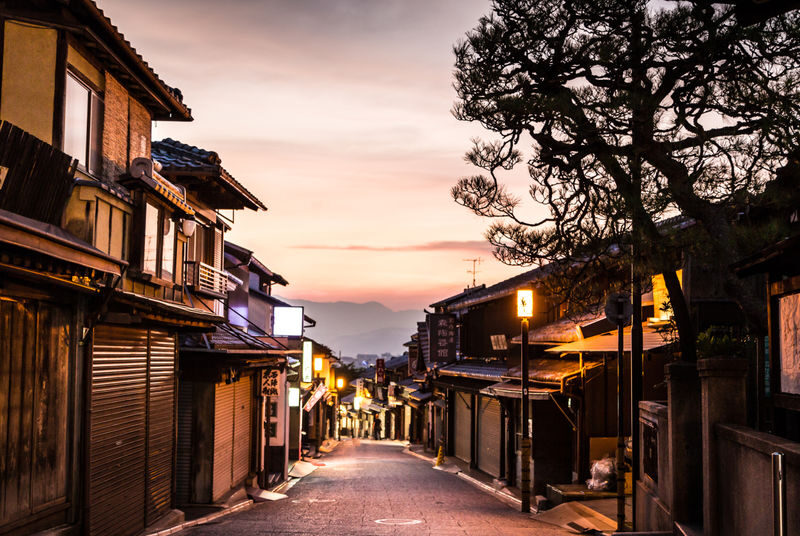
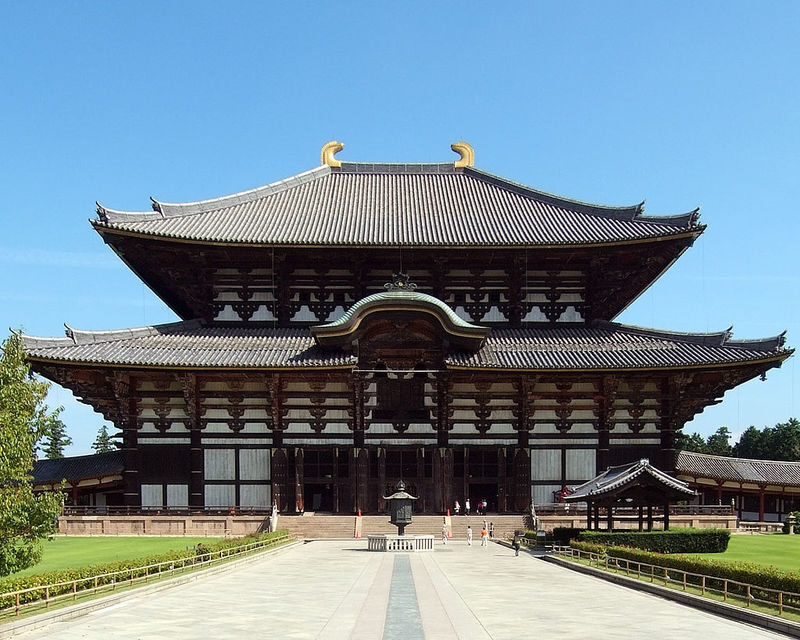
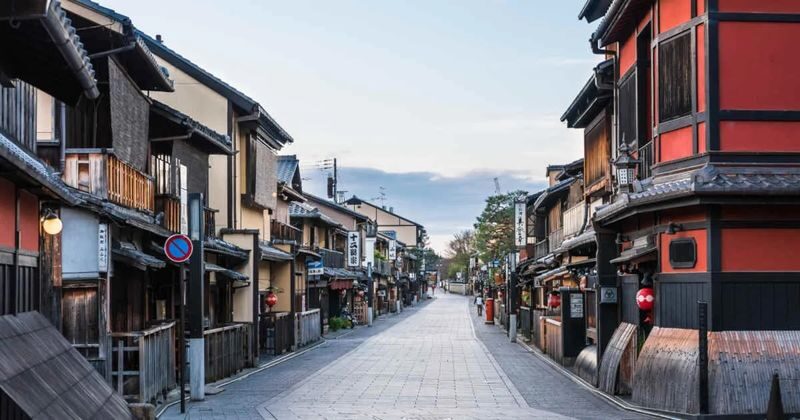
The classic cultural route is the familiar first-visit combination: Fushimi Inari Taisha, the Kiyomizu-dera area, the old lanes of Ninenzaka and Sannenzaka, Gion, Yasaka Shrine, and Nara Park with Todaiji Temple. It packs two well-known historic centers into one outing. If your time in Japan is short, that breadth is the main appeal.
The mountain route goes north of central Kyoto to Sanzenin Temple and Kifune Shrine, then includes Arashiyama’s natural scenery. It is the better fit if you have already seen the major Kyoto sights, or if you want a day with temples and wooded surroundings rather than a checklist of famous city landmarks.
Both plans are sold with a meeting-point departure or hotel pickup. The meeting-point versions start at US$75.69, while hotel pickup starts at US$85.15. A private charter is also listed from US$459.70, with a customizable itinerary. Prices can change, so check the cost for your date and chosen package before booking.
👉 See our pick of the 24 Best Workshops And Classes In Osaka
The Classic Route: Shrine Gates, Old Lanes, and Nara Deer
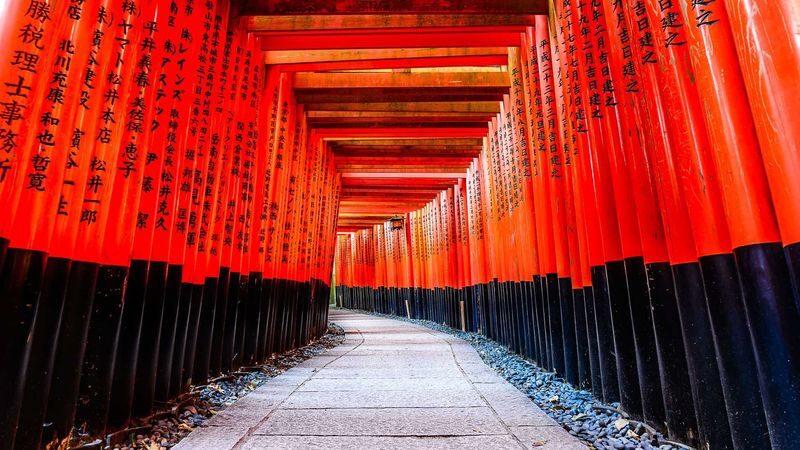
Fushimi Inari Taisha is known for its closely spaced red torii gates, which form long corridors up the wooded slope of Mount Inari. Even a short visit gives you the sense of why the shrine is such a popular stop. The trade-off is popularity: expect other people in the gate passages, especially during busy travel periods.
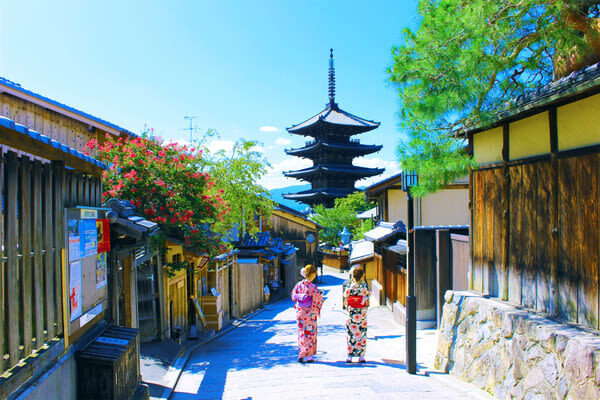
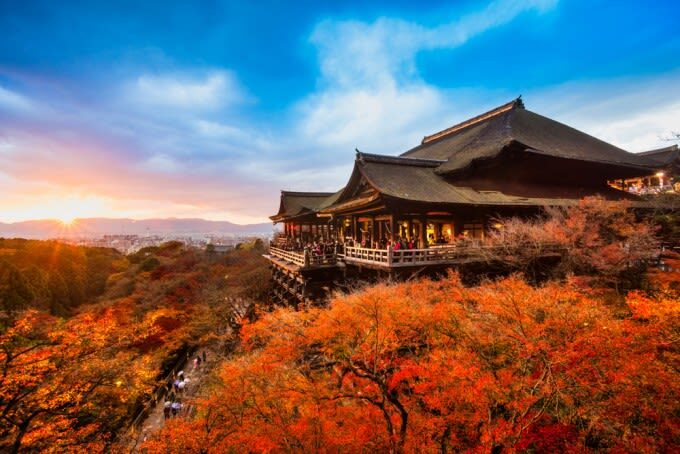
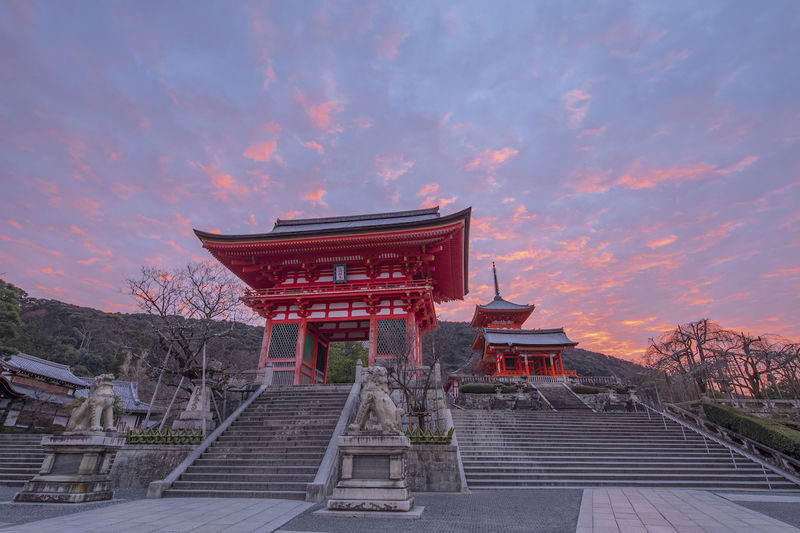
The Kiyomizu-dera area offers a different kind of walk. Ninenzaka and Sannenzaka are historic lanes leading through the Higashiyama district, while Ishibe-koji and the Gion streets offer more old Kyoto atmosphere. Yasaka Shrine is another named stop in the area. These places are close enough to form a useful walking zone, but they are not all single, quick photo stops. You will need to choose where to linger.
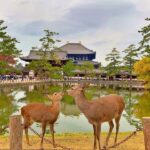
Nara Park and Todaiji bring a change of pace. The park is known for its free-roaming deer, and Todaiji is the major temple stop on this side of the route. The combination makes Nara more than a quick transfer between cities: you get time outdoors as well as a major cultural site. Keep a close eye on your belongings around the deer, and follow posted instructions when interacting with them.
There is a scheduling wrinkle worth sorting out before you pay. The detailed timing gives an initial block around 10:00, then a one-hour Fushimi Inari stop at 12:45, followed by three hours in the Kiyomizu area from 14:15. Elsewhere, Nara and Todaiji are described alongside the classic route, but the exact order and time allotted to Nara are not clear. Ask the operator to confirm the planned sequence and how long you will have at each stop. That matters when the day includes both Kyoto and Nara.
The general principle is simple: several major places in one day means you will see highlights, not every lane, temple building, or trail. If you prefer slow visits, choose one city for a full day. If you want a broad introduction and do not mind keeping an eye on the clock, this route gives you a practical overview.
You can also read our reviews of more tours and experiences in Osaka.



The Mountain Route: Sanzenin, Kifune, and Arashiyama
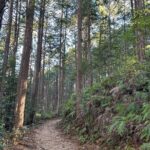
Sanzenin Temple and Kifune Shrine take you away from Kyoto’s best-known central sights. Their appeal is the quieter northern setting and a more nature-focused day. The route is framed around temple grounds, shrine scenery, and Arashiyama, rather than Nara’s deer park and the crowded lanes near Kiyomizu-dera.
This plan may suit a repeat visitor who has already walked through Gion or seen Fushimi Inari. It can also appeal to anyone who would rather trade a few famous landmarks for a calmer-feeling itinerary. Still, quieter does not mean empty: seasonal visits and weather can affect both crowd levels and access.
The information provided does not specify exact dwell times for the mountain stops. Before booking, check how long the vehicle will stop at Sanzenin, Kifune, and Arashiyama, and confirm whether all three are included on your selected date. With several destinations spread across northern Kyoto, the time in the car is part of the day.
What Small-Group Transport Means in Practice
The tour uses a 10-seat or 14-seat vehicle, selected according to the number of bookings. You cannot choose the vehicle type, and the minimum group size is five. If that minimum is not reached, the outing may be cancelled the day before, with an alternative date or a full refund offered.
Small group is a useful description, but it does not promise a particular number of passengers or a private ride. If you want the vehicle to yourself and a route you can shape, the private charter option is the better match, though its starting price is considerably higher.
Transport includes the round trip from the departure point, tolls, parking, fuel, and operator insurance. The driver speaks Chinese or Japanese. The tour details say there is no tour guide included; operational notes say the driver may give a simple explanation in the vehicle but does not provide a guided visit after you get out. Plan to explore independently, and bring a translation app or guidebook if you want more context at each stop.
The strongest practical praise associated with this outing concerns on-time arrival, safe driving, comfortable transport, and an organized pace. Those details are important on a day that covers several sites, but they do not remove the need to be ready at the meeting point: the vehicle leaves on time and does not wait for late arrivals.
Timing, Costs, and the Fine Print That Matters
The meeting point is Osaka Nippombashi Subway Exit 6, near 7-Eleven Osaka Nippombashi Station East. Departure is listed for 8:00 am, and return to the Nippombashi area is listed for about 6:30 pm. Arrive at least 10 minutes early. The exact pickup details are sent the evening before, so check your messages and spam folder.
The listed schedule runs from 8:00 am to 6:30 pm, or about ten and a half hours. At the same time, the operating notes say tours should not exceed ten hours and mention an extra charge of ¥5,000 to ¥10,000 per additional hour. Since those details may be counted differently in practice, ask how the time limit applies to your selected option before booking.
The starting price covers transportation, not the whole day’s expenses. Admission to attractions, food, drinks, and personal purchases are extra. Lunch is not provided, and you will need to use the time and places available on the day to arrange your own meal. The driver may suggest dining options, but this is not a food tour.
The meeting-point package costs less than the hotel-pickup version, so it is the value choice if you can reach Nippombashi easily. The additional charge for hotel pickup may be worthwhile if reaching the meeting point is inconvenient, but confirm exactly where pickup is available. For a group wanting a custom route, compare the private charter price with the cost of separate transport and the value of setting your own pace.
Seasons, Bags, and Other Day-Of Details
Cherry blossoms, autumn leaves, illuminations, and other seasonal sights depend on weather and timing. The operator cannot guarantee peak bloom or foliage, and traffic can be heavy during popular seasons. The schedule may change, attractions may adjust their hours, and a stop can be shortened or removed because of traffic or bad weather.
Bring only what you can manage in a compact vehicle. Each person is limited to one piece of luggage, and large bags are discouraged. Tell the operator in advance if you need to bring luggage; excess baggage or a group size beyond the vehicle’s capacity may result in refusal without a refund.
Children and infants count toward the passenger total, but child seats are not available. If you are traveling with a young child, consider that the day is long, the stops are self-guided, and there is no child seat provision. Participants who appear intoxicated may also be refused service.
The tour cannot be split partway through. If you leave the group early, the remaining service is treated as voluntarily abandoned, with no refund, and you are responsible for what happens after leaving. This is a poor fit if you need the freedom to change plans mid-day.

Who Should Book This Osaka Day Trip?
I would consider this tour if you have limited time, want transport between several sights, and are comfortable exploring without a guide. The classic route suits a first visit when Fushimi Inari, old Kyoto streets, and Nara are all high on your list. The mountain route suits a return visit or a traveler drawn more to northern Kyoto and outdoor scenery.
It is less suitable if you want long, unhurried temple visits, a fully guided walking experience, guaranteed stop times, or flexibility to leave the group early. The route is ambitious, the vehicle is shared, and the schedule can change. The low starting price is attractive, but only if you are comfortable paying separately for admissions and lunch and keeping to the group’s timetable.
Before booking, confirm the route you want, the stop order, approximate time at each place, pickup details, and how overtime is handled. If those answers suit your plans, this is a practical way to cover a lot of ground from Osaka. If you prefer depth over range, spend the day in one city instead.
Departing from Osaka | Kyoto Nara Classic & Mountain Secrets Small Group Tour: Fushimi Inari-Nara Park or Arashiyama-Sanzenin-Kifune Shrine Dual Plans Available
“Our driver arrived on time and drove us safely to each location.”
FAQ
Where does the meeting-point tour depart?
The stated meeting point is Osaka Nippombashi Subway Exit 6, near 7-Eleven Osaka Nippombashi Station East. The listed departure is 8:00 am. Confirmed pickup details are sent the evening before.
What are the two route options?
The classic route includes Fushimi Inari, the Kiyomizu-dera area and nearby historic streets, plus Nara Park and Todaiji Temple. The mountain route includes Sanzenin Temple, Kifune Shrine, and the Arashiyama area.
Is a tour guide included?
No guided walking tour is included. A Chinese- or Japanese-speaking driver handles the vehicle, and the driver may give a simple explanation in the car. You explore the stops independently.
Are admission fees and lunch included?
No. Attraction tickets, meals, drinks, and personal expenses are not included. The driver may offer dining suggestions, but you arrange and pay for your own meal.
What happens if the minimum group size is not reached?
The tour requires at least five participants. If the minimum is not met, the tour may be cancelled one day before departure, and you can book another date or request a full refund.
Can I bring a child seat or large luggage?
Child seats are not available. Vehicle space is limited, and each person may bring no more than one piece of luggage. Contact the operator in advance if you need to bring a bag, and do not assume large luggage can be accommodated.