
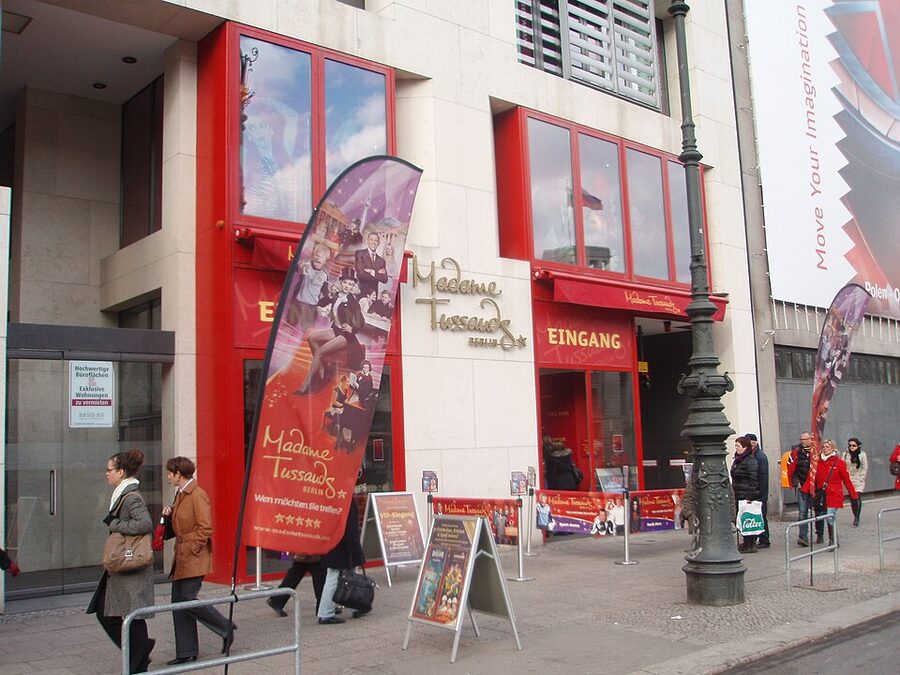
Wax museums sound like a tourist trap until you realise the Berlin one sits ten metres from the Brandenburg Gate, costs less than a pizza in Mitte, and lets you sit on Sigmund Freud’s couch. That is the payoff most people miss. Book it as a one-hour breather between heavier Berlin sights and it pays off in selfies, history detail, and a working 1920s bar.
- In a Hurry?
- How Tickets Actually Work
- Which Ticket to Pick
- 1. Madame Tussauds Berlin Standard Admission Ticket: from
- 2. Madame Tussauds + Berlin Dungeon Combo Ticket: from
- 3. Madame Tussauds Berlin Skip-the-Line Admission (Viator): from
- What Sets the Berlin Location Apart
- The Berlin 100 Wall: The Museum’s Best Idea
- Sciences, Music, and the Big German Names
- The Football Stadium Pocket
- The Star Wars Set and the Celebrity Block
- How to Get There
- When to Visit and How Long to Stay
- Practical Tips That Actually Help
- Berlin Cluster: What to Pair With This Visit
- Other Tussauds Around the World
In a Hurry?
Best overall: Standard Madame Tussauds Berlin admission from $25. Skip-the-line entry, valid all day, 4.6 average across 3,900+ reviews.
Best value combo: Madame Tussauds + Berlin Dungeon combo from $43. Two attractions, both indoors, two minutes’ walk apart. Smart for rainy afternoons.
Cheapest entry: Happy Hour ticket from $24. Same museum, same wax figures. The trick is you have to go in after 5pm.
How Tickets Actually Work
Madame Tussauds Berlin sells four ticket types, and the differences are smaller than the marketing pages suggest. The standard admission is the one most people want. It includes skip-the-line entry, all the themed zones, and lets you stay as long as you like. Most visitors I know spend 60 to 90 minutes inside.
The Happy Hour ticket is the same museum at a small discount, but only for entry after 5pm (sometimes 6pm in summer). If your day is already booked solid, this is a good evening filler before dinner. The wax figures are the same. The crowds are usually thinner.
The combo with the Berlin Dungeon is the smart-money pick if you want a second indoor attraction. The Dungeon is a separate venue at Spandauer Straße but is owned by the same operator (Merlin Entertainments). The combo saves you about $15 compared to buying both separately. The LEGOLAND combo exists too, but I would only recommend it if you have kids in the seven-to-twelve range.
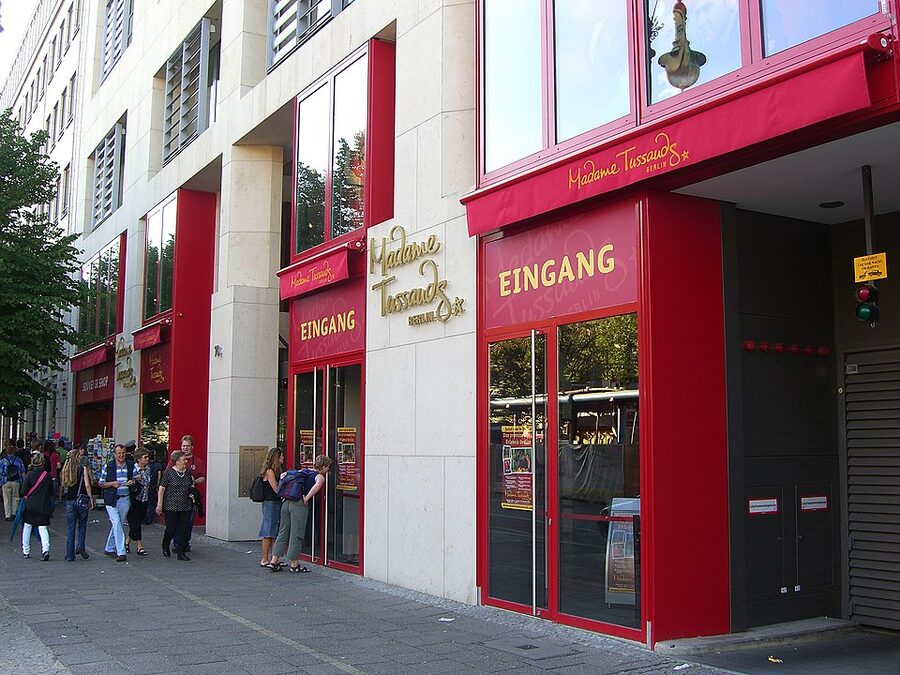
One more thing on tickets. Buy ahead online. The walk-up price at the door is usually a few euros higher, and on rainy summer afternoons the queue physically blocks the entrance. Skip-the-line is built into every online ticket I have ever bought, so you save both money and standing time.
Which Ticket to Pick
Three tickets cover almost everyone’s needs. I have ranked them by which one I would actually buy first, not by price. The Berlin location’s biggest draw is its German-history zones, so the standard admission is the one that gives you the full experience.
1. Madame Tussauds Berlin Standard Admission Ticket: from $25

This is the most-booked ticket on the market for the Berlin location, with thousands of reviews and a 4.6 average. My full review covers entry timing, what is and is not included, and which zones are worth slowing down for. Buy this if you want one ticket and zero decisions.
2. Madame Tussauds + Berlin Dungeon Combo Ticket: from $43
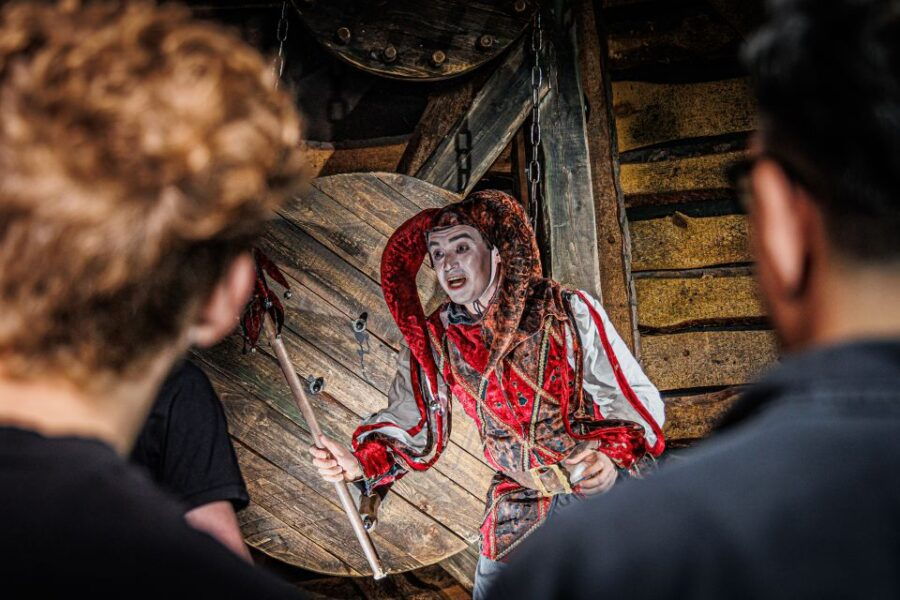
The Dungeon ramps up the campiness with actors, drops, and dark rides through Berlin’s grimmer history. Our combo review walks through the timing logic and which attraction to do first. Pair this with a U-Bahn day pass and you have a full afternoon plan.
3. Madame Tussauds Berlin Skip-the-Line Admission (Viator): from $26
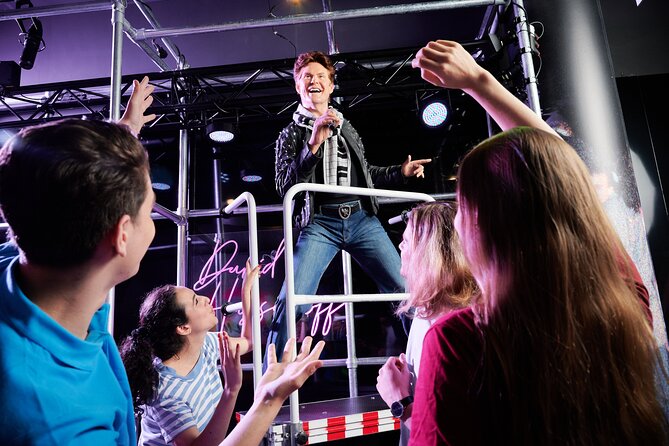
This is functionally identical to pick number one, but distributed via Viator. The breakdown is in our Viator-side review. I list it because some travellers prefer keeping all bookings on one platform, especially if they earn points there.
What Sets the Berlin Location Apart
Madame Tussauds operates dozens of locations worldwide, but the Berlin one builds its identity around German history. That is where it shines. The wax-figure global celebrity wing exists, but the real reason to walk through the door is the German-themed rooms.
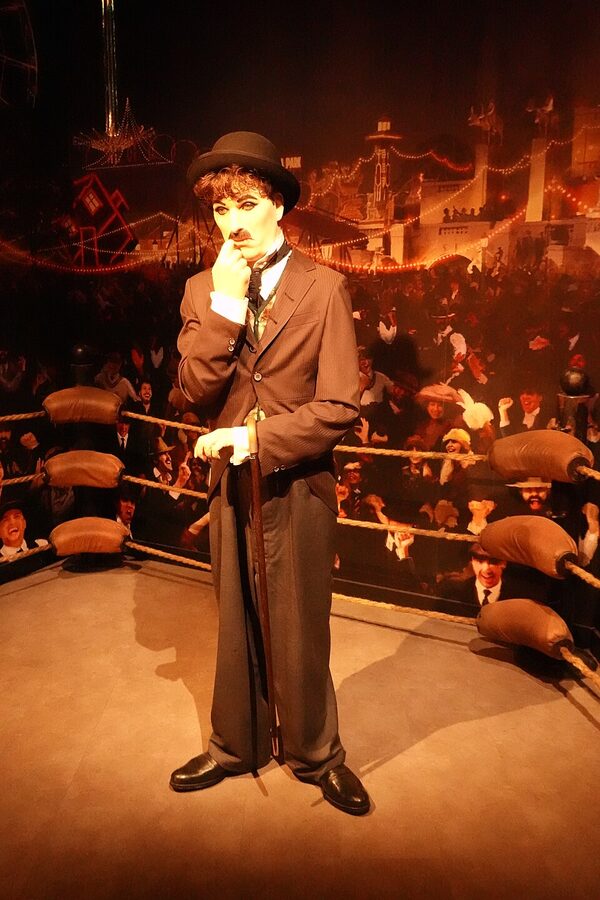
The newest zone is built around Babylon Berlin, the German crime drama set in the late 1920s. The cast members are recreated alongside a fully working bar where you can buy a Babylon-themed cocktail. It is the only Madame Tussauds I have been to with an actual functioning bar inside the exhibits. The bar accepts card.
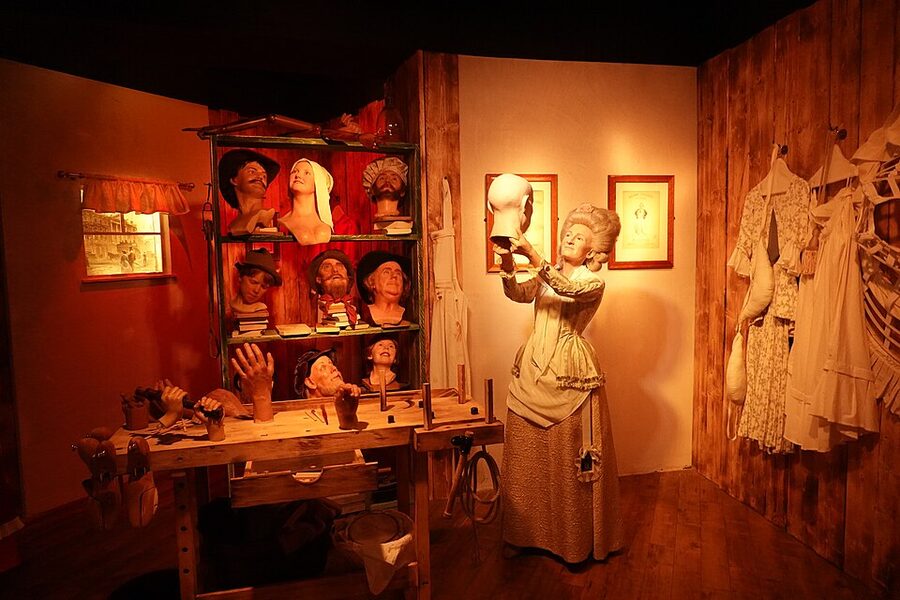
Right after that comes the Roaring 20s section, which leans into Berlin’s pre-war boom years. Marlene Dietrich is here. Liza Minnelli is here in her Cabaret costume. Josephine Baker is here, in the famous banana skirt. American athlete Jesse Owens shows up too, a nod to the 1936 Berlin Olympics.
The Berlin 100 Wall: The Museum’s Best Idea
Berlin 100 is a 200-square-metre interactive room that maps the last century of the city through wax figures, set pieces, and political moments. This is the part of the museum I always linger in. It is one of the most thoughtful executions in any Tussauds I have visited.
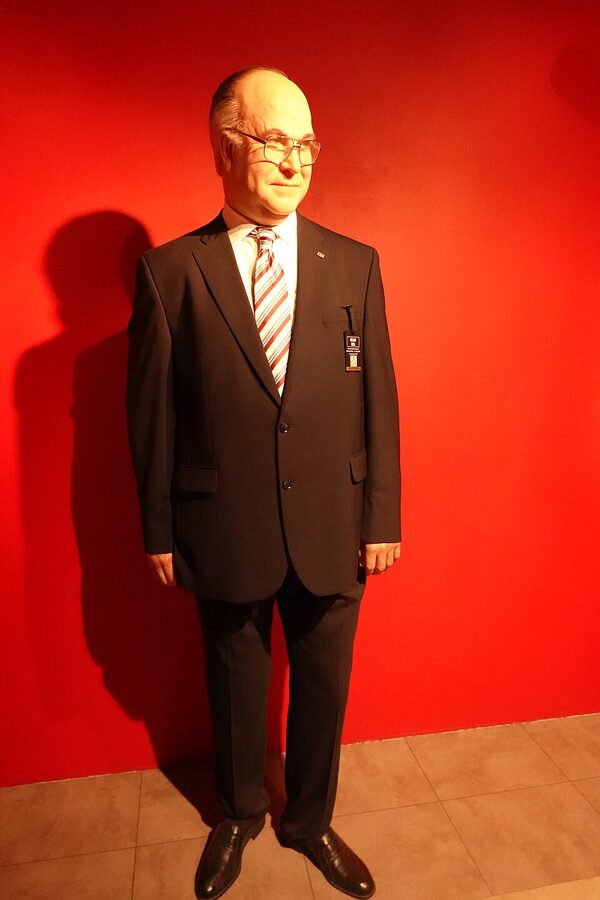
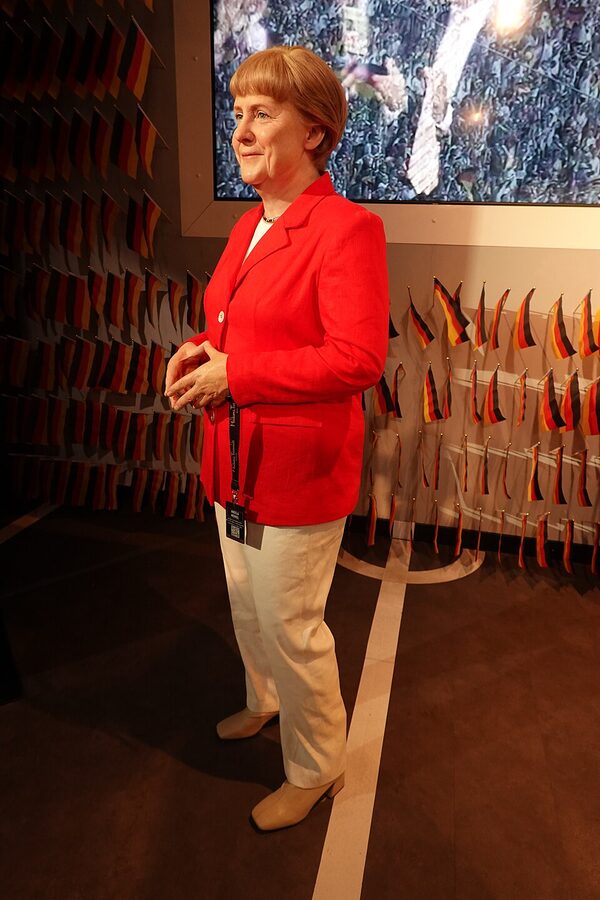
Look for David Bowie, who lived in the Schöneberg district during his Berlin trilogy years. Look for Willy Brandt, the Nobel Peace Prize winner. The room ends in a Berlin Pride area with rainbow flags, which threads the city’s queer history into the broader timeline. It is a small touch, but it is the kind of small touch that competitors usually skip.
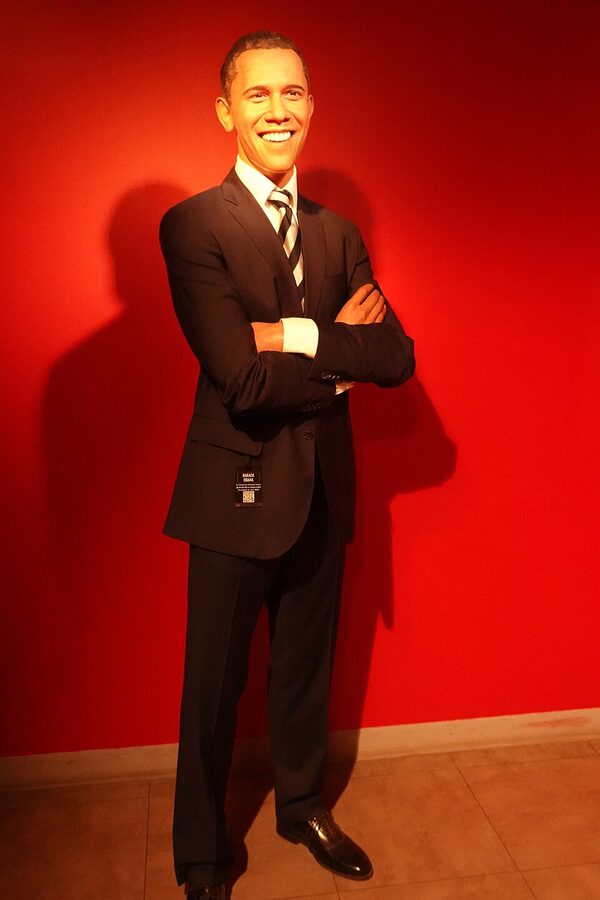
Sciences, Music, and the Big German Names
The biographical wing is what makes the German edition feel distinctive. Bach is here because he is the oldest figure in the entire museum. Beethoven is here. Albert Einstein is here, and the room around him includes an interactive quiz that genuinely teaches you something about relativity in plain language.
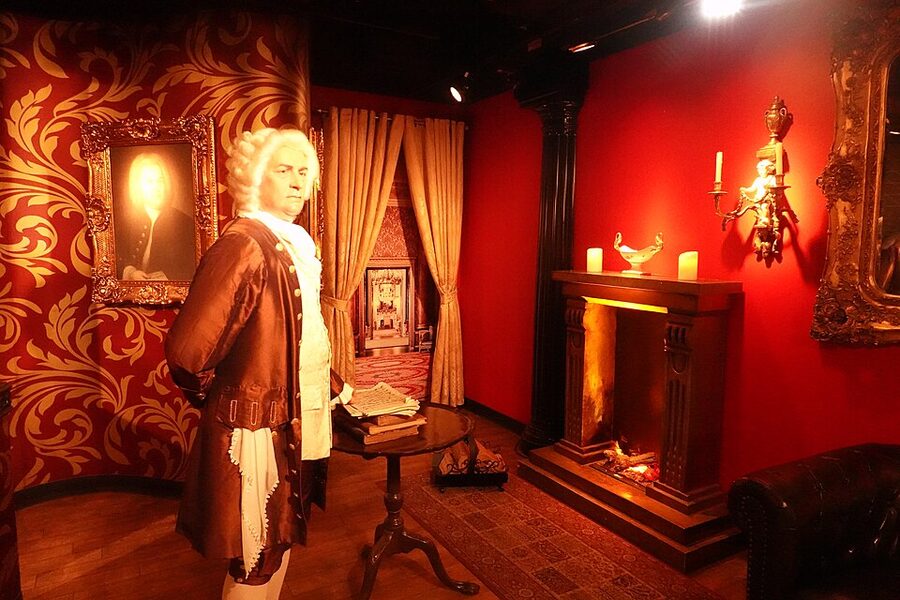
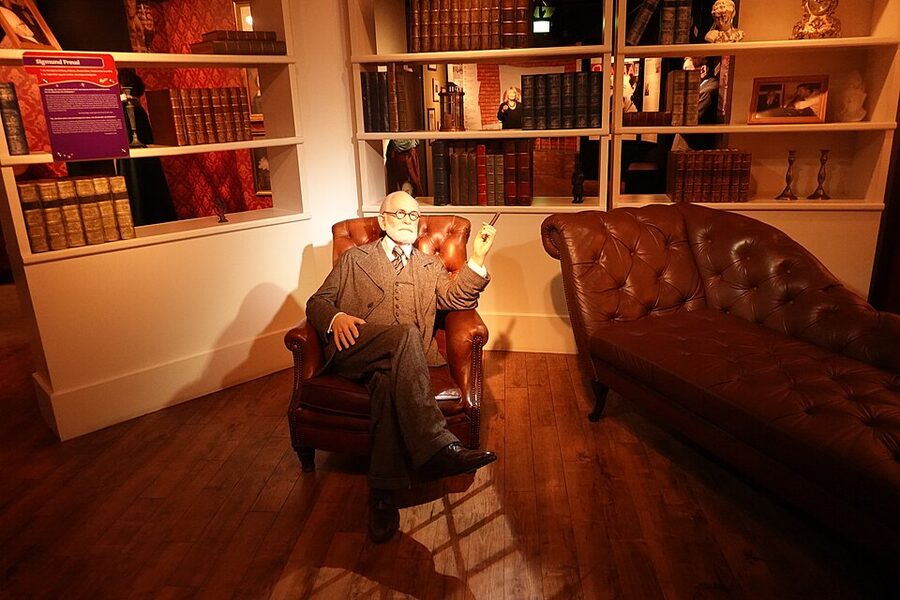
For German rock and TV personalities, look for Herbert Grönemeyer, Peter Maffay, and Hape Kerkeling. If you don’t recognise these names, that’s normal as a non-German, but standing among them gives you a quiet sense of what mass culture looks like in this country versus your own.
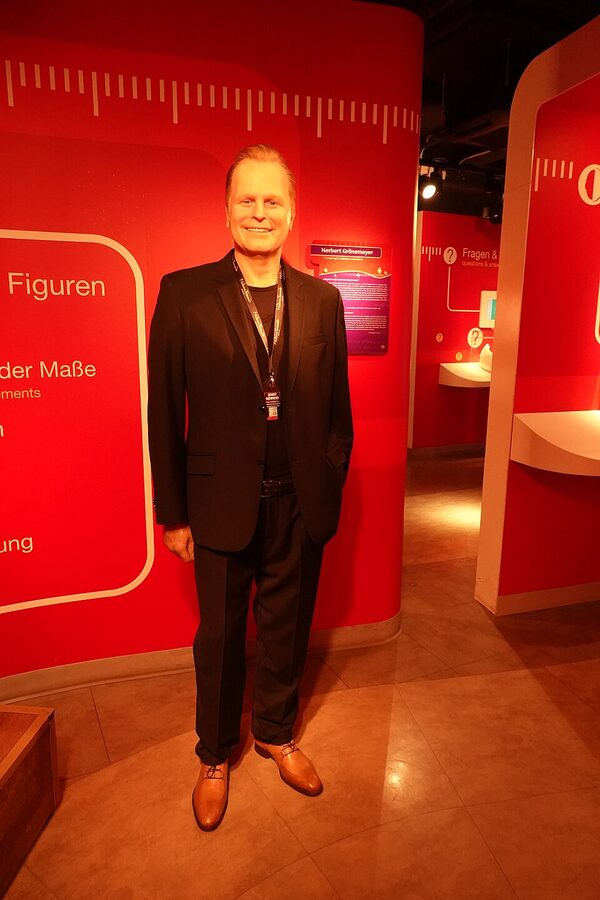
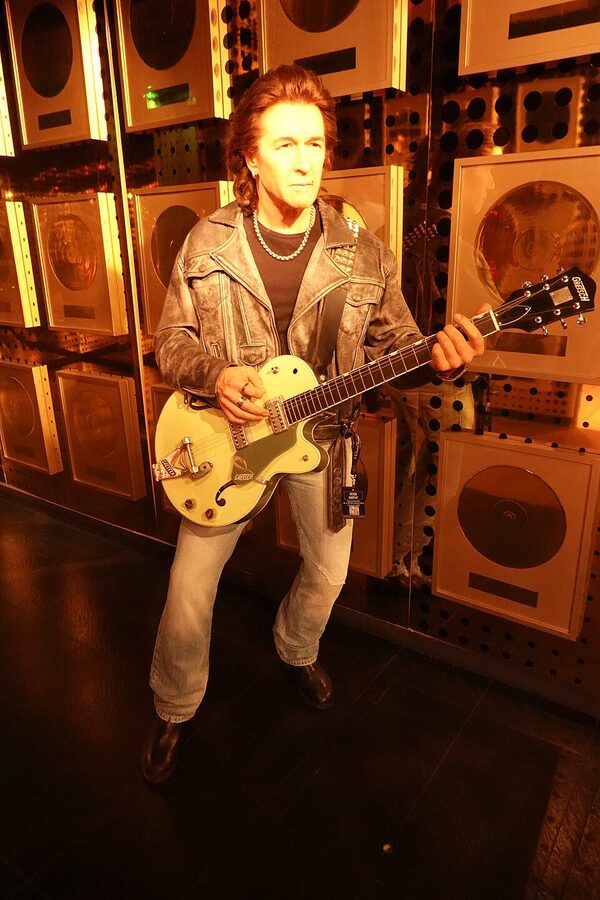
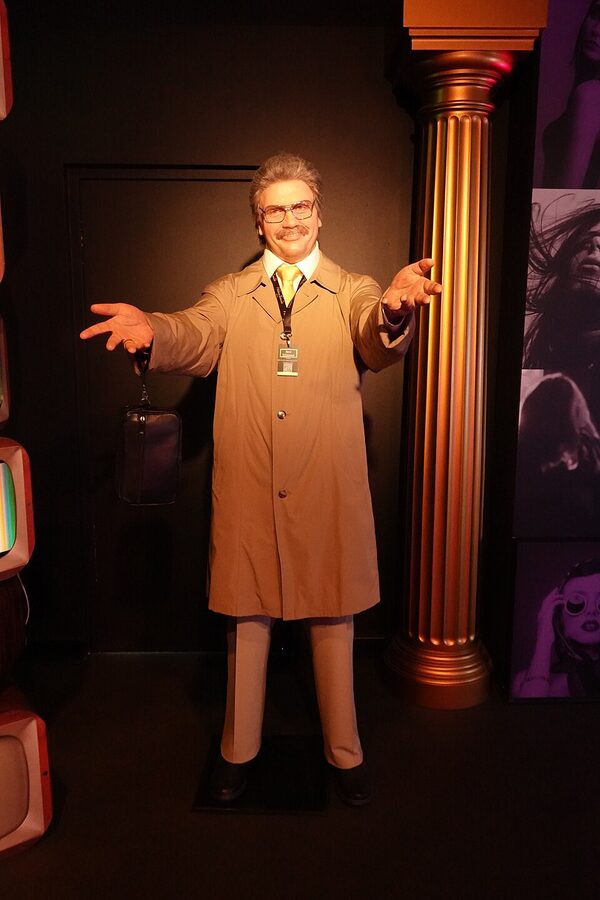
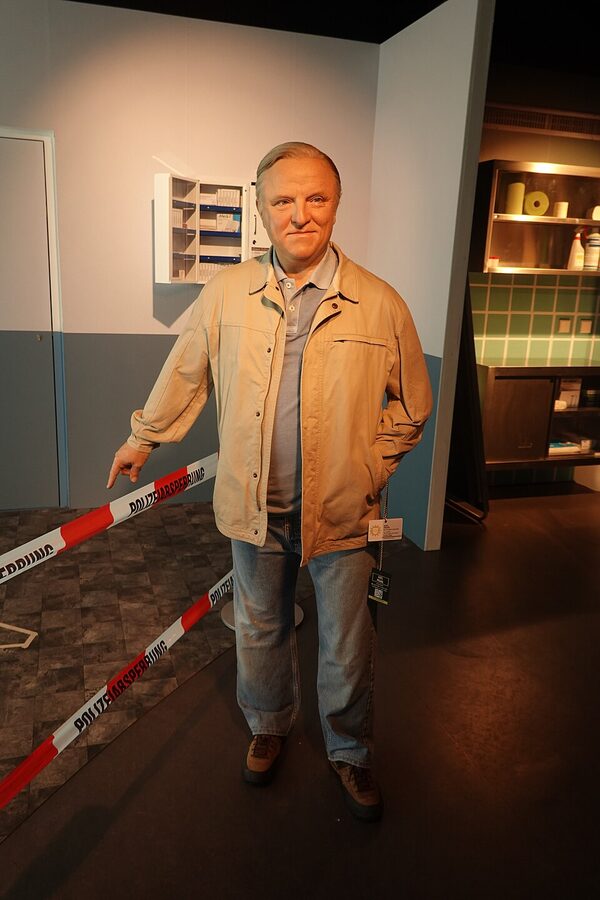
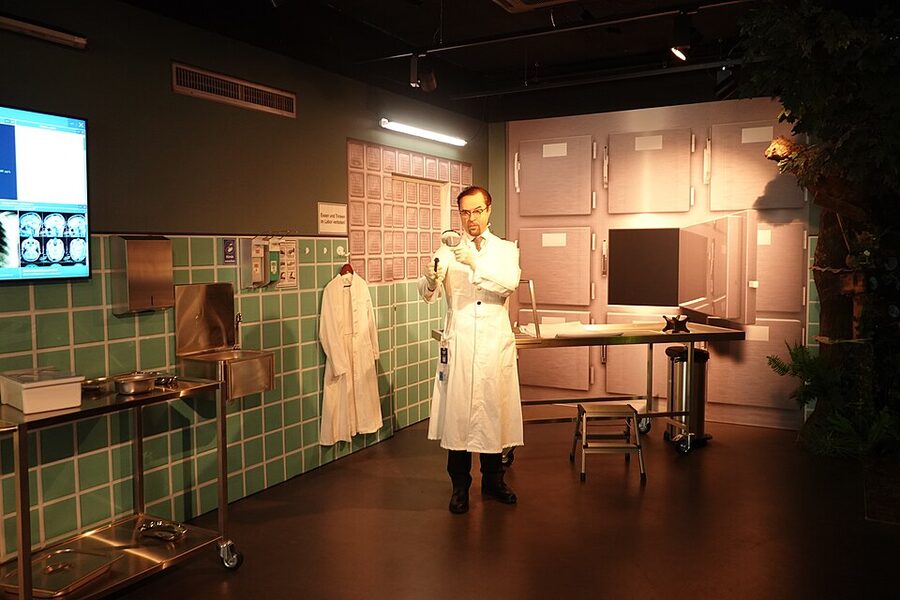
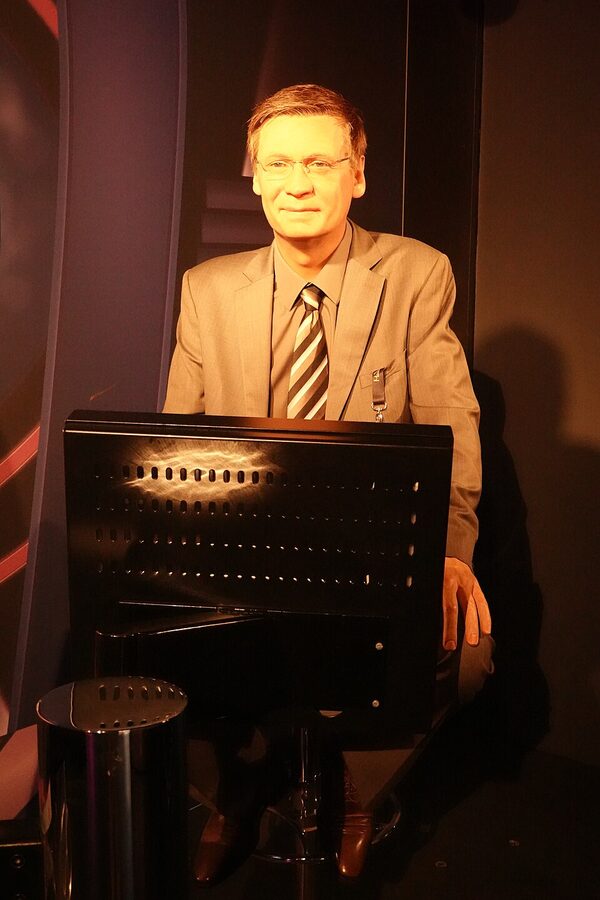
If you watch German crime drama, the two figures from Tatort are the ones to find. Axel Prahl and Jan Josef Liefers play the long-running Münster duo. The show has been on the air since 1970 and still pulls eight million weekly viewers, which is hard to overstate.
The Football Stadium Pocket
Berlin builds out a small football stadium inside the museum, which sounds gimmicky and is, but it works for two reasons. First, the German national team’s success means you can get a photo with players whose names you will actually recognise. Second, the goalposts and ball props are interactive, so kids burn through actual energy here.
The figures in this section include Joshua Kimmich, Manuel Neuer, and goalkeeping legend Oliver Kahn. Lionel Messi is also in this room, which is a nice nod to the 2022 World Cup. The setup invites you to take a shot at goal, and there is enough room to wind up properly. Bring sneakers if you want to do it justice.
The Star Wars Set and the Celebrity Block
The Star Wars zone was built in collaboration with Disney and Lucasfilm. You can stand on a recreation of the Jedi Council, posed next to Yoda. There is a Death Star backdrop with Darth Vader and a duel-of-fates setup where you can pick a side. It is a small zone but it photographs well.
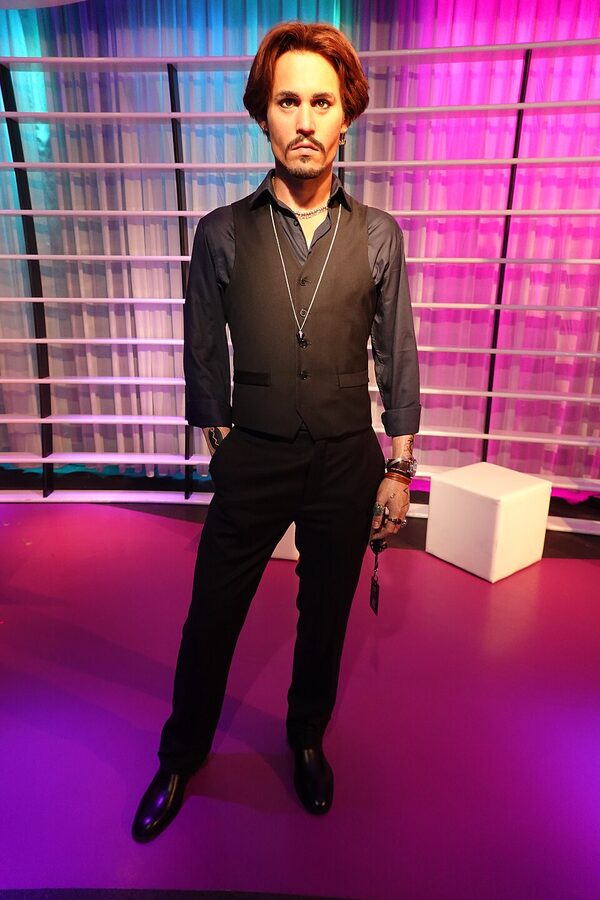
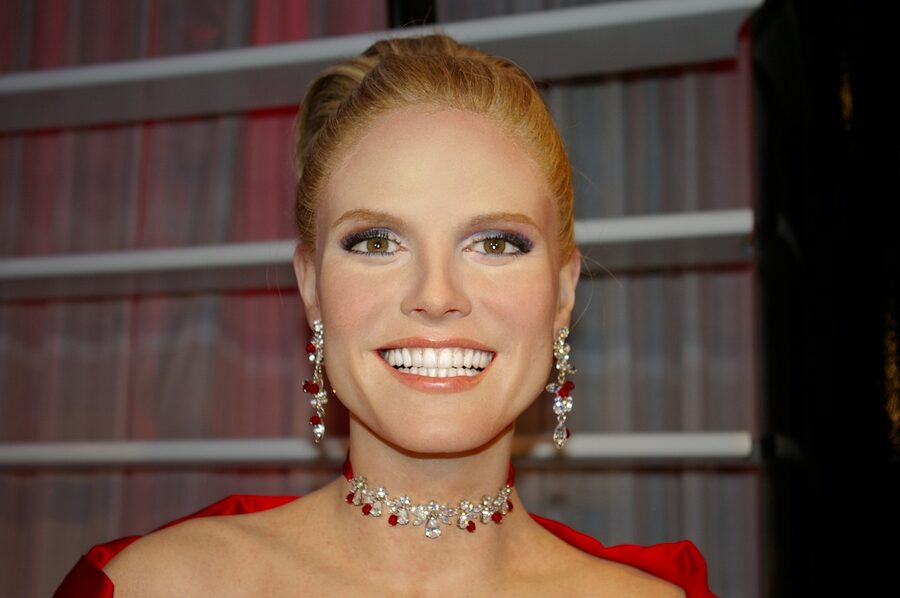
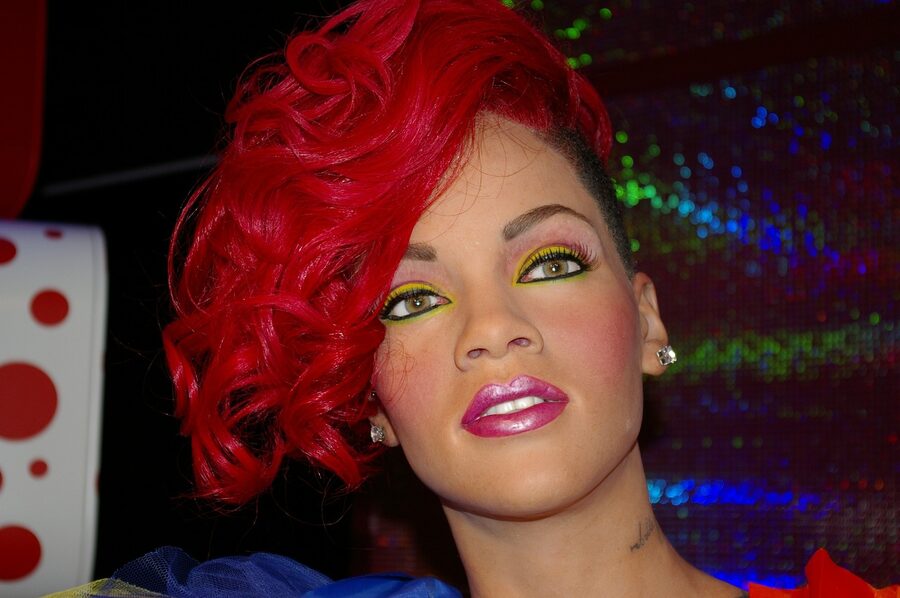
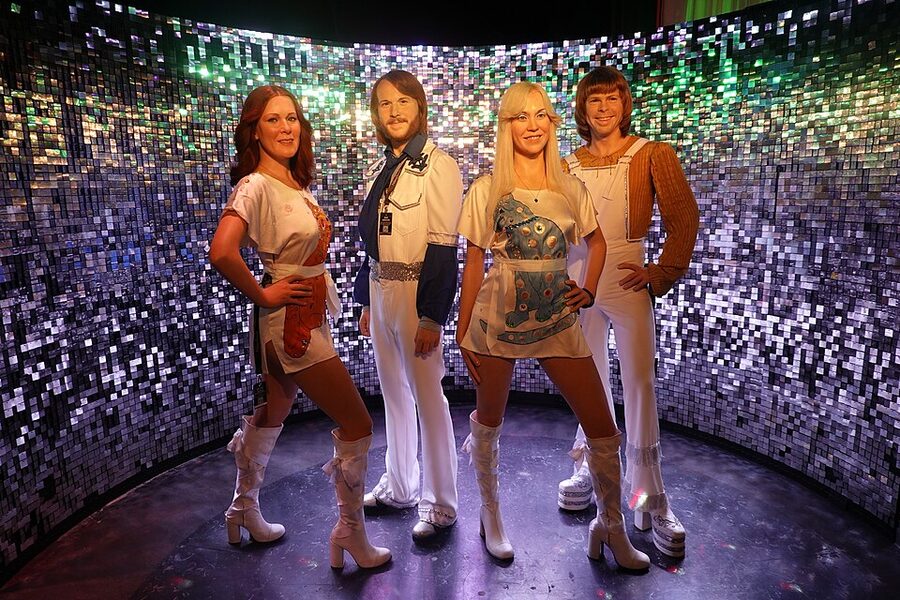
The celebrity wing is the part most international visitors come for. Expect to spend ten or fifteen minutes here. The figures rotate slightly each year, so the lineup you see may not match older review photos online.

How to Get There
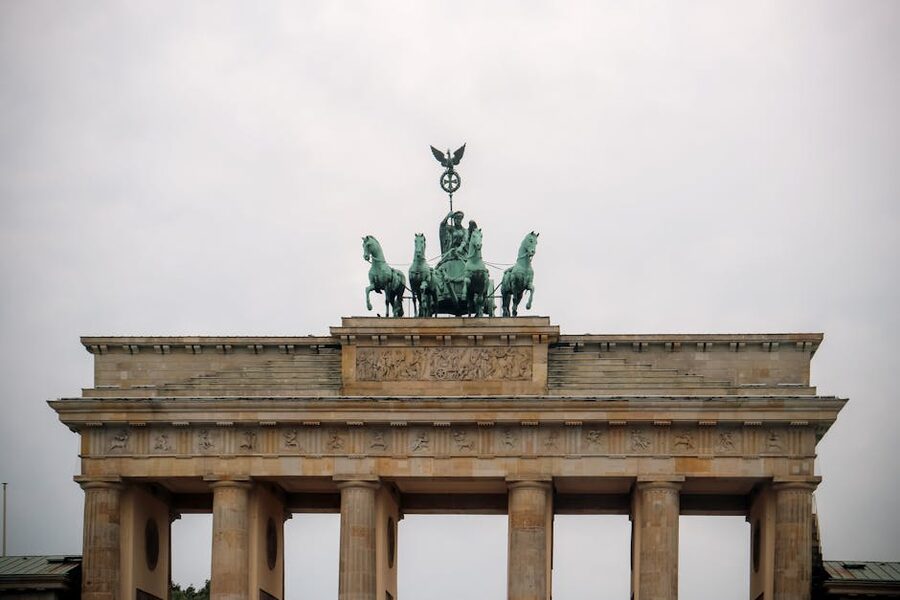
The museum is at Unter den Linden 74, two minutes’ walk east of the Brandenburg Gate. The closest U-Bahn and S-Bahn station is Brandenburger Tor, served by U5, S1, S2, and S25. From the station exit, walk towards the gate, pass under it, and the museum will be on your right within ninety seconds.
Buses 100 and 300 (the rebranded 200) also stop here. Bus 100 is the famous tourist line that connects Zoo, Tiergarten, the Reichstag, Brandenburg Gate, and Alexanderplatz. If you are doing a single sightseeing day, bus 100 is your spine, and Madame Tussauds is one of the easiest stops to slot in.
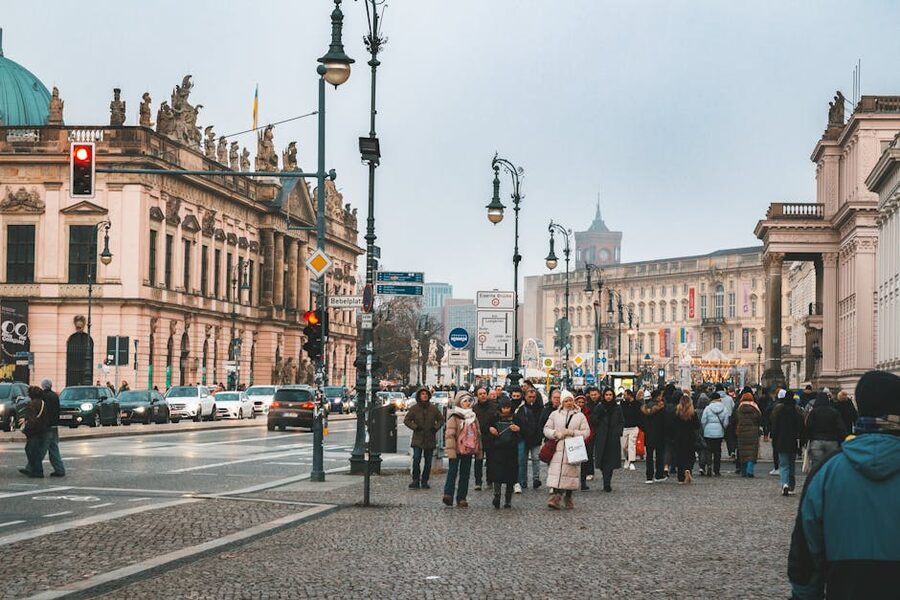
Driving is possible but not recommended. The closest paid car park is Parkhaus Mitte on Mohrenstraße, which charges around three euros an hour. Public transport will save you both money and the hassle of Berlin’s permit-only residential streets.
When to Visit and How Long to Stay
Opening hours are usually 10am to 6pm, with last entry around 5pm. On school holidays and during the Christmas markets the hours sometimes extend later. Always check the date on the GetYourGuide listing before you commit, because the operator updates schedules quietly.
The museum takes most people 60 to 90 minutes at a relaxed pace. If you are travelling with kids or stopping for the bar in the Babylon Berlin zone, budget two hours. If you are a quick walker, an hour does it.
The slowest periods are weekday mornings before 11am, especially Tuesdays and Wednesdays. The peak crowds arrive between 1pm and 3pm on weekends and during half-term breaks. If you can swing it, go right after opening. The photo angles are cleaner without other visitors in the frame.
Practical Tips That Actually Help
A few things I have picked up across multiple visits:
Phone settings. The lighting inside is dim and theatrical. Switch your camera to night mode before you walk in. The figures are detailed enough that the difference between an iPhone night-mode shot and a default-settings shot is significant.
Cloakroom. There is a free cloakroom near the entrance for coats and small bags. Use it. The museum gets warm, and you do not want to carry a winter coat through 200 square metres of Berlin 100.
Photography. Tripods are not allowed but selfie sticks are. There are no flash restrictions, but flash actually flattens the figures. Steady hands and night mode beat any flash setup.
Babylon bar. The signature cocktails cost around eight euros and are surprisingly drinkable. Cash and card both work. The bartenders rotate, so service quality varies, but the room itself is photogenic enough to justify a slow drink.
Accessibility. The full museum is wheelchair and stroller accessible. Service animals are welcome. The lifts can take a few minutes during peak hours, so factor that in if you are working to a tight schedule.
Berlin Cluster: What to Pair With This Visit
Madame Tussauds is a one-hour stop, which means you almost always combine it with something else. The combinations I keep recommending fall into a few patterns. For more wartime and Cold War history, the Berlin Story Bunker is a fifteen-minute walk away and goes deep on the actual physical infrastructure of WWII Berlin. Pair the two and you get a complete arc: pop history at Tussauds, hard history at the bunker.
If you want a half-day add-on, Sachsenhausen Concentration Camp Memorial is the most important one near Berlin. It is a serious, sobering visit and best done first thing in the morning before any lighter sights.
For panoramic context before or after, the Berlin TV Tower sits at Alexanderplatz, fifteen minutes east on the U-Bahn, and gives you the city from above. The Reichstag dome visit is free if you book ahead and offers a different aerial angle. For a more thorough walk through Mitte’s history, our Berlin walking tour guide covers the standard introductory routes.
If you are doing a Berlin trip on a budget, the Berlin WelcomeCard includes Tussauds discounts plus public transport, and is usually cheaper than buying things piecemeal. The Berlin hop-on hop-off bus stops near Madame Tussauds too, which is useful if you want to chain three or four sights into one ticket. For broader Third Reich context, our Third Reich tour guide and the Jewish Museum guide sit alongside Tussauds on most history-leaning Berlin itineraries. For lighter sightseeing, the Spree River boat tour is the perfect afternoon counterweight.
Other Tussauds Around the World
If the Berlin location was a hit, the other European Madame Tussauds branches each lean into their own city’s culture. Our London Madame Tussauds guide covers the original. It is bigger, busier, and skews more toward Hollywood A-listers. The Amsterdam Tussauds guide is the smaller sister with stronger Dutch and royal history detail. Berlin sits between the two in size and ambition, and is the best of the three for German cultural depth.