
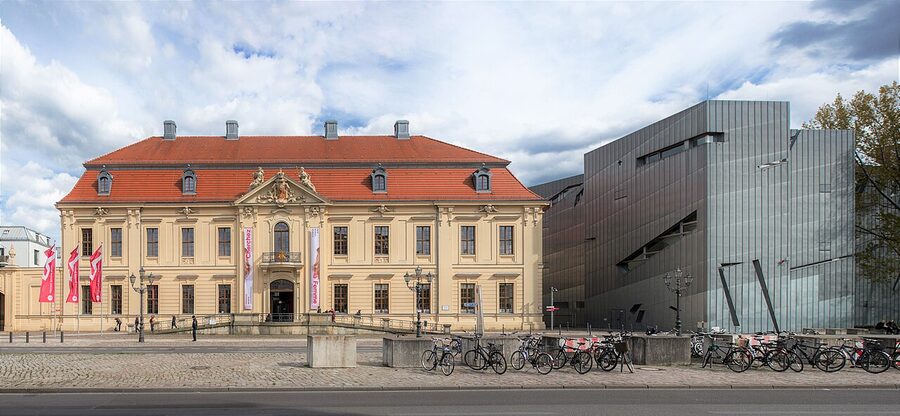
Most museums show you the history. The Jewish Museum Berlin makes you walk through it, off-balance, on a floor that tilts, with the ceiling coming down at angles that won’t let you stand straight. The architecture itself is the curatorial statement. Daniel Libeskind drew the plan and called it Between the Lines, and you understand why about three minutes after you step into the Libeskind Building.
This guide covers what to book, when to go, what the building actually does to you, and how to fit it into a Berlin trip without burning out. The core exhibition is free. The temporary exhibitions in the Old Building cost ten euros. Everything below assumes you want to do this properly, not in twenty minutes.
Best ticket overall: Jewish Museum Berlin entrance ticket
The straightforward time-slot ticket. Books you a window into the Libeskind Building, skips the front-desk queue, and covers everything in the core exhibition. Free admission, but the slot reservation is what saves you the wait.
Pair it with a Third Reich walking tour from $23
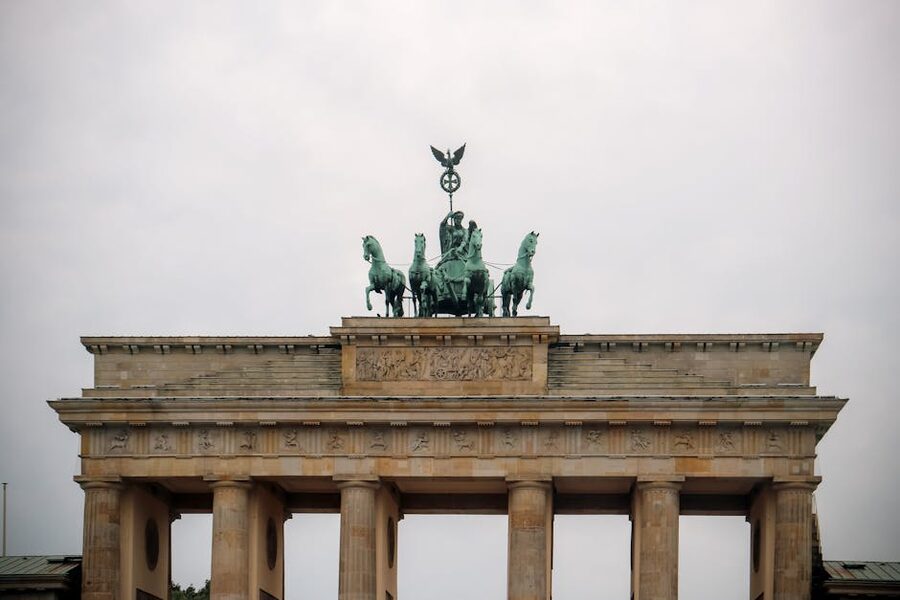
Two hours, ground-level, central Mitte. Brandenburg Gate to Holocaust Memorial to Topography of Terror. The Jewish Museum sits well after this walk, not before. Outside in the morning, inside in the afternoon.
For the city overview: TV Tower fast-track from $33
End-of-day option once your head needs something easier. The 200m sphere at Alexanderplatz, twenty minutes up, full Berlin panorama, no historical weight. Pair it with the museum visit on the same day.
- Best ticket overall: Jewish Museum Berlin entrance ticket
- Pair it with a Third Reich walking tour from
- For the city overview: TV Tower fast-track from
- What the building does to you
- The Memory Void and Fallen Leaves
- How to book and what it costs
- Garden of Exile
- Four thousand years of Jewish history in Germany
- The audio guide and the JMB app
- Recommended booking options
- 1. Berlin: Jewish Museum Berlin Entrance Ticket: free admission
- 2. Berlin Third Reich and Cold War 2-Hour Walking Tour:
- 3. Berlin TV Tower Standard Entrance Ticket:
- Opening hours and closures
- Getting there
- Food, water, and the practical bits
- Photography rules
- How long to plan for
- Pairing it with the rest of Berlin
- The accessible visit
- Some things that catch people out
- The sensitive topic question
- Where it fits with other museums in Europe
What the building does to you
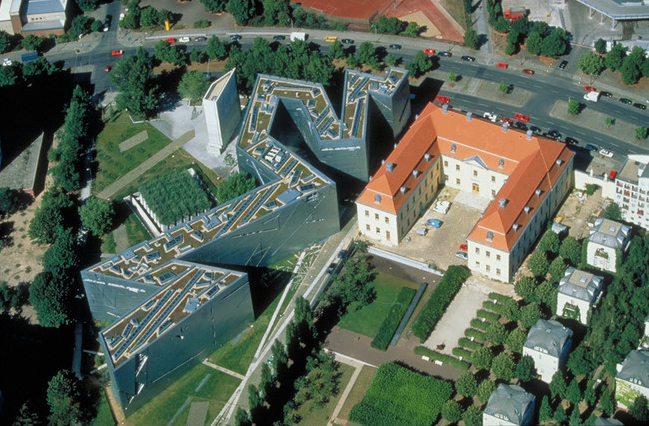
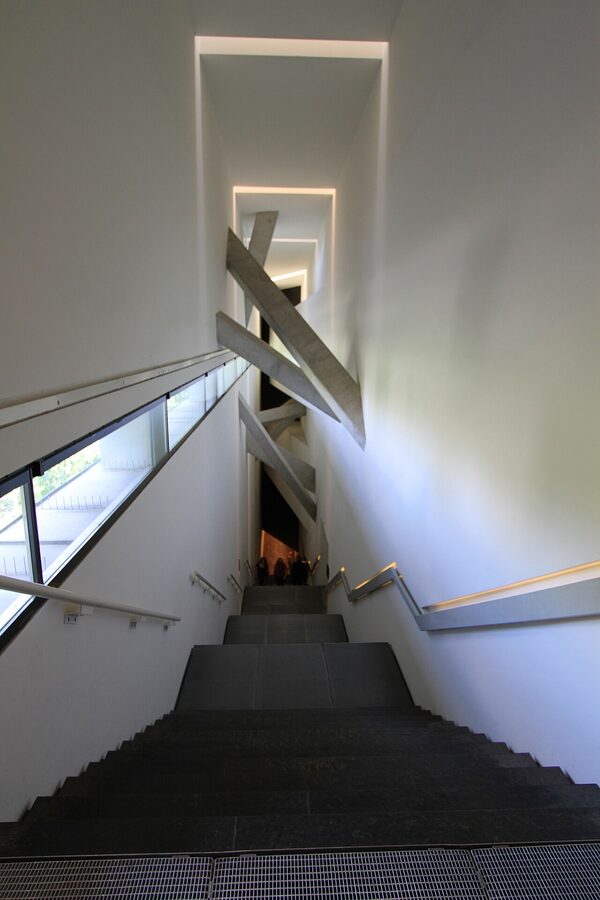
Here’s the surprising part. The architecture is a deliberate disorientation device. You don’t read a wall text and then look at the wall. You experience the wall, and the experience is the text. Libeskind designed the Libeskind Building so you cannot walk a straight line through it. The zinc-clad zigzag exterior runs over a floor plan with no right angles. The corridors slope. The walls lean. Light cuts through diagonal slashes in unpredictable places.
You enter not from the front but from a stairwell that takes you down, underground, into three intersecting corridors Libeskind calls the axes. The Axis of the Holocaust, narrowing as it goes, ends at a heavy iron door and the Holocaust Tower behind it. The Axis of Exile slopes upward to the Garden of Exile. The Axis of Continuity climbs a long, steep staircase up into the permanent exhibition. You will pick one. Then you’ll come back and pick another. The plan does not let you walk all three at once.
The cleanest comparison is with Amsterdam’s Anne Frank House, where the architecture is a real apartment and the small spaces do the emotional work. Berlin does the opposite. The architecture is a constructed metaphor and the metaphor is loud. Both work. They land differently.
The Memory Void and Fallen Leaves
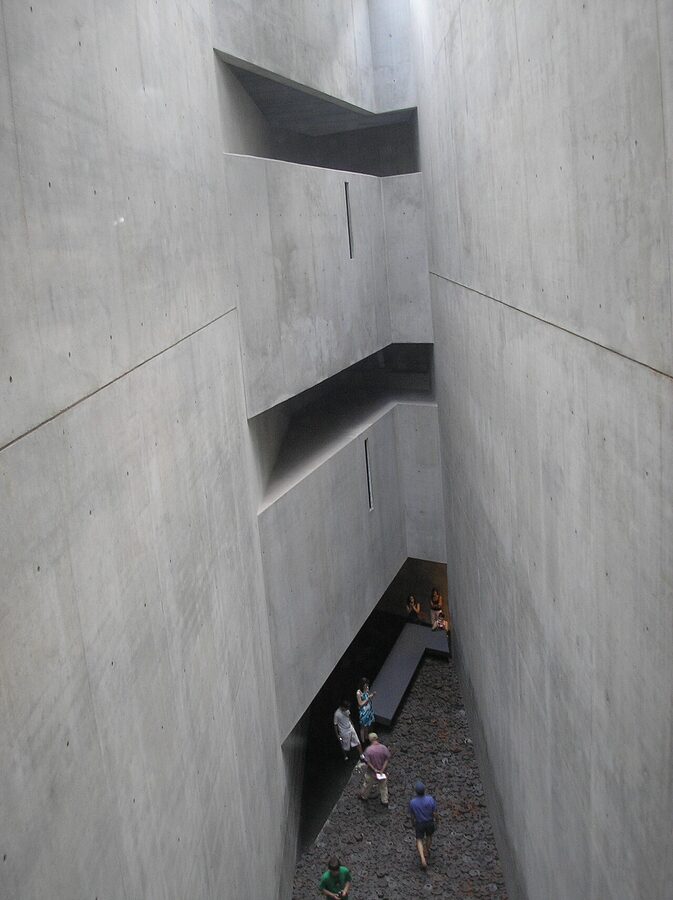
Of all the spaces in the Libeskind Building, the one most people remember is the Memory Void. It’s a triangular concrete room, four storeys tall, almost empty. The floor is covered in 10,000 iron faces. The piece is called Shalekhet, which is Hebrew for “fallen leaves,” and it was made by the Israeli sculptor Menashe Kadishman, who died in 2015. The faces have open mouths. They were cut from steel plate, by hand, with rough edges left in.
You’re allowed to walk on them. That’s the point. The plates are heavy and they shift under your feet and they clang. There is no way to cross the floor quietly. The sound bounces off the concrete walls and comes back at you. A child running across the room is a sound you do not forget.
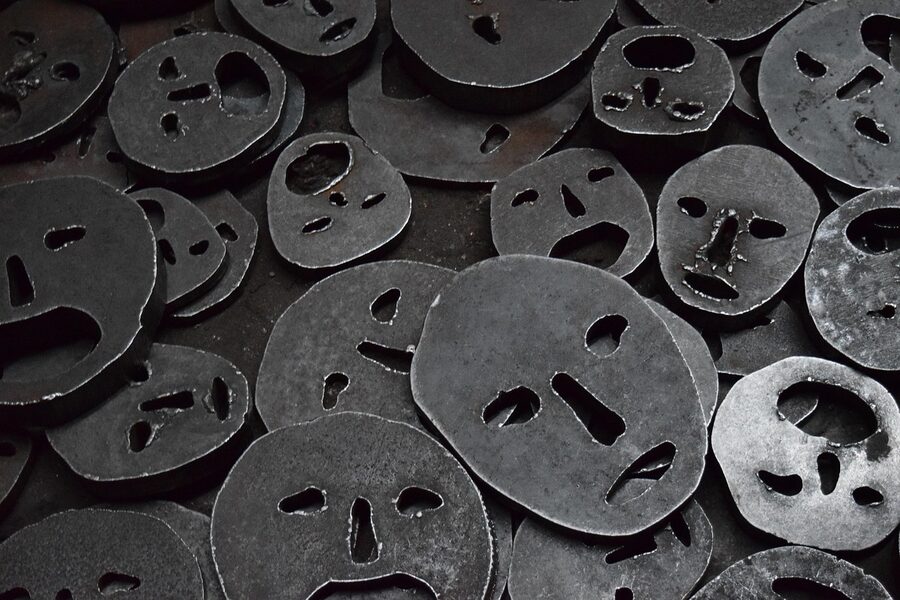
Important note for visits in late April and early May 2026. The museum has temporarily closed Shalekhet (Fallen Leaves) and the Gallery of the Missing by Via Lewandowsky from 14 April to 7 May 2026. If your visit falls in that window, the Memory Void is still open as a space, but the iron faces are not on the floor. Check the museum’s site before you book if this is the piece you came for. After 7 May you should be back to normal.
How to book and what it costs
The booking system has changed twice in the last few years and the latest version is the simplest. Here’s where it stands now.
The core exhibition is free. Free as in zero euros, for everyone. This wasn’t always the case, but the museum dropped admission charges to the core in 2020 and hasn’t reversed it. The free admission also covers most of the Libeskind Building beyond the core exhibition, which means the Garden of Exile, the Holocaust Tower, the Axes, and the Memory Void are all included.
The temporary exhibitions in the Old Building cost €10 regular, €4 reduced. Reduced rates apply to students with school ID, university students, federal volunteers, ALG I unemployment recipients, and people with severe disabilities (50% minimum) with documentation. Children and teenagers under 18 enter free, even for the temporary shows.
You book a time slot online at the official ticket shop. Walk-in tickets are also available at the desk inside the museum, but in summer you’ll wait. The free time-slot reservation is the move. It costs nothing, takes two minutes, and it skips you past whatever queue is at the entrance.
The third-party platforms (GetYourGuide, Viator) sell pre-booked entrance bundles too. The flagship is the Jewish Museum Berlin entrance ticket on GYG, which is the most-booked option in our database for this museum. It’s free admission to the core, with a confirmed slot, and the convenience is the only thing you’re paying for. If you don’t want to faff with the official site, book via GYG. If you do, the official site works fine.
Garden of Exile
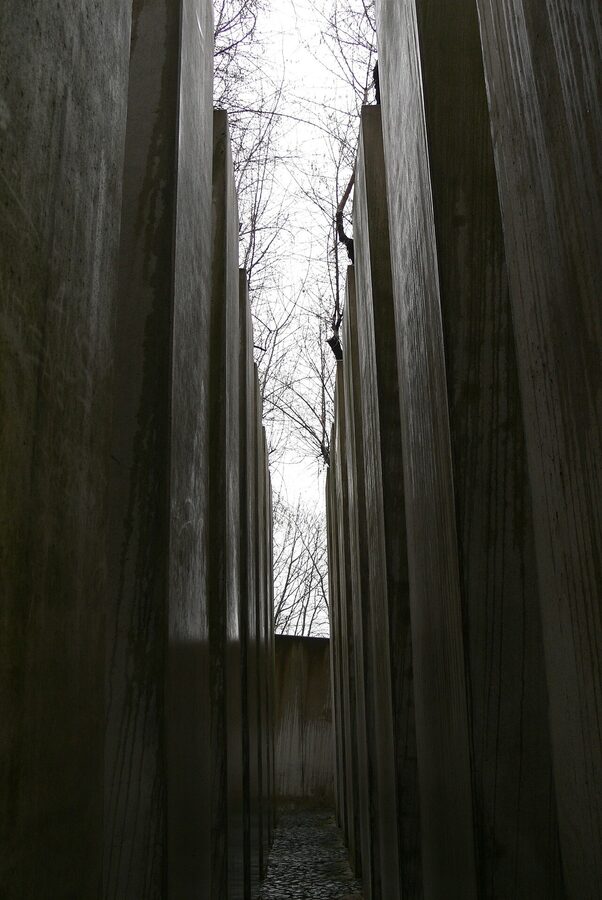
The Garden of Exile sits outside, at the end of the Axis of Exile, but you reach it without leaving the museum complex. It’s a square of 49 concrete pillars, 7 by 7, each about six metres tall. The floor is sloped. Walking among them puts you off-balance. That’s the design.
Forty-eight of the pillars are filled with earth from Berlin. The forty-ninth is filled with earth from Jerusalem. The pillars are topped with olive trees, which Libeskind chose for what they signify in both Jewish and broader Mediterranean tradition. In summer they shade the floor unevenly. In winter the Garden looks bleaker, which is also the design.
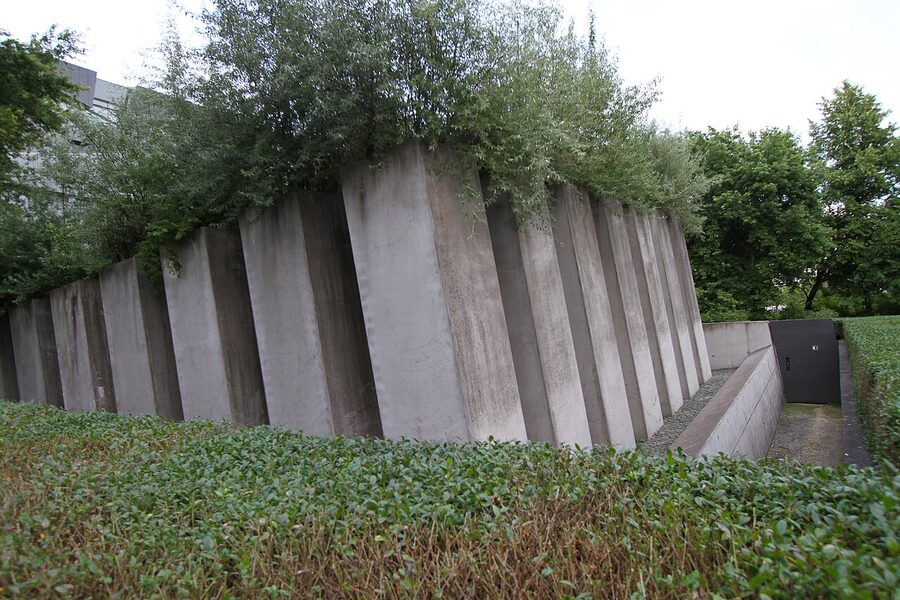
Spend about ten minutes here. People tend to either rush it (a few seconds, photo, gone) or try to walk every row. Neither is right. The Garden does its work in the middle, when the pillars block your sightline and you don’t know which direction the exit is.
Four thousand years of Jewish history in Germany
The core exhibition is the part the architecture serves. It opened in a fully reworked form in 2020 and runs from the medieval Rhineland communities to present-day Berlin. The chronology is mostly linear, but the museum doesn’t make you walk it that way. You can dip into a single century or take the whole arc.
The displays I’d point you towards on a first visit are the medieval Rhineland section (this is where Ashkenazi history begins, and the museum makes that lineage explicit), the eighteenth-century enlightenment rooms (Mendelssohn, Berlin’s Haskalah, the early reform movements), the section on the German-Jewish bourgeoisie of the nineteenth and early twentieth century (this is the chapter most visitors don’t expect to be moved by), and the post-1945 chapter on rebuilding Jewish life in Germany after the Shoah. The 1933-1945 sections are present and unsparing, but they are not the whole museum. That’s a deliberate editorial choice and a correct one.
For comparison, London’s Tower of London handles its institutional history through ceremony and crown jewels. Madrid’s Reina Sofía handles modern history through Picasso’s Guernica. Amsterdam’s Rijksmuseum handles Dutch history through painting. The Jewish Museum Berlin handles German-Jewish history through the building you stand in. Different methods. Same ambition.
The audio guide and the JMB app
Skip the audio guide handsets and use the JMB app on your phone. It’s free in both app stores and runs in German, German plain language, German Sign Language, English, French, Italian, Spanish, Hebrew, and Russian. Bring your own headphones (the museum doesn’t supply them) and load the app before you go in, because mobile signal is patchy inside the Libeskind Building. The structural depth and the zinc cladding play havoc with reception.
If you’re a first-timer and you want one, choose the introductory walk through the core. It’s about ninety minutes and gives you the chronology with audio context at maybe a dozen objects. If you’ve been before or you read museum text comfortably in English or German, you can do without and just read the panel labels, which are bilingual throughout.
Recommended booking options
Here are the three things I’d actually book for a Jewish Museum visit, in order. The first is the museum entrance itself. The other two are Berlin sights that pair well as part of the same trip and complement the museum’s heavier register without compounding it.
1. Berlin: Jewish Museum Berlin Entrance Ticket: free admission

This is the GYG-side equivalent of booking on jmberlin.de directly. The slot is the same, the admission is the same (free), and you get a one-click confirmation in the GYG app. Our full review covers the booking flow and what the staff actually check at the door, which catches a few people out around bag size and water bottles.
2. Berlin Third Reich and Cold War 2-Hour Walking Tour: $23
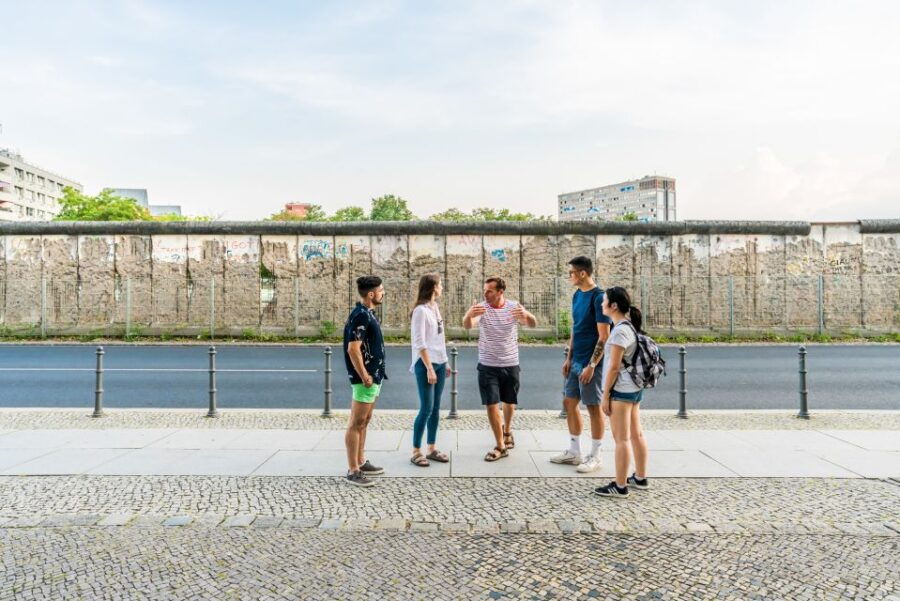
Book this one as a partner to the museum, not a substitute. The walk handles the broader political and Cold War context outdoors. The museum handles the Jewish historical lineage indoors. Take the walk in the morning, eat lunch, then do the museum. Our review covers what each guide tends to skip and which version of the route gives you the most time at the Topography of Terror.
3. Berlin TV Tower Standard Entrance Ticket: $33
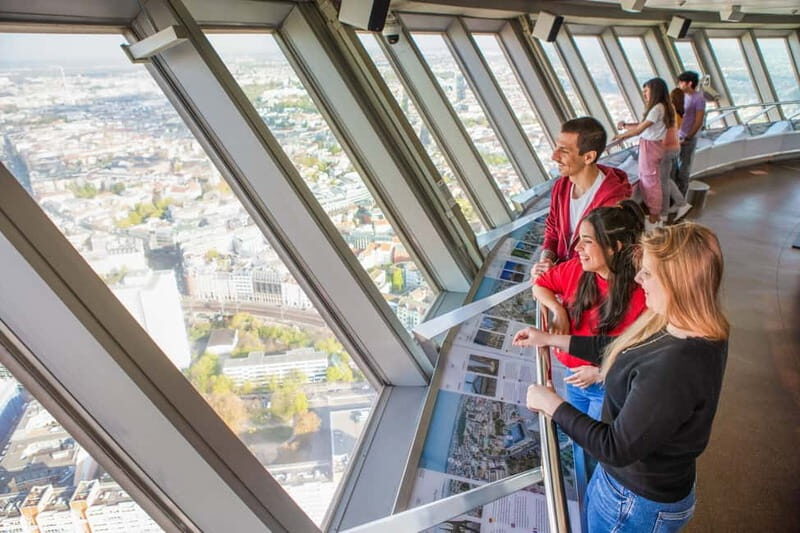
The TV Tower is the lightest of the three, and that’s the point. After two or three hours in the museum, you don’t want more dense material. You want height and a coffee. The fast-track ticket gets you in within about ten minutes versus the walk-up queue, which on summer afternoons regularly hits ninety. Our review compares the standard ticket against the Sphere Restaurant booking option, which is a better deal than people assume.
Opening hours and closures
The museum runs Tuesday to Sunday, 10am to 6pm, with last admission at 5pm. It is closed on Mondays, a change that came in on 1 March 2026 and which will catch you out if you’ve read older guides. The only Monday exception in 2026 is Whit Monday on 25 May.
The other 2026 closures are the Jewish High Holidays and Christmas Eve. The museum closes for Rosh Hashanah on Saturday 12 and Sunday 13 September, for Yom Kippur on Monday 21 September, for the Award Ceremony on Friday 14 November (this one varies year to year, so check), and for Christmas Eve on Wednesday 24 December. If your trip overlaps any of these, plan around them. The closures are firm.
The W. Michael Blumenthal Academy across the street, which holds the library and reading room, runs different hours: Tuesday to Friday 10am to 5pm, with the library closing earlier. ANOHA, the children’s museum, is Tuesday to Friday 9am to 4pm and Saturday and Sunday 10am to 5pm. ANOHA is timed-slot only and there’s a 3 euro booking fee on the basket, not per ticket. If you’re travelling with kids under twelve, ANOHA is the better choice for them than the main building.
Getting there
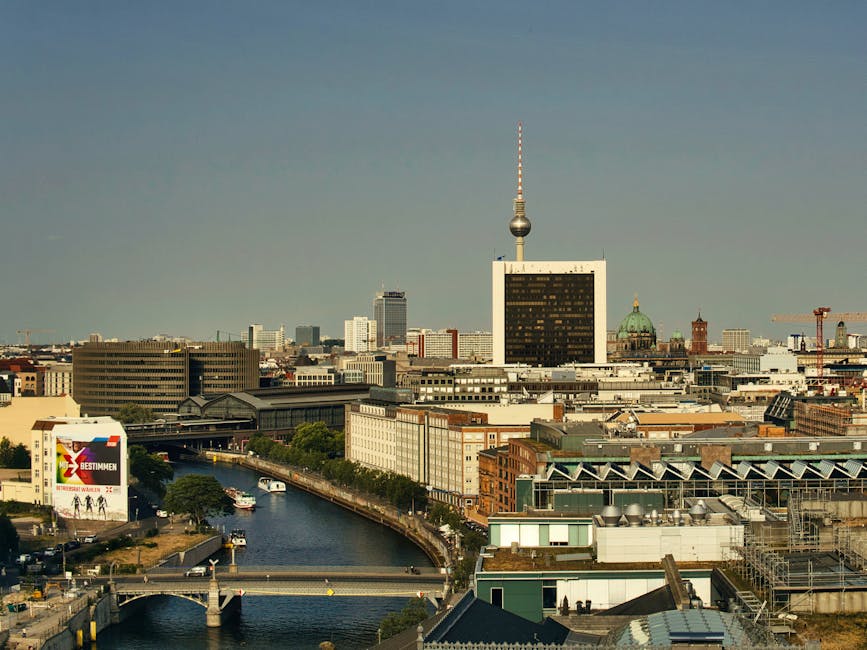
The museum sits at Lindenstraße 9 to 14, in the south of Kreuzberg, about a twenty-minute walk from Checkpoint Charlie. The closest U-Bahn stations are Hallesches Tor (U1, U3, U6) and Kochstraße/Checkpoint Charlie (U6). Either one is about an 800 metre walk. From Hallesches Tor you walk north on Friedrichstraße, from Kochstraße you walk south. Both routes are flat and well-signed.
The most direct bus is the 248, which stops literally outside at the Jüdisches Museum stop. The M29 stops at Lindenstraße/Oranienstraße, two minutes’ walk away. The M41 at Zossener Brücke is also close. Use the BVG app or Google Maps for live times.
Don’t drive. Parking around the museum is sparse, mostly metered, and not worth the stress. If you’re staying in central Berlin, the U-Bahn from anywhere in Mitte is faster door-to-door than a car. If you’re cycling, there are bike racks at the entrance, but bring your own lock.
Food, water, and the practical bits
The museum café is called Shalom Bayit Berlin and it serves vegetarian and vegan Israeli food, plus coffee and homemade cakes. You can use it without an entrance ticket, which means you can come for breakfast, leave, do something else, and come back later. The Glass Courtyard is the nicest seating in winter. In summer, take it outside to the garden.
The café is not strictly kosher. They keep some kosher snacks on the counter and the broader menu is vegetarian and vegan, so observant visitors have options, but if you require fully certified kosher, plan to eat elsewhere.
Lockers in the cloakroom run on a 50 cent or 1 euro deposit (refunded). They take carry-on suitcases up to 56 by 45 by 25 centimetres. Anything larger you’ll need to leave at your hotel. Big backpacks are fine to carry through the museum. Strollers are fine. Pets are not allowed except for assistance dogs.
Photography rules
Personal photography is allowed throughout the museum. Tripods, flash, and selfie sticks are banned, and the staff will ask you to put them away. The flash rule isn’t about the artworks, mostly: it’s about the other visitors. The Memory Void in particular is a space designed for slow attention and a flash going off ruins it for everyone else in the room.
The Holocaust Tower at the end of the Axis of the Holocaust is the place I’d suggest you don’t take pictures at all, even without flash. It’s a closed concrete shaft about twenty-four metres tall, with a single slit of natural light at the top, and it’s specifically designed for silence and disorientation. People find it overwhelming. The point of the room is that you stand in it. A camera between you and the room makes the room not work.
Professional photography or filming requires permission from the press office, which you’d email separately and well in advance. For a normal visit with a phone, you’re fine.
How long to plan for
Allow a minimum of two and a half hours, and if you’re a first-time visitor, three to four. The Libeskind Building takes longer than people expect, mostly because the architecture itself is an exhibit and you stop in places you wouldn’t ordinarily stop. The core exhibition runs around two hours of dedicated reading at a steady pace. Add the temporary show in the Old Building if there’s one on, and that’s another forty-five minutes minimum.
If you only have ninety minutes, here’s the cut-down route: enter, descend to the axes, walk all three (the Holocaust Tower, the Garden of Exile from the doorway, the staircase up to the core), then spend forty-five minutes in the post-1945 section of the core exhibition. Skip the temporary show. You’ll get the architectural experience and the modern lineage. You’ll miss the medieval and enlightenment rooms.
Pairing it with the rest of Berlin
The Jewish Museum is in Kreuzberg, but it’s a short hop on the U6 to Mitte, which is where most visitors spend their other Berlin days. The pairing I’d recommend is to do the museum on a half-day and use the other half for one of the outdoor history sites that complement the museum’s indoor work.
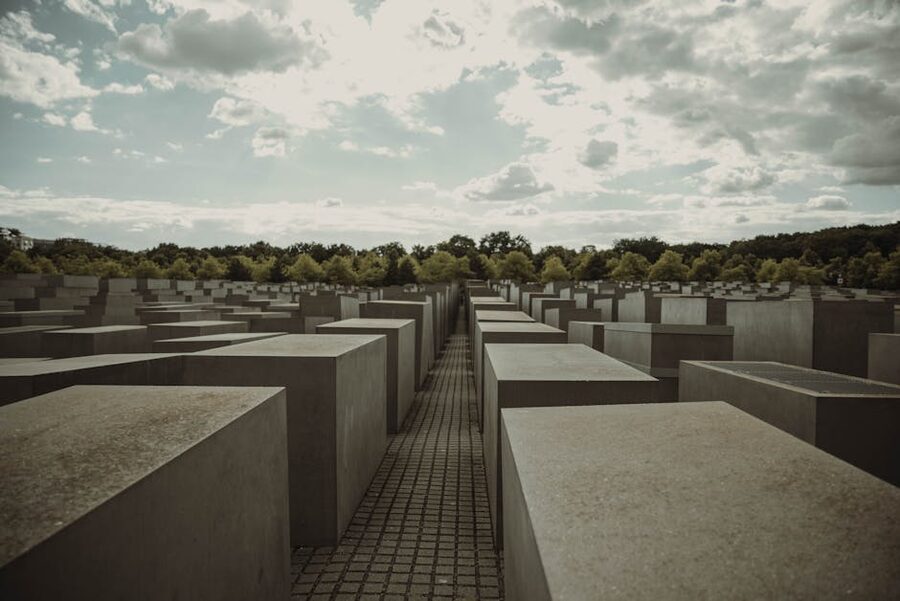
The Holocaust Memorial, just north of the Brandenburg Gate, is the obvious one. It’s open twenty-four hours, free, and you can walk through the field of stelae for as long as you need. Most Third Reich walking tours include it as a stop, and that’s a good way to see it the first time, with context. After the museum, go back on your own and stand among the stelae quietly. They start at ankle height and rise to almost five metres in the centre. The ground tilts. Sound goes oddly muted. The architectural logic is the same as Libeskind’s.
The Topography of Terror, ten minutes’ walk from the museum on the way back to Checkpoint Charlie, is the other free outdoor must. It sits on the foundations of the former Gestapo and SS headquarters and the open-air exhibition is one of the best free historical resources in the city. Allow forty minutes there.
The accessible visit
The museum is accessible. The Libeskind Building has lifts to all floors, the floor surfaces are smooth concrete, and the door widths are generous. Wheelchair users can do the full route. The Garden of Exile is partly accessible. The pillar grid is on a sloped floor and the slope is not gentle, but the upper terrace gives you the view without going into the grid. Staff at the entrance can advise on the smoothest route.
The audio guide app supports German Sign Language and German plain language for visitors with hearing or cognitive accessibility needs. Assistance dogs are welcome. Large-print exhibition texts are available on request at the front desk. If you’re booking for a group with mixed accessibility needs, email the visitor service in advance and they’ll make the practical arrangements.
Some things that catch people out
A few details I’d flag.
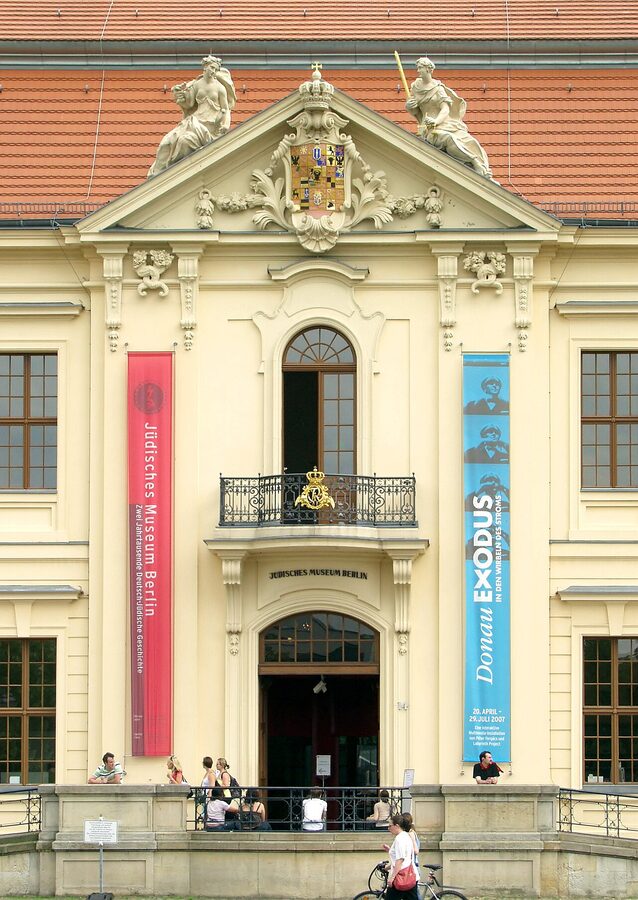
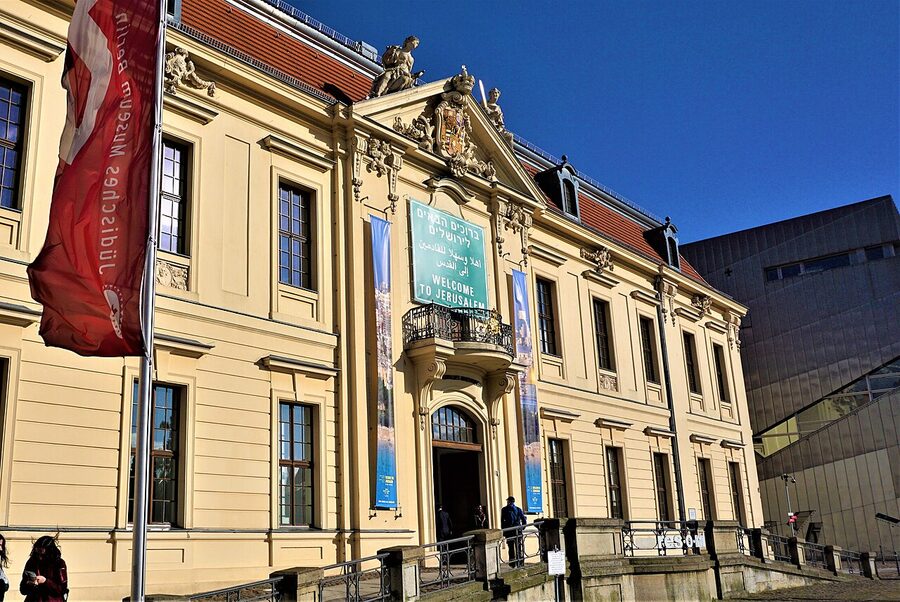
You can’t enter the Libeskind Building from the street. There’s no ground-floor public entrance to the zinc zigzag. You go in through the Old Building (the Baroque courthouse on Lindenstraße), pass security, and descend a staircase that takes you under the courtyard into the Libeskind. People walk around the exterior of the Libeskind for ten minutes looking for a door before they figure this out. The door is in the Old Building. Don’t be that person.
The free admission to the core exhibition is genuinely free. No catch, no minimum spend. The museum funds itself through state support and the temporary exhibitions. You don’t have to feel guilty about coming and not paying. They’d rather have you in the building.
The Garden of Exile is outdoor and exposed. In rain it gets slippery, in winter it gets cold, and there is no shelter inside the pillar grid. Time it for a dry day if you can. If you can’t, the route still works, just harder when the weather is bleak, which Libeskind would probably approve of.
ANOHA needs separate booking. The children’s museum is across the street, has its own entrance on Enckestraße, and has a separate ticket that costs a 3 euro booking fee on the basket. The main museum ticket does not cover ANOHA. If you have kids and you’re planning both, book ANOHA first because the slots fill faster.
The sensitive topic question
People sometimes ask if the museum is appropriate for children, or if it’s too heavy for a tourist visit. Two answers.
The first: the Jewish Museum Berlin is not, primarily, a Holocaust museum. It’s a museum of four thousand years of German-Jewish history. The Shoah is in there, and it’s handled with the seriousness it deserves, but the larger arc is about Jewish life and contribution and continuity. That’s the deliberate framing. The 1933-1945 chapter is the most painful, but it’s also a chapter, not the whole book. Children over about ten can handle the museum with a bit of guidance from an adult, especially if you skip the Holocaust Tower at first and come back later. ANOHA exists for younger kids and it’s a different experience entirely.
The second: the German position on memory is that visitors should come, see, and not forget. The museum was built in the centre of Berlin, on Lindenstraße, on purpose. The Garden of Exile faces the street so you can see it from the bus stop. The whole project is designed to be public, accessible, and visited. If you’re considering whether it’s appropriate to come, you’re already on the right side of the line. Just be paying attention while you’re inside. That’s the only ask.
Where it fits with other museums in Europe
Three sister museums you might already know. Amsterdam’s Anne Frank House is the closest emotional cousin and the most direct comparison: another Jewish history institution that uses architecture to tell the story, but on a domestic scale and from a single family’s perspective rather than a national one. The two complement each other. If your trip covers both Berlin and Amsterdam, do them on separate weeks.
London’s Tower of London sits at the institutional-history end of the museum spectrum: nine hundred years of English crown business in a single fortress, told through ceremony and object. Madrid’s Reina Sofía handles twentieth-century European history through one painting (Picasso’s Guernica) and the gallery built around it. Amsterdam’s Rijksmuseum handles Dutch history through painting on a much larger scale. Each takes a different position on what a museum is for. Amsterdam’s Moco Museum sits at a fourth corner of that question, with conceptual contemporary work in a townhouse that fits a hundred and fifty visitors at a squeeze. The Jewish Museum Berlin is the one that argues hardest that the building itself can be the argument. After you visit, the others read differently.
For the closest Berlin sibling, the Third Reich and Cold War walking tour covers the same period at ground level, outdoors, in central Mitte. The two pair perfectly on a single day, with the walk in the morning, lunch, and the museum in the afternoon. If you want to add an aerial overview of the city before or after, the TV Tower at Alexanderplatz is the quickest way to get one and works as a palate cleanser on a heavy history day. The civic-Berlin counterpart, the Reichstag dome, is free but needs separate booking weeks ahead and rounds out the same trip.