
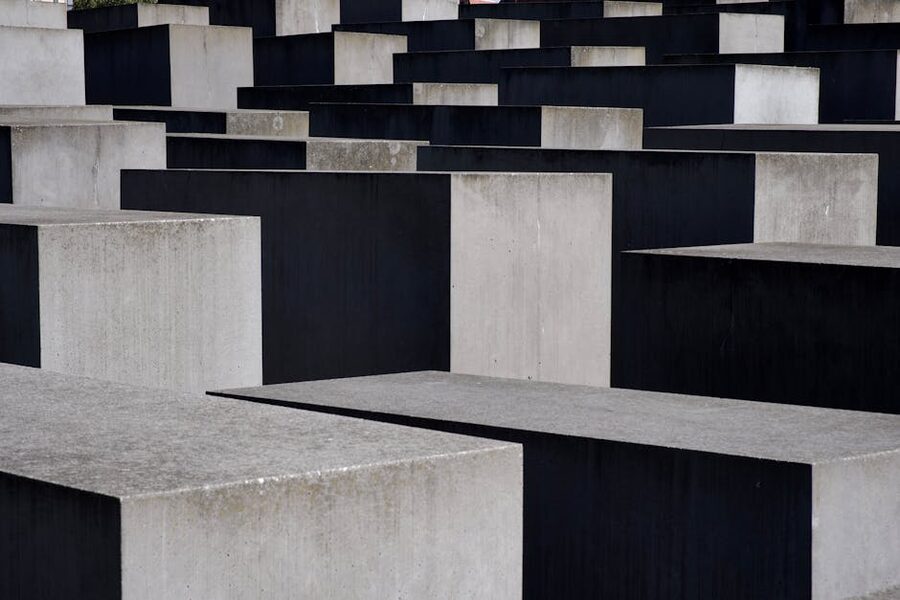
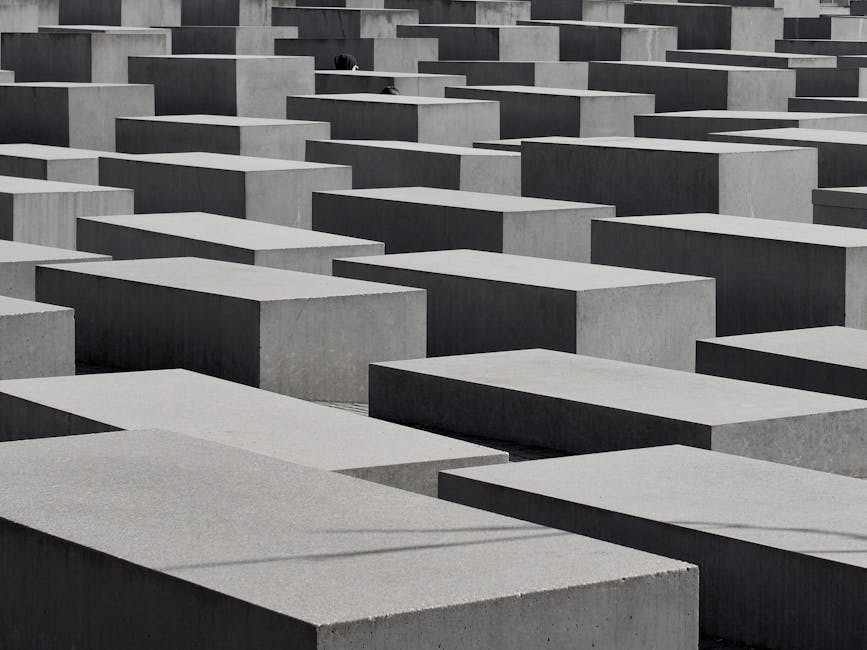
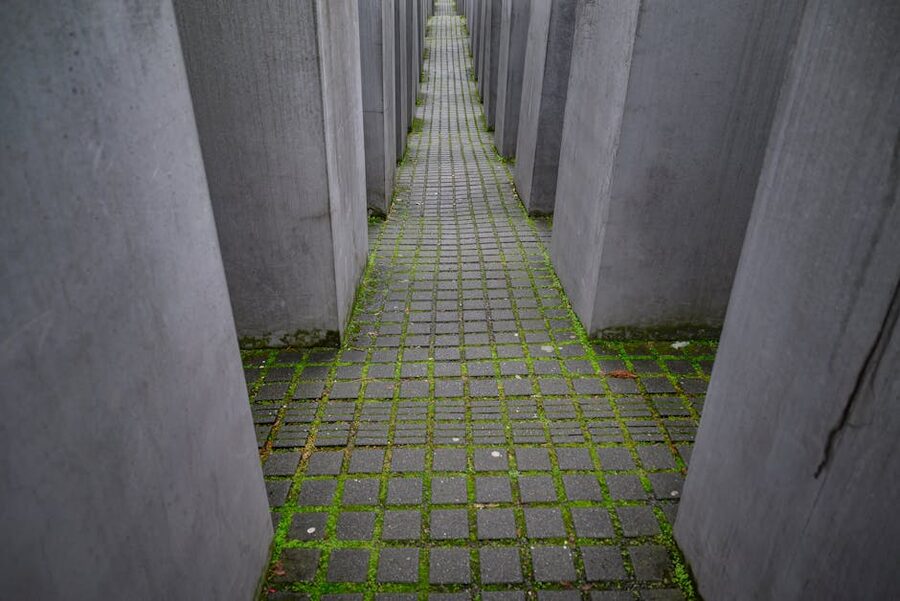
You walk into the Holocaust Memorial and the stelae start at ankle height. Twenty steps in, they’re at your hip. By the middle of the field they tower above you at four-and-a-half metres, the ground tilts inward, and the sound of Berlin traffic just stops. Peter Eisenman designed it that way, and a good walking tour will let you find that out by yourself, in silence, before the guide says a word.
That’s the usual rhythm of a Berlin Third Reich and Cold War walking tour. Two to three hours on foot, eight to ten stops, 1933 through 1989 in chronological order. Below is how to book one, what each variant covers, and the picks I’d send a friend to.
- In a hurry? My quick picks
- Best overall: 2-hour Third Reich and Cold War walking tour from
- If you have more time: half-day Third Reich sites tour from
- For the Wall specifically: bike tour of the Wall and Third Reich
- What you actually walk through
- Booking, prices, what to expect
- How tour-guide quality varies (and what to look for)
- Three tours I’d actually book
- 1. Berlin Third Reich and Cold War 2-Hour Walking Tour:
- 2. Berlin’s Infamous Third Reich Sites Half-Day Walking Tour:
- 3. Guided Bike Tour of the Wall and Third Reich
- Topography of Terror, in detail
- The Wall: what’s left, and where
- Variants: which to pick
- Practical things that catch people out
- The sensitive topic question
- Where it fits in a Berlin trip
- Heavy-history walks elsewhere in Europe
In a hurry? My quick picks
Best overall: 2-hour Third Reich and Cold War walking tour from $23
The classic ground-level loop. Brandenburg Gate to Holocaust Memorial to Topography of Terror to Checkpoint Charlie. Small group, English guide.
If you have more time: half-day Third Reich sites tour from $22
Four hours, the same anchors plus Bebelplatz and the Soviet War Memorial. More breathing room between stops.
For the Wall specifically: bike tour of the Wall and Third Reich
Three hours on a rented city bike. Covers the whole inner-city Wall route plus the bunker complex in Volkspark Friedrichshain. Best on a dry day.
What you actually walk through
Berlin’s history between 1933 and 1989 is mostly in fragments now. The Reich Chancellery is gone. Hitler’s bunker is a car park. The Wall has been pulled down except for three or four preserved sections. So the tour isn’t a museum visit. It’s a guide pointing at squares and saying “this is where it stood, and here’s the photograph.”
That sounds like it shouldn’t work. It does, though. The fragments are well-chosen and the distances between them are short. The whole route is roughly three kilometres of flat pavement, all in central Mitte and Kreuzberg. You’ll cover it in two to three hours including stop time.
The standard order, west to east, is something like this:
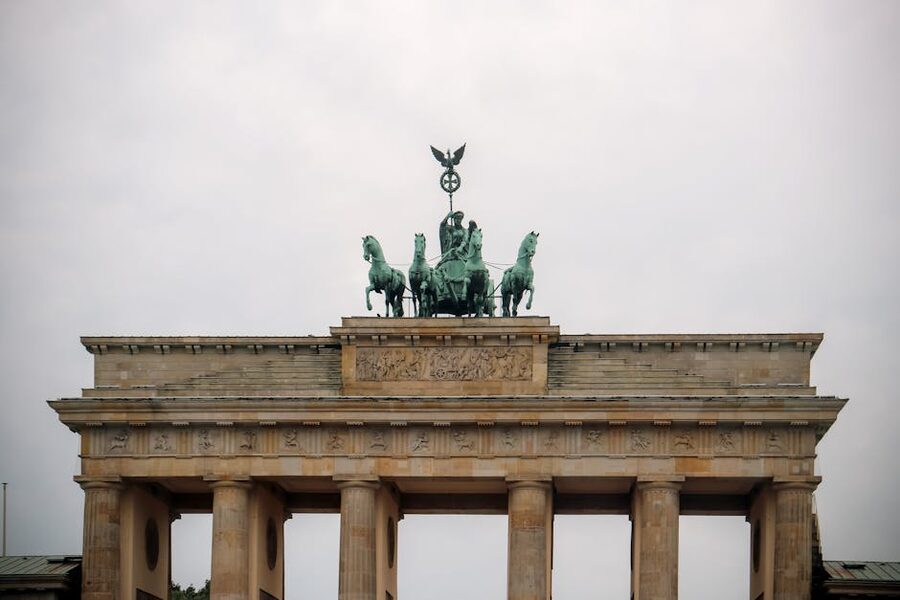
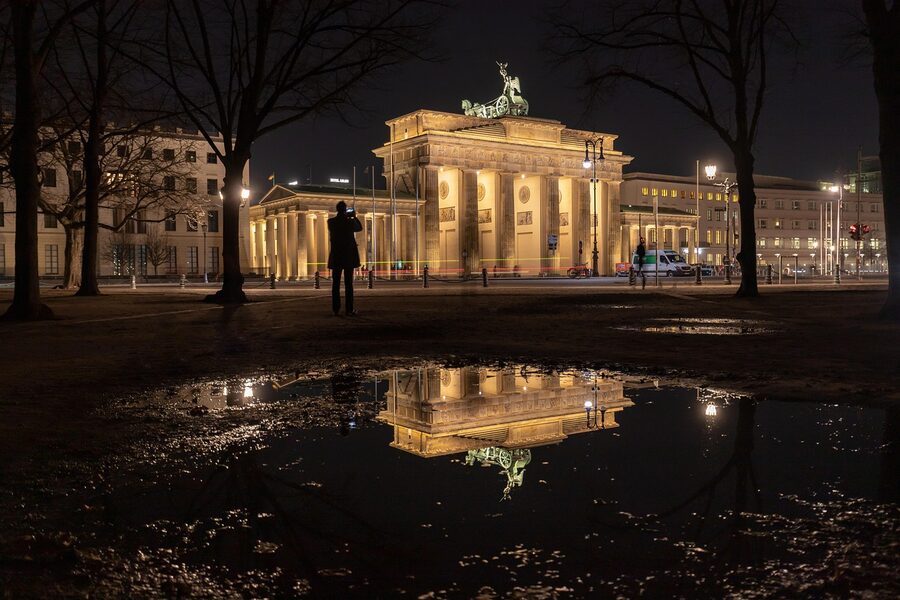
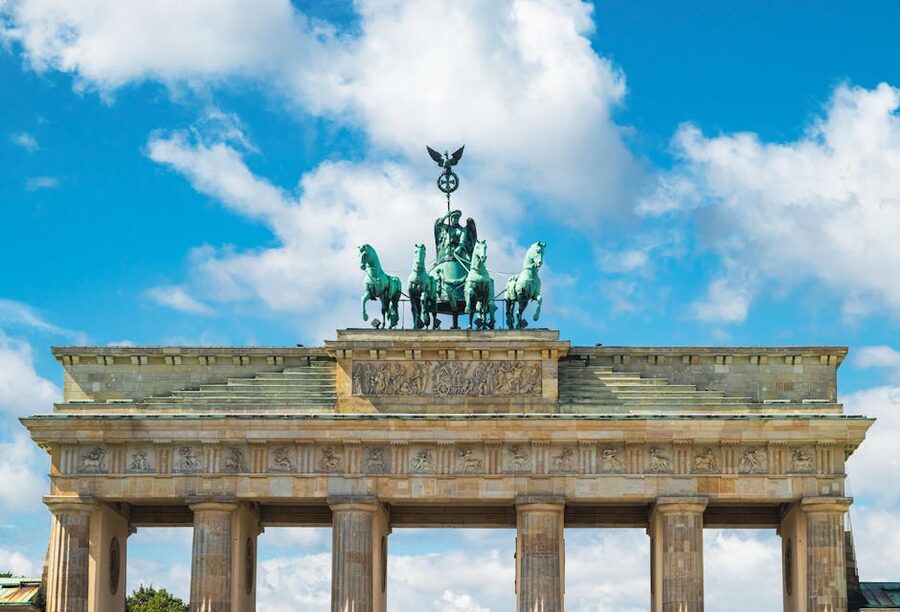
- Brandenburg Gate. Tiergarten side. The Cold War divider, framed in the most-photographed shot of 1989.
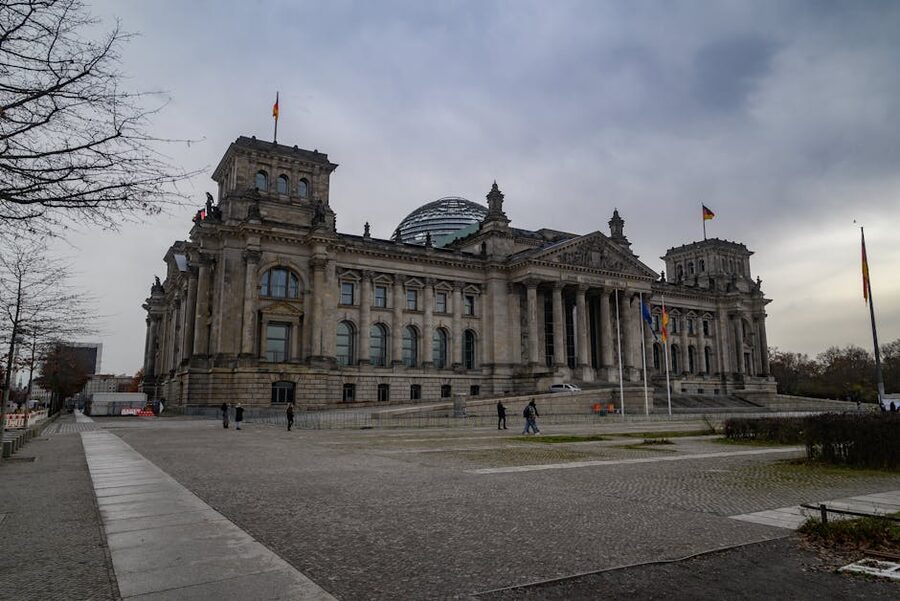
- Reichstag exterior. Where the 1933 fire happened, four weeks after Hitler took office.
- Holocaust Memorial. Eisenman’s 2,711 stelae. You walk through, not around.
- Hitler’s bunker site. Now a flat car park behind a Chinese restaurant. The unmarked-ness is the point.
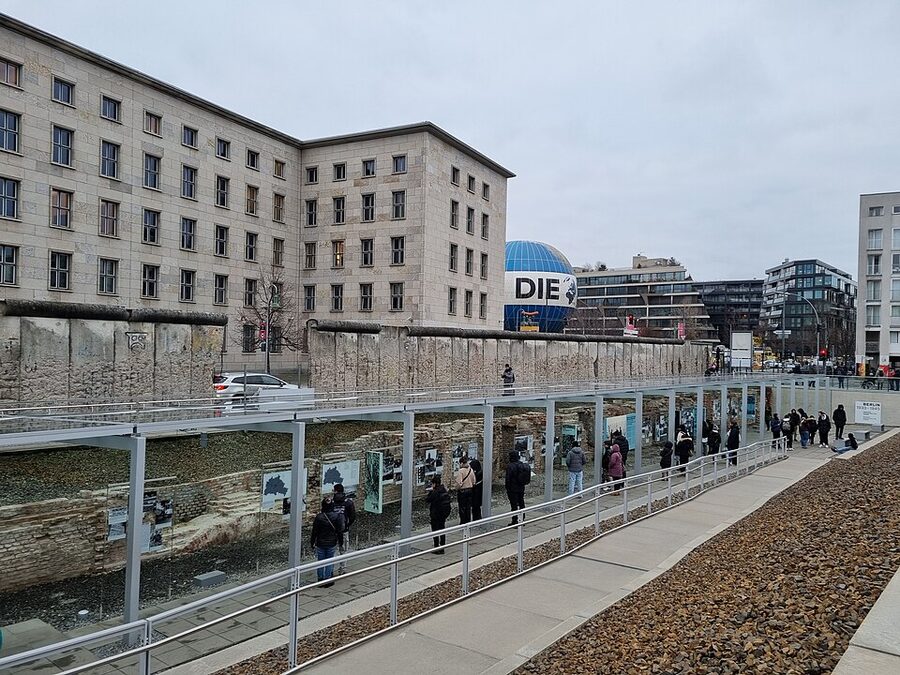
- Topography of Terror. The Gestapo and SS HQ ruins, cellars exposed, with an open-air panel exhibit.
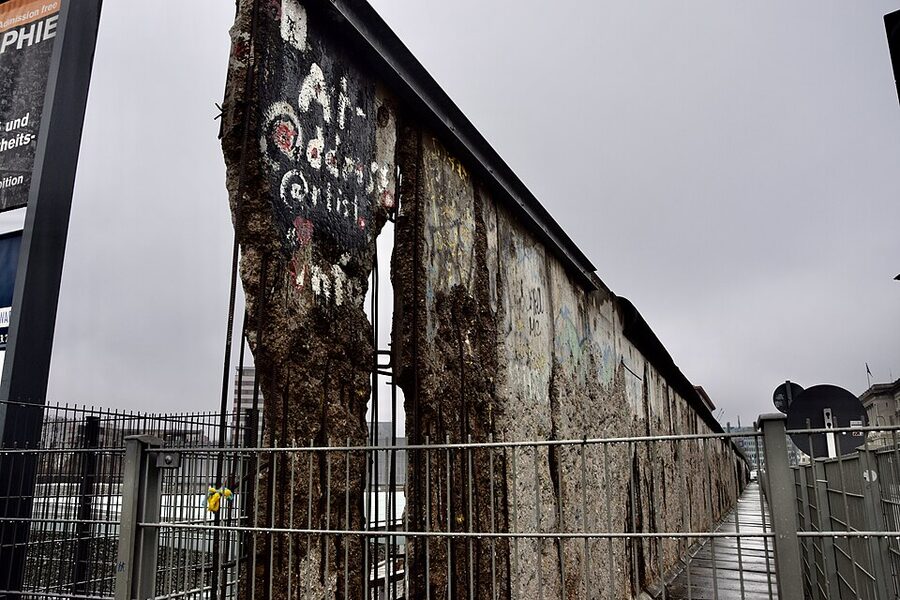
- Niederkirchnerstraße. About 130 metres of the original Wall, immediately next to the Topography site.
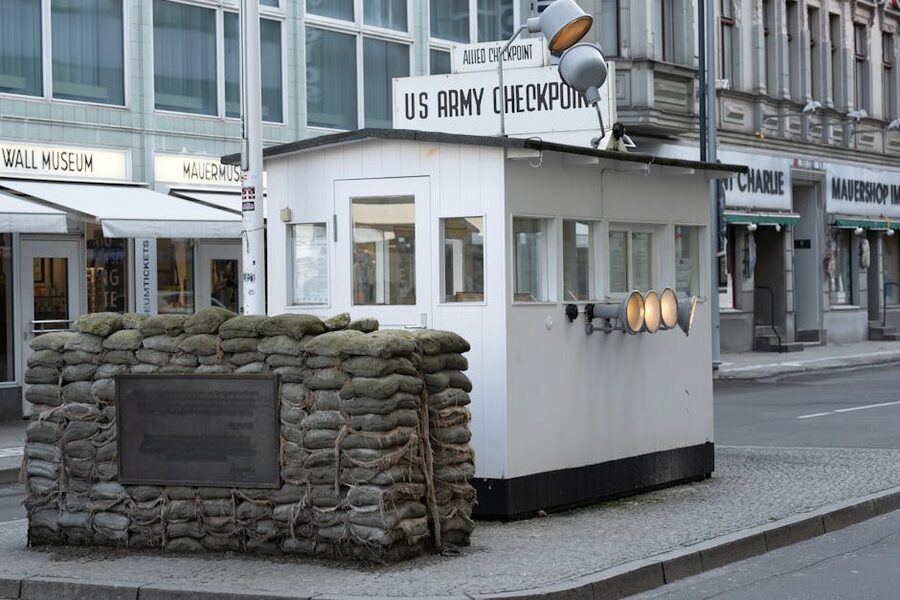
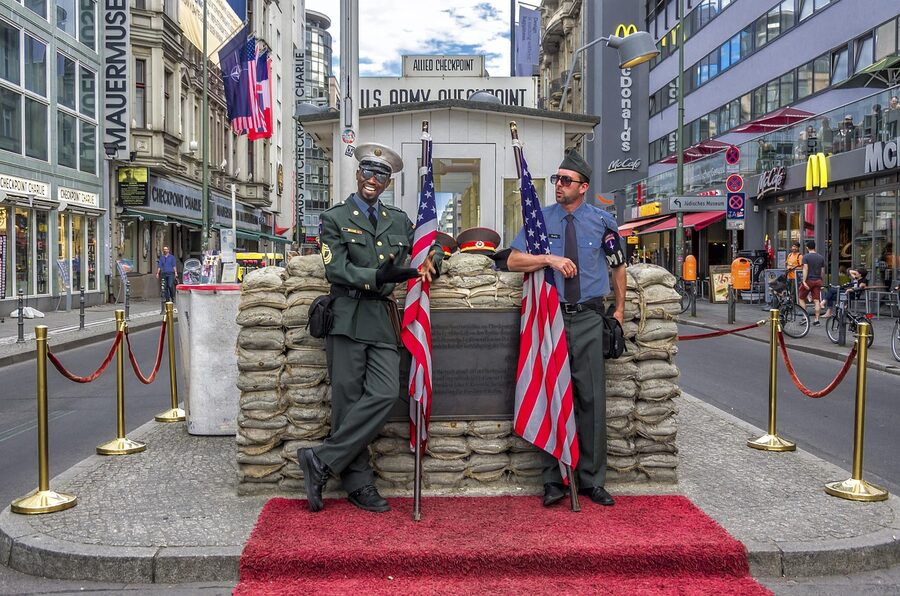
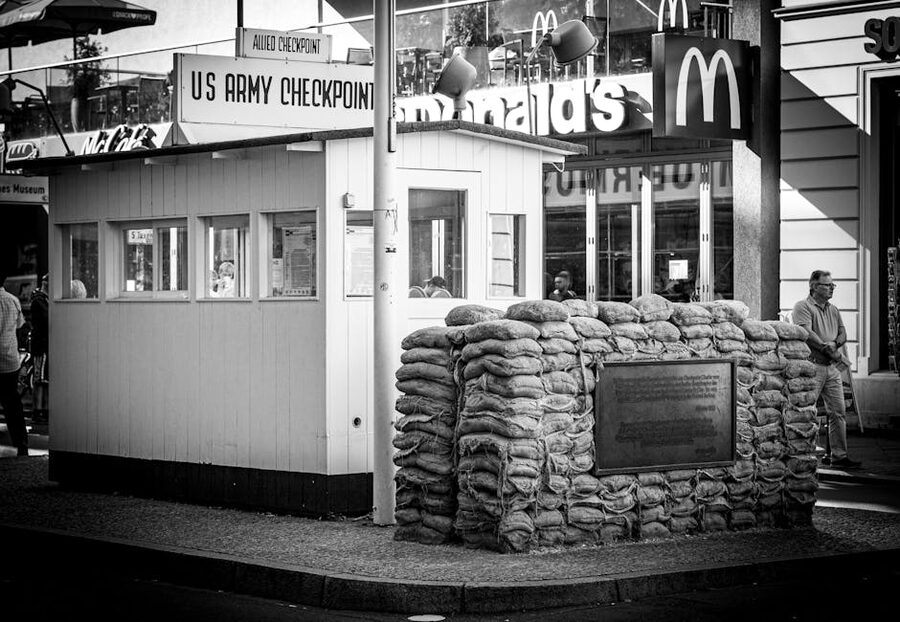
- Checkpoint Charlie. The recreated American hut and the NATO sign. Touristy, but the only Cold War crossing point preserved as a site.
Booking, prices, what to expect
Most of these tours run twice daily, year-round, in English. Group sizes cap around 25. You don’t need to book weeks ahead in shoulder season, but in July and August it’s worth a few days’ lead time. The 2-hour standard tour from GetYourGuide is the most-booked single experience in this category and slots do fill on weekends.
Prices sit between $22 and $30 per person for the public group walking tours. Half-day variants are usually a couple of dollars more. Bike tours run higher because they include the rental, around $35 to $45. Private tours, where you can shape the route, start around $300 for a small group of up to six.
You’re paying for the guide, not the access. Every stop on the route is free to visit on your own. The reason to take a guided tour is the context. Standing in front of an empty car park where Hitler’s bunker was, with no signage, is just an empty car park. With a guide it becomes the moment Berlin chose not to make it a shrine.
How tour-guide quality varies (and what to look for)
The single biggest variable on a Berlin history walk is the guide. The route is fixed. The stops are fixed. What changes is the person at the front: maybe a freelance historian on their tenth tour of the week, maybe a working PhD student treating it as a job that happens to use their thesis material.
Both can be excellent. The signal I look for in reviews is people naming the guide. “Hannah was extraordinary.” “Glen knew exactly when to stop talking.” When guests remember names, the guide cared. When reviews talk about the route and the weather, you got someone phoning it in.
Almost every operator running these tours uses the same script outline because the route IS the script. The differences are tone and depth. Some guides are documentary-style, all dates and chains of command. Others are personal, telling you about their grandfather who lived in Pankow during the airlift. Both work. Decide which you’d rather have for two hours, then read recent reviews to find an operator with that voice.
Three tours I’d actually book
1. Berlin Third Reich and Cold War 2-Hour Walking Tour: $23
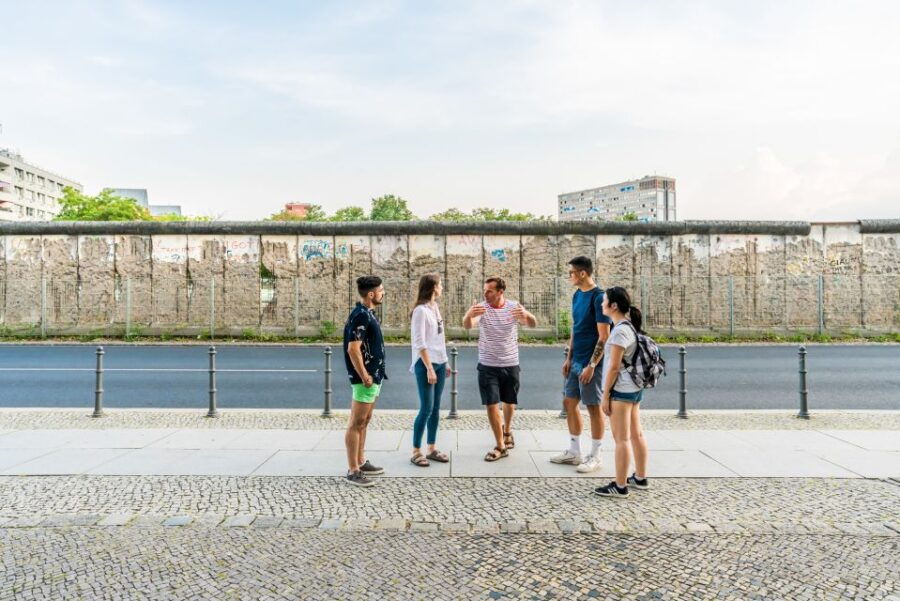
This is the one I’d book first if you only have one window in your trip. The pacing is tight, the guide selection is consistent, and it covers all the anchor stops without padding. Our full review goes deeper on the route order and what each guide tends to skip.
2. Berlin’s Infamous Third Reich Sites Half-Day Walking Tour: $22
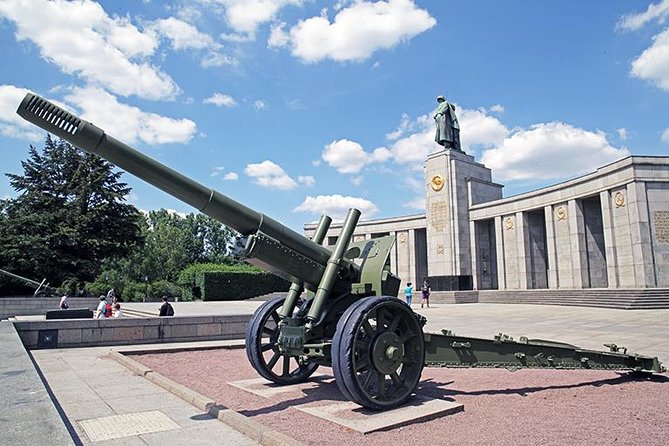
Pick this one if the rushed feeling of two-hour tours doesn’t suit you. The extended route slows down at the harder stops and gives you actual silence at the Holocaust Memorial. Our review notes which guides best handle the longer format.
3. Guided Bike Tour of the Wall and Third Reich
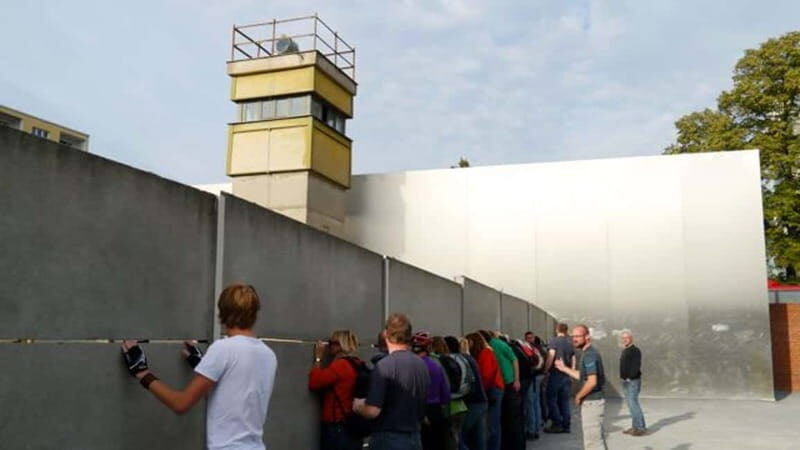
Take this one if you want the Wall route in full, not just the inner-Mitte section. Our review warns about the cobbled stretches near the Spree, which catch a lot of people out.
Topography of Terror, in detail
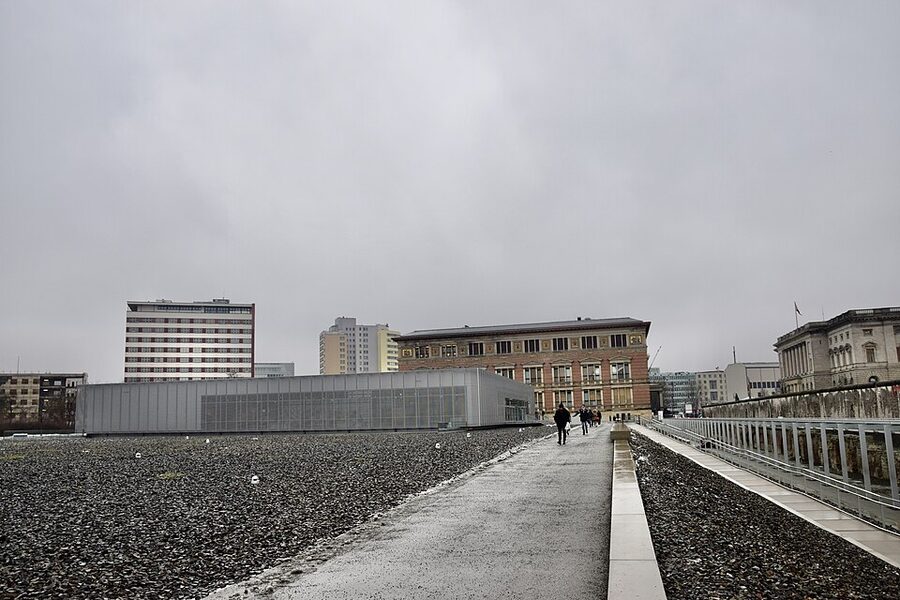
Of the eight or nine stops on a standard Third Reich walk, Topography of Terror is the one where I’d lobby your guide to give you forty-five minutes instead of fifteen. It’s free, indoor and outdoor, and the depth of material is far beyond what any walking tour can cover at the building’s exterior.
The site is the foundations of the Reich Security Main Office. Below ground, the cellars where political prisoners were tortured are exposed, glassed over, and labelled in German and English. Above ground there’s a 200-metre open-air timeline running along the Wall section at Niederkirchnerstraße. Inside the modern documentation centre, the permanent exhibition covers the apparatus of the Nazi state in clinical, document-by-document detail.
Most tours hit it for ten minutes. If yours is the half-day kind, you’ll get longer. If yours is the 2-hour standard, plan to come back the same afternoon on your own. It’s open daily until 8pm and you can spend two hours easily.
The Wall: what’s left, and where
The Wall came down in November 1989 and most of it was broken up for scrap concrete or sold off as souvenirs in the early 90s. What remains in central Berlin is in three preserved stretches, plus markers on the pavement showing the line.
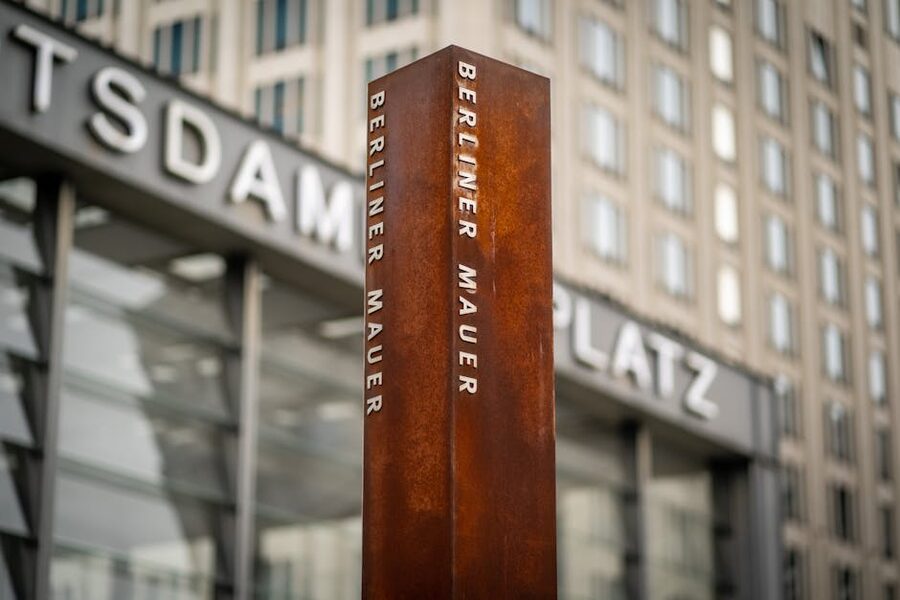
The most accessible one for walking tours is at Niederkirchnerstraße, right next to Topography of Terror. About 130 metres of original border wall, weathered and pockmarked, with cells punched out by souvenir hunters in 1990 still visible. This is the one most groups stop at.
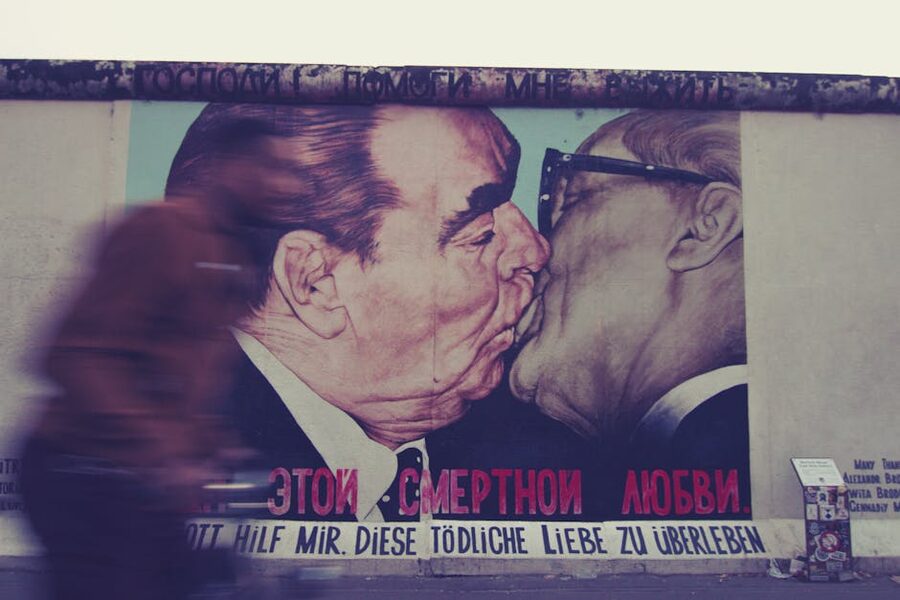
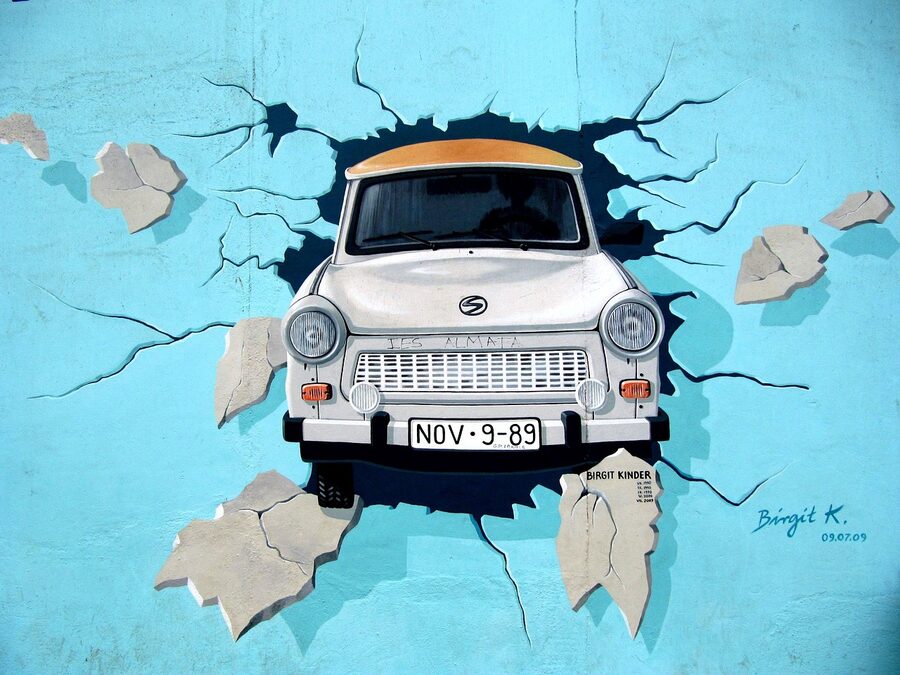
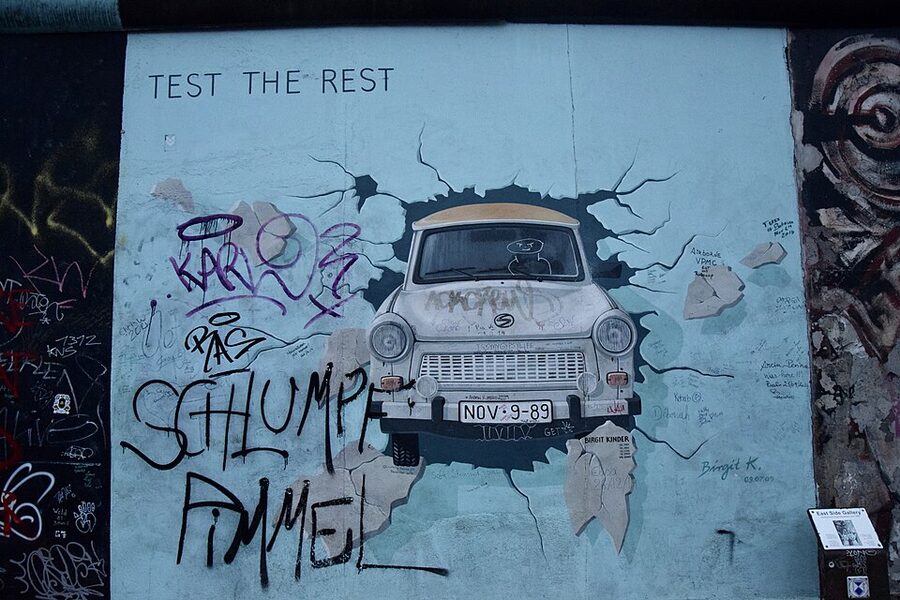
The second is the East Side Gallery, on Mühlenstraße in Friedrichshain. About 1.3 kilometres of inner-side wall painted by 118 artists in 1990, restored in 2009. This is where the famous “Brezhnev kissing Honecker” mural is, and the Trabi-bursting-through-the-Wall painting. Most 2-hour walking tours don’t reach here because it’s two kilometres from Checkpoint Charlie. Bike tours and half-day tours do.
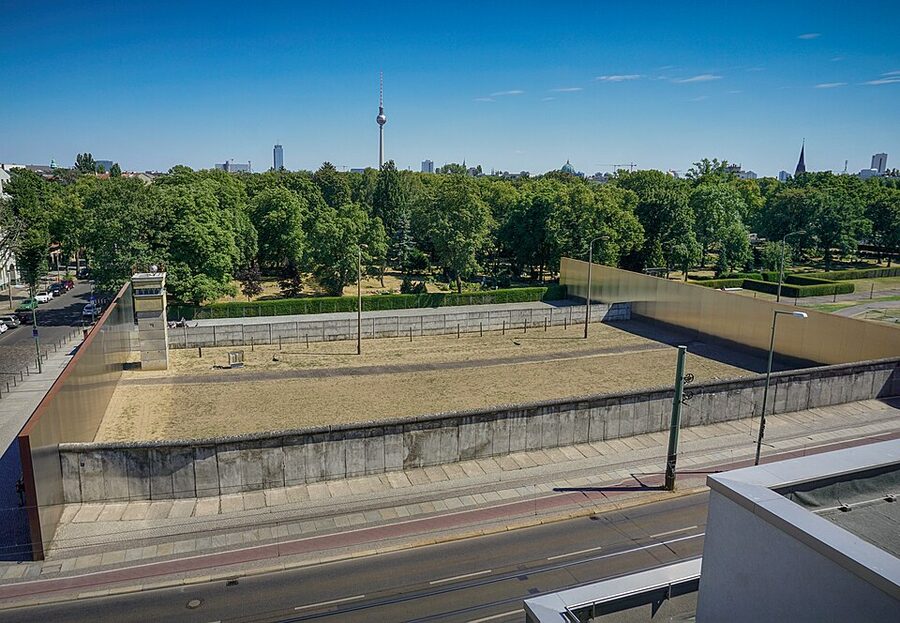
The third preserved section is the Bernauer Straße memorial, in the north of the city. This one isn’t on most walking tours either, but it’s the most thoughtful of the three: a reconstructed border strip showing how the death zone actually worked, with a watchtower and the foundations of escape tunnels. Worth a separate half-day if you have it.
Variants: which to pick
I get asked this a lot, so here’s how I’d think about it.
If you have only one half-day in Berlin and want the historical overview: book the 2-hour standard combined Third Reich and Cold War walk. It’s the most-reviewed option for a reason. You get the spine of the story in a manageable window.
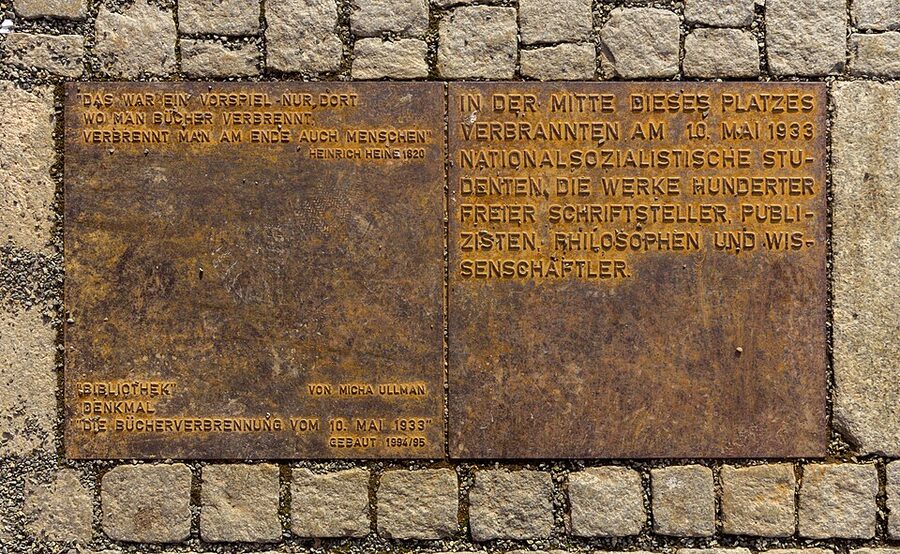
If you have two days and one of them is for history: take the half-day version. The four-hour pacing changes the experience. You get to actually sit at the Topography of Terror, you walk the open-air exhibit, you have time at Bebelplatz where the 1933 book burnings happened. Nothing is rushed.
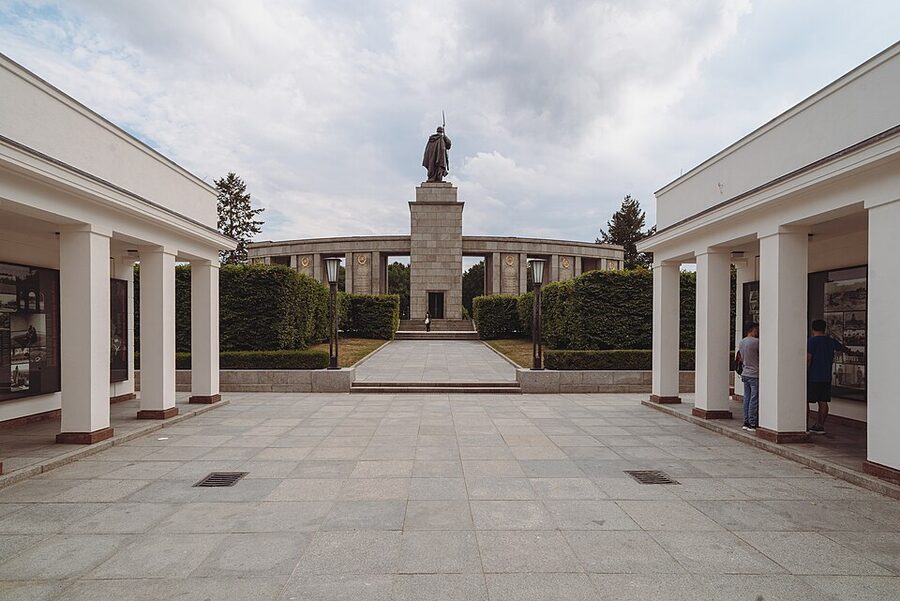
If you specifically want the Wall: take the dedicated Cold War walking tour on the Berlin Wall route. This skips most of the Third Reich material and concentrates on 1945 to 1989. You walk the Wall corridor itself, get the airlift in detail, and hit the Stasi material that the combined tours skim.
If you want the East Side Gallery and the further-out Wall sites: book a bike tour. Walking from Checkpoint Charlie to East Side Gallery and back will eat your day. On a bike it’s twenty minutes either way, and you can fit Volkspark Friedrichshain in too.
If your group is larger or wants flexibility: a private tour. The cost per person drops fast at four or more, and you can shift the route to whatever you actually care about. Hitler and WWII focused tours are also a private-tour speciality if your interest is more military than civic.
Practical things that catch people out
A few things worth knowing before you go.
Photography rules vary by site. The Holocaust Memorial allows photos but discourages climbing on the stelae (people still do, but it’s frowned on and caretakers will ask you to come down). The Topography of Terror permanent exhibition prohibits flash. Checkpoint Charlie costs €1 if you want a photo with one of the costumed actors at the hut, and they’re aggressive about collecting it. Skip them, the hut is the photo.
The weather matters more than you’d think. Most of this tour is outdoors. The Topography of Terror open-air section is genuinely outside, with no shelter. If it’s raining hard, the experience suffers. Look at the forecast and rebook for a different day if you can. Most operators allow free reschedule up to 24 hours out.
Take water. There’s a Späti at every other corner in Mitte, but you don’t want to be the person breaking the group’s pace at the Holocaust Memorial because you’re thirsty. A small bottle in your bag is enough.
Wear shoes you can stand in for three hours. The route is flat, but most of it is cobble or stone-set pavement and you do a lot of standing while the guide talks. Trainers are fine.
Don’t book a tour the day you arrive. This sounds obvious. People still do it. The mental load of arriving in a new city plus three hours of Holocaust history in your first six hours is too much. Sleep on it. Take the tour on day two.
The sensitive topic question
People sometimes ask if it’s appropriate, as a tourist, to do this kind of tour at all. Whether the framing is voyeuristic. The honest answer is that the Berlin sites are run by people who want you there. The Topography of Terror’s whole purpose is public education on the Nazi state. The Holocaust Memorial was placed in the centre of reunified Berlin, on the most expensive real estate in the country, specifically so it can’t be avoided. The German position on memory is not “leave us alone.” It’s “come and see and don’t forget.”
What is not appropriate is selfies with thumbs-up at the Holocaust Memorial, posed jumping shots between the stelae, or mugging at the recreated Checkpoint Charlie hut. None of this is hypothetical. There’s a campaign by the Israeli artist Shahak Shapira called Yolocaust which paired actual tourist selfies at the memorial with photographs from camps. It made the case better than I can.
If you’re considering booking the tour, you’re already on the right side of the line. Just be the version of yourself who is paying attention.
Where it fits in a Berlin trip
I’d give the Third Reich and Cold War walk a half-day, take a long lunch, and use the afternoon for something less heavy. The German Spy Museum and the DDR Museum are both close, both indoor, and both pair well as Cold War follow-ups without compounding the morning’s weight. If you want to keep going on history, the Jewish Museum Berlin is the obvious next step and works equally well as its own afternoon visit.
For a parliament-and-civic-Berlin angle, the Reichstag dome is free but needs separate booking weeks ahead, especially in summer. The TV Tower at Alexanderplatz is your quickest aerial overview and it’s open until late, which suits the post-walking-tour mood when you don’t want to think any more, just look.
Heavy-history walks elsewhere in Europe
If the Third Reich and Cold War walk lands for you, three other European cities offer the same kind of ground-level history walking. Edinburgh’s dark side walking tour covers the witch trials and the body-snatcher era at the same factual, no-glorification register, which is the right comparison. Belfast’s political taxi tours handle the Troubles in the same way Berlin handles the Wall, with Republican and Unionist murals on streets where the conflict was fought. Amsterdam’s Anne Frank House is the closest thematic cousin and worth booking for the same trip if your route allows it. All three are guided where it matters, on foot, and treat the material with the seriousness Berlin sets the bar for.