
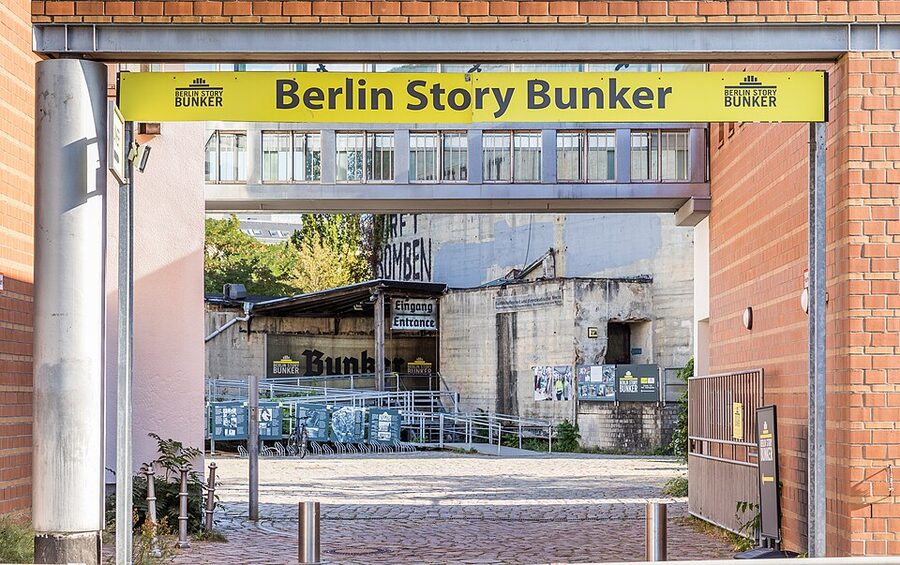
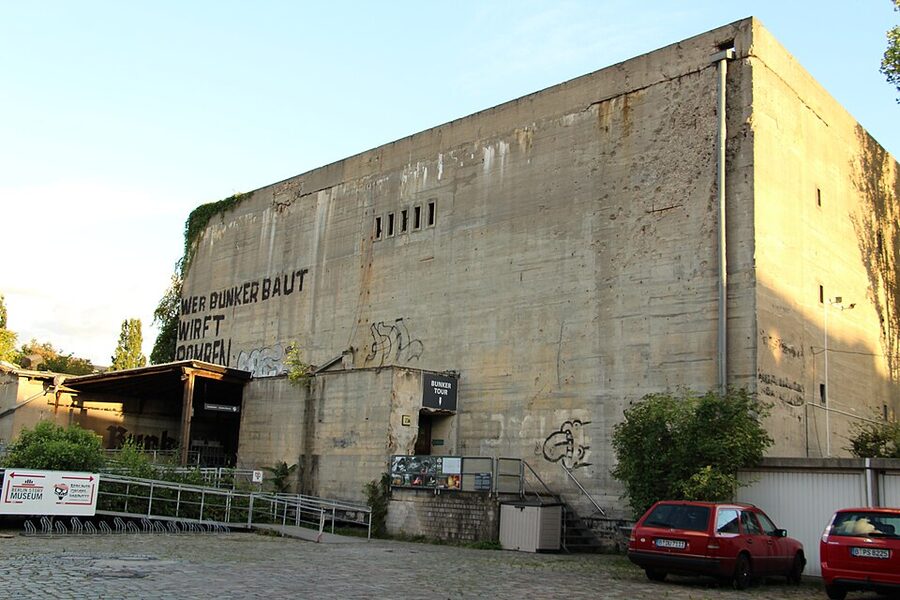
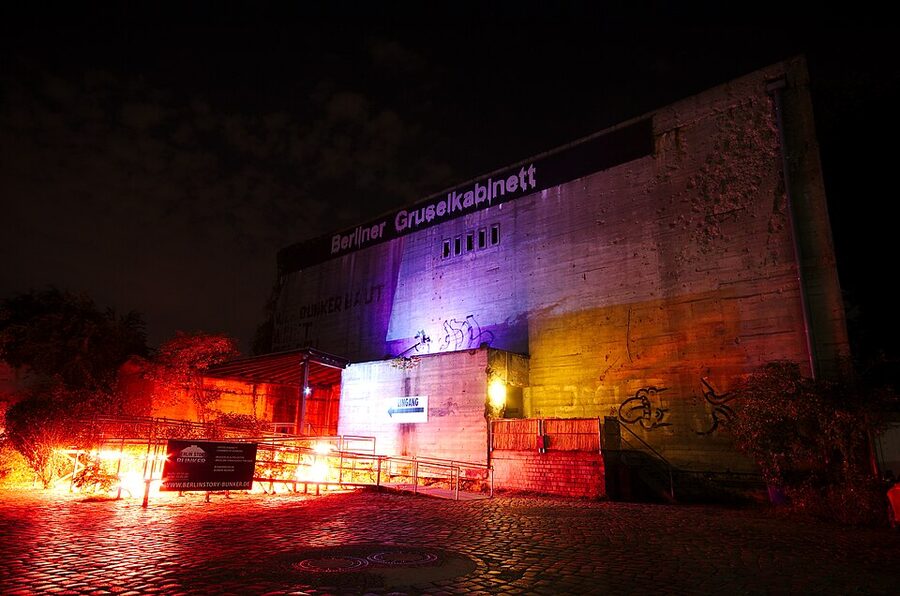
From the outside, the Berlin Story Bunker looks like the most boring concrete cube in the city. Three-metre walls, three-ton blast doors, ventilation slits where windows should be. Inside is the most relentless Hitler exhibition in Berlin and the only place in the world you can walk through a full-scale rebuild of the Führerbunker.
The contrast is the whole point. You buy a €21 ticket, push through the steel doors, and the next three hours are not gentle. Here is how to plan the visit, what to see first, and which Third Reich walking tour pairs best with going inside.
- In a Hurry?
- What the Berlin Story Bunker Actually Is
- Visit Options
- 1. Berlin Story Bunker Entry Ticket:
- 2. Third Reich and Cold War 2-Hour Walking Tour:
- 3. Third Reich and Cold War Combo Tour (Viator): .07
- What’s Inside the Bunker, Floor by Floor
- Ground Floor: 1918 to 1933
- First Floor: 1933 to 1941
- Second Floor: 1941 to 1945
- Basement: The Führerbunker Reconstruction
- Story Bunker vs Topography of Terror: Which to Pick
- How to Get to the Story Bunker
- Tickets, Hours and How Long to Plan
- If You Are Travelling With Someone Sensitive
- The Bigger Berlin Nazi-History Day
- What to Add If You Have More Time
- Practical Questions People Always Ask
- What to Do Right After
- When You Should Not Go At All
- Pairing Notes
- How It Fits With the Rest of Berlin
- The Short Version
- Where to Go From Here
In a Hurry?
- Berlin Story Bunker entry ticket from $21. Self-guided, audio-guide included, just walk in. Book the bunker ticket.
- Third Reich and Cold War 2-hour walking tour from $23. Above-ground context before you go inside. Book the walking tour.
- Third Reich and Cold War combo (Viator) from $24.07. Same loop, different operator, often easier to find a same-day slot. Book the Viator tour.
What the Berlin Story Bunker Actually Is
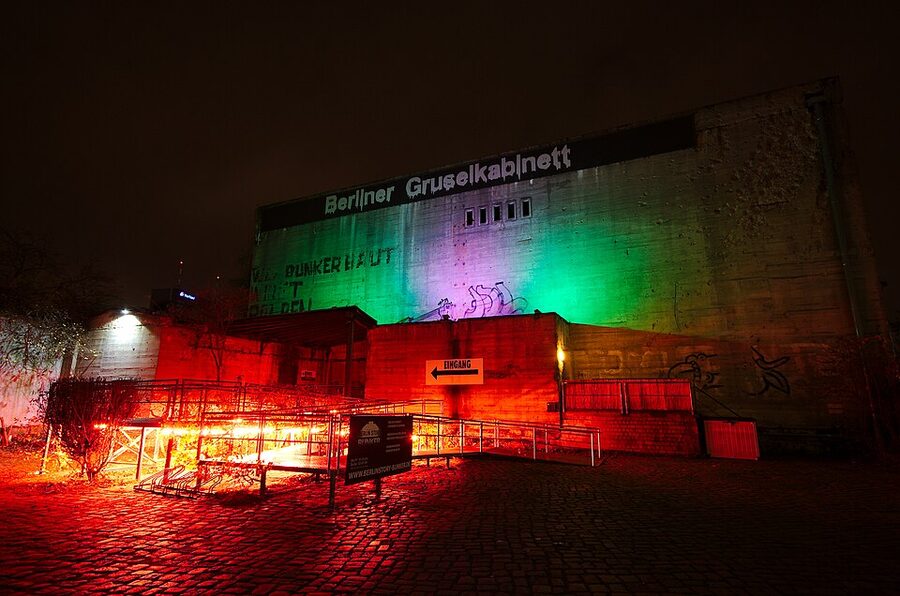
The Story Bunker is a private museum housed inside a real WWII air-raid shelter on Schöneberger Strasse, in the Kreuzberg part of central Berlin. The building went up in 1943 to protect rail passengers and locals from Allied bombing. It was built to take a direct hit and not collapse. It did, repeatedly. When the Red Army arrived in 1945, everyone inside was alive.
The permanent exhibition is called Hitler: How Could It Happen? and that is exactly the question it tries to answer. Not the battles. Not the generals. The mechanics: how an ordinary German civilian in 1928 became a person who supported, tolerated, or hid from the regime by 1938. The whole museum is built around that question, and the answers are uncomfortable in a way that is good for you.
There is also a basement reconstruction of the Führerbunker. That is Hitler’s actual bunker, where he killed himself on 30 April 1945. The real Führerbunker was 800 metres away, under what is now a Berlin car park. Soviet engineers dynamited it in 1947, and the surviving parts are sealed and will never reopen. The Story Bunker rebuilt the rooms at full scale, in the right floor plan. It is the only place you can physically walk through that space.
Visit Options
You can visit the bunker on its own, but most people do better pairing it with a Third Reich walking tour either the same day or the day before. The walking tour gives you the geography. The bunker gives you the depth. Doing them in sequence makes both better.
1. Berlin Story Bunker Entry Ticket: $21
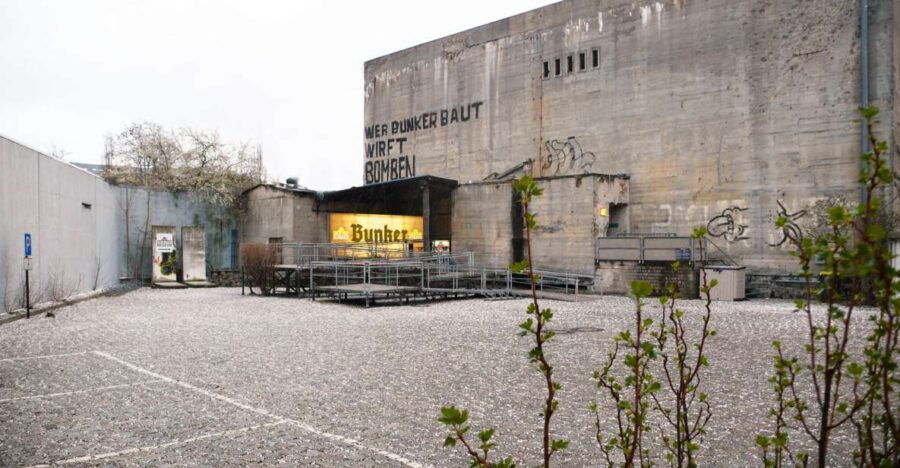
This is the main ticket and the one I would book first. Two and a half hours is the average visit; I spent four and was still skipping panels on the upper floors. Our full Story Bunker review covers what is inside floor by floor, plus how to time the basement Führerbunker section so you finish on it rather than crashing into it cold.
2. Third Reich and Cold War 2-Hour Walking Tour: $23
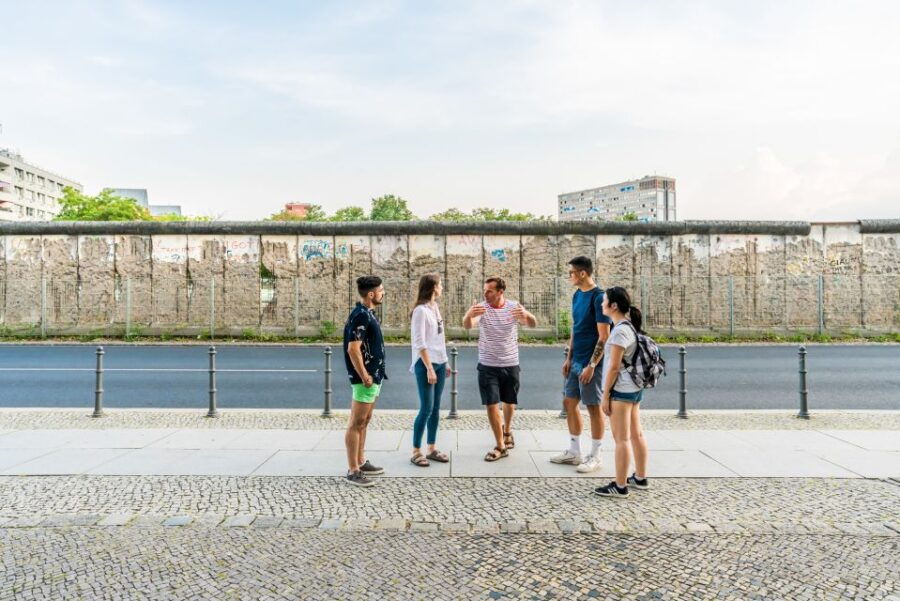
This one has the strongest review track record of the bunch, and the consistency is what makes it work. The route stitches together sites that are otherwise just a parking lot, an office building, and a tourist crossing. Our deeper write-up of this tour compares its guides and meeting point to the Viator equivalent.
3. Third Reich and Cold War Combo Tour (Viator): $24.07
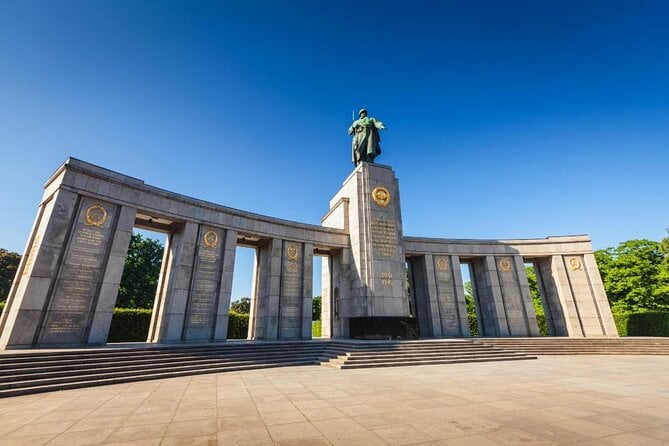
Worth checking if the GetYourGuide tour is sold out for your dates, or if you simply want a smaller group. Our side-by-side review goes into the differences between operators on this same route. Coverage is the same on paper; the experience comes down to which guide you draw.
What’s Inside the Bunker, Floor by Floor
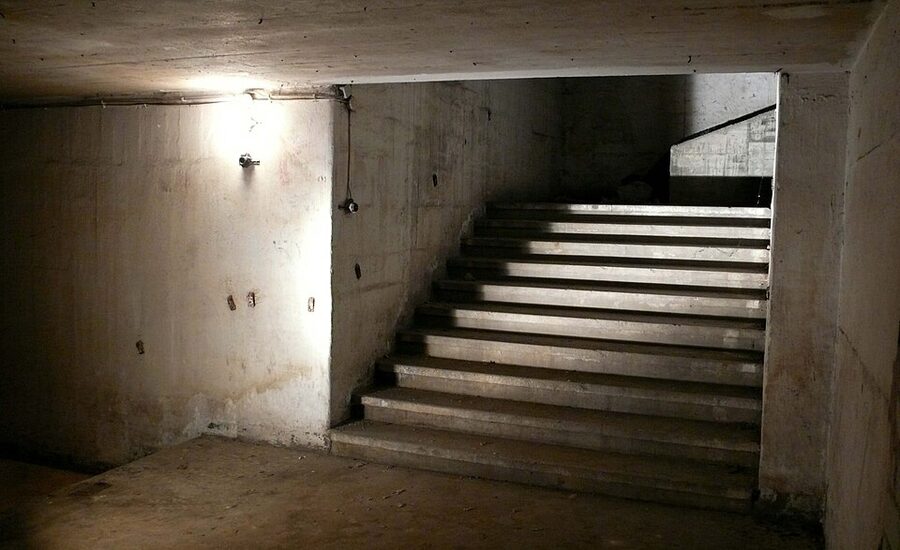
The exhibition runs across three floors plus the basement. Audio guide is in English, German, Italian, Spanish, French and Russian, included in the ticket price. You go at your own pace.
Ground Floor: 1918 to 1933
The Weimar Republic. Cabaret Berlin, but also street fights, hyperinflation, six elections in four years. This floor sets up the question the rest of the museum keeps coming back to: what does political collapse look like before the violent part starts? It is the shortest section. Twenty minutes is enough.
First Floor: 1933 to 1941
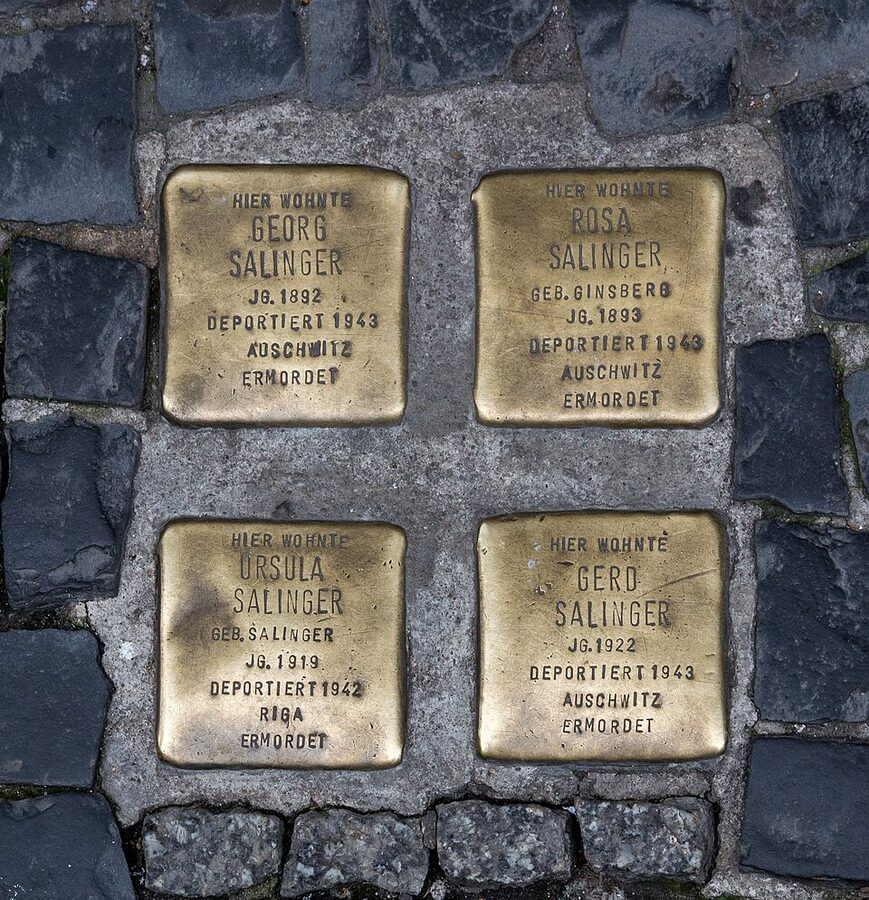
The consolidation years. Hitler is now Chancellor. The first concentration camps open. The Nuremberg Laws strip Jewish citizens of citizenship. Kristallnacht happens. The exhibition on this floor is built around personal stories: who lived where, who hid whom, who informed on whom, who left in time and who did not.
This is the heaviest floor for most visitors. Plan for an hour.
Second Floor: 1941 to 1945
The war and the Holocaust. The Eastern Front, the Wannsee Conference (held just across town in 1942), the death camps, the bombing of Berlin, the firestorm above the bunker you are currently standing in. This floor is the hardest. You will want a break before the basement.
There are benches on every floor and a small outdoor courtyard. Use them. Your ticket lets you exit and re-enter.
Basement: The Führerbunker Reconstruction
Forty-five minutes minimum. The recreation is full-scale: Hitler’s office, Eva Braun’s small sitting room, the corridor outside the conference room, the emergency exit where bodies were carried up to the Reich Chancellery garden and burned. Photos are not allowed in this section, deliberately.
The Story Bunker is clear about what this is and is not: a faithful reconstruction of an inaccessible space, not the original room. The original Führerbunker is 800 metres north, sealed under a residential car park behind the Holocaust Memorial. It will never be a tourist site. This is the only way to physically understand the size of those rooms, and why three thousand people made decisions there for twelve years.
Story Bunker vs Topography of Terror: Which to Pick
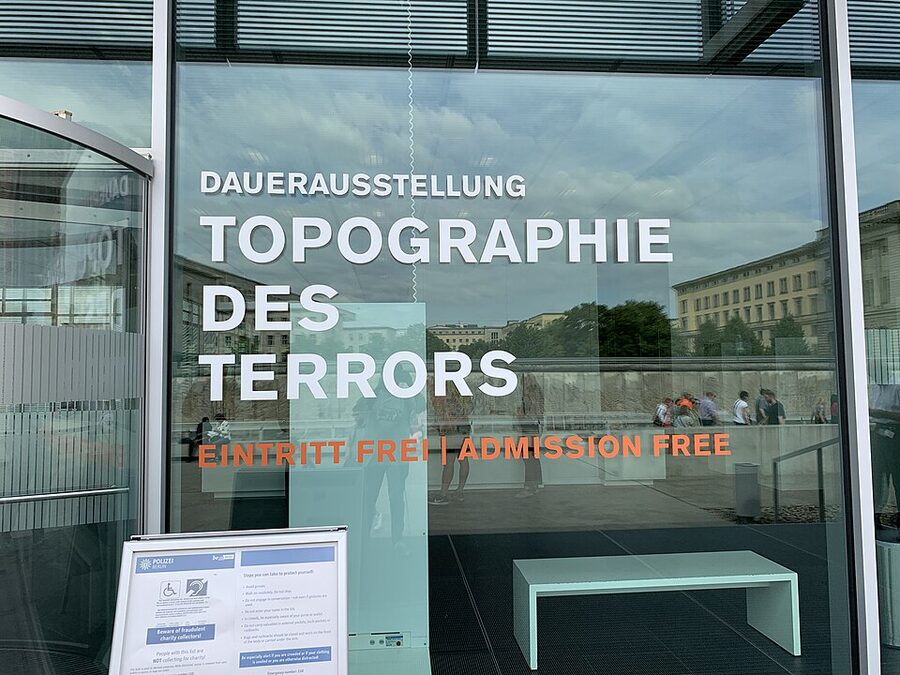
If you only have time for one Berlin Nazi-history museum, Topography of Terror is the easier yes. It is free, outdoor, document-driven, and sits on the literal foundations of the Gestapo HQ. Ninety minutes is enough. It is the more academic of the two: here are the orders, here is who signed them, here is what happened next.
The Story Bunker is the harder, deeper choice. It costs €21, it is indoors, it takes three hours, and it is built around personal narrative. Here is who this person was. Here is what they decided. The bunker reconstruction is the differentiator nothing else in Berlin has.
If you have a full Nazi-history day, do both. Topography in the morning (free, outdoor, lighter), lunch in between, Story Bunker in the afternoon (paid, indoor, heaviest). They are a fifteen-minute walk apart. Walk it. The transition between sites helps your brain process what you just saw.
How to Get to the Story Bunker
Address: Schöneberger Strasse 23a, 10963 Berlin. The closest stations are Anhalter Bahnhof on the S-Bahn (lines S1, S2, S25, S26) and Möckernbrücke on the U-Bahn (U1, U3, U7). Both are about five minutes on foot.
From the main tourist hubs:
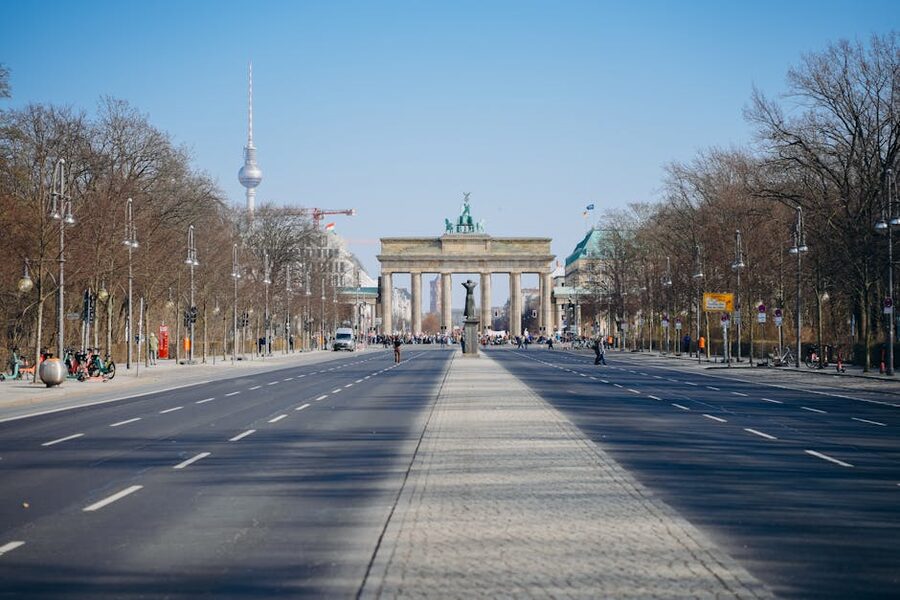
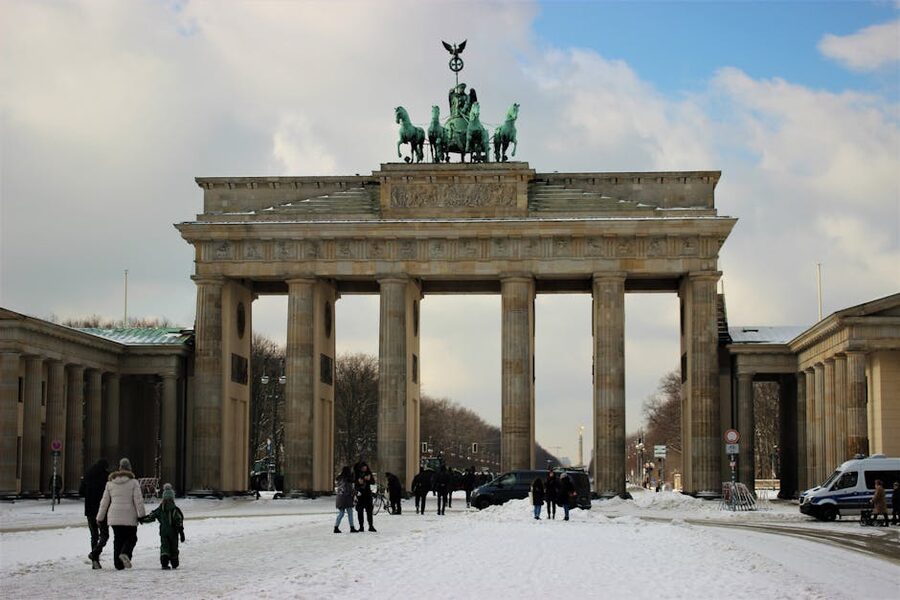
- From Brandenburg Gate: 20 minutes on foot, or two stops on the U5 then a transfer.
- From Alexanderplatz: 15 minutes via U2 to Mohrenstrasse and a change to the U3.
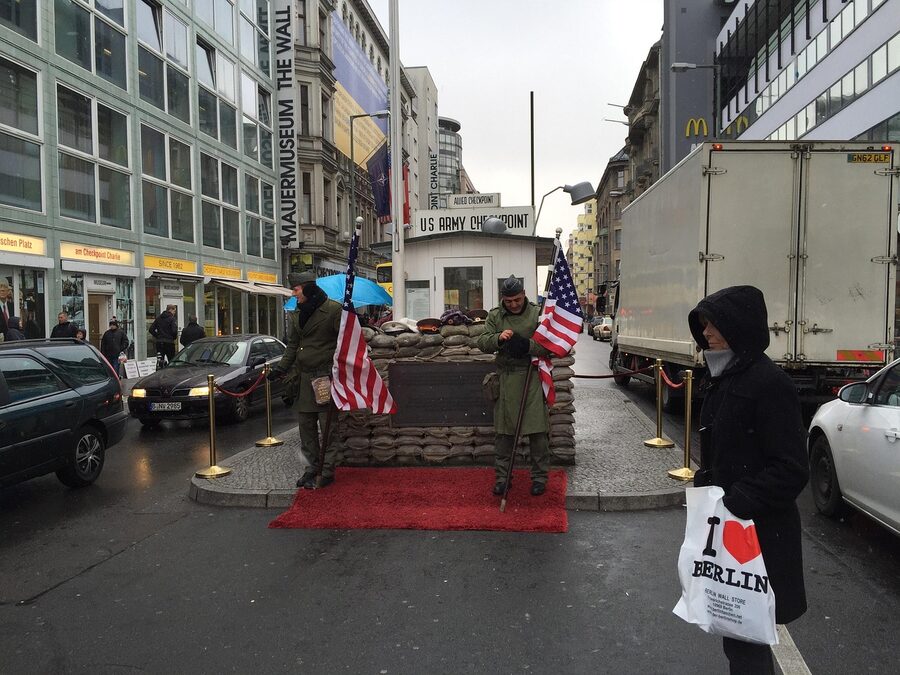
- From Checkpoint Charlie: 10 minutes on foot. This is the natural pairing. Most visitors walk it.
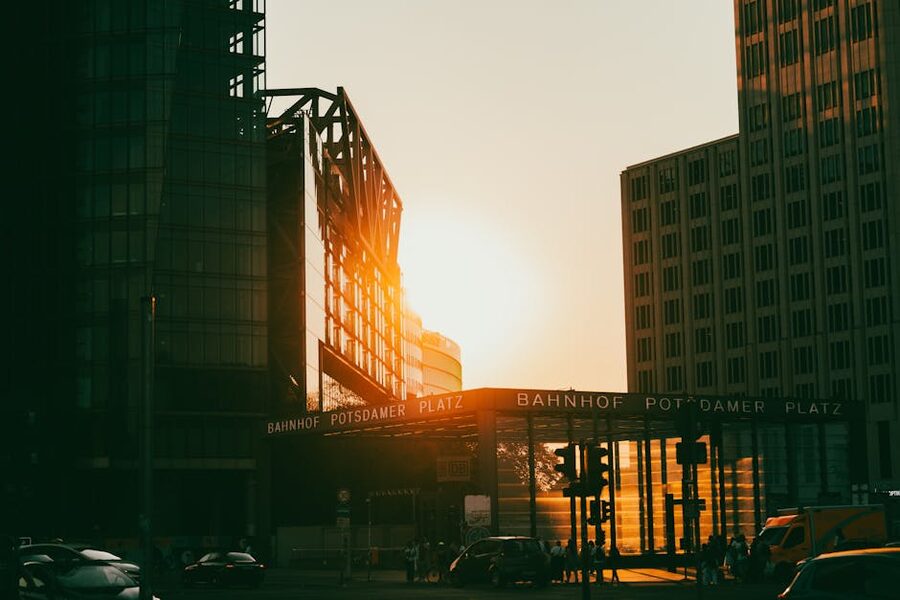
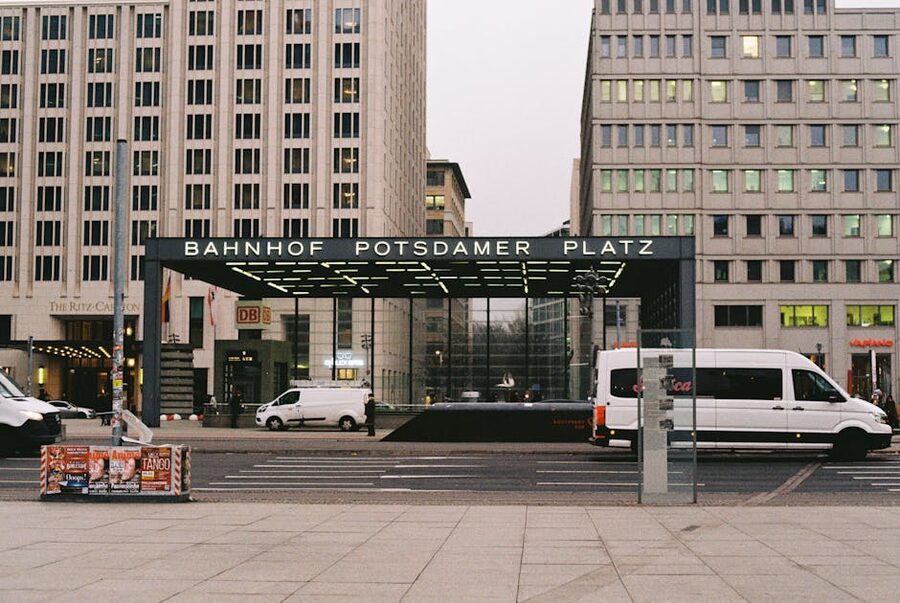
- From Potsdamer Platz: 12 minutes south on foot.
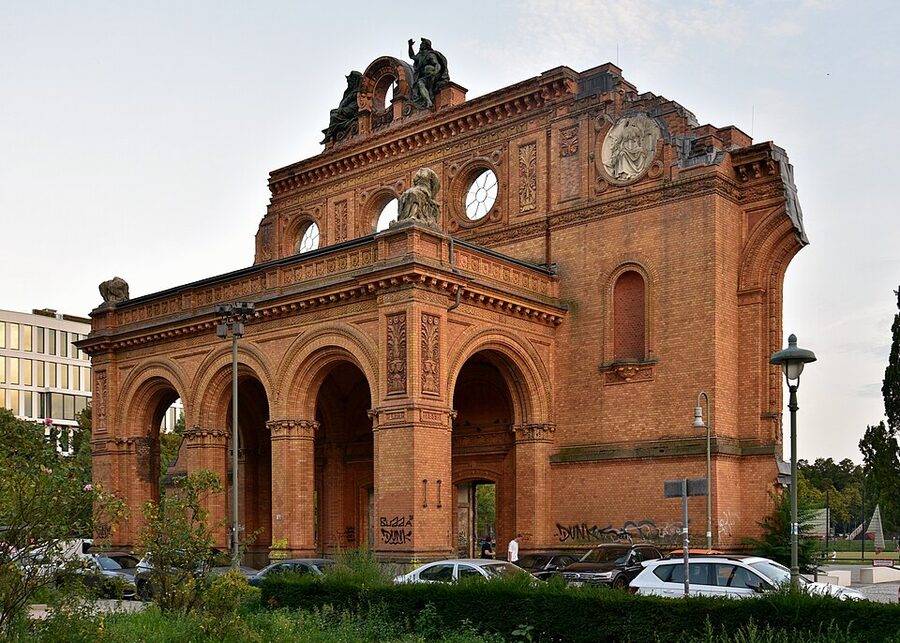
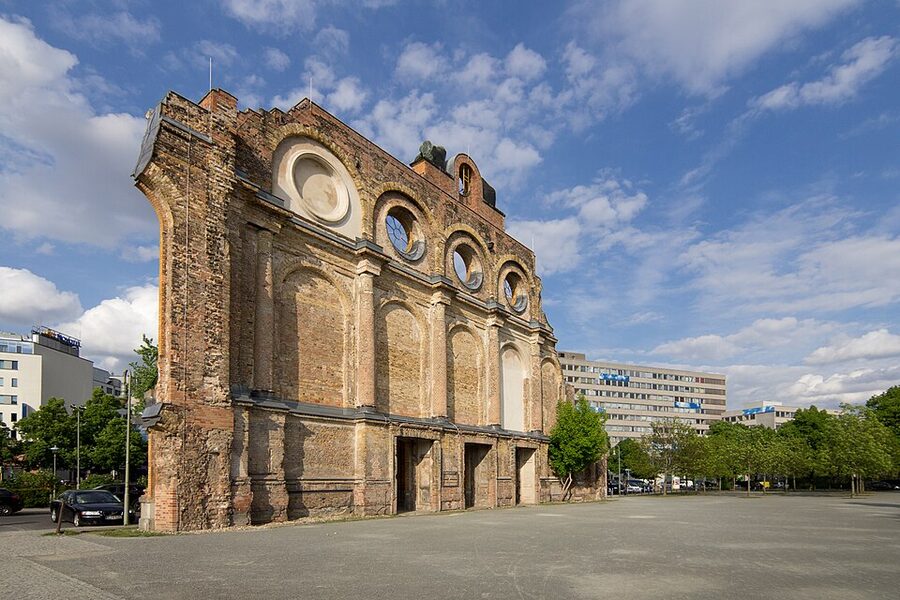
The Anhalter Bahnhof portico, two minutes from the bunker entrance, is itself part of the story. The station was where most of Berlin’s Jewish population was deported from between 1941 and 1945. The proximity is not coincidental. The bunker was built next to a working transit hub.
Tickets, Hours and How Long to Plan
The bunker is open every day from 10am to 7pm, with last entry at 6pm. It closes on December 24, 25, 31 and January 1.
Tickets are €21 online and slightly more at the door. There is no time-slot system. Buy the online ticket, pick a date, walk in any time during opening hours. The audio guide is included.
For length, plan as follows:
- Two hours: minimum. Realistic if you skim the upper floors and focus on the basement.
- Three hours: the right amount for most visitors. Read the panels, listen to the audio guide on the heavier sections, give the basement reconstruction the time it needs.
- Four hours plus: if you read German fluently and want to absorb the personal-story panels properly.
If you have less than 90 minutes, do not bother going inside. Walk to the Topography of Terror instead. Same area, free, faster, and you will leave with more context.
If You Are Travelling With Someone Sensitive
Some visitors find the second floor and the Führerbunker reconstruction genuinely upsetting. That is the design intent, but it is worth knowing in advance. There are benches on every floor and an outdoor courtyard with fresh air. The cafe across the street does decent coffee, and your ticket is valid for re-entry.
Skip the Story Bunker entirely if any of these apply:
- You have personal family history with the Holocaust and have visited similar sites recently. Sometimes one is enough for one trip.
- You are travelling with children under ten. The material is not built for them.
- You are in Berlin for two days and already booked the Topography of Terror plus the Holocaust Memorial. You will be saturated.
- You arrived in Berlin yesterday and have not had a chance to walk around the city yet. The bunker hits harder when you have already seen the buildings, the U-Bahn, the rebuilt streets.
The Bigger Berlin Nazi-History Day
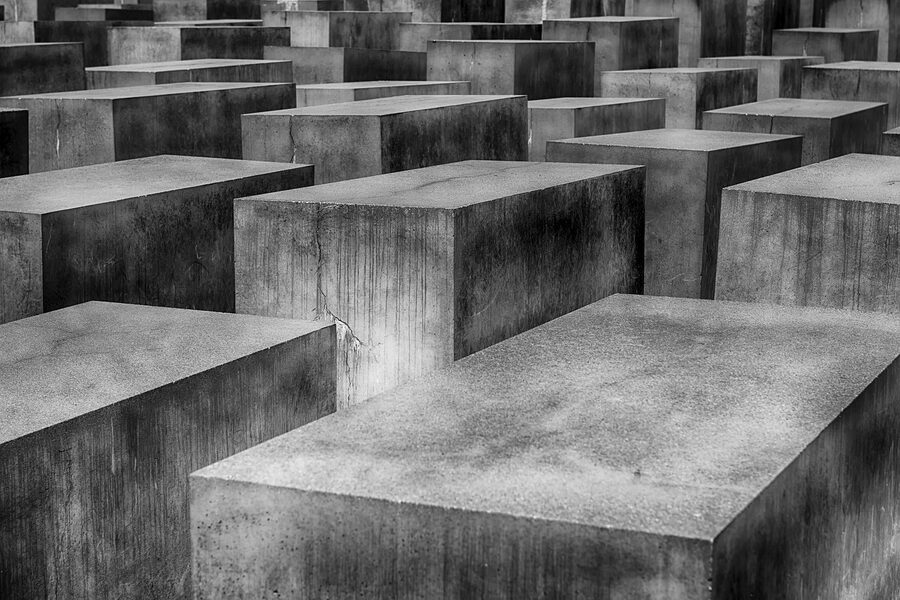
If you want to build a proper history day around the bunker, here is the route I would do, going from heaviest material in the morning to lightest in the evening:
- 9:30am, Topography of Terror. Free, ninety minutes, outdoor.
- 11:15am, walk to the Story Bunker. Fifteen minutes through Kreuzberg, lunch on the way.
- 11:45am, Berlin Story Bunker. Three hours.
- 2:45pm, walk north to the Holocaust Memorial. Fifteen minutes, with a small break inside the underground information centre.
- 4:00pm, Checkpoint Charlie and the Berlin Wall Museum. An hour, transitioning from Nazi history into Cold War.
- 5:30pm, U-Bahn to the East Side Gallery. Walk a stretch of the Wall outdoors before dinner.
- 7:00pm, dinner in Friedrichshain or Kreuzberg.
That is a ten-hour day and you will be tired. Do not also try to add the Jewish Museum on the same day. Save it for the next morning, with coffee.
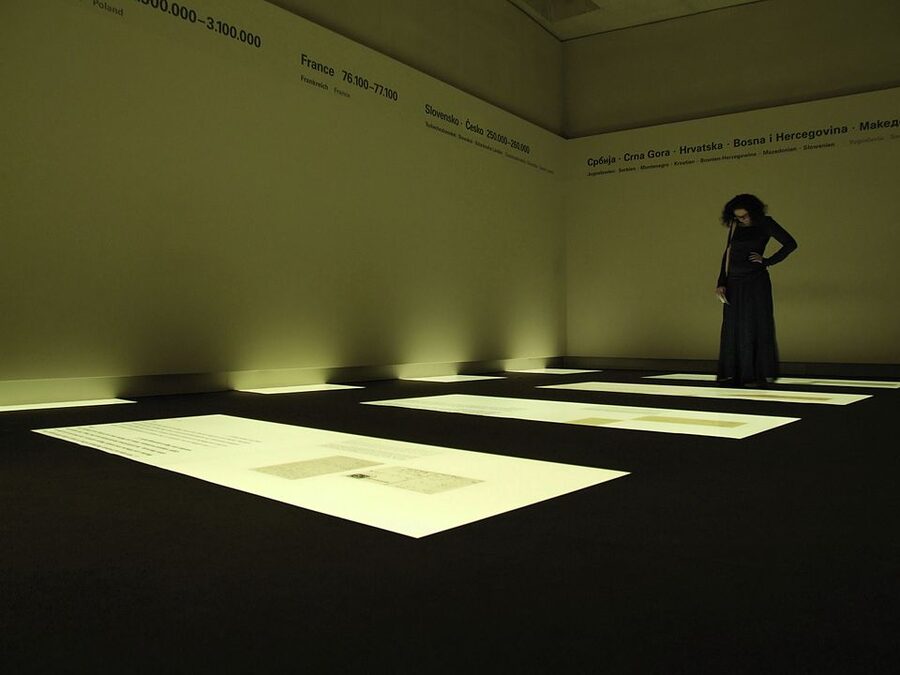
What to Add If You Have More Time
For Cold War history specifically, the full Third Reich and Cold War walking tour covers a smarter route than just chaining the obvious sites yourself. Two hours, a guide who can answer questions, and the connective tissue between Nazi and Cold War Berlin that you cannot get from museum panels.
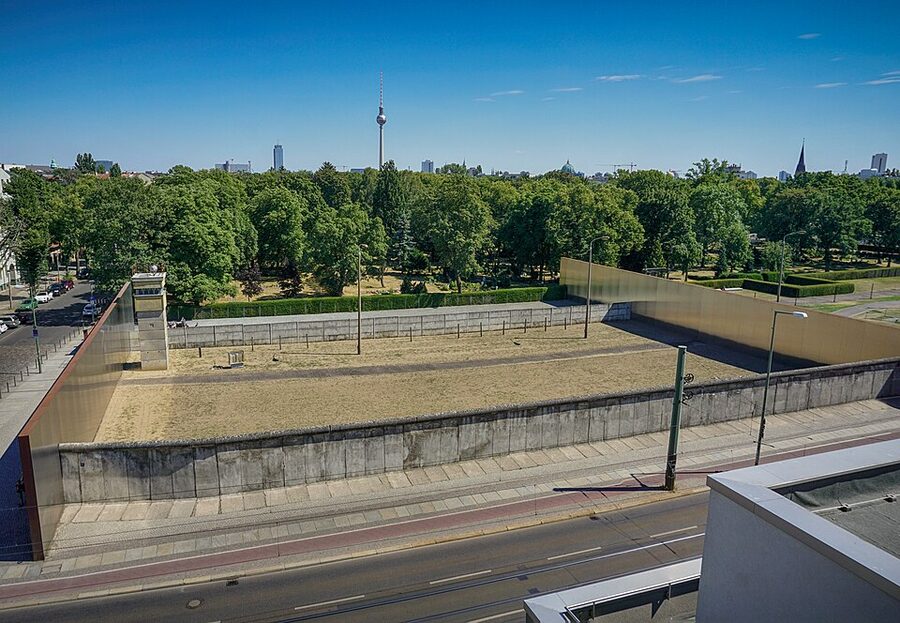
The Berlin Wall Memorial at Bernauer Strasse is the better Cold War follow-up than Checkpoint Charlie. It is free, open all the time, and you can see the actual death strip and watchtower preserved on site. Twenty minutes by U-Bahn from the Story Bunker.
For the wider city sweep, a general Discover Berlin walking tour the day before your Nazi-history day pays off. It gives you the orientation that makes the bunker visit hit harder, because you already know which neighbourhoods you are looking at on the panels.
Practical Questions People Always Ask
Is there a bookshop? Yes, on the ground floor. The Berlin Story Verlag bookshop has a wide English-language WWII section and a strong DDR-era selection. Prices are reasonable. I usually leave with one paperback.
Is photography allowed? Yes in most of the museum. No in the Führerbunker reconstruction. That is a deliberate decision and I think it is the right one.
Is it wheelchair-accessible? Partially. The ground floor is accessible. The upper floors have lifts. The basement Führerbunker reconstruction has fixed steps that cannot be adapted. Plan accordingly.
Can I leave and come back? Yes. Tickets allow re-entry the same day. Useful if you need to step out for fresh air or food.
Is the audio guide necessary? Yes for most visitors. It does heavy lifting on the personal stories, especially on the first floor. Without it you will read about half the panels and miss most of the audio testimonies.
Is it suitable for kids? Not under ten. The material is not graphic in the gore sense, but it is sustained and emotionally heavy. Older teenagers studying history get a lot out of it.
What to Do Right After
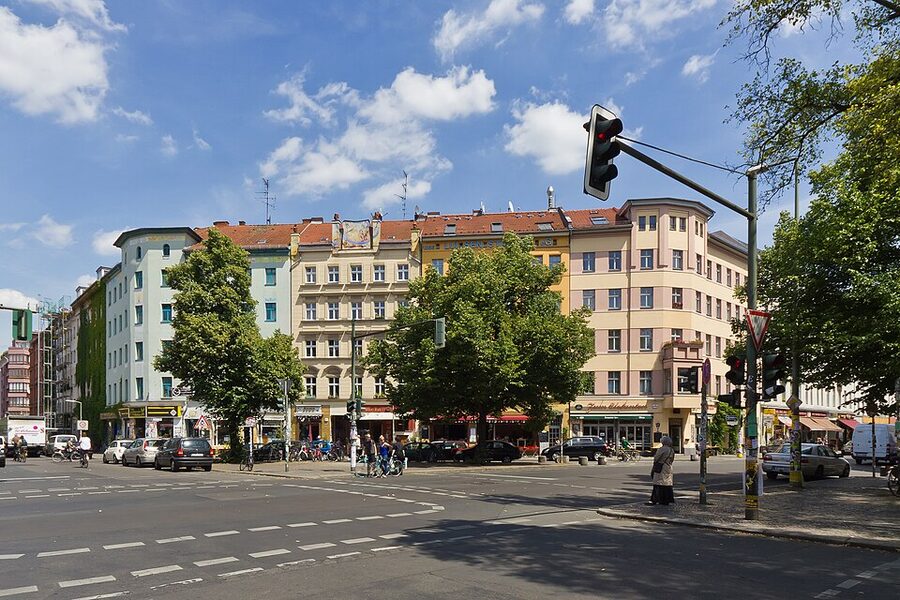
Walk for thirty minutes before you do anything else. Don’t get straight on the U-Bahn. The material is heavy and you need transition time. North through Kreuzberg, across the Landwehr Canal, into Mitte. The geography of present-day Berlin is the antidote to three hours of 1933.
Eat something substantial. The Story Bunker burns calories in a way most museums do not. It is processing, not walking, but the effect is similar. Doner kebabs and curry wurst within five minutes of the bunker exit. A sit-down dinner in Friedrichshain or Prenzlauer Berg is fifteen minutes by U-Bahn.
Don’t end your day on the Story Bunker. End it light. A Spree River boat tour, a meal in Mitte, a walk through the Tiergarten in the last half hour of daylight. Berlin has more than one register and you should hear another one before bed.
When You Should Not Go At All
The Story Bunker is not for everybody. It is for people who already have a baseline interest in twentieth-century European history and want to push deeper. If your Berlin trip is about architecture, food, nightlife, or weekend techno, the bunker can wait for a different visit. There is no virtue in forcing yourself through it.
Specifically, skip it if:
- You are in Berlin for less than three days and already booked the Topography of Terror or the Holocaust Memorial. Diminishing returns set in fast.
- You have visited Auschwitz, Yad Vashem, or the U.S. Holocaust Memorial Museum within the past year. The Story Bunker will feel like a recap.
- You are emotionally fragile right now for unrelated reasons. The bunker will not help and may make things worse.
- You are travelling with someone who has explicitly said they do not want to see this material. Respect that. Pair the day with Madame Tussauds Berlin instead.
Pairing Notes
Same day, morning: Third Reich and Cold War walking tour. The walk gives you geography for the panels you are about to read.
Same day, afternoon: Topography of Terror, then the Holocaust Memorial. Both within fifteen minutes’ walk.
Different day, morning: Jewish Museum. Same material, completely different angle. The Bunker is political; the Jewish Museum is cultural and pre-war. Worth seeing both, never on the same day.
Day trip option: Sachsenhausen Concentration Camp Memorial, 45 minutes north of the city. The actual site of a camp. Heaviest stop in any Berlin Nazi-history itinerary. Save it for last.
Lighter pairings if you only have one history day: combine the bunker with a Berlin TV Tower visit the next day, or a Reichstag dome tour. Both anchor you in the modern, post-1989 city.
How It Fits With the Rest of Berlin
If you have the Berlin WelcomeCard, the Story Bunker is in zone AB and easy to reach. The card gets you discounted entry, plus the unlimited public transport you need to chain the day together.
For a hop-on hop-off day that includes the bunker on a longer Berlin loop, the Berlin hop-on hop-off bus stops within ten minutes’ walk and lets you cover the rest of central Berlin without thinking about U-Bahn changes.
The Short Version
Book online for €21. Go on a weekday morning. Set aside three hours. Pair it with the Topography of Terror either before or after, and the Holocaust Memorial in between. Bring a snack. Don’t do this on day one of your Berlin trip. Give the city a day to breathe first. Walk for half an hour after you leave. Eat something proper. Do not also book the Jewish Museum the same day. End the evening on something light.
That is the visit.
Where to Go From Here
If the Story Bunker is the centrepiece of your Berlin history day, the natural follow-ups are a Sachsenhausen day trip for the actual camp site, or Madame Tussauds Berlin on the day after as the lighter palate cleanser most travellers don’t admit they need. And if you have not booked your transport yet, the Berlin WelcomeCard covers all of these and pays for itself by day two.