
Here’s a thing nobody tells you when you book that cheap flight into BER. Berlin’s gleaming new Brandenburg Airport, the one that finally opened in 2020 after a decade of delays, sits in transport zone C. The standard Berlin city ticket only covers zones A and B. Which means the moment you step off the plane, you’re already outside the cheap zone, and the WelcomeCard you bought online for €26 is suddenly the wrong one.
I’ll save you the headache below. The Berlin WelcomeCard is genuinely one of the better tourist passes I’ve used in Europe, but only if you pick the right tier for how you’re getting around.
- In a Hurry? My Quick Picks
- Berlin WelcomeCard ABC: from
- Berlin WelcomeCard AB: from
- WelcomeCard + Museum Island: from
- So What Is the Berlin WelcomeCard, Exactly?
- The Zone Trap: AB vs ABC
- The Three Card Variants Explained
- Classic
- Museum Island
- All Inclusive
- How to Buy It (and Where)
- Activate It on the Day You Need It
- What’s Actually in the Discount Book
- Doing the Maths: Is It Worth It?
- Tour Picks: The Best WelcomeCard Versions to Book
- 1. Berlin WelcomeCard ABC: Discounts and Transport (Zones ABC): from
- 2. Berlin WelcomeCard AB: Discounts and Transport (Inner City): from
- 3. Berlin WelcomeCard + Museum Island Pass: from
- The Itinerary I’d Build Around It
- Day One: The Mitte Loop
- Day Two: Museum Island and the East
- Day Three: Either Potsdam or Charlottenburg
- The Sachsenhausen Question
- Things the Card Doesn’t Cover
- Common Mistakes to Avoid
- Quick FAQ
- Where the WelcomeCard Beats and Loses to Other City Passes
- Berlin Transport Without the Card
- Where to Stay if You’re Maximising the Card
- If You Like the WelcomeCard, Try These Next
In a Hurry? My Quick Picks
Berlin WelcomeCard ABC: from $50
The one to buy if you’re flying into BER. Covers the airport run, central Berlin, Potsdam, and Sachsenhausen Memorial. 200+ partner discounts.
Berlin WelcomeCard AB: from $31
Pick this if you’re already in town and not flying in or out of BER. City-centre transport plus the same discount book. Cheapest way in.
WelcomeCard + Museum Island: from $70
Flat-rate Museum Island entry across all five museums for three days, transport included. The buy if Pergamon and the Neues are on your list.
So What Is the Berlin WelcomeCard, Exactly?
It’s the city’s official tourist pass, run by visitBerlin together with the public transport network (BVG and S-Bahn Berlin). Two things bundled into one card.
Number one: unlimited rides on the entire city transport system. S-Bahn, U-Bahn, trams, buses, and even the little public ferries that crisscross the lakes out east. You tap nothing. You just board. The card itself is your ticket. Validate it once at a yellow box on a station platform, and that timestamp starts the clock.
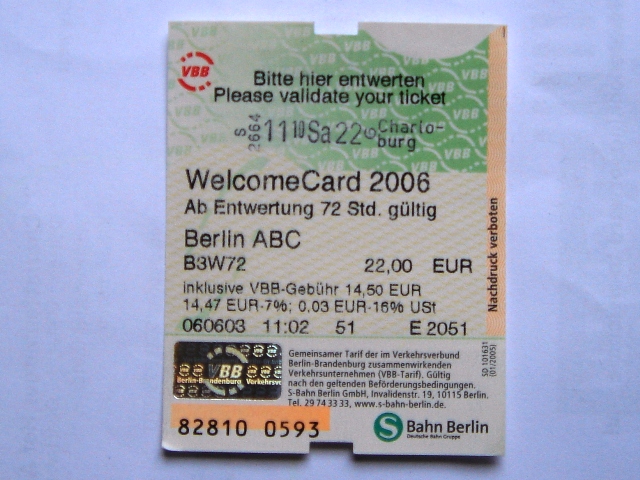
Number two: a discount booklet (paper, plus app) that gives you 25% to 50% off entry to roughly 200 museums, attractions, river cruises, walking tours, and a handful of restaurants. This is where the Berlin card differs from, say, the Amsterdam I amsterdam card or the London Pass. Those passes give you free admission. The Berlin WelcomeCard gives you a discount. You still pay something at the door.
That sounds worse on paper. In practice it works out about the same once you do the maths, because the card itself is much cheaper than the all-inclusive city passes. €26.90 for a 3-day AB Classic versus the €100+ you’d pay for a 3-day “free admission” pass elsewhere.
The Zone Trap: AB vs ABC
This is the bit people get wrong, so I’m putting it before everything else.
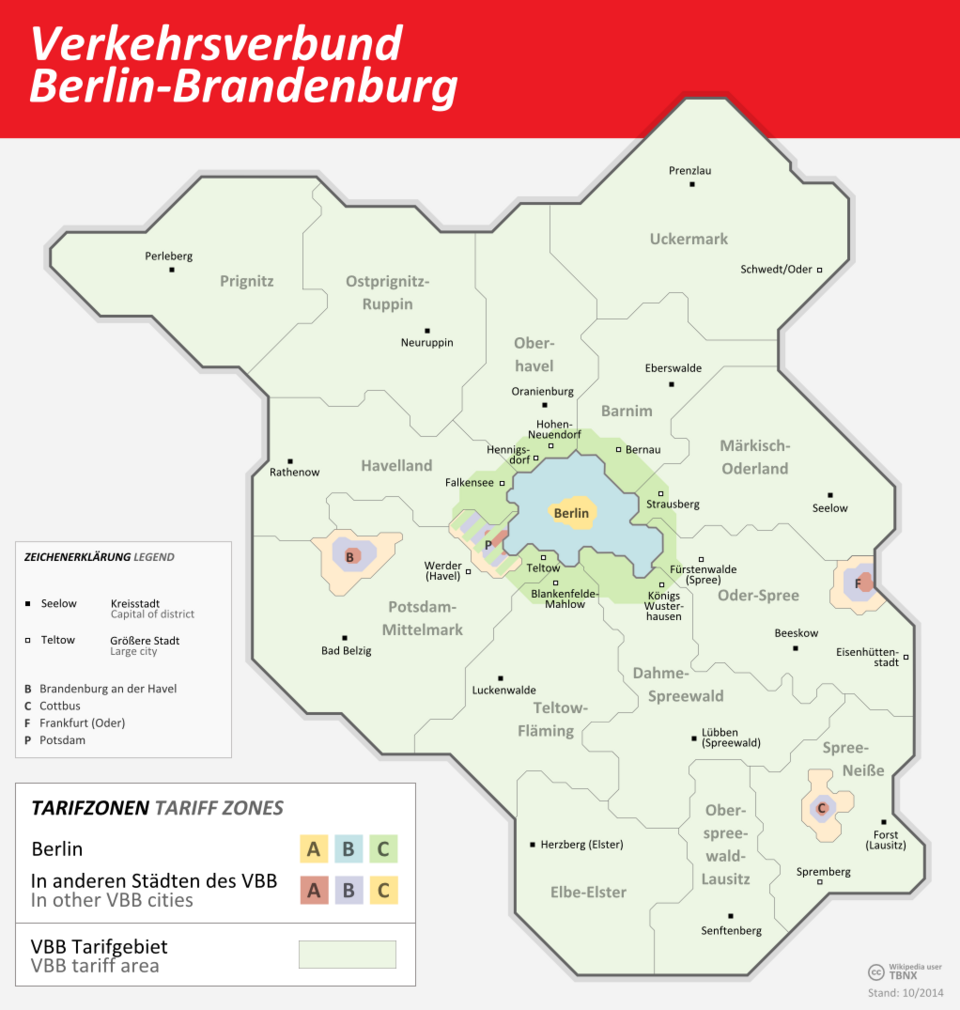
Berlin’s transport network divides into three concentric zones. Zone A is the central ring inside the S-Bahn loop. Zone B is the rest of the city out to the boundary. Zone C is everything beyond that, including a few suburban towns and most of Brandenburg state.
An AB card covers everywhere normal tourists go inside the city. Brandenburg Gate, Reichstag, Museum Island, the TV Tower, Charlottenburg, Tempelhof, Kreuzberg, Friedrichshain, the East Side Gallery. All zone AB. Cheap.
An ABC card adds zone C. And zone C has three things you might actually want to use: BER airport, Potsdam (Sanssouci, Cecilienhof), and Sachsenhausen Memorial in Oranienburg.
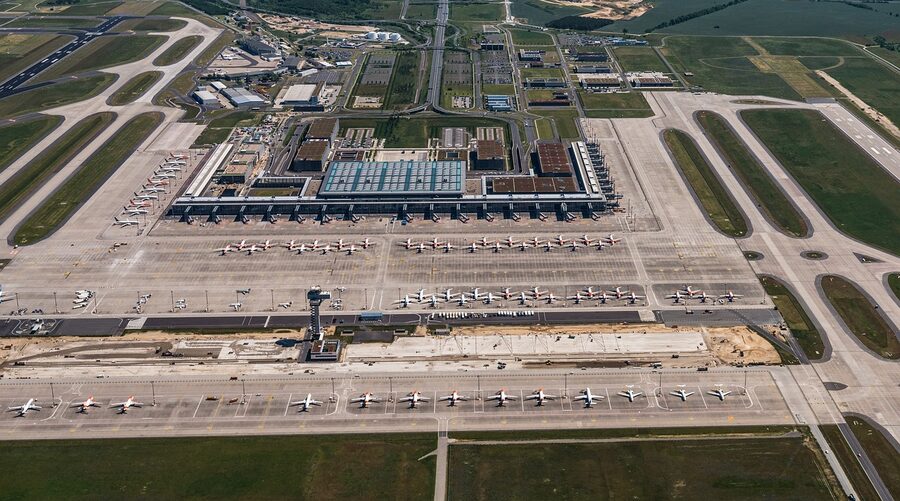
So the calculus. Are you flying in or out of BER? Get the ABC. The airport express train (FEX) and S-Bahn S9/S45 to BER are all zone-C trips. A single one-way ABC ticket costs €4.70, and you’d need it twice. That’s already €9.40 you’re saving on transport alone before you’ve used the card for anything else. Then add the morning you’ll spend at Sanssouci and the half-day at Sachsenhausen, and the ABC pays for itself.
If you’re already in central Berlin (arriving by train at Hauptbahnhof, say, from Hamburg or Munich) and you’re not bothering with Potsdam or the camp memorial, the AB is the right call. It’s about €15 cheaper across a 4-day stay.
The Three Card Variants Explained
visitBerlin sells the WelcomeCard in three flavours. The names are slightly confusing because two of them sound the same. Here’s the actual difference.
Classic
This is the standard one. Transport plus the 25-50% discount book. Available 48 hours, 72 hours, 4 days, 5 days, or 6 days. AB or ABC. Roughly €26-€60 depending on duration and zone. The Classic is what most people mean when they say “WelcomeCard,” and it’s the version I’d default to unless you have a specific reason to upgrade.
Museum Island
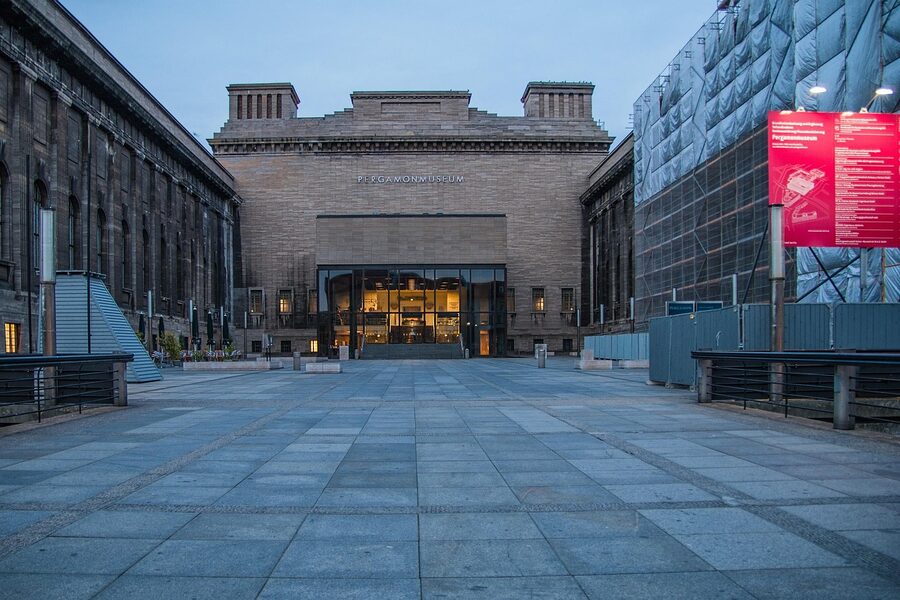
Same transport. Same discount book. Plus free entry to all five Museum Island museums for three days running. That bundle is the upgrade you want if Pergamon, the Neues (home of the Nefertiti bust), the Bode, the Altes, and the Alte Nationalgalerie are all on your radar. Museum Island day-tickets are €25 each at the gate, so visiting two museums effectively pays back the upgrade. We’ve put together a full review of this Museum Island variant if you want the longer breakdown.
All Inclusive
The newer, pricier sibling. Free entry (not just a discount) to a smaller hand-picked list of about 30 attractions, including the TV Tower, Berlin Dungeon, Madame Tussauds, AquaDom successor, and several boat cruises. Plus transport. Closer to a Go City style pass. I find it harder to justify mathematically unless you’re a heavy sightseer doing two paid attractions a day. The Classic plus selective discounts usually wins on value for slower travellers.
How to Buy It (and Where)
Five options, ranked by how I’d actually use them.
Online via GetYourGuide. Easiest. You book before you fly, get a voucher in your email, and either swap it for the physical card at any tourist info point or just use the digital one in your inbox. This is the route I’d take. It also locks in the exchange rate.
Online via the official berlin-welcomecard.de site. Same thing, slightly different checkout. Sometimes their direct site has bundle promos the resellers don’t.
At a Tourist Info Point on arrival. Big ones at the main station (Hauptbahnhof), Brandenburger Tor, and BER airport (terminal 1, before you exit). If you forgot to book, this is the backup. There can be a queue at peak times.
From a BVG ticket machine. The yellow machines on every U-Bahn platform sell WelcomeCards. The interface is in English. You’ll get a paper ticket only, no booklet. Not ideal because the booklet is half the value.
From your hotel’s front desk. Many partner hotels stock them. Check before you arrive, especially if you’re staying somewhere central.
Activate It on the Day You Need It
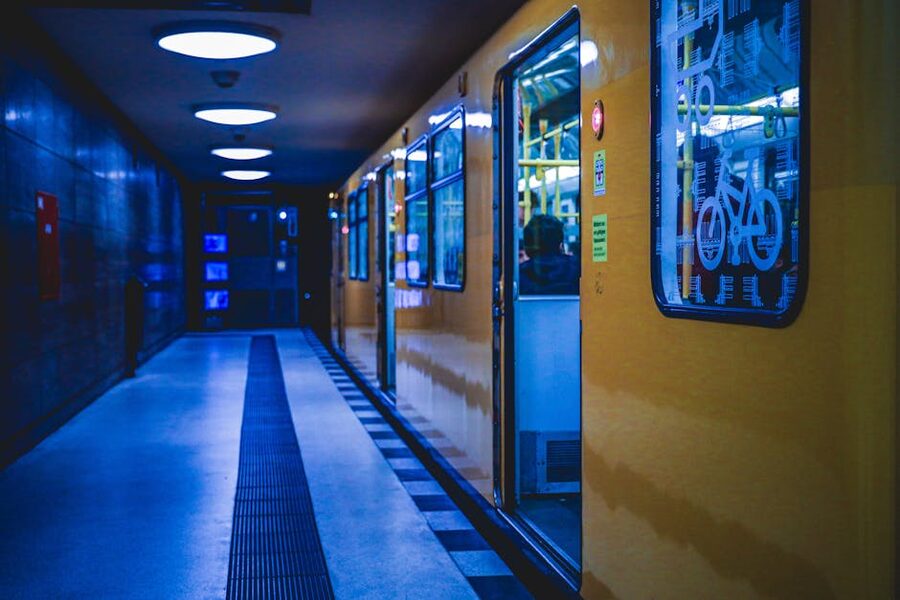
Here’s a small thing that catches people out. The card is valid from the moment you stamp it, not from the moment you buy it. There’s a yellow validation box on every U-Bahn and S-Bahn platform. Slide the corner of your card in until you hear the click and feel it print the time. From that minute, the clock runs.
Why this matters: a 48-hour card stamped at noon Monday runs out at noon Wednesday, not at the end of Wednesday. If your flight home is Wednesday at 5pm, that’s a problem. Either stamp later in the day or buy a 72-hour version instead. Cost difference is small. Stress saved is large.
Also: don’t validate twice. Some people see the box and assume they need to swipe every time. Just once, on day one. After that, the printed timestamp is enough proof on every onward trip. If a controller (Kontrolleur) does an inspection on a tram, they’re checking the timestamp.
What’s Actually in the Discount Book
This is the part I’d flick through on the train from the airport. The booklet (also a free app) lists every partner with the percentage off and the conditions. Roughly grouped:
Museums and historical sites. Topography of Terror is already free, so the discount is moot, but the German Spy Museum, the DDR Museum, the Stasi Museum, and the Jewish Museum all knock 25-30% off. The Jewish Museum is one of my favourites in Berlin and a card-discounted ticket gets you in for around €6. We’ve written a longer guide to booking the Jewish Museum.
Tours and experiences. Spree boat cruises, hop-on hop-off bus tours, walking tours, bike rentals. The discount is usually 25%. If you’re planning a Spree River boat tour or a hop-on hop-off bus loop, the WelcomeCard discount stacks reasonably well with the GYG list price.
Family and kid stuff. SEA LIFE Berlin, LEGOLAND Discovery Centre Berlin, the Zoo (Zoologischer Garten), Tierpark Friedrichsfelde. These are the deepest discounts in the book, often 25-50%. And remember, an adult card already lets up to three kids 6-14 ride transport free, plus unlimited under-6s. Family maths gets very favourable very quickly.
Restaurants. Truthfully the weakest section. A handful of mid-tier tourist places offer 10-20% off a starter or a free welcome drink. Don’t pick a restaurant because of the discount. Pick the restaurant you want, and only if it happens to be in the book, use the coupon.
Doing the Maths: Is It Worth It?
I’ll work through a real example. Say you’re in Berlin for three days, AB zones only.
Without a WelcomeCard:
- 3 × 24-hour AB transport tickets at €10.60 = €31.80 (you’d more likely buy a 7-day, but that’s beside the point for three full days)
- TV Tower fast-track entry: €27.50
- Berliner Dom dome climb: €10
- DDR Museum: €13.50
- Spree boat tour: €24
- Total: €106.80
With the 3-day AB Classic WelcomeCard at €26.90:
- Card itself: €26.90 (transport included)
- TV Tower at 25% off: €20.65
- Berliner Dom at 30% off: €7
- DDR Museum at 25% off: €10.15
- Spree cruise at 25% off: €18
- Total: €82.70
So roughly €24 saved across three days for a couple of museums and one boat trip. If you add a fourth or fifth attraction, savings grow fast. If you only plan to visit one paid museum and otherwise walk and eat, you’d struggle to break even, and a regular 3-day transport ticket would beat it.
My rule of thumb: if you’re doing two or more paid attractions a day, the WelcomeCard wins. If you’re doing fewer, just buy a transport pass.
Tour Picks: The Best WelcomeCard Versions to Book
Three versions are worth booking ahead. Below is what I’d actually pick, with the reasoning. All three are sold via GetYourGuide because GYG handles the airport pickup desk and the cancellation policy is straightforward.
1. Berlin WelcomeCard ABC: Discounts and Transport (Zones ABC): from $50
This is the default pick if you’re flying in or out of BER, want to see Sanssouci, or are heading up to Sachsenhausen. Our full review of the ABC version walks through the partner list in detail. Pick the duration that matches your trip exactly so the card runs out the morning you fly home, not before.
2. Berlin WelcomeCard AB: Discounts and Transport (Inner City): from $31

If your trip starts and ends at Hauptbahnhof and zone C isn’t on the agenda, this is the smarter buy. Same coupon book, lower price. The AB version review goes into the trade-offs. Don’t get tempted into ABC just to be safe; if you don’t need zone C, you really don’t need it.
3. Berlin WelcomeCard + Museum Island Pass: from $70
The maths gets compelling fast. Two Museum Island day tickets at the gate would already cost you €50, and this bundle gives you all five museums for the same money plus the transport. Our Museum Island review covers which museums to prioritise and which days to skip (Mondays close most museums). Pergamon is partly under wraps for restoration but the Nefertiti and the Altar of Zeus reconstructions still draw the crowds.
The Itinerary I’d Build Around It
Three days, AB Classic if you’re rail-connecting, ABC Classic if you’re flying. Roughly:
Day One: The Mitte Loop
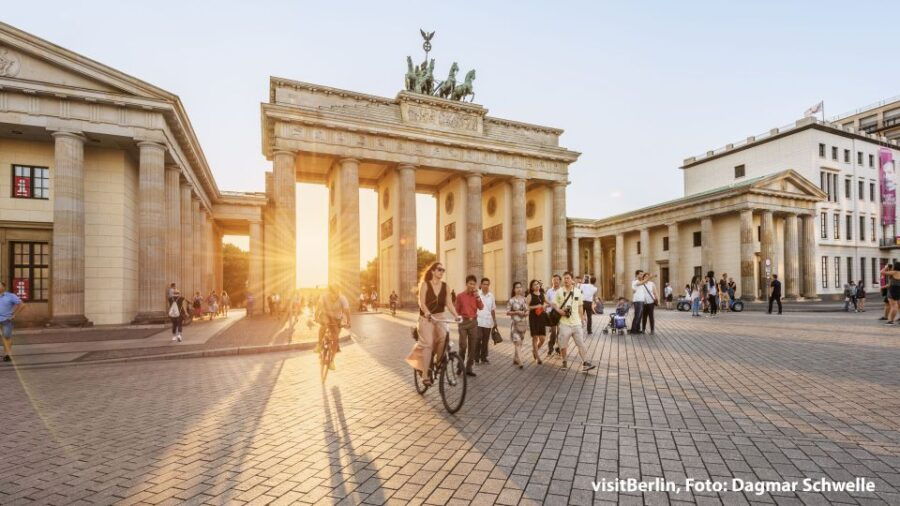
Stamp the card at your arrival station. Walk first. Brandenburg Gate, the Holocaust Memorial, then up to the Reichstag (book the dome free in advance, you’ll need ID at the gate; the card discount is moot here because entry is free, but the dome reservation is mandatory).

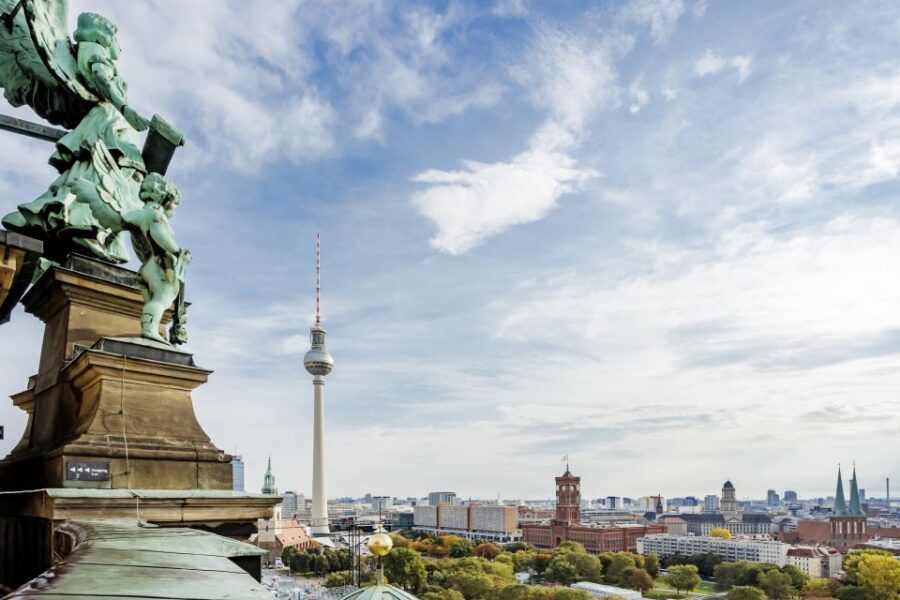
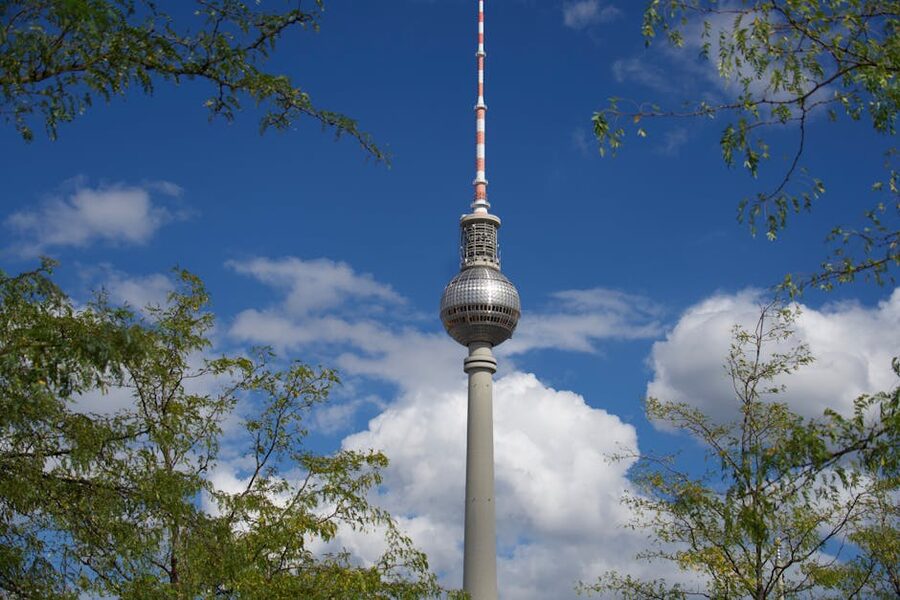
Lunch around Friedrichstraße. Then U-Bahn to Alexanderplatz for the TV Tower (use the discount, fast-track is worth it on weekends). Sunset from the observation deck if you can time it. We’ve covered the TV Tower booking process separately if you want a deep dive on the time slot system.
Day Two: Museum Island and the East
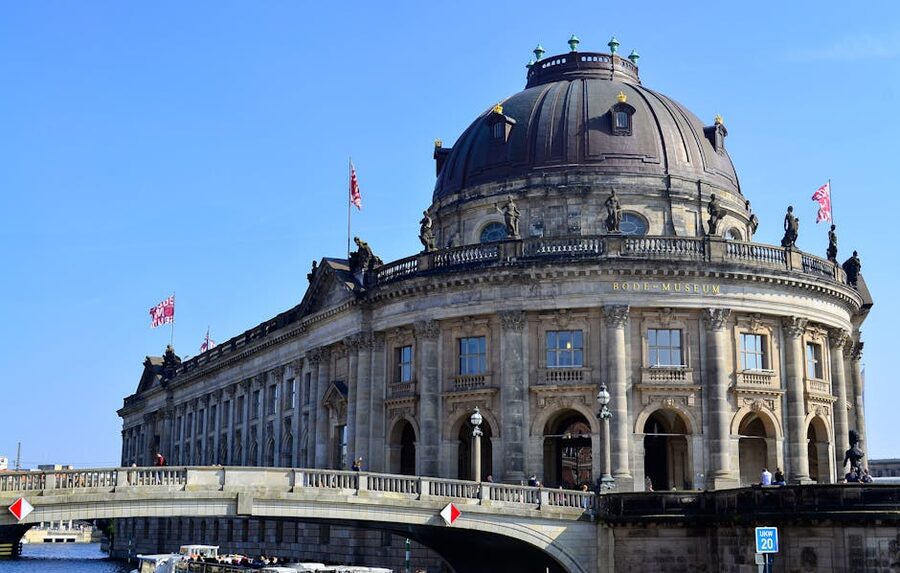
If you bought the Museum Island bundle, this is your day. Start at the Neues for Nefertiti before the queues build (10am at the latest, ideally pre-book a 9am slot). Cross to the Pergamon for whatever wing is currently open. Lunch by the river.
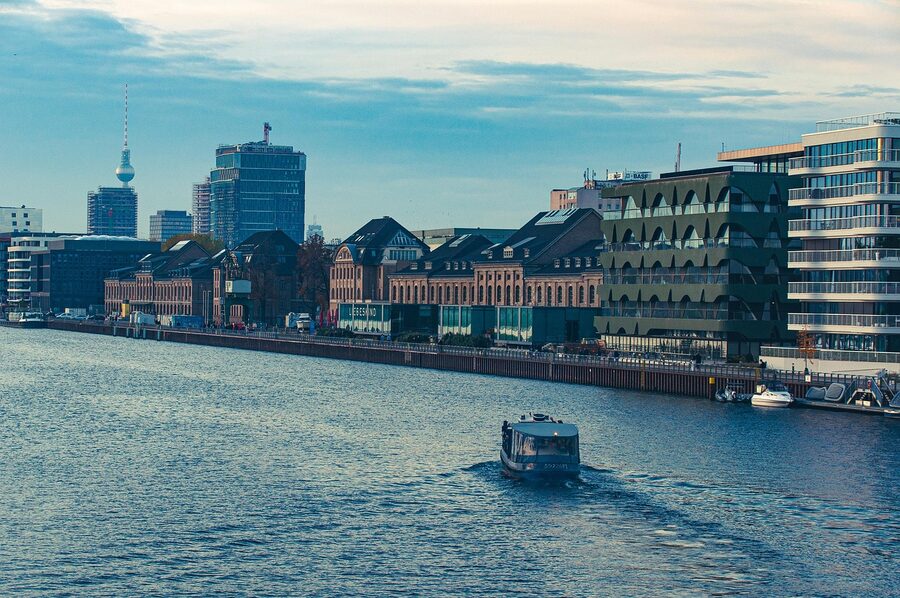
Afternoon: tram or S-Bahn east to the East Side Gallery. Walk the 1.3km of preserved Wall along the Spree. The Brezhnev-Honecker fraternal kiss mural (technically called “My God, Help Me to Survive This Deadly Love”) is the famous one. End the day with a Spree boat tour back into Mitte. The 25% card discount drops the standard cruise from around €24 to €18.

Day Three: Either Potsdam or Charlottenburg
If you bought the ABC card, take the regional train (RE1) from Hauptbahnhof to Potsdam. Sanssouci is a 15-minute walk or a quick bus from Potsdam Hbf. Allow most of the day. Card discount on Sanssouci is around 30% off the day-pass for the park’s palaces. The “sanssouci+” combined ticket gets you into Schloss Sanssouci, Charlottenhof, and Neues Palais on the same day.
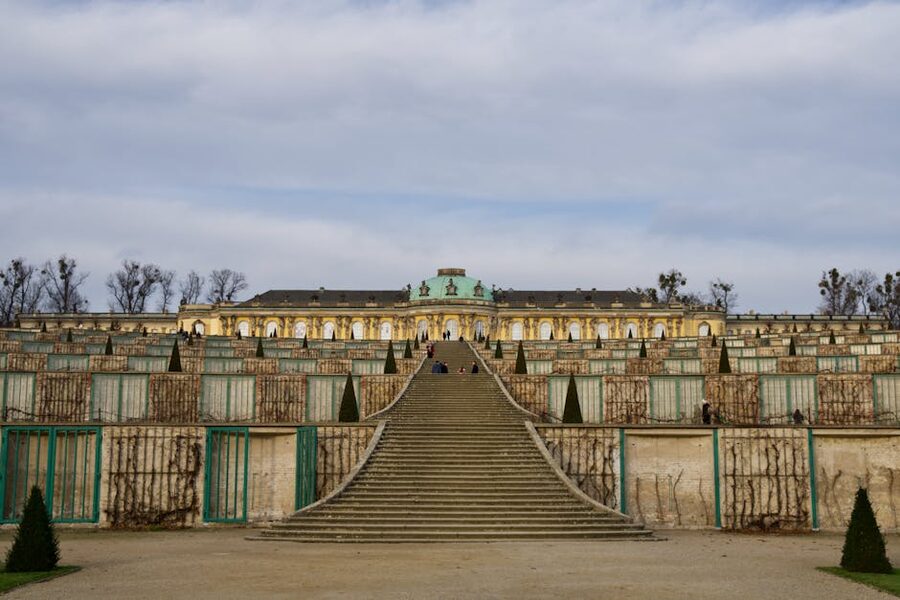
If you only have the AB card, swap Potsdam for Charlottenburg Palace inside the city instead. The palace itself sits in zone B, the U7 from Mitte takes about 20 minutes, and the gardens are free even without a ticket. The Old Palace and the New Wing are 25-30% off with the card.

The Sachsenhausen Question
Sachsenhausen Memorial in Oranienburg is a former Nazi concentration camp, in zone C. Free to enter. Many visitors do it as a half-day trip from central Berlin: S1 train, about 45 minutes each way. With an ABC card the transport is included. Without one, you’re looking at €4.70 each way to add zone C to a regular ticket.
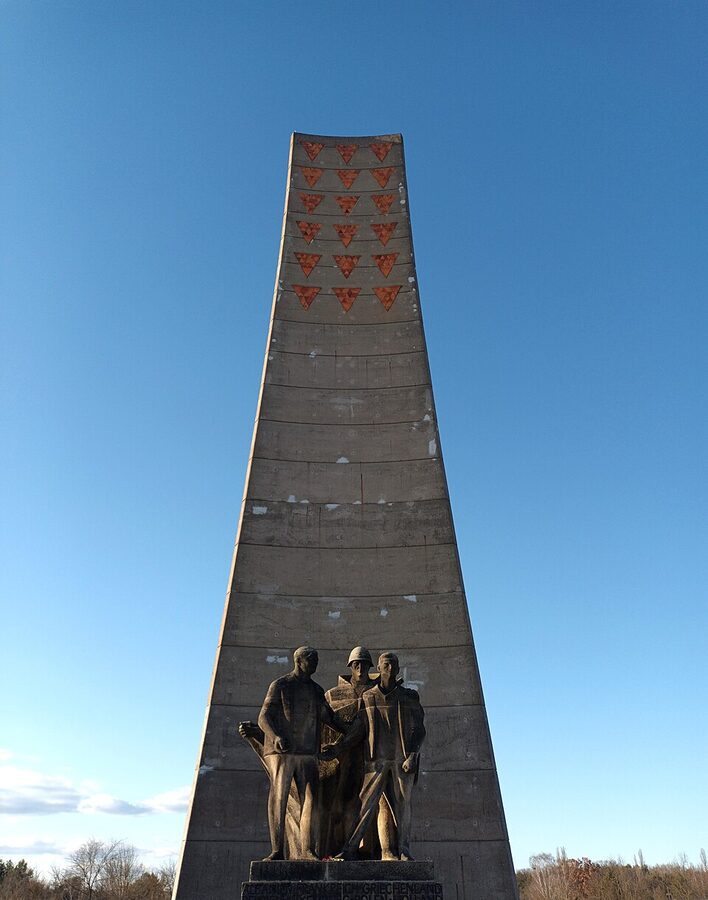
The site itself is somber. There’s no card discount because there’s nothing to discount. What the WelcomeCard does is make the visit logistically painless, which matters when you’ve already got a heavy day emotionally. A guided tour from Berlin (run by Original Berlin Walks among others) appears in the partner book at a small percentage off, and that’s the route I’d take if it’s your first time.
Things the Card Doesn’t Cover
A few attractions sit outside the partner network and you’ll pay full price.
- Reichstag dome: already free, but you must book online in advance.
- Topography of Terror: free.
- Holocaust Memorial: free.
- Memorial to the Murdered Jews of Europe (information centre): free.
- Berlin Philharmonic concerts: not in the book.
- Berghain: obviously not. (You’re welcome.)
The card also doesn’t cover taxis or ride-hailing, the airport express bus (which is rare anyway, the train is better), or the regional trains beyond zone C if you wanted to push out further into Brandenburg.
Common Mistakes to Avoid
Buying the AB then trying to ride the FEX from BER. The most expensive lesson. If a controller catches you in zone C on an AB card, that’s a €60 fine and a frustrating start to the trip.
Not stamping the card. An unstamped card is invalid. The yellow box is on every platform, but it’s small and easy to miss. Look for the rectangular slot at chest height with a red light above it.
Buying a 48-hour and assuming it covers two full days. It’s 48 hours from stamp time. Stamp at 10am Saturday, expires at 10am Monday, so you’ve effectively only covered two and a half useful sightseeing days at most. The 72-hour Classic is usually the better-value middle ground.
Forgetting that Mondays close most museums. Pergamon, Neues, Bode, Altes, Alte Nationalgalerie all close on Mondays. The card doesn’t refund unused days. Don’t start your three-day Museum Island bundle on a Monday.
Quick FAQ
Can kids use it? One adult card includes free transport for up to three kids aged 6 to 14, plus unlimited under-6s. Kids 15 and up need their own ticket. The discount book applies to all family members at participating attractions.
Digital or physical? Both work. The digital one (PDF, in your email) is fine for transport but you’ll want the paper booklet for the discount coupons. Most tourist info points will swap a digital voucher for the physical booklet.
What if I lose it? The card itself is the ticket, so a lost card is a lost ticket. Take a photo of the front and the timestamp the moment you stamp it. If you lose the booklet (more common), most tourist info points will replace it free with proof of a valid card.
Can I use it on regional trains within zone ABC? Yes, including the FEX express to BER, the RE1 to Potsdam, and the S1/S2 to Oranienburg for Sachsenhausen.
Does it work for night transport? Yes. Berlin’s night buses (N-prefixed routes) and weekend night U-Bahn run under the same card. No surcharge.
Where the WelcomeCard Beats and Loses to Other City Passes
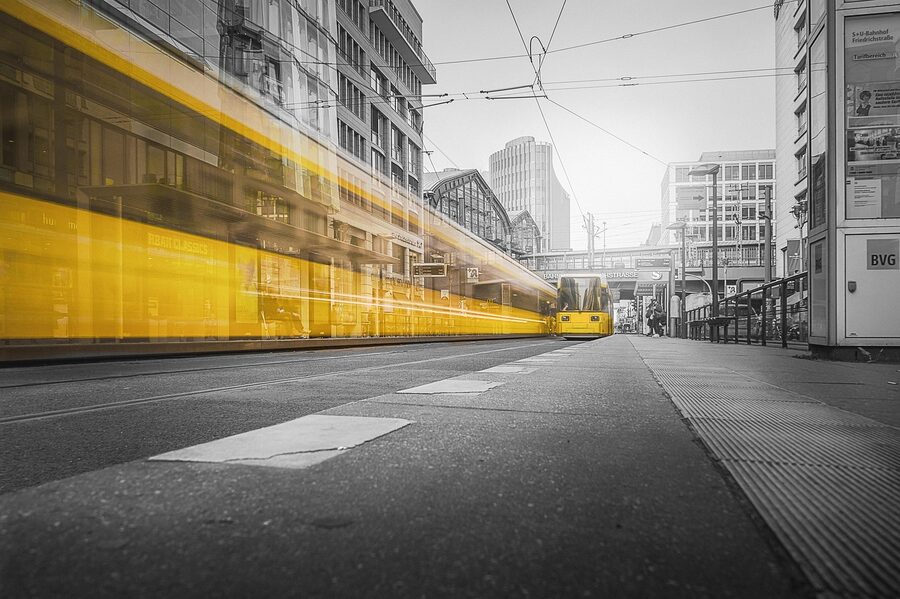
Berlin’s pass model is the discount-coupon style. That’s worth comparing to the alternatives you’ve probably already looked at.
The Amsterdam I amsterdam card is the opposite: it gives you free admission to a fixed list of museums and you swallow a higher upfront price. Better for hardcore museum days, worse for flexible itineraries. The London Pass works the same way as Amsterdam’s. The Edinburgh hop-on hop-off isn’t strictly a city card but it’s the closest analogue locals use for orientation.
Berlin’s WelcomeCard sits in a different lane. You pay less up front, you get transport for free, you get a discount (not free entry), and the discount applies across a much wider list. For a slow traveller who wants to wander and pick attractions on a whim, that flexibility is the bigger feature than any specific savings figure.
Berlin Transport Without the Card
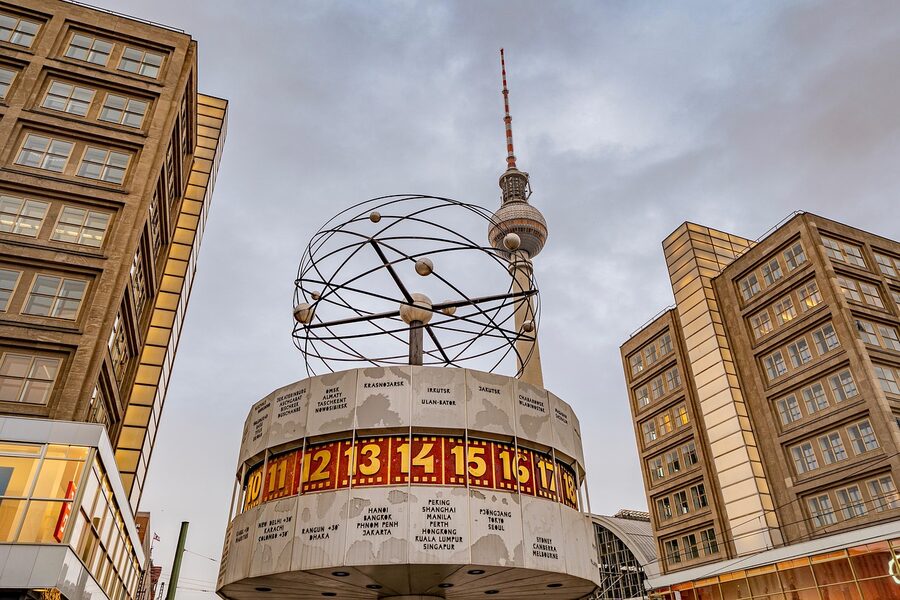
Worth knowing your fallback. Single AB tickets are €3.80, valid 120 minutes one-way. A 24-hour AB ticket is €10.60 (€12.30 ABC). A 7-day AB ticket is around €44, and that’s the move if you’re staying longer than five days and don’t care about discounts.
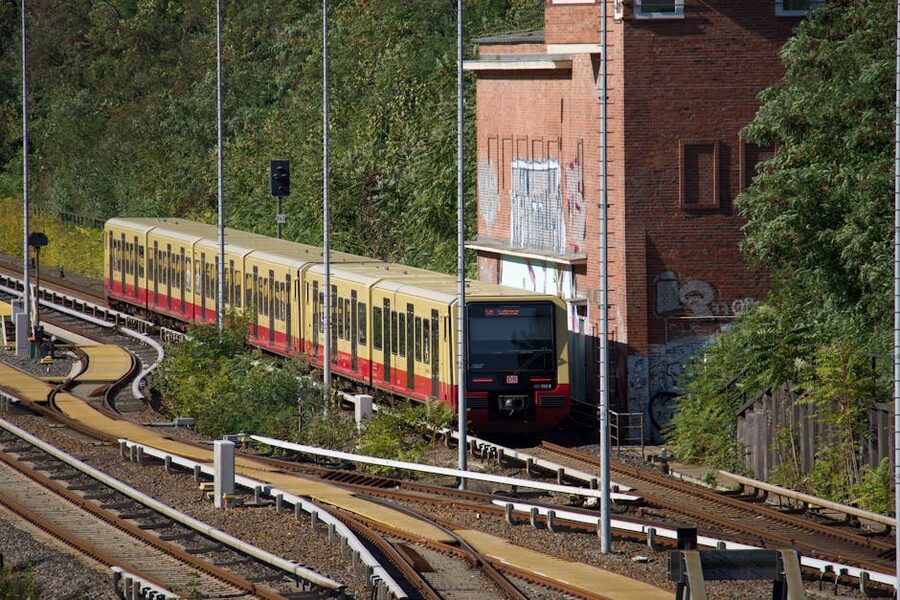
The Deutschlandticket at €58 a month is technically a valid alternative if you’ll be in Germany for an extended period and want unlimited regional transport across the country. It’s not really a tourist product, though, and it doesn’t come with discounts.
Where to Stay if You’re Maximising the Card
Anywhere inside the S-Bahn ring puts you in zone A. Mitte is the obvious base because every single attraction is within 20 minutes by U-Bahn. Prenzlauer Berg is quieter and just as well-connected. Kreuzberg is grittier and feels more “real” Berlin, and the U1 line shoots you straight to Mitte in 12 minutes. Charlottenburg is fine but feels more like an outer-city base.
If You Like the WelcomeCard, Try These Next
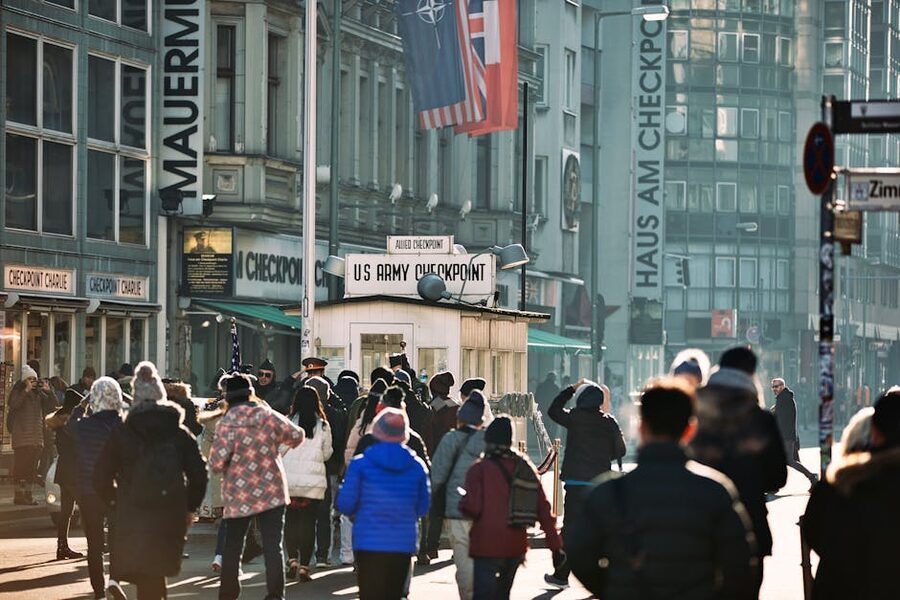
Once you’ve sorted the transport and pass question, the rest of your Berlin time is about choosing between the orientation tools the city does well. A Spree boat tour is the easy hour-long add-on with a card discount. A hop-on hop-off bus loop covers more ground if your feet are tired. For a different style entirely, a guided walking tour around Mitte goes deeper on the Wall, the bunker site, and Bebelplatz than any bus ever will. Pair the card with one of these and you’ve covered orientation, history, and logistics in a single weekend.