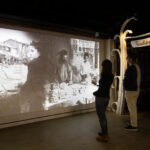
Barcelona’s Olympic and Sports Museum turns the 1992 Games into a starting point for a much wider look at sport. You can trace Olympic history, encounter lesser-known disciplines such as chess, and try interactive challenges inspired by athletes including Usain Bolt and Carl Lewis.
I like two things in particular: the exhibits reach beyond the usual Olympic highlights, and the hands-on activities give children and adults something to do, not just read. The main consideration is that this is a self-guided museum visit, so you’ll need to make your own way through the displays and choose what holds your interest.
Key points to know
- Barcelona ’92 is the natural focus: The museum revisits the Games that helped define Barcelona’s modern sporting story.
- The subject range is broad: Olympic events share space with football, Formula 1, skiing and chess.
- You can try sports simulations: Interactive activities let you test your skills against virtual versions of stars such as Usain Bolt or Carl Lewis.
- There’s more than competition history: Exhibits cover adaptive sports, including goalball and wheelchair competitions.
- The entry price is modest: Tickets start at $7.79, making this an appealing option for a short Montjuïc visit.
- Plan around the calendar: The museum closes on Mondays except public holidays, and Sunday hours are shorter.
👉 See our pick of the Best Guided Tours In Montserrat
- Key points to know
- Barcelona ’92 gives the museum its centre of gravity
- Try the exhibits, not just the history
- Look beyond the familiar Olympic events
- Set aside one to two hours on Montjuïc
- Check the opening hours before choosing a day
- Is the ticket good value?
- Who should book this museum visit?
- FAQ
- How long should I allow for the museum?
- Where is the Olympic and Sports Museum?
- How can I get there by public transport?
- What are the opening hours?
- Is the museum open on Mondays?
- Is a guide included with admission?
- What sports and exhibits can I expect?
- Can children visit for free?
- Is the museum accessible with a wheelchair or stroller?
- How do I use the ticket, and can I cancel?
- The Best Of Barcelona!
- More Tickets in Barcelona
- More Tours in Barcelona
- More Tour Reviews in Barcelona
- Not for you? Here's more nearby things to do in Barcelona we have reviewed
Barcelona ’92 gives the museum its centre of gravity
 1 / 6
 2 / 6
 3 / 6
 4 / 6
 5 / 6
 6 / 6
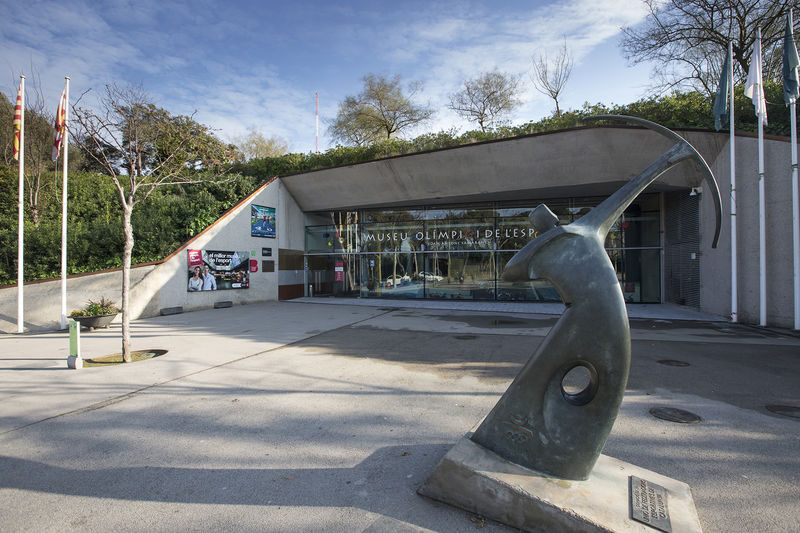
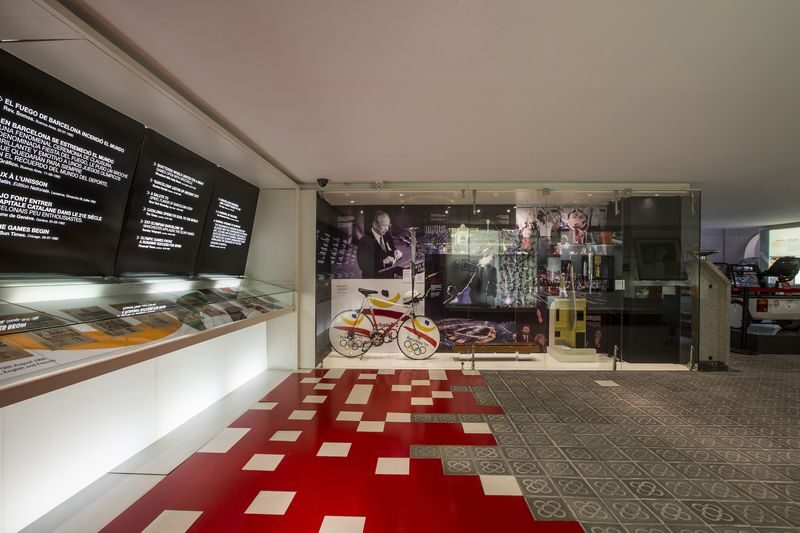
The Joan Antoni Samaranch Olympic and Sports Museum sits on Montjuïc, the hill closely associated with Barcelona’s sporting venues. Inside, the 1992 Games provide an easy point of entry: even if you don’t follow Olympic sport closely, Barcelona ’92 offers a clear story to follow through memorabilia, historic moments and the city’s place in the Games.
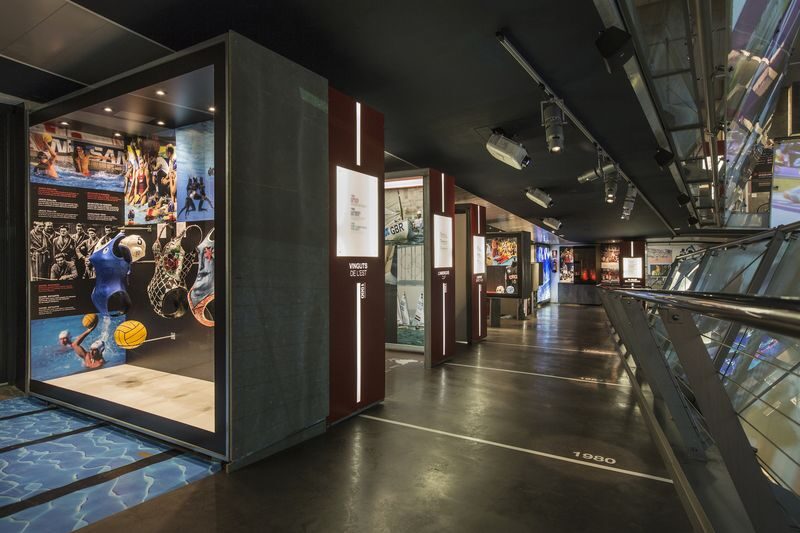
The museum also looks beyond one event. A permanent exhibition follows Olympic host cities from 1992 to 2012, putting Barcelona in a longer sequence of international sporting occasions. That span can help you see the Olympics not as a single fortnight of competition, but as a tradition shaped by different host cities and eras.
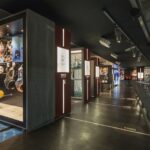
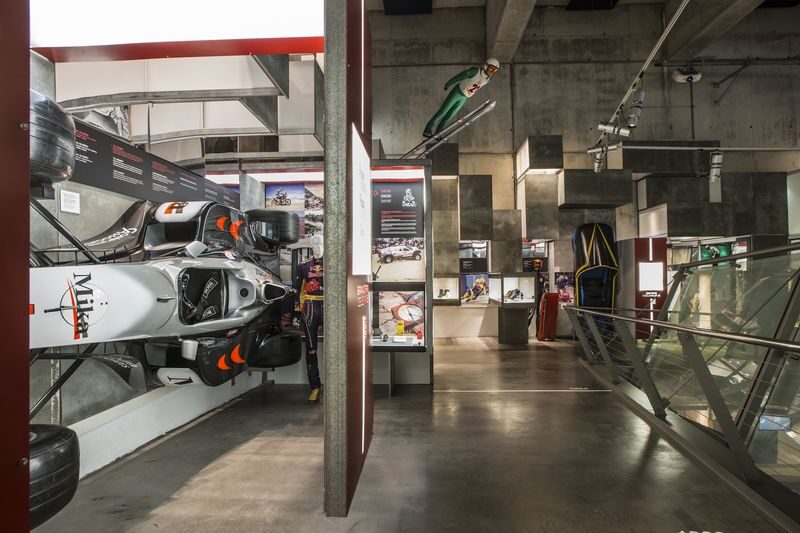
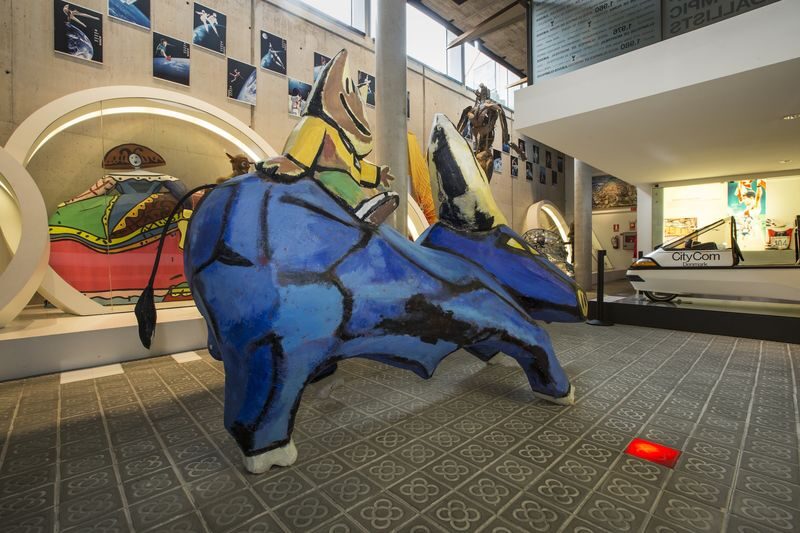
I’d come with a little curiosity rather than a long checklist. The museum includes sports from across the Olympic programme and beyond, so the appeal lies partly in discovering how wide the subject can be. Football, Formula 1, skiing and chess all appear alongside Olympic disciplines. That range makes the visit less predictable than a room-by-room account of medal winners.
You can also read our reviews of more tours and experiences in Barcelona


Try the exhibits, not just the history
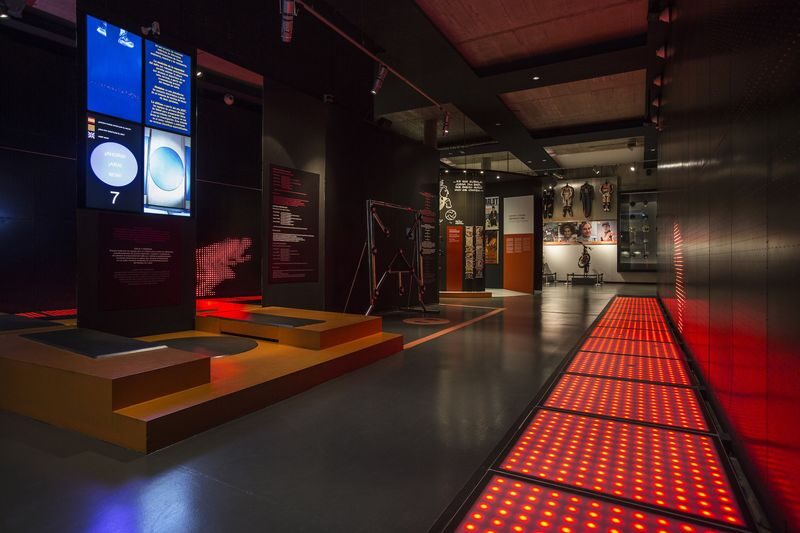
Interactive displays are a useful counterpoint to the historical material. You can test your skills in various activities and take part in simulations against virtual versions of famous athletes, including Usain Bolt and Carl Lewis. These features give you a reason to pause and participate, especially if you’re visiting with children or someone who would rather try an activity than read a long panel.
The practical value is simple: the museum can work for different ages and interests. A sports fan may focus on the records and objects, while a child may gravitate toward the activities. You don’t need to know the rules of every sport to enjoy seeing how the exhibits invite you to compare your own performance with that of world-class athletes.
Still, keep expectations in check. The ticket covers museum admission, not a guided tour, and the available details do not promise a particular demonstration or a staff-led session. Treat the interactive elements as things to explore at your own pace, not as a scheduled programme.
Look beyond the familiar Olympic events
One of the museum’s strengths is its wider view of sport. Alongside headline events, you’ll find coverage of disciplines such as chess, Formula 1 and skiing. The variety is a good fit if you enjoy sport in general but don’t want a visit built only around track, swimming and medal tables.
The displays also include adaptive sports for people with disabilities, including goalball and wheelchair competitions. This makes the museum’s account of sport broader and more useful: competition is not limited to one set of bodies or one way of playing. If you’re visiting with children, these exhibits can open up a valuable conversation about how sport changes to meet different needs.
The museum’s collection includes historical items connected with sporting figures such as Steffi Graf, as well as the Samaranch collection and material on the history of Olympism. The supplied details don’t specify every object or how it is displayed, so think of these names as promising subjects rather than a guaranteed checklist of particular artifacts.
Set aside one to two hours on Montjuïc
A visit typically takes one to two hours. That’s enough time for a focused museum stop, though the exact length depends on how long you spend with the interactive exhibits and the sports that interest you. If you have a tight schedule, decide in advance whether you want to concentrate on Barcelona ’92, the host-city display or the hands-on activities.
The museum’s address is Av. de l’Estadi 60, 08038 Barcelona. You can reach the area by bus routes 13, 55 or 150. The listed metro option is Plaça d’Espanya, served by lines L1 and L3. Check your route before setting out, especially if you’re building the visit into a larger day on Montjuïc.
There is a restaurant and cafeteria at the museum, a useful convenience if you want to take a break during your visit. The information available does not give menus or prices, so I wouldn’t plan a meal around a particular dish. Think of it as an on-site place to pause rather than a reason by itself to visit.
Check the opening hours before choosing a day
Opening times change with the season. From October through March, the museum is open Tuesday to Saturday from 10 a.m. to 6 p.m. From April through September, Tuesday to Saturday hours extend to 7 p.m. On Sundays and public holidays, it closes at 2:30 p.m.
The museum is closed on Mondays except public holidays, and also closes on January 1, May 1, and December 25 and 26. Hours and closure dates can change, so confirm the latest schedule before you go. A short Sunday window makes timing particularly important if you want to combine the museum with other Montjuïc stops.
The ticket is valid only on the selected date, and you redeem it by presenting your mobile voucher. Free cancellation is available with at least 24 hours’ notice, using Barcelona local time. Children aged 0 to 6 enter free, but infants and children still need to be included in the passenger headcount when booking. The museum is wheelchair- and stroller-accessible.
You can also read our reviews of more museum experiences in Barcelona


Is the ticket good value?
At a starting price of $7.79, this is an inexpensive way to add a cultural stop to a day on Montjuïc. The value depends on your interest in sport and on how much time you give the exhibits. If you enjoy the Olympic story, want an activity that can engage both children and adults, or are curious about sports beyond the most famous events, the price is easy to justify.
A single five-star rating described the ticket as good value and praised the visit. That is encouraging, but it is only one rating, so it should not be treated as a broad measure of every visitor’s experience. The stronger value argument is the combination of a low entry price, interactive elements and a subject range that includes both Olympic history and less familiar sports.
This is not the best choice if you want a guided account of Barcelona, a tightly scheduled tour or a full day of activities. Admission is self-guided, and the expected visit is relatively short. I’d pair it with other plans on Montjuïc rather than build an entire day around the museum alone.
Who should book this museum visit?
I’d recommend it to families looking for an indoor activity with hands-on elements, sports fans interested in Olympic history, and anyone curious about Barcelona ’92. The adaptive sports displays and the range from chess to Formula 1 also make it a sensible pick if your interests don’t fit neatly into one sporting category.
You may want to skip it if you have little interest in sport or only want a guided tour. There is no guide included, and the museum’s appeal relies on choosing exhibits that catch your attention. If you like moving at your own pace, that freedom is a plus. If you prefer a narrator to connect each display, factor that in before booking.
My call: book if you have an hour or two to spare on Montjuïc and the Olympic story sounds appealing. At this price, the mix of Barcelona ’92, sporting memorabilia and interactive challenges offers a practical, reasonably priced change of pace from the city’s better-known sights.
Olympic Museum Samaranch of Barcelona – Admission Ticket
FAQ
How long should I allow for the museum?
Plan for about one to two hours. Your visit may be shorter or longer depending on how much time you spend with the displays and interactive activities.
Where is the Olympic and Sports Museum?
It is at Av. de l’Estadi 60, 08038 Barcelona, on Montjuïc. The meeting point is the Joan Antoni Samaranch Olympic and Sports Museum.
How can I get there by public transport?
Bus routes 13, 55 and 150 are listed. The metro option is Plaça d’Espanya, served by lines L1 and L3.
What are the opening hours?
From October to March, it is open Tuesday to Saturday from 10 a.m. to 6 p.m. From April to September, Tuesday to Saturday hours are 10 a.m. to 7 p.m. On Sundays and public holidays, it is open from 10 a.m. to 2:30 p.m.
Is the museum open on Mondays?
It is closed on Mondays except public holidays. It also closes on January 1, May 1, and December 25 and 26. Check the latest information before visiting, as hours and closure dates can change.
Is a guide included with admission?
No. The ticket includes admission to the Olympic and Sports Museum, but a tour guide is not included.
What sports and exhibits can I expect?
The museum covers Olympic sports and other disciplines, including football, Formula 1, skiing and chess. It also features Barcelona ’92, Olympic host cities from 1992 to 2012, adaptive sports, memorabilia and interactive activities.
Can children visit for free?
Children aged 0 to 6 enter free. Infants and children must still be included in the passenger headcount when booking.
Is the museum accessible with a wheelchair or stroller?
Yes. The activity information describes the museum as wheelchair- and stroller-accessible.
How do I use the ticket, and can I cancel?
Present your mobile voucher at the museum. The voucher is valid only on the selected date, and you can cancel for a full refund if you do so at least 24 hours before the activity date, using local time in Barcelona.