Tokyo’s biggest thrill is the shift in scale: one moment you’re at a quiet shrine beneath Tokyo Tower, the next you’re looking out over the city from the 350-meter Tokyo Skytree. I like that this trip pairs those city contrasts with Tsumago’s wooden streets and a night at a hot-spring inn in Ikaho. The bullet train and included sightseeing also make a lot of ground manageable in just six days.
I also like the human touches: a traditional good-fortune ceremony at Zenko-ji, a walk to see the snow monkeys, and an evening stroll through Shinjuku with a guide. The trade-off is a packed schedule. Kyoto to Nagano is a long coach day, and the group can reach 72 people, so this suits you better if you value coverage and logistics over long stretches of unplanned time.
- The trip’s strongest reasons to go
- Tokyo’s temples, tower views and Shinjuku night
- Kyoto by bullet train, with a full day of sights
- Tsumago and Matsumoto: a long day with two distinct stops
- Zenko-ji, snow monkeys and the hot-spring towns
- Nikko’s shrine complex and the return to Tokyo
- What the price covers, and what it doesn’t
- Who will get the most from this six-day route
- Should you book it?
- FAQ
- Are flights included in the tour price?
- How many people can be in the group?
- Which meals are included?
- Is the snow monkey visit guaranteed?
- What time does the tour return to Tokyo on Day 6?
- What kind of accommodation is provided?
- The Best Of Tokyo!
- More 6-Day Experiences in Tokyo
- More Tours in Tokyo
- More Tour Reviews in Tokyo
- Not for you? Here's more nearby things to do in Tokyo we have reviewed
The trip’s strongest reasons to go
 1 / 9
 2 / 9
 3 / 9
 4 / 9
 5 / 9
 6 / 9
 7 / 9
 8 / 9
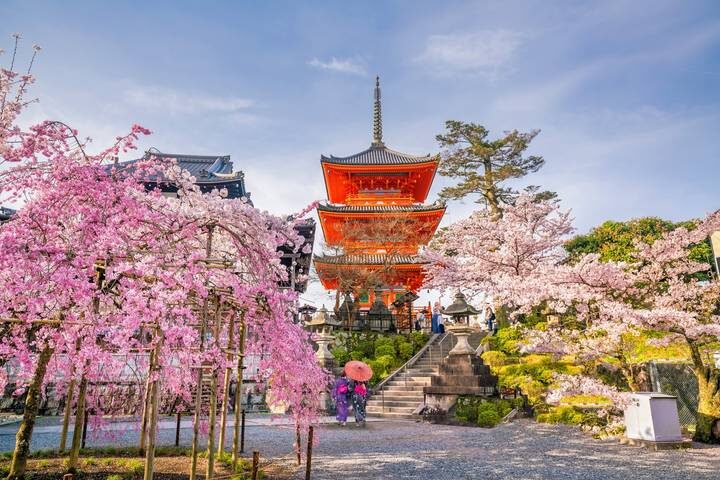 9 / 9
- Tokyo from temples to towers: Visit Zojoji, Meiji Shrine and Sensoji, then take in the city from Tokyo Skytree’s Tembo Deck.
- Fast rail, then mountain roads: The bullet train gets you from Tokyo to Kyoto in just over two hours; later days rely on longer coach transfers.
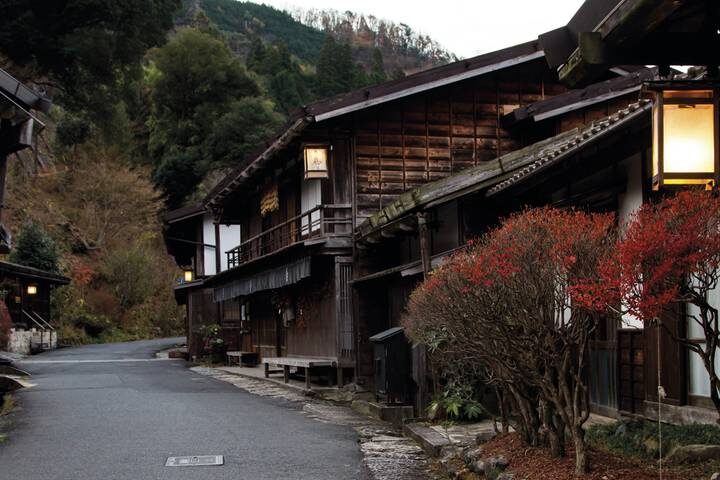
- Old post-town character: Tsumago offers a change of pace, with preserved wooden houses and time to walk its historic streets.
- A real Japanese inn stay: Spend a night in Ikaho at a ryokan, with access to hot-spring baths and a traditional dinner.
- Nikko’s sacred sites: See Toshogu, Taiyuinbyo and the Jizo statues along Kanmangafuchi Abyss.
- A fast-moving itinerary: You cover nine destinations, but most stops are visits rather than extended stays.

👉 See our pick of the 25 Best Guided Tours In Tokyo
Tokyo’s temples, tower views and Shinjuku night
Your first day is mostly for arrival. A shared shuttle takes you from the airport to your hotel, and the rest of the day is free. Hotel options include Shinagawa Prince, Tokyo Dome Hotel and Moxy Tokyo Kinshicho. The exact choice can vary, so check the confirmed hotel and its location before departure.
The next morning brings a roughly seven-hour city tour. At Zojoji Temple, you get the classic view of Tokyo Tower rising behind the temple grounds. Look for the small stone Jizo figures, often dressed in knitted hats and bibs. They add a quiet, personal detail to a city otherwise built on big views and fast movement.
Shibuya Crossing is viewed from the bus, rather than explored on foot as part of the tour. That gives you a quick look at the famous intersection, but not much time to join the crossing yourself. Meiji Shrine offers a calmer contrast, set among trees and dedicated to Emperor Meiji and his wife.
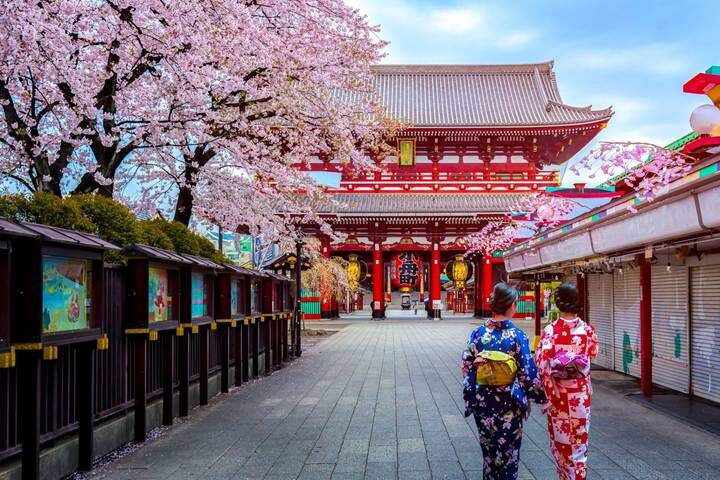
Tokyo Skytree is the day’s high point, literally. Admission to the Tembo Deck at 350 meters is included, weather permitting. The tour may substitute another city viewpoint if weather or other conditions limit access. At Asakusa, you’ll visit Sensoji Temple and walk along Nakamise Street, a traditional shopping lane leading toward the temple. The bus passes through Akihabara and Ginza on the return, but these are not listed as extended stops.
In the evening, meet the guide again for a subway ride to Shinjuku. The subway tickets are included, as is dinner at a local restaurant. You’ll walk through the district before returning to the hotel by subway with the guide. This is a useful first outing on Tokyo’s transit system, though the schedule leaves little room to explore Shinjuku independently.
You can also read our reviews of more tours and experiences in Tokyo


Kyoto by bullet train, with a full day of sights
The Tokyo to Kyoto train covers nearly 500 kilometers in a little over two hours. It’s an efficient change of scene, and a welcome break from road travel. You arrive with the day still devoted to Kyoto, Japan’s former imperial capital.
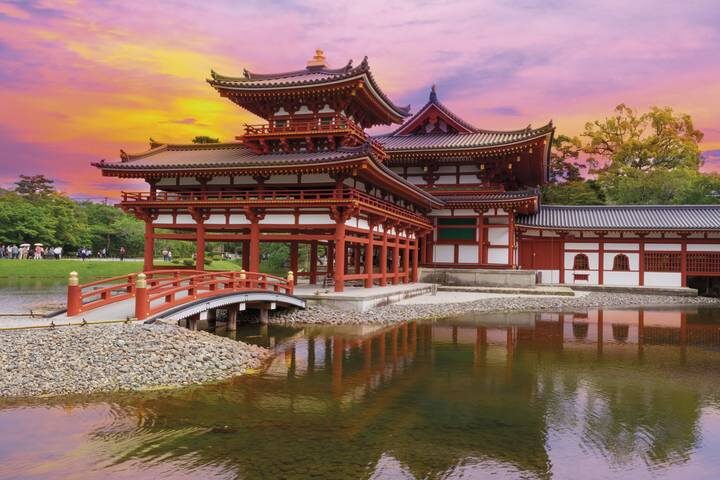
The planned city visits include Fushimi Inari Shrine, the Imperial Palace and Kinkakuji, the Golden Pavilion. Each gives you a different view of Kyoto’s religious and imperial past. Gion, known for its wooden machiya buildings and geisha traditions, rounds out the day. There is an evening transfer to the traditional quarter, followed by free time.
This is a lot of Kyoto for one day. You’ll see major landmarks, but you shouldn’t expect long, quiet visits at every stop. If a particular shrine or garden matters to you, consider adding a night in Kyoto before or after the tour. One practical point: the schedule does not promise a return transfer to the hotel after your free time in Gion, so check the day’s arrangements with your guide.
Tsumago and Matsumoto: a long day with two distinct stops
Day four heads west and north by coach, from Kyoto through Tsumago and Matsumoto to Nagano. This is one of the itinerary’s longer travel days, and the coach time is part of the bargain for reaching smaller towns that are less straightforward to link by train in a short visit.
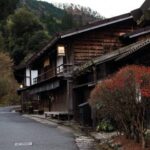
Tsumago is a former post town, with traditional wooden buildings along its historic streets. You get free time to walk around and lunch is included. It’s a chance to slow down briefly and see a smaller-scale side of Japan after the city visits. Still, the stop is not an overnight stay, so keep expectations realistic: you’ll have time for a walk, not a full exploration of the region.
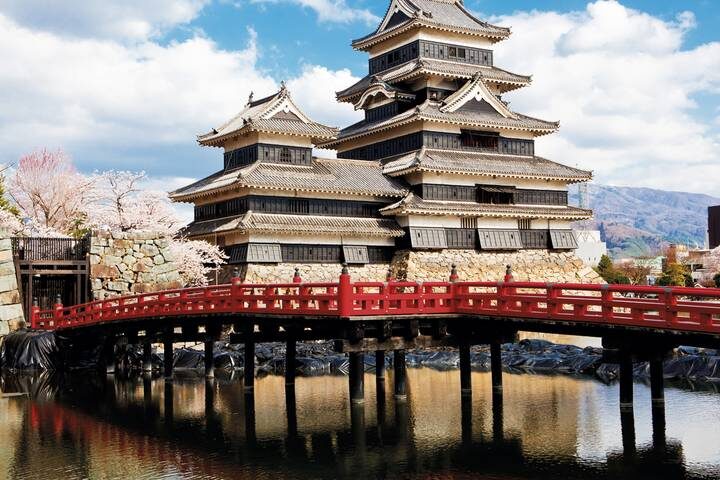
Matsumoto brings a change of mood. The 16th-century castle, known for its black exterior and often called the Crow Castle, is the main attraction. You’ll have free time in town after the visit, then continue to Nagano for the night. If you enjoy castles, this stop is a strong reason to choose the route. If you prefer fewer transfers and longer stays, the day may feel rushed.
Zenko-ji, snow monkeys and the hot-spring towns
Nagano’s Zenko-ji is one of Japan’s best-known Buddhist temples and a pilgrimage site. The tour includes a Gomakuyo ceremony, a traditional ritual associated with good fortune. That participatory moment gives the visit a different feel from simply walking through a series of temples.
Next comes Jigokudani Monkey Park. Reaching the macaques means walking forest trails, so bring shoes suited to uneven paths. The Japanese macaques are known for bathing in warm water, but sightings are not guaranteed. In autumn, food availability can affect their movements, and the park may close if the monkeys do not come down. This is a genuine wildlife stop, not a staged performance.
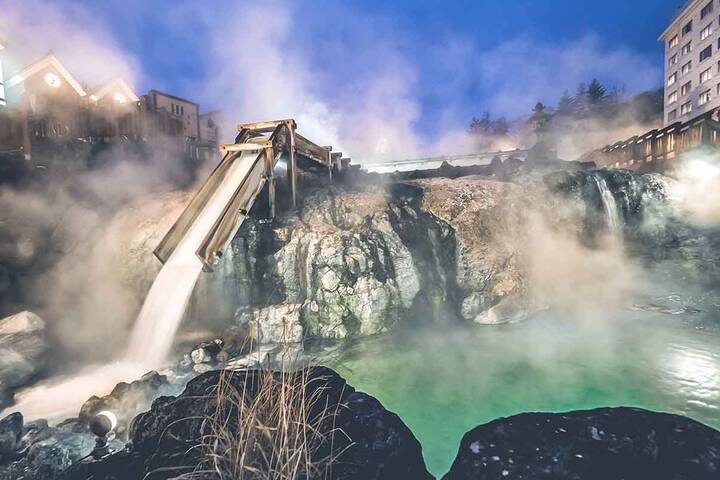
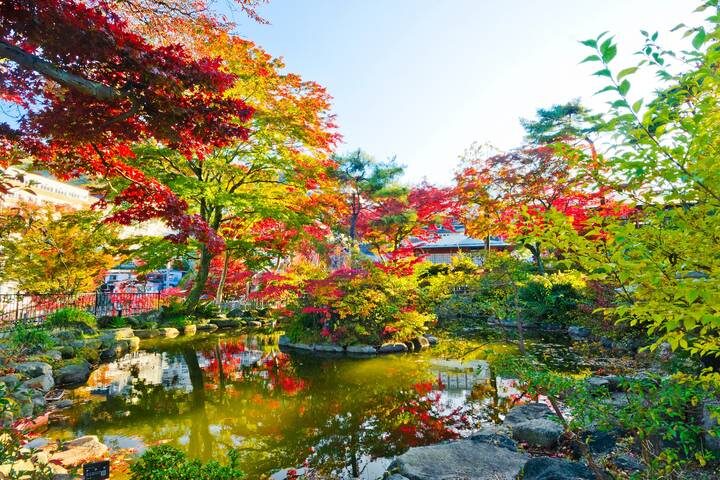
The coach then climbs through mountain scenery, reaching an altitude of about 2,172 meters and passing semi-active volcanoes. In Kusatsu, you’ll stroll through the town park, where open-air hot springs are part of the setting, and have free time for lunch. Weather can cancel the Kusatsu visit from November through April, so winter departures should treat this stop as a possibility, not a certainty.
The day finishes in Ikaho, another hot-spring town, with a walk along its old stone stairways. Your overnight stay is at a ryokan, a traditional Japanese inn, with access to hot-spring baths and a traditional dinner included. Past trips have included inns such as Moriaki, Kishigon and Hibikino, but the assigned property can differ. This is the trip’s clearest chance to experience a Japanese inn rather than a standard city hotel.
Nikko’s shrine complex and the return to Tokyo
On the final day, travel to Nikko to visit Toshogu, a richly decorated shrine complex known for its dragon sound room. You’ll also see Taiyuinbyo Mausoleum and walk beside Kanmangafuchi Abyss, where rows of stone Jizo figures line the riverbank. The town center has some free time before the coach heads back to Tokyo.
The return is expected around 6:30 p.m., but road delays and other disruptions can affect timing. Do not plan a tight flight connection that evening. The tour ends in Tokyo, and an airport transfer is not included. Your guide can recommend public transport options, but it’s safer to arrange your airport journey with a generous buffer or stay another night.






What the price covers, and what it doesn’t
At a starting price of $2,070, this tour’s value lies in combining hotel stays, breakfast, airport arrival transport, guided sightseeing and major intercity transfers. The Tokyo to Kyoto bullet train, Tokyo subway tickets for the Shinjuku outing, Skytree admission and several temple or attraction admissions are included. You also get a guided framework for places where transport and timing can take effort to arrange on your own.
The package lists buffet breakfasts, three lunches and two dinners. The named dinners are the Shinjuku meal and the traditional dinner at the Ikaho ryokan. Check the final meal schedule before departure, since not every lunch or dinner is covered. Food scores are the weakest area in the tour’s overall ratings, so go in expecting practical group meals rather than a food-focused trip. You’ll have some free time for meals, including in Kusatsu, and can use it to choose something that suits you.
Flights and the final airport transfer are not included. Hotels are selected for value and access to public transport, not luxury. Rooms have private bathrooms and TVs, but size, bed setup and standards can vary by property. The group size ranges from two to 72, and guides may change during the route. Some departures may be run bilingually, usually in English and Spanish, so confirm the language setup if that matters to you.
Who will get the most from this six-day route
Choose this tour if you want a broad first look at Japan without planning every train, hotel and attraction yourself. It works especially well for people who enjoy history, temples, scenic coach routes and a mix of city and countryside. Families can join, all ages are accepted, and the physical rating is low, though the monkey park involves a forest walk and sightseeing days mean regular time on your feet.
The strongest recurring praise centers on the guides, organization and hotel comfort. Past departures have included guides named Tania in Tokyo, Ken in Kyoto and David on the Alps route, as well as other guides such as Eduardo, Kiko, Pablo and Marcos. These names are not a promise for future departures, and the guide may change. The practical takeaway is that a good guide can make a tightly scheduled route easier to follow, especially when the group is large or uses more than one language.
The less appealing side is the pace. You’ll move often, and the Kyoto to Nagano coach journey is a long haul. Some stops offer only enough time for a quick visit, and the mountain wildlife or weather can alter plans. That’s a fair trade if you want a sampler of Japan’s major sights and smaller towns. It’s not ideal if your priority is lingering in Kyoto, shopping at leisure or choosing every meal yourself.
Should you book it?
Book this tour if you want Tokyo, Kyoto, a traditional post town, mountain scenery, a ryokan night and Nikko in one tightly organized week. The guides, included transport and range of stops are its best assets, while the major compromises are limited free time, long coach stretches and some seasonal uncertainty.
If you prefer a slower trip, use this route as a framework and add extra nights in Tokyo or Kyoto. If you’re happy to trade time for coverage, this is an efficient way to see several very different parts of Japan without managing every connection alone.
Tokyo, Kyoto and Alps by Europamundo – 6-Day Tour (2026-27 Departures)
“Tour was excellent, guides were friendly and informative. One day (Kyoto – Nagano) was a long time on the coach.”
FAQ
Are flights included in the tour price?
No. Flights are not included. The tour does include a shared arrival transfer from Tokyo airport, but the airport transfer after the tour is not included.
How many people can be in the group?
The listed group size ranges from 2 to 72 people. Some departures may use bilingual guiding, usually English and Spanish.
Which meals are included?
Buffet breakfast is included, along with three lunches and two dinners. The named dinners are in Shinjuku and at the Ikaho ryokan. Check the final schedule for the exact lunch arrangements.
Is the snow monkey visit guaranteed?
No. The macaques’ movements can be unpredictable, especially in autumn, and the park may close if they do not come down. The itinerary also notes that weather can cancel the Kusatsu visit from November through April.
What time does the tour return to Tokyo on Day 6?
The expected arrival is about 6:30 p.m. The schedule can change due to delays, so avoid making a tight onward connection.
What kind of accommodation is provided?
The tour uses three- or four-star hotels and a traditional ryokan in Ikaho. Rooms have private bathrooms and TVs, but hotel assignments, room sizes and standards can vary.