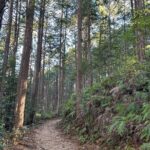
At teamLab Botanical Garden Osaka, the trees are not just scenery. After dark, light and sound ripple through a real botanical garden, responding to wind, rain, birds and people moving along the paths. I like that nature helps shape the art, and I like that this is a quiet outdoor walk rather than a series of indoor rooms.
The trade-off is that weather matters. Rain can affect the displays or close sections, while darkness, uneven ground and mosquitoes call for a little preparation. If you expect the grand, room-filling spectacle of an indoor teamLab, this garden offers a gentler, more natural kind of show.
- What makes this garden walk different
- An art walk after dark in Nagai Park
- The glowing trees and the first stretch
- Colored forms, wind and weather
- Cosmos and the lamps on Oike Lake
- How long to allow, and how the route feels
- Getting to Nagai Botanical Garden
- Choosing a time and checking conditions
- Is teamLab Botanical Garden Osaka worth booking?
- FAQ
- How long should I plan for teamLab Botanical Garden Osaka?
- What time does the garden open?
- How do I get to Nagai Botanical Garden by train?
- Can I visit in a wheelchair or with a stroller?
- Can I leave and return to the garden?
- Can I cancel or change my ticket?
- The Best Of Osaka!
- More Tickets in Osaka
- More Tours in Osaka
- More Tour Reviews in Osaka
- Not for you? Here's more nearby things to do in Osaka we have reviewed
What makes this garden walk different
 1 / 8
 2 / 8
 3 / 8
 4 / 8
 5 / 8
 6 / 8
 7 / 8
 8 / 8
- Trees join the artwork: Resonating Trees glow and chime as you pass, with light and sound spreading from one tree to another.
- The setting keeps changing: Wind, rain, birds and your movement can alter what you see, so the same spot may look different from one moment to the next.
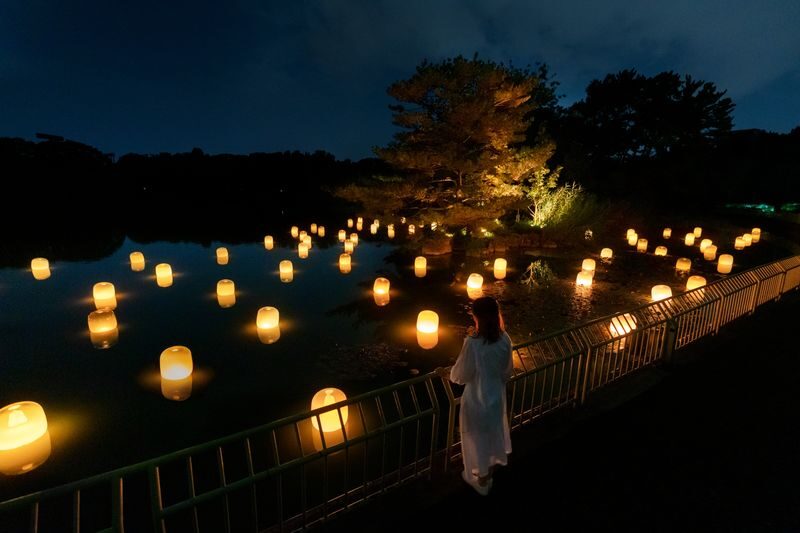
- The pond becomes a canvas: Floating Resonating Lamps send light across Oike Lake and nearby trees in response to people and wind.
- It is a real botanical garden: Plants, paths and water are part of the work, not a backdrop built inside a gallery.
- It is a walk, not a quick photo stop: Set aside 1 to 2 hours, and plan for the possibility that you will need to finish the route before leaving.
- Weather and insects are part of the deal: Check for closures, bring mosquito repellent, and wear shoes that suit dark, uneven paths.

👉 See our pick of the 24 Best Workshops And Classes In Osaka
An art walk after dark in Nagai Park
teamLab Botanical Garden Osaka is a permanent open-air night museum inside Nagai Botanical Garden, in Nagai Park. After sunset, the garden turns into a set of illuminated spaces, with about 10 artworks using its trees, ponds and plants as their material.
That outdoor setting is the main reason to choose this experience. You are not simply looking at digital images on a screen. The garden itself shapes the view, and the artworks change in response to conditions around them. A breeze may move a flexible installation, while a passing bird can affect a work designed around the ecosystem. Even your movement can trigger changes in light or sound.
The result is less like a conventional exhibition with a fixed sequence of rooms and more like a nighttime stroll with moments of art along the way. That can feel restful and atmospheric, especially if you enjoy nature and do not need every stop to deliver a dramatic spectacle.
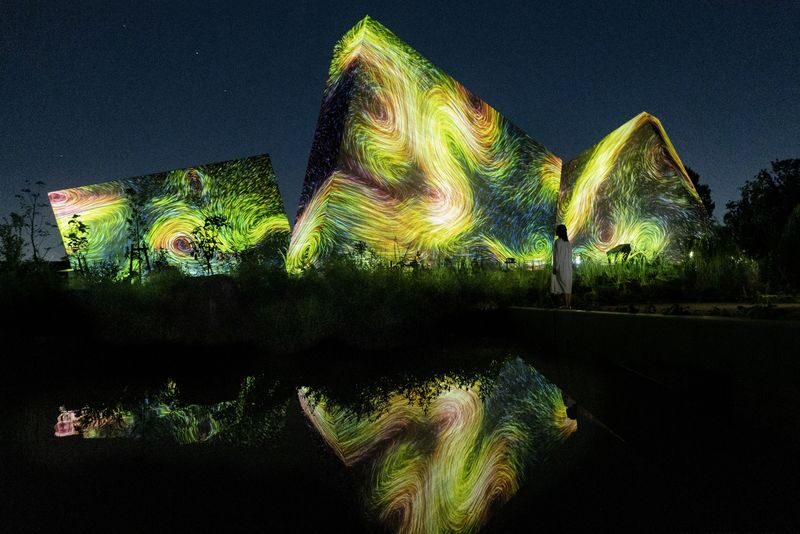
It is worth adjusting your expectations before you go. Some installations use light on plants or glowing forms, rather than the huge, enveloping projections associated with some indoor teamLab exhibitions. The Osaka garden has its own appeal, but it is quieter and more dependent on the setting. If you are looking for a calm evening walk with art woven into the surroundings, that difference is a strength. If you want nonstop visual fireworks, you may find the pace restrained.
You can also read our reviews of more tours and experiences in Osaka



The glowing trees and the first stretch
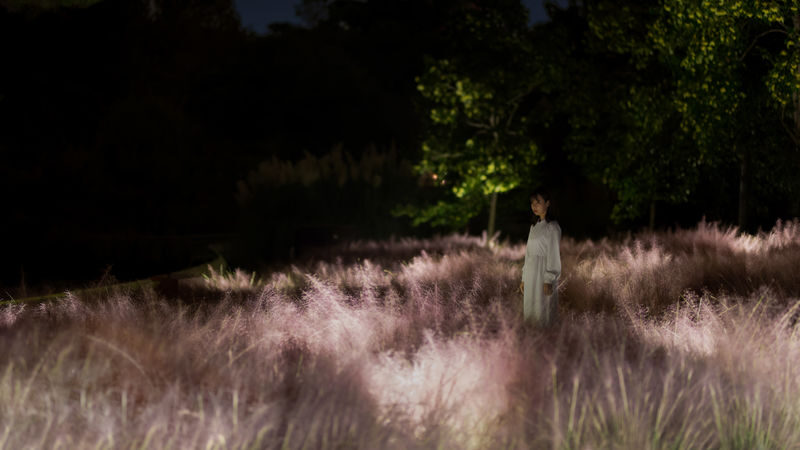
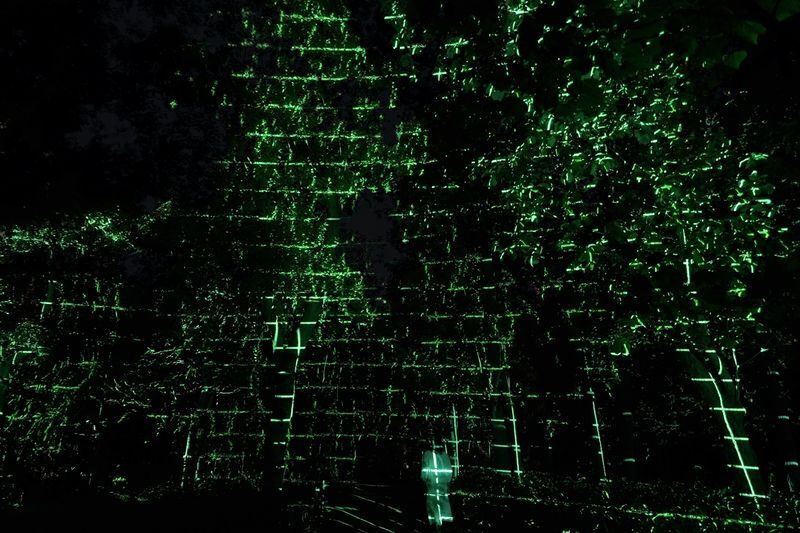
One of the clearest examples of the garden’s approach is Resonating Trees. As you pass, the trees glow and produce gentle tones. The light and sound then spread from one tree to another, so a visitor’s movement can set off a response beyond the spot where it began.
This effect rewards a slower pace. Rather than rushing from one installation to the next, pause and watch how the light travels. The work links people to the garden without asking you to operate a screen or follow a set of instructions. You become part of the scene simply by walking through it.
The trees also help the installations feel rooted in the place. This is not a neutral gallery where the art could be moved anywhere without changing its character. The living setting matters, and the changing night conditions are part of the experience. That is a satisfying idea, though the effect will naturally vary with the weather and the number of people nearby.
Colored forms, wind and weather
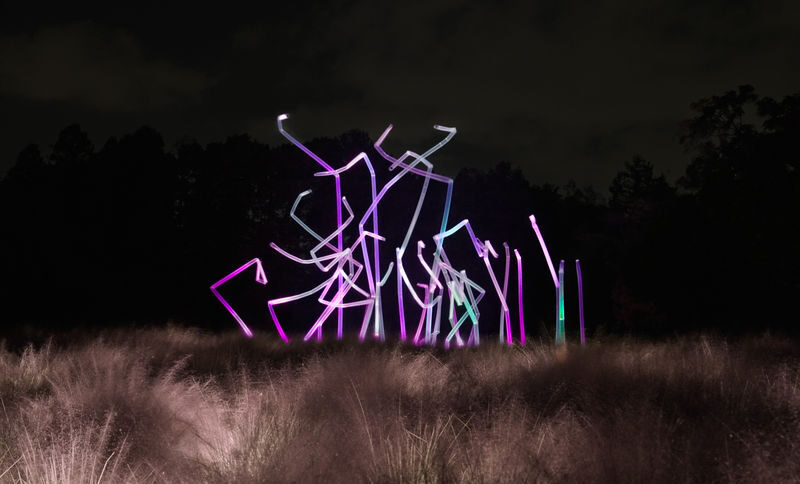
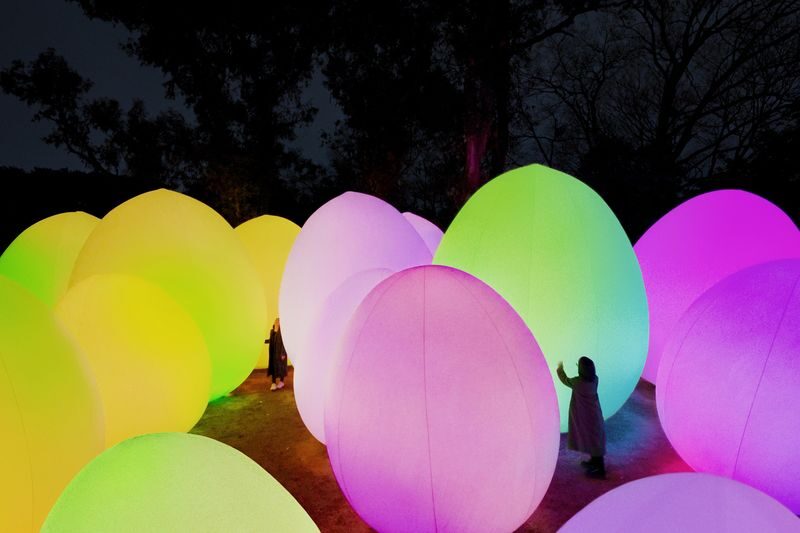
In the Common Camellia Garden, Resonating Microcosms uses ovoid forms that reflect light during the day and glow at night. They can respond to a touch, breeze or raindrop, changing and resonating in 61 colors. This is one of the more direct ways to see the garden’s central idea: the installation is not entirely fixed, but reacts to what is happening around it.
Pillars that Dance with the Wind takes a different approach. Its flexible pillars move with wind, weather and people, producing patterns that shift with the conditions. You cannot expect one exact display at every visit, and that variability is part of the point. It also means you should not judge the installation solely by a photo taken on a different night.
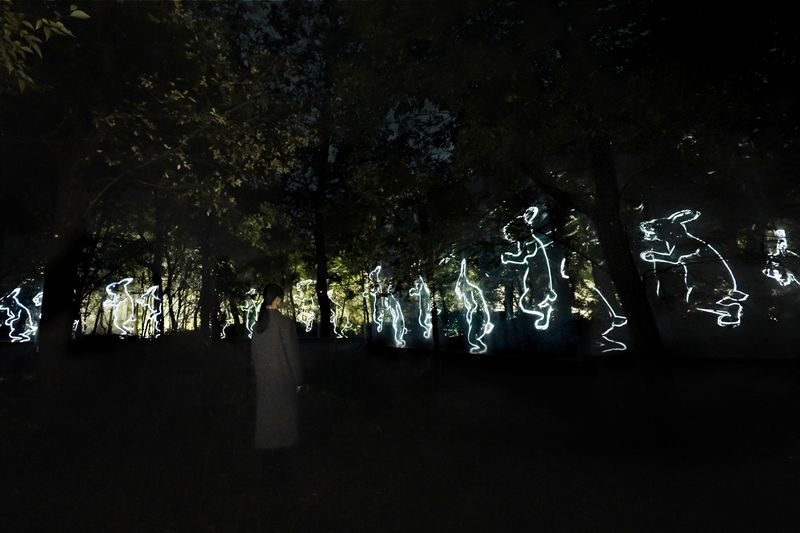
Sculptures of Dissipative Birds in the Wind uses large forms that appear and fade in relation to the movement of birds. The piece connects the art to the garden’s living ecosystem, rather than treating nature as decoration. You may find that some works are more subtle than their descriptions suggest, but the connection between the installation and its surroundings is what gives them interest.
Weather can change what is available. Rain has led to some sections being closed, and individual works may be unavailable for maintenance or seasonal reasons. If a particular installation is the main reason for your visit, check the official site for current conditions before setting out. Even on a wet night, you may still find enough to see, but it is sensible to have a flexible attitude rather than expect every work to be operating.
Cosmos and the lamps on Oike Lake
Life is Flickering Light Floating in the Dark – Cosmos uses glowing forms that brighten and make sound in response to people. Their light ripples outward, revealing others nearby. The name gives a sense of the idea: a small response can spread through the space, connecting separate points of light.
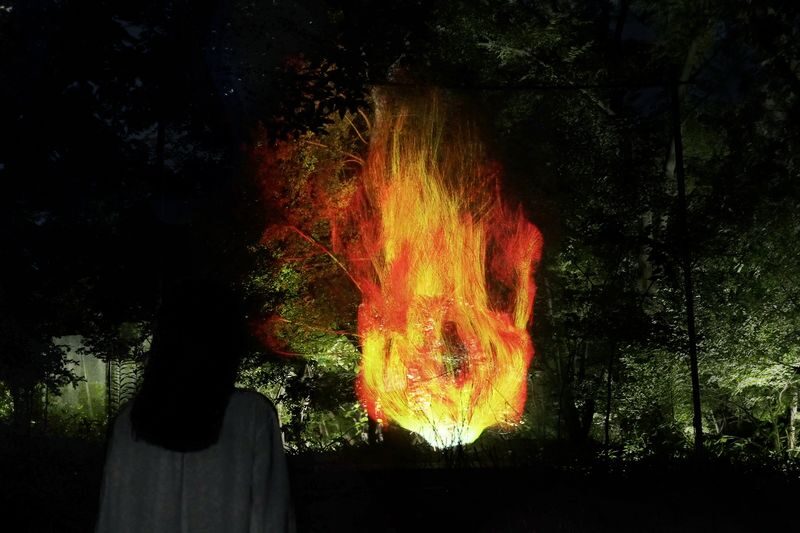
At Oike Lake, Floating Resonating Lamps on Oike Lake – Fire offers one of the garden’s most appealing settings. The lamps glow and sound in response to people or wind, sending ripples of light across the water and toward the trees. The water gives the light room to travel, so this stop can feel different from installations among plants or along a path.
These works are best enjoyed at an unhurried pace. Let the light settle, notice what changes when people move nearby, and take in the whole setting rather than focusing only on a close-up photo. The quiet music and gentle tones contribute to the calm mood that many people seek here.
If you want photographs, remember that the garden is dark. Some people manage good pictures, but getting a sharp image is not guaranteed, and flash photography is prohibited. I would treat photos as a bonus rather than the main event. The low light, water and movement are part of the atmosphere, and trying to capture every moment on a phone can pull your attention away from the walk.
How long to allow, and how the route feels
Plan on about 1 to 2 hours. Your pace, the crowd and the number of works open will affect the total. It is not a timed indoor performance with a fixed run time; you move through the garden and stop where the art catches your attention.
Do not assume you can leave from any point once you have entered. The route may require you to continue through the garden and return toward the entrance, rather than taking a convenient exit when you have had enough. This matters if you are visiting with a tired child or have a tight evening schedule. Allow time to complete the walk, and avoid treating it as a 20-minute detour.
The garden’s paths are lit, but the venue remains dark and includes uneven surfaces and unstable footholds. Keep children close, and choose practical footwear over shoes meant only for photos. Strollers and wheelchairs are allowed, but many areas are unpaved, and some artworks may not be accessible by wheelchair. If access needs are a major concern, check the official guidance before booking.
Bring mosquito repellent, particularly in warmer weather. Food and alcoholic drinks are not allowed, and there is no luggage storage at the venue. Large luggage over 50 centimeters, fresh flowers, hazardous or strongly scented materials, and drinks without lids other than plastic bottles and water bottles are prohibited. Pets are not allowed, except service animals with valid identification.




Getting to Nagai Botanical Garden
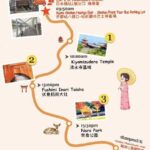
The address is 1-23 Nagaikoen, Higashisumiyoshi Ward, Osaka. The nearest rail options are Nagai Station on the Midosuji Subway Line, about 800 meters east from Exit 3, and Nagai Station on the JR Hanwa Line, about 1,000 meters east from the east exit. Tsurugaoka Station on the JR Hanwa Line is about 1,200 meters southeast from its east exit.
You can also take Osaka City Bus No. 4 toward Suminoe Koen – Dedo Terminal and get off at Nagai Higashi. From there, it is about 400 meters north on foot. The subway and JR stations both require a walk, so factor that into your timing, especially if you are traveling with children or visiting in bad weather.
The ticket covers admission only. Meals, drinks, transportation and personal expenses are extra, so this is a modestly priced evening activity rather than an all-in outing. At a starting price of $12.65, it can be good value if you enjoy art and outdoor spaces, and give yourself time to take the walk at a relaxed pace. The value is less obvious if you are comparing it with a large indoor media-art show or want a short, tightly packed attraction.
Choosing a time and checking conditions
Opening hours vary by season. The listed schedule includes evenings from 18:00 to 21:30, with last entry at 20:30, and some dates with later closing at 22:30 and last entry at 21:30. Dates and hours can change, so check the official website close to your visit. Darkness is essential to the displays, and arriving after sunset can give the lights their full effect.
Crowded periods may bring an outdoor wait before entry. Prepare for the season’s heat or cold, and allow extra time rather than arriving just before the last entry. Some artworks may be closed because of crowding, maintenance or seasonal changes.
You can enter with a mobile voucher, and staff may ask you to show identification. Children aged 0 to 5 enter free. Anyone aged 0 to 15 must be with an adult aged 18 or older, and each adult may accompany up to three children. Re-entry is not allowed after you leave, so use the restroom and gather what you need before going in.
The ticket is valid only on its selected date and time, if a time is specified. It is nonrefundable, except if the operator cancels the activity, such as in extreme weather. Changes may be allowed up to two hours before the activity starts, subject to the booking rules. Check those terms before paying, especially if your Osaka plans are still uncertain.
Is teamLab Botanical Garden Osaka worth booking?
Book it if you like the idea of a calm nighttime walk where light, sound and a living garden shape one another. The best parts are the installations that use trees and water, and the chance to experience art outdoors rather than inside a dark room. It also makes a good change of pace from Osaka’s busier evening districts.
Think twice if you have very little time, dislike insects, need a fully smooth route, or expect a show on the scale of teamLab’s indoor exhibitions. Weather can affect the available works, and the garden’s quiet mood will not suit everyone. If you go, bring repellent, wear sensible shoes, check the schedule and leave room in your evening for a leisurely walk.
teamLab Botanical Garden Osaka Ticket
“Fantastic experience and i would def recommned you to go if you are in Osaka”
FAQ
How long should I plan for teamLab Botanical Garden Osaka?
Allow about 1 to 2 hours. Your pace, crowd levels and which artworks are open can affect how long you spend inside.
What time does the garden open?
Hours vary by season and date. The supplied schedule includes evening hours of 18:00 to 21:30, with last entry at 20:30, and some dates with closing at 22:30. Check the official website for the current schedule.
How do I get to Nagai Botanical Garden by train?
Take the Midosuji Subway Line to Nagai Station and walk about 800 meters east from Exit 3. From Nagai Station on the JR Hanwa Line, walk about 1,000 meters east from the east exit.
Can I visit in a wheelchair or with a stroller?
The venue allows wheelchairs and strollers, but many paths are unpaved and some artworks may not be accessible by wheelchair.
Can I leave and return to the garden?
No. Re-entry is not allowed after you leave the venue.
Can I cancel or change my ticket?
Tickets are nonrefundable, except when the operator cancels the activity. Changes may be allowed until two hours before the start time, subject to the booking policy.