Kyoto is full of beautiful things to look at. This workshop gives you something to make with your hands: shape chopsticks from natural wood, sharpen a Japanese knife, or repair pottery with gold using kintsugi. You leave with a craft that carries a little more meaning than another shop-bought souvenir.
I like two things here: you make a useful or personal keepsake, and the English-speaking staff help you through the process rather than leaving you to puzzle it out. One consideration: the chopstick workshop is in Room 302 on the building’s third level, and the space can feel cramped. Give yourself time to find the entrance.
- Chopsticks, knives, or kintsugi: Choose the craft that suits your interests and budget.
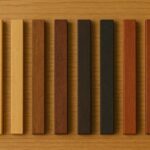
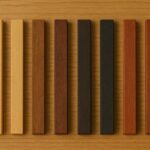
- Five wood choices for chopsticks: Cypress is included; other woods cost extra.
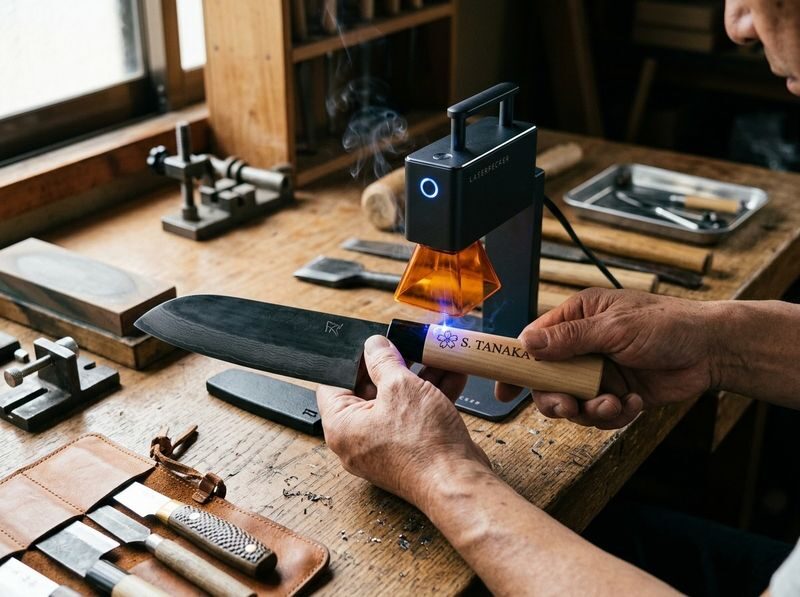
- Add an engraving: Personalize your item for an additional fee.
- Mini ramen with the chopstick session: A small meal makes this more than a quick craft stop.
- Near Kawaramachi: It is about a seven-minute walk from Hankyu Kawaramachi Station.
- Take your work home: The workshop is designed for same-day finished crafts.
- Choose a Craft That Fits Your Kyoto Day
- Shaping Chopsticks From Wood to Keepsake
- Sharpening a Knife With a Japanese Whetstone
- Kintsugi and the Beauty of a Repair
- Finding the Workshop Near Kawaramachi
- What the Price Buys You
- Who Will Enjoy This Hands-On Stop
- Should You Book This Kyoto Craft Workshop?
- FAQ
- How much does chopstick making cost?
- What craft options can I book?
- How long does the chopstick session take?
- Is ramen included?
- Can I add my name to my chopsticks?
- What age can take part?
- Where is the workshop?
- Do I need to meet a guide somewhere else?
- Can I cancel for a refund?
- The Best Of Kyoto!
- More Workshops & Classes in Kyoto
- More Tours in Kyoto
- More Tour Reviews in Kyoto
- Not for you? Here's more nearby things to do in Kyoto we have reviewed
Choose a Craft That Fits Your Kyoto Day
 1 / 8
 2 / 8
 3 / 8
 4 / 8
 5 / 8
 6 / 8
 7 / 8
 8 / 8
En (Connection) gives you three different ways to spend a session. The most affordable is chopstick making, from US$18.95 per person. You choose from five types of natural wood, then shape, sand, and oil your pair with help from an instructor. Cypress is included in the stated price. A different wood and name engraving cost extra, so check the added charges before you decide.
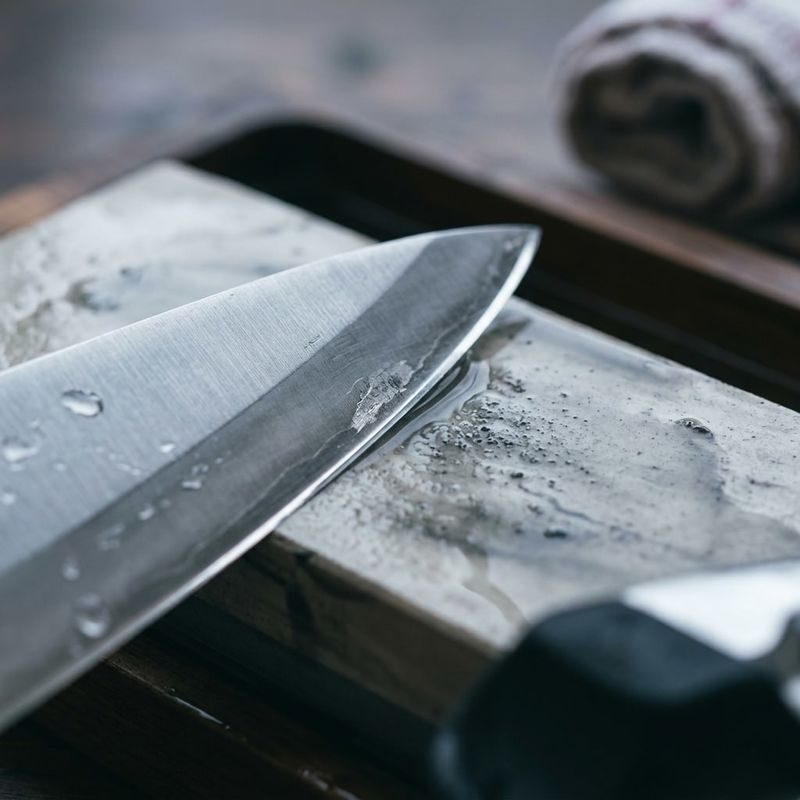
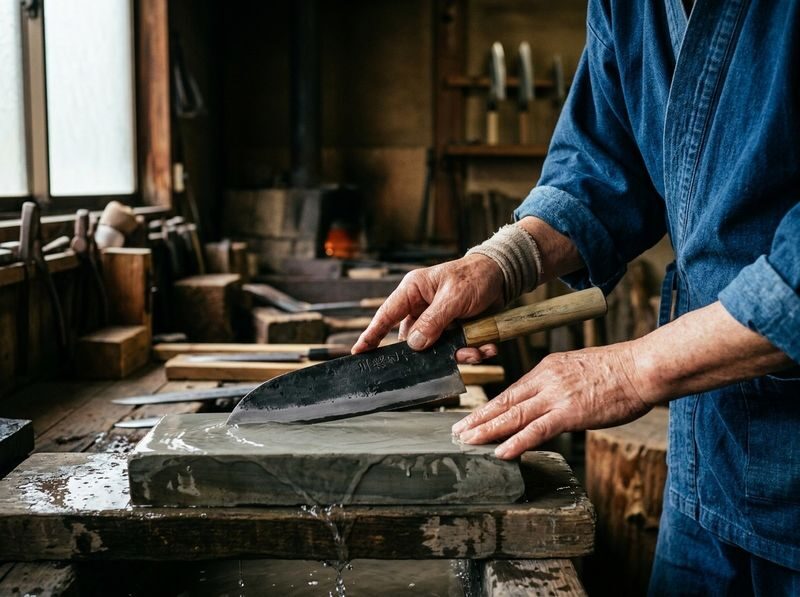
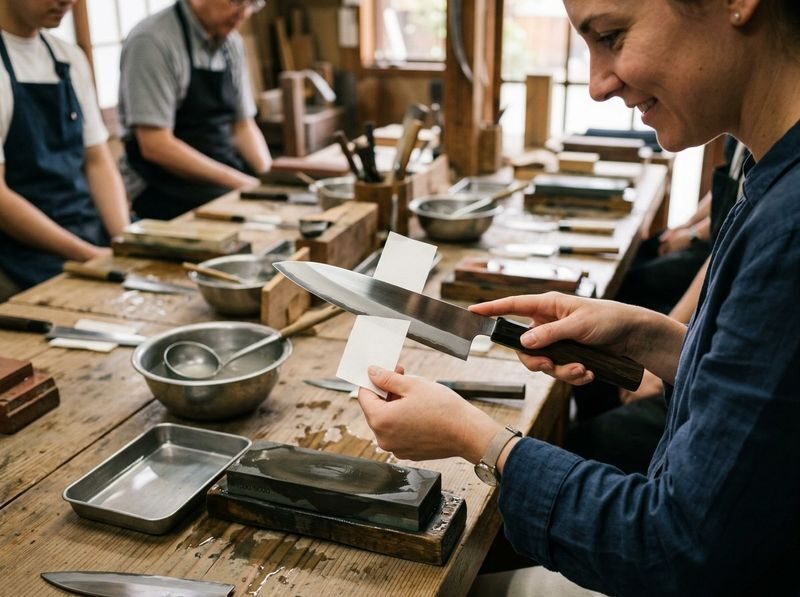
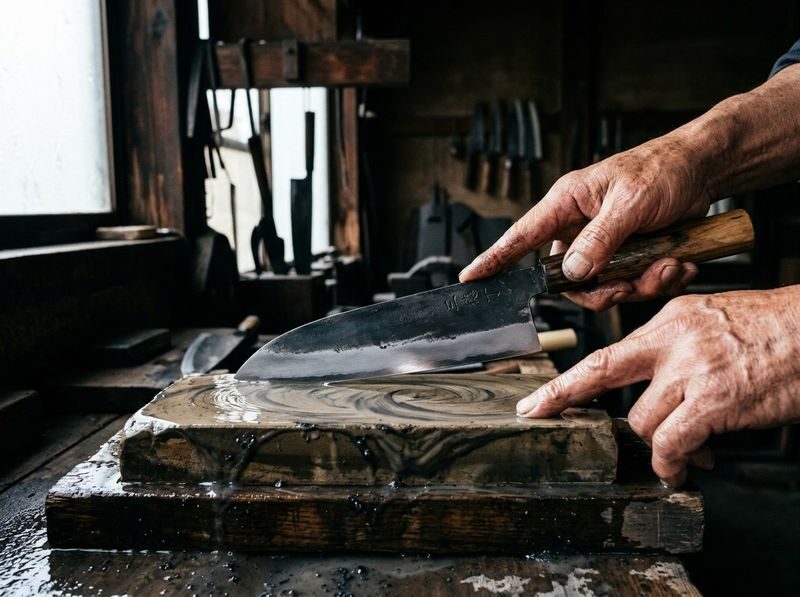
The knife option is a different sort of souvenir. From US$88.29, you learn to use a Japanese whetstone to sharpen a knife, with an engraving option available. One participant described getting advice from instructor Jessie on sharpening, knife care, and some history. That makes this the most practical choice if you enjoy cooking or want to learn a skill you can use again. It also costs substantially more than the chopstick session.
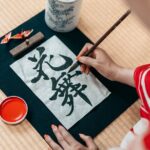
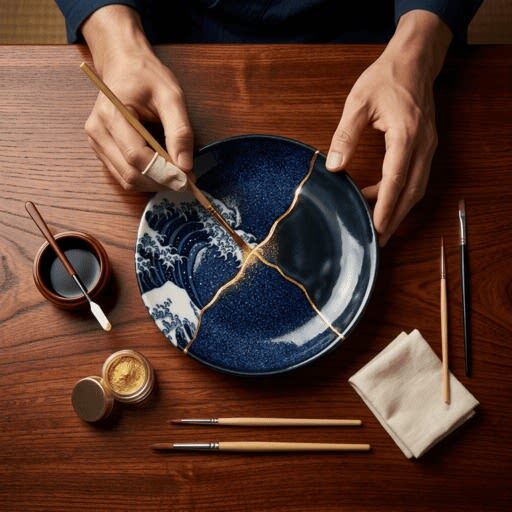
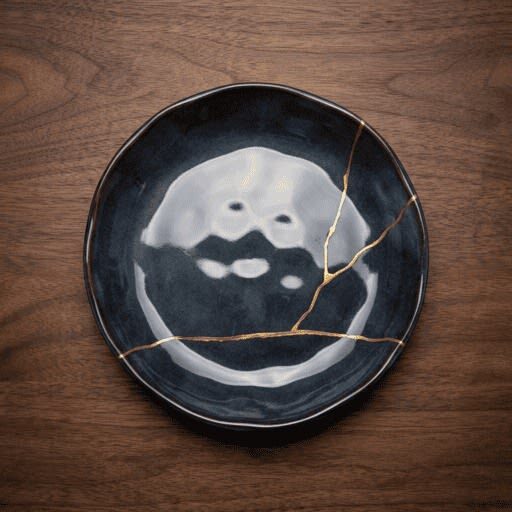
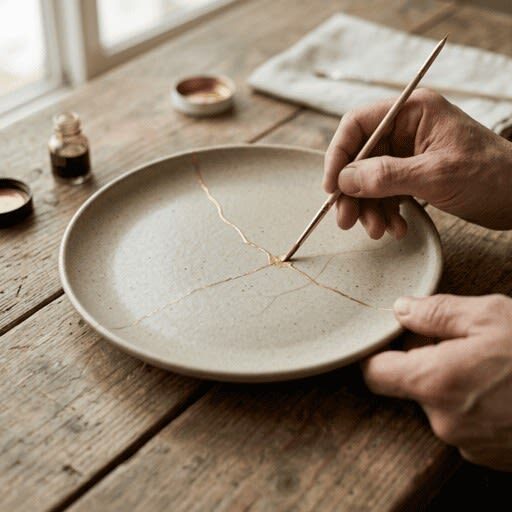
Kintsugi, from US$31.55, introduces the Japanese practice of repairing broken pottery with gold. Its appeal is as much philosophical as practical: the repair highlights the object’s history instead of trying to hide its flaws. If you are drawn to Japanese craft traditions, this may be the most thought-provoking option. The specific pottery and repair details are not listed, so ask the workshop what you will work on when booking.
The three activities are not interchangeable. Pick chopsticks for an accessible, hands-on keepsake; knife sharpening for a more involved practical skill; and kintsugi for a chance to work with the idea of repair and imperfection. The English-speaking staff are part of each experience, but the instructors’ names can vary. Past sessions have included Scarlett, Jessie, Taro, and Chris.
👉 See our pick of the 25 Best Workshops And Classes In Kyoto
Shaping Chopsticks From Wood to Keepsake
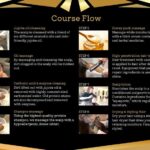
The chopstick session follows a satisfying sequence: choose a wood, shape it, sand the surface, and oil the finished pair. One participant estimated the process at about an hour. Treat that as a useful guide, not a fixed duration, since the exact time may depend on the session and your pace.
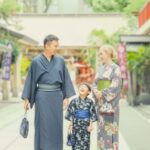
The work is approachable for beginners. You do not need to arrive with a craft background, and the instructor helps you through the steps. A family of four, including children aged 10 and 12, enjoyed making chopsticks together. The minimum age is five, and children pay the same price as adults.
The material choice gives the session a personal touch. Cypress is included, while other woods are available for an extra fee. If a particular wood matters to you, ask about the options and costs before starting. Engraving is also extra, but it can turn a simple handmade item into a more individual gift or memento.
The work can involve trial and error. One participant recalled breaking a couple of chopsticks before finishing a pair, with the instructor helping along the way. That is worth knowing if you are hoping for a flawless first attempt, but it also makes the result feel earned. You are not simply selecting an object from a shelf; you are shaping it yourself.
The chopstick package includes mini ramen, which adds a pleasant pause after the craft. It is not a full meal, so plan other food if you will be hungry. Still, the combination of making something and sitting down for a small bowl gives the activity a gentler rhythm than a class that ends the moment the work is done.
You can also read our reviews of more tours and experiences in Kyoto
Sharpening a Knife With a Japanese Whetstone
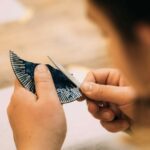
Knife sharpening is the higher-priced choice, but it offers more instruction in a useful skill. You learn to work with a Japanese whetstone, then have the option to add a custom engraving. The session is a good fit if you like cooking, value well-maintained tools, or want a souvenir with a clear purpose at home.
Past instruction has covered not just the sharpening motion, but also how to care for the knife and a little about its background. That practical advice is a real part of the value. A knife that goes home with you is more than a keepsake, and knowing how to look after it can make the lesson useful long after your Kyoto visit.
At US$88.29 and up, this is not the budget option. Consider it if you want an activity built around learning a technique, rather than making a low-cost souvenir. The engraving option adds another personal detail, but it is an extra, so confirm the total price before you commit.
Kintsugi and the Beauty of a Repair
Kintsugi uses gold to repair broken pottery, making the repair part of the object’s visible character. That simple idea gives the session a different feel from the other two. Instead of starting with raw material and shaping something new, you work with the idea of giving a damaged object another life.
At US$31.55 and up, it sits between chopstick making and knife sharpening in price. It may suit you best if you are curious about Japanese craft and the values behind it, rather than focused on taking home a kitchen tool. Participants have found the process easy to follow, with staff offering help and explanations.
The exact pottery, tools, and steps are not specified here, so do not assume you will bring a particular item from home or work on a specific type of vessel. Ask the workshop what the session includes if those details matter to you. The broader experience is clear: you get to try a traditional repair method and consider why a repaired object can be valued for its flaws.
Finding the Workshop Near Kawaramachi
The address is Room 302, Nippo Kyoto Building 2, Izumishoji-cho, Shimogyo-ku, Kyoto. It is about a seven-minute walk from Hankyu Kawaramachi Station, making it a manageable stop while you are in central Kyoto. You make your own way there; no guide meets you at a separate departure point.
The workshop is on the building’s third level. The entrance can be a little hard to spot, and the room has been described as cramped, so arrive five minutes early and allow a few extra minutes to find it. That small buffer matters: late arrivals and no-shows are not refundable.
You select a start time when booking. Available choices are listed from 10:00 a.m. through 6:00 p.m., on the hour. The session ends at the workshop, and return-time options vary according to the start time and activity duration. This is a fixed-location class, not a walking tour, so there is no transport between stops.
What the Price Buys You
The chopstick session has the strongest value for a traveler looking for a modestly priced activity with a tangible result. For US$18.95 per person, the listed package includes an instructor, cypress wood, and mini ramen. The craft is personal, the process is guided, and you can take your work home the same day. That is a solid combination for a short break from sightseeing.
Keep the extras in mind. A different wood and engraving cost more, and the starting price does not cover every possible customization. If you want a name engraved or a particular wood, ask about the final cost before choosing. The workshop’s appeal does not depend on upgrades, but it is easier to judge the value when you know the full price.
The knife session costs more because you are learning a more specialized technique and working with a practical item. Kintsugi is moderately priced, with its value resting more in the craft and its meaning than in a clearly specified finished object. In all cases, prices are per person, and children aged five and older pay the adult rate.


Who Will Enjoy This Hands-On Stop
I would recommend chopstick making to families with children aged five or older, couples who want a shared activity, and anyone who likes bringing home a handmade souvenir. It offers enough guidance for beginners and a clear result at the end. The same-day finish is especially handy if you are moving on to another city soon.
Choose knife sharpening if you are interested in tools and willing to spend more for a skill-based session. Kintsugi is the better match if the idea of repair and visible imperfections appeals to you. None of these options needs to fill a whole day, but the chopstick process has taken about an hour, so avoid scheduling it too tightly against another activity.
The main trade-off is space. A small room can make a hands-on class feel intimate, but it may be less comfortable for a larger group. If you are visiting with family, keep the group size in mind and arrive on time so you can settle in without rushing.
Should You Book This Kyoto Craft Workshop?
Book it if you want to do more in Kyoto than look at temples and shops, and you like the idea of leaving with something you made yourself. The chopstick class is the easiest recommendation for most budgets: it includes cypress, instruction, and mini ramen, with optional engraving and upgraded wood if you want them. For a deeper practical lesson, consider the knife class; for a more reflective craft, choose kintsugi.
Skip it if you need a spacious setting, dislike hands-on work, or have only a narrow gap in your schedule. The location can take a moment to find, and the session is not a guided tour with transport. But if you give yourself enough time, this is a thoughtful way to make a small part of Kyoto your own.
En (Connection) Chopstick & Craft Workshop:: Kyoto Crafts
“Really fun workshop. Everyone is nice and helps you through the process. I would recommend it to anyone who wants to do something different with a…”
FAQ
How much does chopstick making cost?
The chopstick-making experience starts at US$18.95 per person. Cypress wood, an instructor, and mini ramen are included. Other wood choices and engraving cost extra.
What craft options can I book?
You can choose chopstick making, Japanese knife sharpening with an engraving option, or kintsugi pottery repair with gold.
How long does the chopstick session take?
One participant described the chopstick-making process as taking about an hour. The exact duration can vary, and the available return times depend on your booked start time and activity.
Is ramen included?
Mini ramen is included with the chopstick-making package. It is described as a mini serving, not a full meal.
Can I add my name to my chopsticks?
Yes. Custom engraving is available for an extra fee. Engraving is not included in the starting price.
What age can take part?
Participants must be at least five years old. Children aged five and older are charged the same rate as adults.
Where is the workshop?
It is in Room 302, Nippo Kyoto Building 2, Izumishoji-cho, Shimogyo-ku, Kyoto. The workshop is about a seven-minute walk from Hankyu Kawaramachi Station.
Do I need to meet a guide somewhere else?
No. You make your own way to the workshop, where the activity takes place and ends. Arrive five minutes before your selected start time.
Can I cancel for a refund?
You can receive a full refund if you cancel at least 24 hours before the activity date, using Japan local time.